

Key Takeaways
Treat garments as chemical products, not inert pieces of fabric.
A hidden recipe. A garment’s chemistry can reflect far more than its fiber. Chemicals may enter during fiber production, weaving, dyeing, finishing, printing, and shipping. Some are intentional, such as stain-resistant coatings; others arrive as contaminants. Residues can transfer to skin, air, household dust, and wash water, yet clothing rarely lists its ingredients. Wicker calls the accumulation of synthetic chemicals inside people the human toxome.
Close contact matters. Clothes sit against skin for hours, often while people sweat, sleep, or exercise. That exposure does not prove that a particular garment causes illness, but it makes clothing a neglected route worth investigating. The book’s central claim is that consumers should not assume a shirt is chemically simple just because its tag names cotton or polyester.
What's striking is how product categories shape what people notice. Food and cosmetics come with ingredient lists, so consumers have learned to ask what is inside them. Clothing's missing label makes its chemistry feel nonexistent. Exposure science offers a useful distinction: a substance's presence is not the same as a harmful dose, but without disclosure, dose and route are difficult to assess. The argument is strongest as a call for transparency and better measurement, not as a claim that ordinary clothing routinely causes disease.
Read workplace clusters as warning signals, not proof of one culprit.
The uniform clue. When Alaska Airlines introduced new uniforms in 2011, attendants reported rashes, coughing, breathing problems, and other symptoms. John developed severe skin and breathing reactions; Mary noticed that her cough appeared at work and eased after she stopped wearing the uniform. Similar complaints followed uniform rollouts at other airlines. Tests of Alaska garments detected 97 chemical compounds, but did not identify one substance that explained every reaction.
A useful comparison. A Harvard survey found that several symptoms roughly doubled among Alaska attendants after the uniform change. Between 8 and 22 percent of attendants at different airlines reported adverse reactions. The pattern supports concern about the uniforms, but neither the survey nor the chemical tests prove that a particular chemical caused chronic disease.
A synchronized uniform change creates a rare natural experiment: many workers encounter similar garments at roughly the same time, making symptom patterns easier to detect than among shoppers with varied wardrobes. That is valuable evidence, but not a controlled trial. Cabin air, work schedules, and other exposures may contribute, and different people may react to different ingredients. The sensible conclusion is neither dismissal nor certainty. A cluster deserves independent investigation, transparent data, and accommodation while causes are studied.
A chemical safety test can miss the substances nobody thought to test.
Known chemicals only. Conventional tests often search for substances already on a lab’s checklist. That approach can miss chemicals whose existence or structure is unknown. Duke researchers used high-resolution mass spectrometry to investigate azo disperse dyes, a class used to color synthetic fabrics such as polyester. They found these dyes in all 124 household dust samples they examined and in children’s polyester clothing. One tested shirt contained more than 11,000 parts per million of a dye.
Limits compound. A test showing each measured chemical below its individual limit does not settle the effects of an entire chemical mixture. Some substances may add to, or alter, one another’s effects. These findings reveal gaps in what is measured; they do not establish that the detected dyes caused illness in the children or households.
This is a classic problem of measurement design: a test can be precise and still answer too narrow a question. Targeted screening is efficient when the likely hazards are known, while broad chemical analysis can reveal surprises but is expensive and difficult to interpret. The book also highlights mixture effects, a challenge shared by air pollution and drug interactions. Evidence of presence should prompt follow-up, not be treated as a diagnosis. Better inventories and public access to chemical reference samples would make both kinds of testing more useful.
Fashion repeats a deadly pattern: convenience arrives before safety.
Old hazards, new finishes. In the nineteenth century, arsenic-based green pigments harmed flower makers who produced fashionable decorations. Mercury used in felt hats sickened hatters for generations. Synthetic dyes and plastics later brought new exposures, while modern finishes promise wrinkle resistance, stain protection, and waterproofing. The materials change, but the sequence recurs: a useful innovation spreads, workers or consumers report harm, and evidence and regulation lag behind commercial use.
The modern example. PFAS, chemicals used to repel water and stains, became common in outdoor gear and other textiles. Some types persist in people and the environment. Replacing a restricted chemical with a similar, less-studied one can repeat the problem rather than solve it. The book argues that fashion’s history is a warning against treating novelty or performance as evidence of safety.
The historical perspective turns toxic fashion from a string of isolated scandals into a recurring governance failure. New materials often deliver visible benefits, while health costs are delayed, dispersed, and borne by workers with less power to object. That imbalance helps explain why warnings can be discounted for years. History cannot show that every new textile finish is dangerous, but it does weaken the assumption that widespread use is a reliable safety test. The key question is who bears the cost when uncertainty is resolved too late.
Treat endocrine risks as urgent evidence gaps, not settled explanations.
Hormones reach beyond fertility. An endocrine disruptor interferes with the body’s hormone signaling, which helps regulate reproduction, metabolism, the immune system, and other functions. The book identifies chemicals used in or on fashion, including some phthalates and PFAS, as substances of concern. It also describes research reporting a decline of more than 50 percent in sperm counts over about forty years, alongside studies linking chemical exposures with reproductive effects.
Concern is not proof. Chemical exposure is one proposed contributor among several, and the evidence does not establish that clothing caused population-wide fertility trends. Candice’s improved IVF outcomes after making major lifestyle changes are a personal story, not proof that a specific change caused her pregnancy. The practical lesson is to take the research seriously while resisting simple causal promises.
The endocrine system makes this issue especially consequential because hormone signals coordinate many organs, and timing can matter as much as total exposure. That complexity also makes confident attribution difficult: fertility reflects age, health, behavior, environment, and chance. The book is right to challenge complacency when chemicals are widespread and the evidence base is incomplete. It is equally important not to turn uncertainty into a claim that an individual’s infertility has a single preventable cause. Precaution is a policy choice, not a substitute for causal evidence.
Take chemical reactions seriously without turning a theory into diagnosis.
A proposed mechanism. Toxicant-induced loss of tolerance, or TILT, describes a proposed process in which a significant exposure sensitizes someone, so that later, smaller exposures trigger symptoms. Researchers Claudia Miller and colleagues suggest that mast cells, immune cells involved in inflammation, may help explain reactions affecting skin, breathing, digestion, or concentration. People reporting chemical intolerance may react to fragrances, new materials, or clothing, but there is no single widely accepted diagnosis or simple biomarker.
What the evidence says. A survey using screening questions found that more than 20 percent of respondents reported patterns consistent with chemical intolerance. That is a screening result, not a formal diagnosis rate. The mechanism is plausible and under investigation, but remains contested. Symptoms deserve thoughtful medical attention even when tests cannot yet confirm a cause.
TILT offers a biological account that can make otherwise puzzling reactions more legible, particularly when symptoms span several body systems. It also helps explain why a tiny exposure might matter to one person but not another. Yet a plausible mechanism is not the same as proof that it explains every case grouped under chemical sensitivity. Good clinical reasoning can hold both truths: patients’ experiences are real, and the cause may remain uncertain. That balance is more useful than either reflexive disbelief or premature certainty.
Separate autoimmune plausibility from proof of clothing-caused disease.
A possible environmental trigger. Autoimmune diseases occur when the immune system attacks the body’s own tissues. The book describes a common research model in which genetic susceptibility combines with an environmental trigger, such as infection or chemical exposure. Flight attendant Tonya Osborne developed serious autoimmune conditions after reacting to a new uniform, and her doctors considered the connection plausible. Her timeline is compelling, but it cannot establish that the uniform caused her diseases.
The missing link. Researchers are investigating how repeated immune activation and environmental exposures might contribute to chronic illness. Wicker emphasizes that direct evidence tying particular clothing chemicals to autoimmune disease remains limited. The case for more research is stronger than the case for certainty: dismissing symptoms leaves questions unanswered, while attributing an illness to a garment without proof can mislead patients.
The distinction between a credible hypothesis and a demonstrated cause is essential here. Autoimmune disease often has multiple interacting influences, and a sequence of events alone cannot separate cause from coincidence. At the same time, uncertainty should not be used to shut down research, especially when workers report similar symptoms after a shared exposure. The most constructive path is prospective study: document exposure and symptoms before and after changes, compare affected and unaffected groups, and investigate plausible biological mechanisms. Such evidence can protect patients without overselling individual stories.
Follow the garment's journey: production hazards do not stay overseas.
A tiered supply chain. In Tirupur, India, Wicker visited a dyehouse that recycled most of its wastewater and used automated chemical handling. Such facilities require investment and oversight. A survey of 230 wet-processing facilities found that only 23 percent had a chemical-management policy, and 13 percent reported working toward zero hazardous discharge. Smaller or price-pressured factories may lack safeguards, while workers can face long hours, fumes, dust, and skin exposure.
Shared exposure. Chemicals can move from production into wastewater, dust, and finished garments. A factory’s location does not make its effects remote from shoppers, nor does consumer exposure erase the more intense risks faced by workers and nearby communities. Voluntary industry initiatives such as ZDHC have improved some practices, but their reach and enforcement are incomplete.
Supply-chain analysis corrects a common moral shortcut: consumers and workers are not separate from one another, but they do not bear equal risks. Workers often face higher concentrations and have less control over their conditions; buyers help create price and speed pressures through the market. This is an environmental-justice issue as well as a consumer-safety one. Voluntary programs can demonstrate workable improvements, yet they cannot guarantee broad coverage when the least resourced suppliers have the weakest incentives. Responsibility needs to follow purchasing power, not stop at national borders.
Lower your exposure without confusing careful shopping for a cure.
Practical risk reduction. The book recommends avoiding suspiciously cheap knockoffs and unknown sellers, washing new garments with fragrance-free detergent, and favoring secondhand clothing that has already been washed. Natural fibers can be a useful preference, but cotton or wool is not automatically chemical-free. Look for credible third-party standards such as Oeko-Tex, while recognizing that certifications test for selected substances and cannot guarantee the absence of every hazard.
Choose fewer finishes. Stain resistance, wrinkle resistance, waterproofing, and anti-odor claims often rely on additional chemicals. If a garment has a strong chemical odor, return it rather than assuming washing will solve the problem. These steps can reduce some exposures, but no shopping checklist can make an opaque market fully safe, and people should seek medical advice for health concerns.
These suggestions are most useful as harm reduction, not as a purity test. Washing may remove some residues, and buying fewer specialized finishes can avoid certain exposures, but neither strategy controls every ingredient or exposure route. The book also recognizes that time, money, access, and medical needs shape what people can buy. That matters because consumer advice can otherwise shift responsibility from manufacturers and regulators onto individuals. Personal choice is valuable, but it should not become a condition for deserving safe products.
Make safety mandatory, because voluntary labels cannot police the whole market.
A weak safety net. The US has few enforceable chemical limits for adult clothing, and the Consumer Product Safety Commission tests only a small fraction of imports. The 1976 Toxic Substances Control Act allowed tens of thousands of chemicals already in commerce to continue without first demonstrating safety. By contrast, the EU’s REACH system requires chemical registration and can restrict substances when risks cannot be managed. Even strong rules need enforcement: European inspections still found many online products noncompliant.
The proposed repairs. Wicker calls for chemical ingredient disclosure, broader testing and recall powers, regulation of whole chemical classes to prevent risky substitutions, stronger research funding, and laws holding brands accountable for supply-chain harms. These are system-level measures, not a promise that regulation can eliminate every risk. They would make safety less dependent on individual shoppers decoding hidden chemistry.
The deeper issue is the allocation of the burden of proof. When chemicals enter commerce before adequate testing, consumers and public agencies must detect harms after exposure has begun. Registration, disclosure, and class-based restrictions can shift some responsibility upstream, where chemical makers and brands have more information and leverage. Regulation also has tradeoffs: broad rules need transparent evidence, realistic enforcement, and support for safer alternatives. Still, voluntary commitments alone cannot reliably cover thousands of suppliers and millions of products. Public standards turn safety from a marketing advantage into a baseline.
Analysis
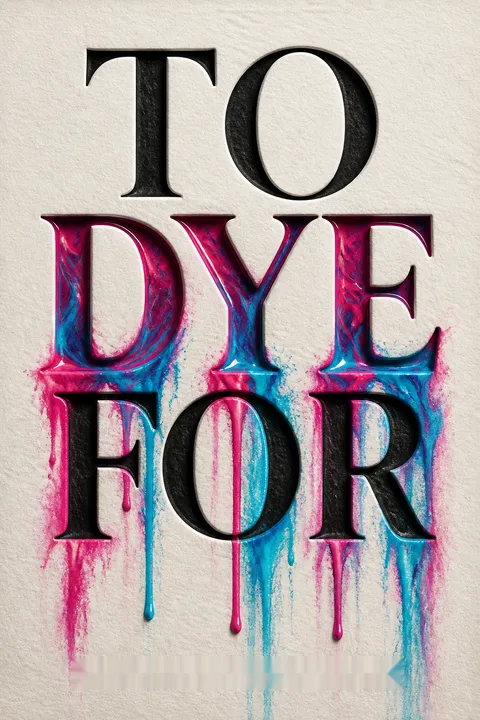
To Dye For is an investigative health and environmental book organized around a central mismatch: clothing is one of the most intimate consumer products, yet its chemical contents are largely invisible and rarely disclosed. Wicker builds the case through reported stories, historical episodes, laboratory research, and a tour of textile production. The airline uniform cases give the narrative its strongest entry point. A coordinated rollout followed by symptom clusters is more informative than isolated complaints, and the later Harvard survey adds evidence of an association. Still, neither identifies one cause nor proves that uniforms produced chronic disease.
The book’s most durable contribution is not a claim that clothes explain modern illness. It is a map of why the question is hard to answer. Researchers may not know which compounds to test for; standards often assess substances separately; chemical suppliers guard formulations; and voluntary certifications test only defined lists. In this setting, absence of a detected hazard can mean that a tested sample passed a limited screen, not that every relevant substance or mixture has been evaluated. The history of arsenic pigments, mercury felt-making, and newer performance finishes gives that institutional problem a long timeline.
The health chapters require the most careful reading. Studies on reproductive trends, chemical exposure, immune response, and autoimmune disease raise plausible concerns, while individual stories make the stakes tangible. But association, mechanism, and personal chronology do not equal demonstrated causation. Wicker acknowledges this gap, and readers should preserve it. The book’s case for precaution and research is stronger than any claim that a particular garment caused a particular chronic illness.
Its practical advice is useful but deliberately limited. Washing, choosing fewer chemical finishes, and favoring transparent brands can reduce some risks, yet no shopper can audit a global supply chain or test a wardrobe affordably. The policy argument therefore completes the consumer guidance: safety requires public testing, chemical disclosure, enforceable supply-chain responsibility, and rules that address whole classes of similar substances. The book asks readers to take both exposure and uncertainty seriously, without confusing suspicion with proof or shopping with systemic reform.
Review Summary
To Dye For is a well-researched exposé on the toxic chemicals in clothing, particularly focusing on flight attendant uniforms. Readers found it eye-opening, alarming, and important, praising the author's thorough investigation and accessible writing style. Many were shocked by the prevalence of harmful substances in everyday garments and appreciated the suggestions for safer alternatives. Some critics found the book repetitive or alarmist, while others felt overwhelmed by the chemical jargon. Overall, most readers considered it a crucial read for anyone interested in fashion and environmental issues.
People Also Read





Glossary
Toxicant-induced loss of tolerance (TILT)
Exposure-linked chemical sensitivityA proposed condition in which an initial substantial exposure to a substance sensitizes the body, so that later, smaller exposures can trigger symptoms. Reported effects may involve several systems, including skin, breathing, digestion, and concentration. The book describes TILT as a possible explanation for some cases of chemical intolerance, while noting that the diagnosis and mechanism remain contested.
Per- and polyfluoroalkyl substances (PFAS)
Persistent water-repellent chemicalsA large class of manufactured chemicals used in products and textile finishes to resist water and stains. Some PFAS persist for long periods in people and the environment. The class includes thousands of different compounds, not all equally studied. Wicker emphasizes that replacing a restricted PFAS with a less-studied relative may leave similar concerns unresolved.
Azo disperse dyes
Dyes for synthetic fibersA subgroup of disperse dyes used to color synthetic materials such as polyester. Research described in the book found these dyes in children’s polyester garments and household dust. Some dyes can cause skin sensitization, and certain azo dyes may release amines associated with health concerns. The book stresses that many compounds in this broad group have not been adequately studied.
Endocrine disruptor
Chemical that alters hormone signalingA substance that interferes with the body’s hormone signaling. Hormones regulate processes extending beyond reproduction, including metabolism, immune activity, and development. The book identifies some phthalates and PFAS among chemicals of concern in fashion. Effects can depend on dose, exposure timing, and combinations with other substances, making simple safety thresholds difficult to establish.
human toxome
Chemical burden within the bodyThe term Wicker uses for the invisible collection of synthetic chemicals present inside people. It reflects the many possible sources of exposure, including air, water, food, household products, and clothing. The concept directs attention to cumulative exposure, while not implying that every detected chemical is harmful or that an individual illness can be traced to a single source.
Oeko-Tex
Voluntary textile safety certificationA certification system associated with textile testing, including the STANDARD 100 label. It tests products against a defined list of hazardous substances and has become influential guidance for brands and suppliers. The book considers it one of the stronger available consumer signals, but not a guarantee: no testing program covers every possible chemical or every mixture.
manufacturing restricted substance list (MRSL)
Restricted chemicals in productionA list of substances that participating brands and suppliers agree should not be intentionally used in manufacturing. The ZDHC initiative developed an MRSL for textile and footwear production. Preventing a chemical from being used in a factory can reduce the chance that it reaches workers, wastewater, or finished goods, though a voluntary list does not cover every producer.
ZDHC
Voluntary textile chemical initiativeAn industry group whose name stands for Zero Discharge of Hazardous Chemicals. It works with brands, suppliers, chemical companies, and other organizations to restrict chemicals used in manufacturing and improve wastewater management. Wicker credits the initiative with progress, while noting that participation is voluntary and does not reach every factory or product in the global market.
FAQ
What’s To Dye For: How Toxic Fashion Is Making Us Sick—and How We Can Fight Back by Alden Wicker about?
- Investigative exposé on toxic fashion: The book uncovers how chemicals used in clothing manufacturing harm both human health and the environment, affecting workers and consumers alike.
- Health and environmental focus: It links chemical exposures in textiles to autoimmune diseases, skin conditions, respiratory problems, and hormone disruption, while also detailing pollution in global manufacturing hubs.
- Call for systemic change: Wicker advocates for stronger regulations, transparency, and industry accountability, urging collective action to eliminate hazardous chemicals from fashion.
Why should I read To Dye For by Alden Wicker?
- Reveals hidden health risks: The book exposes the invisible dangers in everyday clothing, such as azo dyes, PFAS, and formaldehyde, which most consumers are unaware of.
- Blends science and personal stories: Wicker combines investigative journalism with real-life accounts from flight attendants, garment workers, and researchers, making the issue relatable and urgent.
- Empowers informed choices: Readers gain practical advice on avoiding toxic fashion and learn how to advocate for safer products and industry reforms.
What are the key takeaways from To Dye For by Alden Wicker?
- Toxic chemicals are widespread: Hazardous substances are common in clothing, often unregulated and undisclosed, posing risks to health and the environment.
- Industry lacks transparency: The fashion and chemical industries often hide formulations and resist regulation, prioritizing profit over safety.
- Consumer and systemic action needed: Both individual choices and collective advocacy are essential to drive change, from choosing safer clothing to demanding policy reforms.
What are the main health risks of toxic fashion discussed in To Dye For by Alden Wicker?
- Skin and autoimmune diseases: Chemicals like azo dyes and formaldehyde can cause rashes, allergies, and contribute to autoimmune conditions such as lupus and psoriasis.
- Endocrine disruption and fertility issues: PFAS, phthalates, and other substances interfere with hormones, leading to fertility problems, thyroid disorders, and developmental issues.
- Respiratory and systemic effects: Textile workers and consumers can suffer from asthma, lung diseases, liver damage, and neurological problems due to chronic chemical exposure.
How does To Dye For by Alden Wicker connect fashion industry practices to environmental pollution?
- Toxic wastewater discharge: Dyehouses, especially in countries like India, have polluted rivers and soil by dumping untreated chemical effluent.
- Persistent environmental chemicals: PFAS and heavy metals from textile production persist in ecosystems, contaminating water, food chains, and spreading globally.
- Waste disposal hazards: Discarded clothing with toxic finishes often ends up in landfills or is burned, releasing hazardous substances into air and water.
What are azo disperse dyes and why are they significant in To Dye For by Alden Wicker?
- Widely used synthetic dyes: Azo disperse dyes color synthetic fabrics like polyester and make up the majority of industrial dye colorants.
- Health hazards: Many release carcinogenic amines and are linked to skin allergies, cancer risks, and chronic health problems.
- Invisible exposure: These dyes shed into household dust, leading to ingestion and inhalation, especially affecting children.
How does To Dye For by Alden Wicker explain chemical intolerance and mast cell activation syndrome?
- Chemical intolerance overview: The book discusses toxicant-induced loss of tolerance (TILT), where overexposure to chemicals sensitizes the body, causing severe reactions to even tiny amounts.
- Mast cell activation: Mast cells, part of the immune system, overreact to toxins, releasing chemicals that cause systemic symptoms like hives, fatigue, and brain fog.
- Medical skepticism: Despite growing evidence, chemical intolerance is often misdiagnosed or dismissed due to lack of standardized diagnostic criteria.
What is the "three-tier system" of dyehouses described in To Dye For by Alden Wicker?
- Top-tier dyehouses: These have eco-credentials, advanced technology, and invest in wastewater treatment, producing safer textiles for high-end brands.
- Mid-tier dyehouses: Serving price-sensitive brands, these factories meet minimal legal requirements but may cut corners and lack full transparency.
- Bottom-tier dyehouses: Small, unregulated factories use the cheapest, most hazardous chemicals, often dumping waste illegally and exposing workers to severe risks.
What are the key chemical hazards in fashion highlighted in To Dye For by Alden Wicker?
- Azo dyes and carcinogenic amines: Linked to allergies and cancer, with some banned in the EU but still present in products.
- PFAS ("forever chemicals"): Used for water and stain repellency, these are persistent endocrine disruptors found in various clothing items.
- Formaldehyde, solvents, and heavy metals: Used for finishing and dyeing, these substances are linked to cancer, reproductive toxicity, and neurological damage.
What testing and certification systems for toxic chemicals in fashion does To Dye For by Alden Wicker discuss?
- Oeko-Tex certification: Tests textiles for hazardous substances and certifies products as safe, but has limitations and does not cover all chemicals.
- ZDHC (Zero Discharge of Hazardous Chemicals): An industry initiative to restrict certain chemicals and promote wastewater treatment, but only covers part of global production.
- Certification challenges: Testing is expensive, often voluntary, and results are private, leaving many products untested or containing undisclosed chemicals.
What practical advice does Alden Wicker give in To Dye For for consumers to avoid toxic fashion?
- Avoid ultra-fast fashion: Cheap knockoffs often contain hazardous chemicals and evade safety checks.
- Choose trusted brands and certifications: Look for companies engaged with chemical management programs and prefer natural fibers over synthetics.
- Care for clothing wisely: Wash new clothes before wearing, avoid dry cleaning, and trust your senses—if something smells chemical-laden, return it.
What systemic changes does To Dye For by Alden Wicker propose to address toxic chemicals in fashion?
- Stronger regulation and funding: Implement taxes and tariffs on untested chemicals, require registration and health data sharing, and expand regulatory authority.
- Class-based chemical bans: Regulate entire classes of hazardous chemicals to prevent substitution and ban endocrine disruptors in consumer products.
- Transparency and accountability: Hold brands liable for worker health and pollution, crack down on greenwashing, and require full ingredient disclosure on fashion products.
Download PDF
Download EPUB
.epub digital book format is ideal for reading ebooks on phones, tablets, and e-readers.








