

Key Takeaways
Treat fast carbs as a food-design problem, not a character flaw
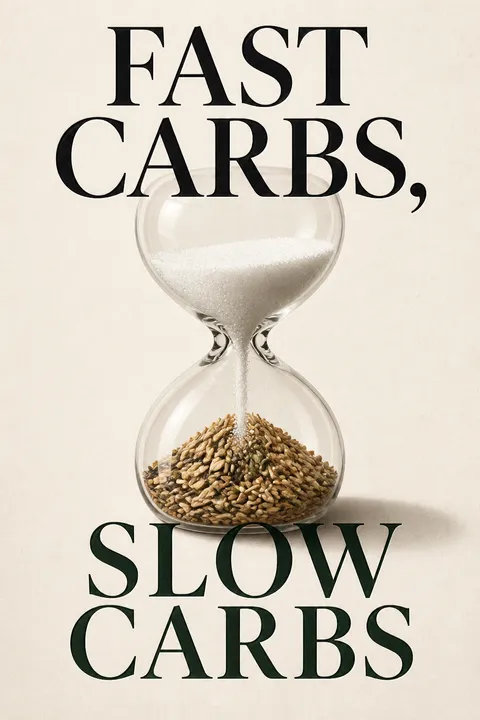
The central claim. Kessler uses fast carbs to describe sugars and processed starches that the body digests and absorbs rapidly. They can deliver a quick surge of glucose without reliably bringing the fullness that helps end a meal. His argument reframes overeating: industrial food design, appetite biology, and an environment saturated with tempting products make restraint harder than simply deciding to eat less. Kessler, a physician who struggled with repeated cycles of weight loss and regain, says understanding the food itself helped make his behavior less mysterious.
A worrying backdrop. The book cites an analysis finding only 12.2 percent of American adults metabolically healthy. That figure motivates its central proposal: reduce fast carbs, improve cardiovascular risk factors such as LDL, and exercise regularly.
The reframing is valuable because it replaces moral judgment with a testable question: what features of a food and its setting make stopping difficult? Behavioral science similarly shows that repeated cues can shape choices before deliberate reasoning gets involved. That does not mean personal agency disappears; it means agency works better when the environment supports it. The label fast carbs is useful as a practical lens, but it is not a standardized medical category, and the book sometimes treats a diverse range of foods as more uniform than they are.
Judge grains by their structure, not by reassuring package language
Structure changes digestion. A grain kernel contains a starchy endosperm, a fiber-rich bran, and a nutrient-rich germ. Kessler calls the intact arrangement the food matrix. Some products labeled whole grain are made by milling the grain into fine flour, then adding bran back. The label may describe ingredients, but not whether the original structure survives processing.
Industrial shortcuts. Extrusion cooking pushes moistened grain through a machine using heat, pressure, and mechanical force. This can break starch into smaller fragments, making it easier for digestive enzymes to reach and convert into glucose. Breakfast cereals, puffed snacks, and some meat substitutes use these techniques. Kessler argues that the degree of structural disruption matters more to digestion than whether a package uses the words whole grain.
This distinction gives consumers a more useful question than a front-of-package claim: how much intact structure remains? It also shows why nutrition labels can be incomplete. They list ingredients and nutrients, yet do not directly report how quickly a food is digested. Still, processing is not a single harmful category. Cooking and milling can improve safety, convenience, and access to nutrients. The relevant issue in Kessler's argument is not processing in general, but intensive processing that changes texture, digestibility, and eating speed.
See how well-meant policy helped processed starch become a dietary default
A historical pivot. In the 1970s, US nutrition policy focused on reducing saturated fat and increasing carbohydrates. The 1977 Dietary Goals recommended that carbohydrates provide about 55 to 60 percent of calories. Kessler argues that the guidance did not distinguish intact grains and fiber-rich foods from quickly absorbed starches, and that it helped direct consumers toward grain products.
A system, not one culprit. US agriculture, food manufacturing, and consumer convenience were already organized around inexpensive wheat and corn. USDA data cited in the book show daily calories from flour, rice, and cereal products rising from 430 in 1970 to 641 in 2008. Kessler presents policy as one influence among several, not the sole cause of changing diets.
The episode illustrates how a policy can be reasonable given the evidence and vocabulary of its time, yet still produce unintended incentives. When guidance says to eat more of a broad nutrient class, markets supply the cheapest and most convenient forms of it. This is a systems problem: agriculture, product engineering, retail, and public advice shape one another. The history should not be reduced to a simple claim that government recommendations caused the obesity epidemic. Kessler's more useful lesson is that dietary advice needs to distinguish food quality, not merely count macronutrients.
Choose carbs that take time to digest and give fullness signals time to register
Location affects signals. Kessler describes how rapidly absorbed carbohydrates can be digested early in the small intestine, where glucose prompts insulin release. Slower-digesting foods, such as vegetables and legumes, carry more intact structure and fiber farther through the digestive tract. There, gut hormones including GLP-1 help signal fullness. Incretin hormones are gut-produced messengers that influence insulin and appetite.
The proposed mechanism. The book argues that fast carbs may deliver calories before some lower-gut fullness signals are activated. It also describes research suggesting the gut senses glucose and communicates with brain reward circuits. These pathways are complex and not fully understood, so the account is a working explanation, not a complete map of human appetite.
The connection between digestion and appetite broadens the usual focus on calories alone. A meal is not just energy entering the body; it is information delivered through texture, chewing, hormones, and gut signals. This idea also helps explain why fiber and food structure can matter even when two meals appear similar on a nutrition label. The caution is important: a plausible biological pathway does not prove that every fast-digesting food causes overeating in every person. Kessler's mechanism is most useful as a reason to test meal patterns, not as a universal prediction.
Notice eating speed: soft ultraprocessed meals can outrun fullness
A controlled comparison. In an NIH study described by Kessler, 20 adults spent 28 days eating either ultraprocessed or minimally processed foods, switching diets after two weeks. They could eat as much as they wanted. The menus were matched on several measures, including calories offered, macronutrients, sugar, salt, and fiber. Participants gained about two pounds during the ultraprocessed phase and lost about two pounds during the minimally processed phase.
The overlooked variable. Participants ate the ultraprocessed foods faster. Many were soft, easy to chew, and quick to swallow. Kessler argues that this speed can let people consume more before fullness catches up. The study also found differences in appetite-related hormones, but its small size and short duration limit what it can establish.
This trial is compelling because it moves beyond asking whether people can resist tempting food. In a controlled setting, the food environment itself changed how much participants ate. Eating speed offers a concrete bridge between product design and intake: texture can shape behavior without a conscious decision to overeat. Yet the study cannot isolate one cause, since the diets differed in many sensory and food-structure features. Nor does a two-week result establish long-term weight outcomes. Its strongest contribution is evidence that food form can matter in real time.
Plan for weight maintenance, because a smaller body needs fewer calories
Weight loss changes the task. Kessler notes that after weight loss, the body generally requires less energy to maintain its new size. Adaptive thermogenesis is the reduction in energy expenditure that can accompany weight loss. One estimate in the book is that after losing 10 percent of body weight, average maintenance needs fall about 22 percent, or roughly 350 calories a day.
Make the pattern livable. Studies reviewed by Kessler found that people were more likely to maintain weight loss on plans that limited rapidly absorbed carbohydrates, especially when protein intake was higher. But no diet removes the challenge of maintaining changed habits. Kessler recommends simple rules that reduce repeated decisions, such as declining a restaurant bread basket, while allowing for occasional flexibility.
This account gives weight regain a physiological context rather than casting it as proof of weak character. It also clarifies why a temporary diet and a maintenance plan are different problems. A useful behavioral principle is to reduce the number of high-stakes decisions made while hungry or surrounded by cues. The evidence does not mean every person needs the same carbohydrate target, and estimates of energy needs vary. The practical point is more durable: a successful weight-loss strategy must be sustainable after the initial goal is reached.
Reduce fast carbs to improve glucose control, while respecting scientific uncertainty
Metabolic pressure. Fast carbs can rapidly raise blood glucose and insulin. Kessler connects repeated glucose and insulin surges with insulin resistance, fatty liver, and metabolic syndrome, a cluster of risks that includes abdominal obesity, elevated blood glucose, high blood pressure, and abnormal blood lipids. In a study of people with mild type 2 diabetes, a high-protein, low-carbohydrate diet reduced glucose levels and lowered average insulin production by about 25 percent after five weeks.
Evidence has limits. Other studies cited in the book associate diets high in refined grains or glycemic load with greater diabetes risk. Many are observational, so they cannot by themselves prove that fast carbs caused disease. The relationship among diet, weight, insulin, and diabetes is complex, and the book acknowledges that scientists continue to debate the causal sequence.
The strongest case here is practical rather than absolute: reducing highly refined carbohydrates can improve glucose measures, particularly for people already managing diabetes. That is not the same as proving that carbohydrate intake alone explains metabolic disease. Genetics, body fat, activity, and other factors interact, and observational studies can confuse cause with consequence. The distinction matters because clear advice need not pretend that biology is settled. Kessler's proposal is best understood as a risk-reduction strategy whose effects should be assessed in context, ideally with clinical guidance for people with diagnosed disease.
Lower LDL directly, and do not replace refined starch with saturated fat
A separate heart risk. Kessler treats LDL as a direct contributor to atherosclerotic cardiovascular disease, not merely a marker associated with it. He cites genetic evidence and clinical trials involving more than two million people. The book reports that lowering LDL by 40 mg/dL is associated with about a 25 percent reduction in cardiovascular risk, while emphasizing that lifetime exposure matters.
Choose replacements carefully. Cutting processed starch does not make a diet automatically heart-healthy if it is replaced with large amounts of saturated fat. Kessler favors unsaturated fats, such as olive oil, and a largely plant-based pattern, while noting that medication may be appropriate alongside dietary changes. LDL targets and treatment decisions depend on individual risk and belong in conversation with a clinician.
This section keeps the book from collapsing into a simple low-carbohydrate message. It distinguishes the question of which foods support appetite and glucose control from the separate question of how blood lipids affect arteries. That distinction improves the argument: a dietary substitution can solve one problem while worsening another. The evidence for LDL lowering is presented as especially strong, but it does not establish that every diet-based method of lowering LDL has identical effects. Personal risk, treatment benefits, and possible medication harms require individualized medical judgment.
Build meals around plants and intact slow carbs, whatever diet pattern you choose
A shared foundation. Kessler finds common ground among Mediterranean, plant-based, and lower-carbohydrate diets: limit refined grains and added sugar, emphasize vegetables, and avoid making saturated fat the default replacement. Slow carbs include legumes, nonstarchy vegetables, and some less processed grains such as oats, barley, and buckwheat. Whole fruit differs from juice because its fiber and structure remain intact.
Labels can mislead. Plant-based products are not automatically wholesome. Some meat substitutes contain substantial saturated fat, and highly processed foods can still be built around rapidly digested starch. The book also singles out processed meats, citing evidence linking regular consumption with cancer and cardiovascular risk. Its proposed standard is the food's composition and structure, not a diet's marketing name.
This flexible synthesis is more useful than declaring one branded diet the winner. It allows different eating patterns while retaining a few constraints about food quality and replacement choices. It also avoids the common mistake of treating plant-based as a synonym for minimally processed. A useful extension is to judge meals by what they displace: beans replacing refined starch differs nutritionally from a packaged meat substitute replacing meat. The book's recommendations are broad, however, and access, cost, culture, and individual medical needs shape what is feasible.
Schedule regular exercise to help muscles use glucose and support weight maintenance
Movement is metabolic support. Kessler recommends at least 150 minutes of moderate-intensity exercise each week, with 300 minutes as a preferred target, and resistance training at least twice weekly. Muscles use much of the glucose handled by the body, and exercise can improve their response to insulin. The book cites research in which seven consecutive days of aerobic exercise increased insulin sensitivity by 45 percent.
Consistency matters most. Physical activity also raises energy expenditure, which can help offset the lower calorie needs that accompany weight loss. Moderate effort can include brisk walking, recreational cycling, swimming, or similar activity. The appropriate starting level depends on fitness and health, and the book advises people with relevant medical concerns to seek professional guidance.
Exercise is presented here as more than a calorie-burning tool. It gives muscle tissue a larger role in glucose disposal and helps make weight maintenance less dependent on dietary restriction alone. That is a valuable correction to the idea that movement matters only if it produces dramatic weight loss. The reported 45 percent improvement comes from a particular study and should not be treated as a guaranteed individual result. A sustainable routine, adapted to ability and access, matters more than an idealized program that cannot be maintained.
Change your food environment so restraint is not a daily test of character
Cues shape eating. Kessler recalls losing weight at summer camp, where physical activity increased and junk food and familiar overeating cues were less available. At home, the old surroundings returned, and so did the weight. He uses the contrast to explain why reducing exposure to fast carbs can be easier than repeatedly confronting them. Simple personal changes include keeping tempting foods less accessible and setting predictable rules for meals.
The larger environment counts. Individuals do not control the food supply, product marketing, or the cost of healthier options. Kessler calls for better public education, improved nutrition research, clearer dietary guidance, and policies that make healthy foods more accessible. He also urges people to treat imperfect days as part of learning, rather than reasons for shame.
The camp story makes a broader behavioral point: choices are partly designed by what is available, visible, affordable, and socially normal. Personal routines can reduce friction, but they cannot substitute for fair access to nourishing food. That distinction prevents environmental advice from becoming another way to blame individuals who face fewer options. Kessler's public-policy proposals follow logically from his account of industrial incentives, though changing a food system requires more than consumer education. Pricing, labor, marketing, and agricultural priorities also shape what ends up on the plate.
Analysis
Kessler's central contribution is a change in the unit of analysis. Instead of treating overeating as a simple failure to balance calories, he asks how a food's physical structure, texture, digestion, and marketing shape appetite and intake. The strongest evidence in the book is the controlled NIH feeding study: participants ate more quickly and gained weight during the ultraprocessed phase, despite efforts to match the menus on several nutritional measures. The grain-processing account gives that result a plausible mechanism, while the story of national dietary guidance explains how processed starch became ordinary rather than exceptional.
The argument is most persuasive when it distinguishes food quality from broad nutrient categories. It is less secure when it implies that fast carbs are a singular or universal cause of obesity and metabolic disease. The book itself notes uncertainty in the biological pathways and relies on observational studies for many long-term disease claims. Its fast-carb label also groups together foods with different nutrient profiles, processing methods, and effects on individuals. That makes the category a useful prompt for scrutiny, not a complete scientific classification.
Kessler's most important balancing move is to pair carbohydrate reduction with attention to LDL, saturated fat, exercise, and whole foods. This prevents a narrow low-carb prescription from becoming a license to replace refined starch with foods that may elevate cardiovascular risk. His practical advice is strongest where it reduces repeated exposure and decision-making, and weakest where public-health claims sound more certain than the evidence described can support.
The book ultimately works best as a guide to asking better questions: Is this grain intact? Does this food encourage rapid eating? What replaces the starch being removed? Can the change be sustained, and is it compatible with a person's health needs? Its combined personal and systems-level perspective avoids the false choice between individual action and structural reform. The result is a useful, pointed case for treating industrial food design as part of the health problem, while keeping the science open to revision.
Review Summary
Readers praise Fast Carbs, Slow Carbs for its clear explanation of how processed foods affect health and weight. Many found the scientific information on carbohydrate digestion enlightening, especially regarding the impact of ultra-processed foods. Some appreciated the practical advice and meal plans, while others wished for more specific food recommendations. Critics felt the book oversimplified nutrition or lacked conclusive evidence. Overall, readers found the book informative and potentially life-changing, though some struggled with implementing the dietary changes suggested.
People Also Read









Glossary
Fast carbs
Rapidly absorbed carbohydratesKessler's term for sugars and highly processed starches that are quickly broken down and absorbed, often delivering glucose to the bloodstream rapidly. Examples include sugary drinks, many breakfast cereals, refined-flour baked goods, and puffed snacks. The term emphasizes digestion speed and food structure, not simply the total amount of carbohydrate.
Slow carbs
Slower-digesting carbohydratesKessler's term for carbohydrate-rich foods whose fiber and intact structure slow digestion and absorption. Examples include beans, lentils, nonstarchy vegetables, and less processed grains such as oats and barley. In the book's framework, slower digestion may support fullness and produce a different glucose response than rapidly absorbed starch.
Food matrix
A food's intact structureThe physical and molecular arrangement of a food's components, including starch, fiber, and plant cell walls. Kessler argues that this structure affects how readily digestive enzymes can reach starch and how quickly nutrients are absorbed. Milling, extrusion, and other industrial processes can disrupt the matrix, even when familiar ingredients remain.
Extrusion cooking
Heat-pressure food processingAn industrial process that mixes ingredients with moisture and forces them through a heated barrel using pressure and mechanical shear. The material is then pushed through a shaped opening and expands as pressure falls. Kessler describes its use in cereals and snacks, arguing that it can disrupt starch structure and increase digestibility.
Incretin hormones
Gut hormones affecting insulinHormones released by cells in the digestive tract in response to nutrients. The book focuses on GIP and GLP-1, which influence insulin release and metabolic responses. Kessler discusses the possibility that the location and speed of carbohydrate digestion affect which signals are activated, including signals related to fullness.
Adaptive thermogenesis
Lower energy use after weight lossA reduction in the energy the body expends after weight loss. Kessler cites estimates that a person who loses 10 percent of body weight may need about 22 percent fewer calories to maintain the reduced weight. The change helps explain why maintenance can require sustained adjustments rather than simply returning to earlier eating habits.
Metabolic syndrome
A cluster of metabolic risk factorsA group of related conditions associated with increased risk of type 2 diabetes and cardiovascular disease. Kessler describes features including abdominal obesity, elevated blood glucose, high blood pressure, and increased triglycerides. The book links the syndrome to insulin resistance and discusses how diet, body fat, age, and exercise may affect its development.
Diet, Obesity and Genes study (Diogenes)
A weight-maintenance diet trialA European study that followed about 800 adults after an initial period of weight loss. During maintenance, participants followed diets that varied in protein and glycemic index. Kessler highlights the group assigned to higher protein and lower glycemic index foods as having greater success maintaining weight loss and completing the study.
DIRECT study
A two-year diet comparisonA study of about 300 overweight or obese workers at an Israeli nuclear power plant. Participants followed a low-fat, calorie-restricted diet, a Mediterranean-style diet, or a low-carbohydrate diet. Kessler emphasizes that the low-carbohydrate group initially lost weight quickly, while adherence declined and weight regain followed for some participants.
LoBAG
Low available glucose dietAn abbreviation used by researchers Mary Gannon and Frank Nuttall for a low-biologically-available-glucose diet. In the study discussed by Kessler, a high-protein, low-carbohydrate version reduced glucose levels and insulin production among participants with type 2 diabetes. The term describes a research diet, not a single standardized commercial plan.
ApoB
A marker of atherogenic particlesA protein found on the surface of several lipoprotein particles involved in transporting fats through the blood. Kessler discusses ApoB as a way to estimate the number of potentially artery-damaging particles, including LDL and triglyceride-rich particles. The book uses this measure to explain why particle number can matter even when particle size is emphasized.
FAQ
What's Fast Carbs, Slow Carbs about?
- Focus on Carbohydrates: The book delves into the effects of fast and slow carbohydrates on health, weight, and metabolic diseases. Fast carbs, which are processed and quickly absorbed, are linked to obesity and chronic illnesses.
- Health Recommendations: David A. Kessler offers practical advice on reducing fast carbs to maintain a healthy weight and improve overall health.
- Cultural Context: The book discusses the historical and cultural role of carbohydrates in American diets and how government guidelines have inadvertently promoted unhealthy eating habits.
Why should I read Fast Carbs, Slow Carbs?
- Understanding Food Choices: It provides insights into the science behind food choices, particularly the difference between fast and slow carbs, crucial for informed dietary decisions.
- Practical Advice: Kessler offers actionable strategies for reducing fast carbs, leading to significant health improvements, including weight loss and better metabolic health.
- Personal Journey: The author shares his struggles with weight and overeating, making the book relatable and motivating for those facing similar challenges.
What are the key takeaways of Fast Carbs, Slow Carbs?
- Reduce Fast Carbs: The main takeaway is to reduce or eliminate fast carbs to control weight and prevent metabolic diseases.
- Focus on Whole Foods: A diet rich in whole, plant-based foods and slow carbs is crucial for long-term health.
- Exercise Importance: Regular moderate-intensity exercise is recommended to complement dietary changes and improve metabolic health.
What are fast carbs and why are they harmful according to Fast Carbs, Slow Carbs?
- Definition of Fast Carbs: Fast carbs are highly processed carbohydrates that are rapidly absorbed, causing spikes in blood sugar and insulin levels.
- Health Consequences: They can hijack appetite, interfere with fullness, and contribute to overeating and weight gain.
- Metabolic Impact: Consuming fast carbs can lead to insulin resistance, obesity, and chronic diseases like diabetes and heart disease.
How do slow carbs differ from fast carbs in Fast Carbs, Slow Carbs?
- Absorption Rate: Slow carbs are digested and absorbed more slowly, leading to gradual increases in blood sugar and insulin levels.
- Nutritional Benefits: They are typically high in fiber and nutrients, promoting satiety and better overall health.
- Health Outcomes: Diets rich in slow carbs are associated with lower risks of obesity, diabetes, and cardiovascular disease.
What recommendations does David A. Kessler make for dietary changes in Fast Carbs, Slow Carbs?
- Eliminate Fast Carbs: Kessler strongly recommends reducing or eliminating fast carbs to improve health and maintain a healthy weight.
- Focus on Plant-Based Foods: Incorporating more whole, plant-based foods and slow carbs is essential for a balanced diet.
- Regular Exercise: Engaging in daily moderate-intensity exercise is crucial for weight management and metabolic health.
What role does exercise play in weight management according to Fast Carbs, Slow Carbs?
- Exercise Benefits: Regular exercise helps regulate metabolism, increases energy expenditure, and aids in weight maintenance.
- Combating Insulin Resistance: Exercise improves insulin sensitivity, allowing the body to better manage blood sugar levels.
- Long-Term Commitment: Kessler stresses the importance of making exercise a lifelong habit for sustained health benefits.
What are some common misconceptions about carbohydrates in Fast Carbs, Slow Carbs?
- Misunderstanding Whole Grains: Many believe products labeled "whole grain" are healthy, but they often undergo significant processing.
- Confusion Over Carbohydrate Types: Not all carbohydrates are bad; slow carbs are beneficial for health.
- Dietary Guidelines: Kessler critiques government guidelines for promoting high carbohydrate intake without distinguishing between fast and slow carbs.
How can I transition to a diet with more slow carbs according to Fast Carbs, Slow Carbs?
- Start with Breakfast: Replace fast carb options like sugary cereals with slow carbs such as steel-cut oats or whole fruits.
- Incorporate More Whole Foods: Focus on including more whole foods in your meals, such as vegetables, legumes, and whole grains.
- Be Mindful of Portions: Pay attention to portion sizes of slow carbs to avoid overeating and find the right balance.
What role does the food industry play in our eating habits according to Fast Carbs, Slow Carbs?
- Marketing Influence: The food industry heavily markets fast carbs and processed foods, often misleading consumers about their health benefits.
- Consumer Demand: Products available in supermarkets reflect consumer demand, shaped by aggressive marketing strategies.
- Need for Change: Kessler advocates for public demand and government action to reform food policies and raise awareness about fast carbs.
What are the best quotes from Fast Carbs, Slow Carbs and what do they mean?
- “I don’t want that; it is killing me.” This quote reflects a mindset shift to resist cravings for unhealthy foods by viewing them as harmful.
- “Your diet doesn’t have to be perfect.” Encourages a forgiving approach to eating habits, suggesting progress over perfection for better health outcomes.
- “We need to chart that path now.” Underscores the urgency of addressing the public health crisis related to diet and nutrition.
How does Fast Carbs, Slow Carbs address the psychological aspects of eating?
- Mindset Shift: Encourages viewing unhealthy options as harmful rather than just off-limits to reduce cravings.
- Self-Compassion: Emphasizes being forgiving with oneself regarding dietary choices to alleviate guilt and shame.
- Behavioral Strategies: Focuses on understanding triggers for overeating and developing strategies to manage them, including recognizing emotional eating patterns.
About the Author
Other books by David A. Kessler

Download PDF
Download EPUB
.epub digital book format is ideal for reading ebooks on phones, tablets, and e-readers.








