

Key Takeaways
Treat the processed food environment, not weak character, as the first suspect
Blame misses the mechanism. Lustig opens with Juan, a six-year-old whose daily drink was a gallon of orange juice, not soda. The encounter prompted a larger question: why was a sugary drink being treated as a healthy choice? The book argues that obesity spread too quickly and too widely to be explained by individual laziness alone. Cheap, heavily processed food became common across countries, while people were urged simply to eat less and move more.
Calories still matter. Energy balance is a valid accounting principle, but it does not explain why appetite, energy use, and storage change. The book asks readers to look at the biological effects of different foods, especially sugar and fiber, and at the commercial and policy environment shaping what people eat.
The distinction between accounting and explanation is useful well beyond nutrition. A budget must balance, but that fact does not explain why income or spending changed. Similarly, calorie balance describes the result, not necessarily the forces producing it. The book’s strongest ethical move is to replace moral judgment with causal investigation. That does not erase personal agency; it redirects agency toward changing exposure, access, and routines. The argument is most persuasive when it identifies concrete environmental pressures, and less so when it treats one ingredient as a universal explanation.
Read hunger and inactivity as possible biology, not proof of bad character
Signals shape behavior. Insulin helps move and store energy after eating. Leptin, released by fat cells, signals stored energy to the brain. Lustig argues that persistently high insulin can interfere with leptin signaling, leaving the brain behaving as if the body were short of energy: appetite rises and energy use may fall. He calls attention to this feedback system to challenge the assumption that eating and activity are simply conscious choices.
A clinical example. Marie gained weight after treatment damaged her hypothalamus, the brain region coordinating hormones. In an experimental study, a drug that reduced her insulin release was followed by lower appetite, more activity, and weight loss. Her case shows how changing biology can change behavior. It does not establish that the same drug or mechanism applies to most people, and the drug is not a do-it-yourself treatment.
This model makes a humane point: observed behavior can be an output of physiology rather than evidence of deficient character. It also encourages clinicians to ask what a behavior is responding to before prescribing more discipline. The analogy has limits. Marie’s brain injury is a clear, unusual cause, while common obesity involves many overlapping influences. Treating insulin and leptin as the central explanation for everyone risks replacing one oversimplification, blame, with another. The useful lesson is to investigate biology without assuming a single biological story.
Track metabolic risk and waist, not body weight alone
Location matters. Lustig separates subcutaneous fat, the padding beneath the skin, from visceral and ectopic fat, which accumulates around organs or inside them, especially the liver. He argues that visceral and liver fat are more closely tied to insulin resistance and chronic disease than a person’s total weight. In the book’s cited estimates, about 20 percent of people with severe obesity have a normal metabolic profile, while as many as 40 percent of people at normal weight show metabolic problems.
Look beyond the scale. Body mass index cannot distinguish muscle, bone, subcutaneous fat, and organ fat. Waist circumference is presented as a practical clue to abdominal fat, though it is not a diagnosis. The book’s central distinction is that obesity and metabolic syndrome often overlap, but they are not interchangeable.
This is a valuable correction to measurement by appearance. A single number can be convenient for population comparisons while concealing important differences among individuals. The distinction also supports more respectful care: body size alone should not be treated as a complete health assessment. At the same time, waist measurements and body composition estimates are imperfect proxies, and the book’s numerical estimates should not be read as a personal diagnosis. The broader principle is sound: measure the risk being managed, rather than assuming that the most visible trait is the most medically important.
Cut added sugar, especially drinks that deliver fructose without fiber
Sugar is more than sweetness. Table sugar contains glucose and fructose. Lustig argues that glucose can be used by many tissues, while fructose is processed mainly by the liver, where high intake can contribute to liver fat and insulin resistance. The book describes sugar as a particularly damaging combination because it supplies both glucose and fructose. In the United States, it estimates consumption at about 130 pounds of sugar per person per year at the time of publication.
Drinks make it easy. Juice may contain nutrients, but it lacks the intact fiber of whole fruit and can deliver a large amount of sugar quickly. The book treats juice and soda as poor everyday substitutes for water, not as equivalent ways to eat fruit. It also argues that sucrose and high-fructose corn syrup are metabolically similar enough that switching between them does not solve the underlying problem.
The practical case for reducing sweetened drinks is compelling because liquids can deliver sugar quickly and do little to preserve the structure of whole fruit. The book also usefully shifts attention from branding, such as natural sugar or corn syrup, to what a product contains and how it is consumed. Its broader claim that fructose is a toxin responsible for many diseases is more contentious than its advice to limit added sugar. Dose, the food matrix, and individual metabolic differences matter, so the strongest takeaway is moderation of concentrated sources, not fear of every fructose-containing food.
Choose intact plants: fiber slows the rush from plate to liver
Fiber changes the delivery. Dietary fiber is the part of plant food that the human gut does not digest. Soluble fiber absorbs water and can slow digestion; insoluble fiber adds structure and helps move food through the intestine. Lustig argues that together they slow the arrival of sugars and fats in the bloodstream, temper the insulin response, and help food produce a feeling of fullness. Fiber also feeds gut microbes in the large intestine.
Keep the food intact. Milling grains removes bran and fiber, leaving starch that is digested more quickly. Juicing has a similar problem: whole fruit’s fiber is discarded or disrupted, while its sugars remain. The book contrasts a reported median intake of about 12 grams of fiber per day with much higher estimates for ancient diets, but the actionable point is simpler: choose beans, lentils, vegetables, whole grains, nuts, and whole fruit more often.
Fiber offers a way to think about food as a delivery system, not merely a list of nutrients. The structure of a food can affect how quickly its components become available, which helps explain why a whole fruit and a glass of juice are not identical experiences. This also cautions against assuming that isolated supplements reproduce the effects of intact foods. Fiber is not a magic shield, however, and the book’s numerical comparison with ancient diets does not define an ideal intake for every person. The practical emphasis on minimally processed plant foods is more robust than any single target.
Exercise to rebuild metabolic health, not to bargain away every calorie
The scale can miss progress. Lustig argues that exercise alone usually produces modest weight loss, citing a review in which moderate exercise was associated with about 2.2 pounds lost and vigorous exercise with about 3.5 pounds. Building muscle can further mask changes on the scale. He instead emphasizes exercise’s effects on fitness, muscle, insulin sensitivity, and the use of energy by the body.
Health has its own payoff. The book describes exercise as a way to improve the body’s capacity to process fuel and to reduce stress. It cites a Taiwanese study associating 15 minutes of daily moderate activity with a longer lifespan, while noting that this is a population finding, not a guarantee for an individual. Lustig’s practical warning is clear: judging exercise only by pounds lost can make people abandon an activity that is improving their health.
This reframing separates two outcomes that are often confused: body weight and physical capacity. The distinction matters because a scale rewards only one kind of change, while strength, stamina, and metabolic function can improve without dramatic weight loss. It also makes exercise less punitive. Movement need not serve as repayment for eating. The book’s specific lifespan estimate comes from observational evidence, so it should not be turned into a promise or a precise prescription. Its more durable point is that exercise has value even when the scale refuses to applaud.
Reduce chronic stress and protect sleep before cravings become a cycle
Stress affects appetite. Cortisol is a hormone released during stress. In short bursts it helps the body respond to demands; Lustig argues that prolonged stress can increase appetite, encourage eating foods high in sugar or fat, and promote visceral fat storage. He connects this response to sleep loss, which can alter hunger signals and make rewarding foods more tempting.
Janie’s experience shows the social side. After a brain tumor and severe weight gain, the teenager had surgery that reduced her hunger. But when classmates bullied her at a new school, she began eating constantly despite reporting little hunger. In a more supportive school setting, she lost weight again. The story shows that biology and social conditions can compound one another. The book recommends exercise as one practical way to reduce stress, while recognizing that it cannot remove every source of hardship.
Janie’s story complicates the idea that appetite is simply a signal from the stomach. Social threat, mood, sleep, and reward can influence eating even when hunger is not the immediate driver. That is a useful connection between physiology and social context: a child’s school environment can become part of a health intervention. Yet cortisol is not a complete account of stress-related eating, and exercise cannot substitute for safety, support, or adequate rest. The strongest implication is to treat stressors as real inputs to health, not as excuses that can be dismissed with a lecture.
Treat childhood risk as programmed early, but not predetermined
Risk can start before birth. The book describes developmental programming, the idea that conditions during pregnancy and early life can shape later metabolism. Maternal undernutrition, overnutrition, stress, or gestational diabetes may influence fetal growth and the developing systems that regulate energy. It also introduces epigenetics, changes in how genes are switched on or off without changing the DNA sequence itself. These influences may help explain why children can begin life with different vulnerabilities.
The environment may add pressure. Lustig reviews possible obesogens, chemicals that may alter fat-cell development or energy regulation. Examples discussed include BPA, pesticides, and compounds in plastics. The book notes that much of the evidence linking these exposures to human obesity is correlational or still developing. Early risk is therefore not a verdict on a child, but it is a reason to avoid reducing the problem to choices a young child cannot make.
The developmental lens expands the timeline of responsibility. It explains why a child’s health cannot be understood solely by looking at present-day choices, and it highlights how family circumstances and environmental exposures can have effects before a child has any control. The term programming should not be mistaken for destiny: the book itself describes risk, not certainty. Its discussion of obesogens is appropriately treated as an area of concern rather than proof that a particular chemical causes an individual’s weight gain. This framing invites prevention without blaming parents or overstating what the evidence can establish.
Change what enters your home before demanding stronger self-control
Make the easier choice healthier. Lustig’s personal strategy is to change the food environment rather than rely on constant restraint. He recommends removing sweetened drinks, choosing whole fruit over juice, and buying minimally processed foods with more fiber. For packaged foods, he advises checking ingredient lists for added sugars, which appear under many names, and noticing whether fiber has been stripped away.
Build routines around biology. The book also suggests eating breakfast with protein, allowing time before taking second portions, avoiding late-night eating, and getting consistent sleep. These are not one-size-fits-all rules, nor does the book claim every person needs the same diet. Its larger point is to make daily choices less dependent on willpower by changing what is available, when meals happen, and how the household treats food.
This is a practical application of choice architecture: the arrangement of options influences which one gets chosen. A home without routinely available soda asks less of a child’s self-control than a home where it is always within reach. The same logic can be applied to shopping and meal routines. The approach is strongest when it creates supportive defaults rather than rigid food rules. It also has limits: the book acknowledges that time, money, kitchen access, and neighborhood options constrain what families can change. Advice works best when those constraints are addressed rather than ignored.
Make healthy choices available by changing the rules around food
Individual effort has limits. The book argues that personal advice cannot fully counter a food system built around cheap, durable, heavily marketed products. It describes government policies that subsidize commodity crops while public nutrition programs have historically distributed sugary drinks and processed foods. It also points to food deserts, school food, and advertising aimed at children as forces shaping everyday choices.
Change the conditions. Lustig proposes public measures including better food labeling, limits on marketing to children, improved school meals, greater access to fresh food, and taxes or restrictions on sugar-sweetened beverages. He argues that revenue from taxes should help make healthier foods more accessible, especially in low-income communities. The goal is not to criminalize food, but to alter the options and incentives that make highly processed products the default.
The policy argument follows a familiar public-health logic: when individual choices generate costs for others, the surrounding rules become relevant. That logic is strongest where children, unequal access, and public health spending are involved. A tax or restriction, however, is not automatically fair or effective. The book’s emphasis on directing revenue toward better access is essential, not decorative, because a policy that raises prices without improving alternatives can burden the people with the fewest options. The larger challenge is to design interventions that change incentives while preserving access, dignity, and public trust.
Analysis
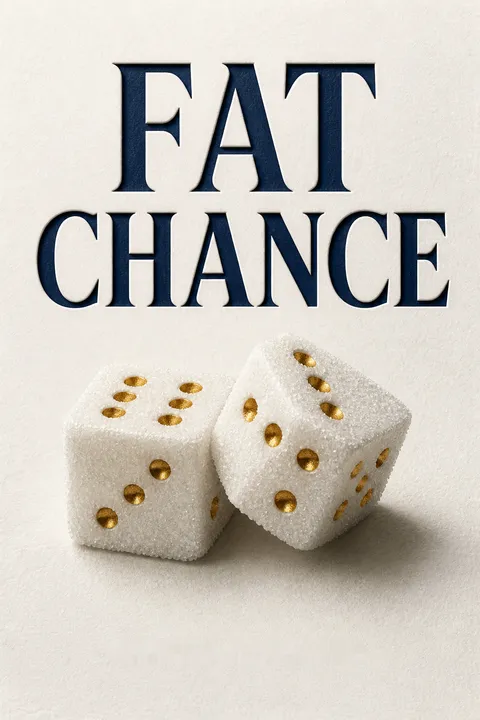
Fat Chance is a science-led argument about obesity, told through clinical encounters and extended into food policy. Its central reframing is that body weight is not simply the visible result of voluntary eating and inactivity. Lustig links hormonal regulation, stress, reward, liver metabolism, and the modern food supply, then argues that high sugar and low fiber help drive the mismatch. The most useful contributions are the distinctions between obesity and metabolic illness, between visceral and subcutaneous fat, and between calorie accounting and the biological effects of food. These distinctions make room for individualized care and less stigmatizing clinical conversations.
The book’s explanatory ambition is also its main vulnerability. It gives insulin, leptin resistance, and fructose unusually central roles, sometimes moving from plausible mechanisms and selected studies to broad causal conclusions about disease. Its own examples reveal substantial heterogeneity: some people have brain injury, some insulin hypersecretion, some stress-linked eating, and others no obvious single cause. That variety sits uneasily beside a universal sugar-centered explanation. Ecological associations between sugar availability and diabetes can strengthen a hypothesis, but they do not by themselves prove individual causation. The book is most compelling when it asks readers to examine food processing, access, and incentives, and less definitive when it treats fructose as the master cause.
Its practical message is more measured than its rhetoric. Intact foods, less added sugar, more fiber, physical activity, sleep, and supportive environments are presented as tools for health, not merely ways to shrink. The policy argument recognizes that advice cannot create a supermarket, free time, or a safe place to play. Read today, the book is best treated as a forceful framework for asking better questions about biology and food systems, rather than a final verdict on every mechanism or a substitute for individualized medical care.
Review Summary
Fat Chance explores the detrimental effects of sugar on health, particularly fructose. Lustig argues that sugar is toxic and a major cause of obesity and metabolic disorders. He emphasizes that diets don't work long-term and advocates for reducing sugar intake, increasing fiber consumption, and exercising regularly. The book provides scientific explanations of sugar metabolism and criticizes the food industry and government policies. While some readers found the content technical or pessimistic, many appreciated Lustig's passion and the book's potential to change eating habits and improve health.
People Also Read





Glossary
Leptin resistance
Dampened energy-store signalingA reduced response to leptin, a hormone released by fat cells that signals stored energy to the brain. In Lustig’s model, when the hypothalamus does not effectively receive this signal, it may interpret the body as energy-deprived, encouraging appetite and conserving energy. The book proposes that excess insulin can contribute to this impaired signaling.
Metabolic syndrome
Cluster of metabolic risksA grouping of conditions associated with elevated risk of chronic illness, including abdominal or organ fat, impaired glucose regulation, abnormal blood lipids, and high blood pressure. Lustig treats insulin resistance as a central feature and distinguishes the syndrome from obesity itself. A person can have metabolic risk without a high body weight, while some people with obesity may not show the same metabolic problems.
Visceral fat
Fat around or inside organsFat located around abdominal organs or deposited inside organs such as the liver, rather than beneath the skin. The book argues that this fat is more closely associated with insulin resistance and metabolic disease than subcutaneous fat. Waist circumference is offered as a practical clue to abdominal fat, although it cannot directly measure liver fat or diagnose disease.
Limbic triangle
Hunger, reward, and stressLustig’s model linking three brain systems involved in eating: pathways that regulate hunger, reward, and stress. He argues that signals across these systems can influence insulin, appetite, food reward, and energy storage, reinforcing one another. The model frames overeating as potentially shaped by interacting biology and experience rather than by a single conscious decision.
Obesogen
Chemical that may promote fat storageAn endocrine-disrupting chemical proposed to affect fat-cell development, appetite, energy use, or the storage of calories. The book discusses possible examples found in plastics, pesticides, and other environmental exposures. It presents these chemicals as potential contributors to obesity, while noting that much of the evidence linking particular exposures to human weight remains associative or under investigation.
Developmental programming
Early shaping of later healthThe idea that conditions during fetal development or early life can shape later biological function and disease risk. In the book, maternal nutrition, stress, diabetes, and early growth may influence systems regulating metabolism and fat storage. Developmental programming describes increased vulnerability, not an inevitable outcome, and emphasizes that early health is shaped by more than a child’s later choices.
Glycemic load
Carbohydrate impact adjusted for amountA measure combining a food’s glycemic index with the amount of carbohydrate in a serving. The book uses it to illustrate how fiber and portion size can change the blood-glucose impact of a food. A food may have a high glycemic index but a lower glycemic load when the amount of digestible carbohydrate in a typical serving is small.
Reactive oxygen species
Reactive products of metabolismChemically reactive molecules produced during normal cellular energy metabolism. In the book’s account, cells can manage these molecules with antioxidant systems, but excess production or inadequate handling may damage cell components. Lustig connects this process to liver stress and metabolic disease, and discusses exercise and micronutrients as part of the body’s capacity to process metabolic demands.
FAQ
What's Fat Chance about?
- Obesity Epidemic Focus: Fat Chance by Robert H. Lustig examines the obesity epidemic, highlighting sugar and processed foods as key contributors.
- Biochemical Insights: Lustig presents obesity as a complex issue involving biochemistry, hormones, and environmental factors, not just personal choices.
- Call for Change: The book advocates for both personal and public health solutions to address obesity, urging a reevaluation of dietary habits and food environments.
Why should I read Fat Chance?
- Scientific Foundation: Lustig provides extensive scientific research supporting his claims about the dangers of sugar and processed foods.
- Engaging Writing: The author uses an accessible and often humorous style to explain complex scientific concepts.
- Practical Advice: The book offers actionable solutions for individuals concerned about their weight and health.
What are the key takeaways of Fat Chance?
- Sugar's Role: Lustig identifies sugar, especially fructose, as a major contributor to obesity and metabolic syndrome.
- Metabolic Syndrome: The book explains the link between obesity and diseases like diabetes and heart disease.
- Environmental Awareness: Lustig stresses the importance of recognizing the toxic food environment's impact on health choices.
What are the best quotes from Fat Chance and what do they mean?
- “A calorie is not a calorie.”: Challenges the idea that all calories are equal, emphasizing the impact of calorie sources on metabolism.
- “Your fat is not your fate.”: Encourages hope and action by explaining that obesity can be managed through understanding its biochemical roots.
- “We are drowning in a sea of sugar.”: Highlights the pervasive presence of sugar in diets and its negative health effects.
How does Robert H. Lustig define metabolic syndrome in Fat Chance?
- Cluster of Conditions: Metabolic syndrome includes obesity, diabetes, high blood pressure, and lipid disorders.
- Insulin Resistance: A hallmark of metabolic syndrome, where cells become less responsive to insulin, raising blood sugar levels.
- Health Risks: The syndrome increases the risk of severe health issues like heart disease and stroke.
What role does sugar play in obesity according to Fat Chance?
- Toxic Substance: Lustig argues that sugar, particularly fructose, disrupts metabolic processes and promotes fat storage.
- Insulin Response: Sugar consumption raises insulin levels, driving energy into fat cells and contributing to obesity.
- Addictive Properties: Sugar can create cravings and dependency, similar to addictive substances.
What personal solutions does Robert H. Lustig suggest in Fat Chance?
- Change Food Environment: Reduce access to sugary and processed foods, making healthier options more available.
- Whole Foods Focus: Consume whole, unprocessed foods high in fiber and nutrients to regulate insulin and promote satiety.
- Regular Exercise: Physical activity is crucial for maintaining metabolic health and improving insulin sensitivity.
How does Fat Chance address public health solutions?
- Government Intervention: Lustig calls for regulation of sugar and processed food industries to promote healthier environments.
- Global Sugar Reduction: Advocates for coordinated efforts to reduce sugar consumption worldwide.
- Education and Awareness: Emphasizes the need for public education on the dangers of sugar and healthy eating habits.
What is the significance of fiber in Lustig's argument in Fat Chance?
- Regulates Blood Sugar: Fiber helps control blood sugar levels and insulin response.
- Slows Digestion: It slows the absorption of sugars and fats, leading to stable blood sugar levels.
- Promotes Fullness: Fiber-rich foods increase satiety, helping to prevent overeating.
How does Lustig differentiate between "fat" and "sick" in Fat Chance?
- Not All Fat is Bad: Some individuals with excess body fat may have normal metabolic profiles.
- Visceral vs. Subcutaneous Fat: Visceral fat is more harmful than subcutaneous fat due to its link to metabolic diseases.
- Health Over Weight: Emphasizes improving metabolic health rather than focusing solely on weight loss.
How does sugar affect the body according to Fat Chance?
- Insulin Resistance: Excessive sugar, especially fructose, leads to insulin resistance, a key factor in metabolic syndrome.
- Leptin Disruption: Sugar intake can disrupt leptin signaling, affecting hunger and energy balance.
- Chronic Health Issues: Links sugar consumption to fatty liver disease, cardiovascular problems, and obesity.
What role do hormones play in obesity according to Fat Chance?
- Insulin's Role: High insulin levels promote fat storage and inhibit fat breakdown.
- Leptin Resistance: Leptin resistance leads to overeating by disrupting satiety signals.
- Cortisol and Stress: Chronic stress elevates cortisol levels, promoting visceral fat accumulation.
About the Author



Download PDF
Download EPUB
.epub digital book format is ideal for reading ebooks on phones, tablets, and e-readers.








