

Key Takeaways
Give each emergency dollar a job before life gives it one.
Save for different shocks. An emergency fund is money reserved for a disruption that threatens your income, safety, or ability to meet essential costs. The familiar advice is to hold three to six months of essential expenses, but the right amount depends on your circumstances. Davies separates savings into three purposes: a personal exit fund for unsafe situations, a general fund for events such as job loss or a sick pet, and a home fund for major repairs. A flat tire and a furnace failure are different problems, and a single undifferentiated savings balance can disappear before the costlier risk arrives.
Avoid the hard way tax. Davies uses this term for the financial and emotional price of facing an emergency unprepared, such as high interest or the strain of borrowing from loved ones. Keep emergency money accessible, but apart from everyday spending.
What's useful here is the shift from one intimidating savings target to a set of purposes. Behavioral research often finds that people manage money more easily when accounts are mentally earmarked, because a balance labeled for a specific need is less likely to feel spendable. Separate accounts can make those boundaries tangible. The caution is that multiple funds are a design choice, not a universal requirement. For someone whose income barely covers essentials, creating more buckets can add guilt without adding security. The underlying principle is to protect the most consequential risks first, then add categories as cash flow allows.
Automate tiny transfers before temptation gets a vote.
Make saving less negotiable. Davies describes restraint bias as the tendency to overestimate how well a person will resist temptation. Money left in a general account may feel available, even when it was meant for an emergency. Automatic transfers reduce the need to repeatedly make the same disciplined choice. A transfer of five dollars a day adds up to $1,825 over a year; the small start matters because it can be increased once it feels manageable.
Start below your limit. Davies found that moving twenty dollars into savings each Saturday felt easier than setting aside a larger amount on payday. A high-interest savings account can keep funds accessible while placing some distance between emergency money and impulse purchases. Set a first milestone, such as one month of essential expenses, rather than treating the full target as a pass-or-fail test.
Automation is a form of choice architecture: the desired action happens by default, rather than relying on a fresh act of willpower every week. That can be especially helpful when spending decisions are tiring or emotionally loaded. Small transfers also create evidence of progress, which can strengthen follow-through. Still, no clever system can manufacture surplus when wages fall short of rent, food, and utilities. The approach works best alongside honest attention to income and fixed costs. If an automatic transfer causes overdrafts, the right adjustment is a smaller amount or a pause, not self-blame.
Build a safety net from people, income, and public resources.
Count more than savings. A financial safety net includes cash, but it can also include another source of income, trusted people, employer benefits, public programs, and community services. Davies lists income from employment, side work or products, investments, savings interest, property, and royalties. These sources are not equally reliable, and building them takes time. Her broader point is to understand what options already exist before a crisis narrows them.
Name your helpers now. Support might mean childcare, a place to stay, a referral, or help contacting a lender, not simply a loan. If asking a loved one for money, explain the situation plainly and clarify whether the help is a gift or a loan, and what repayment would mean. Crowdfunding and local assistance may also help. A conversation before an emergency is easier than searching for every resource while under stress.
This wider model resembles resilience planning in communities: recovery depends on multiple forms of support, not a single reserve. A neighbor who can offer a spare room or childcare may contribute more than a small cash gift. The model also counters the assumption that financial preparedness is a purely individual achievement. At the same time, diversification has limits. Side work can mean more hours rather than greater security, and unpaid help is not guaranteed. A useful safety-net inventory distinguishes dependable resources from hopeful possibilities, so a plan does not mistake a potential favor for money already available.
Keep money that lets you leave unsafe relationships or jobs.
Treat independence as protection. A F ck Off Fund is savings intended to let someone leave a dangerous or coercive situation without being trapped by immediate bills. Davies connects this idea to both intimate relationships and workplaces. Her own first professional job included a manager who sent increasingly sexual messages while she was on probation. At the time, debt and a lack of savings made leaving feel difficult. An independent reserve can buy time to seek help, arrange housing, or find other work.
Recognize financial abuse. The book describes it as controlling another person's ability to earn, manage, or keep money. It can include restricting access to accounts, taking funds, or forcing one person to shoulder shared costs while the other controls assets. A safety plan may also require trusted people, transportation, and specialist support. Money is not a substitute for those resources, but it can make choices possible.
This is one of the book's sharpest reframings: savings are not only protection from a broken appliance, but also bargaining power. In relationships and employment, economic dependence can make harmful conditions harder to challenge. An independent account can preserve agency even when the rest of a household's finances are shared. The nuance is important: leaving abuse can increase danger, and financial preparation alone is not a safe-exit plan. Confidential advice from domestic-violence services, legal support, and trusted contacts may be essential. The money matters because it supports a larger plan, not because it solves coercion on its own.
In a crisis, stabilize cash flow before reaching for expensive debt.
Take the next useful step. Financial emergencies can provoke panic, so Davies recommends slowing down and working through the immediate facts. Rebuild a budget from current income and essential expenses, identify what can be reduced, ask trusted people or community services for help, and contact lenders or providers about payment options. If borrowing is unavoidable, compare costs and make a repayment plan before accepting the money.
Avoid fast, costly fixes. The book warns against payday loans and other high-cost lenders, draining retirement savings without understanding the consequences, and relying heavily on credit cards. It gives a typical credit-card interest rate of about 19 percent, compared with a lower range cited for some lines of credit at the time of publication. Rates and eligibility vary. A negotiated bill, assistance program, or manageable payment plan may prevent a short-term shock from becoming a longer debt crisis.
This sequence is valuable because emergencies compress attention: a person wants the immediate threat gone, even if the quickest solution is costly. A short pause to map cash flow can restore a little decision-making capacity. Contacting a creditor early may also reveal options that are invisible until requested. The advice needs one qualification: the least expensive path is not always available, and a high-cost loan can sometimes be the only immediate bridge to food or shelter. The practical distinction is between borrowing with eyes open and borrowing under pressure without knowing the total cost or next payment.
Insure health risks, then negotiate bills instead of accepting them blindly.
Plan for interrupted earnings. A health emergency can bring treatment costs and lost income at once. Davies discusses health coverage, deductibles, co-payments, short- and long-term disability benefits, and leave from work. Coverage differs by employer and location, so check what is available before needing it. Her account of a friend taking leave for depression shows why health protection includes mental health, not only accidents or physical illness.
Question the bill. When medical costs become unaffordable, ask the provider about financial aid, payment plans, interest reductions, or a lower amount for an upfront payment. Review the charges and seek qualified nonprofit or professional assistance if needed. Pet emergencies deserve planning too: a friend's dog faced nearly $4,000 in diagnostic expenses and a possible $12,000 course of treatment. Pet insurance or a dedicated reserve can help, though policies may exclude particular conditions or services.
Health costs expose the limits of personal-finance advice centered on discretionary spending. Illness can reduce earning capacity while increasing expenses, so the financial shock is not simply a budgeting failure. Insurance and disability coverage function as risk pooling: many people pay in so that one person's severe loss is less ruinous. Yet coverage can contain exclusions, waiting periods, and substantial deductibles. That makes policy review more useful than assuming the word insured means fully protected. Negotiating a bill can also be emotionally taxing during illness, so involving a trusted person or advocate is a practical form of preparation.
Treat housing repairs and disasters as financial risks, not surprises.
Separate upkeep from catastrophe. Homeownership brings predictable costs alongside unexpected damage: appliances wear out, roofs need replacement, and maintenance continues after the down payment. One real-estate expert cited in the book estimates annual home maintenance at roughly $3,000 to $5,000, while noting that a percentage-of-home-value rule can overstate or understate what a household needs. Renters also face risk because replacing clothing, electronics, and furniture after a fire or flood can be expensive. Home or tenant insurance can cover losses that savings alone may not absorb.
Prepare for evacuation. Identify local hazards, keep essential documents secure, and assemble water, food, a first-aid kit, lighting, clothes, small bills, and a basic plan. The author recommends preparing for about seventy-two hours. A cash reserve matters when power or payment systems fail. Insurance may be unavailable in high-risk areas, so location and exposure deserve attention before a purchase.
The distinction between maintenance and disaster is a useful risk-management model. Maintenance is frequent enough to budget for; catastrophe is less predictable but potentially much more damaging. Treating both as vague emergencies obscures their different solutions. Insurance is suited to large, uncertain losses, while sinking cash is better for recurring repairs and deductibles. The difficult edge is that insurance markets can retreat from areas where risks rise, as the book's flood-affected homeowner experienced. In that case, a household cannot solve the problem by saving harder alone. Local policy, infrastructure, and housing choices shape the real level of protection.
Discuss family money and end-of-life plans before crisis removes your choices.
Start the awkward conversations early. A sudden illness, death, pregnancy, divorce, or need to support aging parents can change a family's finances quickly. Davies recommends finding out how loved ones pay bills, where key documents are stored, and what they want if they can no longer make decisions. A will, power of attorney, health directive, and guardianship plan make responsibilities clearer. The book cites a 2021 survey finding that about two-thirds of adults did not have a will.
Plan for ordinary family costs too. A sinking fund is money set aside gradually for a known future expense. Davies transfers twenty dollars a week into a holiday fund, building more than $900 by December. The same approach can help with childcare, birthdays, or seasonal costs. Family planning also means discussing how care work affects each partner's income and career, rather than assuming one person will absorb the burden.
These preparations are a form of household governance. Documents and conversations clarify who has authority, what a person values, and how assets should be handled when someone cannot speak for themselves. That reduces uncertainty for relatives at exactly the moment they have the least capacity for administrative detective work. The book also connects care work to earning power, an important reminder that family finances include time and labor, not just account balances. These plans should be revisited after major life changes, since a document that no longer reflects relationships or wishes can create as much confusion as having none.
Choose a debt exit that fits both the math and your life.
Match the method to the problem. Davies paid off $15,000 in credit-card debt over ten months by cutting spending, revising her budget, and calling lenders to request lower rates. Two common approaches are the snowball method, which directs extra payments to the smallest balance first, and the avalanche method, which targets the highest interest rate first. The first can offer quicker visible progress; the second can reduce interest costs. Keep making minimum payments on other debts while directing extra money to the chosen balance.
Use every legitimate option. If repayment alone is not workable, nonprofit credit counseling, debt consolidation, a consumer proposal in Canada, or bankruptcy may be appropriate depending on the circumstances and jurisdiction. Davies emphasizes that medical costs, low wages, and other constraints can make debt impossible to solve through spending cuts alone. Get qualified advice, understand consequences, and do not treat formal debt relief as a moral failure.
The snowball and avalanche methods represent a genuine tension between psychological momentum and mathematical efficiency. Paying a small balance first may reinforce action; prioritizing high interest generally reduces the amount paid over time. A plan is useful only if the debtor can sustain it, so motivation is not a frivolous consideration. The more important distinction is whether the debt is repayable from realistic income. When essentials already consume the available cash, further austerity may not solve the structural shortfall. Professional, jurisdiction-specific advice can help identify when renegotiation or legal relief is more rational than endless minimum payments.
Budget for joy after debt, or deprivation may drive the rebound.
Make room for a life. After clearing debt, Davies automated savings for several goals and became so restrictive that she avoided spending on herself for about fifteen months. Then she spent more than $1,200 in one week. The episode taught her that financial discipline without a sustainable allowance for pleasure can backfire. She recommends planning modest spending for things that matter, rather than treating every nonessential purchase as a mistake.
Separate regret from identity. Regret can point to a lesson, but shame can make it harder to act. The author asks readers to acknowledge what happened, notice how self-blame affects them, forgive themselves, and focus on changes they can make. This approach also recognizes that not everyone starts with the same wages, family support, education, or access to credit. Financial habits matter, but they do not erase unequal conditions.
This is a useful corrective to the familiar story that progress requires uninterrupted austerity. Sustainable behavior usually has to coexist with present-day needs and rewards, or a strict plan can become brittle. A planned fun category is not a loophole; it is a way to make the budget livable. The book's compassion also sharpens its financial advice by distinguishing individual choices from structural constraints. One caution is that a spending rebound is not inevitable, and planned enjoyment should not be treated as a cure-all for compulsive spending or distress. It is a practical safeguard, not a substitute for understanding the behavior's deeper causes.
Analysis
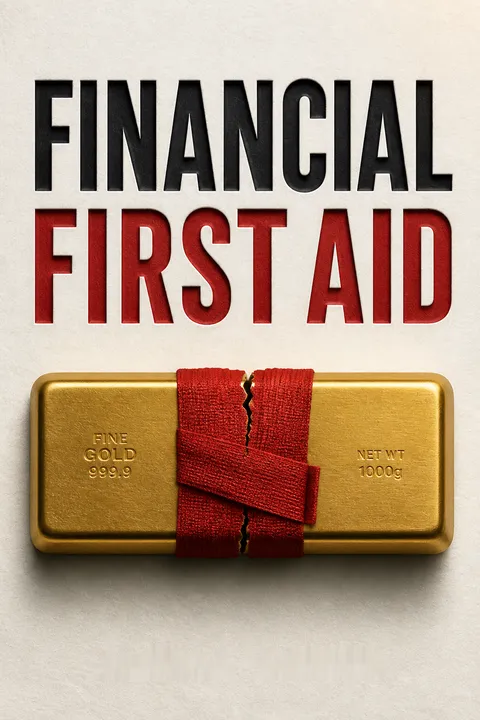
Financial First Aid is a practical guide organized around a humane premise: money is not a force field against hardship, but it can preserve choices when hardship arrives. Its narrative moves from the author's early debt and unsafe work experience toward a broader account of financial vulnerability, including illness, caregiving, natural disasters, bereavement, and abuse. The result is less a conventional wealth-building manual than a preparedness handbook grounded in lived experience.
Its most important contribution is the expansion of what counts as financial security. Security is not simply a large account balance. It is the capacity to leave an unsafe situation, keep housing stable, obtain care, manage a disruption in income, or support a dependent without immediately surrendering future goals. The book's multiple-fund idea gives this abstract freedom a concrete form, while its stories show why a single generic emergency target may miss the risks that matter most to a particular household.
The strongest advice pairs behavioral realism with practical steps. Automating small transfers reduces reliance on willpower; reviewing a bare-bones budget clarifies survival costs; asking lenders about options treats negotiation as part of financial competence. The author also resists shame, recognizing that a household cannot always cut its way out of low wages, medical bills, or structural inequality. That distinction keeps preparedness from becoming a disguised accusation against people with limited resources.
The approach has boundaries. Multiple funds and backup income are easiest to build when someone already has money or time to spare. Insurance, family support, and public benefits vary widely, and the book's US and Canadian examples cannot be applied everywhere without checking local rules. Still, its governing question travels well: what resources, relationships, and plans would preserve meaningful choices if the next disruption arrived before the household felt ready? That question turns money management from an abstract pursuit of control into a concrete practice of resilience.
People Also Read









Glossary
F*ck Off Fund
Independent exit savingsAn emergency reserve intended to let someone leave an unsafe or coercive situation without being immediately trapped by housing costs or everyday bills. The book applies the idea to abusive relationships and unsafe workplaces. It is one element of a safety plan, not a substitute for trusted support, professional advice, or practical arrangements for leaving.
hard way tax
Cost of being unpreparedDavies's term for the financial and emotional costs that arise when an unexpected event finds someone without adequate preparation. Those costs can include interest on emergency borrowing, lost progress toward goals, or the strain of asking loved ones for help. The phrase emphasizes that an emergency can impose costs beyond the original bill.
restraint bias
Overestimating self-controlA tendency to believe one's capacity to resist temptation is stronger than it proves to be in practice. Davies uses the concept to explain why savings left in an everyday account may be spent despite good intentions. Automatic transfers and separate accounts can reduce the number of moments when a person has to rely on restraint.
sinking funds
Savings for planned costsA sinking fund is money accumulated gradually for a known expense expected in the future. Regular contributions turn a large or seasonal cost, such as holiday gifts, childcare, or a birthday, into smaller planned deposits. Unlike an emergency fund, it is intended for an anticipated expense rather than an unforeseen disruption.
snowball method
Pay smallest balance firstA debt repayment strategy in which minimum payments continue on all accounts while extra money goes toward the debt with the smallest balance. Once that balance is cleared, the freed payment is applied to the next smallest debt. The method emphasizes visible progress and may help sustain motivation, though it may cost more interest than targeting high-rate debt first.
avalanche method
Pay highest interest firstA debt repayment strategy in which minimum payments continue on all accounts while extra money goes toward the debt with the highest interest rate. After that debt is paid, the extra payment moves to the next highest-rate balance. This approach is designed to reduce interest costs, though early progress may feel slower if the highest-rate debt has a large balance.
financial abuse
Control through moneyActions that restrict or manipulate another person's ability to earn, manage, or retain financial resources. Examples include controlling access to bank accounts, taking someone's money, imposing inadequate allowances, or shifting shared costs onto one partner while retaining control of assets. It can occur in intimate relationships and other settings, including family or work.
scarcity mindset
Fear of not having enoughA persistent fear that money or other necessities may disappear, often shaped by past insecurity. Davies describes how this fear can lead someone to hoard savings and feel unable to spend even after becoming debt-free. The term highlights that financial habits can remain influenced by earlier deprivation after the immediate shortage has passed.
FAQ
1. What is "Financial First Aid: Essential Tools for Confident, Secure Money Management" by Alyssa Davies about?
- Focus on Financial Emergencies: The book centers on preparing for, surviving, and recovering from financial emergencies, offering practical tools and emotional support.
- Personal and Relatable Approach: Alyssa Davies shares her own experiences and those of others, making financial topics accessible and less intimidating.
- Comprehensive Coverage: It covers a wide range of scenarios, from job loss and medical emergencies to natural disasters and relationship breakdowns.
- Actionable Strategies: The book provides step-by-step advice, checklists, and real-life examples to help readers build financial resilience and confidence.
2. Why should I read "Financial First Aid" by Alyssa Davies?
- Judgment-Free Guidance: Davies creates a safe, non-judgmental space for readers to confront financial fears and mistakes.
- Practical, Real-World Advice: The book offers actionable steps for building emergency funds, negotiating debt, and navigating tough situations.
- Addresses Emotional Side of Money: It recognizes the emotional impact of financial stress and provides tools for managing anxiety and shame.
- Inclusive and Relatable: The author acknowledges privilege, systemic barriers, and diverse backgrounds, making the advice relevant to a wide audience.
3. What are the key takeaways from "Financial First Aid" by Alyssa Davies?
- Multiple Emergency Funds: You should have more than one emergency fund—specifically to protect yourself, your future, and your shelter.
- Preparation Over Perfection: Planning ahead, even imperfectly, is better than reacting in crisis; small steps matter.
- Emotional Health Matters: Acknowledge and address the emotional aspects of money, including anxiety, shame, and regret.
- Ask for Help: Don’t be afraid to seek support from your network, community resources, or professionals during financial emergencies.
4. What is Alyssa Davies’ approach to emergency funds in "Financial First Aid"?
- Three Types of Funds: Davies recommends three emergency funds: one for personal safety (like the "F*ck Off Fund"), one for general emergencies (job loss, car repairs), and one for your home or shelter.
- Personalized Savings Goals: Instead of a one-size-fits-all number, calculate your own needs based on your lifestyle and expenses.
- Automate Savings: Use automatic transfers to build your funds gradually and avoid temptation to spend.
- High-Interest Accounts: Keep emergency funds in accessible, high-interest savings accounts to maximize growth and liquidity.
5. How does "Financial First Aid" by Alyssa Davies address the emotional side of money?
- Normalizes Money Anxiety: Davies openly discusses her own financial anxieties and encourages readers to accept their feelings without shame.
- Weekly Worry Ritual: She suggests a weekly exercise to write down, categorize, and address financial worries, helping to regain control.
- Emphasizes Self-Compassion: The book advocates forgiving yourself for past mistakes and focusing on progress, not perfection.
- Encourages Open Conversations: Davies stresses the importance of talking about money with loved ones to reduce stigma and isolation.
6. What practical steps does Alyssa Davies recommend for surviving a financial emergency in "Financial First Aid"?
- Recreate Your Budget: Immediately assess income and expenses, cut non-essentials, and prioritize essentials.
- Reach Out for Support: Ask friends, family, or community organizations for help if needed.
- Negotiate with Lenders: Contact creditors to discuss payment plans, lower interest rates, or deferments.
- Avoid Predatory Debt: Steer clear of payday loans and high-interest credit cards; consider low-interest options like lines of credit if necessary.
7. How does "Financial First Aid" by Alyssa Davies help readers prepare for job loss or career changes?
- Multiple Income Streams: Davies emphasizes the importance of diversifying income sources to reduce reliance on a single job.
- Bare-Bones Budgeting: She recommends calculating your essential expenses to know your minimum survival number.
- Utilize Benefits: Take advantage of severance, unemployment insurance, and any remaining employee benefits.
- Negotiate and Advocate: Don’t be afraid to negotiate severance packages or seek legal advice if needed.
8. What advice does Alyssa Davies give about handling medical emergencies and health-related financial shocks in "Financial First Aid"?
- Prioritize Insurance: Have adequate health, disability, and (if applicable) pet insurance to cover unexpected costs.
- Negotiate Medical Bills: Always ask for itemized bills, seek financial aid from hospitals, and negotiate payment plans or reduced charges.
- Know Your Rights: Understand options like FMLA (in the US) or Employment Insurance (in Canada) for medical leave.
- Mental Health Matters: Davies shares her own mental health journey and stresses the importance of investing in mental well-being.
9. How does "Financial First Aid" by Alyssa Davies address housing emergencies and the rent vs. own debate?
- No One-Size-Fits-All: Davies explains that both renting and owning have pros and cons; the best choice depends on your life stage and goals.
- Home Emergency Fund: Save for home repairs and maintenance, aiming for $3,000–$5,000 per year or enough to replace your most expensive appliance.
- Insurance is Essential: Both renters and owners need insurance to protect against disasters and theft.
- Leverage Debt Carefully: Homeowners can consider HELOCs for emergencies, but should be cautious about overextending.
10. What does Alyssa Davies say about financial abuse and protecting yourself in relationships in "Financial First Aid"?
- Recognize Financial Abuse: The book defines financial abuse and provides real-life examples, including workplace and domestic situations.
- F*ck Off Fund: Davies advocates for a personal emergency fund to enable leaving unsafe or controlling relationships.
- Healthy Money Conversations: She encourages regular, open discussions about money with partners to ensure equality and transparency.
- Seek Resources: The book lists organizations and steps for those experiencing financial abuse, emphasizing that help is available and you’re not alone.
11. How does "Financial First Aid" by Alyssa Davies guide readers through debt repayment, consolidation, and bankruptcy?
- Debt Repayment Methods: Davies explains the snowball and avalanche methods for paying off debt, and the importance of negotiating with creditors.
- No Shame in Help: She normalizes seeking help through debt consolidation, credit counseling, or bankruptcy if needed.
- Bankruptcy as a Tool: The book outlines Chapter 7 and Chapter 13 bankruptcy (US) and consumer proposals (Canada), stressing that these can offer a fresh start.
- Address Root Causes: Davies discusses the emotional and behavioral roots of debt, encouraging readers to build healthier money habits post-repayment.
12. What are the most important habits and mindset shifts recommended in "Financial First Aid" by Alyssa Davies for long-term financial security?
- Automate and Track: Automate savings, regularly check your accounts, and review your spending and net worth.
- Celebrate Progress: Recognize and reward small wins to stay motivated.
- Continuous Learning: Read more about money, take courses, and stay curious about financial topics.
- Forgive and Move Forward: Accept past mistakes, focus on gratitude, and keep striving for improvement rather than perfection.
Download PDF
Download EPUB
.epub digital book format is ideal for reading ebooks on phones, tablets, and e-readers.








