


Plot Summary
Prologue
In January 1777, Isabel rows a feverish Curzon away from the prison where they were held in New York. Her scarred face and blistered hands show what the escape has cost her; her purpose is to find her little sister, Ruth, whom she believes may be in Charleston.
Curzon sees the danger in their few coins, ruined pass, and lack of shelter, but accepts that they must hide and fend for themselves. Their freedom begins not as safety, but as a journey neither knows how to survive.
The escape opens with freedom already achieved and immediately stripped of its romance. Isabel has rescued Curzon, but the riverbank offers no protection from cold, hunger, or the people who profit by returning escaped slaves. Her insistence on searching for Ruth gives their flight a destination, while Curzon’s fear makes him reckon with the cost of that hope. The contrast matters: liberation is not a door that closes behind them, but a precarious condition they must keep making real. The damaged pass and broken supplies foreshadow how easily legal and material power can turn their escape into a new capture.
A Stone Saves Eben
Nine months after escaping New York, Curzon is nearly sixteen and working for Trumbull, a wagoner who keeps the boy’s wages through invented charges. When Curzon finally steals spoons and buckles from Trumbull’s trunk, he is fired and loses his way in the woods near Saratoga.
Musket fire traps him in a ravine, where a young Patriot named Eben tries to capture a British soldier. Eben forgets to prime his musket, giving the redcoat time to load and aim. Curzon throws a rock that deflects the shot; Eben’s next attempt kills the soldier. Curzon has saved a stranger, but the battle around them is now impossible to ignore.
Curzon’s rescue is an instinctive act, not a declaration of patriotism. He has reasons to distrust both armies: one side has imprisoned him, and neither promises safety to a runaway. Yet his practical knowledge of weapons lets him intervene when Eben’s inexperience becomes fatal. The choice also begins Curzon’s uneasy return to soldiering. He lies about being a soldier because he understands that a truthful account of his status could make him vulnerable. In the ravine, courage and concealment arise together, revealing a boy whose survival depends on deciding whom to help without surrendering control of his own story.
The Battle Takes Him
After Eben runs toward the fighting, Curzon strips boots, ammunition, and a blanket from the dead redcoat. He also finds a broken compass and recognizes that, despite his plan to leave, he wants to follow the battle. In the smoke, he loads and fires beside the Patriots as their forces drive the British from the field.
When the guns fall silent, Curzon carries wounded men toward the hospital tents and sees the scale of the dead and injured. That night he discovers that he has lost the felt hat he inherited from his father, killed at Breed’s Hill. The next morning, hungry and wary, Curzon meets Eben again, who gives him an apple.
The battle makes Curzon’s participation bodily before it becomes a commitment. He chooses to fight, then spends the aftermath carrying the injured, so military belonging begins through shared labor rather than slogans. The lost hat marks a different kind of wound: it carried his father’s presence, and losing it leaves Curzon with no inherited shelter from grief. The broken compass sharpens the same uncertainty in a practical form. He can read a battlefield and load a weapon, but he cannot yet say where his life is headed. Eben’s apple offers the first small evidence that the army might contain generosity as well as danger.
A Name on Paper
Eben invites Curzon to eat, then leads him straight into Trumbull’s path. Trumbull accuses him of theft and tries to reclaim him, but Eben’s uncle, Sergeant Caleb Woodruff, intervenes after hearing that Curzon saved his nephew. Curzon gives the name Curzon Smith and claims he is free, though he has no papers to prove it.
Faced with Trumbull’s threats, he chooses to enlist for the rest of the war. Eben has secretly kept Curzon’s belongings safe and returns them, including Isabel’s seeds and ribbon. When Burgoyne’s defeated army later marches between the Patriot ranks, Curzon resists throwing the stones and acorns he has prepared, choosing to honor the prisoners instead.
Curzon’s enlistment is both a refuge and a gamble. He needs food, shelter, and distance from Trumbull, but signing his name also gives the army a claim on his future. His false surname protects the family history that could expose him, while the enlistment papers fail to protect him from the more powerful question of who owns him. Eben’s guarded return of the seeds and ribbon is a first act of trust between them. Curzon’s silence during the surrender shows another kind of discipline: he can recognize an enemy’s defeat without copying the cruelty he once suffered in prison.
Liberty for Some
On the army’s march south, John Burns singles Curzon out with racist taunts and begins poisoning the company against him. In Kingston, Curzon befriends the bookish new soldier Benjamin Edwards, then accompanies Eben to Colonel Hardenburgh’s estate. The enslaved couple Baumfree and Bett serve food there, but the colonel mistakes Curzon for a slave and drives him away.
Eben tries to treat the insult as a misunderstanding. Curzon asks why a war for freedom leaves Baumfree and Bett in bondage; Eben insists their master has the right to decide their lives. Curzon ends the friendship and marches on in silence. The argument follows him toward Valley Forge, where the army’s claims about liberty will be tested by its treatment of its own men.
The quarrel turns a political contradiction into a personal rupture. Eben’s kindness to Curzon has been real, but it rests beside a belief that white ownership of Black lives is lawful and divinely ordered. Curzon refuses to let affection blur that fact. The meeting with Baumfree and Bett makes the abstract promise of liberty concrete: they are married, yet cannot safely act against the man who owns them. Curzon’s decision to withdraw from Eben protects his moral judgment, but it also costs him a friendship just as the coming winter will make companionship essential.
Firecake and Timber
At Valley Forge, Curzon’s company finds spoiled meat, no finished huts, and little food beyond flour mixed with water and burned into firecake. The soldiers dig floors and chop logs with too few tools while frost and hunger wear them down. Eben and Burns steal provisions from nearby farms, but Burns plans to sell the food; when Eben objects, Burns beats him and runs.
Curzon helps Eben cook the pumpkin he managed to keep, and they share it with their company. Eben apologizes for defending slavery, and Curzon lets their friendship begin again. For Christmas the company receives pork and pea soup, then returns to the work of building its hut.
The winter forces political and moral positions into the same cramped shelter. Hunger explains why Eben steals, but his insistence on sharing the pumpkin distinguishes necessity from Burns’s profiteering. Curzon’s help lets the friendship resume without pretending their earlier argument was trivial; Eben has changed his position, and Curzon chooses to risk trusting him again. The hut matters because the soldiers make it themselves, with inadequate tools and little food. Their shelter is not a gift from the system they serve. It is collective labor wrested from conditions that repeatedly threaten to undo them.
Caleb's Empty Sleeve
While felling trees, Sergeant Woodruff’s ankle is crushed by an axe. Surgeons amputate his leg, but fever kills him before morning. Eben refuses to stop digging his uncle’s grave and lays his own torn sleeve over the dead man’s face. Curzon sits with him through the night and learns that Caleb and his wife raised Eben after his mother died.
In January, the company watches a soldier’s execution after a failed escape; the first rope breaks, but the second does not. Soon afterward, Captain Russell appoints Burns sergeant. Curzon distrusts the promotion, but Burns initially improves camp life by securing tools and extra food, winning the confidence of most of the company.
Caleb’s death removes the adult who has made the company feel governed by fairness rather than force. Eben’s sleeve is a practical substitute for a proper burial cloth, but it also makes grief visible in a camp where nearly every resource is scarce. Curzon responds by listening instead of trying to repair the loss with advice. Burns’s promotion complicates the company’s moral landscape: the same man who exploits hunger can provide useful supplies and appear competent. In a desperate community, material relief can purchase trust before anyone knows what it will cost.
Boots in the Blizzard
After becoming sergeant, Burns accuses Curzon of gambling debts and sends two men to hold him while he demands Curzon’s boots. Curzon kicks Burns away, but the others beat him unconscious and take the boots. He hides the truth from his friends, who share footwear with him as a six-day blizzard cuts off food and travel.
When the weather clears, soldiers are ordered to stand in the snow for visiting members of Congress. Among the warmly dressed riders, Curzon recognizes James Bellingham, the merchant who once owned him and arranged his earlier enlistment. Bellingham recognizes Curzon too and summons him to Moore Hall, offering no explanation that would reassure him.
Burns’s attack exposes the weakness of military rank when the person holding authority is also the abuser. Curzon knows that reporting the theft to Burns would be useless, and the blizzard makes his stolen boots a threat to his health, not merely a loss of property. The company’s shared shoes offer a counterexample to Burns’s rule: care is distributed among people with very little. Bellingham’s appearance abruptly changes the scale of danger. Curzon has survived the battlefield and winter, but his former master can still make a legal claim that the army may recognize.
The Court Restores Chains
At Moore Hall, Bellingham claims Curzon enlisted without his owner’s permission. A court-martial accepts the claim, ruling that Curzon’s army pay belongs to Bellingham, despite Curzon’s account of a promise that military service would earn his freedom. After Curzon spits at him, a guard strikes him and Bellingham takes him away from camp.
Curzon wakes at the committee’s crowded house and finds himself assigned again to domestic work. There he sees Isabel, now employed as a maid. Bellingham treats their reunion as ordinary household business, but Curzon recognizes the girl who once rowed him out of prison. He must now serve beside her under the man who controls them both.
The trial makes freedom depend on evidence Curzon was never allowed to secure. His service, the promise made to him, and the risk he took for the Patriot army cannot outweigh a white owner’s assertion of possession. The ruling is not a misunderstanding of Curzon’s character; it is a decision about whose testimony counts. The transfer to Moore Hall therefore repeats the prison in a domestic form. Seeing Isabel offers emotional recognition, but not immediate rescue. Their shared history gives them a reason to trust each other, while the house restores the unequal conditions that once separated them.
A Collar and a Threat
For several days Isabel refuses to speak privately with Curzon. When she finally explains her silence, she reveals the iron collar Bellingham locked around her neck after she tried to escape; he keeps its key with him.
Curzon proposes running during a celebration, but Isabel fears another capture. Bellingham then makes the danger explicit: if Curzon disobeys, Isabel will suffer in his place. Curzon performs the obedient servant while listening to the gentlemen debate military supplies and the enlistment of enslaved men.
He watches Gideon, the committee’s polished servant, whose unexplained errands make Curzon suspicious. In April, Eben and Curzon’s company devise a rescue plan, but Bellingham’s presence at Moore Hall prevents Curzon from leaving Isabel behind.
The collar converts ownership into a visible instrument of control, while Bellingham’s threat makes Curzon’s affection a lever against him. Isabel’s caution is not a failure of courage: previous escapes have taught her that hope without a secure route can produce another capture. Curzon’s forced obedience is therefore strategic, though it feels like complicity. His attention shifts toward gathering information, from the committee’s debate over enslaved recruits to Gideon’s movements. Meanwhile, the interrupted plan with Eben shows that friendship can offer an exit without solving the specific danger that keeps Curzon at Moore Hall.
The Wrong Road Home
When Gideon returns with a horse and a promise to help Isabel, Curzon warns that the man may not take her to Ruth. Isabel leaves that night anyway, but returns alone before dawn. While shaving Curzon, she explains that Gideon carried camp information to the British and that the strange presence she senses, which she calls ghosts, has drawn her back to Curzon.
Curzon then tells her the story behind his name: his father shaped it from a Portuguese endearment for the son of the woman he loved. Isabel understands the confession as an expression of Curzon’s love, and she kisses him. Their reunion changes their escape from a solitary plan into a choice they must make together.
Isabel’s return is not a sudden surrender of independence. Gideon’s concealed purpose confirms her fear that a plausible escape can conceal another form of danger, while her own judgment leads her back. Her belief in ghosts gives that decision a private language, but the decisive evidence is relational: she chooses to trust Curzon after his earlier deceptions and abandonment. Curzon’s name story makes intimacy possible because he risks disclosing the family history he has guarded. The kiss does not release either of them from captivity. It gives their next plan a mutual commitment that neither can claim on the other’s behalf.
A Key Made of Lead
News that France has recognized American independence reaches Moore Hall, bringing celebrations and urgent military preparations. Bellingham, newly useful to General Greene’s supply office, tells the household that Isabel has been sold to a Maryland colonel. Curzon and Isabel decide they must escape before the transfer.
While Bellingham bathes, Curzon presses his key into wax; later, the two make a sand mold and try to cast a replacement from musketballs. The lead settles into a useless puddle. When Lafayette’s troops prepare to leave, Curzon makes plans to disappear among them, but Isabel is ordered to spend the night with Mrs. Greene. With no working key and little time, they prepare a distraction and wait for morning.
The alliance with France is a public turning point, but for Curzon and Isabel the urgent news is private: Bellingham can move Isabel out of reach. The failed key-making attempt shows how ingenuity is limited by materials and skill. Their hope cannot rest on a clever object alone. Curzon’s wax impression and their improvised lead mold are acts of agency, but the useless result forces them to revise the plan around a rare opening in the army’s movement. The contrast is sharp: the nation celebrates independence while the two people in its service must still engineer their own escape.
A Place in the Ranks
On the morning the troops are to march, Isabel drugs no one; Mrs. Greene has already taken laudanum and is asleep. Curzon and Isabel prepare to leave, but Bellingham appears with a pistol. Curzon steps toward him to give Isabel time to run, then realizes the gun is not primed. They struggle across the kitchen until Isabel strikes Bellingham with a shovel.
Curzon takes the original key from the cord at Bellingham’s neck and unlocks Isabel’s collar. They tie Bellingham in the barn, then reach the departing soldiers. Eben and the company make room for both fugitives. Hidden among the ranks, they cross Sullivan’s Bridge; Isabel throws the key into the river.
The climax turns on cooperation rather than a single heroic blow. Curzon reads the unprimed pistol, Isabel creates the opening with the shovel, and the key succeeds because they seize the original rather than rely on their failed copy. Their choice to bind Bellingham before fleeing buys time, while the crowd of soldiers provides cover unavailable to them alone. Eben’s company completes the rescue by treating Curzon as one of its own and accepting Isabel within its moving formation. Throwing away the key makes the escape irreversible in one practical sense: the instrument of Isabel’s confinement can no longer be used against her.
Analysis
Forge places Curzon inside a revolution that speaks the language of liberty while allowing slaveholding, racial exclusion, and military law to narrow his freedom. The contradiction is not background decoration. It decides whether Curzon’s testimony matters at his court-martial, whether Isabel can move without a collar, and whether a Patriot soldier can claim wages his former owner says belong to him. The novel’s strongest political argument comes through practical consequences rather than speeches: Curzon fights for an army that cannot protect him from Bellingham, and he sees Baumfree and Bett denied the freedom Eben once assumed was universal.
The book also measures solidarity by behavior under pressure. Eben’s apple, his apology, and his company’s shared escape plan matter because they cost time, food, or safety. Burns can provide tools and stolen provisions while remaining dangerous, showing how usefulness can disguise exploitation. The soldiers’ hut becomes a rough countermodel to Moore Hall: neither is comfortable, but one is built collectively, while the other rests on the forced labor of people denied control over their own lives.
Curzon’s growth is not a conversion from selfishness to selflessness. He begins as someone skilled at surviving alone, and he remains alert to deception. What changes is his willingness to let others become part of his calculations. He accepts Eben’s friendship again, risks himself so Isabel can run, and ultimately trusts a company to hide them. Isabel’s return from Gideon’s failed escape follows the same logic: freedom requires judgment, not merely motion. The ending offers no guarantee that Ruth will be found or that the war will make its promises true. It offers a more immediate victory: Curzon and Isabel leave captivity with allies beside them, still facing an uncertain road but no longer forced to travel it alone.
Review Summary
Forge is a compelling historical fiction novel about a young slave fighting in the Revolutionary War. Readers praise Anderson's meticulous research and vivid depiction of Valley Forge's harsh conditions. The story, told from Curzon's perspective, explores themes of freedom, prejudice, and survival. While some found the romance rushed and Isabel's character development lacking, most applaud the book's ability to bring history to life. Many reviewers eagerly anticipate the final installment in the Seeds of America trilogy.
People Also Read


Characters
Curzon Smith
Runaway turned soldierCurzon is a quick-thinking Black teenager who has been enslaved and trained in domestic work, driving, and practical repair. He measures danger rapidly, often using wit or deception to stay alive, but his sharp tongue can turn caution into conflict. His father’s advice and belongings shape his sense of identity, even as Curzon resists being defined by the people who claim authority over him. He wants freedom to mean more than survival, yet he is wary of trusting people who speak about liberty while accepting slavery. His connection to Isabel draws out a more vulnerable part of him, while military life tests whether he can belong to a group without surrendering his judgment.
Isabel
Stubborn escape plannerIsabel is a resourceful young woman with a branded cheek, a fierce attachment to her younger sister Ruth, and a talent for sewing. She acts decisively when someone she loves is in danger, but past captures make her distrust plans that depend on luck or another person’s promises. Her stubbornness is a form of self-protection: she will not let Curzon’s affection or anyone else’s confidence substitute for her own judgment. She and Curzon have a habit of turning fear and hurt into arguments, yet their shared history gives them a language no one else can fully understand. Isabel’s goal of finding Ruth remains central to how she imagines freedom.
Ebenezer Woodruff
Trusting Patriot friendEben is a tall, talkative Massachusetts boy whose first encounter with Curzon begins in panic and ends in a lasting bond. He values family, duty, and the approval of his uncle, Sergeant Caleb Woodruff. His generosity is immediate, sometimes to the point of naïveté, and his early beliefs about slavery reveal how easily kindness can coexist with inherited prejudice. Eben is capable of reconsidering those beliefs when Curzon makes their consequences impossible to ignore. In the army he becomes a source of humor and loyalty, but his openness also leaves him vulnerable to people who exploit his trust.
James Bellingham
Merchant with a claimBellingham is a merchant with political connections, a taste for influence, and a practiced command of genteel manners. He sees relationships through obligation and exchange, believing that usefulness should be rewarded and disobedience answered. His polished manner can make coercion sound reasonable, especially to people accustomed to obeying him. As Curzon’s former owner, he represents the legal and economic structures that can overrule a person’s labor, promises, and self-understanding. Bellingham is ambitious enough to adapt quickly when political power shifts, but his calculations leave little room for recognizing the interior lives of the people he treats as property.
Gideon
Congressman's skilled servantGideon is a carefully dressed, multilingual servant loaned to the congressional committee at Moore Hall. He keeps his thoughts private and treats Curzon with distance, while showing Isabel a more attentive manner. His ability to move between the house, headquarters, and the wider camp makes him difficult to read. Gideon’s position illustrates how a person can be trusted with important work and still remain under another person’s control.
Sergeant Caleb Woodruff
Eben's steady guardianCaleb is Eben’s uncle and a Massachusetts sergeant who takes responsibility for the young men under his command. He is disciplined and cautious, but his respect for Curzon’s actions challenges the prejudices surrounding them. Caleb provides Eben with a model of care expressed through duty rather than sentiment. His authority helps make the company a community instead of merely a collection of soldiers.
John Burns
A bully with rankBurns is an idle, resentful soldier who uses racist insults and rumor to isolate Curzon. He understands that official rank can amplify private malice, and he seeks advantage by presenting himself as useful to those above him. His occasional success at securing supplies complicates how the other soldiers judge him. Burns thrives where hunger, fear, and weak oversight make people willing to overlook the source of their relief.
Trumbull
Curzon's cheating employerTrumbull hires Curzon to drive a supply wagon but withholds his wages through a stream of invented expenses. His greed has little to do with the Patriot cause, and he treats the army as another market to exploit. He embodies the everyday economic power that leaves a young worker with few safe ways to demand what he has earned.
Benjamin Edwards
The company storytellerBenjamin, soon called Benny, is a bookish young soldier whose family expects him to study law and support the Crown. He joins the Patriots after his father rejects his convictions. His knowledge of stories and books gives the company an escape from its brutal routine, while his hesitant courage grows in the company of men who initially underestimate him.
Luke Greenlaw
The company's practical builderGreenlaw is a strong apprentice joiner whose skills are crucial when the company must build a hut with scarce tools. He is blunt and dependable, and he helps turn a mismatched group of soldiers into a working community. His fairness is expressed through shared labor and protection of men who might otherwise be left out.
Silvenus
The weathered tailorSilvenus is an aging tailor who has already endured an earlier war and approaches hardship with hard-earned cynicism. He knows how to mend clothing and improvise comforts, but he also refuses to indulge every complaint. His humor gives the younger soldiers a measure of perspective without making their hunger or cold seem unreal.
Missus Cook
Moore Hall's blunt cookMissus Cook feeds the crowded household at Moore Hall with limited supplies and a clear-eyed sense of its unequal demands. She sees more than the gentlemen assume, and her warmth toward Curzon and Isabel offers practical kindness without pretending their situation is safe. Her kitchen becomes a rare place where appetite and ordinary human care briefly take precedence over rank.
Ruth
Isabel's missing sisterRuth is Isabel’s younger sister, separated from her and reportedly sold away. Though absent from the events at Valley Forge, she gives Isabel’s escape plans a destination and keeps the question of family at the center of the story.
Nathanael Greene
The army's supply generalGeneral Greene takes responsibility for the army’s quartermaster work at Valley Forge, where food, clothing, and transport have become urgent problems. His position brings him into contact with Bellingham and the household at Moore Hall. He represents the practical labor of keeping an army alive, a task far less visible than battlefield command.
Baumfree and Bett
A married enslaved coupleBaumfree and Bett work in Colonel Hardenburgh’s household and are forced to obey a master who can separate them from their children. Their quiet restraint shows Curzon the danger of confronting a slaveholder without protection. Their presence makes the conflict between Patriot liberty and continued slavery immediate and personal.
Plot Devices
The Broken Compass
A measure of directionCurzon takes a damaged compass from the dead British soldier in the ravine. Its bent needle cannot guide him through the woods, and Curzon recognizes the object as a fitting emblem of his uncertainty after Isabel leaves. It returns among the belongings his friends preserve for him, giving it a second function: the people around Curzon can hold onto pieces of his life even when he has lost his way. The compass does not solve his problems or point him toward a simple destination. Instead, it makes his need to choose a direction visible, while his decisions to help Eben, enlist, and seek Isabel gradually supply direction from within.
The Father's Hat
An inheritance of memoryCurzon’s worn felt hat belonged to his father, who was killed when Curzon was a child. Losing it after Saratoga wounds him more deeply than the loss of an ordinary possession because the hat is a daily connection to a parent whose life was controlled by slavery. The object gives the battlefield’s aftermath a private cost beyond the dead and injured Curzon sees around him. Its absence also marks how little he carries from his family into the war. The hat is not a talisman that protects him; its force comes from what Curzon remembers and the grief he tries to hide from the soldiers around him.
The Enlistment Mark
A contested promiseCurzon signs his enlistment with an X after choosing service for the food, shelter, and protection it may provide. The mark records his choice but cannot prove the earlier promise that military service would make him free. That gap becomes crucial when Bellingham claims that Curzon enlisted without his owner’s permission. The paper gives Curzon a place in the regiment and a name he can use, yet it cannot shield him from a legal system that accepts an owner’s claim over a soldier’s account. The device exposes the difference between being recognized as useful to the army and being recognized as the person entitled to control one’s own life.
Isabel's Iron Collar
A lock on escapeBellingham fastens an iron collar around Isabel’s neck and keeps its key, making her status as a captive visible to anyone who sees her. The bells that can be attached to it turn movement into a signal, so escape becomes harder even when she can get beyond the house. Curzon and Isabel try to make a replacement key from a wax impression, sand, and melted musketballs, but their crude mold produces useless lead. The original key, rather than their invention, ultimately determines whether Isabel can be freed. The collar concentrates the novel’s central conflict into a physical object: Isabel knows she should be free, but another person controls the mechanism that says otherwise.
The Valley Forge Hut
Shelter made togetherThe soldiers build a log hut with inadequate tools, working through hunger, cold, and the loss of men to illness. Its dug-out floor, rough walls, smoky chimney, and improvised bunks are not comfortable, but they give Curzon’s company a place to gather and endure the winter. The hut also provides a contrast to Moore Hall, where the gentlemen occupy rooms while enslaved workers serve them. At the camp, the soldiers’ shared labor creates a fragile form of belonging; at the house, service is assigned through ownership. The hut therefore functions both as literal shelter and as evidence of what the men can construct for one another when official promises fail.
FAQ
Synopsis & Basic Details
What is Forge about?
- Escape and Enlistment: Forge follows Curzon, a young Black man who escaped slavery in New York during the American Revolution. After parting ways with his friend Isabel, he enlists in the Continental Army, seeking freedom and purpose amidst the chaos of war.
- Valley Forge Hardship: The narrative centers on Curzon's experiences during the brutal winter encampment at Valley Forge, detailing the soldiers' suffering from starvation, cold, disease, and lack of supplies, while also highlighting the bonds of camaraderie forged in shared adversity.
- Reunion and Renewed Struggle: Curzon unexpectedly reunites with Isabel at Valley Forge, only to find they are both once again enslaved by a former master, Bellingham. The story then becomes a tense plot for their joint escape from Bellingham's control and the confines of the military camp.
Why should I read Forge?
- Authentic Historical Detail: The novel offers a vivid and unflinching portrayal of the harsh realities faced by soldiers, particularly Black soldiers, during the American Revolution's most challenging winter at Valley Forge, grounded in extensive historical research.
- Deep Character Exploration: Readers gain insight into the psychological and emotional toll of war and slavery through Curzon's first-person perspective, exploring themes of identity, freedom, trust, and resilience.
- Compelling Narrative Tension: Beyond the historical setting, the story provides a gripping plot involving survival, betrayal, unexpected reunions, and a high-stakes escape plan, keeping readers invested in Curzon and Isabel's fate.
What is the background of Forge?
- American Revolutionary War: The story is set during a critical period of the American Revolution (1777-1778), specifically focusing on the Continental Army's winter encampment at Valley Forge, Pennsylvania, following the Battles of Saratoga.
- Experiences of Black Soldiers: Forge draws heavily on the documented, yet often overlooked, history of African American soldiers, both free and enslaved, who fought for the Patriot cause, highlighting their motivations, contributions, and the complex paradox of fighting for liberty while many remained in bondage.
- Harsh Camp Conditions: The depiction of Valley Forge's severe conditions—starvation, disease, lack of clothing and shelter—is historically accurate, reflecting the logistical failures and political struggles faced by the nascent American government and military leadership.
What are the most memorable quotes in Forge?
- "This freedom could kill us.": Spoken by Curzon in the Prelude, this line immediately establishes the precarious nature of their escape and foreshadows the ongoing dangers they face, highlighting the theme that freedom is not merely the absence of chains but a constant struggle for survival and security.
- "What's the point of being a soldier if you can't count on your mates?": Ebenezer says this to Curzon in Chapter 47, encapsulating the powerful theme of brotherhood and loyalty forged among the soldiers at Valley Forge, emphasizing that mutual support is essential for survival and purpose in the army.
- "You have always been my heart, Country.": Curzon's confession to Isabel in Chapter 53 reveals the depth of his affection and the significance of her nickname, symbolizing their deep connection and shared history, and marking a pivotal emotional turning point in their relationship.
What writing style, narrative choices, and literary techniques does Laurie Halse Anderson use?
- First-Person Perspective: The novel is told from Curzon's immediate, visceral first-person point of view, immersing the reader directly in his experiences, thoughts, and emotions, making the hardships and small triumphs feel intensely personal.
- Vivid Sensory Language: Anderson employs rich sensory details, particularly focusing on the physical sensations of cold, hunger, pain, and the smells of camp (gunpowder, mud, rotting flesh), creating a powerful and often uncomfortable realism.
- Symbolism and Motif: Recurring symbols like the broken compass, the iron collar, the forge itself, and weather patterns are used to represent Curzon's internal state, the oppressive nature of slavery, the transformative power of hardship, and the unpredictable nature of their circumstances.
Hidden Details & Subtle Connections
What are some minor details that add significant meaning?
- The Broken Compass: Curzon finds a broken compass on the dead redcoat in Chapter 4. Initially seen as useless, its broken needle symbolizes Curzon's own lack of direction and purpose after Isabel leaves and before he decides to join the battle, reflecting his internal aimlessness despite physical freedom.
- Missus Cook's Parrot, King George: The parrot in Missus Cook's kitchen (Chapter 38) is named King George. This seemingly minor detail serves as a subtle jab at the British monarchy within the heart of the American camp, and the bird's eventual departure with Missus Cook foreshadows the changing dynamics and loss of allies at Moore Hall.
- The Swallows' Nest: The swallows building a nest in the barn (Chapter 50) symbolize hope and the natural cycle of life continuing despite the surrounding human conflict and suffering. Their use of horsehair connects the natural world's resilience to the remnants of the army's hardship (dead horses).
What are some subtle foreshadowing and callbacks?
- The Raven's Fall: The crow falling from the sky in Chapter 12, seen by both Curzon and Ebenezer, is explicitly called an "omen of disaster." This foreshadows the death of Ebenezer's uncle, Sergeant Woodruff, shortly thereafter, linking natural signs to impending tragedy in the soldiers' lives.
- Silvenus's Warnings: The old tailor, Silvenus, frequently voices cynical but often accurate predictions about the army's struggles, the duration of the war, and the nature of survival (e.g., eating squirrel head in Chapter 19). His grim realism foreshadows the ongoing hardships and loss of life at Valley Forge.
- Bellingham's Past Actions: Bellingham's casual mention of having tracked and recaptured Isabel multiple times before (Chapter 61) serves as a chilling callback to her previous escape attempts and underscores the very real danger they face, highlighting his persistent control and the difficulty of truly escaping him.
What are some unexpected character connections?
- Curzon and Bellingham's Shared History: The revelation that Bellingham was Curzon's former master (Chapter 29) is a significant and unexpected connection that immediately shifts the power dynamic and introduces a deep personal conflict rooted in their shared past of enslavement and betrayal.
- Isabel and Bellingham's Connection: Isabel's history with the Locktons, Bellingham's Loyalist relatives, and Bellingham's subsequent purchase of her (Chapter 36) reveal a complex web of ownership and trauma that links Isabel directly to Curzon's past oppressors, making their shared struggle against Bellingham deeply intertwined.
- Gideon's True Allegiance: Gideon, initially appearing as a fellow enslaved servant, is subtly revealed to be a spy for the British (Chapter 53). This unexpected allegiance adds a layer of complexity to his interactions with Isabel and Curzon, highlighting the difficult choices and divided loyalties faced by Black individuals during the war.
Who are the most significant supporting characters?
- Ebenezer Woodruff: Ebenezer is Curzon's most steadfast friend and a symbol of genuine Patriot ideals and loyalty. His unwavering support, despite initial disagreements about slavery, provides Curzon with essential camaraderie and ultimately facilitates his escape plan, embodying the "brotherhood" theme.
- Sergeant Woodruff: Ebenezer's uncle, the Sergeant, represents fair leadership and respect for his soldiers, regardless of their background. His initial skepticism towards Curzon gives way to respect, and his tragic death underscores the high cost of the war and the loss felt by the men under his command.
- Missus Cook: The kind and pragmatic cook at Moore Hall offers Curzon and Isabel moments of warmth, food, and unexpected wisdom. She serves as a maternal figure and a source of practical support, providing a small haven of humanity within the oppressive environment of the house.
- John Burns: Burns acts as Curzon's primary antagonist within the army, embodying prejudice, idleness, and cruelty. His elevation to sergeant and subsequent death from smallpox highlight the arbitrary nature of power and the pervasive threat of disease in the camp.
Psychological, Emotional, & Relational Analysis
What are some unspoken motivations of the characters?
- Curzon's Need for Belonging: Beyond physical freedom, Curzon is deeply motivated by a desire for acceptance and belonging, first seeking it with Isabel, then in the camaraderie of the army, and finally in the hope of a shared future with Isabel, which drives his actions and resilience.
- Isabel's Trauma and Caution: Isabel's repeated attempts at escape and subsequent recaptures, culminating in the iron collar, instill a deep-seated trauma that makes her highly cautious and skeptical of risky plans, prioritizing perceived security (like Missus Greene's household) over immediate, uncertain freedom.
- Bellingham's Desire for Control and Status: Bellingham's actions are driven by a need to reassert control over Curzon and Isabel, not just for labor but to reclaim a sense of power and status lost during the war, using them as symbols of his former wealth and influence, even attempting to leverage them for social gain (e.g., selling Isabel).
What psychological complexities do the characters exhibit?
- Curzon's Internal Conflict: Curzon grapples with conflicting emotions: anger at injustice, fear of recapture, loyalty to friends, and a deep-seated desire for dignity. His internal monologue reveals the psychological toll of constantly navigating a world where his identity and freedom are challenged.
- Isabel's Emotional Mask: Isabel often presents a facade of indifference or stubbornness ("pigheaded") to mask her vulnerability and the profound emotional pain caused by her trauma and the separation from Ruth, making her true feelings difficult for others (and Curzon) to discern.
- The Soldiers' Coping Mechanisms: The soldiers at Valley Forge exhibit psychological resilience through dark humor, shared fantasies of food, storytelling (Benny's myths, Silvenus's war stories), and the formation of close bonds, using these mechanisms to endure extreme hardship and maintain their sanity.
What are the major emotional turning points?
- Isabel's Departure: Isabel taking the money and leaving Curzon in Morristown (Chapter 1) is a devastating emotional blow for Curzon, shattering his trust and leaving him feeling abandoned, which profoundly impacts his subsequent interactions and reluctance to fully rely on others.
- Sergeant Woodruff's Death: The death of Ebenezer's uncle (Chapter 22) is a moment of shared grief that deepens the bond between Curzon and Ebenezer, highlighting the human cost of the war and solidifying their mutual respect and loyalty beyond their initial differences.
- Isabel's Return and Confession: Isabel's unexpected return to Moore Hall (Chapter 51) and her subsequent confession about her trauma and the iron collar (Chapter 40) mark a critical turning point, revealing the depth of her suffering and shifting Curzon's focus from his own plight to their shared need for liberation.
How do relationship dynamics evolve?
- Curzon and Isabel: Their relationship transforms from friendship to strained co-dependence, then to painful separation and betrayal, before evolving into a deeper bond forged by shared trauma, mutual understanding, and a united purpose for escape, culminating in a romantic connection.
- Curzon and Ebenezer: Their initial cautious interaction based on a life-saving act (Chapter 3) develops into a strong friendship and brotherhood within the army. Despite disagreements about slavery, their loyalty to each other endures the hardships of Valley Forge and becomes crucial to their escape plan.
- Curzon and Bellingham: Their dynamic shifts from master-slave to captor-captive. Curzon initially attempts to negotiate based on past promises, but Bellingham's cruelty and reassertion of ownership transform Curzon's fear into righteous fury and a determination to actively resist and escape his former master.
Interpretation & Debate
Which parts of the story remain ambiguous or open-ended?
- Ruth's Fate: The ultimate fate of Isabel's sister, Ruth, remains unknown. While Isabel is driven by the hope of finding her, the narrative does not provide closure on whether Ruth is alive, her location, or if a reunion is ever possible, leaving this central motivation for Isabel unresolved.
- Gideon's True Intentions: While revealed as a British spy, Gideon's deeper motivations for helping Isabel (or claiming to) remain somewhat ambiguous. Was he genuinely trying to help her escape, or was she merely a pawn in his own plans? His sudden departure leaves his true feelings and reliability open to interpretation.
- The Future After Escape: The ending depicts Curzon and Isabel's successful escape from Valley Forge, but their future is left open-ended. The challenges of remaining free, finding safety, and navigating a war-torn country as fugitives are significant and left for the reader to ponder.
What are some debatable, controversial scenes or moments in Forge?
- Patriot Hypocrisy on Slavery: The novel presents the controversial reality of Patriots fighting for their own freedom while simultaneously upholding or ignoring the institution of slavery. Scenes like Ebenezer's initial justification of slavery (Chapter 12) and Bellingham's re-enslavement of Curzon highlight this central hypocrisy, prompting debate about the true meaning of liberty during the Revolution.
- The Execution of John Reily: The public execution of a soldier for desertion (Chapter 24) is a stark and controversial moment. It raises questions about military discipline versus human desperation, and the debate among the soldiers (Benny vs. Silvenus) reflects differing views on justice, mercy, and the harsh necessities of war.
- Bellingham's Cruelty and Isabel's Collar: Bellingham's decision to place an iron collar on Isabel and threaten to punish her for Curzon's actions (Chapter 41) is a deeply disturbing and controversial depiction of the brutality of slavery and the psychological manipulation used by masters, sparking debate about the limits of human cruelty.
Forge Ending Explained: How It Ends & What It Means
- The Escape Plan: The Forge ending sees Curzon and Isabel successfully escaping Valley Forge during the departure of Lafayette's troops. Their plan involves Curzon creating a diversion by confronting Bellingham, Isabel incapacitating him, and then blending into the marching army with the help of Curzon's friends from his company.
- Symbolism of the Collar and Key: Isabel's iron collar symbolizes the physical and psychological chains of slavery. The lead key they attempt to forge represents their initial, flawed attempts at liberation. Throwing the real key into the river (Chapter 62) signifies a definitive break from Bellingham's ownership and a commitment to a future where they are truly free, not just from a master but from the idea of being owned.
- Meaning of Brotherhood and Self-Reliance: The ending underscores the importance of both brotherhood (Curzon's friends helping them escape) and self-reliance (Curzon and Isabel taking their fate into their own hands). Their escape is not granted but seized through courage, planning, and mutual support, embodying the themes of resilience and the active pursuit of freedom that define their journey.
Seeds of America Series
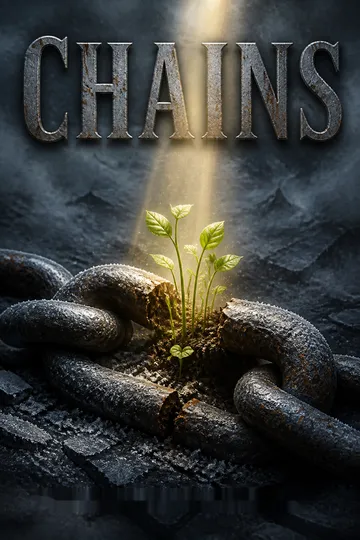
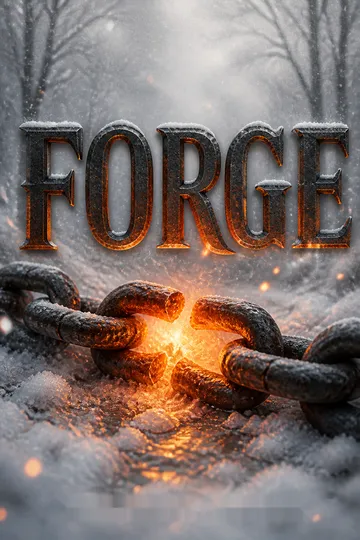
About the Author
Other books by Laurie Halse Anderson



Download PDF
Download EPUB
.epub digital book format is ideal for reading ebooks on phones, tablets, and e-readers.








