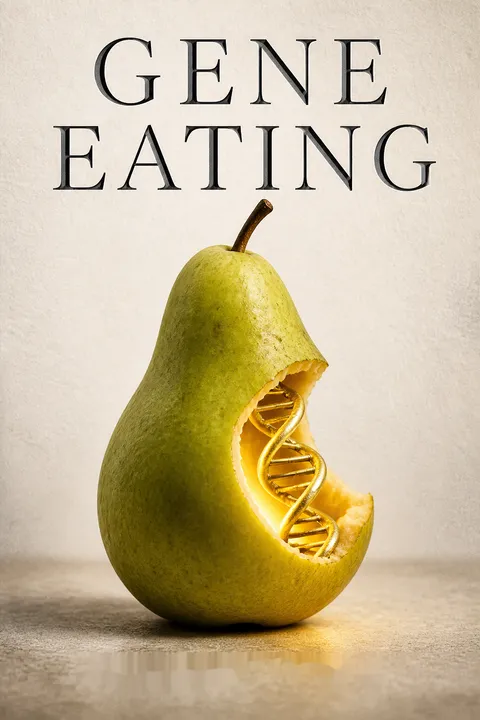


Key Takeaways
Treat obesity as biology meeting environment, not a failure of character
The environment changed quickly. Obesity rose sharply in recent decades while the human gene pool stayed broadly the same. Eating more energy than the body uses explains weight gain, but it does not explain why people respond differently to the same food environment. Twin studies estimate bodyweight heritability at about 70 percent. That is a measure of variation across a population, not the share of any one person’s weight that genes determine.
Weight loss meets resistance. The set point hypothesis describes the brain’s tendency to defend bodyweight by adjusting hunger and energy use. After weight loss, people can feel hungrier and burn less energy. The Pima communities in Arizona and Mexico illustrate the interaction: genetically similar groups had very different obesity rates in sharply different food and activity environments.
The distinction between cause and susceptibility is essential. An abundant food environment can raise average weight across a population, while biology helps explain who is most affected. That framing avoids two errors: pretending the environment does not matter, and treating weight as a simple test of discipline. Heritability can sound deterministic, but it describes population differences under particular conditions. It does not mean that changing the conditions is futile. The book’s account is most useful when biology explains the struggle without turning a statistical tendency into an individual destiny.
Read hunger as biology, not a moral verdict
The brain tracks energy stores. Leptin is a hormone released by fat tissue that tells the brain how much energy is stored. In rare cases, people born unable to produce leptin experience relentless hunger and severe early obesity. One child weighed 42 kilograms at age three. Leptin treatment reduced his hunger, and by age seven he weighed 32 kilograms while continuing to grow taller.
The pathway has many parts. The brain integrates signals from fat and the gut through systems including the leptin-melanocortin pathway. Mutations affecting MC4R, a key receptor in this system, can increase appetite and obesity risk. The book reports that about 1 percent of people with obesity may carry an MC4R mutation. These rare cases reveal mechanisms, though most obesity involves many small genetic influences rather than one mutation.
The strongest lesson is not that every person with obesity has a rare disorder. It is that appetite is regulated by biological machinery, not simply by conscious choice. The leptin cases make that machinery visible because treatment changes behavior so dramatically. This is a powerful corrective to blame, but the distinction between rare, single-gene conditions and common obesity matters. Mechanistic discoveries can explain how a system works without giving every individual a direct diagnosis or a ready-made treatment.
Count calories as estimates of usable energy, not exact biological outcomes
Food is not a bomb calorimeter. A calorie measures energy, but a laboratory can extract more energy from food by burning it completely than a human body can obtain through digestion. Caloric availability means the portion of food energy the body can actually absorb. Preparation matters: raw celery offers about six available calories per stick, while cooking the same amount can raise that figure to nearly 30 by breaking down some of its fibrous structure.
The body handles nutrients differently. Protein takes more energy to digest than carbohydrates or fat, and fibre can slow digestion and reduce absorption. Timing may matter too: studies cited in the book found that people eating their main meal earlier lost somewhat more weight than those eating later, though the effects were modest and not settled for everyday life.
Calorie labels remain useful as rough comparisons, but they can suggest a precision that digestion does not provide. The key distinction is between energy contained in a food and energy made available to the body. Food structure, cooking, fibre, and the person eating all affect that conversion. This does not make energy balance irrelevant. It makes the measurement less complete than the label implies, especially when calorie counting is treated as a full account of appetite, satiety, and health.
Stop searching for one authentic Stone Age menu
There was no single ancestral plate. Palaeolithic people lived across different climates and relied on whatever foods their environments offered. Archaeological evidence suggests some processed wild grains as far back as 30,000 years ago, long before farming. That history complicates the claim that humans were designed to avoid grains altogether.
Agriculture brought costs and adaptations. Early farming populations showed signs of poorer nutrition, including reduced average height and more dental problems. Yet humans adapted to agricultural foods over thousands of years. The book describes genetic changes that improved starch digestion, as well as later adaptations that let some populations digest milk as adults. Modern fruits, vegetables, and livestock have also been shaped by generations of breeding, so today’s foods are not untouched replicas of ancient ones.
Evolution can help explain why bodies respond to food, but it cannot identify one ideal menu simply by looking backward. Human diets varied, and the archaeological record is incomplete. The book is persuasive in challenging the certainty of modern Paleo prescriptions, especially when those diets claim to reproduce a single ancestral pattern. A useful standard is to ask whether a dietary claim rests on evidence about health outcomes, rather than on the appealing but often unverifiable idea that a food is or is not what humans were made to eat.
Use protein and fibre to support fullness, not carbohydrate panic
Digestion shapes appetite. Protein takes longer to digest than fat or carbohydrates and tends to produce a stronger feeling of fullness. Gut hormones help relay that information to the brain. This helps explain why many high-protein, lower-carbohydrate diets can support short-term weight loss: people may feel fuller and eat less, not because carbohydrates are inherently poisonous.
Protein may influence how much gets eaten. The Protein Leverage Hypothesis proposes that people tend to seek a certain share of protein in their diet. In a small, short experiment described in the book, volunteers ate more carbohydrate when offered low-protein foods, apparently while maintaining protein intake. The idea is plausible but not definitive. Whole grains and other fibre-rich foods can also slow digestion and help sustain fullness.
This account shifts attention from demonising one nutrient to the balance of a whole meal. It also connects food choice to the modern supply of inexpensive, highly processed products that can be energy-dense and relatively low in protein or fibre. The protein leverage idea offers one possible explanation for overeating, not a universal rule proven for every person. High-protein diets can be useful strategies, but their benefit depends on what replaces what, whether the pattern is sustainable, and whether it meets individual nutritional needs.
Avoid gluten or dairy only when your diagnosis or symptoms warrant it
Some restrictions are medically necessary. Coeliac disease is an autoimmune condition triggered by gluten and affects about 1 to 2 percent of people. The only established treatment described in the book is strict lifelong gluten avoidance. Non-coeliac gluten sensitivity is harder to confirm because it lacks a validated marker and its symptoms overlap with irritable bowel syndrome, which affects a much larger share of the population. Wheat also contains fermentable carbohydrates that can trigger IBS symptoms, so improvement on a gluten-free diet does not prove gluten was the cause.
Milk tolerance varies too. Lactose intolerance results from difficulty digesting milk sugar, not an allergy to milk protein. Many affected adults tolerate some cheese or yogurt because fermentation and cheesemaking reduce lactose. A restrictive diet may be appropriate for a particular person, but gluten-free or dairy-free products are not automatically healthier.
The practical value of diagnosis is that it helps distinguish a genuine trigger from a coincidental improvement. Broad symptoms and internet checklists make self-diagnosis tempting, but they can lead people to avoid foods unnecessarily or miss the real cause. At the same time, the absence of a simple test does not mean that every reported sensitivity is imaginary. A careful approach takes symptoms seriously while remaining open to several explanations, including conditions that require different dietary changes.
Your liver detoxes; alkaline menus cannot change your blood pH
Detox products promise work already underway. The liver processes many waste products and potential toxins, while the kidneys and other organs help maintain the body’s internal balance. Juice cleanses have not been shown to accelerate this work. Fruit juice can deliver several pieces of fruit’s worth of sugar quickly, without the fibre that helps slow digestion and contributes to fullness.
Blood pH is tightly controlled. The book reports that blood normally stays around pH 7.35 to 7.45 through regulation by the lungs and kidneys, not through an alkaline food list. Robert Young built a commercial diet around claims that food could correct blood acidity and even reverse cancer. He also promoted unlicensed treatment involving sodium bicarbonate infusions. He was convicted of practising medicine without a licence. The vegetable-heavy diet may contain nutritious foods, but its pH explanation is false.
The danger here comes from attaching a false mechanism to advice that may contain sensible elements, such as eating vegetables. A plausible-sounding scientific fragment can make a claim feel more trustworthy than it is. Young’s case shows why the distinction matters: unsupported dietary theories can move beyond lifestyle advice and encourage people with serious illness to rely on dangerous alternatives. Healthy organs do not need a commercial cleanse, and claims to cure disease deserve scrutiny far beyond attractive packaging or confident testimonials.
Treat cure stories as clues, not proof that a diet cures disease
Anecdotes cannot isolate cause. Ella Mills associated recovery from POTS with her move to a plant-based diet, but the condition often improves over time, so her experience cannot establish that the diet caused the recovery. Colin Campbell’s influential China Study combined observational associations with rat experiments using casein, a milk protein. Those results did not establish that all animal protein causes disease in humans. The county-level data also could not prove that meat caused the health patterns observed.
Evidence differs by food. The book supports plant-based eating as a possible healthy choice, not as the only safe diet. It reports the strongest meat-related cancer evidence for processed meat: 50 grams daily was associated with an 18 percent relative increase in colorectal cancer risk, raising the stated absolute lifetime risk from about 5 percent to 5.9 percent. Evidence for red meat was less certain.
A personal story can generate a worthwhile scientific question, but it cannot answer that question alone. The same caution applies to dramatic laboratory findings and large observational datasets: each can identify patterns, yet neither automatically demonstrates cause and effect. The book’s critique is strongest when it separates the healthfulness of a dietary pattern from sweeping claims about a single ingredient. That distinction leaves room for plant-based eating while resisting the leap from one person’s improvement to a universal cure.
Choose a sustainable eating pattern, not the diet with the loudest promises
Different patterns can work. In the PREDIMED study, 7,447 older Spanish adults at high cardiovascular risk followed either a Mediterranean diet supplemented with olive oil, one supplemented with nuts, or a low-fat control diet. The Mediterranean groups had about 30 percent fewer major cardiovascular events, without significant differences in weight. The book also describes the DASH diet, which is designed to lower blood pressure, and intermittent fasting, which suits some people but is not inherently superior for weight loss.
Fit matters more than a label. A 12-month trial cited in the book found similar average weight loss on low-carbohydrate and low-fat diets. Genetic tests that sample only a few variants cannot reliably identify an individual’s perfect diet. Practical food cues can help too: smaller plates and serving food away from the table make portions easier to moderate.
This is a useful alternative to the search for a universal winner. A diet can be evaluated against a specific goal, such as reducing cardiovascular risk or losing weight, and then judged for whether it is workable in a person’s daily life. The Mediterranean results are notable because the benefit appeared without weight loss, but the study tested whole dietary patterns, not one magic ingredient. Personalisation is sensible as a goal, yet confident genetic predictions currently outpace the evidence described here.
Treat wellness feeds as influence, not medical evidence
Images can turn food into virtue. Social media often links attractive bodies, polished meals, and claims of perfect health. The implied promise is that copying an influencer’s diet can reproduce their appearance or success, even though genes, resources, and other circumstances also shape those outcomes. The book warns that moralising food can turn weight into a verdict on someone’s character.
Healthy eating can become harmful. Orthorexia is an obsessive pursuit of food considered pure or correct, severe enough to crowd out relationships and other parts of life. In one survey of 680 women who followed health-food accounts, greater Instagram use was associated with more orthorexia symptoms; the sample was not representative of all users, and the result does not prove that Instagram caused the symptoms. Natasha Lipman’s story shows how restrictive rules and fear can deepen distress rather than restore health.
The problem is not that attractive food photography or health advice exists. It is that repeated exposure can make a narrow ideal look normal, medically validated, and morally superior. The survey is a warning signal, not proof that social media produces eating disorders in every viewer. Still, the book’s account points to an important test for any wellness message: does it help people make informed choices, or does it intensify shame and fear? Health guidance should widen agency, not shrink life around food rules.
Analysis
Gene Eating is strongest when it replaces a moral story about bodyweight with a biological and environmental one. Its central move is to distinguish the physics of weight change from the reasons people differ in appetite, satiety, and response to food. The result is more than an argument for compassion. It changes what counts as a useful intervention: an approach that ignores hunger biology may be technically correct about energy balance and practically inadequate for the person asked to follow it.
The book also offers a durable method for evaluating nutrition claims. Separate a plausible mechanism from proof of a health outcome, distinguish an association from causation, and ask whether a proposed explanation fits known physiology. This method exposes the weakness of claims about detoxification, blood acidity, universal grain toxicity, and cure-all diets. It also avoids the opposite mistake of assuming that every unconventional dietary choice is worthless. A Mediterranean pattern, for example, has evidence for cardiovascular benefit even when weight loss is not the explanation.
The book’s persuasive force comes partly from its stories: children whose hunger changes with leptin treatment, the competing environments of Pima communities, and patients drawn to food rules by illness or social pressure. Those accounts make abstract mechanisms memorable. Yet evolutionary explanations about ancient diets and populations should be treated as hypotheses rather than neat historical verdicts. The record is incomplete, and a survival advantage in one setting does not automatically define the best modern diet.
The practical conclusion is deliberately less dramatic than the myths it disputes. There is no universal menu or effortless fix. Food quality, fullness, health goals, access, culture, and individual biology all matter. Readers gain the most by rejecting food fear, scrutinising cure claims, and choosing a pattern that is nutritionally sound and sustainable for their circumstances.
Review Summary
Gene Eating receives mostly positive reviews for its scientific approach to debunking diet myths and explaining obesity genetics. Readers appreciate Yeo's humor and accessibility, though some find the genetic content limited. The book explores various diets, criticizing fads and promoting moderation. Some reviewers note editing issues and occasional forced humor. Overall, it's praised for its evidence-based insights on diet, genetics, and obesity, helping readers make informed choices about eating and health. However, a few readers expected more depth on genetics and personalized diet recommendations.
People Also Read







Glossary
set point hypothesis
bodyweight defense tendencyThe proposal that the brain defends a bodyweight trajectory by changing appetite and energy expenditure when weight shifts. The book describes weight loss as provoking more hunger and lower energy use, helping explain why lost weight is often regained. It is a model of biological resistance, not a claim that weight is fixed forever.
leptin-melanocortin pathway
brain appetite signaling systemA brain signaling system that helps regulate food intake by combining information about stored fat with signals that influence appetite. Leptin, released by fat tissue, signals through the hypothalamus and melanocortin-related neurons, including those involving MC4R. Disruptions at different points in the pathway can increase hunger and contribute to severe obesity.
caloric availability
energy the body absorbsThe amount of energy a person can extract from food through digestion, as distinct from the total energy measured by burning the food in a calorimeter. Food structure, cooking, processing, fibre, and the macronutrient mix affect availability. Thus, two foods with the same labelled calories may not deliver identical usable energy.
The Protein Leverage Hypothesis
protein influences food intakeThe proposal that people regulate their eating partly to obtain a target amount of protein. If available foods contain relatively little protein, a person may eat more of them, including carbohydrates, in pursuit of that target. The book presents supporting experiments and observations, while noting that the hypothesis is not a complete or settled explanation of obesity.
FODMAPs
fermentable short-chain carbohydratesAn acronym for fermentable oligosaccharides, disaccharides, monosaccharides, and polyols. These carbohydrates are incompletely absorbed in some people and can be fermented by gut bacteria. In people with irritable bowel syndrome, they may contribute to gas, fluid shifts, bloating, pain, or diarrhoea. Wheat is one dietary source, which can complicate self-diagnosis of gluten sensitivity.
lactase persistence
adult ability to digest lactoseThe continued production of the enzyme lactase into adulthood, allowing lactose in milk to be broken down and absorbed. It developed independently in several populations with histories of herding and dairying. Most adults worldwide have declining lactase production, though many can still tolerate small amounts of lactose or fermented dairy.
PREDIMED
Mediterranean diet heart trialA large Spanish randomized study examining whether Mediterranean dietary patterns could prevent cardiovascular disease in people at elevated risk. Participants received a Mediterranean diet supplemented with extra-virgin olive oil, one supplemented with nuts, or advice for a low-fat diet. The book reports fewer major cardiovascular events in the Mediterranean groups, without significant weight differences.
orthorexia
obsession with correct eatingA harmful fixation on eating foods regarded as pure, clean, or healthy. The pursuit can become increasingly restrictive, dominate daily thought, and damage social life or physical health. The book notes that orthorexia is not formally classified as a distinct eating disorder, while describing its serious overlap with disordered eating and anxiety around food.
About the Author
Other books by Giles Yeo
Download PDF
Download EPUB
.epub digital book format is ideal for reading ebooks on phones, tablets, and e-readers.








