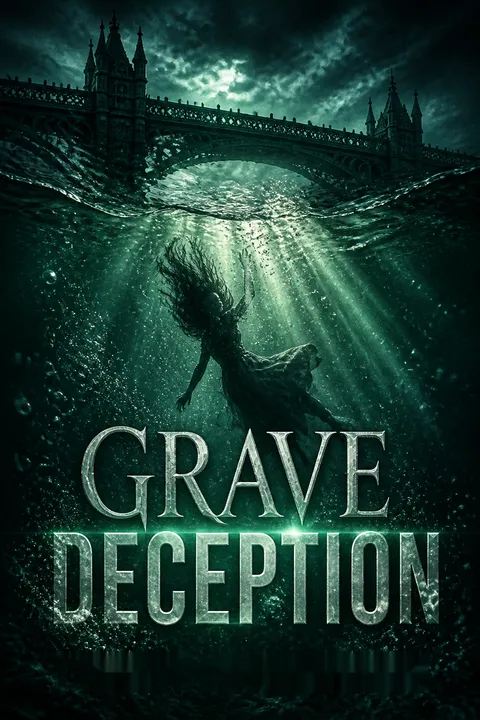


Plot Summary
The River Takes Willow
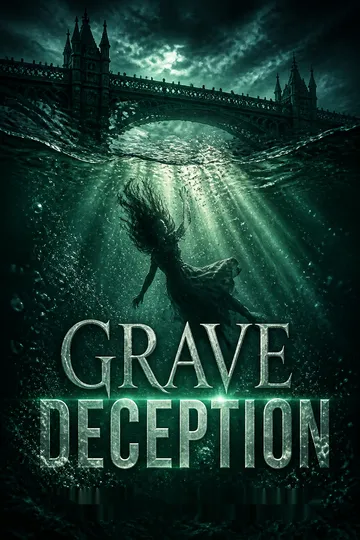
At twenty-nine, Willow Johnson is falling from a Chicago bridge and cannot remember what brought her there. As the river rushes up, she thinks of her mother, the stray cat she feeds, and Shane Hernandez, the handsome detective next door. Their first meeting returns to her: her ex, Ezra, had grabbed her after a night out, and Shane stepped in, showed his badge, and helped her stand.
Now Shane hears her scream, plunges into the freezing water, and drags her to shore with help from bystanders. When Willow stops breathing, he gives her rescue breaths until she gasps awake. His relief turns to anger as he asks who pushed her, but her memory offers no answer.
The opening makes survival depend on another person's intervention before Willow can even understand her danger. Her thoughts leap from her mother's fragile recovery to a dependent stray, revealing how instinctively she measures her life by the care she gives others. Shane's rescue is both a literal return from the water and the first evidence that his attention to her is more than neighborly. Yet the missing minutes prevent gratitude from becoming certainty: she has been saved, but not told what she must survive.
The Door Left Ajar
At the hospital, Willow wakes bruised, concussed, and missing the memory of her fall. Officer De Luca questions whether she jumped, but Shane points to bruises on her arms and insists she was grabbed; De Luca sees no proof and delays a serious investigation. Shane stays through the night, brings her coffee and clothes, then drives her home.
At her apartment, Willow notices the door has not fully latched. Shane searches the rooms with his gun while she calls for help. Officers find no signs of forced entry, yet Shane believes the door was opened deliberately and refuses to leave her alone. Willow wants her bed and independence; Shane settles on her couch, keeping watch despite her protests.
The first conflict is not simply whether Willow is safe, but who gets to define what happened to her. De Luca's evidentiary caution leaves her experience suspended between accident and crime, while Shane treats the unexplained bruises as a reason to act. His vigilance offers a form of care Willow has rarely received, but it also presses against her hard-won autonomy. The ajar door works as a small, ordinary detail that cannot be proved sinister. Its ambiguity keeps fear alive and makes protection feel both welcome and intrusive.
Roses From Ezra
While Shane insists on staying, Willow struggles to accept his help, even as he remembers her favorite coffee and feeds Snowflake, the stray cat she has been caring for outside her apartment. Their closeness deepens when each shares that a father died during childhood, though Willow still knows little about her own father's death. Then flowers arrive from Ezra, asking her to reconsider their breakup.
Willow explains that she ended the relationship after catching him kissing another woman and later finding flirtatious messages. Shane sees the bouquet as a warning sign, especially because Ezra has not accepted the breakup. Willow still calls him harmless, but his persistence now sits beside the unexplained fall and the unsecured door.
Shane's kindness meets a deeper problem than Willow's injuries: she has learned to treat care as something she must earn or repay. His attention to small routines, including Snowflake's meals, offers steadiness without demanding that she perform gratitude. By contrast, Ezra's flowers borrow the language of affection while ignoring Willow's clear refusal. The contrast helps expose a distinction Willow has struggled to make: devotion is not measured by persistence alone. Trust requires attention to another person's boundaries, not merely a wish to regain access.
A Birthday Dinner Cracks
Willow brings Shane to her mother's birthday dinner, hoping to reconnect with Laura and her older sister Hayley. Hayley arrives late, apparently intoxicated, while Laura avoids Willow's questions about the sister who missed her birthday. When the conversation turns to Shane's work as a detective, Laura grows visibly uneasy.
She then casually reveals that Willow carries a million-dollar life-insurance policy naming her as beneficiary. Shane recognizes the detail as a possible motive, but Willow recoils from turning her family into suspects. She presses Laura about the circumstances of her father's death instead. Laura shuts her down, and Willow leaves the table in tears, newly convinced that her mother has hidden more than grief.
The dinner uses polite family ritual to expose how much intimacy can be withheld beneath appearances. Willow has brought Shane as a buffer, but his profession changes the room: Laura's discomfort suggests that the past is not merely painful but guarded. The policy turns affection into a potential financial motive, forcing Willow to see how easily her private life can be recast as evidence. Her demand for the truth is also a boundary-setting act. For once, she refuses to protect her mother's silence at the expense of her own questions.
The Vase Shatters
Back at Willow's apartment, Ezra arrives to win her over and refuses to leave when she rejects him again. Shane waits nearby, but Willow insists on speaking to her ex herself. When she repeats that the relationship is over, Ezra hurls the bouquet vase against the wall; Shane rushes in and pins him there until police arrive.
They decline to arrest Ezra, leaving Willow shaken by the anger she has never seen from him. Shane then discovers Ezra was once questioned after a high-school assault, though never charged.
He also notices fresh scratches on Willow's friend Amelia and her unusual defensiveness about Ezra. After De Luca refuses to pursue the case, Willow agrees to investigate with Shane, provided they work together and he avoids police resources.
The broken vase changes the meaning of Ezra's persistence: what Willow had interpreted as awkward remorse now includes a capacity for intimidation. Still, one outburst does not prove he pushed her, and the lack of an arrest leaves the question unresolved. Shane's instinct to connect the assault record, Amelia's scratches, and the fall shows both his investigative discipline and his tendency to see patterns before evidence can confirm them. Willow's conditions preserve agency in a relationship that could otherwise become another form of control.
The Bridge Holds Its Answer
Shane takes Willow back to the bridge, where construction workers confirm it is stable and the railing rises high across the walkway. Seeing the barrier, she accepts that a simple slip could not have sent her into the river. The realization converts her vague fear into a clear need to find whoever attacked her. At home, Shane comforts her, and their long-suppressed attraction finally breaks into a kiss.
He stops abruptly and leaves, unable to explain why he has spent months keeping his distance. Willow tries to bury the hurt by filing paperwork for the small employment-support business she has long wanted to start. Later, she notices her bookmark has moved, adding another unsettling detail to the unsecured door.
The bridge turns physical design into a correction of Willow's preferred story. A high railing makes denial harder to sustain, and the new certainty is frightening precisely because it removes the comfort of an accident. The kiss then offers an opposing force: for a moment, closeness feels possible even as danger becomes more real. Shane's retreat repeats a pattern Willow knows well, care arriving and then withdrawing without explanation. Starting her business is not a cure for either uncertainty, but it is an act of authorship in a life she can still shape.
The Family's Buried Story
Willow confronts Laura again, who admits that her husband was shot after drinking, struggling financially, and becoming involved in an altercation. Laura still refuses to identify who killed him. Soon after, Hayley tells Willow she was present when their father died and resents that her younger sister grew up without knowing the details.
Hayley describes years of carrying grief and anger alone, while Willow recognizes that her sister's addiction and distance may have grown from that burden. The revelations bring them briefly closer, but neither supplies the whole story. Meanwhile, Shane's review of Willow's phone records shows calls to friends Tracey and Amelia, followed by one from Ezra shortly before the fall.
The sisters inherit the same loss in radically different forms. Willow's missing memories gave her room to build a life, while Hayley's fuller knowledge hardened into resentment and isolation. Laura's partial disclosure tries to protect her daughters, yet it preserves the very divisions she hopes to prevent. The phone record shifts the investigation from abstract suspicion to a specific timeline, but the last call is only an association, not proof. The section's tension comes from how every new fact offers understanding while withholding the one answer that could make the past coherent.
Shane Chooses Distance
After Willow's friend Emily arranges a date with Dr. Clay, Shane sees her dressed for dinner and objects when Clay chooses a restaurant Willow dislikes. He follows them in an unmarked car, discovers Clay owes child support in several states, and ends the date by insisting Willow leave with him. His jealousy finally makes his feelings unmistakable.
On the ride home, Shane explains that childhood loss and his dangerous police work have made him fear leaving a partner or children behind, so he has avoided serious relationships. Willow understands the fear but refuses to mistake it for a lack of desire. When she questions whether she might have jumped from the bridge herself, Shane tells her he would stay beside her through any despair.
Shane's protective instinct becomes ethically complicated when he uses police authority to disrupt Willow's date. His concern about Clay proves justified, but the method reveals how readily care can slide into control. His confession explains his distance as an attempt to prevent future grief, not an absence of feeling. Willow's challenge matters because she refuses the role of passive object of protection: she wants to be chosen, not managed. Their conflict also makes clear that love cannot erase fear by itself; it requires each person to take responsibility for how fear shapes behavior.
The Camera Ends Doubt
When Willow and Shane argue over whether she might have jumped, Officer De Luca calls with footage from a nearby camera. The picture is poor, but it shows two figures struggling on the bridge and the second person pushing Willow over the railing. The confirmation ends her last hope that the fall was accidental.
Shane admits his feelings have become love, and Willow lets herself meet him there; they kiss and begin a relationship. Their new closeness does not quiet the case. Amelia soon arrives furious that Shane questioned Ezra, revealing a personal investment in her former friend and demanding Willow protect his political prospects. Willow recognizes that her circle is more tangled than she believed.
The surveillance image is weak in visual detail but decisive in narrative function: it converts suspicion into an event with an unseen perpetrator. The camera cannot name the attacker, so certainty about the crime arrives alongside uncertainty about the person. Shane's declaration answers Willow's emotional question at the same moment, binding romance to danger without making either one resolve the other. Amelia's interruption prevents the relationship from becoming an escape from the investigation. Instead, intimacy makes the social cost of suspicion more immediate.
Threats Behind the Door
Amelia storms out after Willow questions her connection to Ezra and the scratches on her arms. Willow tries to repair things with her mother and sister, but the investigation worsens when police find threatening flowers inside Willow's locked apartment. The note warns her to stop cooperating. Shane arranges a cabin in northern Illinois, and after resisting, Willow goes with him.
They become lovers while Detective Rosse tracks the flower purchase and Ezra's movements. Rosse obtains a warrant, and police catch Ezra at O'Hare with a one-way ticket to Mexico. The arrest appears to close the case, though Rosse cannot yet explain every intrusion or prove Ezra pushed Willow. For the first time in weeks, Willow lets herself believe she is safe.
The threatening delivery collapses the boundary between home and danger. Someone can enter, leave a message, and vanish without resolving how the apartment was breached. The cabin offers physical distance, but its isolation also makes safety dependent on Shane and the investigation. Ezra's airport arrest supplies a satisfying answer too soon: the evidence against him is real, yet it does not account for every clue. The false sense of closure demonstrates how a plausible suspect can organize scattered facts into a story before those facts have been fully tested.
The Old House Opens
After Ezra's arrest, Laura tells Willow she is moving to Texas for a new job and a chance to begin again. Hayley takes Willow to the abandoned house where their father died, then produces an old newspaper report. It says their father was evicted, drew a gun during a confrontation with a police officer, and both men were killed in the exchange.
The officer was Shane's father. Hayley has carried this connection and her resentment for years, blaming the officer and envying Willow's ignorance. She now points a gun at her sister, accusing Willow of never truly caring about the family's pain. Willow learns too late that their earlier argument led Hayley to throw her from the bridge.
The old house gives hidden family history a physical location, turning the sisters' inherited stories into something Willow can finally read and test. The article complicates the family's language of victimhood: their father was loved, but he also chose violence. Hayley's anger depends on preserving a simplified account in which blame can be assigned and grief can remain active. Her accusation that Willow was spared exposes the painful asymmetry between them, but it cannot justify what she has done. Knowledge arrives not as reconciliation, but as the setting for immediate danger.
Two Guns, One Field
Hayley explains that she pushed Willow during a fight over money and drugs, then entered the apartment to unsettle her by moving objects and planting hair in the sink. She also plans to force a confrontation between Willow and Shane, whose father killed theirs. Willow has recently discovered she is pregnant and realizes Hayley wants her to witness another family tragedy.
She fights for the gun and escapes, but Hayley shoots her in the leg. Crawling through snow toward the field where she once picked flowers with her father, Willow tightens her belt above the wound to slow the bleeding. Shane arrives and draws his weapon. Hayley turns toward him; both fire and collapse. Willow reaches Shane as his breathing fails.
The climax makes the family secret physically recursive: two children of opposing families are placed in the same kind of armed crisis that shaped their childhoods. Hayley wants Willow to inherit her own trauma, transforming suffering into an obligation passed forward. Willow's improvised tourniquet and flight through the flower field instead assert a future beyond that inheritance, especially once she knows she is carrying a child. Shane's arrival saves her from facing the threat alone, but the gunfire repeats the old violence before either sibling can escape its pull.
The Hospital's False Farewell
Willow wakes in the hospital with a repaired bullet wound and asks whether her pregnancy survived. The nurse says it is too early to know, then offers condolences that Willow takes to mean Shane is dead. As she grieves, a second bed rolls into the room. Shane, alive after surgery, reaches for her hand. He tells her Hayley did not survive.
Willow confirms that Hayley pushed her from the bridge, then reveals the larger family truth: her father killed Shane's father. Shane says he does not hold Willow responsible for what either family member did. He chooses her and their possible child rather than allowing inherited grief to decide their future. The baby remains uncertain, but their relationship no longer is.
The mistaken condolence briefly subjects Willow to the loss Shane has spent his life fearing, while the neighboring bed turns the scene into a test of what can be recovered after violence. Her grief for Hayley is not erased by the fact that Hayley tried to kill her; love and accountability remain painfully separate. Shane's response to the family connection matters because he refuses both inherited blame and easy absolution. He distinguishes Willow from her father's actions, making their future an ethical choice rather than a denial of the past.
Wildflowers for Hayley
While Shane remains hospitalized, Willow and Laura attend Hayley's funeral. Willow places wildflowers on her sister's casket, recalling that Hayley once promised to pick them with her after their father's death.
She grieves the sister who cared for her as a child as well as the woman whose violence destroyed their bond. At the service, Amelia admits she had feelings for Ezra and explains that her scratches came from a fight with another woman, not from Willow's attack. Willow accepts the apology but steps back from the friendship.
Later, she visits Ezra in jail. He admits he sent the threatening flowers after losing his job, but maintains that he did not push her from the bridge. His own choices brought him into the investigation, even though he was not the attacker.
The funeral lets Willow mourn a relationship without rewriting its harm. The wildflowers connect childhood tenderness to adult loss, preserving a real memory of Hayley's care without making that memory a defense of her later violence. Amelia's admission resolves a misleading clue and gives Willow a chance to practice the boundaries she has been learning. Ezra's explanation similarly separates guilt from the central crime: he behaved threateningly and obstructed Willow's safety, but he was not the person who pushed her. Closure here means sharper distinctions, not universal forgiveness.
A Bridge Toward Tomorrow
In spring, Willow has left her human-resources job and opened a business that helps unemployed people find work. She and Shane have moved in together, adopted Snowflake, and are expecting their child. Laura has settled in Texas, while Shane's mother, Penny, has begun reconnecting with the relatives she once kept at a distance.
At Chicago's Garden of the Phoenix, among cherry blossoms and a small bridge, Shane gives Willow purple wildflowers and proposes. The flowers honor the father Willow remembers, while the bridge offers a new passage rather than a fall. Willow accepts, choosing the imperfect family they can build over the losses neither can undo.
The ending does not claim that love repairs every injury. Willow's mother still lives elsewhere, Hayley is gone, and Shane's family must keep working through old grief. What changes is the direction of their effort: Willow builds a livelihood around helping others regain agency, while Shane allows himself a shared future despite his fear of loss. The garden bridge and wildflowers gather the novel's central symbols into a different arrangement. A bridge once marked an attempted ending; now it carries a promise made freely, with the past remembered but not obeyed.
Analysis
Grave Deception builds its suspense from a conflict between emotional trust and evidentiary uncertainty. Willow's missing memory does not simply conceal the culprit; it makes her question her own account of herself. Her friends and relatives become suspects not because the novel treats intimacy as inherently sinister, but because affection has taught Willow to excuse warning signs. Shane's police work gives that suspicion structure, while his protective impulses expose the danger of letting certainty outrun evidence.
The family plot complicates the thriller's usual division between victims and perpetrators. Laura's secrecy is motivated by an attempt to protect her daughters, yet it leaves them with incompatible versions of their past. Hayley experiences that silence as abandonment and turns pain into blame. The old confrontation involving both fathers shows how grief can preserve love while also falsifying responsibility. Willow's eventual knowledge does not absolve her family; it allows her to distinguish what each person did from what each person suffered.
Romance provides a counterpoint to that inheritance. Shane initially treats attachment as a danger he can avoid by refusing commitment. Willow's need for closeness is equally shaped by loss, but she begins to see that repeatedly giving people another chance is not the same as loving them well. Their relationship becomes viable when both stop treating fear as a reason to decide for the other. The book's resolution does not erase death, addiction, or the damage of betrayal. Instead, it locates hope in concrete choices: Willow builds work around helping people recover agency, Shane accepts the risks of a shared life, and both choose a future without demanding that the past disappear.
Review Summary
Grave Deception received overwhelmingly positive reviews, with readers praising the suspenseful plot, well-developed characters, and emotional depth. Many found the romance between Shane and Willow compelling, though some felt it was underdeveloped. The book's exploration of grief and trauma resonated with readers. Critics noted issues with pacing and character decisions. Overall, fans of the series and new readers alike found the book engaging, with its plot twists and relatable protagonists keeping them hooked until the end.
People Also Read


Characters
Willow Johnson
The stubborn survivorWillow is a Chicago human-resources manager who wants to help people regain stability, both at work and through volunteer service. She is observant and compassionate, but her fear of abandonment makes her keep offering chances to relatives and partners who disappoint her. Independence is her defense against an emotionally unreliable family, even as she longs for dependable affection. Her central tension is not kindness versus strength: she has both. Rather, she must learn to distinguish generosity from self-erasure, and to set limits without deciding that every relationship must be saved at any cost.
Shane Hernandez
The guarded detectiveShane is a Chicago police detective and Willow's observant next-door neighbor. His reserve hides a fierce protective instinct shaped by early loss and by the risks of his work. He notices Willow's routines because he has quietly been drawn to her, but his attention can become overbearing when he believes danger is near. He values duty, self-control, and preventing harm, yet has trouble accepting that intimacy always includes uncertainty. His relationship with Willow challenges his belief that avoiding attachment is the only way to spare someone pain.
Hayley Johnson
The wounded older sisterHayley is Willow's older sister, a woman whose grief and addiction have made closeness difficult to sustain. As a teenager, she took on responsibilities in the family that should not have belonged to a child, and she carries complicated feelings about being the sibling who remembers more. She can be caring and protective, but shame, anger, and dependence make her unpredictable. Willow keeps reaching for the sister she remembers, while Hayley resists the vulnerability that such a reunion would require. Her character embodies the uneven ways siblings inherit the same family history.
Laura Johnson
The grieving motherLaura is Willow and Hayley's mother, an insurance agent whose life has been shaped by bereavement and by the effort to keep difficult memories contained. She loves her daughters but often copes by avoiding painful conversations, a habit that leaves them to interpret her silence for themselves. Her protectiveness can look like secrecy or favoritism, especially to Willow, who has spent years seeking a more open bond. Laura's struggle is to acknowledge that shielding family members from distress can also prevent them from understanding one another.
Ezra
The persistent exEzra is Willow's former boyfriend, a politically ambitious lobbyist who is accustomed to presenting himself as charming and persuasive. He wants Willow back but struggles to accept that his wishes do not override her decision to leave. His polished self-image makes it easier for him to minimize his own conduct and treat consequences as unfair obstacles. Through Ezra, the story examines how entitlement can hide inside gestures that look romantic, and how charm becomes less convincing when it is not matched by honesty or respect.
Amelia
The uneasy confidanteAmelia is one of Willow's friends, connected to the same social circle as Ezra. She values loyalty and fears being implicated in a situation that could damage people she cares about. That fear makes her defensive and at times self-protective, particularly when Willow's crisis turns familiar relationships into questions. Amelia is neither a simple ally nor a clear adversary; her emotional investment complicates her judgment. Her role highlights how friendship can be strained when private feelings and public consequences overlap.
Emily
The candid best friendEmily is Willow's closest friend in Chicago. Confident and direct, she offers the kind of practical support Willow sometimes has trouble asking for, from listening through romantic confusion to arranging a date. She is protective without sharing Shane's investigative authority, which lets her challenge Willow from a different position. Emily also notices changes in the friend group and is willing to say when someone seems unsettled. Her friendship gives Willow a source of ordinary companionship as her family and romantic life become increasingly complicated.
Tracey
The long-time friendTracey is one of Willow's friends, originally met through work. She is warm and generally supportive, though she can be distracted by her own plans. Her brief calls with Willow become relevant to the investigation, illustrating how ordinary social contact can acquire an ominous meaning when someone is missing time.
Fallon
The blunt childhood allyFallon is Shane's longtime friend, outgoing and cheerfully intrusive. She knows the guarded side of him from childhood and is unafraid to tease him when she sees him letting someone close. Her humor punctures his self-seriousness, while her own history gives her a bond with him that predates Willow. Fallon helps make visible the difference between Shane's private reserve and the warmth he shows when he trusts someone.
Officer De Luca
The skeptical officerDe Luca is the first officer assigned to Willow's case. He is wary of Shane and initially sees too little evidence to treat the fall as a crime. His skepticism reflects the procedural problem of investigating an event whose victim cannot remember it and whose witnesses are scarce. He is not persuaded by certainty alone; the case advances when tangible evidence changes what can reasonably be claimed.
Detective Rosse
The methodical investigatorRosse takes over once the bridge footage supports Willow's account. He is methodical, careful with evidence, and candid about the danger of assuming that a plausible suspect is the right one. His investigation includes interviews, surveillance, and the trail left by the threatening flowers. Rosse provides a contrast to Shane's personal urgency: he moves cautiously not because the danger is unimportant, but because a prosecution must rest on more than instinct.
Penny Hernandez
Shane's protective motherPenny is Shane's mother, a widow who raised her children while carrying the demands of grief and financial strain. She is cautious about Shane's profession and protective of the life she has rebuilt. Her relationship with her late husband's family has been damaged by years of unprocessed blame, leaving her wary of old connections. Penny's role shows that a family's history can keep shaping the living long after the original loss.
Kathleen
Willow's steady grandmotherKathleen is Willow's grandmother and a familiar presence at family gatherings. She tries to keep conversation on safer ground when tensions rise, offering a small measure of steadiness in a family that rarely discusses its deepest wounds.
Clay
The ill-matched dateClay is a doctor Emily arranges for Willow to meet. He is polished and confident, but he talks mostly about himself and overlooks Willow's preferences. His brief role gives Shane's protectiveness an occasion to surface, while also showing Willow that attention and compatibility are not the same thing.
Michael Johnson
Willow's remembered fatherMichael is Willow and Hayley's father, remembered by Willow through small acts of tenderness, especially their plans to grow flowers together. His presence remains emotionally important to both daughters, though each carries a different relationship to his memory.
Shane's father
The family role modelShane's father was a police officer whose example helped shape Shane's commitment to protecting others. He remains central to the family's memories and to Shane's understanding of duty, courage, and the cost of service.
Plot Devices
Willow's Missing Memory
A gap that breeds suspicionThe concussion leaves Willow unable to recall the moments before she entered the river. That absence prevents her from naming an attacker, confirming whether she was alone, or giving police a reliable account. It lets several explanations compete, including accident, suicide, and assault, while making her dependent on evidence gathered by other people. As her memory remains incomplete, physical clues and witness accounts gradually replace recollection. The device also reflects the novel's concern with what families suppress and what individuals can know about their own histories.
The Life-Insurance Policy
A financial motive in plain sightLaura reveals that Willow has a million-dollar policy and that Laura is its beneficiary. The amount gives Shane a concrete reason to question whether someone close to Willow might gain from her death. It broadens the suspect pool to include family, friends, and an ex, while intensifying Willow's fear that investigation will damage fragile relationships. The policy is a genuine lead, but it does not identify the attacker by itself, showing how motive can direct inquiry without serving as proof.
The Shifted Objects
Small clues undermine domestic safetyWillow notices her apartment door ajar, then discovers her toothbrush and bookmark in unfamiliar places and a clump of hair in the kitchen sink. Each detail seems too minor to report and too deliberate to dismiss, so she repeatedly talks herself out of alarm. Together, the objects suggest that someone has entered her home and knows her routines. Their placement gives the threat a psychological dimension: the intruder is not only able to reach Willow, but may also be trying to make her doubt her own memory and judgment.
Calls and Camera Footage
Evidence replaces lost memoryShane studies Willow's phone records, which identify several people she contacted before the fall, while nearby surveillance footage captures a struggle on the bridge. The calls create leads and suspicion, especially around Ezra, but cannot establish what happened during the missing minutes. The footage supplies the decisive fact: another person pushes Willow over the railing. Because the image is grainy, it proves the attack without identifying the attacker, sustaining the investigation until other evidence and events narrow the field.
The Two Fathers' History
Old grief shapes new dangerWillow's father and Shane's father are connected by the fatal confrontation that divided both families. The hidden history reframes the mothers' silence, Hayley's anger, and Shane's inherited fear of leaving loved ones behind. It also makes the present-day conflict echo the earlier tragedy, as family members confront one another in an armed crisis. The device is not merely a surprise connection: it shows how a partial story can preserve grief in distorted form and how the living can either repeat or interrupt that pattern.
Secrets and the City Series

About the Author


Download PDF
Download EPUB
.epub digital book format is ideal for reading ebooks on phones, tablets, and e-readers.








