


Plot Summary
A Seat Beside the Pilot
Thirteen-year-old Brian Robeson1 is flying north to spend the summer with his father,3 carrying a hatchet his mother2 gave him before their strained goodbye. Their divorce has left him angry, and he is hiding a painful secret about her. When the pilot4 begins suffering a heart attack, Brian1 recognizes the danger but cannot save him.
The plane veers off course as the pilot4 collapses. Brian1 steadies it, tries to summon help by radio, and gets only a brief response through the static. When the fuel runs out, he aims for a lake. The plane tears through trees, strikes the water, and sinks. Brian1 frees himself from the wreck and reaches shore, alive but alone in the northern wilderness.
The cockpit makes Brian's private crisis suddenly material: he has been trapped between parents who cannot repair their marriage, and now he is trapped in a machine whose controls he barely understands. His first survival act is not mastery but improvisation. The hatchet, given in a moment of maternal tenderness he cannot accept, becomes the only practical object he carries into the wilderness. The crash strips away the ordinary structures that have defined his childhood, but the emotional conflict remains with him. Survival begins before he can make peace with it.
The Lake Gives Him Back
Brian1 wakes battered on the shore, his legs still in the lake and his head swollen from the crash. The memory he has been suppressing becomes clear: he saw his mother2 kissing a blond man in a station wagon, and he has never told his father.3 Mosquitoes swarm him while he tries to understand where he is and whether anyone can find him.
He drinks from the lake, takes stock of his few possessions, and realizes the pilot's4 sudden turn may have carried them far from the planned route. Searchers could be looking in the wrong place. With no food, no matches, and no way to call for help, Brian1 understands that waiting passively may not keep him alive.
The memory explains Brian's anger without making it simple. He has turned a child's discovery into a private burden, believing that silence protects his father while also punishing his mother. In the wilderness, that secret cannot feed him or guide him, yet it keeps returning because emotional pain survives even when familiar surroundings disappear. The first practical insight is equally sobering: rescue is not guaranteed merely because people will search. Brian begins to separate what he hopes will happen from what he must do himself, a distinction that will shape his survival.
A Shelter, Then Choke Cherries
Brian1 finds an overhang beneath a rocky ridge and weaves branches across its opening, making a crude shelter before dark. Weak with hunger, he follows birds to clusters of red berries and eats until he has filled his stomach and gathered more for later. He does not know the fruit well enough to judge how much is safe.
That night, severe cramps and vomiting leave him curled in the sand, frightened and emptied of strength. By morning, he sorts the remaining berries and eats only a small amount of the ripest ones. His illness has cost him a night and taught him that finding food is not the same as knowing how to use it.
Brian's first shelter and first meal look like evidence of competence, but the berries expose how little separates a useful guess from a dangerous mistake. The wilderness offers no labels, instructions, or adult correction. His body becomes the immediate judge of his decisions. Importantly, the failure does not erase his initiative: he studies the fruit, adjusts his behavior, and keeps moving. This pattern, acting, suffering the consequence, then revising, is the practical form his education takes. The shelter also marks a psychological shift, since he begins to regard a place he built as somewhere he might remain.
Berries Shared with a Bear
Searching farther along the lake, Brian1 finds a clearing full of ripe raspberries and eats carefully, saving some for camp. A large black bear appears nearby, but it calmly feeds from the same patch and wanders away. Brian's1 first terror gives way to a useful distinction: the animal is not hunting him.
He returns to pick more berries, then retreats to his shelter when rain begins. The crushed fruit leaks juice from his torn jacket, giving him a sweet drink while he stays dry beneath the rock. For the first time since the crash, he can enjoy something without immediately thinking about fear or rescue.
The bear revises Brian's understanding of danger. In the city, risk often seemed attached to people and places; here, a powerful animal can share space without hostility. Brian is not suddenly fearless. He watches, interprets, and chooses to return only after the bear leaves. That cautious attention lets him act without confusing every unfamiliar presence with an enemy. The berries also offer a small but important emotional reprieve: nourishment becomes pleasure, not merely a defense against starvation. A world that first seemed designed to consume him begins to reveal patterns he can learn.
Sparks Against the Rock
During the night, a porcupine blunders into Brian's1 shelter. He kicks at it, gets quills embedded in his leg, and has to pull them out one by one in the dark. His crying changes nothing; once the pain passes, he recognizes that self-pity has left him just as hurt and alone. The next morning, a spark from his hatchet striking dark rock gives him an idea.
He shreds birch bark into fine tinder, strikes the rock again, and carefully blows until the tinder catches. Fire warms his shelter and drives away mosquitoes. Soon after, he finds a buried clutch of turtle eggs, a new source of food and a reason to keep building his skills.
The porcupine encounter converts vulnerability into a lesson without pretending pain is noble or useful by itself. Brian's realization is practical: grief changes nothing unless it leads to action. Fire then gives him more than warmth. It restores a measure of control over insects, darkness, and the shelter's insecurity. The turtle eggs extend that control into food, but they also introduce a new problem: anything edible can attract other animals. Each gain enlarges Brian's responsibilities. His growing competence is not a sudden transformation but a widening chain of consequences he must anticipate.
Smoke the Searchers Miss
Brian1 tries to spear fish, but they dart away faster than he can strike. Then he hears an airplane and races to feed his fire, hoping its smoke will guide the searchers to him. The plane passes without turning back. Convinced he has been overlooked and may never be found, Brian1 sinks into despair, lets the fire die, and tries to cut himself with the hatchet.
He cannot bring himself to finish. By morning, he sees the cuts and understands that he does not want to die. He decides to keep living, not because rescue seems likely, but because he can still learn how to survive.
The missed plane is a sharper blow than the crash because it turns hope into evidence against itself. Brian had treated rescue as a future certainty; its apparent failure forces him to confront a life without that promise. His attempted suicide is a moment of acute despair, not a stable wish to die. By morning, his refusal to repeat the attempt becomes a decision grounded in agency. The new basis for hope is narrower and tougher: he may not control whether anyone finds him, but he can control whether he learns, prepares, and continues.
The Bow Learns Water
Brian1 makes a bow and learns to aim below fish because water bends the light that shows where they are. His first successful shot provides food he has caught and prepared himself, and he begins to trust his capacity to learn. A skunk later finds the turtle eggs, sprays him, and eats the rest.
Brian1 responds by rebuilding the shelter with a tighter woven wall, raising food storage above the ground, and creating a rock enclosure to hold fish. He also improves his weapons. By watching the outline of a hidden grouse rather than searching for its feathers, he finally catches one, then learns to clean and cook it. A rabbit adds richer meat to his hard-won diet.
Brian's progress comes from correcting perception as much as from making tools. Refraction teaches him that what appears true may be misleading, while the grouse teaches him to see shape rather than surface detail. These are not abstract insights; they produce meals. The skunk's raid also changes his notion of a home. A shelter must protect food and reduce the chance that a single careless choice will undo days of work. Brian's competence now includes planning for loss, not merely responding after it occurs. Survival becomes an ongoing practice of observation, design, and revision.
The Moose and the Tornado
While washing at the lake, Brian1 is struck and repeatedly shoved underwater by a cow moose. He escapes with painful ribs and returns to camp barely able to breathe. That night, a tornado tears through the shelter, hurls his bed, tools, and fire into the lake, and leaves him exposed to rain and mosquitoes.
Brian1 has lost nearly everything, but the hatchet remains at his belt. At daylight he relights a fire, gathers what shelter materials he can recover, and rebuilds despite the pain. As he surveys the wreckage, he spots the plane's tail above the water. The submerged aircraft may still contain the survival pack.
The moose and tornado make clear that Brian's improving skills do not give him command over nature. One animal's defensive charge and one violent storm can erase his security without warning or moral logic. The crucial change lies in his response: he is injured and frightened, but he no longer interprets loss as proof that effort is pointless. Rebuilding is not a triumphant return to the old camp. It is a smaller, immediate act that keeps the next day possible. The visible tail offers a new resource, but reaching it will require him to accept a different kind of risk.
The Wreck Opens
Brian1 makes a raft from storm-felled trees and pushes it across the lake to the exposed tail. When he hacks into the plane's thin aluminum skin, he accidentally drops his hatchet into deep water. He dives repeatedly, finds it in the mud, and returns to cut a larger opening.
Inside the flooded fuselage, he locates the survival pack wedged near the seats. The pilot's4 remains, eaten by fish, are still inside. Brian1 surfaces in horror but forces himself to finish the task, frees the bag, and drags it back to shore through the darkness. The rescue has cost him nearly all his strength, but the pack reaches camp with him.
The wreck makes Brian confront the death that began his isolation, now altered by time and by the ecosystem that has fed him. His horror is physical, but it does not stop him from completing the retrieval. The hatchet's loss briefly threatens every skill he has built, so diving for it becomes a test of whether his tool is merely equipment or part of his hard-won independence. Recovering the pack does not undo the danger; it rewards sustained judgment and persistence. Brian has learned to continue even when a task becomes emotionally unbearable.
A Fur Buyer Finds Him
At dawn, Brian1 unpacks the survival bag: a sleeping bag, cooking gear, matches, a knife, fishing tackle, a rifle, food, and an emergency transmitter. The abundance overwhelms him after weeks of making do. He starts preparing a large meal when a floatplane drops onto the lake. Its pilot, a fur buyer5 mapping Cree trapping camps, has followed the transmitter's signal.
Brian1 learns that the official search ended almost two months earlier. The stranger finds him alive beside the camp he built, not because the searchers reached the right place, but because the device Brian1 had handled sent a signal. Rescue arrives while Brian1 is still cooking, and he offers the pilot5 food.
The rescue depends on chance, but the chance only becomes useful because Brian has endured long enough to receive it. The transmitter is an accidental bridge between his isolated world and the wider one; survival itself remains the work he performed without knowing whether anyone was coming. The meal matters because it reverses his earliest deprivation: Brian is no longer only the hungry child waiting to be cared for. He can prepare food and offer it to another person. Rescue ends the physical ordeal, but it cannot restore the family or childhood he left behind.
Epilogue
Brian1 has been alone for fifty-four days and has lost seventeen percent of his body weight. He regains some of it, but the changes in his attention, thoughtfulness, and appreciation of food remain. His parents are briefly so relieved that reconciliation seems possible, yet they soon return to separate lives: his father3 goes back north, and his mother2 continues seeing the man Brian1 witnessed with her.
Brian1 comes close to telling his father3 the secret, but never does. The lake remains part of him through recurring dreams that bring back its quiet, firelight, and wildlife without becoming nightmares.
The epilogue refuses the comforting idea that surviving a crisis repairs everything that preceded it. Brian returns with sharper senses and a lasting respect for food, yet his parents do not reunite, and the secret that helped shape his anger remains unspoken. His silence is not presented as a solved moral choice; it is an unfinished burden he carries into ordinary life. The lake also remains psychologically present, neither trauma erased nor paradise recovered. Brian can remember its beauty and hardship together, suggesting that what changed him was not escape from difficulty but learning to live inside its memory.
Analysis
Hatchet makes survival a problem of attention before it becomes a test of strength. Brian1 begins with secondhand knowledge: television images of wilderness, classroom encouragement, and remembered facts about flight. Those scraps are not enough on their own. They become useful only when he checks them against what the lake, animals, and weather actually do. His first berry feast makes him sick; the failed fish spear forces him to rethink speed; the hidden grouse becomes visible when he learns to recognize its shape. Each practical failure revises his way of seeing.
The novel also keeps external survival beside an emotional conflict that cannot be solved by building shelter. Brian's1 anger toward his mother2 is tied to a secret he withholds from his father.3 The wilderness does not settle that family rupture or grant him the conversation he wants. Instead, isolation changes what he can control. He learns to make fire, protect food, and continue after a search plane passes without seeing him. His self-reliance is hard won, but it does not mean he no longer needs other people.
Nature is neither a simple enemy nor a benevolent teacher. The bear shares the berry patch, while the moose charges, the porcupine wounds him, and the tornado erases his camp. These events resist the comforting idea that good behavior earns safety. Brian1 survives by distinguishing what he can interpret from what he cannot command. Even rescue arrives through contingency: a fur buyer5 follows a signal Brian1 did not know he had sent. The ending therefore gives him both achievement and dependence. He has made a life in the wilderness, yet another person must bring him home. His lasting transformation lies in the habits of observation, patience, and respect that continue after the emergency ends.
Review Summary
Hatchet receives mixed reviews, with many praising its gripping survival story and relatable protagonist. Readers appreciate the realistic portrayal of Brian's struggles in the wilderness and the character development. Some criticize the repetitive writing style and limited target audience. Many readers fondly recall reading it in their youth and recommend it for middle-grade students. The book's themes of resilience, resourcefulness, and self-discovery resonate with readers of all ages, making it a beloved classic in young adult literature.
People Also Read








Characters
Brian Robeson
The resourceful survivorBrian is a thirteen-year-old caught between his divorced parents and a secret he cannot bring himself to share. At the start, anger and embarrassment make him retreat into silence, even when his mother2 tries to reach him. He is curious and able to remember fragments of books, school lessons, and television, but he has little practical experience. In isolation, he turns observation into a working method: he notices how animals behave, studies why tools fail, and adapts after mistakes. His attention becomes more deliberate, and his relationship to food, danger, and solitude changes. Brian's defining strength is not fearlessness. It is his growing ability to act while afraid and to use failure as information.
Brian's mother
The strained parentBrian's mother shares custody with his father3 and is the parent with whom he lives during the school year. She drives him to the plane and gives him the hatchet, trying to offer care despite the silence between them. Brian's1 anger makes her tenderness difficult for him to accept. She represents a painful complexity in his family life: he can resent her choices and still remember the warmth of her care when he was young.
Brian's father
The distant summer parentBrian's father is a mechanical engineer working in the Canadian oil fields, where he has developed a drilling tool. After the divorce, he becomes Brian's1 summer parent. Brian1 longs to be close to him and hopes to share what he knows, but their relationship is shaped by distance and by the things Brian1 does not say. His work also places him in the northern landscape Brian1 is trying to reach.
The pilot
The sudden emergencyThe bush-plane pilot is a quiet, practical adult who briefly lets Brian1 handle the controls during the flight. His casual instruction gives Brian1 a small amount of experience that becomes important when the journey changes without warning.
The fur buyer
The unexpected rescuerThe fur buyer is a working pilot mapping Cree trapping camps for future visits. His route brings him to the lake for reasons unrelated to the search for Brian1. He is observant enough to follow the emergency signal and approach the wrecked plane, making him the person who reconnects Brian1 to the human world.
Terry
The absent friendTerry is Brian's1 friend from home, associated with bike rides and a playful conversation about surviving in the woods. Memories of Terry give Brian1 a reference point for the skills he lacks and the companionship he misses.
Mr. Perpich
The practical teacherMr. Perpich is Brian's1 former English teacher, who urged his students to stay motivated and regard themselves as valuable resources. Brian1 recalls that advice when he must assess what he has and decide what to do next.
The radio operator
A voice through staticAn unidentified voice briefly answers Brian1 over the radio and tries to establish his location and emergency. The signal breaks up before the operator can guide him, leaving Brian1 with no reliable rescue instructions.
Plot Devices
The Hatchet
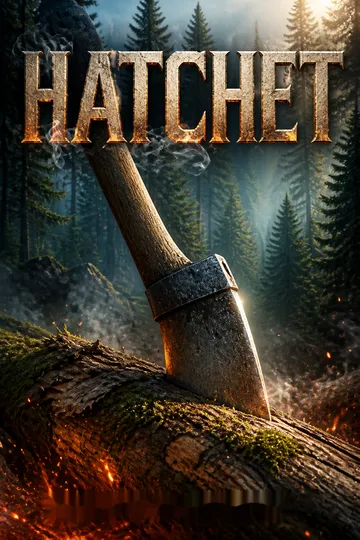
Tool becomes lifelineBrian's mother2 gives him the hatchet before his flight, intending it as a useful object for time in the woods with his father3. After the crash, it becomes his only dependable tool. He uses it to strike sparks from rock, shape fishing and hunting equipment, build shelter, and cut into the submerged plane. Its usefulness makes losing it especially dangerous, and retrieving it tests both his physical courage and his attachment to the skills it represents.
The Emergency Transmitter
Accidental rescue signalThe transmitter is packed in the plane's survival bag, which Brian1 retrieves from the flooded wreck. He does not understand its role when he first examines it and leaves it operating unintentionally. Its signal reaches a fur buyer5 flying a route to map Cree trapping camps, bringing a rescuer to the lake after the official search has ended.
The Secret
Family silence's hidden weightBrian's1 secret is his memory of seeing his mother2 kiss another man. He keeps it from his father3 and carries it as a source of anger, shame, and divided loyalty. The secret gives emotional context to Brian's1 silence during the flight and to his difficulty accepting his mother's2 care. It remains unresolved when he returns from the wilderness, showing that survival does not automatically settle the conflicts he brought with him.
The Survival Pack
A cache of new possibilitiesThe survival pack is secured in the crashed plane and inaccessible beneath the lake. Brian's1 need for its food, matches, tools, and other supplies drives him to make a raft, cut through the fuselage, and dive into the submerged wreck. The contents make life easier, but they do not replace the knowledge he has gained through weeks of improvisation. The pack arrives as both practical aid and a measure of how much Brian1 has learned to do without it.
Brian's Field Learning
Observation turns into survivalBrian1 repeatedly tests ideas against the wilderness. Birds lead him to berries; a failed spear teaches him to seek a faster method; refraction changes where he aims beneath the water; and the outline of a grouse helps him notice hidden prey. Each discovery has a concrete consequence, usually food, safety, or a better tool. The pattern makes his survival less a matter of sudden expertise than of attention, experimentation, and correction after mistakes.
FAQ
Synopsis & Basic Details
What is Hatchet about?
- Boy Survives Plane Crash: Thirteen-year-old Brian Robeson is the sole passenger on a small bush plane flying to visit his father in the Canadian wilderness when the pilot suffers a fatal heart attack.
- Alone in the Wild: Brian must take the controls, resulting in a crash landing in an L-shaped lake, leaving him stranded with only a hatchet given to him by his mother.
- Struggle for Survival: The story follows Brian's desperate efforts to stay alive, learning to find food, build shelter, make fire, and adapt to the harsh environment over 54 days.
Why should I read Hatchet?
- Compelling Survival Narrative: The book offers a raw and realistic portrayal of a young boy's fight for survival against the elements, making for a gripping and intense read.
- Deep Character Transformation: Readers witness Brian's profound psychological and physical change as he moves from fear and self-pity to resilience, resourcefulness, and a deep connection with nature.
- Exploration of Inner Strength: Beyond the external challenges, the story delves into Brian's internal struggles, including dealing with his parents' divorce and a painful secret, highlighting the importance of mental toughness and hope.
What is the background of Hatchet?
- Setting in Canadian Wilderness: The story is set in the vast, remote northern woods of Canada, emphasizing Brian's isolation and the raw, untamed nature he must confront.
- Context of Divorce and "The Secret": Brian's journey is precipitated by his parents' recent divorce, fueled by his knowledge of his mother's infidelity, which adds a layer of emotional turmoil to his physical ordeal.
- Focus on Bush Flying: The initial setup involves a small Cessna 406 bush plane, a common mode of transport in remote northern areas, highlighting the specific context of his travel and subsequent crash.
What are the most memorable quotes in Hatchet?
- "Divorce. Secrets.": These words, repeated early in Chapter One, encapsulate Brian's initial emotional burden and the underlying family conflict that precedes his physical struggle.
- "I am Brian Robeson. I am thirteen years old and I am alone in the north woods of Canada.": This internal declaration in Chapter Five marks Brian's first clear acceptance of his situation and the beginning of his conscious effort to survive.
- "Tough hope, he thought that night. I am full of tough hope.": In Chapter Thirteen, after successfully hunting fish with his bow, Brian defines his new mindset – a practical, resilient hope based on his own capabilities rather than external rescue.
What writing style, narrative choices, and literary techniques does Gary Paulsen use?
- Sensory and Immediate Prose: Paulsen employs vivid sensory details (smells, sounds, tastes, physical pain) and a direct, often fragmented, internal monologue to immerse the reader in Brian's immediate experience and state of mind.
- Repetition and Short Sentences: Key words or phrases ("Divorce," "The Secret", "Nothing," "Food," "Mistakes") are repeated, often in short, impactful sentences, emphasizing Brian's fixations, learning, and the stark reality of his situation.
- Foreshadowing and Symbolism: Subtle details like the pilot's discomfort or the hatchet's presence are introduced early, gaining significance later, while objects like the fire and the hatchet evolve into powerful symbols of Brian's journey and transformation.
Hidden Details & Subtle Connections
What are some minor details that add significant meaning?
- Pilot's Physical Discomfort: The pilot's initial rubbing of his shoulder and stomach pains, dismissed by Brian as "stomach troubles" in Chapter One, are subtle but clear foreshadowing of the heart attack that follows.
- The L-Shaped Lake: The specific shape of the lake, described in Chapter Three, is crucial later as the "short part of the L" is where the plane's tail remains visible after the tornado, allowing Brian to locate the survival pack.
- The Type of Rock: Brian's discovery in Chapter Eight that the rock wall contains "large pieces of a darker stone, a harder and darker stone" is the specific detail that makes creating sparks with the hatchet possible, highlighting the importance of observing the environment closely.
What are some subtle foreshadowing and callbacks?
- The Survival Pack Mention: The pilot casually mentions the survival pack lashed down in the rear of the plane in Chapter One, a seemingly minor detail that becomes Brian's ultimate goal and salvation much later in the story.
- "The Secret" Memory Details: The precise details Brian remembers about seeing his mother (time 3:31, temperature 82, specific clothing) in Chapter Four are recalled with intense clarity during moments of extreme physical or emotional pain, showing how trauma links seemingly unrelated memories.
- The Moose and Tornado as Echoes: Brian notes in Chapter Sixteen that the tornado hitting him felt "the same as the moose," a callback to the earlier attack that reinforces the theme of nature's unpredictable and overwhelming power, hitting him "in the back by some mad force."
What are some unexpected character connections?
- Perpich's Influence: Brian's English teacher, Perpich, is mentioned in Chapter Five as someone who emphasized "being positive, thinking positive, staying on top of things" and "get motivated." Brian frequently recalls Perpich's advice, showing how seemingly minor adult figures can have a lasting impact in unexpected circumstances.
- Terry and the Barbecue: Brian's friend Terry appears in a dream in Chapter Eight, specifically showing him lighting a barbecue fire. This dream, combined with the memory of his father using charcoal and hickory chips, provides the subconscious link Brian needs to understand how to create fire from sparks.
- The Rescuing Pilot's Route: The Epilogue reveals the rescuing pilot is a fur buyer mapping Cree trapping camps, connecting Brian's isolated location to the broader human activity and economy of the northern wilderness, albeit indirectly through technology (the transmitter).
Who are the most significant supporting characters?
- The Pilot: Though he dies early, the pilot is the catalyst for Brian's entire ordeal. His brief interaction, allowing Brian to touch the controls, is ironically the only "flying lesson" Brian receives, proving vital during the crash.
- Brian's Mother: Her gift of the hatchet is Brian's single most important tool for survival. Her infidelity, "the Secret", is a constant source of internal conflict and emotional pain that Brian must process alongside his physical challenges.
- Brian's Father: The destination of Brian's flight, his father represents the life Brian is trying to reach and a source of motivation. Thoughts of telling his father "the Secret" weigh on Brian, highlighting the unresolved emotional baggage he carries.
Psychological, Emotional, & Relational Analysis
What are some unspoken motivations of the characters?
- Brian's Mother's Gift: While presented as a practical gift for visiting his father, the hatchet could also be interpreted as his mother's unspoken attempt to provide Brian with something tangible and useful, perhaps a way to feel connected or helpful despite the emotional distance caused by the divorce and "Secret".
- Brian's Initial Silence about "the Secret": Brian's refusal to talk to his mother about "what's bothering you" in Chapter One stems from a deep, unspoken anger and hurt over her infidelity, coupled with the burden of knowing something his father doesn't.
- Brian's Drive to Rebuild After Setbacks: After the moose attack and the tornado, Brian's immediate, almost furious, drive to rebuild his shelter and tools isn't just about survival; it's an unspoken assertion of control and defiance against the wilderness that keeps trying to break him.
What psychological complexities do the characters exhibit?
- Brian's Trauma and Dissociation: Brian initially experiences the crash and its aftermath in a haze, feeling as though it happened to "some other person or in a movie playing in his mind" (Chapter Four), a psychological defense mechanism against overwhelming trauma.
- The Burden of "the Secret": Brian's knowledge of his mother's affair manifests as "hot little jets of hate" (Chapter Five) and deep emotional pain, showing the complex psychological toll of being caught in adult secrets and betrayal.
- Transformation of Perception: Over time, Brian's mind changes; he develops heightened senses and a deeper understanding of cause and effect in nature ("I see, I hear differently... know the sound as if he somehow could move his mind back down the wave of sound to the source" - Chapter Eleven), illustrating the brain's adaptability under extreme pressure.
What are the major emotional turning points?
- The First Fire: Creating fire in Chapter Nine is a massive emotional shift, moving Brian from despair and vulnerability to a sense of power, hope, and having a "friend" and "guard" against the darkness and predators.
- The Plane Passing: The moment a search plane flies over but doesn't see him in Chapter Twelve is a devastating emotional low point, leading to a period of deep despair where he considers giving up, forcing him to confront the reality that rescue is unlikely.
- The Decision to Not Die: After the plane passes and his subsequent despair, Brian's realization in Chapter Thirteen that "he would not die, he would not let death in again" marks a conscious emotional decision to embrace his new, tougher self and commit fully to survival on his own terms.
How do relationship dynamics evolve?
- Brian's Relationship with Nature: Brian's relationship with the wilderness evolves from one of fear and being an outsider ("city boy") to one of understanding, respect, and even a sense of belonging, recognizing animals like the wolf as "another part of the woods, another part of all of it" (Chapter Thirteen).
- Brian's Internal Relationship with Himself: The ordeal forces Brian to confront his weaknesses (self-pity, impatience) and develop new strengths (patience, observation, resilience), leading to a fundamental change in his self-perception ("He was not the same now... completely changed" - Chapter Thirteen).
- Brian's Relationship with His Tools: Objects like the hatchet, bow, and fire become more than just tools; they are extensions of himself, partners in survival ("I have a friend named fire" - Chapter Nine), reflecting his reliance on his own ingenuity and resources.
Interpretation & Debate
Which parts of the story remain ambiguous or open-ended?
- The Pilot's Exact Cause of Death: While Brian identifies it as a heart attack based on a past experience, the text describes symptoms like "body gas," "bad aches," and "chest is coming apart," leaving the precise medical event slightly ambiguous to the young narrator.
- The Ultimate Fate of "the Secret": The Epilogue states Brian "never said a word about the man or what he knew, "the Secret"" to his father, leaving the long-term impact of this unresolved truth on their relationship and Brian's own peace of mind open to reader interpretation.
- Brian's Future Relationship with the Wilderness: While the Epilogue notes permanent changes in Brian's perception and appreciation for nature, it also shows him returning to city life. The extent to which he maintains his connection to the wild or struggles to reintegrate remains somewhat open.
What are some debatable, controversial scenes or moments in Hatchet?
- Brian's Attempted Suicide: In Chapter Thirteen, after the search plane misses him, Brian considers and attempts to cut himself with the hatchet. This dark moment of despair is a raw depiction of his emotional state, which some might find intense or controversial for a young adult novel, sparking debate about its necessity or impact.
- The Moose Attack and Blindness: The graphic description of the moose spraying Brian directly in the face, causing temporary blindness and intense pain in Chapter Fourteen, is a visceral and potentially disturbing scene that highlights the brutal reality of nature's defenses.
- The Description of The Pilot's Remains: Brian's discovery of the pilot's skull ("not quite cleaned skull") in Chapter Eighteen when retrieving the survival pack is a brief but stark and unsettling image that confronts the reader with the reality of death and decomposition in the wilderness.
Hatchet Ending Explained: How It Ends & What It Means
- Unexpected Rescue via Transmitter: Brian is rescued after inadvertently activating the emergency transmitter found in the survival pack retrieved from the plane's tail. A fur buyer mapping trapping camps picks up the signal and spots the plane wreckage, leading to Brian's salvation after 54 days.
- Physical and Psychological Transformation: The ending highlights Brian's dramatic change; he is physically lean and tough, and psychologically more observant, thoughtful, and deeply appreciative of food and nature. The Epilogue details these lasting effects, noting he would "remain lean and wiry for several years" and gained "immensely in his ability to observe."
- Return to Unresolved Life: Despite his wilderness transformation, Brian returns to his fractured family life. His parents do not reconcile, and he ultimately chooses not to tell his father "the Secret", indicating that while he conquered the wilderness, some personal and relational challenges remain unresolved in the civilized world.
Brian's Saga Series


Download PDF
Download EPUB
.epub digital book format is ideal for reading ebooks on phones, tablets, and e-readers.








