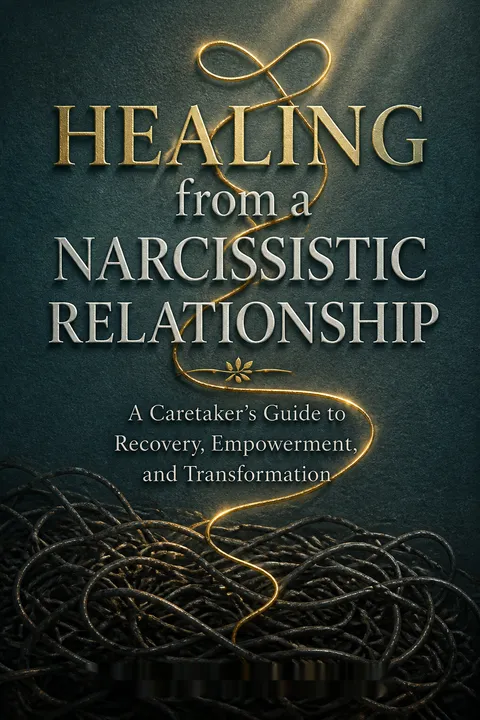


Key Takeaways
Treat early intensity as evidence of attraction, not proof of intimacy
Charm can conceal limits. Fjelstad describes relationships that begin with sweeping attention, fast commitment, and a sense of having found an unusually perfect match. She calls the polished public persona the “False Self”: an image of confidence and charm that protects a more vulnerable, self-focused inner life. As commitment grows, the partner may encounter control, blame, and disregard that were less visible at first. Angela, for example, moved in with Blake within days. Gradually, he took over their social plans and even her clothing choices, while dismissing her preferences when she objected.
Watch what happens after the rush. The useful test is not whether a new partner is exciting, but whether attention remains consistent and differences can be discussed without punishment. A fast start alone does not establish narcissism. Notice whether the other person respects a no, shares decisions, and shows care when it is inconvenient.
The distinction between attraction and intimacy is valuable because intensity can feel like unusually strong evidence of compatibility. In practice, intimacy is better assessed through repeated behavior: whether someone can tolerate disagreement, repair a hurt, and remain curious about another person’s perspective. These are observable tests, not guesses about hidden motives. The caution is that charm, confidence, or quick affection do not diagnose a personality disorder. Those traits can appear in healthy relationships too. Slowing the pace creates room to gather evidence without treating every spark as a warning sign.
Aim your caretaking gifts at yourself before they erase your preferences
Care can become self-abandonment. Fjelstad uses “emotional caretaker” for someone who habitually tracks another person’s feelings and needs while discounting their own. Such partners may be generous, empathetic, flexible, and reliable. Those are real strengths. The risk comes when loyalty, guilt, fear of conflict, and weak boundaries make giving automatic and reciprocity optional. The narcissistic partner gets dependable attention; the caretaker gets increasingly unsure of what they want.
Recover your own preferences. Marcie had spent twenty years arranging life around her husband’s choices. When he left, she struggled to identify her preferred food, friends, or way to spend an evening. The book’s point is not to become less caring. It is to include oneself among the people deserving care: notice a feeling, name a want, and make a choice that does not require another person’s permission.
This framing avoids a common trap in relationship advice: treating kindness itself as the problem. Caregiving is often a source of connection and meaning, but it becomes costly when one person’s needs are treated as facts and the other’s as negotiable. A practical distinction is whether care is freely chosen and renewable, or driven by anxiety about another person’s reaction. The book’s caretaker label can help readers recognize a pattern, but it should not become a fixed identity. A person can practice self-neglect in one relationship and act with strong boundaries in another.
Stop accepting blame for feelings and choices you cannot control
Separate influence from responsibility. The book argues that a partner does not cause another adult’s feelings or choices, even when the partner’s actions affect them. In a strained relationship, the caretaker may try to prevent anger by explaining more, apologizing, or accommodating further. Fjelstad describes a recurring pattern in which one person pursues discussion, the other withdraws or attacks, and the first responds by pursuing harder. She also uses the “drama triangle,” a cycle in which partners shift among blaming, helplessness, and rescuing rather than addressing the actual issue.
Return to your own actions. In a financial argument, for instance, one partner might blame the other for a broken appliance, then cast themselves as the injured party when challenged. The caretaker can stop trying to prove innocence and instead decide what practical boundary or response is needed. Taking responsibility for one’s own behavior is not the same as taking responsibility for another adult’s behavior.
This distinction supports agency without pretending relationships have no mutual influence. One person’s conduct can genuinely hurt another, and healthy partners can acknowledge that impact. But impact does not make one person responsible for controlling the other’s emotions or choices. Separating these questions helps: What did each person do? What effect did it have? What can each person choose now? The drama-triangle model is especially useful when it reveals a repetitive interaction rather than assigning permanent roles. Its limit is that it can obscure power differences if both people are treated as equally responsible for coercion or abuse.
Protect yourself with boundaries, distance, and practical backup
Make safety concrete. Fjelstad recommends shifting from pleading for understanding to limiting opportunities for conflict. During a breakup, that can mean communicating briefly and in writing, keeping contact focused on necessary matters, and using lawyers or other trusted adults for difficult exchanges. When money, housing, or children are involved, she urges readers to learn their legal rights and seek qualified professional help. She also cautions against treating a hoped-for friendly separation as a plan when the other person is hostile or manipulative.
Do not manage danger alone. The book suggests documenting threats, arranging safer handoffs, and leaning on supportive friends, family, and a therapist. Children should not be recruited as allies or messengers. These are general principles, not a substitute for legal advice or a safety assessment. When there is a threat of violence, stalking, or coercive control, seek appropriate local professional and emergency support.
The shift from emotional persuasion to practical protection is one of the book’s strongest contributions. In high-conflict situations, clear records, predictable communication, and independent advice reduce the burden of negotiating every interaction from scratch. This resembles risk management: anticipate likely points of contact, reduce unnecessary exposure, and preserve evidence. The nuance is essential. A boundary is not a technique for making an unsafe person behave well, and disengagement may not be possible when people share children or legal obligations. The safest approach depends on the facts, local law, and professional guidance.
Grieve the person, the imagined future, and the self you postponed
A breakup contains several losses. Fjelstad names the lost partner, the hoped-for life together, damaged self-esteem, financial disruption, and changes in family life as parts of the grief. Feelings may move among disbelief, anger, bargaining, low mood, and acceptance, rather than following a tidy sequence. She asks readers to list the harm they experienced and the feelings it brings up, without automatically explaining each injury away. One client noticed that a period without contact brought an unexpected sense of peace, revealing how much energy the relationship had demanded.
Give grief structure. The book suggests setting aside a short, regular period to write or think about specific losses, then returning attention to daily life. Anger can help a person recognize violated boundaries and act protectively; staying consumed by anger can instead prolong distress. Grief is not evidence of weakness, nor does it need to meet someone else’s timetable.
Naming multiple losses matters because separation can disrupt identity, routines, finances, and social belonging at once. A person may miss the good moments while also feeling relief from the daily strain. Those responses are not contradictory; they describe different parts of the experience. The practice of giving grief a defined space can make overwhelming concerns more specific and manageable. Still, grief models should be used as maps, not schedules. Persistent or severe depression deserves qualified support, and recovery should not be judged by how quickly someone stops thinking about the relationship.
Rebuild self-trust through small choices and balanced effort
Confidence grows through evidence. After a relationship in which another person’s preferences dominated, choosing a meal, activity, or new goal can be a meaningful exercise in self-direction. Fjelstad suggests listing strengths and interests, seeking support from people who see you accurately, and learning skills that make independence more practical. Marie, newly divorced and returning to work after years at home, connected her enjoyment of dogs and hairdressing by training as a dog groomer.
Notice what comes back. The book also recommends tracking whether effort is mutual. For example, invite a possible friend to lunch, enjoy the meeting, and leave room for that person to initiate next time. The aim is not to keep a strict score. It is to detect early when one person repeatedly gives while the other only receives. Small successes, supportive relationships, and fairer exchanges help rebuild confidence more reliably than self-criticism.
The emphasis on action is psychologically plausible: competence becomes easier to trust when it is supported by lived evidence. Trying a new activity can also restore identity beyond the former relationship and create low-pressure social contact. The reciprocity exercise is useful as an antidote to automatic overgiving, but relationships are not balanced in every moment. Illness, parenting, or a temporary crisis may make an exchange uneven without making it exploitative. The better question is whether both people remain attentive to the imbalance and willing to repair it over time.
Use the present to interrupt old rehearsals and choose your next move
Notice before reacting. Fjelstad presents SOLAR as a brief way to interrupt spirals about past injuries or future threats. Pause, observe what is happening in the body and mind, acknowledge it without immediate judgment, loosen your grip on the thought, and return attention to the task at hand. This does not deny the past. It helps distinguish a memory or prediction from what is occurring in the current moment.
Make the next step specific. One reader dreaded an ex-partner collecting belongings. Rather than rehearsing every possible argument, she could notice the anxiety, prepare a practical plan, and decide whether a friend should be present. The book also encourages checking bodily signs of stress and calming the body before making important decisions. If a situation is unsafe, however, mindfulness is not the plan: protection and outside help come first.
This technique connects with mindfulness and cognitive defusion, the practice of noticing a thought as a mental event rather than treating it as an instruction or fact. That pause can restore choice when fear narrows attention. It is particularly useful for rumination, which often feels like problem-solving while repeating the same scene without producing new information. The approach should not be mistaken for suppressing emotion or accepting mistreatment. In a genuinely dangerous situation, accurate threat recognition and concrete protective action matter more than becoming calm.
Forgiveness can release resentment without restoring trust or access
Forgiveness is not reconciliation. In Fjelstad’s account, forgiveness is a gradual release of the wish to punish or remain bound to old injuries. It does not require forgetting what happened, excusing harmful behavior, or telling the former partner that forgiveness has occurred. She distinguishes empathy, understanding another person’s experience while retaining one’s own boundaries, from sympathy, taking on the other person’s feelings and becoming absorbed in their crisis.
Keep protection in place. A client who felt sorry for a former partner’s late support payments arranged for the payments to go through the court, rather than relying on personal appeals. She later learned that the money had been used for a vacation. Her story illustrates why compassion cannot replace practical limits. Forgiveness may take years, may apply to some injuries before others, and is not an obligation imposed on a person who is still being harmed.
This account usefully separates an internal process from an external relationship decision. A person can stop organizing life around resentment while maintaining distance, legal protections, and clear limits. That distinction counters social pressure to forgive quickly in order to appear generous or spiritually mature. It also allows compassion without self-endangerment. The book’s language sometimes links forgiveness closely to a final stage of recovery, but there is no universal timetable or required emotional endpoint. For some people, safety, grieving, or simply building a life beyond the injury may be the more immediate priority.
Choose partners by how they handle difference, not how intensely they pursue
Look for equality in practice. Fjelstad contrasts a dependent relationship, where each person leans on the other for stability, with a partnership in which both can stand independently and still cooperate. Look for respect, acceptance, shared decisions, and the ability to disagree without humiliation. Her red flags include repeated blame, control over money, dismissing feelings, unexplained secrecy, and a growing sense of confusion or shrinking self-worth. The point is to evaluate patterns, not to diagnose someone from one awkward moment.
State your standards early. Amy had previously chosen partners for status and financial success, then found emotional loneliness. A friendship with Josh, whose work with children and everyday values better matched what she wanted, became a more promising relationship. The book advises moving slowly, speaking honestly about needs, and keeping friends and personal interests in view while a new relationship develops.
The focus on how people manage difference is a stronger screening tool than surface chemistry because it tests whether closeness can coexist with individuality. Early, respectful conversations about money, time, family, and conflict can reveal incompatibilities before commitment makes them harder to address. This is not a demand for perfect agreement. Stable partnerships need room for negotiation, repair, and changing circumstances. Nor should a checklist replace observation over time. The most informative evidence is often whether a person’s conduct remains respectful when they are disappointed, challenged, or asked to share control.
Analysis
Healing from a Narcissistic Relationship is organized as a passage from bewilderment to self-direction. It begins by explaining the apparent reversal between early charm and later control, then describes why a highly giving partner may stay, how separation can become another arena for pressure, and what recovery can require. The structure is practical rather than purely explanatory: readers are repeatedly asked to identify feelings, name losses, set limits, and make new choices. The book’s central shift is away from solving the other person and toward reclaiming attention, judgment, and agency.
Its most useful insight is that a caretaker’s virtues can become vulnerabilities when they operate without reciprocity or boundaries. Empathy and loyalty are not defects; the problem is a pattern in which another person’s needs count automatically and one’s own must be argued into existence. The book gives this pattern memorable tools, including the drama triangle, SOLAR, and a personal Code of Well-Being. Its stories make abstract advice concrete, from a woman rediscovering preferences after a long marriage to a client finding a new vocation by combining existing interests.
The account also needs careful handling. It often describes narcissism in categorical terms, including sweeping claims about empathy, motivation, and prospects for change. These claims should not be used to diagnose a partner from a checklist or to assume that every self-centered or controlling act proves a personality disorder. Clinical assessment is more complex, and behaviors vary. The safest and most actionable focus is on observable conduct, its impact, and the options available to the person experiencing it. Similarly, advice about divorce, custody, and danger must be adapted to local law and individual risk, with professional help when needed.
Read in that spirit, the book is less a manual for understanding a diagnosis than a recovery guide for people whose sense of self has narrowed around another person. Its strongest test of progress is not whether the former partner changes or approves, but whether the reader can make choices from their own values, protect their well-being, and form relationships with mutual respect.
Review Summary
Healing from a Narcissistic Relationship receives high praise from readers for its insightful and practical advice. Many found it validating, eye-opening, and essential for recovery. Readers appreciate the clear explanations of narcissistic behavior, strategies for healing, and emphasis on self-empowerment. Some noted its focus on women's experiences, while others found value in applying the concepts to various relationships. A few criticized the gendered narrative or lack of professional credentials, but overall, most readers highly recommend the book for those recovering from narcissistic abuse.
People Also Read



Glossary
False Self
Protective public personaFjelstad uses this term for the polished image a narcissistic person presents to others, often appearing charming, confident, capable, or superior. The persona is described as protection from disowned vulnerability and shame. In the book’s account, a close partner may initially experience this image as intimacy, then encounter more self-focused or controlling behavior.
emotional caretakers
Partners who overfocus on othersThe book’s term for people who habitually prioritize another person’s feelings, needs, and preferences over their own. Fjelstad describes caretakers as often empathetic, dependable, generous, and flexible, while also vulnerable to excessive guilt, conflict avoidance, overgiving, and difficulty maintaining boundaries. The term describes a relationship pattern, not a formal psychiatric diagnosis.
drama triangle
A repeating conflict-role cycleA relationship pattern in which people move among three roles: persecutor, victim, and rescuer. One person may blame, feel unfairly targeted, or try to appease and fix the other. The roles can switch repeatedly, keeping conflict active without resolving the underlying problem. Fjelstad uses the model to help readers recognize and leave these interactions.
SOLAR
A brief present-moment checkA mindfulness technique Fjelstad presents for interrupting spirals of worry and rumination. It directs a person to pause, observe and identify current thoughts and feelings without judgment, loosen engagement with them, and return attention to the task at hand. The purpose is to see the present situation more clearly before deciding whether action is needed.
narcissistic rage
Anger tied to perceived humiliationFjelstad uses Heinz Kohut’s term for intense anger that can arise when a narcissistic person experiences failure, rejection, or exposure of imperfection as humiliating. In the book’s account, rage can restore a feeling of control or superiority and may be directed at a partner. The term does not make threats harmless; practical safety remains essential.
Code of Well-Being
Personal principles for decisionsA set of individually chosen principles meant to guide choices, boundaries, and relationships. Fjelstad suggests writing down lessons learned from a harmful relationship, such as not ignoring feelings or taking responsibility for another adult’s emotional work. The code acts as a reference point when pressure, guilt, or old caretaking habits make a decision difficult.
Circle of Loving Support
A map of available supportA diagram for identifying the people, resources, institutions, and beliefs that can support a person during recovery. The reader places close relationships near the center and adds wider community, practical resources, legal protections, and spiritual supports in surrounding circles. Fjelstad uses it to make existing help visible and reveal where additional support may be needed.
emotional aikido
A non-escalating exit strategyFjelstad’s analogy for responding to an attack without matching its force. The person stays calm, acknowledges that the other person has expressed a view, and exits rather than arguing, counterattacking, or trying to persuade. The aim is to avoid being pulled into a familiar conflict, not to control the other person’s response.
FAQ
What's Healing from a Narcissistic Relationship about?
- Focus on Recovery: The book is a guide for individuals recovering from relationships with narcissists, especially caretakers who often neglect their own needs.
- Understanding Narcissism: It explains narcissistic behaviors and traits, helping readers identify patterns that cause emotional distress.
- Empowerment and Transformation: Author Margalis Fjelstad emphasizes regaining self-worth and emotional health post-relationship.
Why should I read Healing from a Narcissistic Relationship?
- Expert Insights: Written by a seasoned therapist, the book offers professional insights into the dynamics of narcissistic relationships.
- Practical Guidance: It provides actionable steps for healing and empowerment, making it a valuable resource for those affected by narcissism.
- Support for Caretakers: The book addresses the unique challenges faced by caretakers, offering validation and strategies to reclaim their lives.
What are the key takeaways of Healing from a Narcissistic Relationship?
- Recognizing Patterns: Understanding narcissistic behaviors and manipulation is crucial for recovery.
- Self-Care Importance: The book stresses prioritizing personal needs and well-being to break the cycle of self-sacrifice.
- Healing Process: It outlines a structured approach to healing, including acknowledging feelings, setting boundaries, and rebuilding self-esteem.
What are the best quotes from Healing from a Narcissistic Relationship and what do they mean?
- “We must be willing to let go of the life we planned so as to have the life that is waiting for us.”: Emphasizes accepting change and moving forward.
- “Whatever they do, it’s never about you.”: Highlights the self-centered nature of narcissists, reminding readers that their actions reflect their own issues.
- “You can’t lose if you’re not in the game.”: Encourages disengagement from manipulative dynamics, focusing on personal healing.
How does Healing from a Narcissistic Relationship define narcissism?
- Emotional Manipulation: Narcissism is described as a personality disorder marked by a lack of empathy and a need for control.
- Self-Centered Behavior: Narcissists prioritize their desires over others, leading to emotional abuse and neglect.
- Impact on Relationships: The book discusses how narcissistic behavior affects interpersonal dynamics, especially in caretaker relationships.
How can I identify if someone is a narcissist according to Healing from a Narcissistic Relationship?
- Behavioral Traits: Common traits include superiority, entitlement, and a lack of empathy.
- Emotional Manipulation: Narcissists often engage in blame-shifting and emotional reasoning.
- Inconsistent Behavior: Relationships may start with charm but quickly shift to control and devaluation.
What is the "caretaker pattern" mentioned in Healing from a Narcissistic Relationship?
- Self-Sacrifice: Caretakers prioritize the narcissist's needs over their own, leading to emotional depletion.
- Emotional Enmeshment: They become enmeshed in the narcissist's world, losing their sense of self.
- Breaking the Cycle: The book provides strategies for caretakers to recognize this pattern and reclaim their identity.
How does Healing from a Narcissistic Relationship suggest I cope with the end of a relationship with a narcissist?
- Acknowledge Your Feelings: Recognizing and processing feelings of hurt, anger, and loss is crucial.
- Set Boundaries: Establishing clear boundaries protects against further emotional harm.
- Seek Support: Engaging with supportive friends, family, or professionals provides necessary encouragement.
What practical strategies does Healing from a Narcissistic Relationship offer?
- Self-Reflection Exercises: Exercises help identify strengths and areas for growth, essential for rebuilding self-esteem.
- Boundary Setting Techniques: Methods for establishing and maintaining boundaries with narcissists are provided.
- Support Group Recommendations: Joining support groups led by professionals is encouraged for additional coping strategies.
How can I rebuild my self-esteem after a narcissistic relationship, according to Healing from a Narcissistic Relationship?
- Recognize Your Strengths: Acknowledge and celebrate personal strengths to rebuild confidence.
- Practice Self-Compassion: Treat yourself with kindness, letting go of self-criticism.
- Engage in New Activities: Trying new hobbies fosters a sense of accomplishment and joy.
What role do support groups play in recovery as discussed in Healing from a Narcissistic Relationship?
- Validation of Experiences: Support groups provide a space to share experiences and feel validated.
- Professional Guidance: Groups led by professionals offer expert insights into dealing with narcissistic behavior.
- Building Connections: Participating helps build a network of caring and compassionate people for ongoing support.
How does Healing from a Narcissistic Relationship suggest handling future relationships?
- Awareness of Red Flags: Recognizing red flags in potential partners helps avoid similar patterns.
- Open Communication: Clear and honest communication about needs fosters mutual respect.
- Taking Time: Healing and reflection before new relationships build a solid foundation of self-awareness.
About the Author
Other books by Margalis Fjelstad
Download PDF
Download EPUB
.epub digital book format is ideal for reading ebooks on phones, tablets, and e-readers.








