


Plot Summary
The Dead Return
After fleeing the palace, Reid Ellington reaches her grandparents’ manor with Prince Dexter and his allies. There she discovers Anna, the mother she mourned as dead, alive and leading the secretive Knights of the Realm. The surprise deepens at supper when Dexter’s father, Prince Henrick, appears too: his reported death was staged to let him escape the palace.
Anna explains that she left her five daughters to take command of the Knights, while Reid’s father, Duke Ellington, admits he helped conceal her departure. The reunion gives Reid answers, but none feel like comfort. Henrick says Dexter should inherit the throne, and Anna proposes killing King Eldon, then placing Dexter and Reid on it.
The opening replaces a simple rescue from political danger with a crisis of family knowledge. Reid has relied on grief as a settled fact and on her father as a trustworthy narrator; both certainties collapse at once. Anna’s explanation treats motherhood as a role she chose to leave for political duty, while Duke Ellington’s silence shows how protection can become another form of control. Henrick’s return mirrors Anna’s, but his absence was tactical rather than an abandonment of his children. Reid must now distinguish what people did from the stories they used to justify it.
A Crown With Teeth
When the group debates Anna’s plan, Ackley and Gordon refuse to trust Eldon, and Ackley insists he must be the one to kill his half-brother. Henrick asks Reid whether she truly wants to marry Dexter and become queen. Reid accepts, partly to help Marsden, but also because she has begun choosing Dexter for himself.
Alone afterward, Anna reveals her real design: Reid should control Dexter, take the throne, and remove him once her rule is secure. Reid rejects the scheme and leaves for Ellington with Dexter, Ackley, Gordon, and her father. She needs distance from Anna, but she also refuses to let her family’s conflict distract her from the foreign army and the kingdom’s danger.
Anna’s plan turns intimacy into a technology of government: marriage is useful only if Reid can convert affection into leverage. Reid’s refusal marks a shift from reacting to other people’s decisions toward making her own, even when she cannot yet name every feeling behind them. Her choice to marry Dexter remains politically consequential, but it is no longer merely an arrangement imposed by rulers. The same act can serve the kingdom and express desire, a tension the story keeps alive rather than resolving through a clean separation of love and duty.
Ackley Questions the Past
On the road north, Ackley tells Reid how Anna recruited him as a child to spy inside the royal castle. She encouraged him to suspect Eldon and his father, shaping his view of the family before he was old enough to judge her motives.
Years later, Ackley found Anna’s love letter to King Hudson and began questioning whether she had poisoned both Hudson and King Broc. The possibility unsettles the group’s assumptions about who caused Marsden’s earlier succession crises, so they abandon Anna’s proposed split and agree to gather allies together.
Crossing the Gast River, Reid returns to Ellington and sees the poverty and restrictions her future rule must address. Dexter witnesses the conditions that first taught Reid to resist her society’s limits.
Ackley’s story exposes how political manipulation can work through a child’s developing identity rather than through a single command. Anna did not merely recruit him; she supplied the suspicions through which he learned to interpret his own family. His growing doubt is therefore both investigative and psychological. Meanwhile, Reid’s return to Ellington makes her reformist aims tangible: the kingdom’s inequalities are not abstractions to her, but the landscape of her childhood. Dexter’s encounter with that landscape begins to turn their partnership from dynastic necessity into a shared understanding of what government has failed to provide.
Ellington Calls Its Women
At Duke Ellington’s castle, Reid reunites with her sister Kamden and old friend Harlan, while Ackley finds his mother Leigh and sister Idina. Idina reveals that Eldon has summoned the duchesses south with soldiers, likely to strip the ruling families of power or kill them. She has also urged Russek, a rival kingdom, to exploit Melenia’s weakened defenses.
Reid uses her father’s ducal ring to write directly to the duchesses, asking them to mobilize their armies against Eldon. Before the campaign begins, Reid and Dexter confess their personal commitment at her favorite lake and marry privately, with her family and friends present. Their wedding becomes a brief, chosen refuge before an attack sets the castle ablaze.
Reid’s political intervention grows directly from her personal history: the laws that constrained her also make women’s authority easy for others to overlook. By calling on the duchesses, she converts a symbol of male inheritance, her father’s ring, into a means of collective action. The private wedding offers a contrasting model of union: Reid and Dexter choose one another without an audience demanding spectacle. Yet the fire that follows prevents romance from becoming an escape from politics. Their partnership is immediately tested by the same systems of secrecy and violence that their marriage is meant to challenge.
A Wedding Burns
After Reid and Dexter marry, the castle’s kitchen erupts in flames. Harlan recognizes the smell of valerian, and the soldiers outside collapse after being drugged. An unseen archer wounds Gordon when he tries to escape through a window, forcing the group to flee through separate openings under shields.
Reid reaches the stables with Leigh, then helps cover Ackley as he crosses the open ground. Dexter and Gordon circle the castle to find the attackers, but Reid is seized from behind and rendered unconscious by a drugged cloth.
A unit of Knights carries her away, claiming they are following orders to protect her. Bound and gagged, Reid realizes Anna may be behind the abduction, but cannot yet tell whether the Knights are rescuers or part of the attack.
The attack makes the wedding’s promise of safety collapse almost as soon as it is made. The poisoned air, burning rooms, and disabled soldiers turn the castle into a trap, while the separated escape routes fragment a family that had just gathered to celebrate. Reid’s capture also exploits the emotional logic of protection: the Knights insist they are keeping her safe, yet deny her agency through restraints and silence. In this world, benevolent explanations cannot be trusted without evidence. Reid’s ability to read motive, not merely accept a declared purpose, becomes essential to survival.
The Rescue Is a Trap
After two days in captivity, Reid hears that Anna ordered the Knights to take her so she could keep Dexter under control. She suspects the abduction is meant to provoke Ackley into killing his own men, clearing away a unit Anna cannot command. Before she can warn them, the Knights begin collapsing around her.
Ackley arrives with Dexter and uses sleeping tonic rather than killing the captors, despite his fury at finding Reid bound. The group learns that Eldon’s men burned the castle, while Anna used the attack as cover for the kidnapping. They stage a false massacre with animal blood so Anna will believe Ackley followed her design. Reid and Dexter continue to the City of Buckley, where gathered soldiers and threatened duchesses await.
The rescue tests whether Ackley can act against the reflex Anna cultivated in him. Killing the captive Knights would have been emotionally legible, especially after Reid’s treatment, but it would also have completed Anna’s plan. Dexter’s insistence on restraint gives Ackley a way to protect Reid without becoming the instrument of another person’s manipulation. Reid’s deduction matters equally: she identifies the trap before it fully closes. The false massacre turns deception back against Anna, showing that strategic secrecy is not inherently corrupt; its moral character depends on whose agency it preserves and what violence it prevents.
The Duchesses Take Command
In Buckley, Reid and Dexter learn that soldiers from Cartr, Alder, and Bridger have gathered outside the city, while Eldon has taken the dukes hostage. Their duchesses meet Dexter and agree to support him after learning Eldon intends to destroy their authority and seize their counties.
Reid discovers the duchesses have their husbands’ rings and can act without waiting for male permission. Nara and Captain Gytha arrive from the palace with news of the prisoners, and Leigh recounts Anna’s old attachment to Hudson, her claim that she killed King Broc for him, and the family betrayals that followed.
The history clarifies the depth of Anna’s grievance without excusing her methods. Reid also grows suspicious of the seemingly blank Queen Harlow and begins searching for what she conceals.
The duchesses’ decision changes the political structure of the resistance: women are not merely supporting a male claimant but exercising authority embedded in the kingdom’s own institutions. Leigh’s account complicates the family’s history without making motive equivalent to innocence. Anna’s grievance has roots in desire, inheritance, and rejection, yet the harm she causes remains her responsibility. Reid’s suspicion of Harlow extends the book’s recurring problem of legibility. Women who appear compliant may be constrained, strategic, or dangerous, and a just political order requires learning to see beyond the roles imposed on them.
Melenia’s Heir Arrives
Seb brings Prince Owen of Melenia to Buckley, where Reid recognizes that his capture may have been voluntary. Owen confirms that Russek has conquered Melenia and slaughtered its royal family. Idina’s appeal to Russek, intended to draw Melenian troops home, has helped create a catastrophe she never anticipated.
Owen is now his kingdom’s surviving ruler, but he cannot reclaim it alone. Reid and Ackley investigate the Bridger mines and Harlow’s family manor, finding evidence that the stones promised to Melenia are part of a larger political bargain, though Harlow’s childhood room reveals little.
Before they can settle the matter, Idina is kidnapped from the castle. Ackley prepares to search in anger, while Reid sees that Owen may be their best chance of finding her.
Owen’s arrival widens the conflict beyond Marsden and gives consequence to Idina’s earlier gamble. The book refuses to treat a clever geopolitical maneuver as costless: Melenia’s defeat turns strategy into human grief, and Owen embodies the political aftermath. Reid’s investigations also reveal the limits of evidence. The mines expose material motives, but Harlow’s carefully emptied spaces offer no easy answer. Idina’s abduction then converts a distant alliance into an intimate emergency, forcing Reid to decide whether an enemy’s vulnerability can become the basis for cooperation.
Idina Returns With Owen
Rather than let Ackley rush blindly after Idina, Reid asks Owen what he knows. He explains that Anna commissioned Melenia’s intervention and specified that a kidnapping should draw Ackley and Gordon into the open, after which the dukes and royal family would be killed. Reid offers Owen Marsden’s military help in reclaiming Melenia if he joins the rescue.
Owen accepts, and he and Ackley bring Idina home safely after finding her with Melenian soldiers. His troops agree to turn against Eldon. Reid’s deal also places her in the middle of a possible marriage alliance between Owen and Idina, though neither has agreed to it. The alliance gives Marsden more strength, but confirms Anna’s plan reaches beyond one throne.
Reid’s bargain recognizes Owen as more than a convenient source of troops. He has lost his family and country, yet still has the capacity to choose what kind of ruler he will become. Cooperation is therefore built through reciprocal obligation rather than simple trust. The rescue also marks a crucial contrast with Anna’s politics: Anna treats relatives and kingdoms as pieces to be moved, while Reid asks what aid can be offered and accepted. Idina’s return restores the family’s immediate hope, but the proposed marriage alliance warns that strategic unions can still pressure individual choice.
The Route Is Broken
As the combined Marsden army marches toward Axian, Reid finds a dagger marked with the same rose and thorns as her Knight tattoo, along with a warning that she must fulfill her oath. The message suggests Anna still expects Reid to obey her.
Then the bridge through the Modig Mountains is found destroyed, forcing the army to divert while Dexter, Reid, the duchesses, Ackley, Owen, and a small force travel secretly toward the palace. Reid leads soldiers through the hidden passages she learned from Nara.
They reach Eldon’s rooms, but the expected assault never comes. Looking out, Reid sees Eldon on the steps with Dexter, Gordon, Owen, and her father captured. Their stealth plan has failed, and the king threatens to kill Duke Ellington unless Reid reveals herself.
The marked dagger condenses Reid’s central conflict into an object: her past as a Knight remains inscribed on her body, while Anna tries to turn that identity into a command. The destroyed bridge then removes the expected route and forces the allies to improvise. Reid’s knowledge of secret passages, once a tool for espionage, becomes a means of collective defense. Yet the failed palace entry shows that competence does not guarantee control. The capture of the men she loves turns the campaign’s abstract risks into immediate leverage, pushing Reid toward a choice under coercion.
Dexter Claims the Crown
From an upper room, Markis shoots Eldon and his soldiers in the limbs, preventing them from carrying out the threatened executions. Colbert, Ackley, and Markis reveal themselves, while the approaching Axian army and Owen’s troops contain the surrounding forces.
Dexter survives the confrontation, and Duke Ellington is freed. The dukes and duchesses gather in the palace as Reid invokes the founding families’ authority: Eldon is not King Hudson’s son, and Henrick named Dexter as his heir. Every family votes to remove Eldon and recognize Dexter.
Gordon formally transfers the crown, and the assembly accepts Dexter as king. They send Eldon to the dungeon rather than killing him. Reid has helped restore the lawful succession, but the victory leaves the kingdom exposed to Anna’s unresolved designs.
The transfer of power is deliberately procedural as well as military. Markis’s arrows stop immediate violence, but the founding families’ unanimous vote supplies legitimacy that force alone could not. Reid’s insistence on the ring-based process makes the new monarchy answerable to a shared law rather than simply to the strongest army. Eldon’s survival preserves a distinction between removing a ruler and reproducing his brutality. Still, the apparent settlement is fragile: the story has repeatedly shown that legal recognition cannot protect people from hidden passageways, private poisons, or loyalties concealed beneath respectable appearances.
Anna’s Final Betrayal
The morning after Eldon enters the dungeon, guards find him dead from poison. Reid later overhears Anna ordering Owen’s murder to provoke war, then planning to kill the royal family. She alerts Seb and warns Owen, while Gytha helps expose Anna’s attempt to reach him through Harlow, who has been working as Anna’s hidden agent.
Ackley and Dexter arrive before Anna can kill Owen, but Harlow attacks Dexter and dies in the struggle. Anna poisons Ackley with a blade and beats Reid down. Reid gets free, rejects Anna’s claim over her, and kills her when she charges again. Harlan treats Ackley, who survives. As he recovers, he admits he loves Reid, but she remains committed to Dexter, leaving Ackley to depart for Melenia.
The final confrontation forces Reid to separate biological inheritance from moral obligation. Anna invokes motherhood and the Knights’ oath as claims to obedience, but her conduct has made those claims instruments of coercion. Reid’s answer is physical as well as emotional: she acts to stop further deaths, not to win Anna’s approval. Harlow’s betrayal shows that Anna’s network depended on recruiting people whose public roles concealed private allegiances. Ackley’s survival and confession add an intimate cost to the victory, while his departure makes clear that stopping a plot does not neatly repair every relationship it has damaged.
Two Crowns, One Choice
With Eldon and Anna gone, Dexter and Reid hold their public wedding and are crowned King and Queen of Marsden. Dexter promises to preserve the counties’ rights, return Bridger’s mines, and work with the ruling families. Owen prepares to return to Melenia with Marsden soldiers, while Idina and Gytha accompany him; Ackley goes too, both to help Owen and to escape the pain of watching Reid with Dexter.
Reid’s father and sisters leave for Ellington, and she returns her ducal ring because she can no longer serve as her father’s heir. At the stables, she notices a Knight’s mark on Kamden’s arm, hinting her sister has a hidden life of her own. Dexter then surprises Reid with a familiar pub and a rematch at their old game.
The ending presents sovereignty not as a prize but as a new form of shared labor. Dexter’s promises address the kingdom’s structure, while Reid’s return of the ducal ring clarifies that her authority has changed rather than simply accumulated. The departures prevent the coronation from becoming a fantasy of everyone remaining together; political repair sends allies into separate futures. Kamden’s tattoo leaves one last secret in the family, suggesting that Reid’s new rule will not make hidden lives disappear. The final game brings the scale back down to marriage, where partnership includes rivalry, pleasure, and the freedom to choose one another again.
Analysis
Hidden Knights treats political power as something exercised not only from a throne, but through family stories, private loyalties, legal symbols, and the right to move unseen. Reid’s central challenge is interpretive: she must decide which accounts of the past are reliable while recognizing that even sincere people conceal information in the name of protection. Her parents’ secrets make trust difficult, but they do not make trust impossible. She learns to test motives through action and to build alliances that leave room for other people’s choices.
The novel’s gender politics are grounded in material differences. In northern Marsden, women are restricted from public life, property, and military service; Reid’s memories of Axian show that these limits are constructed rather than inevitable. Her call to the duchesses is consequential because it uses the kingdom’s own inheritance rules to give women political agency. The story’s reforms begin with participation, not simply with replacing one ruler with a more benevolent one.
Romance and governance develop together. Dexter’s growth involves learning that protection cannot mean unilateral control, while Reid’s involves letting another person share burdens she once carried alone. Their marriage matters because both choose it, even though it also serves the kingdom. By contrast, Anna turns marriage, kinship, and oaths into instruments for commanding other people. Her grievance explains her fixation on the past, but the novel does not treat pain as a license to make others pay for it.
The final transfer of the crown therefore offers a beginning, not a cure. Dexter and Reid inherit a kingdom divided by poverty, restricted freedoms, foreign exploitation, and generations of concealed violence. The story’s strongest political claim is that legitimacy depends on more than blood or victory: it requires accountable authority, shared participation, and a willingness to see people as more than pieces in a plan.
Review Summary
Hidden Knights receives mixed reviews, with an average rating of 4.04 out of 5. Many readers praise the series' conclusion, enjoying the character development, plot twists, and romance between Reid and Dexter. However, some feel the pacing is rushed and certain plot elements are underdeveloped. Criticisms include predictability, loose ends, and character inconsistencies. Despite these concerns, fans appreciate the fast-paced action, political intrigue, and feminist themes. The book's treatment of Ackley's character arc is particularly divisive among readers.
People Also Read

Characters
Reid Ellington
The Unlikely QueenReid is the youngest daughter of Duke Ellington, raised in a society that limits women’s freedom and taught to disguise herself as a boy to protect her family’s standing. She is observant, skilled with twin swords, and more comfortable acting than explaining what she feels. Her instinct for reading motives makes her valuable to the Knights, but years of secrecy also leave her wary of intimacy. She wants Marsden to become more equal and prosperous, not merely to change rulers. Her bond with Dexter grows as he treats her as a partner, while her complicated family history forces her to decide which inheritances deserve loyalty.
Dexter Winston
The Reluctant HeirDexter is Prince Henrick’s son, an experienced commander raised to serve his people and accustomed to carrying responsibility alone. His strength and discipline can make him seem severe, but he respects Reid’s judgment and gradually lets her see his fear of loving someone he could lose. He is devoted to his family and soldiers, yet must learn to share authority rather than treating protection as a task he can manage by himself. His partnership with Reid combines attraction with political purpose: he wants her counsel and commitment, not merely her title.
Ackley Winston
The Knight in the ShadowsAckley is Dexter’s cousin and Gordon’s brother, a sharp-tongued fighter trained from childhood in secrecy and espionage. Anna recruited him young, and her influence shaped how he understood his family and the royal succession. He is fiercely protective of Idina and Reid, but his loyalty to the Knights can conflict with his loyalties to the people he loves. His wit often masks discomfort with emotional vulnerability. Ackley values freedom, distrusts confinement, and resists the thought of marriage or settled rule, even as his actions reveal how deeply he depends on chosen family.
Anna
The Hidden CommanderAnna, born Brianna Axian, is Reid’s mother and the leader of the Knights of the Realm. She is disciplined, politically shrewd, and committed to reclaiming the land and status she believes were denied to her family. She treats secrecy as a form of power and expects loyalty to outrank affection. Her history with the Winston family shapes her long view of politics, but her certainty can make other people’s lives seem expendable. Anna’s relationship with Reid is defined by absence and conflicting ideas of duty: she sees her daughter as an instrument of change, while Reid wants to be recognized as a person.
Gordon Winston
The Army’s CommanderGordon is Ackley’s brother and Dexter’s cousin, a soldier whose competence lies chiefly in organizing and leading armies. He is more committed to inherited customs than Reid is, though his exposure to Axian’s greater equality begins to challenge his assumptions. Family loyalty weighs heavily on him, especially where his half-brother Eldon is concerned. Gordon’s practical leadership becomes essential to assembling the counties’ forces, while his private worry for his pregnant wife, Dana, reveals the vulnerable family life beneath his military role.
Duke Ellington
Reid’s Steadfast FatherReid’s father has raised five daughters while governing Ellington, and his affection for them is genuine. He nevertheless concealed Anna’s survival and allowed his children to believe she had died, trusting secrecy to protect the family and the kingdom. His devotion to Anna kept him emotionally bound to a past she had left behind. He supports Reid’s growing authority, but their reunion forces him to face the cost of making decisions for her without her knowledge.
Idina Winston
The Brilliant StrategistIdina is Ackley and Gordon’s sister, a princess with a gift for patterns, codes, and political strategy. She dislikes being confined to conventional feminine duties and wants the freedom to learn, travel, and defend herself. Her willingness to make bold diplomatic moves can have consequences she did not intend, but she faces those consequences rather than retreating from responsibility. Idina is both a source of practical insight and a friend to Reid, encouraging her to claim a public role without surrendering her independence.
Henrick Winston
The Hidden PrinceHenrick is Dexter’s father and a former heir to the Marsden throne, long believed poisoned and dead. He staged his death to escape Eldon’s coup and leaves Dexter positioned to inherit. His love for his family is real, but he chooses political concealment and withdrawal over returning to the people who need him. His history with Leigh and Nara complicates the family’s understanding of loyalty, love, and the harm caused by unequal affection.
Nara Winston
The Warrior PrincessNara is Dexter’s mother, a princess and capable fighter who knows the palace and its hidden passages. She is composed in danger and more emotionally perceptive than her reserved manner first suggests. Her marriage to Henrick began as a partnership of necessity, then became a meaningful family life despite his enduring love for Leigh. Nara offers Reid the care and practical guidance that Anna never provides, without demanding that Reid conceal her doubts or perform a perfect version of strength.
Gytha
The Unflinching CaptainGytha is a battle-tested captain in Dexter’s forces, loyal to Nara and skilled enough to protect herself and others. She speaks plainly, distrusts foolish plans, and has little patience for people who mistake concern for authority. Her watchfulness toward Reid gradually becomes a genuine friendship. Gytha’s confidence in action contrasts with Reid’s tendency to carry fear silently, and she helps Reid understand that accepting protection does not require surrendering independence.
Harlan
The Loyal ApothecaryHarlan is Reid’s childhood friend, an apothecary trained in poisons and antidotes. He is less interested in court politics than in the people he cares about, and his steady affection gives Reid a rare place to speak without performing a role. His loyalty is practical as well as emotional: he travels with the group because his medical knowledge may save lives. Harlan’s own marriage and responsibilities make clear that friendship can endure even when its members’ lives move in different directions.
Harlow
The Enigmatic QueenHarlow is Eldon’s young wife and queen, whose quiet manner makes her difficult for others to read. She has knowledge of palace passageways and offers Reid warnings that seem to come from deeper understanding than her public persona suggests. Reid initially mistakes her reserve for emptiness, then learns to question appearances. Harlow’s position leaves her caught between family, marriage, and court power, making her a figure through whom the story explores how little can be inferred from a woman’s assigned role.
Owen
The Displaced Melenian PrinceOwen is a young prince from Melenia, sent to Marsden amid the invasion. He is perceptive and proud, with a dry humor that masks the uncertainty of his position. Owen understands that kingdoms often dress self-interest in the language of aid, yet he can recognize a sincere offer when one is made. His uneasy alliance with Reid and Dexter depends on mutual need, and his interest in Idina brings a personal dimension to a negotiation otherwise shaped by armies and survival.
Leigh Winston
The Queen MotherLeigh is Henrick’s wife and the mother of Ackley, Gordon, and Idina. Reserved and observant, she carries intimate knowledge of the royal family’s older conflicts. She has endured complicated affections without making them the whole of her identity, and she offers Reid a quieter model of care than Anna does. Her relationship with her children combines tenderness with restraint, while her history helps explain the bitterness and suspicion shaping the current crisis.
Colbert Winston
The Loyal Royal CousinColbert is Dexter’s cousin and a capable fighter who often serves as a measured presence among the more volatile princes. He is loyal to Dexter and willing to risk himself for the family, but he also recognizes patterns in Ackley’s behavior that others miss. His practical advice and readiness to help make him an important stabilizing force in a crisis.
Markis
The Watchful ArcherMarkis is a skilled archer and trusted member of Dexter’s circle. He is alert to danger and dependable when the group needs precise action rather than bravado. His loyalty appears in the way he follows through on difficult orders, while his quieter temperament complements the more outspoken personalities around him.
Kamden Ellington
Reid’s Spirited SisterKamden is one of Reid’s sisters, lively, sociable, and more interested in romance and courtship than Reid is. She welcomes Reid home with warmth and quickly befriends Idina. Kamden’s easy confidence contrasts with Reid’s guardedness, while her wish to choose her own future reflects the possibilities Reid hopes to open for women throughout Marsden.
Dana Winston
Gordon’s Expectant WifeDana is Gordon’s wife and is pregnant during the crisis. Her absence from the campaign gives Gordon a personal reason to fear what Eldon may do, while her presence at the end connects the political future of Marsden to the family lives its leaders hope to protect.
Duchess Camille Bridger
The Mines’ DefenderCamille is Harlow’s mother and the duchess of Bridger, whose land and mines have been exploited by Melenia. Her daughter’s marriage to Eldon makes her political position painful: opposing the king may endanger Harlow, while obedience harms her people. Camille is cautious rather than passive, and she judges Dexter’s claim by what it means for her county as well as for the throne.
Duchess Amille Cartr
The Cautious DuchessAmille is the duchess of Cartr. Her husband entrusted her with his ring before leaving for Axian, giving her authority to judge events in his absence. She approaches Dexter with caution and insists on hearing the evidence before choosing a side.
Duchess Jane Alder
The Watchful DuchessJane is the duchess of Alder, a practical observer who recognizes that Eldon’s sudden actions threaten the balance among Marsden’s counties. Like the other duchesses, she must decide whether loyalty means obeying her husband’s instructions or protecting the people entrusted to her.
Sebastian Rutter
The Trusted ArmsmakerSeb is an experienced armsmaker and former commander who remains loyal to Dexter and the cause of Marsden. He is trusted with sensitive missions because he combines practical knowledge with discretion. His connection to Reid’s family through marriage links her home county to the political upheaval in Axian.
Victor
The Watchful CousinVictor is Reid’s second cousin and a member of the Axian family. He follows Reid during her journey north and later serves as a messenger between her and her grandparents. His position places him between Anna’s requests and the loyalties he owes to his family.
Lord Robert
The Changeable Axian LordLord Robert is an Axian nobleman who has argued for independence from Marsden. He reassesses that position when he sees the danger Eldon poses, though his support remains tied to his county’s security and future.
Plot Devices
The Duke’s Ring
A Seal Of Shared AuthorityThe ducal ring signifies a county’s authority and gives its holder a formal voice in decisions about Marsden’s crown. Reid uses her father’s ring to call on the duchesses to raise their armies, then invokes the founding families’ authority to remove Eldon and recognize Dexter. The ring turns an inherited symbol into a practical instrument of women’s political action. It also links the story’s resolution to established law rather than allowing military victory alone to decide who rules.
The Knights’ Marks
Identity Hidden In Plain SightThe Knights operate through secrecy, coded loyalties, concealed identities, and tattoos that identify their members. Reid’s own mark connects her to an organization led by the mother she believed dead. Anna later uses Reid’s oath as a means of pressure, while the tattoo itself remains a reminder that a person’s past affiliations do not dictate every future choice. Harlow’s hidden place in the organization demonstrates how public roles can conceal private allegiance.
The Succession Letters
Proof Against A False CrownLetters hidden by Ackley establish that Eldon is not King Hudson’s son and therefore has no legitimate claim through Hudson’s line. They help Dexter present a lawful claim to the founding families, who hold the authority to choose the ruler. The documents matter because they give political weight to a truth that might otherwise be dismissed as a rival prince’s accusation. Their history also exposes how personal betrayals and concealed parentage have repeatedly shaped Marsden’s monarchy.
Poison And Valerian
Quiet Weapons, Sudden CrisesValerian sedates groups of soldiers, allowing attackers to disable guards without first fighting them. Poison is also used to kill rulers and to threaten the peace between Marsden and Melenia. Harlan’s expertise in antidotes helps the group recognize and respond to these tactics, while the repeated use of drugs makes safety difficult to verify: a quiet room or sleeping guard may be the beginning of an attack rather than a reprieve.
The Palace Passages
Secret Routes Into PowerHidden passages let characters move through the palace without using guarded corridors. Nara teaches Reid how to navigate them, giving her a practical skill that later enables her to guide a group toward Eldon’s rooms. Anna and Harlow also know how to exploit concealed routes, making the passages a source of both opportunity and danger. They embody the story’s political landscape: what appears secure from the public room may have another entrance known only to those who have learned to look for it.
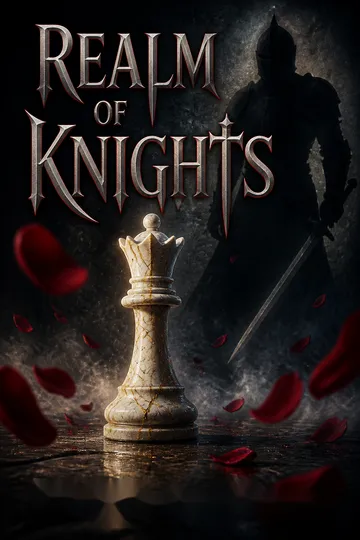
Knights of the Realm Series


About the Author
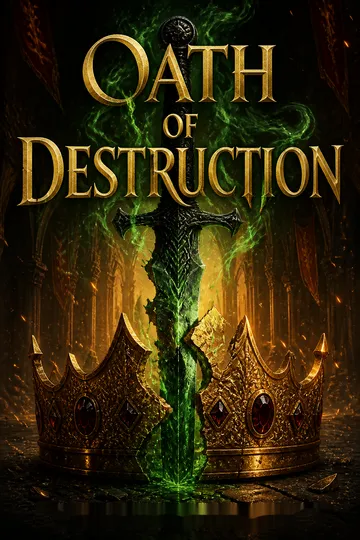
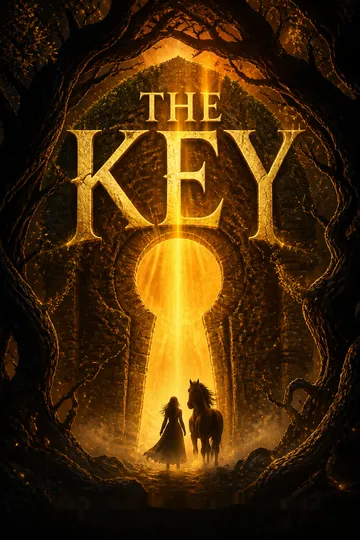
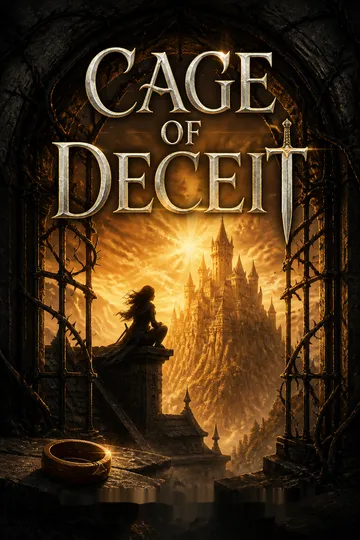
Other books by Jennifer Anne Davis



Download PDF
Download EPUB
.epub digital book format is ideal for reading ebooks on phones, tablets, and e-readers.








