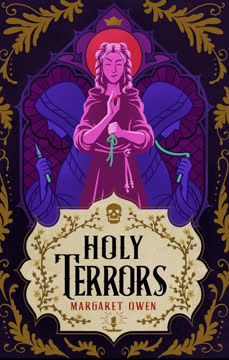
Plot Summary
Crossroads and Choices
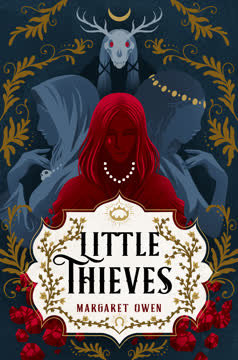
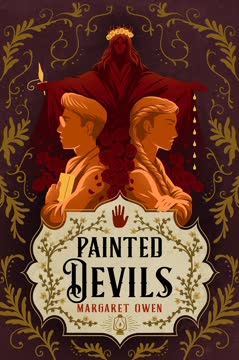
Vanja, the goddaughter of Death and Fortune, stands at a literal and figurative crossroads, forced to choose between a life with Emeric, the boy she loves, and a path of justice as the infamous Pfennigeist. Her decision is shaped by guilt, fear of being a burden, and the scars of her upbringing. She ultimately chooses the road of the Penny Phantom, vowing to help those failed by the law, even as it means leaving Emeric behind. This choice sets the stage for a story of sacrifice, longing, and the relentless pursuit of justice in a world where power and privilege often shield the guilty.
The Penny Phantom Emerges
Sixteen months after her fateful choice, Vanja has become a legend: the Pfennigeist, a thief and avenger for the powerless. She navigates a world of corrupt nobles, gods, and ghosts, haunted by her love for Emeric and the knowledge that her actions have consequences. Her work is both a calling and a curse, as she balances the thrill of the grift with the ache of what she's lost. The world knows her as a ghost who rights wrongs, but Vanja knows the cost of every red penny she leaves behind.
Ghosts, Gods, and Grifts
Vanja's life is shaped by her godmothers, Death and Fortune, whose love is both a blessing and a burden. Their interventions blur the line between fate and free will, and Vanja's connection to the divine grows as she consumes witch-ash, gaining powers that make her more than mortal. But every gift has a price: the more she becomes what people believe of the Pfennigeist, the more she risks losing herself. The gods' bargains, the ghosts of her past, and the grifts she runs all intertwine, forcing Vanja to question who she is and what she truly wants.
Red Pennies, Dead Princes
A string of assassinations rocks the empire, each victim found with a red penny—a calling card of the Pfennigeist. Vanja is framed for the murders of princes and even the empress, hunted by the prefects, including Emeric. As she flees, she uncovers a conspiracy that uses her legend as a weapon, and realizes that the true killer is manipulating both the law and the gods. The red pennies become a symbol of both justice and terror, and Vanja must clear her name before she is consumed by the story others tell about her.
The Toll of Justice
Vanja is eventually caught and brought to trial, forced to confront Emeric and the system that failed them both. Their reunion is fraught with pain, longing, and unresolved feelings. As the investigation unfolds, Vanja's skills and insight prove indispensable, and she is reluctantly brought in as a consultant. The lines between criminal and hero blur, and Vanja must decide whether to trust Emeric again, even as the empire's fate hangs in the balance. Justice is not just about punishment, but about mending what is broken.
Chains of the Past
The investigation reveals that the true assassin is using magic, time manipulation, and the power of belief to reshape reality. Vanja's own legend becomes a double-edged sword, granting her powers but also making her vulnerable to the expectations and fears of the people. The ghosts of her past—her mother, Irmgard, and the scars of servitude—threaten to drag her down. Allies and enemies alike are caught in the web, and Vanja must confront the chains that bind her, both literal and metaphorical.
The Ring Drop Conspiracy
The plot thickens as Vanja uncovers a conspiracy involving forged rings, enchanted pearls, and a network of betrayals. The assassin's true motive is revealed to be revenge, but also fear—of irrelevance, of powerlessness, of being forgotten. Vanja's own brother, Ozkar, is implicated, and the lines between victim and perpetrator blur. The Ring Drop, a classic grift, becomes a metaphor for the way greed and arrogance lead people to their own downfall. Vanja must outwit not just her enemies, but the very story being written about her.
Masks, Maidens, and Monsters
The empire's fate is decided at a masquerade ball, where masks hide true intentions and every dance could be a death sentence. Vanja, disguised and desperate, must navigate a world where friends can become foes and monsters wear human faces. The Todentanz Ball becomes a battleground for the soul of the empire, as Vanja and her allies face off against Irmgard, the true architect of the terror. The line between performance and reality blurs, and Vanja must decide what role she will play in the final act.
The Assassin's Game
Irmgard's mastery of time and her manipulation of the divine threaten to destroy reality itself. The assassinations were sacrifices in a ritual to make her a god-empress, and Vanja is forced to confront a world where the rules are rewritten, the dead walk, and the gods are silent. The anchor of the new reality is a version of Vanja herself, twisted by fear and pain. The only way to save the world is to face herself, and to choose compassion over vengeance, understanding over hate.
The Thrall and the Throne
Vanja binds herself to her brother Ozkar, gaining the power to challenge Irmgard but at the cost of her own autonomy. The battle for the throne becomes a battle for the soul, as Vanja must free herself, her friends, and even her younger self from the chains of fear and the lies of power. The gods return, but only when people believe in them again. The true victory is not in killing the enemy, but in breaking the cycle of abuse and choosing a different path.
The World Unravels
As the false world falls apart, Vanja and her allies race against time to restore reality. The anchor—her younger self, Vanjette—must be freed, not destroyed. The final confrontation is not a battle of strength, but of stories: Vanja must show her younger self that happiness is possible, that she is loved, and that the future can be different. The world is remade not by violence, but by hope, forgiveness, and the courage to try again.
The Anchor and the Lindworm
The climax is a confrontation with the lindworm—Vanjette, the embodiment of Vanja's fear and pain. Through compassion and understanding, Vanja helps her younger self shed the scales of the past and embrace the possibility of happiness. The anchor is not destroyed, but transformed, and the world is saved by the power of belief, love, and the willingness to change. The gods return, and Vanja is offered a new contract: to be the Pfennigeist, not as a god, but as a human who brings justice where the law cannot.
Death's Daughter's Dance
In the aftermath, Vanja and Emeric must decide what their future will be. The world is changed, but so are they. The scars of the past remain, but they are no longer chains. Vanja chooses to keep helping people, but on her own terms, with the support of those she loves. Emeric chooses her, not as a fantasy, but as a partner in all her complexity. Their dance is not the end, but a beginning—a promise to keep trying, to keep choosing each other, no matter what.
Ordinary Lives, Extraordinary Love
The story ends not with a grand victory, but with the quiet, everyday acts of love and justice. Vanja and Emeric build a life together, learning to trust, to forgive, and to hope. The empire begins to change, slowly, as ordinary people are given a voice and the power to shape their own destinies. The Pfennigeist becomes a symbol not of terror, but of the possibility that even the most broken things can be mended. The final choice is not to run, but to stay—and to believe that happiness is possible.
The Last Choice
On a snowy road, Vanja faces her final choice: to keep running, or to take Emeric's hand and walk the road together. After a lifetime of fear, loss, and longing, she chooses love—not as a fantasy, but as a reality built on trust, forgiveness, and the courage to try again. The story ends with Vanja and Emeric, hand in hand, ready to face whatever comes next. This is not a fairy tale ending, but a promise: that the story goes on, and that every day is a new chance to choose each other.
Characters
Vanja Ros
Vanja is the heart of the story: a girl shaped by abandonment, abuse, and the impossible expectations of her godmothers, Death and Fortune. Her journey is one of self-discovery, as she transforms from a desperate servant into the legendary Pfennigeist—a thief who rights wrongs for those the law cannot help. Vanja's psyche is marked by deep wounds: fear of being a burden, terror of love, and the belief that she ruins everything she touches. Her relationships—with Emeric, her godmothers, her siblings, and her own younger self—force her to confront these fears and choose hope over despair. Her greatest strength is her refusal to give up, her willingness to try again, and her ability to see the humanity in even her enemies. By the end, Vanja is not just a legend, but a woman who has learned to love and be loved, scars and all.
Emeric Conrad
Emeric is Vanja's opposite and complement: disciplined, principled, and driven by a fierce sense of justice. His love for Vanja is both his greatest strength and his deepest vulnerability. He struggles with the tension between duty and desire, law and justice, and the pain of being unable to save those he loves. Emeric's journey is one of learning to let go of perfection, to accept the messiness of love, and to trust in the possibility of forgiveness. His relationship with Vanja is fraught with longing, anger, and hope, and together they learn that true partnership means choosing each other, again and again, even when it's hard.
Irmgard von Hirsching
Irmgard is Vanja's lifelong nemesis, driven by envy, entitlement, and a desperate need to prove herself superior. Her psychological makeup is a study in insecurity masked as arrogance; she cannot bear the thought of being ordinary, and so she seeks power at any cost. Irmgard's manipulation of time, reality, and the divine is a reflection of her refusal to accept her own limitations. In the end, her downfall is not just her cruelty, but her inability to choose a different story for herself. She is a warning of what happens when fear is allowed to rule.
Lilje Kiefer
Lilje is a study in quiet strength and resilience. Disowned by her family, she finds purpose in healing and in her relationships with Vanja, Gisele, and Ragne. Her engagement to Emeric is both a comfort and a trap, and her willingness to let go when she realizes it is not right is a testament to her integrity. Lilje's journey is about finding her own voice, her own desires, and the courage to claim a place in the world on her own terms.
Gisele von Falbirg
Gisele is Vanja's childhood friend and a mirror of what Vanja might have become. Scarred by privilege and trauma, Gisele must learn to wield power responsibly, to listen to those she once overlooked, and to trust in love that is not transactional. Her relationship with Ragne and Lilje, and her commitment to reform, make her a beacon of hope in a world resistant to change.
Ragne
Ragne is both otherworldly and deeply human, struggling to understand the rules of mortals and the meaning of love. Her relationship with Gisele is a source of both joy and conflict, as they navigate the challenges of change, trust, and the fear of outgrowing each other. Ragne's journey is about learning to choose her own form, her own future, and to embrace the messiness of being human.
Ozkar Ros
Ozkar is Vanja's brother and a cautionary tale of what happens when power is pursued without empathy. His genius is matched only by his inability to connect with others except through bargains and manipulation. Ozkar's role in the conspiracy is both villainous and pitiable; he is driven by a need to be remembered, to matter, even as he destroys himself and others. His final act is both a betrayal and a gift, forcing Vanja to confront the cost of power.
Kirkling
Kirkling is Emeric's mentor and a complex figure in Vanja's life. Her rigid sense of duty is both a strength and a flaw, and her journey is one of learning to let go, to trust, and to accept that justice is not always about punishment. Her relationship with Emeric is maternal, fraught with guilt and pride, and her willingness to sacrifice herself is a testament to her growth.
Benno
Benno is a symbol of what might have been: a good man caught in the crossfire of ambition and revenge. His friendship with Vanja is a source of comfort and regret, and his death is a turning point that forces Vanja to confront the true cost of the game she is caught in. Benno's legacy is one of kindness, hope, and the belief that even the most broken systems can be mended.
Vanjette
Vanjette is the version of Vanja who never learned to hope, who was twisted by pain and used as a weapon. She is both victim and perpetrator, a reminder of what happens when fear is allowed to rule. Vanja's compassion for her younger self is the key to breaking the cycle, and their reconciliation is the heart of the story's redemption.
Plot Devices
The Power of Belief
The central plot device is the idea that gods are what people believe them to be, and that stories—true or false—have the power to reshape the world. Vanja's legend as the Pfennigeist grants her powers, but also makes her vulnerable to the expectations and fears of others. The assassin's use of red pennies, the manipulation of time, and the rewriting of reality are all extensions of this theme. The story uses narrative structure and foreshadowing, and the repetition of motifs (crossroads, choices, dances) to reinforce the idea that the stories we tell—and believe—can save or destroy us.
The Ring Drop
The Ring Drop is both a literal con and a metaphor for the way greed, arrogance, and the desire to win lead people to their own downfall. Characters are repeatedly given the chance to choose differently, but their belief in their own superiority blinds them to the truth. The device is used to expose the true motives of the villains, and to highlight the importance of humility, self-awareness, and the willingness to change.
Doppelgängers and Thralls
The use of enchanted pearls, time manipulation, and doppelgängers explores the theme of identity: who we are versus who others think we are. Vanja's struggle to remain herself in the face of overwhelming expectation is mirrored in the literal creation of a younger, more fearful self (Vanjette) who becomes a monster. The loss and reclamation of agency is a central tension, resolved only through compassion and understanding.
The Dance
The motif of the dance recurs throughout the story, symbolizing the give-and-take of love, the risk of vulnerability, and the beauty of choosing each other, again and again. The final dance is not just a romantic gesture, but a metaphor for the ongoing work of building a life together, with all its messiness, pain, and joy.
Narrative Structure and Foreshadowing
The novel is structured around pivotal choices, each marked as a "Choice" chapter, and the consequences that ripple from them. The use of letters, dreams, and alternate timelines foreshadows the ultimate resolution: that the only way to break the cycle is to choose differently, to believe in the possibility of change, and to reach for hope even when it seems impossible.
Analysis
Margaret Owen's Holy Terrors is a masterful exploration of the power of stories, the complexity of justice, and the courage it takes to choose love and hope in a world shaped by fear and pain. At its core, the novel is about agency: the struggle to define oneself in the face of overwhelming expectation, trauma, and the narratives imposed by others. Vanja's journey from servant to legend, from victim to agent, is both deeply personal and universally resonant. The story interrogates the nature of justice—not as punishment, but as mending, as the willingness to see the humanity in even our enemies. The use of gods, ghosts, and grifts is not just fantasy window-dressing, but a sophisticated metaphor for the way belief shapes reality, for good and ill. The novel's greatest triumph is its refusal to offer easy answers: love is hard, justice is messy, and healing is a lifelong process. Yet, in the end, Holy Terrors insists that happiness is possible—not as a fantasy, but as a choice made every day, in partnership, forgiveness, and the relentless pursuit of a better world.
Last updated:
Review Summary
Holy Terrors, the finale of Margaret Owen's Little Thieves trilogy, receives mixed reviews averaging 4.32/5 stars. Many praise the emotional character development of protagonists Vanja and Emeric, the humor, political intrigue, and satisfying conclusion. Reviewers highlight Owen's skill at crafting flawed, lovable characters and complex relationships. However, criticisms include an overcomplicated plot with too many side characters, confusing timeline/multiverse elements in the final quarter, and pacing issues. Some felt disappointed compared to earlier books, while devoted fans found it a perfect, cathartic ending that balances fantasy adventure with deep emotional resonance and themes of growth and self-acceptance.