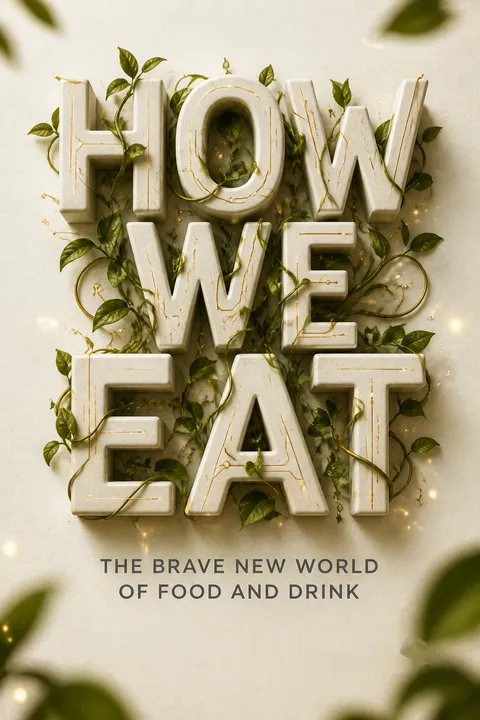


Key Takeaways
Food's new paradox: abundance can feed us, or quietly make us sick
A childhood of abundance. Paco Underhill’s lifelong interest in food shopping began in Warsaw, where American life was something he glimpsed in mail-order catalogs. His first visit to a U.S. Army store in Germany felt dazzling: shelves full of canned and frozen foods seemed to make abundance itself magical. Decades later, he studies how people navigate the stores that supply that abundance, using observation rather than professional training in nutrition or farming.
The price of plenty. Technology now makes food easier to grow, transport, and order, but it also helps turn eating into a market for engineered products. Underhill sees a sharp reversal: scarcity once threatened survival; now excess, especially of ultra-processed food, contributes to diet-related illness. The system also depends on workers whose labor and risks can remain invisible to shoppers. Food, he argues, is at once pleasure, livelihood, public health, and environmental policy.
The book’s strongest lens is not simply what people eat, but the system that makes particular choices easy, attractive, and routine. That shifts the discussion away from moralizing about individual shoppers and toward the design of markets, supply chains, and work. The tension is real: abundance can mean security and variety, yet it can also mean relentless promotion of products designed for profit rather than nourishment. This is not a case against technology or choice. It is a reminder that convenience and abundance are not neutral when their costs fall unevenly on consumers, workers, and the environment.
Study what shoppers do, not what they say they do
Observation beats recollection. People often misremember or misreport their habits. Underhill’s research company developed a method called tracking: researchers discreetly follow shoppers through a store and record their movements and decisions on a map. A track might note where someone turns, what they picks up, whether they checks the price, and what goes back on the shelf. Researchers report going unnoticed about 97 percent of the time.
Behavior answers why. Sales figures reveal what sold, but not why it sold, what shoppers considered, or what they overlooked. Interviews can help explain a decision, especially when conducted after observing it. That combination matters because a customer’s account of shopping may differ from their actual behavior. The same principle applies beyond grocery stores: to understand what people do, observe the situation in which they act, then ask what they were thinking.
This method makes the store a field site rather than a backdrop. It captures small decisions that shoppers may not notice themselves, such as passing a display without seeing it or comparing a price before choosing. The broader lesson is methodological humility: stated preference is useful, but it is not a complete record of behavior. Observation also has limits. A researcher can record a shopper’s route, but cannot infer motive from movement alone. The follow-up conversation matters because behavior shows what happened, while the shopper’s explanation helps clarify why.
Use farmers markets to rebuild trust, not to replace every grocery store
A market is a relationship. At New York’s Union Square Greenmarket, seven farmers arrived on opening day in 1976 and sold everything by noon. The market’s rules define local food as grown or processed within 250 miles of the city, and inspectors help protect those standards. By 2019, the USDA counted 8,771 direct-to-consumer farmers markets in the United States, up from 1,755 in 1994.
More than a transaction. Shoppers can ask a grower how to cook an unfamiliar vegetable, taste a new product, and see who receives their money. This can make food feel fresher and more trustworthy than a sealed package with an opaque supply chain. Markets also give small producers a route around major distributors. But they cannot provide every food, every day, at every price. Their value lies in adding connection and choice, not replacing supermarkets.
The market’s advantage is partly informational and partly social. A grower can explain the produce, but the encounter also gives shoppers a reason to care about its origin. That trust can support local businesses and make culinary learning an ordinary part of shopping. Still, proximity is not proof of sustainability, and a friendly seller cannot replace inspection or fair standards. Farmers markets can also be expensive or inconvenient for some households. Their best contribution is not to serve as a universal solution, but to make a more personal food system visible and viable.
Expect the produce aisle to sell a feeling, not just vegetables
Freshness is staged. Many supermarkets place flowers, an in-store bakery, and produce near the entrance. Warm bread smells, floral displays, dramatic lighting, dark backdrops, and misted greens create an atmosphere of freshness before a shopper has chosen anything. Store designers use scent and sound to shape mood, not merely to communicate what is for sale. The effect can make shopping more pleasant, but it can also weaken resistance to extra purchases.
Good intentions spoil. Underhill’s research found that shoppers throw away about 20 percent of the fresh fruits and vegetables they buy. A beautiful display can encourage a shopper to imagine a healthier meal, then send home more produce than they will use. Underhill admits to buying attractive figs that often disappoint or go uneaten. The practical test is not whether produce looks inspiring in the store, but whether it fits the meals and time available at home.
The produce aisle shows how design can shape desire without making a direct argument. A shopper may leave believing a choice was purely personal, even when the store has arranged light, color, and aroma to create a particular mood. That does not make sensory design inherently manipulative; a pleasant environment can make shopping less tedious. The difficulty is that retailers benefit from longer visits and larger baskets, while households bear the cost of unused food. A useful countermeasure is to shop with likely meals in mind, rather than treating an attractive display as a promise about future behavior.
Separate traditional food processing from formulations built to keep you eating
Processing has degrees. The NOVA classification system sorts food into four groups: minimally processed foods; ingredients such as oil, salt, and sugar; foods made by combining those ingredients with basic foods, such as cheese or bread; and ultra-processed products built from industrial ingredients and additives. The distinction matters because processing itself is not automatically harmful. Canning, fermenting, and baking can be traditional ways to preserve and prepare food.
Formulation changes appetite. The book reports that a 2016 study estimated nearly 58 percent of American calories came from ultra-processed foods. In a controlled National Institutes of Health study discussed by Marion Nestle, volunteers eating an ultra-processed diet consumed about 500 more calories per day and gained two pounds over two weeks, compared with a less processed diet. The point is not that every packaged food is identical, but that engineered convenience can encourage people to eat more than they intend.
NOVA gives shoppers a useful distinction that the simple label processed can obscure. A jar of traditionally fermented food and a snack assembled from refined ingredients and additives are not the same kind of transformation. The controlled study described here strengthens the case that food structure affects intake, not just willpower. Yet a classification system is still a map, not the territory: products vary, and ingredient lists do not explain every feature of a diet. The most useful application is to notice patterns and defaults, not to turn every food choice into a purity test.
Shelf space often serves brands and landlords before shoppers
The store has a blueprint. A planogram is the detailed layout of products across shelves and aisles. Grocers charge manufacturers for desirable placements, a practice known as slotting fees. Eye-level shelves command more because shoppers can see and reach those products easily; lesser-known brands often end up low or high. Since profit margins on many center-store staples are thin, some retailers depend heavily on this shelf-space revenue.
More choice can mean less discovery. The average supermarket grew from about 7,000 products to between 30,000 and 40,000, even though shoppers repeatedly buy a relatively small set of foods. Crowded shelves can make stores feel monotonous, while paid placement limits room for samples and creative displays. Underhill argues that sampling could help shoppers try unfamiliar products, but it competes with the store’s financial incentive to rent every available inch of shelf.
The planogram reveals a hidden conflict between retail as a service and retail as real estate. Stores need revenue, and manufacturers need visibility, but the resulting arrangement may not help shoppers make informed or adventurous choices. Sampling is a compelling alternative because it turns discovery into an experience rather than a shelf contest. It also has costs, including staffing and food safety, so it is not a simple fix. The deeper question is whether a store measures success only by space monetized and goods sold, or also by the ease and pleasure of choosing.
Bring farms closer, but count the electricity as well as the miles
Indoor growing offers control. At Square Roots, basil and other crops grow in hydroponic shipping containers in a Brooklyn parking lot. The company recreates growing conditions with controlled light, temperature, and water, and says its system uses about 90 percent less water than a comparable outdoor farm. Produce can reach nearby stores within a day of harvest. Walmart executives also discuss using greenhouses or repurposed containers to grow food near stores and customers.
Not every crop fits. These systems are most practical for leafy greens and herbs, which require less energy than bulky crops such as watermelon. Indoor growing can reduce transport and water use, but its environmental benefit depends partly on the electricity powering the lights and climate controls. The book’s visitors acknowledge that there is no simple carbon-footprint answer. The technology may complement outdoor agriculture, but it cannot be assumed to replace it.
Controlled growing makes agriculture less dependent on weather and distance, and can provide a reliable supply of fragile, perishable crops. It also changes farming into a technology-intensive profession that may attract people who would not inherit a family farm. The key is to evaluate the whole system, not a single appealing metric. Less water or fewer transport miles do not automatically mean lower total environmental impact if energy demand is high. Crop choice, electricity source, cost, and labor all belong in the calculation. Indoor farms are promising precisely when their limits are treated as design constraints.
Automate pantry staples, preserve human judgment where freshness matters
Online shopping favors repetition. During the pandemic, roughly a quarter of grocery buying moved to websites and apps. Ordering familiar staples is efficient, especially when shoppers buy the same products week after week. Fresh food is harder: a delivery picker may not know whether a customer needs ripe bananas tonight or firmer fruit for later. In-person shoppers can judge produce directly, ask a farmer for advice, or change plans after seeing what looks good.
Convenience has an access gap. The shift to online ordering can exclude households without bank accounts or credit cards, and it does not solve the last stretch from delivery vehicle to kitchen. Underhill imagines a future where routine goods are replenished digitally while physical stores focus on fresh food and useful experiences. That division respects both efficiency and sensory choice, but only if delivery systems work for people with different homes, schedules, and resources.
The most persuasive future is not a contest between digital and physical shopping. Each channel does different work: software handles predictable replenishment, while people remain useful where judgment, explanation, and sensory assessment matter. Online commerce can save time, but it can also transfer the work of selection to hurried pickers and leave customers with no easy way to correct a poor choice. Access is another test. A service is not universal merely because it is available through a phone. Good design should reduce friction without making human needs disappear from the process.
Treat coffee shops and bars as places people buy time together
The drink is only part. Coffee shops offer a place between home and work, along with a familiar ritual and somewhere to sit. Underhill finds coffee sold in bakeries, clothing stores, and cafés, with elaborate brewing practices turning an everyday stimulant into a cultural experience. Starbucks even tested a bar serving alcohol, extending the use of a popular space beyond the morning coffee rush.
Bars sell social permission. At the Ear Inn, Underhill learned that customers were paying not only for drinks but for a welcoming place to be among other people. Drinking habits also reflect who feels invited. In Brazil, women bought more beer than men, often for gatherings, even though men dominated the beer aisle. Changing advertising to show social occasions rather than sexualized imagery helped bring more women into the aisle and increased sales.
These examples make beverage retail a study in belonging. A familiar café can soften loneliness in an unfamiliar city, while a bar can provide a social setting that drinking at home cannot reproduce. The Brazilian beer example also shows how marketing can misread actual customers by treating a category as naturally male. Yet welcome should not be confused with safety or inclusion by default. The design of a space, its staff, and its norms determine who can relax there. A successful drinking venue offers more than choice: it makes participation feel possible.
Convenience is changing meals faster than kitchens can adapt
Meals leave the home. Americans now spend more than half their food dollars on food prepared outside the home, compared with about 16 percent in 1930. Millennials are three times more likely than their parents to eat meals made by someone else. Apps, delivery services, and drive-throughs make meals easy to obtain, while the car increasingly serves as a private dining room. The book cites a report that more than 80 percent of Americans regularly eat or drink while driving.
Food still connects people. Young eaters may snack several times a day, and food influencers turn ordinary meals into recommendations and shared conversation. At the same time, fewer meals are prepared and eaten together at home. Underhill’s account of making chicken soup for his sick wife shows how cooking can be practical care, not just a hobby. Convenience meets a real demand for time, but it can also remove preparation, shared effort, and human contact from eating.
The decline of routine cooking should not be read simply as laziness. Work, family care, commuting, and changing expectations all shape how much time people can give to meals, and the burden of cooking has historically fallen unevenly. Convenience can free people from that burden, but it can also turn eating into a sequence of isolated transactions. The question is not whether everyone should cook from scratch. It is which forms of connection deserve protection: learning to prepare food, sharing a meal, or recognizing the people who produce and deliver it.
Analysis
How We Eat is best read as a guided tour of the food environment, not as a nutrition manual or a forecast with a single destination. Underhill moves from parking lots and produce displays to farms, warehouses, cafés, delivery apps, cars, and home kitchens. The organizing claim is that food choices are shaped by the places and systems through which food reaches people. A shopper’s cart is therefore evidence not only of appetite, but also of design, pricing, labor, technology, and habit.
The book’s most distinctive strength is its behavioral method. Underhill notices details that conventional market research can miss: shoppers bypassing an entrance display, choosing produce by ripeness, or treating the car as a private dining room. These observations make retail feel less abstract and reveal how commercial decisions enter ordinary life. His storytelling also keeps the human scale in view, from a child astonished by a supermarket to a worker managing banana ripening for a chain of stores.
The evidence, however, varies in kind. Direct observation and reported studies sit alongside anecdotes, interviews, and confident predictions about future retail. Those forms are illuminating, but they do not carry equal weight. Some forecasts, such as the disappearance of center-store aisles, are better understood as provocative scenarios than settled outcomes. Similarly, the book’s broad criticism of industrial food is strongest when it identifies incentives and measurable effects, and less definitive when it implies a single explanation for complex health outcomes.
Its lasting value is the invitation to inspect the everyday infrastructure of eating. Convenience can reduce effort and widen access, but it can also hide labor, weaken food knowledge, and privilege sales over nourishment. Local markets and new farming technologies offer alternatives, not universal cures. The reader comes away with a practical question for any food system: who benefits from this arrangement, what does it make easy, and what does it quietly push out of sight?
Review Summary
How We Eat receives mixed reviews, with an average rating of 3.51/5. Readers appreciate Underhill's insights into food shopping and consumption trends, but criticize the book's lack of cohesion and overreliance on anecdotes. Some find the content fascinating and thought-provoking, while others feel it lacks depth and proper research. The book's exploration of supermarket design, changing consumer behaviors, and future food trends is generally well-received, though some readers find the author's perspective outdated or disconnected from broader demographics.
People Also Read









Glossary
tracking
Observed shopping behaviorA research method in which an observer discreetly follows a shopper through a store and records the shopper’s route, stops, selections, and other actions. Underhill uses tracking to compare what people actually do with what they report doing. It can show which displays attract attention, where shoppers hesitate, and what they overlook, though observation alone cannot establish a shopper’s motives.
transition zone
Entry adjustment spaceThe area just inside a doorway where people move from one environment into another and adjust to differences in light, sound, flooring, and surroundings. Underhill argues that shoppers are occupied with this adjustment as they enter a store, so signs, flyers, and product displays placed there are easy to miss. He recommends keeping the space clear.
planogram
Product placement blueprintA detailed schematic for how a store arranges products on shelves and throughout its aisles. It specifies which products are carried and where they appear. In supermarkets, planograms are shaped by shopper visibility and manufacturers’ payments for placement, so the layout reflects both merchandising strategy and the store’s revenue needs.
slotting fees
Payments for shelf placementFees manufacturers pay retailers for access to shelf space or more desirable product positions. Placements at eye level generally cost more because they are easier for shoppers to notice and reach. Underhill describes these payments as an important source of supermarket revenue, particularly in a business where margins on many packaged staples are small.
commodity balance
Balanced vendor selectionA farmers market organizer’s approach to choosing vendors and managing competition among them. The aim is to offer shoppers a useful range of products while giving growers a fair chance to sell enough to make participation worthwhile. Too many vendors selling the same item can undermine their earnings; too few categories can make the market less useful to shoppers.
NOVA classification system
Four food-processing groupsA system developed by Brazilian researcher Carlos Monteiro that classifies foods according to the extent and purpose of processing. Its four groups range from minimally processed foods and basic culinary ingredients to conventionally processed foods and ultra-processed products made with industrial ingredients and additives. The system distinguishes traditional processing, such as fermentation, from industrial formulation.
retailtainment
Shopping designed as entertainmentA retail strategy that makes visiting a store an experience rather than a purely functional errand. In the book, the term describes efforts to give shoppers a reason to visit physical stores even when routine goods can be ordered online. Examples include food demonstrations, on-site growing, and other activities that make shopping more engaging.
Tobii system
Wearable eye-tracking equipmentA research system using lightweight glasses fitted with cameras and reflectors to record what a shopper sees and how their eyes move. Researchers can identify what attracts a glance, what receives sustained attention, and what is passed over. The recordings can be reviewed with participants afterward to connect observed behavior with their explanations.
FAQ
What's How We Eat: The Brave New World of Food and Drink about?
- Exploration of Food Shopping: The book delves into the dynamics of food shopping, focusing on how consumer behavior influences eating habits.
- Cultural and Technological Impact: It examines the effects of technology and cultural shifts on food consumption, especially post-COVID-19.
- Personal Narrative: Paco Underhill shares personal experiences that shaped his interest in food shopping, adding depth to the analysis.
Why should I read How We Eat: The Brave New World of Food and Drink?
- Insightful Observations: The book offers unique insights into the psychology of shopping and its impact on food choices.
- Cultural Relevance: It addresses issues like food inequality and sustainability, making it relevant for those interested in food culture.
- Engaging Narrative: Underhill's storytelling makes complex topics accessible and enjoyable.
What are the key takeaways of How We Eat: The Brave New World of Food and Drink?
- Consumer Behavior Insights: There is often a gap between what consumers say and do, which retailers can leverage.
- Impact of Technology: The shift to online shopping and data analytics is transforming food retail.
- Local vs. Global Sourcing: There's a growing preference for locally sourced food, reflecting a desire for transparency.
What are the best quotes from How We Eat: The Brave New World of Food and Drink and what do they mean?
- “Food is love! At least if you’re doing it right.” This highlights the emotional connection and importance of mindful eating.
- “We all need to get better and smarter.” A call for consumers to be more aware of their food choices and their broader implications.
- “The story of food is like a record of human yearning.” Reflects the deep connection between food and human experience.
How does Paco Underhill conduct his research in How We Eat: The Brave New World of Food and Drink?
- Tracking Methodology: Researchers observe shopper behavior in stores without being noticed for accurate insights.
- Global Perspective: Research spans over forty-seven countries, offering a comprehensive view of shopping behaviors.
- Use of Technology: Incorporates video and data analytics to enhance observations.
What are the implications of the COVID-19 pandemic on food shopping discussed in How We Eat: The Brave New World of Food and Drink?
- Shift to Online Shopping: The pandemic accelerated the move to online grocery shopping and app-based purchases.
- Changes in Consumer Behavior: Consumers now prioritize convenience and safety, affecting retailer strategies.
- Food Inequality Issues: The pandemic highlighted disparities in food access, calling for systemic changes.
How does How We Eat: The Brave New World of Food and Drink address food inequality?
- Highlighting Disparities: Discusses how food access varies across socioeconomic groups, with healthier options often less accessible.
- Essential Workers: Acknowledges the role of essential workers in the food supply chain and their challenges.
- Call for Change: Advocates for a more equitable food system ensuring access to nutritious food for all.
What role does technology play in the future of food shopping according to How We Eat: The Brave New World of Food and Drink?
- Data-Driven Insights: Retailers use data analytics for personalized shopping experiences.
- Automation and Robotics: Explores potential automation in food delivery and shopping.
- Sustainability Innovations: Technology drives innovations like vertical farming to address food security.
How does How We Eat: The Brave New World of Food and Drink suggest improving the supermarket experience?
- Enhancing Customer Engagement: Proposes creating engaging experiences like samples and interactive displays.
- Transparency in Food Sourcing: Advocates for transparency in the food supply chain to build trust.
- Community Connection: Emphasizes connecting consumers with local producers to promote healthier habits.
What is the significance of farmers markets in How We Eat: The Brave New World of Food and Drink?
- Direct Connection to Producers: Farmers markets foster trust and encourage healthier food choices.
- Cultural Exchange: Serve as spaces for cultural exchange, enriching local food culture.
- Sustainability Focus: Supporting local agriculture reduces transportation distances, contributing to sustainability.
How does How We Eat: The Brave New World of Food and Drink address the challenges of urban farming?
- Space Limitations: Urban areas require innovative solutions like vertical farming.
- Resource Management: Highlights challenges in managing resources like water and energy.
- Community Engagement: Engaging local communities is crucial for the success of urban farming initiatives.
What insights does How We Eat: The Brave New World of Food and Drink provide about the future of supermarkets?
- Evolving Retail Spaces: Supermarkets are adapting to consumer preferences with more local and organic options.
- Experiential Shopping: Future supermarkets will focus on creating engaging shopping experiences.
- Technology Integration: Increasing use of technology for inventory management and customer engagement.
About the Author
Other books by Paco Underhill

Download PDF
Download EPUB
.epub digital book format is ideal for reading ebooks on phones, tablets, and e-readers.








