

Key Takeaways
Treat keto as an experimental adjunct, not a cancer cure
A mother's pivot. After standard treatments failed to stop her son Raffi's brain tumor, Miriam Kalamian found a mouse study suggesting that a calorie-restricted ketogenic diet might slow tumor growth. Raffi began the diet about 27 months after diagnosis. Three months later, an MRI showed the tumor had shrunk for the first time. That striking sequence became the reason Kalamian devoted herself to learning and teaching the approach.
Hope needs boundaries. The MRI was one person's experience, not proof that diet caused the change. The book explicitly says cancer use is experimental, outcomes are uncertain, and the diet should not be treated as a cure. Its central proposal is to consider ketosis as one possible addition to care, with medical guidance.
What's striking is how the personal story supplies urgency without, by itself, supplying causal proof. A case can reveal a possibility that conventional research has overlooked, especially when it includes objective observations such as scans. But a tumor's course can also reflect prior treatment, disease biology, or other changes that occur together. The distinction matters emotionally as well as scientifically: a family deserves room to pursue a plausible adjunct without being promised control over an unpredictable disease. The safest reading preserves both parts of the story, the hope and the uncertainty.
Consider cancer metabolism without treating genetics as a false choice
The metabolic argument. The book contrasts the dominant genetic account of cancer with the metabolic theory: cancer cells may struggle to generate energy through normal mitochondrial respiration and compensate by fermenting glucose. This altered pattern, called the Warburg effect, can occur even when oxygen is available. The author argues that impaired energy production may come first, with many genetic mutations arising downstream.
A reason to question one-cause thinking. The Cancer Genome Atlas had sequenced 10,000 tumors and identified 10 million cancer-related mutations by 2015, yet tumors differed greatly and often developed resistance to drugs aimed at specific mutations. That complexity motivates looking at metabolism too. It does not establish that genes are merely consequences: the book presents a contested theory, not a settled replacement for genetic explanations.
The strongest version of this argument is not that genes do not matter, but that a mutation catalogue may be incomplete as an explanation of how a tumor sustains itself. Cancer behaves as a changing system, and energy use, signaling, the immune environment, and mutations can influence one another. That systems view can generate useful questions about treatment combinations. The caution is that evidence of altered metabolism does not alone prove it is the initiating cause. Cause, consequence, and feedback can be difficult to separate in living tissue, so metabolic and genetic explanations need not be rivals.
Restrict fermentable fuels, but remember tumors can use more than glucose
The fuel strategy. Kalamian's practical rationale is to reduce dietary carbohydrate, lower glucose and insulin exposure, and encourage the body to make ketones from fat. In the book's account, healthy cells can adapt to using ketones, while some tumor cells with impaired mitochondria may be less able to do so. Cancer cells can also ferment glucose at much higher rates than normal cells, producing lactate that contributes to an acidic environment around a tumor.
No simple starvation switch. The author also identifies glutamine, an amino acid, as a fuel that tumors can use. A ketogenic diet cannot remove glutamine from the body, which needs it for normal functions, including immune activity. The proposal is therefore to alter the metabolic environment, not to assume that every cancer cell is deprived of every fuel.
The useful mental model is selective pressure, not a tumor placed on an empty plate. Normal tissues have multiple ways to obtain energy, while cancer cells can be metabolically varied and adaptable. That difference is a plausible therapeutic opening, but it also explains why a single dietary change may not affect every tumor equally. The book's emphasis on glucose and glutamine highlights a real complication in designing metabolic strategies: restricting a nutrient can affect healthy cells that need it too. Any intervention must be judged by patient safety and clinical outcomes, not by an elegant pathway diagram alone.
Separate promising clues from evidence that proves treatment works
Evidence comes in layers. The book moves from personal accounts and case reports to animal studies and human trials. A cited report of two children with brain tumors found that tumor glucose uptake fell by more than 21 percent over eight weeks on a ketogenic diet. Mouse studies described longer survival with calorie-restricted ketogenic diets, sometimes combined with other interventions. These results can support research questions, but neither a small case series nor an animal model establishes benefit for the general population.
Safety is not efficacy. Human feasibility studies addressed whether people with advanced cancer could follow the diet safely. The author notes that stronger trials are difficult to fund and organize. A personal, carefully tracked trial can help an individual notice patterns, but it cannot show what would have happened without the diet or establish that it works for others.
The book's evidence discussion is valuable because it explains why a clinician may use the word evidence differently from a patient reading case reports. The key distinction is not between evidence and no evidence, but between evidence that suggests a mechanism, evidence that establishes feasibility, and evidence that demonstrates meaningful benefit. Single-person tracking can support informed discussion and identify tolerability problems. It remains vulnerable to confounding, selective reporting, and expectation effects. This is a reason to improve the research pathway, not a reason to dismiss patients' observations or to present them as proof.
Personalize the food plan around nutritional status and treatment
A template, not a prescription. For a rigorous cancer-focused plan, the author describes very low carbohydrate intake, modest protein, and most calories from fat. Her general starting ranges are 12 to 20 grams of net carbohydrate daily and about 0.8 grams of protein per kilogram of ideal body weight, with exceptions for people who need more. The exact targets depend on health status, body weight, treatment, and ability to tolerate fat.
Protect the person first. The book warns that a restrictive plan may be unsuitable for someone with cachexia, poor appetite, malabsorption, recent surgery, or certain liver, kidney, pancreatic, or metabolic problems. It urges medical and nutrition oversight, especially for children and people with diabetes or medications that affect glucose. The goal is not to hit a macro target at the cost of nutrition or strength.
The most practical contribution here is its insistence that cancer nutrition cannot be reduced to a universal menu. Weight loss may be desirable for one person and dangerous for another; an identical diet can therefore have very different consequences. The proposed macro figures help readers understand what the author means by a therapeutic ketogenic pattern, but they should not be mistaken for broadly validated oncology targets. This is particularly important because malnutrition and loss of muscle can compromise resilience. In clinical nutrition, preserving intake and function can be more urgent than achieving a theoretical metabolic ratio.
Use fasting only when your body and care team can support it
A proposed stress signal. The book describes fasting as a way to lower glucose and insulin and stimulate autophagy, the cell's process for breaking down and recycling damaged components. It favors shorter or daily time-restricted approaches over extended fasting for many people with cancer. One suggested pattern narrows eating to an 8 to 10 hour window, creating a longer overnight break from food.
Risks are not theoretical. Fasting may be inappropriate with low body weight, cachexia, pregnancy, poor intake, active treatment complications, certain diabetes medicines, or other medical conditions. It can also cause dehydration and electrolyte problems. The author advises checking medications, symptoms, glucose, and ketones with professional guidance. The biological rationale, much of it based on animal research, does not mean fasting has been proven to improve cancer outcomes in people.
Autophagy is a compelling cellular process, but its activation is not equivalent to selectively clearing cancer. Cells can use recycling pathways to survive stress, and the net effect may vary by tissue and tumor. That makes fasting a particularly poor place for blanket advice. The book is right to distinguish a short eating window from an extended fast and to foreground weight and treatment status. A sound decision asks not only whether a mechanism is plausible, but whether the person can maintain hydration, nutrition, and treatment safely while trying it.
Track glucose and ketones as feedback, not as a promise of control
Measure patterns. The book recommends recording food, body weight, glucose, ketones, symptoms, and treatment changes. It introduces the glucose ketone index, or GKI: convert glucose from mg/dL to mmol/L by dividing by 18, then divide that number by blood ketones in mmol/L. The author cites a proposed range near 0.7 to 2.0 as potentially therapeutic, with lower values discussed for brain cancer.
Numbers need context. Home meters can be imprecise, and readings change with sleep, stress, illness, steroids, exercise, and treatment-related injury. The author notes that a glucose rise after a meal is not automatically a meaningful spike and that one result should not dictate a plan. GKI is a monitoring construct, not a validated measure of tumor response or a substitute for scans and clinical assessment.
Measurement can turn a vague intervention into a more disciplined personal experiment. A diary may reveal that a food, medication, or stressful day coincides with changing readings, and it gives clinicians concrete information to discuss. Yet precision is not the same as validity: a quotient can be calculated exactly while its connection to patient outcomes remains uncertain. The GKI is most responsibly used as a descriptive marker within a larger clinical picture. Treating it as a score to optimize could create anxiety or encourage more restriction without evidence that the change helps.
Make the first weeks simple enough to survive real life
Build repeatable meals. The book's basic meal pattern is straightforward: choose a protein, add non-starchy vegetables, and include appropriate fat. Before starting, prepare a few recipes, stock suitable foods, and arrange help with shopping or cooking. A food tracker and kitchen scale can clarify portions and reveal hidden carbohydrates, but Kalamian also says that a paper diary or a simpler plan is better than waiting for perfect equipment.
Design for friction. The first three weeks are described as a difficult transition, with possible fatigue, cravings, constipation, or other symptoms. Repeating meals, using leftovers, and planning for travel or appointments reduces the number of decisions required. Caregivers should ask what help is useful, rather than turning meals into a source of pressure or policing.
This implementation advice resembles good behavior design: reduce decision load, make the desired choice available, and prepare for predictable obstacles. That matters especially when illness has already consumed time and energy. The book's insistence on simple meals is more persuasive than its more elaborate nutritional claims because it addresses a practical barrier directly. Still, tracking and weighing can become burdensome or rigid, particularly for people with a history of disordered eating. The best system is one that improves safety and understanding without making food another full-time medical task.
Advocate for your choices while keeping oncology care in the conversation
Ask for shared decisions. Kalamian encourages patients to ask why a treatment is recommended, request copies of relevant results, discuss adjunctive options, and seek another opinion when recommendations conflict. Her account of consulting pediatric specialists about Raffi's care showed that leading experts did not all recommend the same course. She argues that patients should be active participants rather than passive recipients of care.
Keep the boundary clear. The book presents ketogenic therapy as a possible adjunct, not a reason to abandon established treatment. It also warns readers away from practitioners who guarantee a cure, rely only on testimonials, or sell expensive proprietary protocols. A supportive team should take both the patient's questions and legitimate medical risks seriously.
Self-advocacy is most powerful when it improves information exchange rather than turning every clinical encounter into a contest. Second opinions can expose uncertainty, different interpretations, and options hidden by institutional routines. At the same time, a frustrated patient is vulnerable to confident sellers who frame skepticism as proof of a conspiracy. The book's warning against guaranteed cures is therefore essential. Patient agency works best alongside qualified expertise, transparent discussion of evidence, and a clear plan for monitoring interactions with conventional treatment.
Judge a cancer plan by usable life, not scans alone
A broader measure of success. The book asks readers to consider quality of life alongside tumor measurements: appetite, energy, comfort, time at home, and the ability to share ordinary moments. After Raffi's condition worsened, his family entered hospice. He unexpectedly regained strength, returned to activities he enjoyed, and spent about another year with them. Kalamian says the family cannot know what caused the change, a distinction that keeps the story from becoming a claim of cure.
Support the whole person. The book recommends adapting sleep, gentle exercise, stress practices, time outdoors, and social support to each person's capacity. These habits do not replace cancer treatment. They are ways to protect daily well-being during a life disrupted by illness and care.
The story's most durable insight is epistemic as much as emotional: an extraordinary recovery can matter profoundly even when its mechanism remains unknown. Clinical outcomes such as tumor size and survival are indispensable, but they do not capture every dimension of a person's life. Patient-reported experience can complement medical measures, especially when treatment burdens are substantial. The caution is that meaningful improvement should not be retrospectively assigned to one intervention without evidence. Honoring a family's experience and maintaining scientific restraint are compatible, not competing, forms of respect.
Analysis
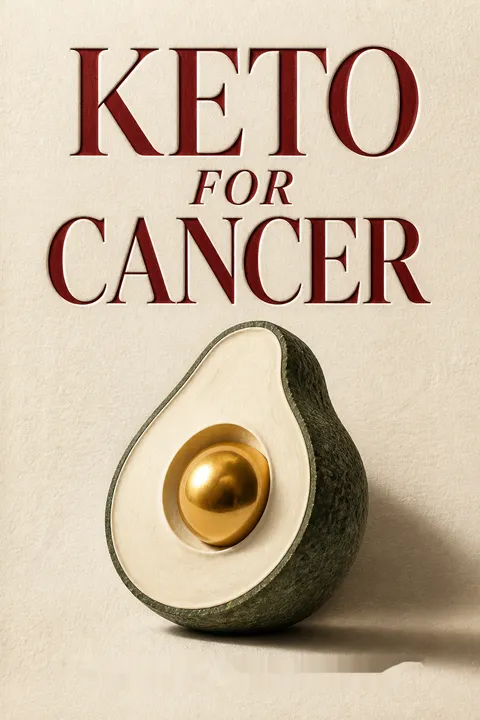
Keto for Cancer is both a bereavement-shaped memoir and a practical manual. Its organizing argument is that cancer may be vulnerable not only through its mutations but through its energy demands, and that carbohydrate restriction can alter the metabolic environment while supporting normal cells with ketones. Kalamian makes this case through the story of her son Raffi, a simplified account of cellular metabolism, a review of early research, and extensive instructions for food planning, monitoring, and patient advocacy.
The book's clearest strengths are practical and ethical. It repeatedly distinguishes an adjunct from a cure, warns against abandoning standard care, identifies situations where restriction or fasting can be unsafe, and recognizes that cachexia and poor intake require special caution. Its emphasis on shared decisions and on quality of life is especially valuable in a setting where patients can feel excluded from choices that shape their days.
Its central scientific thesis requires more restraint than the narrative sometimes gives it. A metabolic explanation can illuminate cancer behavior without displacing genetic explanations; the two may interact. Evidence from cell studies, mouse models, case reports, and feasibility trials can establish plausibility and inform study design, but it cannot establish general clinical benefit. The book's specific glucose ketone targets and nutritional ratios should therefore be understood as the author's proposed framework, not universal cancer-care standards. Its 2017 publication date also matters: readers should not treat its descriptions of an emerging research field as current clinical guidance.
The best use of the book is as a patient education resource and a source of questions for a qualified oncology and nutrition team. Its practical systems can help readers organize a demanding intervention, while its own cautions should govern interpretation. The humane center is not a promise that diet controls cancer. It is the proposition that patients deserve informed participation, careful experimentation, and attention to life beyond the next scan.
Review Summary
Keto for Cancer receives mostly positive reviews, with readers praising its comprehensive approach to using the ketogenic diet for cancer treatment. Many find it informative, well-researched, and helpful for understanding the science behind the diet. Some criticize its promotion of organic foods and potential overstatement of the diet's efficacy. Readers appreciate the author's personal experience and compassionate tone. While some find it dense or repetitive, many recommend it as a valuable resource for cancer patients and practitioners interested in metabolic therapies.
People Also Read







Glossary
Warburg effect
High glucose fermentation in cancerThe Warburg effect describes cancer cells relying heavily on glycolysis and glucose fermentation even when oxygen is available. In the book's account, this contrasts with the more efficient mitochondrial respiration used by healthy cells and helps explain why reducing glucose availability might place metabolic pressure on some tumors. The observation is established, while its interpretation as the initiating cause of cancer remains contested.
Ketogenic metabolic therapy
Ketosis used as cancer adjunctKetogenic metabolic therapy is the book's term for using a low-carbohydrate, high-fat nutritional approach to induce ketosis as a possible cancer-management strategy. It aims to lower glucose and insulin exposure while raising ketones, potentially changing the fuel environment available to tumor and healthy cells. The book presents this as experimental and as an adjunct to care, not a proven cure.
Keto-adaptation
Longer-term adjustment to ketonesKeto-adaptation is the gradual physiological adjustment to sustained carbohydrate restriction. The body increases its capacity to use fats and ketones, including changes in relevant enzymes and transport systems. Ketosis may begin within days, but the book says full adaptation can take weeks or months. The term distinguishes entering ketosis from becoming more efficient at functioning with ketones as a major fuel.
Therapeutic ketosis
Higher ketones for cancer strategyIn this book, therapeutic ketosis means using a ketogenic diet with cancer management in mind and aiming for ketone levels above ordinary nutritional ketosis, often described as greater than 3 mmol/L. The author presents higher ketones and lower glucose as a proposed therapeutic environment, while emphasizing that ideal targets may vary and that research has not established a universal level that improves outcomes.
Glucose ketone index
Ratio of glucose to ketonesThe glucose ketone index, or GKI, compares blood glucose with blood beta-hydroxybutyrate. For glucose reported in mg/dL, divide by 18 to convert to mmol/L, then divide by the ketone reading in mmol/L. The book describes proposed target ranges as a way to monitor metabolic change. It is not a direct measure of tumor size or a validated substitute for clinical outcomes.
Press-pulse
Sustained pressure, timed metabolic attackPress-pulse is a proposed metabolic cancer strategy described in the book through Thomas Seyfried's research. The press phase applies sustained measures intended to limit cancer cells' access to fermentable fuels, including a ketogenic diet. The pulse phase adds a timed intervention aimed at stressing or disabling vulnerable tumor cells, with glutamine-targeting approaches among the examples discussed. The strategy remains experimental.
N-of-1 trial
Structured trial in one personAn N-of-1 trial is a structured way to observe a treatment's effects in a single individual. In the book, this involves recording an intervention and relevant outcomes, such as diet, glucose, ketones, symptoms, or clinical measures. Such a trial may help a person and clinician notice patterns, but it cannot reliably separate cause from coincidence or establish that the intervention works for other patients.
Autophagy
Cellular breakdown and recyclingAutophagy is a cellular maintenance process in which the cell breaks down and recycles damaged or no-longer-needed components. The book describes nutrient scarcity as one trigger and links autophagy to fasting and cellular housekeeping. It also discusses mitophagy, the related process focused on mitochondria. Increased autophagy is a biological response, not proof that fasting selectively removes cancer cells or improves cancer outcomes.
FAQ
What's Keto for Cancer about?
- Focus on Cancer Management: Keto for Cancer by Miriam Kalamian explores using the ketogenic diet as a nutritional strategy for managing cancer, emphasizing its potential to limit tumor cell access to glucose.
- Personal Journey: The author shares her personal experience with her son Raffi's brain tumor, highlighting the ketogenic diet's role in his treatment, adding an emotional layer to the scientific discussions.
- Scientific Basis: The book discusses the metabolic origins of cancer, particularly the Warburg effect, and presents evidence supporting the ketogenic diet's potential to disrupt cancer cell energy processes.
Why should I read Keto for Cancer?
- Comprehensive Resource: It serves as a thorough guide for cancer patients and caregivers, addressing common questions and concerns about the ketogenic diet with practical advice.
- Expert Endorsements: The book has received praise from leading experts in cancer research and nutrition, enhancing its credibility and reliability.
- Hope and Empowerment: Kalamian aims to empower readers to take control of their health through dietary changes, offering hope for healing with a personal plan for success.
What are the key takeaways of Keto for Cancer?
- Metabolic Approach to Cancer: The book emphasizes that cancer is primarily a metabolic disease, shifting focus toward dietary interventions that can impact cancer progression.
- Personalized Nutrition Plans: Readers are encouraged to create personalized ketogenic diet plans, with templates and guidelines provided to tailor diets effectively.
- Integration with Conventional Treatments: Kalamian discusses using the ketogenic diet alongside traditional cancer treatments to enhance effectiveness and minimize side effects.
How does the ketogenic diet work for cancer patients according to Keto for Cancer?
- Metabolic Shift: The ketogenic diet shifts the body’s metabolism from glucose to ketones as the primary energy source, potentially starving cancer cells.
- Reduced Insulin Levels: By minimizing carbohydrate intake, the diet lowers insulin levels, reducing growth signals that cancer cells receive.
- Anti-Inflammatory Effects: The diet may have anti-inflammatory effects, beneficial for cancer patients, improving overall health and treatment effectiveness.
What is the ketogenic diet as described in Keto for Cancer?
- Low-Carbohydrate, High-Fat Diet: Characterized by a significant reduction in carbohydrate intake and increased fat intake, forcing the body into ketosis.
- Therapeutic Benefits: Aims to lower blood glucose levels and insulin spikes, potentially starving cancer cells by restricting glucose.
- Nutritional Ketosis: Defined as having blood ketone levels between 0.5 and 5.0 mmol/L, essential for maximizing the diet's therapeutic effects.
How does fasting complement the ketogenic diet as discussed in Keto for Cancer?
- Enhances Ketosis: Fasting accelerates the transition into ketosis by depleting glycogen stores and promoting fat utilization for energy.
- Promotes Autophagy: Triggers autophagy, a cellular process that removes damaged cells, beneficial for cancer patients.
- Improves Treatment Tolerance: Short-term fasting during chemotherapy reduces treatment-related side effects and protects healthy cells.
What are the potential side effects of the ketogenic diet mentioned in Keto for Cancer?
- Keto Flu: Initial transition may cause symptoms like fatigue, headaches, and irritability, typically temporary and manageable with hydration and electrolytes.
- Nutrient Deficiencies: A strict ketogenic diet may lead to deficiencies in certain vitamins and minerals if not carefully planned.
- Kidney Stones and Gout: Potential risk of developing kidney stones or elevated uric acid levels, mitigated by staying well-hydrated and consulting healthcare providers.
What are the contraindications for the ketogenic diet mentioned in Keto for Cancer?
- Genetic Disorders: Conditions like primary carnitine deficiency and fatty acid oxidation pathway defects can interfere with fat utilization, making the diet unsuitable.
- Medical Conditions: Type 1 diabetes, poorly controlled type 2 diabetes, and certain liver diseases may pose risks when adopting a ketogenic diet.
- Pregnancy and Lactation: Pregnant or lactating women should approach the diet with caution and seek medical advice due to unique nutritional needs.
How can I create a personal ketogenic plan as suggested in Keto for Cancer?
- Assess Your Needs: Evaluate your current health status, dietary preferences, and any contraindications to tailor your ketogenic diet.
- Use Meal Templates: The book provides templates and guidelines to simplify planning, incorporating a variety of keto-friendly foods.
- Track Your Progress: Monitoring blood glucose and ketone levels is essential for assessing diet effectiveness, with a food diary aiding accountability.
What are the best quotes from Keto for Cancer and what do they mean?
- “Diet does matter!”: Emphasizes the book's central message that dietary choices significantly impact cancer management and overall health.
- “You have the right to be on that field.”: Encourages patients to take an active role in their treatment and health decisions, underscoring self-advocacy.
- “The ketogenic diet offers hope for healing.”: Reflects the author's belief in the diet's potential as a therapeutic tool for cancer patients, conveying optimism.
What is the Glucose Ketone Index (GKI) and how is it used in Keto for Cancer?
- GKI Definition: A tool developed to assess the therapeutic efficacy of the ketogenic diet in cancer patients, calculated by dividing blood glucose levels by blood ketone levels.
- Target Range: A GKI between 0.7 and 2.0 is considered optimal for therapeutic benefits, particularly in cancer management.
- Monitoring Progress: Regularly tracking GKI helps assess dietary intervention effectiveness, guiding adjustments to optimize treatment outcomes.
Download PDF
Download EPUB
.epub digital book format is ideal for reading ebooks on phones, tablets, and e-readers.








