

Plot Summary
Prologue
Before Emilia reaches Hell, a witch storms a king’s throne room and demands he surrender his rule. When he refuses, she cuts her own throat to power a curse, strips his flaming wings from him, and condemns him to remember only hatred until he knows true happiness.
The king insists the witch has misunderstood him: he does not grant tricks, he makes bargains. As he offers a deal, the scene leaves its central question hanging: what did the witch take, and what will the king demand in return?
The prologue makes power feel less like force than a contest over who controls the terms of a story. The witch uses her own blood to seize leverage, while the king answers with the instrument he trusts most: a bargain whose costs are not yet visible. Their exchange also introduces the novel’s unstable boundary between curse and choice. The king’s insistence that he bargains rather than tricks sounds like a defense, but it is not proof of honesty. Readers enter the main story primed to question whether a person can be both bound by a system and skilled at manipulating it.
Blood Oath at Hell’s Gate
Emilia di Carlo has come to the underworld to uncover who murdered her twin, Vittoria, and to prevent demons from reaching the mortal world. She has signed a blood contract promising herself to Pride, the ruler she believes can help end the danger. Wrath, the demon prince who brought her here, challenges her to swear that she has chosen the devil freely.
Emilia accepts, even though she knows Wrath has concealed the truth from her. He opens the gates and warns her that Hell magnifies fear and desire, and that bargains made in blood can be dangerous. Emilia crosses the threshold determined to use the princes’ own courts to find answers, though her first step is taken with little trust in her guide.
Emilia’s arrival is an act of agency made under coercive conditions. She chooses a dangerous contract because the alternatives seem worse, then treats that choice as a weapon she can use rather than a surrender she must accept. Wrath’s warning about bargains is doubly charged: it offers practical protection while reminding her that he is the person who brought her into this trap. The tension between consent and constrained options becomes the novel’s central psychological problem. Emilia wants to be responsible for her decisions, but she has not been given enough truth to know what those decisions mean.
The Sin Corridor Bites
Beyond the gate, Emilia and Wrath cross a frozen mountain passage where magic forces newcomers to confront their dominant sins. Wrath explains that uncontrolled fear and desire can turn into convincing illusions, but Emilia still finds herself pushed toward rage, jealousy, and lust. A three-headed hellhound approaches her in the snow, then retreats as if sensing Wrath’s greater power.
The storm and the climb leave Emilia dangerously cold and disoriented. When she can no longer walk safely, Wrath carries her through a passage he opens in the mountain. She falls unconscious against him, still furious at his betrayal, while he takes her to House Wrath instead of the House of Pride she expects.
The corridor externalizes emotion without making it emotionally simple. Emilia’s anger protects her from despair, but the realm can magnify it until it threatens her judgment. Wrath’s practical help complicates her view of him: he remains the man who deceived her, yet he also refuses to abandon her to the weather. The hellhound’s retreat establishes that danger in this world is governed by hierarchies Emilia cannot yet read. Her survival depends on accepting assistance from someone she distrusts, a humiliating but necessary lesson in the difference between independence and isolation.
A Skull in the Wardrobe
Wrath treats Emilia’s hypothermia himself, keeping her warm through the night and restoring feeling to her hands and feet. When she wakes in his lavish House, she learns that she is not in Pride’s territory and that Wrath intends to wait for an invitation before taking her there.
Anir, Wrath’s human lieutenant, brings food from the mortal world and counsels Emilia to gather information through patience and carefully chosen bargains. That night, a human skull speaks in a voice resembling Vittoria’s, delivering a cryptic message about fury, the Maiden, Mother, and Crone.
Emilia suspects one of the princes sent it and begins investigating. In Wrath’s library, she discovers a source of deep, unfamiliar magic inside herself, a power that feels far beyond the lessons her grandmother gave her.
Care and surveillance are difficult to separate in Wrath’s House. He saves Emilia’s life, but also controls where she stays and what information she receives. The skull turns grief into an investigative instrument: Vittoria’s voice is close enough to comfort Emilia, yet strange enough to make the message feel threatening. Meanwhile, Emilia’s discovery of inner magic exposes a second kind of secrecy, the gaps in her education. Her body and history both contain capacities she was not taught to recognize. The scene shifts her from a dependent guest into an investigator with resources of her own.
The Prince’s Real Bride
At a formal dinner, Wrath presents Emilia as a future royal and warns his court to respect her. When Lord Makaden crudely harasses her, Wrath drives his dagger through the demon’s tongue, ending the dinner and showing the court how far he will go to protect her.
Later, Wrath and Emilia’s attraction intensifies at a secluded warm lagoon, where the water triggers severe pain through the devil’s horn she wears. The matron Celestia treats her and hints that Wrath is concealing a truth about their connection.
Wrath eventually admits that the Mark on Emilia’s neck is an unbreakable bond and that the matching tattoos signal their betrothal. Emilia is not promised to Pride at all. She is Wrath’s intended, though she still insists on choosing her own path.
The dinner makes protection politically legible: Wrath’s violence is not only personal jealousy, it is a public assertion of rank and responsibility. Yet Emilia rejects the idea that being defended should cost her authority. The hidden betrothal then changes the meaning of their attraction without resolving its ethics. A magical bond may intensify desire, but it cannot substitute for informed consent. Emilia’s anger is therefore not simply resistance to romance; it is a demand to know the conditions under which her feelings and future are being shaped.
Envy’s Truthful Wine
Emilia visits Envy’s House after Wrath agrees to escort her there. At a private dinner, she uses a truth spell on their wine, forcing Envy to answer questions even as the spell exposes her own feelings. Envy describes a missing Triple Moon Mirror that can reveal past, present, and future, and says it requires the Crone’s spell book and a Temptation Key.
He shows Emilia his collection, including the grimoire she recognizes as the first book of spells. Envy claims the book is only one part of a larger divine text and points her toward Bloodwood Forest and its fabled Curse Tree. Emilia steals the grimoire and returns to Wrath’s House with new leads, unaware that removing the book has activated a curse.
Envy’s truth wine converts intimacy into leverage. Each answer costs Emilia some control over what she reveals, exposing how badly she wants information and how much she resents needing the princes to obtain it. His collection offers a seductive model of knowledge as possession: divine history can be gathered, displayed, and traded. Emilia’s theft rejects that model while also reproducing it, since she takes the book for her own mission. The resulting curse shows that knowledge in this realm is never merely acquired. Every act of discovery alters the investigator’s power and vulnerability.
A Curse Strips Her Magic
Back in House Wrath, Envy confronts Emilia in the garden and reveals that the stolen grimoire was cursed. Because she took it, she has lost access to her magic. He refuses her offer to return the book, preferring to watch her plans fail.
Soon afterward, an attacker tries to strangle Emilia in her bath. She survives by drawing Wrath’s small dagger and stabbing the assailant, then summons Wrath to deal with the bleeding intruder. The loss of magic now has immediate physical consequences: Emilia must defend herself with training and steel rather than spells.
Wrath begins lessons in the weapons room, but his first demonstration uses demonic influence to make her undress and attack him, proving both her vulnerability and the danger of his methods.
The curse makes the cost of curiosity concrete: Emilia loses the very capacity she has only just begun to understand. The attempted strangling tests whether she can act without that capacity, and her use of the dagger marks a shift from magical inheritance to learned skill. Wrath’s training raises a harder ethical question. He wants to prepare Emilia for princes who will manipulate her, but he does so by manipulating her himself. His protective motive cannot erase the violation. Emilia’s anger becomes a boundary-setting tool, insisting that survival lessons must not become permission to control her.
Antonio Behind a Locked Door
Anir continues teaching Emilia to fight, while Wrath trains her to resist the princes’ influence. The lessons are interrupted when Antonio, the human who killed Vittoria, asks to see her. Emilia rushes into his guarded room ready to attack, and Wrath restrains her until she can regain control.
Antonio claims a curse distorted his memories and explains that he is taking a tonic from Celestia, but Emilia refuses to accept this as an excuse or forgive him. She leaves after demanding he return when he can tell the truth.
Later, an unseen assailant attacks her in the bath. Emilia cuts the attacker with Wrath’s dagger and calls for help. Wrath pursues the wounded intruder, while Emilia recognizes that the attempt has made her need for self-defense more urgent than ever.
Antonio’s presence makes revenge intimate: he is not an abstract suspect but a person Emilia once trusted and imagined marrying. Her refusal to grant premature forgiveness protects her from being recruited into his explanation before she can verify it. At the same time, the scene does not settle whether his actions were wholly his own, preserving the distinction between explanation and absolution. The second attack forces Emilia to see that vulnerability is not theoretical. Wrath can protect her, but he cannot be everywhere. Her growing competence is a way to reclaim choice without pretending she is no longer afraid.
The Hunt Crosses Borders
At House Gluttony, Emilia encounters the Feast of the Wolf’s excess: public lovers, lavish food, and a host who treats appetite as entertainment. Before the hunt, Gluttony tells her that its prey is an ice dragon and that the winner may claim a prize.
Emilia takes a hell horse named Tanzie and rides away from the hunting party, discovering that she can ride with startling confidence. She gathers strange black flowers before crossing into another prince’s territory by mistake.
Pride’s guards surround her and hold her in a guarded parlor for hours, then release her without explaining their prince’s purpose. Gluttony takes the flowers, identifies them as slumber root, and warns her that they can incapacitate even a royal. Emilia keeps the plant, turning her accidental trespass into a possible escape plan.
The hunt gives Emilia a temporary experience of freedom through motion. Riding awakens a bodily knowledge she cannot explain, hinting that her remembered self may be larger than the life she currently understands. That freedom immediately carries her across a political boundary, where her ignorance becomes grounds for confinement. The slumber root is a small object with disproportionate strategic value, reflecting Emilia’s habit of converting danger into usable knowledge. Her choices remain risky and imperfect, but the story grants her a form of agency that does not depend on a prince’s invitation.
Wrath Takes the Fear
At Gluttony’s masquerade, Emilia dances with Pride and notices him hiding a military presence behind his cultivated debauchery. She bargains for safe passage across his lands, using her knowledge of the slumber root to secure two crossings.
Before the ceremony can expose her deepest fear, Wrath steps forward and claims the sacrifice for himself. Pride turns the substitution into a public demand that Wrath and Emilia share a tryst, hoping to force their marriage bond forward. Emilia chooses Wrath’s private suite rather than the ballroom’s glass rooms.
They share an intimate encounter, but Wrath stops short of completing the bond because he wants her choice unpressured. Emilia then slips slumber root into his drink and leaves for Bloodwood Forest, sacrificing their fragile peace to pursue the answers he has withheld.
The ceremony transforms secrets into spectacle, making privacy a scarce form of power. Wrath’s intervention protects Emilia from public exposure, but it also reveals how willing he is to place his own secrets at risk for her. Pride’s attempt to dictate the form of their intimacy turns desire into a political weapon; Emilia counters by choosing both the setting and the terms. Her later decision to drug Wrath is a betrayal, but one born from the same desire for self-determination that he claims to respect. Their relationship advances through genuine care and genuine breaches of trust at once.
The Crone’s Blood Bargain
Emilia follows the skulls’ riddles into the Sin Corridor, where she finds a seven carved into a tree and uses her own blood to open a concealed stairway. Beneath it stands the Triple Moon Mirror, guarded by seven shadowy figures and Celestia, who reveals herself as the Crone. Celestia offers to restore Emilia’s magic if Emilia returns the stolen spell book after using the mirror.
She also demands a future favor, which Emilia accepts. The Crone explains that Emilia must confront the mystery of herself before she can understand Vittoria’s fate. Following her instructions, Emilia has already used the Curse Tree to test Wrath’s true name. When the leaf does not punish her, she realizes that the name she carved was correct.
The underground chamber makes knowledge feel like initiation rather than simple research. Emilia must supply blood, accept a future obligation, and face a question she did not come prepared to ask. The Crone’s refusal to solve Vittoria’s mystery for her protects the distinction between receiving information and becoming capable of understanding it. Her restored magic is not a reward without strings; it is part of an exchange that keeps Emilia accountable to a power larger than the princes. Courage here means accepting that truth may create obligations rather than release her from them.
Wrath’s True Name
Emilia finds Wrath in the kitchen and confronts him with the Curse Tree’s leaf. She destroys it before he can stop her, surviving the test and confirming that his true name is Samael. She understands that Wrath is the devil, while Pride has carried the public title of Hell’s king. Wrath explains that the First Witch cursed him and stole his wings, which are hidden in the Horn of Hades worn by Emilia and Vittoria.
He insists he has not directly lied, but Emilia challenges the omissions that shaped her choices. Hurt by the revelation, she leaves him without resolving their relationship. Her discovery changes the stakes of her investigation: the story she was told about the devil, the curse, and the witches’ murders may all be incomplete.
The revelation does not merely replace one identity with another; it changes how Emilia interprets every previous act of care and concealment. Wrath’s distinction between lying and withholding truth may be technically important in Hell, but it offers little comfort to someone whose choices were shaped by missing information. The stolen wings connect his personal loss to the amulets Emilia has worn since childhood, entangling her body with the history she is investigating. Her refusal to immediately forgive him is psychologically coherent: attraction and gratitude cannot repair the breach in informed trust.
The Mirror Opens
Celestia tells Emilia that the Temptation Key is already in House Wrath. Emilia recognizes it as the serpent-shaped seal she once mistook for a paperweight in Wrath’s library. The second skull’s riddle leads her back through the Sin Corridor, where she finds the mirror hidden beneath the tree marked with seven.
The Crone restores her access to magic and leaves the Seven Sisters beside the mirror. Emilia uses the spell book and mirror to ask for her greatest desire.
Instead of showing Vittoria’s death, the glass reveals Antonio in Wrath’s tower speaking with a woman who looks like Emilia’s twin. The woman carries Vittoria’s features but has unfamiliar eyes and power. Emilia races to the tower, only to find Antonio gone and a skull with a message from her sister.
The objects that once appeared to be separate clues now form a system: key, mirror, spell book, and riddles all point Emilia toward a truth she had not imagined. The mirror’s answer resists the shape of her grief. She seeks an explanation for a death and instead sees evidence that her understanding of death itself may be wrong. The nearly familiar woman is especially destabilizing because she offers recognition without reassurance. Emilia’s recovered power enables action, but it cannot protect her from the emotional shock of discovering that the person she mourned may have been living beyond her reach.
Vittoria Is Alive
The skull in Antonio’s room addresses Emilia as a sister and directs her to the Shifting Isles, where they must discuss breaking the rest of their curse. It then explodes, leaving Emilia with proof that Vittoria is alive and has recently been in House Wrath. Relief quickly curdles into anger: Vittoria has stayed away while sending disturbing skulls and allowing Emilia to believe she was dead.
Emilia also realizes Antonio’s devotion to the woman may connect him to the killings and the mysterious angel of death, rather than absolve him. Wrath has already left to search the Sin Corridor for Emilia, but she does not wait for him. She returns to his rooms, determined to demand answers and to choose what happens next for herself.
The revelation restores hope and immediately complicates it. Emilia’s grief has been real even if its premise was false, and the survival of her twin does not erase the months spent acting on that belief. Vittoria’s secrecy may serve a larger purpose, but Emilia experiences its cost as abandonment and manipulation. The shift from mourning to anger is not a failure of love; it is love insisting on reciprocity and truth. The final destination, the Shifting Isles, promises reunion while withholding the reason for Vittoria’s disappearance.
A Queen’s Chosen Vow
Wrath returns after searching for Emilia, and she asks how long he has known about her fire magic and Vittoria’s survival. He admits the horn amulets may have both hidden the twins from him and restrained their powers, and that he took Emilia to the Crescent Shallows to test whether their magic could unlock her memories.
Emilia recognizes that he still wants her choice to be genuine, even when a marriage would strengthen his House. She asks whether he would choose her without the curse or magical bond, as queen, friend, and partner. Wrath does not answer with a demand. Emilia decides to stand beside him and invites him to her bed, while making clear that their next step is hers to choose.
The ending offers an emotional decision, not a completed resolution. Emilia chooses Wrath after learning both his identity and the scale of his omissions, but her choice is framed as an ongoing negotiation rather than surrender. His restraint matters because power in their relationship is unequal; he has repeatedly shown that he could compel, protect, or conceal. Emilia’s insistence on knowing what the amulets did and what he would choose freely makes intimacy contingent on continued honesty. The commitment also redirects the story toward the Shifting Isles, where her sister’s return may unsettle everything she has just decided.
Analysis
Kingdom of the Cursed treats agency not as the ability to make an unconstrained choice, but as the effort to choose meaningfully when information and power are unevenly distributed. Emilia enters Hell believing she has selected Pride as the price of protecting her family. The hidden betrothal to Wrath reveals that even her apparent escape route has been shaped by facts withheld from her. The story does not make that deception harmless simply because Wrath cares for her. Instead, it keeps attraction and accountability in tension, asking whether love can survive a relationship in which one person knows far more about the rules.
The Seven Circles function as an emotional pressure chamber. Anger, envy, lust, and appetite are not merely symbolic traits; they become forces that can override judgment and expose vulnerabilities. Emilia’s task is not to become free of feeling, but to distinguish her own desires from emotions amplified or imposed by others. Her physical training and recovery of magic mirror that psychological work. She learns that anger can sustain action, but it cannot by itself produce justice or restore what she has lost. The book also complicates the boundary between villain and protector. Wrath’s violence can defend Emilia and also frighten her; his restraint can honor her choice and conceal crucial knowledge. Envy offers useful clues while actively enjoying her distress. The Crone refuses to solve Emilia’s questions for her, treating knowledge as something that requires risk and responsibility. In this world, ethical identity emerges less from titles than from repeated acts, though those acts must still be judged in context.
The final revelation of Vittoria’s survival transforms grief into a crisis of trust. Emilia’s mourning was sincere, yet her sister’s secrecy has made that grief part of a larger design. The ending therefore withholds easy reconciliation. Emilia chooses to return to Wrath, but she does so with questions still open and a journey to her sister ahead. Love remains powerful in the novel precisely because it does not erase consequence: it creates a reason to demand the truth.
Review Summary
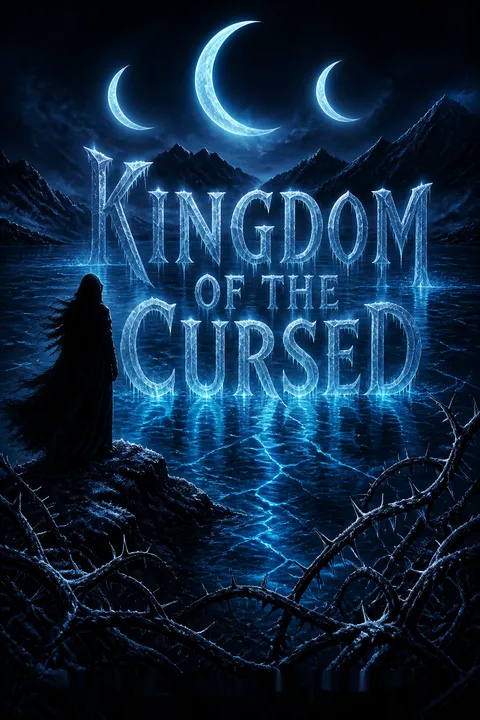
Kingdom of the Cursed received mixed reviews. Many praised the steamy romance and sexual tension between Emilia and Wrath, enjoying the shift to a more mature tone. Readers appreciated the plot twists and world-building. However, some felt the plot was weak and meandering, with too much focus on romance at the expense of story development. Emilia's character drew criticism for being frustrating and inconsistent. Despite these issues, most readers found the book entertaining and eagerly anticipated the next installment, particularly after the cliffhanger ending.
People Also Read

Characters
Emilia di Carlo
Vengeful witch investigatorEmilia is a Sicilian witch who begins the story grieving her twin and determined to find the person responsible. Practical, observant, and often sharper than the royal demons expect, she relies on questioning, cooking, and careful attention to small clues as much as on magic. Her pride and anger are both defenses: they keep her moving, but the underworld can use them to manipulate her. Emilia wants to protect her family without becoming someone ruled by revenge. She is also learning to claim her desires without shame, while insisting that attraction cannot replace trust or consent. Her central drive is to make her own choices in a world where nearly everyone has a plan for her.
Wrath
War prince with restraintWrath is the powerful Prince of Wrath and a general whose reputation rests on swift, frightening justice. He is controlled in public, exacting about clothing and protocol, and often more tender in action than in speech. His protection of Emilia is sincere, but his secrecy and strategic habits repeatedly undermine her trust. He values choice intensely, perhaps because he understands what it means to be denied it, and he refuses to force Emilia to complete their bond. His attraction to her exists alongside duty, possessiveness, and a fear of letting her see his vulnerabilities. Wrath’s challenge is to protect without deciding for her, and to make his actions intelligible rather than asking them to speak for themselves.
Vittoria di Carlo
Twin with hidden depthsVittoria is Emilia’s twin sister and the emotional center of Emilia’s investigation. Before the story begins, the sisters shared a close bond shaped by family work, private jokes, and a fascination with magic. Vittoria was more willing than Emilia to push beyond the rules their grandmother set, and her curiosity drew her toward knowledge the family kept hidden. Through her diary, the skull messages, and Emilia’s memories, she remains present even when absent. Emilia’s love for her is not uncomplicated: it carries grief, loyalty, and a fierce need to know what Vittoria chose for herself.
Envy
Collector of dangerous secretsEnvy is a demon prince whose polished manners conceal a taste for leverage, rivalry, and rare objects. He enjoys provoking his brothers and testing Emilia’s intelligence, sometimes offering useful information for reasons he does not disclose. His collection includes works of art, books, and divine curiosities, reflecting a mind that treats knowledge as something to acquire and control. Beneath his sharpness is a long grievance against Wrath, though Envy rarely explains its origins plainly. He is neither a dependable ally nor a simple enemy; Emilia must weigh every clue he provides against the possibility that he wants her to use it for his purposes.
Pride
King behind a maskPride is the public face of Hell’s royal authority, a prince who cultivates an image of pleasure, confidence, and effortless command. His court and reputation encourage others to assume he is ruled by indulgence, but Emilia notices signs of calculation beneath the performance. He is skilled at turning ceremony into political pressure, and his conversations often redirect rather than answer. Pride’s relationship with Wrath is marked by rivalry and old tensions, while his interest in Emilia makes him a dangerous participant in her search for truth. He represents the difference between a title people assume and the person who actually carries its responsibilities.
Antonio
Former suitor in disgraceAntonio is a human associated with the holy brotherhood and once occupied an important place in Emilia’s hopes for the future. His history with her is now marked by violence, mistrust, and unanswered questions about the influence of magic on his actions. He is treated in House Wrath with unexpected comfort, which makes Emilia question whether his remorse is matched by accountability. Antonio wants another chance to explain himself, but Emilia refuses to confuse explanation with forgiveness.
Anir
Wrath’s human lieutenantAnir is Wrath’s human second in command, a skilled fighter with a dry sense of humor and a practical understanding of demon politics. He trains Emilia in physical defense and encourages her to gather information patiently rather than demand it outright. His loyalty to Wrath does not prevent him from offering Emilia useful advice, and his personal history of loss gives him an understanding of how anger can become a refuge. He provides a human perspective inside a court built around immortal power.
Fauna
Court guide and confidanteFauna is a lively member of House Wrath who helps Emilia understand court customs and the social machinery behind the princes’ displays. She is curious, warm, and unembarrassed by subjects Emilia is still learning to discuss openly. Her affection for Anir gives her a personal stake in the court’s emotional life, while her friendship gives Emilia moments of ordinary companionship. Fauna’s optimism does not make her naive; she understands how quickly gossip and rank can become instruments of power.
Celestia
Matron of curses and poisonsCelestia is House Wrath’s formidable matron, an expert in tinctures, curses, poisons, and old magical lore. She treats Emilia’s injuries without flattery and speaks to Wrath with a freedom few others would dare. Her knowledge makes her a source of help, but never an uncomplicated one: she chooses what to explain and warns Emilia that some truths carry consequences. Celestia’s calm authority suggests a long history with the underworld and its rulers.
Nonna Maria
Keeper of family lessonsNonna Maria is Emilia and Vittoria’s grandmother, a witch who raised the twins with protective rules and stories about demons. Her teachings gave Emilia a framework for surviving the underworld, but they left crucial gaps in the twins’ understanding of their own magic and history. Emilia’s trust in Nonna is tested by those omissions. She remains a powerful emotional presence, representing both the safety of home and the limits of inherited explanations.
Gluttony
Host of extravagant excessGluttony is the prince who hosts the Feast of the Wolf, turning food, drink, sex, spectacle, and competition into one lavish performance. He is sociable and playful, but his games have real political consequences. He enjoys provoking his brothers and testing Emilia’s willingness to enter unfamiliar situations. His extravagant court also reveals that appetite in the Seven Circles extends far beyond eating.
Lust
Prince of emotional appetiteLust is a prince whose influence can distort emotion and magnify pleasure, making him dangerous even when he appears charming. His power has already shown Emilia how difficult it can be to distinguish desire from manipulation. He moves easily through Gluttony’s debauched gatherings, where pleasure serves both as entertainment and political currency. Emilia approaches him warily because she knows firsthand what his influence can do.
Greed
Prince who prizes acquisitionGreed is one of the seven demon princes, associated with wealth, bargains, and the pursuit of valuable things. He arrives late to Gluttony’s gathering and participates in the princes’ competition for power and influence. Though he has limited direct interaction with Emilia in this story, his presence helps define the political world she is learning to navigate, where every gift and alliance may carry a price.
Sloth
Prince of deliberate easeSloth is one of the seven demon princes. He is largely absent from Emilia’s direct encounters, but his expected arrival at the feast reinforces the scale of the royal gathering and the different ways each prince embodies a ruling sin.
Harlow
Emilia’s attentive maidHarlow is a young demon maid assigned to help Emilia in House Wrath. Nervous at first, she is eager to perform her duties well and offers practical assistance with bathing and clothing. Her presence gives Emilia a glimpse of the everyday staff who sustain the royal court.
Lady Sundra
Ambitious court emissaryLady Sundra is a noblewoman who serves as an emissary and is conscious of rank, marriage prospects, and proximity to power. Her chilly manner toward Emilia reflects the court’s competitive social order. She is one example of how ambition operates among the demons who surround the princes.
Lord Makaden
Provocative court nobleLord Makaden is a House Wrath noble whose crude conduct tests the boundaries Wrath has set for his court. He embodies the entitlement of a powerful man accustomed to treating others as objects, and his behavior provokes a decisive demonstration of the prince’s authority.
Plot Devices
The Seven Circles
Hell tests every desireThe underworld is divided into territories ruled by the seven demon princes, each aligned with a sin. Newcomers cross the Sin Corridor on foot, where the realm amplifies emotions and tests which sin fits them most strongly. The landscape itself becomes an antagonist: storms, illusions, and emotional pressure make inner conflicts physically dangerous. The device also explains the politics of the world, since moving between Houses requires invitations or escorts and a person’s alignment can affect their alliances.
The Betrothal Mark
A bond complicates consentA magical Mark lets Emilia summon Wrath and links their lives in a way that can protect her from lethal harm. Alongside the matching betrothal tattoos, it also intensifies the pull between them. The bond cannot decide what Emilia wants, but it changes the emotional pressure under which she makes choices. Wrath’s reluctance to complete their marriage without her consent keeps the mark from becoming a simple romance shortcut; instead, it makes trust, disclosure, and autonomy central to their relationship.
The Horn of Hades
A charm hides dangerous historyEmilia and Vittoria have worn small horn-shaped amulets since childhood, believing them to be protective charms. The objects are tied to the gates of Hell and to a deeper conflict involving the princes and the witches. Their effect on Emilia’s body in the Crescent Shallows hints that they do more than guard her, while their connection to the twins’ magic makes them a key to understanding the old curse.
The Enchanted Skull Messages
Grief becomes a coded trailSkulls deliver cryptic messages in a voice resembling Vittoria’s, directing Emilia toward clues about fury, the ancient goddesses, seven stars, and the past and future. Their words initially deepen her suspicion that a demon prince is manipulating her. As Emilia learns more about the Seven Sisters and the Curse Tree, the riddles become a map toward the mirror and her own buried history. The messages use her grief as both bait and motivation.
The Triple Moon Mirror
The past answers sidewaysThis divine mirror can reveal the past, present, or future when used with the proper spell and key. Emilia seeks it to learn how Vittoria died, but its image instead unsettles her understanding of Vittoria’s fate and sends her toward the Shifting Isles. The mirror does not provide a clean explanation; it opens a new problem, demonstrating that magical revelation can multiply uncertainty as quickly as it resolves it.
FAQ
Synopsis & Basic Details
What is Kingdom of the Cursed about?
- Vengeance-Driven Underworld Journey: Sicilian witch Emilia di Carlo descends into the Seven Circles of Hell, seeking to avenge the brutal murder of her twin sister, Vittoria. She navigates a treacherous, icy underworld, far different from her expectations, accompanied by the enigmatic Prince of Wrath.
- Forced Betrothal and Shifting Alliances: Emilia's initial plan to infiltrate the demon realm by marrying the Prince of Pride is complicated by a magical betrothal bond to Wrath. This unexpected connection forces her to navigate complex political landscapes within the Houses of Sin, testing her loyalties and challenging her perceptions of trust.
- Unraveling Ancient Secrets: As Emilia delves deeper into Hell, she uncovers hidden truths about ancient curses, the demon princes' true identities, and the mysterious circumstances surrounding her sister's death, leading her on a path of self-discovery and a re-evaluation of her mission.
Why should I read Kingdom of the Cursed?
- Intense Dark Romance & Chemistry: The book features a sizzling, complex relationship between Emilia and Wrath, filled with witty banter, undeniable attraction, and a constant push-and-pull that blurs the lines between love and hate. Their dynamic is a central draw for fans of enemies-to-lovers tropes.
- Rich World-Building & Gothic Atmosphere: Kerri Maniscalco crafts a vivid and immersive underworld, from the chilling Sin Corridor to the opulent, sin-infused Houses of the demon princes. The gothic aesthetic, combined with intricate magical systems and ancient lore, creates a captivating and unique setting.
- Empowering Female Protagonist & Deepening Mystery: Emilia's journey is one of profound self-discovery and empowerment. She evolves from a grieving sister to a formidable witch, embracing her inner strength and challenging patriarchal norms. The overarching mystery of Vittoria's murder and the ancient curse keeps readers hooked, revealing layers of deception and unexpected twists.
What is the background of Kingdom of the Cursed?
- Sicilian Witchcraft & Italian Folklore: The story is steeped in Sicilian witch traditions, family grimoires, and Italian cultural references, from food (cannoli, pesto) to architectural inspirations (Seven Hills of Rome, Roman deities). This provides a rich, grounded backdrop for the fantastical elements.
- Demon Hierarchy & Ancient Curse: The underworld is structured around the Seven Circles, each ruled by a demon prince embodying a cardinal sin. An ancient curse, believed to be tied to the devil's need for a bride, drives much of the initial plot, influencing the actions of both witches and demons.
- Mortal vs. Immortal Perceptions: The narrative frequently contrasts mortal beliefs and superstitions about Hell and its inhabitants with the reality of the demon realm. This highlights themes of perception versus truth, and how stories and legends can be twisted over time, influencing character actions and motivations.
What are the most memorable quotes in Kingdom of the Cursed?
- "Love and hate are both rooted in passion. Strange how that line becomes blurred over time.": Wrath's insightful observation (Chapter 3) perfectly encapsulates the central emotional conflict and the evolving relationship between Emilia and himself, hinting at the deep connection that transcends simple animosity.
- "Better to reign in Hell than serve in Heaven.": Wrath's quote of John Milton (Chapter 11) reveals his core philosophy and the allure of choice and power for him, foreshadowing his true identity and his rejection of a subservient role, even in a divine realm.
- "There is nothing more dangerous than a woman who owns who she is and apologizes to no one.": Emilia's declaration (Chapter 25) embodies her profound character growth and newfound confidence. It's a powerful statement of female empowerment and self-acceptance, reflecting her journey from a grieving, uncertain witch to a formidable queen.
What writing style, narrative choices, and literary techniques does Kerri Maniscalco use?
- First-Person Perspective & Sensory Immersion: The story is told from Emilia's first-person point of view, immersing the reader directly in her thoughts, emotions, and sensory experiences. Maniscalco uses vivid descriptions of scents (food, perfumes), textures (fabrics, cold stone), and tastes (demonberry wine, Sicilian dishes) to bring the underworld to life.
- Witty Banter & Subtext-Rich Dialogue: The dialogue is sharp, often filled with playful taunts and underlying tension, particularly between Emilia and Wrath. This witty banter serves not only as entertainment but also as a vehicle for revealing character motivations and advancing the plot through unspoken meanings and subtle power plays.
- Gothic Elements & Foreshadowing: Maniscalco masterfully weaves gothic elements—dark, atmospheric settings, ancient curses, and a sense of foreboding—throughout the narrative. Subtle foreshadowing, such as Emilia's "déjà vu" or cryptic messages from enchanted skulls, builds suspense and hints at deeper mysteries and future revelations.
Hidden Details & Subtle Connections
What are some minor details that add significant meaning?
- Wrath's Impeccable Attire: Wrath's insistence on perfectly tailored, unwrinkled clothing (Chapter 3, 14) and his choice to wear white during training (Chapter 17) are not mere vanity. This detail subtly reflects his need for control and how his court perceives his power; a perceived flaw in his appearance could signal weakness to his subjects, as Fauna later explains (Chapter 19).
- The Demonberry Wine's Appearance: The description of demonberry wine as having "silver specks" that glimmer like "stardust" or a "shimmering galaxy" (Chapter 10) is a subtle visual cue. It hints at Wrath's true angelic origins as Samael, a fallen angel, connecting him to celestial elements despite his demonic title, a detail Emilia initially overlooks.
- The Serpent Mosaic in the Weapons Room: Emilia notes a serpent mosaic that "reminded me of something, but I couldn't place it" (Chapter 15). This seemingly minor detail is a crucial callback when she later realizes it's the Temptation Key (Chapter 25), symbolizing how Wrath hides important truths in plain sight and her own forgotten memories.
What are some subtle foreshadowing and callbacks?
- Emilia's "Déjà Vu" in Envy's Gallery: When Emilia first enters Envy's curiosities chamber, she experiences a "strange sense of déjà vu" (Chapter 16) upon seeing the sculptures. This subtly foreshadows her forgotten past and previous visits to the underworld, hinting that her current journey is not her first encounter with this realm, a truth later confirmed by the Crone.
- Wrath's Horse Names: Wrath naming his hell horses "Death," "Famine," "Pestilence," and "War" (Chapter 25) is a direct, yet understated, foreshadowing of his true identity as Samael, the Angel of Death. Emilia initially dismisses it as theatrical, but it's a clear hint at his ancient origins and dominion over primal forces.
- The Crone's Cryptic Warnings: Celestia's repeated emphasis on "Daughter of the Moon" and her knowledge of Emilia's inner turmoil (Chapter 24, 32) subtly foreshadow Emilia's deeper connection to ancient magic and her own forgotten identity. Her warnings about "the mystery of yourself" (Chapter 32) are callbacks to a past Emilia cannot recall, preparing her for the revelation of her true nature.
What are some unexpected character connections?
- Celestia as The Crone/First Witch: The Matron of Curses and Poisons, Celestia, is unexpectedly revealed to be the Crone (Chapter 34), one of the three ancient goddesses. Her deep knowledge of curses, her animosity with Wrath (Chapter 24), and her denial of being the First Witch (Chapter 34) strongly imply a hidden connection to the witch who cursed the devil, making her a pivotal, yet ambiguous, figure.
- Antonio's Allegiance to Vittoria: Antonio, initially presented as Vittoria's murderer under demonic influence, is unexpectedly revealed to be her loyal follower, calling her "my angel" (Chapter 35). This connection shifts the narrative's focus from demon manipulation to Vittoria's own cunning, revealing her as the true orchestrator of events and a powerful, manipulative force.
- Wrath's Bond with the Matron: Despite their frequent arguments and Celestia's open defiance of Wrath's authority (Chapter 12), their connection is deeper than mere professional respect. Wrath's willingness to tolerate her impertinence and her intimate knowledge of his secrets (Chapter 12) suggest a long-standing, complex relationship, possibly even a familial one, hinting at a shared history that predates the current conflict.
Who are the most significant supporting characters?
- Fauna: As Emilia's primary confidante and source of court gossip (Chapter 15, 19), Fauna provides crucial insights into demon society, etiquette, and the political machinations of the Houses. Her genuine friendship and unwavering support offer Emilia much-needed emotional grounding amidst the chaos of the underworld.
- Anir: Wrath's loyal second-in-command, Anir, serves as Emilia's combat instructor and a pragmatic guide (Chapter 15, 20). His honesty, directness, and willingness to offer unsolicited advice (Chapter 15) provide Emilia with a grounded perspective on demon politics and Wrath's true character, balancing the supernatural elements with practical wisdom.
- Gluttony: Beyond his debauched exterior, Gluttony is a surprisingly strategic and informative character. He reveals crucial details about the Feast of the Wolf (Chapter 27), the hunt's true prize, and the nature of the demon princes' power dynamics, often pushing Emilia towards self-reliance and cunning through his "games."
Psychological, Emotional, & Relational Analysis
What are some unspoken motivations of the characters?
- Wrath's Desire for True Choice: Wrath's deepest unspoken motivation is to ensure Emilia chooses him willingly, not out of obligation or magical compulsion (Chapter 13, 30). His own history of being "bound by his word" and having his "wings" stolen (Chapter 33) makes him value free will above all else, leading him to subtly test and push Emilia to make her own decisions, even if it means risking their bond.
- Envy's Quest for Retribution: Envy's relentless pursuit of the Triple Moon Mirror and his taunting of Wrath (Chapter 16, 29) are driven by an unspoken desire for "retribution" (Chapter 15) for something Wrath's "temper caused" to be taken from him. This suggests a deep-seated personal loss or injustice that fuels his manipulative games and rivalry.
- Celestia's Protective Guidance: The Crone's cryptic advice and "tests of courage" for Emilia (Chapter 32) are motivated by an unspoken desire to prepare Emilia for her true destiny and power. She pushes Emilia to confront her own fears and forgotten truths, subtly guiding her towards self-discovery and the ability to protect herself, rather than simply providing answers.
What psychological complexities do the
Synopsis & Basic Details
What is Kingdom of the Cursed about?
- Vengeance-Driven Underworld Journey: Sicilian witch Emilia di Carlo descends into the Seven Circles of Hell, seeking to avenge the brutal murder of her twin sister, Vittoria. She navigates a treacherous, icy underworld, far different from her expectations, accompanied by the enigmatic Prince of Wrath.
- Forced Betrothal and Shifting Alliances: Emilia's initial plan to infiltrate the demon realm by marrying the Prince of Pride is complicated by a magical betrothal bond to Wrath. This unexpected connection forces her to navigate complex political landscapes within the Houses of Sin, testing her loyalties and challenging her perceptions of trust.
- Unraveling Ancient Secrets: As Emilia delves deeper into Hell, she uncovers hidden truths about ancient curses, the demon princes' true identities, and the mysterious circumstances surrounding her sister's death, leading her on a path of self-discovery and a re-evaluation of her mission.
Why should I read Kingdom of the Cursed?
- Intense Dark Romance & Chemistry: The book features a sizzling, complex relationship between Emilia and Wrath, filled with witty banter, undeniable attraction, and a constant push-and-pull that blurs the lines between love and hate. Their dynamic is a central draw for fans of enemies-to-lovers tropes.
- Rich World-Building & Gothic Atmosphere: Kerri Maniscalco crafts a vivid and immersive underworld, from the chilling Sin Corridor to the opulent, sin-infused Houses of the demon princes. The gothic aesthetic, combined with intricate magical systems and ancient lore, creates a captivating and unique setting.
- Empowering Female Protagonist & Deepening Mystery: Emilia's journey is one of profound self-discovery and empowerment. She evolves from a grieving sister to a formidable witch, embracing her inner strength and challenging patriarchal norms. The overarching mystery of Vittoria's murder and the ancient curse keeps readers hooked, revealing layers of deception and unexpected twists.
What is the background of Kingdom of the Cursed?
- Sicilian Witchcraft & Italian Folklore: The story is steeped in Sicilian witch traditions, family grimoires, and Italian cultural references, from food (cannoli, pesto) to architectural inspirations (Seven Hills of Rome, Roman deities). This provides a rich, grounded backdrop for the fantastical elements.
- Demon Hierarchy & Ancient Curse: The underworld is structured around the Seven Circles, each ruled by a demon prince embodying a cardinal sin. An ancient curse, believed to be tied to the devil's need for a bride, drives much of the initial plot, influencing the actions of both witches and demons.
- Mortal vs. Immortal Perceptions: The narrative frequently contrasts mortal beliefs and superstitions about Hell and its inhabitants with the reality of the demon realm. This highlights themes of perception versus truth, and how stories and legends can be twisted over time, influencing character actions and motivations.
What are the most memorable quotes in Kingdom of the Cursed?
- "Love and hate are both rooted in passion. Strange how that line becomes blurred over time.": Wrath's insightful observation (Chapter 3) perfectly encapsulates the central emotional conflict and the evolving relationship between Emilia and himself, hinting at the deep connection that transcends simple animosity.
- "Better to reign in Hell than serve in Heaven.": Wrath's quote of John Milton (Chapter 11) reveals his core philosophy and the allure of choice and power for him, foreshadowing his true identity and his rejection of a subservient role, even in a divine realm.
- "There is nothing more dangerous than a woman who owns who she is and apologizes to no one.": Emilia's declaration (Chapter 25) embodies her profound character growth and newfound confidence. It's a powerful statement of female empowerment and self-acceptance, reflecting her journey from a grieving, uncertain witch to a formidable queen.
What writing style, narrative choices, and literary techniques does Kerri Maniscalco use?
- First-Person Perspective & Sensory Immersion: The story is told from Emilia's first-person point of view, immersing the reader directly in her thoughts, emotions, and sensory experiences. Maniscalco uses vivid descriptions of scents (food, perfumes), textures (fabrics, cold stone), and tastes (demonberry wine, Sicilian dishes) to bring the underworld to life.
- Witty Banter & Subtext-Rich Dialogue: The dialogue is sharp, often filled with playful taunts and underlying tension, particularly between Emilia and Wrath. This witty banter serves not only as entertainment but also as a vehicle for revealing character motivations and advancing the plot through unspoken meanings and subtle power plays.
- Gothic Elements & Foreshadowing: Maniscalco masterfully weaves gothic elements—dark, atmospheric settings, ancient curses, and a sense of foreboding—throughout the narrative. Subtle foreshadowing, such as Emilia's "déjà vu" or cryptic messages from enchanted skulls, builds suspense and hints at deeper mysteries and future revelations.
Hidden Details & Subtle Connections
What are some minor details that add significant meaning?
- Wrath's Impeccable Attire: Wrath's insistence on perfectly tailored, unwrinkled clothing (Chapter 3, 14) and his choice to wear white during training (Chapter 17) are not mere vanity. This detail subtly reflects his need for control and how his court perceives his power; a perceived flaw in his appearance could signal weakness to his subjects, as Fauna later explains (Chapter 19).
- The Demonberry Wine's Appearance: The description of demonberry wine as having "silver specks" that glimmer like "stardust" or a "shimmering galaxy" (Chapter 10) is a subtle visual cue. It hints at Wrath's true angelic origins as Samael, a fallen angel, connecting him to celestial elements despite his demonic title, a detail Emilia initially overlooks.
- The Serpent Mosaic in the Weapons Room: Emilia notes a serpent mosaic that "reminded me of something, but I couldn't place it" (Chapter 15). This seemingly minor detail is a crucial callback when she later realizes it's the Temptation Key (Chapter 25), symbolizing how Wrath hides important truths in plain sight and her own forgotten memories.
What are some subtle foreshadowing and callbacks?
- Emilia's "Déjà Vu" in Envy's Gallery: When Emilia first enters Envy's curiosities chamber, she experiences a "strange sense of déjà vu" (Chapter 16) upon seeing the sculptures. This subtly foreshadows her forgotten past and previous visits to the underworld, hinting that her current journey is not her first encounter with this realm, a truth later confirmed by the Crone.
- Wrath's Horse Names: Wrath naming his hell horses "Death," "Famine," "Pestilence," and "War" (Chapter 25) is a direct, yet understated, foreshadowing of his true identity as Samael, the Angel of Death. Emilia initially dismisses it as theatrical, but it's a clear hint at his ancient origins and dominion over primal forces.
- The Crone's Cryptic Warnings: Celestia's repeated emphasis on "Daughter of the Moon" and her knowledge of Emilia's inner turmoil (Chapter 24, 32) subtly foreshadow Emilia's deeper connection to ancient magic and her own forgotten identity. Her warnings about "the mystery of yourself" (Chapter 32) are callbacks to a past Emilia cannot recall, preparing her for the revelation of her true nature.
What are some unexpected character connections?
- Celestia as The Crone/First Witch: The Matron of Curses and Poisons, Celestia, is unexpectedly revealed to be the Crone (Chapter 34), one of the three ancient goddesses. Her deep knowledge of curses, her animosity with Wrath (Chapter 24), and her denial of being the First Witch (Chapter 34) strongly imply a hidden connection to the witch who cursed the devil, making her a pivotal, yet ambiguous, figure.
- Antonio's Allegiance to Vittoria: Antonio, initially presented as Vittoria's murderer under demonic influence, is unexpectedly revealed to be her loyal follower, calling her "my angel" (Chapter 35). This connection shifts the narrative's focus from demon manipulation to Vittoria's own cunning, revealing her as the true orchestrator of events and a powerful, manipulative force.
- Wrath's Bond with the Matron: Despite their frequent arguments and Celestia's open defiance of Wrath's authority (Chapter 12), their connection is deeper than mere professional respect. Wrath's willingness to tolerate her impertinence and her intimate knowledge of his secrets (Chapter 12) suggest a long-standing, complex relationship, possibly even a familial one, hinting at a shared history that predates the current conflict.
Who are the most significant supporting characters?
- Fauna: As Emilia's primary confidante and source of court gossip (Chapter 15, 19), Fauna provides crucial insights into demon society, etiquette, and the political machinations of the Houses. Her genuine friendship and unwavering support offer Emilia much-needed emotional grounding amidst the chaos of the underworld.
- Anir: Wrath's loyal second-in-command, Anir, serves as Emilia's combat instructor and a pragmatic guide (Chapter 15, 20).
Kingdom of the Wicked Series

About the Author
Other books by Kerri Maniscalco


Download PDF
Download EPUB
.epub digital book format is ideal for reading ebooks on phones, tablets, and e-readers.








