

Key Takeaways
Treat your wounds as history to honor, not evidence you are defective.
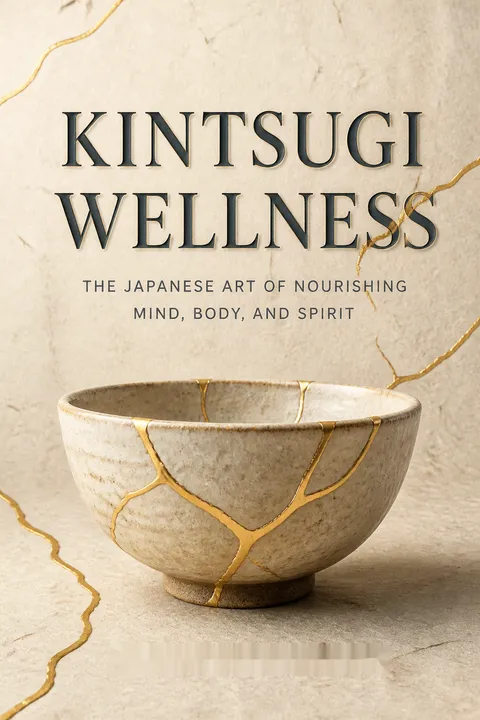
Repair is a practice. Kintsugi is the Japanese craft of mending broken pottery with lacquer and gold, making the repair visible rather than disguising it. Kumai turns that craft into a model for healing: pain and loss do not have to be erased to make a life whole. The golden seams represent what a person has learned and survived, but they do not appear by wishing. Recovery takes time, self-compassion, and effort.
A story makes it concrete. After a breakup, Kumai traveled to Japan and watched a kintsugi artist restore a cherished cup. Later, at a three-day gathering in Maui, she shared the breakup with strangers and experienced their care. Their response helped her feel less alone, while reminding her that repair remains personal work.
The metaphor is powerful because it refuses both shame and easy triumph. A scar can mark survival without making the injury good, deserved, or fully resolved. That distinction matters: praising resilience too quickly can pressure people to turn pain into a lesson before they have had room to grieve. The group experience also points to a useful social truth. Being witnessed can soften isolation, but support is not a substitute for time, practical help, or professional care when those are needed.
Stop demanding permanence; learn to notice beauty in change and imperfection.
Imperfection belongs. Wabi-sabi is an aesthetic and outlook that finds beauty in simplicity, natural irregularity, and the marks of time. Kumai contrasts a chipped cup or wilting flower with a culture of symmetry and polish: wear does not automatically make something worthless. The idea also reaches the body and the self, including scars, aging, mistakes, and traits that make someone feel different.
Make room for change. Mono no aware, or the gentle sadness of things passing, asks people to see life as it is: joyful moments end, difficult ones arrive, and both belong to a changing life. Kumai connects this sensibility to seasons and to the sorrowful ending of the Japanese Crane Wife tale. Feeling sadness is not a failure of optimism; it can deepen attention and empathy.
These ideas offer a counterweight to perfectionism without turning imperfection into another demand to find everything beautiful. Their deeper value is perceptual: attention can disclose texture and meaning where snap judgment sees only defect. The acceptance of transience also makes gratitude more specific, because a moment matters partly because it will not last. Still, acceptance should not excuse preventable harm. A flawed system or damaging relationship may call for change, not simply a more generous interpretation.
Build resilience with rest and care, not silent endurance alone.
Pause before reacting. Gaman is the practice of meeting hardship with patience, composure, and resilience. Kumai introduces it through Japan’s response to the 2011 earthquake and tsunami, which caused more than 22,000 deaths, and through everyday stresses such as heartbreak, conflict, and work pressure. Her practical version is not to deny pain: pause, breathe, assess the situation, and then act where action is possible.
Support the body, too. During grief or a major setback, Kumai recommends rest, nourishing meals, walks, and time with trusted people. She describes meditation and daily movement as parts of her own routine for staying steady. Gaman can mean persisting through a difficult task, but it can also mean allowing time to pass without adding anger or rumination to suffering.
The strongest interpretation of gaman is regulated endurance: enough steadiness to choose a response rather than amplify distress. That resembles the difference between tolerating discomfort and suppressing emotion. The latter can conceal unmet needs or keep people in unsafe situations, so patience should not be treated as an obligation to endure everything. Kumai's emphasis on rest, connection, and taking action helps prevent that misreading. Resilience is not measured by how quietly a person suffers, but by whether they can adapt and seek support.
Cook nourishing food as a daily ritual, not a punishment.
Nourishment over restriction. Eiyōshoku means nourishing the body. Kumai favors fresh produce, plant proteins, whole grains, and fermented foods, and argues against treating wellness as deprivation. Her recipes blend Japanese home cooking with Californian influences, from rice porridge and miso soup to grain bowls, soba, and matcha sweets. The point is not strict culinary purity; it is building meals that feel satisfying and connected to tradition.
Cooking creates attention. Kumai describes cooking as a sensory practice that brings her into a familiar rhythm and makes her more appreciative of the meal. At a temple in Kōyasan, she learned about shōjin ryōri, Buddhist devotional cuisine centered on seasonal plants, whole ingredients, and harmony. Washoku, the traditional Japanese cuisine she draws from, values balance and variety. Hara hachi bu means stopping when roughly 80 percent full, aiming for satisfaction rather than discomfort.
Food here is more than a nutrition checklist. Cooking links skill, memory, culture, and care, which can make healthy routines feel meaningful rather than punitive. The book's plant-forward emphasis is practical because vegetables, beans, and grains can anchor flexible meals instead of requiring a rigid diet identity. Its claims about individual ingredients and longevity should be read more cautiously than its broader advice: no single food explains a population's health. A pleasurable, sustainable pattern matters more than treating miso or matcha as medicine.
Pay attention to your needs before care turns into depletion.
Care starts with noticing. Ki o tsukete is a common Japanese expression meaning take care, pay attention, or be mindful. Kumai remembers her mother using it as both affection and instruction: look after yourself, stay alert, and meet life with confidence. The principle asks people to notice their physical and emotional state before automatically meeting everyone else's demands.
Boundaries are part of kindness. Kumai describes giving too much energy to friendships that were not reciprocal. As she became more aware of how relationships affected her, she began setting boundaries and letting some connections go. She also recommends practices such as quiet reflection, gratitude, movement, and time outdoors. In her account of Okinawa, elders adapt to hardship, cook local food, stay active in ordinary life, and maintain a close relationship with nature.
Self-care is often framed as consumption, but this chapter treats it as discernment: notice what restores, what drains, and which obligations still reflect genuine values. That makes boundary-setting compatible with generosity rather than its opposite. The Okinawan examples also widen the idea of wellness beyond formal exercise or paid treatments, toward movement, food, and contact with the natural world. Cultural patterns should not be reduced to a single longevity recipe, however. The useful lesson is to observe daily conditions, not imitate a whole society from a few anecdotes.
Do your best at your own pace, then keep improving.
Effort is not perfection. Ganbatte means doing your best. Kumai learned to separate that standard from being the best, especially while comparing her early career with others' apparent success. An editor offered her an image of several pork chops cooking together: one person's success does not use up the space available to everyone else. Kumai's own progress involved years of hard work, including unpaid jobs, before more opportunities came.
Keep learning. Kaizen is continuous improvement. It encourages refining work and habits without imagining that a person has reached a final, flawless state. Preparation, practice, honesty, punctuality, and supporting other people's success are ways Kumai puts effort into daily life. The balance is important: ganbatte says sincere effort is enough for today; kaizen leaves room to learn from what did not work.
This pairing avoids two familiar traps: perfectionism, which makes every attempt a verdict on identity, and complacency, which mistakes self-acceptance for refusing to grow. The useful distinction is between evaluating a process and condemning a person. Improvement works best when feedback is concrete and effort remains sustainable. The pork-chop image also challenges scarcity thinking, but it does not mean every industry offers equal opportunity. Supporting peers is valuable; structural barriers still require collective attention, not just a more generous mindset.
Release what cannot be changed, and redirect effort toward what can.
Acceptance is not surrender. Shikata ga nai, also said as shō ga nai, means that something cannot be helped. Kumai uses it for situations such as a canceled flight, a failed job application, or a disagreement that cannot be resolved. Rather than endlessly replaying events or blaming oneself for what is outside one's control, the practice is to acknowledge reality and choose the next useful step.
Change your vantage point. Kumai compares rumination to being lost among trees: stepping away can reveal a wider landscape. Walking, meditation, time in nature, and supportive friends are among her ways to gain distance. She describes shinrin yoku, or forest bathing, as slow, attentive time among trees. These practices do not change the past; they can help a person return to the present with more perspective.
This is a practical form of control-sorting: distinguish the event itself from the response still available. That distinction can interrupt rumination, which often feels like problem-solving while producing no new information. Yet acceptance is most useful after a clear appraisal of what can still be changed. Calling a situation unavoidable too early can shut down advocacy, repair, or safety planning. The chapter's emphasis on stepping away and taking a new perspective is valuable precisely because it creates a pause for that appraisal.
Invest in a small circle that can hold honest vulnerability.
Connection needs commitment. Yuimaru is an Okinawan idea of a circle of people who support one another. Kumai argues that a dependable inner circle matters more than a large collection of casual contacts. Its members share successes, help carry hardships, and show up through practical acts, not only messages.
Friendship is active. Kumai recalls her grandmother's friend Shizuko, who, after losing many friends, recognized how much those relationships had mattered. In her eighties, Shizuko began expressing affection and gratitude more openly and making new connections. Kumai also describes traveling alone and learning to treat herself with the patience of a friend, which made it easier to be present with others. The practices are simple: listen attentively, check in, share honestly, and offer help without keeping score.
Yuimaru makes belonging concrete by linking emotional openness to repeated acts of care. The emphasis on commitment is especially useful in a culture where digital contact can feel plentiful while dependable help remains scarce. Vulnerability, however, is not owed to everyone. Trust develops through evidence of respect, confidentiality, and reciprocity, and some relationships are not safe places for disclosure. A strong circle does not require constant closeness; it requires enough reliability that people can ask for help without performing invulnerability.
Make gratitude visible through attention, thanks, and service.
Gratitude takes practice. Kansha means cultivating sincere gratitude for people, experiences, and what is available in the present. Kumai connects it with remembering elders, sharing meals, and acknowledging everyone involved in bringing food to the table. Japanese meal rituals include saying itadakimasu before eating and gochisōsama deshita afterward, expressing appreciation for receiving and preparing the meal.
Turn appreciation outward. Kumai suggests handwritten notes, small thoughtful gifts, and volunteering. During a difficult period in her twenties, she began helping at a local breadline after her father encouraged her to serve others. Seeing families waiting for food shifted her perspective and deepened her sense of gratitude. The point is not to compare suffering, but to recognize interdependence and use one's time or abilities in a way that helps the community.
Gratitude becomes more than a private mood when it is expressed in behavior. A note or a meal can make another person's contribution visible, while service connects appreciation to responsibility. This framing also avoids one common weakness of gratitude advice: asking people to count blessings can sound like a rebuke when they are in real distress. Kumai's account allows hardship and appreciation to coexist. Gratitude should widen attention to resources and relationships, not invalidate grief or excuse unequal access to them.
Treat hospitality as a gift that helps another person travel farther.
Welcome is a form of giving. Osettai is a Shikoku practice of offering gifts and hospitality to pilgrims. On the Ohenro route, a journey connecting 88 temples, locals may offer food, encouragement, or assistance. Kumai's guides explain that the gift need not be material; favorable weather or a warm welcome can also make a traveler's path easier.
Make generosity ordinary. Kumai extends osettai to everyday acts: hosting someone, sharing a skill, helping a person cross the street, or sending encouragement. She describes her writing as a gift to readers, and argues that each person has something particular to offer. This closes the book's arc: care received from others can become care offered outward, without requiring grand gestures or a perfect life.
Osettai makes generosity relational rather than performative. The giver is not simply displaying virtue; the gift responds to someone else's journey, and the receiver is allowed to accept it. That matters because self-sufficiency is often mistaken for strength, even though ordinary life depends on help exchanged across time. The idea also has a useful limit: generosity should not erase the giver's capacity or turn service into an unpaid obligation imposed on particular people. Hospitality is most sustaining when it is freely offered and gratefully received.
Analysis
Kintsugi Wellness is part memoir, part cultural introduction, part cookbook, and part practical guide. Its organizing structure is a set of Japanese concepts, but its emotional narrative begins with a more intimate problem: Kumai has learned to work hard while neglecting her own needs. A breakup and a return to Japan prompt her to reinterpret family habits, food rituals, and inherited ideas about endurance as tools for living with vulnerability rather than hiding it.
The book's central strength is its insistence that wellness is not a single intervention. It is assembled from repeated acts: cooking, resting, noticing, adapting, maintaining friendships, and expressing thanks. The recipes matter in this argument because they make nourishment tangible. A bowl of rice, soup, vegetables, or noodles becomes a practice connected to memory and relationship, not simply a calculation of nutrients. Likewise, the pilgrimage and kintsugi demonstrations give abstract principles a setting and people who embody them.
The concepts are most useful when treated as lenses, not universal explanations of Japanese life. Kumai writes from her Japanese American experience and family relationships, and she sometimes moves from personal observation to broad claims about Japanese or Okinawan habits. Readers should preserve the practical wisdom while resisting the idea that a country's longevity or culture can be reduced to one diet, temperament, or ritual. Resilience can be valuable, but endurance becomes harmful when it silences justified anger or delays help.
The book's strongest synthesis is a sequence: accept that life leaves marks, care for the person carrying them, and let care move between individuals and communities. It refuses the fantasy of a flawless self without romanticizing every wound. Its recipes and rituals offer modest points of entry, while its stories remind readers that repair is both personal and social. The result is less a formula for perfection than a humane vocabulary for continuing.
Review Summary
Kintsugi Wellness receives mixed reviews, with an average rating of 3.77 out of 5. Readers appreciate the book's focus on Japanese philosophy, wellness, and self-care. Many enjoy the recipes and cultural insights, finding them valuable additions. Some criticize the advice as superficial or generic, while others praise the author's personal stories and writing style. The book's visual appeal and layout receive consistent praise. Readers recommend it for those interested in Japanese culture, wellness, and cooking, though some find it more suited as a coffee table book or gift.
People Also Read






Glossary
Kintsugi
Visible repair of broken potteryA Japanese craft that repairs broken pottery with lacquer and often gold powder, leaving the mended seams visible. Kumai uses it as a metaphor for healing: painful experiences can remain part of a person's story without defining that person as damaged. Repair requires attention and effort, and the history of the break is not erased.
Wabi-sabi
Beauty in imperfection and timeA Japanese aesthetic and outlook that values simplicity, natural irregularity, and the effects of time. It encourages attention to beauty in things that are worn, asymmetrical, aging, or imperfect, rather than measuring worth by polish or symmetry. Kumai applies the idea to objects, bodies, relationships, and self-acceptance.
Mono no aware
Sensitivity to life's transienceA Japanese expression commonly rendered as the pathos of things: a gentle sadness that arises from recognizing that life and its experiences are temporary. In the book, it means accepting that joy and hardship both pass, allowing sadness rather than demanding constant positivity, and letting awareness of loss deepen empathy.
Gaman
Patient, resilient enduranceA Japanese principle of meeting difficulty with patience, composure, and tolerance. Kumai applies it to both major hardship and ordinary stress, recommending a pause before reacting and care for the body through rest, movement, and nourishing food. It is presented as resilience, not as a requirement to deny pain.
Eiyōshoku
Nourishing the bodyThe book's term for nourishing the body through food and eating practices. Kumai emphasizes fresh produce, plant proteins, whole grains, and fermented foods, while discouraging deprivation. Her approach draws on Japanese food traditions but also includes adaptations and recipes shaped by her Japanese Californian background.
Shōjin ryōri
Buddhist devotional cuisineThe plant-based devotional cuisine associated with Buddhist monks in Japan. As described in the book, it centers seasonal vegetables, whole plants, grains, and careful use of ingredients, with no animal products and traditionally no pungent alliums such as onions or garlic. Its purpose is nourishment, simplicity, and harmony.
Hara hachi bu
Stop eating before discomfortA Japanese eating principle that means stopping when approximately 80 percent full. Kumai presents it as moderation and satisfaction rather than food restriction: eat enough to feel nourished, but avoid continuing until uncomfortably full. The practice is intended to encourage awareness of appetite and a more comfortable meal.
Ki o tsukete
Take care and pay attentionA common Japanese expression meaning take care, be mindful, or pay attention. Kumai's mother used it as a sincere farewell and a reminder to look after oneself and meet the world attentively. In the book, the phrase also supports self-awareness, boundaries, and care for others.
Ganbatte
Give your best effortA Japanese encouragement to do one's best. Kumai distinguishes sincere effort from perfection or being superior to others: a person's best is enough, and different people bring different strengths. The practice includes preparation, honesty, punctuality, and wishing others well rather than treating their success as a threat.
Kaizen
Continuous improvementA Japanese term for ongoing improvement. In the book, it encourages people to keep learning and refining their work, habits, and circumstances rather than imagining that they can reach a final state of perfection. Kumai connects it to everyday practice as well as its use in business.
Shikata ga nai
Accept what cannot be changedA Japanese expression meaning that something cannot be helped. Kumai uses it as a reminder to stop spending energy on circumstances that cannot be changed and redirect attention toward a useful response. It is meant to reduce rumination, not to excuse preventable harm or rule out action.
Yuimaru
A circle of mutual supportAn Okinawan concept of togetherness and mutual support, especially within a person's close circle and local community. Kumai presents it as a network that helps people endure hardship and share success through commitment, presence, and practical help. Maintaining these relationships requires attention and deliberate effort.
Kansha
Cultivating sincere gratitudeA Japanese term for gratitude. In the book, kansha means appreciating people, experiences, food, and the present moment, then expressing that appreciation sincerely. Practices include thanking those involved in preparing a meal, acknowledging elders, writing personal notes, and giving time to community service.
Osettai
Hospitality offered to travelersA Shikoku tradition of offering gifts, hospitality, and encouragement to pilgrims traveling the Ohenro route. Osettai can include material help, a warm welcome, or supportive wishes. Kumai expands the idea to everyday generosity, such as sharing skills, hosting guests, and making another person's path easier.
Shinrin yoku
Attentive time among treesA Japanese practice often translated as forest bathing: spending unhurried, attentive time in a wooded setting. Kumai recommends it as a way to step outside a stressful situation, engage the senses, and gain perspective. It is presented as a simple nature-based practice, not as a replacement for medical care.
FAQ
1. What is "Kintsugi Wellness: The Japanese Art of Nourishing Mind, Body, and Spirit" by Candice Kumai about?
- Japanese-inspired self-care: The book explores Japanese philosophies and practices for healing and self-care, using the metaphor of kintsugi—the art of repairing broken pottery with gold—to encourage embracing imperfections.
- Four-part framework: Kumai organizes the book into four sections—Strengthen, Nourish, Lifestyle, and Heart—each focusing on different aspects of wellness, from resilience to gratitude.
- Personal journey: The author shares her own experiences of healing, family heritage, and travels in Japan, blending memoir with practical advice.
- Recipes and rituals: The book includes nourishing Japanese-inspired recipes and daily rituals to help readers integrate these wellness principles into their lives.
2. Why should I read "Kintsugi Wellness" by Candice Kumai?
- Holistic wellness approach: The book offers a unique blend of Eastern wisdom and practical self-care strategies for mind, body, and spirit.
- Embracing imperfection: It teaches readers to find beauty and strength in their flaws and life’s challenges, making it especially relevant for those seeking self-acceptance.
- Actionable advice: Kumai provides concrete steps, rituals, and recipes that can be easily incorporated into daily routines.
- Cultural insight: Readers gain a deeper understanding of Japanese culture, philosophy, and traditions, enriching their perspective on wellness.
3. What are the key takeaways from "Kintsugi Wellness" by Candice Kumai?
- Golden repair metaphor: Embrace your “cracks” and imperfections as sources of strength and beauty, just as kintsugi repairs pottery with gold.
- Ten guiding principles: The book highlights ten Japanese philosophies, including wabi-sabi (imperfection), gaman (resilience), eiyōshoku (nourishment), and kansha (gratitude).
- Self-care is essential: True healing and growth require intentional self-care, self-forgiveness, and continuous improvement (kaizen).
- Community and service: Building strong relationships (yuimaru) and being of service to others (osettai) are vital for a fulfilling life.
4. What is the concept of kintsugi, and how does Candice Kumai use it in "Kintsugi Wellness"?
- Art of golden repair: Kintsugi is the Japanese practice of repairing broken pottery with gold, making the object more beautiful and valuable for its history.
- Life metaphor: Kumai uses kintsugi as a metaphor for personal healing, suggesting that our emotional and physical scars can become sources of beauty and strength.
- Embracing flaws: The practice encourages self-acceptance, resilience, and the idea that we are not defined by our wounds but by how we mend them.
- Continuous process: Kintsugi is presented as an ongoing journey of self-care, learning, and growth.
5. What are the ten Japanese philosophies or principles highlighted in "Kintsugi Wellness" by Candice Kumai?
- Wabi-sabi: Admire imperfection and find beauty in the transient and incomplete.
- Gaman: Live with resilience, patience, and endurance through life’s challenges.
- Eiyōshoku: Nourish your body with wholesome, traditional foods and mindful eating.
- Ki o tsukete: Take care of yourself and others with sincerity and attention.
- Ganbatte: Always do your best, embracing effort over perfection.
- Kaizen: Commit to continuous improvement in all areas of life.
- Shikata ga nai: Accept what cannot be helped and let go gracefully.
- Yuimaru: Care for your inner circle and nurture community.
- Kansha: Cultivate sincere gratitude for all aspects of life.
- Osettai: Be of service to others and welcome gifts with humility.
6. How does "Kintsugi Wellness" by Candice Kumai approach self-care and healing?
- Rituals and routines: The book emphasizes the importance of daily rituals, such as meditation, cooking, and gratitude practices, to ground and heal oneself.
- Nourishing food: Kumai provides Japanese-inspired recipes that focus on whole, seasonal, and fermented foods for physical wellness.
- Mindset shifts: Readers are encouraged to reframe struggles as opportunities for growth and to practice self-forgiveness and acceptance.
- Community support: Healing is seen as both an individual and communal process, with strong emphasis on relationships and support networks.
7. What role does food and cooking play in "Kintsugi Wellness" by Candice Kumai?
- Foundation of self-care: Cooking and eating nourishing foods are central to Kumai’s approach to wellness, serving as acts of self-love and respect.
- Japanese pantry basics: The book introduces essential Japanese ingredients and explains their health benefits, making traditional cuisine accessible.
- Recipes as rituals: Each recipe is presented as a mindful ritual, engaging all senses and fostering gratitude.
- East-meets-West fusion: Kumai blends her Japanese heritage with Californian influences, offering both traditional and modernized recipes.
8. How does "Kintsugi Wellness" by Candice Kumai help readers embrace imperfection and resilience?
- Wabi-sabi philosophy: The book teaches readers to celebrate imperfection, transience, and the natural aging process in themselves and their surroundings.
- Gaman and shikata ga nai: Kumai shares strategies for enduring hardship with patience and for letting go of what cannot be changed.
- Personal stories: The author’s candid accounts of heartbreak, loss, and healing provide relatable examples of resilience.
- Practical exercises: Readers are given actionable steps—like forgiveness, self-acceptance, and simplifying life—to build inner strength.
9. What are some of the most impactful quotes from "Kintsugi Wellness" by Candice Kumai, and what do they mean?
- “Kintsugi is the self-care we all need and deserve.” — Emphasizes that healing and embracing our flaws is a universal need.
- “Your cracks make you beautiful.” — Reminds readers that their struggles and scars are sources of unique beauty and strength.
- “You can’t pour from an empty cup.” — Stresses the importance of self-care before caring for others.
- “Practice kansha, and have gratitude for everything in your life—for the people, the experiences, and the opportunities.” — Encourages a mindset of gratitude as a foundation for wellness.
10. How does "Kintsugi Wellness" by Candice Kumai incorporate Japanese cultural traditions and travel experiences?
- Firsthand immersion: Kumai recounts her travels across Japan, learning from family, monks, and local artisans about traditional practices.
- Seasonal living: The book highlights how Japanese culture adapts to and celebrates all four seasons, integrating nature into daily life.
- Rituals and ceremonies: Readers are introduced to tea ceremonies, temple visits, and communal meals as sources of mindfulness and connection.
- Travel recommendations: The book concludes with a guide to Kumai’s favorite Japanese destinations, encouraging readers to explore and experience the culture themselves.
11. What practical advice and daily practices does "Kintsugi Wellness" by Candice Kumai recommend for readers?
- Morning meditation: Start the day with mindfulness to clear the mind and set intentions.
- Gratitude journaling: List three to five things you’re grateful for each day to cultivate kansha.
- Cooking at home: Prepare simple, nourishing meals as acts of self-care and connection.
- Movement and nature: Incorporate daily physical activity and spend time outdoors to support mental and physical health.
- Community engagement: Invest in relationships, offer support, and practice osettai (service) to others.
12. How can readers apply the lessons from "Kintsugi Wellness" by Candice Kumai to their own lives?
- Embrace your story: See your personal challenges and scars as valuable parts of your unique journey.
- Integrate rituals: Adopt small, meaningful rituals—like mindful eating, meditation, or gratitude practice—into your daily routine.
- Practice continuous improvement: Use the principle of kaizen to make incremental, sustainable changes in your wellness journey.
- Build supportive circles: Nurture your yuimaru (inner circle) and seek out community for mutual healing and growth.
- Serve and receive: Be open to giving and receiving help, gifts, and kindness, recognizing the interconnectedness of all people.
Download PDF
Download EPUB
.epub digital book format is ideal for reading ebooks on phones, tablets, and e-readers.








