

Plot Summary
The Birthday Ravine
On Conor Cassidy’s sixteenth birthday, she and Jake Holsten, her childhood sweetheart, slip away to a secluded ravine on their Oklahoma ranch. Jake has arranged for his twin brother Jarret and Conor’s older brother Lorne to keep watch while he and Conor begin what they expect will be their first sexual experience.
Jake binds Conor’s wrists as part of their mutual play, but before they can go further, masked men arrive with shotguns. Jarret and Lorne are gagged, Jake is struck unconscious, and Conor is left restrained as the intruders rape her.
When Jake comes to, he can only watch, bound and helpless, while the men threaten to kill her. The night that was meant to begin their adult future becomes the wound around which all four lives turn.
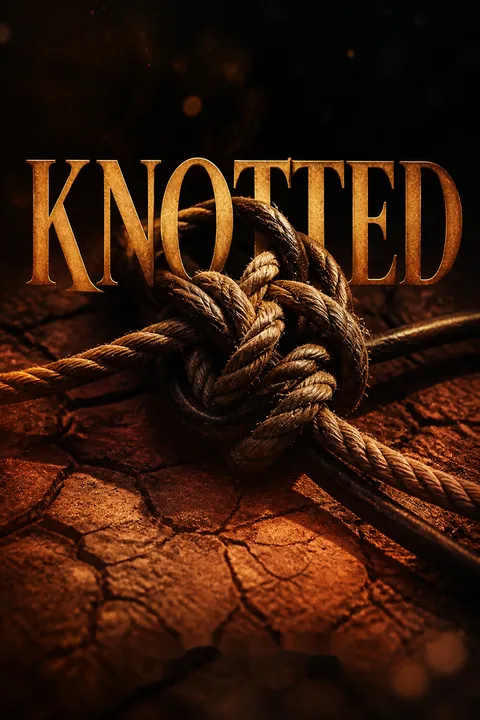
The attack gains its particular force from the collapse of a trusted context. The rope begins as something Conor accepts from Jake, a sign of chosen intimacy; the intruders turn restraint into helplessness. Jake’s guilt therefore attaches not only to failing to stop the assault but to an object he had made part of their desire. The scene establishes the novel’s central psychological problem: safety and danger can occupy the same gesture, and recovering agency will require Conor to distinguish them again. Their shared childhood and private refuge are not merely interrupted. They are made unsafe in retrospect.
A Vow in Blood
Lorne breaks free and shoots one attacker, allowing Conor to escape the second man’s assault. He then pursues the fleeing survivor, while Jake frees himself and follows. In the darkness, Lorne mistakes ranch hand Wyatt Longley for the escaping attacker and shoots him dead.
Jake returns with the surviving assailant, Levi Tibbs, bound but alive. Conor stops Jake from killing Levi on the spot, arguing that a third death would damage Lorne’s defense; the group instead vows to kill Levi if he ever leaves prison.
Police arrive and arrest Lorne for Wyatt’s murder. Jake and Conor cling to each other as officers take Lorne away, while Jarret remains with them. Their night ends not with rescue alone, but with a dead man, a captured rapist, and a brother facing prison.
The aftermath converts private trauma into a public legal crisis. Lorne’s mistaken shot is understandable in the darkness, but the law will judge the death apart from the terror that produced it. Conor’s decision to stop Jake matters because it shows her agency returning before her sense of safety does: she cannot undo what happened, yet she can still shape what the group does next. The blood vow is both a bond and a dangerous attempt to make justice predictable. It gives the four a shared future to hold onto, while binding that future to vengeance.
Chicago's Closed Door
Three days after the attack, Conor’s father, Dalton, announces that he is taking her to Chicago and selling his share of the ranch to Jake’s father, John. Conor runs to Jake, but ranch hands restrain him while Dalton forces her into a truck; when she struggles, Dalton strikes her.
In Chicago, he cuts off her contact with Jake, Jarret, and the ranch, then increasingly turns his grief and alcohol into violence against her. Lorne, held in jail without his father arranging bail, pleads guilty to second-degree murder and receives a ten-year sentence.
Levi takes a deal that will release him sooner. Conor writes letters and tries to reach her old family, but receives no response. Isolated, she hides her injuries and keeps believing Jake will find a way back to her.
The move to Chicago is presented as protection, but to Conor it feels like a second abduction: the first took control of her body, the second takes away her relationships and home. Dalton’s abuse makes the contradiction sharper because the person charged with caring for her becomes another source of danger. The silence from Jake and Jarret is equally consequential, even though its motive is not yet known to Conor. Her letters preserve attachment while their unanswered status encourages self-blame. The chapter’s emotional logic is not simply loss; it is the conversion of other people’s decisions into evidence that she is unwanted.
The Bedside Betrayal
At eighteen, after secretly enrolling at Oklahoma State University and saving money from waitressing, Conor leaves her abusive father and rides her motorcycle back to Sandbank. She has carried a handmade bracelet for Jake and expects to return to the life they planned.
Instead, she finds Jake in bed with Sara Gilly, one of the girls who once admired him. Jake gives her no explanation she can accept. When he follows her outside, she learns that her beloved mare Ketchup has supposedly died, then rides away from the ranch in pain.
The rejection compounds her old injuries until she stops beside the road and breaks down alone. From there, she leaves Sandbank again, convinced that Jake has replaced her and that the family she came home to reclaim has vanished.
Conor’s return is an act of self-rescue, but it depends on the hope that home will still recognize her. The bedroom scene destroys that expectation in one image, turning years of silence into an apparently simple verdict: Jake chose someone else. Her departure is not a failure of courage; it is a response to evidence deliberately arranged to look final. The bracelet makes the misreading especially painful because it carries the care she has maintained in private. The loss of Ketchup then removes the last living connection she believes remains to the ranch, leaving her with no reason to stay.
The Lie of Safety
After Conor rides away, Jake’s perspective exposes the calculation behind the scene she witnessed. He and Jarret had learned from Lorne that someone in Sandbank wanted Conor and Lorne dead, so the brothers agreed to cut contact and keep Conor away until they could identify the threat. Jake arranged for Sara to be in his bed when Conor returned, hoping heartbreak would drive her from the ranch.
He also told Conor that Ketchup had died, although the mare was alive and hidden. Jake believed these lies would protect her, but he knows they have deepened the very abandonment he meant to prevent. He keeps Conor’s bracelet and her letters, then continues investigating the ranch and its business records while she remains unaware of the danger.
Jake’s protection is psychologically legible and ethically compromised. He treats information as a tool he may control because he believes Conor’s choices would endanger her, but that paternalism reproduces the loss of agency she has already endured. His staged betrayal works precisely because he knows her attachment well enough to wound it. The contrast between keeping her letters and refusing to answer them shows how private devotion can coexist with public cruelty. The novel does not make his motive erase the consequence: love may explain the lie, but Conor must still live with what the lie made her believe.
Behind the Prison Glass
A month after leaving the ranch, Conor visits Lorne in prison, expecting him to reject her. Instead, he tells her through the glass that he loves her, then urges her to leave Oklahoma because he cannot protect her from inside.
He also reveals that Jake has visited him, though neither brother had contacted her. When Lorne tells her that Dalton has died in Chicago after choking while intoxicated, Conor cannot summon grief and walks out feeling numb. She buries herself in animal science studies and advances quickly toward veterinary school, but avoids friendships and intimacy.
At a college field party, she seeks a sexual experience in a dark barn with a masked stranger whose careful attention feels safe. She does not know the man is Jake, who leaves without identifying himself.
The prison visit offers Conor a direct contradiction to her fear that Lorne no longer loves her, but it does not repair the distance created by years of silence. His advice to leave is still protective control, even when it comes from affection. Dalton’s death arrives without reconciliation, leaving Conor unable to organize her feelings around either forgiveness or mourning. School gives her a credible future and a structure she can master, while social withdrawal limits the risks of being known. The anonymous encounter briefly separates touch from personal history, though Jake’s concealed identity means that even this experiment in agency remains entangled with the past.
A Stranger's Familiar Hands
Conor continues her veterinary studies and, over time, begins living with her former science professor, Miles York. The relationship offers routine, but she never fully trusts him or answers his declarations of love.
Three years after the masked encounter, a prosecutor informs her that Levi’s release is approaching. Conor sees Miles behaving intimately with another student and uses the betrayal as a reason to leave for Sandbank, concealing her plan to confront Levi.
At the Big Sugar bar, she hears women describe Jake as a practiced lover and tells them she has no claim on him. Jake appears, makes it clear he is not finished with her, and later takes her from the motel to the ranch. He tells her Ketchup is alive, overturning the loss that had helped drive her away.
Conor’s achievement is real, but achievement has become a defense against relational uncertainty. She can excel in school while remaining unable to build mutual trust, and Miles’s infidelity confirms the suspicion that intimacy is unsafe. Her return is therefore driven by more than revenge: the approaching release forces her to revisit a past she has tried to outrun. The bar scene makes her jealousy visible even as she denies it, while Jake’s reappearance turns that denial into an immediate conflict. Ketchup’s survival matters because it restores a concrete tie to home, not merely a sentimental memory.
The Ranch Takes Her Back
At the ranch, Jake and Jarret explain that they run the cattle business and that Jake’s father, John, has left. Jake begins a blunt, unorthodox effort to help Conor face her trauma, learning her triggers and using controlled exercises rather than asking her to pretend she is well.
He shows her evidence that Miles has been sleeping with a student. When Miles arrives after Jake uses Conor’s phone to summon him, Jake throws him off the porch; Conor ends the relationship herself. Jake later admits he was the masked man in the college barn, disguised so he could approach her without revealing himself.
He had followed her to keep her safe, then left her believing the encounter meant nothing. Conor visits Lorne, who welcomes her, and begins to understand that their distance came from fear rather than indifference.
The ranch offers Conor belonging, but Jake initially confuses care with authority: he decides when to disclose information and how she should process it. His therapy methods are shaped by intimate knowledge of her history, yet that knowledge can feel invasive when she has not consented to every step. The revelation about the barn alters the meaning of an experience she had understood as both anonymous and disappointing. It gives her evidence of Jake’s enduring attachment, but also exposes another secret. Lorne’s welcome provides a less coercive form of connection, one in which the simple fact of his presence begins to repair their bond.
The Land Beneath Them
Conor demands the explanation Jake has withheld. He shows her that her mother placed the ten-thousand-acre ranch land in trust for Conor and Lorne, while granting their fathers power to manage it until the siblings met specific conditions.
John and Dalton’s debts made the land’s oil and gas valuable, but Lorne’s eligibility to revoke their authority threatened the drilling deals. Jake explains that his father arranged the attack, Sheriff Fletcher helped cover it up, and Dalton moved Conor to Chicago to keep her alive while preserving the scheme.
Jake and Jarret killed several men involved and blackmailed John into surrendering the cattle business and leaving. Conor also learns that Jake attacked Dalton after discovering the abuse, but did not kill him. After facing the assault in detail with Jake, she forgives him and accepts their relationship.
The land deed changes the story’s apparent family conflict into a material struggle over ownership and power. Conor and Lorne were not merely children caught in their fathers’ choices; they were the legal owners whose presence could obstruct the extraction of wealth. The secret explains why protection required distance, but it also shows how adults converted the siblings’ inheritance into leverage. Jake’s violence has removed immediate threats while placing him outside ordinary justice, so Conor’s forgiveness is not an uncomplicated endorsement. It follows an act of truth-telling and shared grief, allowing intimacy to resume only after she can see what his protection cost.
Levi's Last Chance
When Levi leaves prison, Conor, Jake, and Jarret prepare a trap at a remote shack where hitmen once stored cash. Conor sits alone at the table while Jake hides behind a couch and Jarret waits outside.
Levi arrives, recognizes Conor, and boasts about the assault before reaching for a pistol taped beneath the table. He points the weapon at her, but Jake has removed its bullets. Jake and Jarret emerge, disarm Levi, and bind him for the drive to the ravine.
The meeting was recorded in case they need to claim self-defense, but Levi’s attempt to attack Conor has made the danger unmistakable. Jake gives Conor the option to go home rather than watch what follows. She leaves first, while the brothers take Levi toward the place where the original assault began.
The shack turns the blood oath from a memory into a planned act, but the unloaded pistol complicates the idea that the group simply executes a helpless man. They create a test that lets Levi reveal his intent, then use his own violence to justify restraint. Conor’s role is not passive: she sits across from the man who harmed her and chooses to face him, while retaining the right not to witness his death. The recording shows that the group understands the legal risk even as they reject the legal system’s earlier failure. Their preparation is controlled, but it cannot make vengeance morally clean.
The Ravine Is Sealed
Conor rides Ketchup back to the ravine and finds Jake and Jarret holding Levi at the bluff. The creek and narrow gorge are gone, buried beneath soil removed from the drilling site; the brothers have already concealed the bodies of the men they killed there. Jake asks whether Conor has anything to say, but she cannot answer. He strangles Levi with a rope and drops his body into the filled ravine.
Jarret begins covering it with earth. Conor does not leave Jake alone afterward. He carries her to Ketchup, stays beside her through the ride home, shower, and meal, and holds her when the day’s violence finally gives way to grief. She plays Lorne’s guitar on the porch, allowing the music and Jake’s presence to make room for mourning.
The return to the ravine is both literal and psychological. Industrial fill has erased its visible shape, just as Conor has spent years trying to bury memory, yet the site remains legible to those who know what lies beneath. Jake’s killing of Levi completes the vow but cannot restore the childhood the assault took from them. Conor’s grief afterward refuses the fantasy that justice produces instant relief. Her offer to support Jake matters because he was also a witness to the violence, not only her protector. The guitar reconnects her to a shared language that existed before the crime.
A Future Above the Graves
In the weeks that follow, Conor continues working through memories with Jake rather than treating recovery as a single breakthrough. She completes the requirements to revoke the power of attorney, securing control of the land she and Lorne inherited.
Jake plans a veterinary clinic on a concrete foundation above the filled ravine, turning the site of violence toward the work Conor has wanted since childhood. Lorne remains in prison, but he and Conor can speak again; Jarret’s increasingly personal entanglement with journalist Maybe Quinn hints at complications beyond the couple’s repaired bond.
Conor and Jake rebuild intimacy at her pace, including confronting the sexual triggers left by the assault. The book closes with Conor choosing to trust him through a difficult experience, and Jake seeing her not as a memory to protect but as the woman beside him.
The ending does not claim that love erases trauma. Conor’s recovery is shown through repeated choices: speaking, setting limits, resuming music, reclaiming land, and approaching physical intimacy without surrendering control. The clinic plan is a pointed transformation of setting. The ravine will not be made innocent, but the land can support care rather than concealment. Legal ownership also gives Conor a form of agency that romance alone could not provide. Her future with Jake depends on both desire and practical autonomy, while Lorne’s continued imprisonment prevents the restored household from becoming a falsely complete happy ending.
Analysis
Knotted makes protection both its central expression of love and its central source of harm. Jake’s silence, Dalton’s relocation of Conor, and Lorne’s insistence that she stay away all originate in attempts to keep her alive. Yet each decision removes information and choice from her, recreating the helplessness the characters hope to prevent. The novel therefore distinguishes care from control not by intention alone, but by whether the person being protected can participate in decisions about her own life.
The ranch’s land history gives that emotional conflict a material foundation. Conor and Lorne inherit acreage but not immediate authority, while their fathers’ debts and drilling plans make ownership a threat to the men who control it. The family’s secrets are not merely expressions of dysfunction; they are tied to property, money, and the extraction of value from land. Conor’s eventual claim to the ranch is consequently a legal and personal recovery, not a symbolic gesture alone.
Trauma is treated as a problem of memory, sensation, and relationship. A touch on the wrist or the smell of whiskey can collapse the distance between past and present, while chosen repetition can help Conor recognize that a sensation is occurring in a different context. The novel’s BDSM framework echoes this distinction: restraint is not inherently safe or harmful; consent, trust, and the ability to stop determine its meaning. That idea is deliberately complicated by Jake’s tendency to make decisions for Conor, so their reconciliation requires disclosure and her active participation, not simply his devotion.
Finally, the story refuses to equate revenge with healing. Levi’s death fulfills the oath and removes an immediate threat, but Conor still mourns her father, her brother’s imprisonment, and the years she lost with Jake. The closing movement is therefore not a clean restoration of the past. It is the construction of a future in which land, work, music, and intimacy can belong to Conor by choice.
Review Summary
Knotted receives mixed reviews, with ratings ranging from 1 to 5 stars. Many readers praise the intense, emotional story and the author's writing style. However, some criticize the handling of trauma and the protagonist's actions. The book is described as a dark, second-chance romance with elements of suspense and BDSM. Readers appreciate the complex characters and their relationships but express concerns about the realism of certain plot points. Overall, the book elicits strong reactions, both positive and negative, from its audience.
People Also Read




Characters
Conor Cassidy
Ranch-born survivorConor is the daughter of Dalton Cassidy and the younger sister of Lorne. Raised alongside the Holsten twins on her family’s Oklahoma ranch, she loves animals, music, horses, and the land itself. She is academically disciplined and practical, but years of trauma and family estrangement leave her wary of intimacy and inclined to hide distress rather than burden others. Her resilience is not a lack of fear: it appears in the concrete choices she keeps making despite fear, from pursuing veterinary medicine to returning to people she believes may reject her. She values independence, yet also longs for the security of being understood without having to explain every part of herself.
Jake Holsten
Protective ranch heirJake is Jarret’s twin and Conor’s childhood sweetheart. A gifted student who understands ranch finances, he also feels most at home on horseback and in the physical work of the cattle operation. He is devoted, observant, and intensely protective, but his instinct to take control can turn care into manipulation. Jake measures love through action and sacrifice, sometimes assuming that enduring pain privately is kinder than telling Conor the truth. His attraction to dominance is part of how he understands trust, but the relationship requires him to recognize that protecting Conor does not give him ownership of her choices.
Jarret Holsten
Loyal twin and cowboyJarret is Jake’s twin, a skilled cowboy, and one of Conor and Lorne’s closest childhood companions. Where Jake is analytical and planful, Jarret is more openly charming and inclined toward physical action. His loyalty to the people he considers family is fierce, though he can use humor and flirtation to keep painful subjects at a distance. He shares Jake’s protectiveness toward Conor and his commitment to the ranch, but his independent romantic life and interest in journalist Maybe Quinn reveal a less settled side. Jarret’s ease with others should not be mistaken for emotional simplicity; he is deeply affected by the losses and decisions binding their group.
Lorne Cassidy
Conor's steadfast brotherLorne is Conor’s older brother, a gifted ranch worker, musician, and protective presence in the close-knit quartet. His competence with cattle earns the respect of the ranch hands, while his bond with Conor is rooted in years of shared life and mutual trust. Lorne tends to shoulder responsibility without asking for help, a quality that can make him appear harder than he is. He supports Conor’s ambitions and is especially alert to threats against her, but his protectiveness can become another form of silence. Music, especially playing alongside Conor, offers him a way to express affection and grief when direct conversation is difficult.
Dalton Cassidy
Grieving, volatile fatherDalton is Conor and Lorne’s father and one of the two men responsible for the ranch’s business affairs. Before the family’s crisis, he is a demanding but familiar presence in the children’s lives. After the attack and move to Chicago, grief and alcohol reshape his behavior, and his daughter experiences the collapse of the parental safety she once relied on. Dalton is not emotionally equipped to explain his decisions, and his retreat into control leaves Conor isolated. His character connects the ranch’s financial pressures with the personal costs paid by the family.
John Holsten
Jake's guarded fatherJohn is Jake and Jarret’s father and Dalton’s business partner. A stern rancher, he favors work, discipline, and practical results over open emotional expression. The children grow up under his authority, but his relationship with Jake is strained by the same masculine code that prizes control and silence. John’s influence reaches beyond the family through his involvement in ranch management, making his decisions consequential for the land and the young people raised there.
Miles York
Conor's academic partnerMiles is a science professor who becomes involved with Conor after he is no longer her teacher. He is educated, attentive, and capable of offering a steady domestic life, qualities that appeal to someone exhausted by instability. Yet his self-image as a caring partner sits uneasily beside his conduct and his desire for an uncomplicated relationship. Conor does not easily trust him or return his declarations of love. Through Miles, the story examines how a relationship can appear safe on the surface while still requiring a person to ignore what she already knows.
Levi Tibbs
Outsider with a recordLevi is a criminal outsider whose arrival in rural Sandbank brings violence into the Cassidy and Holsten families’ protected world. He is calculating, entitled, and willing to exploit a person’s vulnerability for his own ends. His presence intensifies the story’s questions about justice, revenge, and the limits of institutional protection. Levi functions as a direct threat, but the broader danger surrounding him arises from forces inside the ranch community as well as from the criminal world he inhabits.
Maybe Quinn
Freelance story hunterMaybe is a freelance journalist who comes to Sandbank seeking a story connected to Levi’s release. Her polished appearance and direct questions make her stand out in a town where outsiders attract attention. She is ambitious enough to pursue a valuable scoop and self-possessed enough to negotiate for access. Her interest unsettles the Holstens, who have spent years keeping their business and violence hidden. Maybe’s arrival also draws Jarret’s attention, creating a personal complication alongside the danger of public exposure.
Sheriff Fletcher
Small-town lawmanSheriff Fletcher is the local authority in Sandbank, a town where ranchers and law enforcement know one another closely. His official role suggests order and public accountability, but his relationships with the powerful men around him make him difficult to trust. He represents the vulnerability of justice in a place where personal loyalties and business interests overlap. His presence complicates any simple assumption that reporting a crime will automatically protect the people involved.
Ava O'Conor
Conor's land-owning motherAva was Conor and Lorne’s mother and the original owner of the ranch acreage. She valued the land and opposed the destructive practices associated with oil and gas development. Her planning for her children’s inheritance continues to shape the family’s relationship to the property, even after she is gone.
Julep Holsten
Ranch's founding partnerJulep was Jake and Jarret’s mother and Ava’s closest friend. She helped Ava develop the cattle operation and received a share of the business, giving the ranch its name. Her partnership establishes the original trust between the two families.
Wyatt Longley
Ranch hand's sonWyatt works on the ranch alongside his father, Andy. His family’s long connection to the land places him within the tight web of local relationships that the younger characters have known all their lives.
Andy Longley
Veteran ranch handAndy is an experienced ranch hand who works with his son Wyatt, tending cattle and repairing fences. His familiarity with the property gives him access to places outsiders would not easily know, and his position links the ranch’s everyday labor to its hidden conflicts.
Sara Gilly
Jake's former classmateSara is a Sandbank classmate who has long been attracted to Jake. Her presence in the story gives Conor a painful image of apparent replacement, while Sara herself is not the source of the deeper conflict between the couple.
Ketchup
Conor's beloved mareKetchup is Conor’s black mare, named for the joke that Conor would always be ahead and calling for others to catch up. The horse is part of Conor’s childhood independence and her bond with the ranch. Caring for Ketchup gives Conor a familiar, wordless way to reconnect with home.
Plot Devices
The Blood Oath
Vengeance made bindingAfter Lorne is arrested and Levi is captured, Conor, Jake, Jarret, and Lorne cut their palms and pledge to kill Levi if he is ever released. The oath gives the traumatized group a shared promise when they feel powerless, but it also turns future revenge into an obligation. Its later fulfillment tests whether loyalty to one another requires violence, and whether carrying out a promise can provide the closure its makers expect.
The Land Trust
Inheritance as leverageAva’s arrangements give Conor and Lorne ownership of the ranch land while assigning their fathers authority to manage it until the siblings meet specified conditions. The distinction between owning the land and controlling it is initially invisible to the children. When oil and gas make the acreage valuable, the trust becomes the mechanism behind the family’s financial conflict and the danger surrounding Conor and Lorne. It makes legal knowledge, residency, and control of property central to Conor’s ability to reclaim her future.
The Bloodied Ravine
Crime scene and memoryThe ravine is first a private place where Jake and Conor expect to begin their sexual relationship, then the site of the assault, the shooting, and later acts of concealment and revenge. Its physical changes track the ranch’s transformation: drilling waste fills the landscape, and the brothers use the earth to hide bodies. For Conor, returning there forces a confrontation with memories she has tried to bury. The planned clinic above the sealed site turns the same ground toward a future of care without pretending its history can be erased.
The Hidden Letters
Love without contactConor sends letters and messages to the people she left behind, while Jake keeps her letters but does not answer. The exchange that never happens creates the central misunderstanding of their separation: she reads silence as rejection, while Jake treats silence as protection. The letters preserve her attachment and later expose the emotional cost of his choice. They make the novel’s long separation tangible, turning an absence of communication into an active force shaping both characters.
Controlled Exposure
Memory met with consentJake uses conversations, journaling, sensory cues, and carefully negotiated physical contact to help Conor encounter memories she has avoided. The process is personal rather than clinical, and its ethical tension is part of the plot: his knowledge of her can support her, but his controlling manner risks repeating the loss of agency she experienced. Conor gradually names her triggers, sets boundaries, and chooses when to continue. Recovery is represented not as erasure but as increased ability to remain present while remembering.
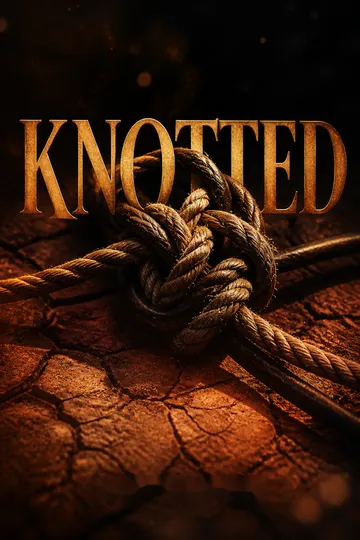
Trails of Sin Series
About the Author
Other books by Pam Godwin






Download PDF
Download EPUB
.epub digital book format is ideal for reading ebooks on phones, tablets, and e-readers.








