

Key Takeaways
Plan your whole life before one successful corner consumes it
Success can narrow the view. Daniel Harkavy left a fast-rising finance career after seeing colleagues gain wealth and status while relationships, health, and personal meaning suffered. Michael Hyatt faced a different warning: after work helped him rescue a struggling publishing division, the pace damaged his health and sent him to the emergency room. Both had plans for work, but not for the rest of life. Their answer is a Life Plan: a short, personal document that states what matters, describes a desired future, and identifies actions to move toward it.
Direction beats drift. The plan is not a promise that life will cooperate. It is a reference point for making choices across work, relationships, health, finances, and other important areas. Its purpose is to help someone notice when success in one domain is quietly costing too much elsewhere.
The book's strongest move is to challenge the assumption that career achievement is a sufficient proxy for a good life. This resembles systems thinking: improving one part of a system can damage the whole if its effects on other parts go unmeasured. A written plan makes those tradeoffs visible before they become crises. The caveat is important: no plan can guarantee balance, and some seasons demand extraordinary focus in one area. Its value lies less in keeping every domain equally flourishing than in making the costs of those seasons conscious.
Notice the current before it carries you somewhere you never chose
Drift is gradual. The book uses the ocean current as an image for how people can end up far from their intentions without making one dramatic decision. A surfer caught in a riptide may instinctively paddle straight toward shore, while the safer route is to move parallel to the beach until clear of the current. In daily life, the current can be inattention, distraction, overload, or a belief that change is impossible.
Distance accumulates quietly. The authors connect drifting with confusion, wasted time, missed opportunities, preventable pain, and regret. Their practical first move is to stop blaming circumstances long enough to assess what is happening. A plan begins with an honest reading of present conditions, not a fantasy about where things should be.
The current metaphor captures a real feature of behavior: small choices can compound, while each individual choice seems harmless in isolation. It also offers a useful correction to the familiar advice to simply try harder. Someone in a strong current may need a different direction, support, or a reduction in demands, not more effort against the force. The framework is most useful when it distinguishes personal agency from total control. People can often alter their response, but illness, economic pressure, caregiving, and discrimination can sharply constrain their options.
Write the ending you want, then let it judge today's tradeoffs
Begin with remembrance. The authors ask readers to imagine their own funeral and consider what family, friends, and colleagues might say. A friend named Mike, facing terminal cancer at thirty-eight, realized that he had not fully understood how limited his time was and wished he had invested more of it in people he loved. His story gives the exercise emotional weight without making mortality a distant abstraction.
Make the picture concrete. Rather than settle for a general wish to be remembered as caring, write what that care would have looked like to particular people. The resulting eulogy is not a prediction or a public performance. It is a way to identify the relationships and qualities that should shape present choices, before work demands or routine decide by default.
Thinking from the end is a form of perspective-taking: it lets a person evaluate immediate rewards against a longer horizon. The exercise can make vague values observable. If someone hopes to be remembered as present, the question becomes whether ordinary weeks contain attention and shared time, not merely good intentions. There is a risk of turning imagined approval into a new performance standard. The most useful version focuses on lived qualities and relationships, rather than status, universal admiration, or an idealized obituary that no real person could sustain.
Track each life account by both energy and evidence of progress
Map the whole terrain. The authors call the major domains of life Life Accounts. Common examples include spiritual, intellectual, and physical well-being; marriage, parenting, and friendships; and work, hobbies, and finances. A person chooses roughly five to twelve accounts, then ranks them according to personal importance. The categories are meant to be customized, not treated as a universal checklist.
Look for two signals. The Life Assessment Profile asks readers to consider both passion, meaning enthusiasm or engagement, and progress, meaning tangible movement or results. Someone can care deeply about a goal but see little progress, or perform well while feeling detached. For example, a successful executive may advance professionally while losing interest in the work itself. The paired questions reveal different problems and suggest different responses.
This two-dimensional view is more diagnostic than asking whether life is simply going well. It separates motivation from outcomes, much as organizational analysis distinguishes employee engagement from performance. That distinction matters because enthusiasm alone can hide a lack of workable strategy, while strong results can conceal mounting disengagement. The model remains a reflection aid, not a validated clinical measure. Its scores should prompt discussion and observation, not be mistaken for objective verdicts about a person or relationship.
Turn each priority into a destination, an honest baseline, and commitments
Translate values into a route. For each important Life Account, the book proposes a compact Action Plan. It identifies the person's role in that area, describes a desirable future, records the current situation, and names specific actions to close the gap. An inspiring line or verse can be included if it helps make the plan personally meaningful.
Make action observable. Commitments should be specific, measurable, actionable, realistic, and tied to a time or frequency. One example is not simply wanting a closer marriage, but reserving regular time to talk without interruptions and setting aside recurring time together. The authors also emphasize incremental progress: daily choices, such as tracking food or making regular dates, can produce results without requiring a dramatic overhaul. The plan is a starting draft, meant to be revised as circumstances change.
The method bridges the gap between values and implementation. Behavioral research often distinguishes an intention from an implementation intention, a concrete decision about when or how an action occurs. Calendar-ready commitments make that bridge more likely to hold under pressure. There is a productive tension between measurable behavior and outcomes that resist measurement, such as trust or intimacy. A useful plan tracks actions within a person's influence, while leaving room to evaluate whether those actions are actually improving the relationship or condition they are meant to serve.
Give life planning one protected day, not leftover attention
Create space to think. The authors recommend setting aside a full day to draft the plan, away from familiar distractions. Schedule it, choose a quiet location, gather writing materials, tell affected people, and go offline. Their argument is that reflection takes time to gather force: writing a eulogy one day and considering priorities a week later can weaken the connection between values and decisions.
Finish a useful draft. The objective is not polished prose. It is a complete document that can guide action and be improved later. The book invokes the law of diminishing intent: the longer a person postpones an intended project, the easier it is for the motivation to fade. The authors' advice is to protect the appointment and keep writing through uncertainty, rather than wait for a perfect mood or ideal conditions.
A dedicated retreat changes the task from an abstract aspiration into a scheduled event, reducing the number of decisions required to begin. It also reflects the value of uninterrupted attention for complex reflection. Still, a full day is a substantial demand and may be inaccessible to people with shift work, disability, caregiving duties, or limited paid leave. The essential principle is protected, sustained attention, not a particular format. Several shorter sessions may be a practical adaptation if they preserve continuity and lead to a complete first draft.
Make room for your plan by removing commitments before adding more
Margin is capacity. A plan cannot change a life if every hour is already occupied. The authors call for margin: enough time and energy to reflect, recover, and carry out chosen actions. Their first tool is calendar triage: keep essential commitments, cancel what no longer matters, and postpone what need not happen now.
Put priorities on the calendar. An Ideal Week sketches a preferred rhythm for work, family, rest, and personal activities. An Annual Time Block reserves major events before smaller requests fill the year. When someone asks for time, the authors recommend a positive no: affirm the relationship, state the limit clearly, and, where possible, suggest another way to help. Saying yes to every request spends time that cannot be spent twice.
This is a practical response to the scarcity of attention. Scheduling priorities in advance resembles budgeting: both make tradeoffs visible before resources disappear. The positive refusal is especially useful because it treats boundaries as a way to preserve relationships, not reject them. Yet not every worker can freely cancel tasks or control a calendar. In constrained jobs, margin may require negotiation, collective change, or help from others, rather than personal efficiency alone. The tools are strongest when they distinguish avoidable overcommitment from obligations a person cannot simply decline.
Review your plan at multiple speeds so reality can update it
Keep the document active. The authors describe a company that invested in an elaborate strategic plan, then never consulted it again. A Life Plan can suffer the same fate if it sits untouched. They recommend reading it daily for the first ninety days, then reviewing it weekly, revisiting it more strategically each quarter, and revising it in depth once a year.
Match review to the horizon. A weekly check-in helps organize immediate tasks and upcoming commitments. A quarterly review assesses progress and identifies a small number of meaningful goals. The annual review asks whether relationships, priorities, and imagined futures still fit the person's life. The point is not to preserve the original plan unchanged. It is to use regular attention to notice drift and adjust course while the correction is still manageable.
The different review intervals provide a useful control loop: frequent feedback handles execution, while slower reflection tests whether the direction remains appropriate. This resembles iterative planning in fields where conditions change too quickly for a fixed blueprint. The plan's durability depends on flexibility, not fidelity to the first draft. A potential weakness is review fatigue. If every check-in becomes an elaborate audit, the process can crowd out the life it is meant to serve. Brief, repeatable reviews are more sustainable than ceremonial perfection.
Treat employees as whole people, but make planning an invitation
Work and life interact. The book argues that a personal crisis can affect work, and work pressure can spill into health and relationships. It describes organizations that offer Life Planning as a way to signal care, support focus, and encourage employee engagement. Chick-fil-A incorporated the process into training for new restaurant owners, while other companies provided coaching, planning time, or peer support.
Support without coercion. The authors advise leaders to use the process themselves, gain leadership support, and offer it voluntarily rather than impose it. They cite research by Wake Forest professor Melanie Lankau, reporting a positive association between life satisfaction, job satisfaction, and performance measures. That relationship supports the case for attention to employees' broader well-being, but does not establish that a company-run plan causes better performance.
The organizational argument recognizes that employees do not leave their relationships, financial stress, or health concerns at the office door. It also points toward a more humane account of productivity, where attention and engagement depend partly on life outside work. The invitation matters: a forced personal plan could become surveillance disguised as care. Employers should protect privacy, avoid judging employees' chosen priorities, and address structural sources of overload. Well-being initiatives have credibility when they accompany fair workloads and real support, rather than shifting responsibility entirely onto individuals.
Analysis
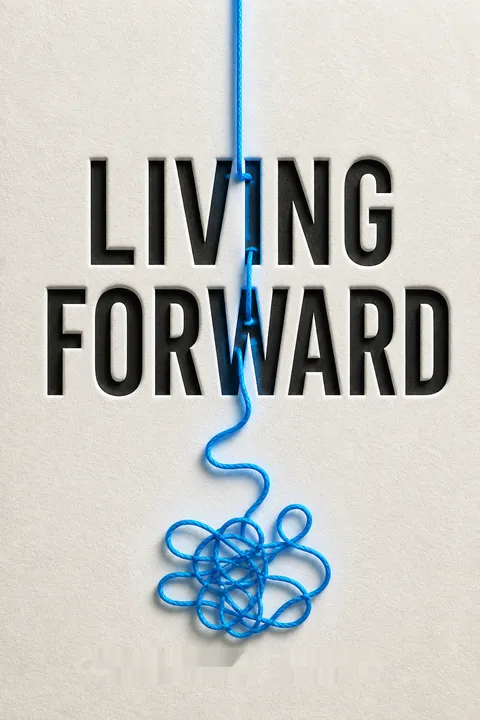
Living Forward is a practical guide to intentional life design, built around a simple claim: people are more likely to reach a life they value when they define its destination, assess their present position, and schedule actions across the major domains that matter. The book's narrative alternates between coaching tools and stories of career success that came with personal costs. Those stories give the method a human rationale: a promotion, a thriving company, or a packed calendar can look like progress while important relationships and health quietly deteriorate.
Its distinctive contribution is the translation of broad purpose into a usable document and a recurring practice. The reader does not stop at naming values. They imagine how they want to be remembered, define domains of responsibility, compare current conditions with a desired future, and make commitments concrete enough to put on a calendar. The later emphasis on reviews, boundaries, and calendar design recognizes that clarity alone rarely changes behavior. In that sense, the plan functions less like a prophecy than a feedback system.
The approach is strongest when it treats balance as appropriate attention rather than equal attention. Different seasons demand different allocations, and a useful plan can expose the tradeoffs rather than pretend they disappear. Its account-by-account structure is also a helpful antidote to career tunnel vision. Yet its language of choice and responsibility can overstate individual control. Economic insecurity, illness, disability, discrimination, and care obligations may constrain both time and options. A plan can clarify these realities, but it cannot dissolve them.
There is also a tension between imagining an attractive future and confronting present conditions. Positive vision can motivate, but fantasy without realistic obstacles may mislead. The book partly addresses this by pairing envisioned outcomes with honest assessment and incremental commitments. Used well, its method is neither relentless optimization nor a rigid life script. It is a way to keep attention, calendars, and values in conversation, revising direction as the person and circumstances change.
Review Summary
Living Forward receives mostly positive reviews for providing a practical step-by-step guide to creating a life plan. Readers appreciate its clear instructions, relatable anecdotes, and emphasis on intentional living. Many found it eye-opening and motivating, praising its ability to help clarify priorities and goals. The book's Christian perspective resonated with some but deterred others. Critics noted its brevity and felt it was overpriced. Overall, most reviewers found value in the book's approach to designing a purposeful life and avoiding aimless "drifting."
People Also Read







Glossary
Life Plan
Personal direction documentA short written guide created by an individual to describe desired outcomes across important areas of life, clarify priorities, and identify actions for moving from present conditions toward those outcomes. It includes a reflection on how the person hopes to be remembered and is intended to be reviewed and revised, rather than treated as a finished document.
the drift
Unchosen movement off courseThe gradual process by which a person moves away from intended priorities without making one deliberate choice to do so. The authors associate it with lack of awareness, distraction, overload, and beliefs that change is impossible. The metaphor emphasizes that apparently small decisions and circumstances can accumulate into a life direction the person did not consciously select.
Life Accounts
Domains of a whole lifeThe major areas a person chooses to examine and manage in a Life Plan. Examples include health, faith, relationships, work, finances, and recreation. The book compares them to financial accounts because each can be strengthened or depleted by the attention and resources invested in it. The categories and their order are personal and can change as life circumstances change.
Life Assessment Profile
Passion and progress assessmentAn assessment tool presented in the book for reflecting on the condition of each chosen Life Account. It considers two dimensions: passion, the person's enthusiasm or engagement in the area, and progress, the results or forward movement they experience. The authors describe it as a helpful reflective construct, not a scientific instrument or clinical diagnosis.
pull power
Future that motivates actionThe motivational force of a future that feels clear and desirable enough to influence present choices. In the book's account, a compelling picture of a better outcome can help someone persist through difficulty and see why particular actions matter. It is intended to make a plan emotionally engaging, while remaining connected to realistic commitments and current conditions.
Action Plan
Route from present to desiredThe section of a Life Plan devoted to one Life Account. It describes the person's role in that area, a desired future, the current reality, and specific commitments for narrowing the gap. An optional inspiring line can reinforce the purpose. The commitments should be clear and practical enough to schedule, and the plan can be adjusted as circumstances or priorities change.
Ideal Week
Preferred weekly time patternA planning tool that sketches how a person would distribute time during a typical week if they had meaningful control over the schedule. It assigns themes or focus areas to days and time blocks, including work, relationships, personal care, and rest. It serves as a reference for calendar decisions, not a claim that every week can follow the template exactly.
Annual Time Block
Advance yearly priority calendarA calendar-planning tool for reserving important dates and periods across the year, including holidays, vacations, major work events, and time with friends or family. The authors recommend placing significant commitments on the calendar before less important requests take available space. It provides a broad view of the year rather than attempting to predict every daily detail.
positive no
Boundary that preserves connectionA response to a request that protects a person's priorities without treating the requester dismissively. It begins by affirming what matters or acknowledging the relationship, states a clear refusal, and may offer another form of help or a different option. The approach contrasts with agreeing resentfully, refusing harshly, or avoiding the request altogether.
FAQ
What's "Living Forward" about?
- Purpose of the Book: "Living Forward" by Michael Hyatt and Daniel Harkavy is about creating a Life Plan to help individuals stop drifting through life and start living with intention and purpose.
- Life Planning: The book introduces the concept of Life Planning, a process that helps you articulate your personal priorities and create a roadmap for achieving the life you want.
- Structure: It is divided into three parts: understanding the need for a Life Plan, creating the plan, and making it happen.
- Outcome: The ultimate goal is to help readers design a life that aligns with their values and aspirations, leading to greater fulfillment and success.
Why should I read "Living Forward"?
- Clarity and Direction: The book provides tools and strategies to gain clarity about what truly matters in your life and how to prioritize those things.
- Avoiding Drift: It helps you avoid the common pitfall of drifting through life without a clear direction, which can lead to unfulfillment and regret.
- Practical Guidance: Offers a step-by-step approach to creating a Life Plan, making it accessible and actionable for anyone.
- Personal Growth: Reading the book can lead to personal growth by encouraging you to reflect on your life and make intentional choices that align with your goals.
What are the key takeaways of "Living Forward"?
- Life Planning is Essential: Creating a Life Plan is crucial for living a life of purpose and avoiding the drift.
- Three-Part Process: The book outlines a three-part process: understanding the need, creating the plan, and implementing it.
- Regular Review: Regularly reviewing and updating your Life Plan is necessary to keep it relevant and effective.
- Holistic Approach: The book emphasizes a holistic approach to life, considering all areas such as personal, professional, and relational aspects.
How do I create a Life Plan according to "Living Forward"?
- Dedicate a Day: Set aside a full day to focus solely on creating your Life Plan, free from distractions.
- Write Your Eulogy: Start by writing your eulogy to clarify how you want to be remembered and what legacy you wish to leave.
- Identify Life Accounts: Determine the key areas of your life, such as health, relationships, and career, and assess their current state.
- Set Specific Commitments: Develop actionable steps for each Life Account to move from your current reality to your envisioned future.
What is the "drift" as described in "Living Forward"?
- Definition: The "drift" refers to living life without a clear direction or purpose, often leading to unintended destinations.
- Causes: It can happen due to being unaware, distracted, overwhelmed, or deceived by false beliefs.
- Consequences: Drifting can result in confusion, lost opportunities, pain, and regret.
- Solution: The book advocates for creating a Life Plan to counteract the drift and live intentionally.
What are the benefits of having a Life Plan according to "Living Forward"?
- Clarifying Priorities: A Life Plan helps you identify and focus on what truly matters to you.
- Maintaining Balance: It ensures you give appropriate attention to all areas of your life, preventing burnout and neglect.
- Filtering Opportunities: With a clear plan, you can better evaluate and choose opportunities that align with your goals.
- Avoiding Regrets: By living intentionally, you reduce the likelihood of reaching the end of life with regrets.
How does "Living Forward" suggest implementing a Life Plan?
- Triage Your Calendar: Prioritize your commitments and eliminate nonessential activities to create margin for your Life Plan.
- Schedule Priorities: Use tools like the Ideal Week and Annual Time Block to ensure your priorities are reflected in your schedule.
- Learn to Say No: Develop the ability to decline requests that do not align with your Life Plan, preserving time for what matters most.
- Regular Review: Conduct weekly, quarterly, and annual reviews to keep your Life Plan alive and relevant.
What are some of the best quotes from "Living Forward" and what do they mean?
- "Success doesn’t just happen." This quote emphasizes the need for intentionality and planning to achieve success.
- "Life is not a dress rehearsal." It serves as a reminder that life is finite, and we must make the most of our time.
- "You can’t improve what you won’t face." This highlights the importance of confronting reality to make meaningful changes.
- "The first step towards getting somewhere is to decide you’re not going to stay where you are." It encourages taking action to move forward in life.
How does "Living Forward" address work-life balance?
- Dynamic Tension: The book suggests that balance is about giving appropriate, not equal, attention to different life areas.
- Self-Leadership: Emphasizes that self-leadership precedes team leadership, meaning personal balance impacts professional effectiveness.
- Life Accounts: Encourages managing various Life Accounts to ensure no area is neglected, promoting overall balance.
- Intentional Living: By living intentionally, you can better manage your time and energy across personal and professional domains.
What role does regular review play in "Living Forward"?
- Daily Reading: Initially, read your Life Plan daily to internalize it and keep it top of mind.
- Weekly Review: Conduct a weekly review to assess progress and make necessary adjustments to your plan.
- Quarterly and Annual Reviews: These reviews allow for deeper reflection and strategic adjustments to your Life Plan.
- Continuous Improvement: Regular reviews ensure your Life Plan evolves with your changing circumstances and goals.
How can "Living Forward" benefit organizations?
- Employee Engagement: Encouraging Life Planning can lead to more engaged and productive employees.
- Holistic Support: Shows employees that the organization cares about their overall well-being, not just their work performance.
- Cultural Advantage: A workforce that lives intentionally can create a positive and strategic cultural advantage.
- Implementation Process: The book provides a framework for organizations to support employees in creating and living their Life Plans.
What is the "Life Assessment Profile" in "Living Forward"?
- Assessment Tool: The Life Assessment Profile is an online tool designed to evaluate the condition of your Life Accounts.
- Passion and Progress: It measures both passion and progress in each Life Account to identify areas needing attention.
- Four States: The profile categorizes accounts into four states: Drift, Lift, Shift, and Gift, based on passion and progress levels.
- Guidance for Improvement: The assessment provides insights to help you focus on areas that require change to achieve your envisioned future.
About the Author
Other books by Michael Hyatt






Download PDF
Download EPUB
.epub digital book format is ideal for reading ebooks on phones, tablets, and e-readers.








