

Key Takeaways
Treat anger as boundary information, not a command to attack or disappear
Anger has a job. It can signal that a need is unmet, a boundary has been crossed, or something unfair requires action. The author argues that anger itself is not the enemy: the danger lies in being driven by it or suppressing it until it emerges indirectly. In his mixed anger-management groups, some participants acted out rage, while others insisted they never felt angry. Both patterns could feed distress and substance use, though they looked like opposites.
Keep the useful energy. Anger can help someone stand up for themselves or respond to injustice. Managing it means noticing what it signals, then choosing how to act. The aim is not to become endlessly calm or to erase anger, but to use its information without causing avoidable harm.
This framing avoids a common trap in emotional advice: treating unpleasant feelings as defects to eliminate. Emotion research often distinguishes a signal from the behavior it motivates. Anger can clarify that a person’s limits or values matter, while still offering an unreliable script for what to do next. That distinction protects both agency and accountability. A further question is whether the perceived boundary is legitimate, or whether it reflects an expectation that others must comply. The emotion deserves attention either way, but its intensity alone cannot settle that question.
Track anger before it turns into a story you mistake for truth
Make anger observable. The book uses a personal anger scale from 0 to 10 to build awareness of how intense anger feels in the present moment. Zero and 10 are described as rare extremes; the middle of the scale varies by person. A daily check-in can help someone notice patterns and recognize rising anger before it takes over. The author also recommends recording triggers, thoughts, actions, and body sensations after difficult moments.
Notice the story forming. A driver cuts you off, and irritation can rapidly grow into a tale about disrespect or deliberate provocation. Logging the trigger and the reaction creates a little distance between what happened and what the mind concluded. The book’s basic self-assessment offers a starting point, not a diagnosis, and encourages support when anger is causing serious problems.
Measurement can turn an indistinct feeling into something a person can examine, a principle shared with mood tracking and other forms of self-monitoring. The scale is useful precisely because it is personal, but that also limits comparisons: a 6 for one person may not resemble another person’s 6. Its best use is detecting change within an individual, not grading anger or proving progress. Recording the interpretation alongside the event is especially valuable, since perceived insult and observable behavior are different kinds of evidence.
Look beneath the flare for unmet needs, old injuries, and fear
Trace the trigger. Anger may be connected to present danger, insecurity, unmet needs, past hurts, or relationships that repeatedly press familiar buttons. The book illustrates this with Joseph, who stays composed at work but erupts at home over disagreements with his wife about parenting. The conflict affects the children, too: each family member experiences a different need as unmet, from respect and safety to peace and autonomy.
Separate today from history. A present disagreement can stir memories of earlier neglect or betrayal, making the current moment feel more threatening than it is. The author calls attention to trauma and adverse experiences that may remain emotionally raw, and advises professional help when such material is profound. A useful inquiry is: What do I need, what am I assuming, and what old hurt might this situation resemble?
The family example turns anger from a one-person flaw into a pattern of reciprocal reactions. That perspective resonates with family-systems thinking, where each person’s coping strategy can intensify another’s. It also discourages simplistic blame: understanding a trigger does not excuse yelling or coercion, but it can reveal a more productive target for change. One caution is that searching for hidden wounds can become speculative if every strong reaction is assigned a past cause. Present facts, unmet needs, and history should be considered together, without presuming that one explanation must account for everything.
Use RAIN to stay present with anger without obeying it
A four-part practice. RAIN is a mindfulness exercise for meeting a difficult emotion: Recognize it, Allow it to be present, Investigate what is happening, and Nurture yourself with compassion. For example, after an argument, someone might name the hurt and tension, pause rather than suppress them, notice how bodily tension fuels repetitive thoughts, and then decide what care or repair is needed.
Attention creates room. The exercise does not require anger to vanish. Naming a sensation or thought helps make it an experience being observed, rather than the whole of one’s identity. Allowing means making space for the feeling, not approving harmful behavior. Investigating encourages curiosity about its texture and meaning. Nurturing might involve self-compassion, movement, writing, or a supportive conversation. The author recommends choosing manageable material and seeking professional support for overwhelming trauma.
RAIN combines attentional skills with self-kindness, a useful pairing because observation without compassion can become cold self-surveillance. Its sequence also resembles a basic clinical regulation process: notice, tolerate, examine, and respond. The distinction between allowing an emotion and permitting an action is essential, particularly when anger involves threats or violence. The method is a practice, not a guarantee of immediate calm. If turning inward intensifies panic, traumatic memories, or dissociation, grounding in the environment or support from a qualified clinician may be safer than deeper investigation.
Read the body's warning signs, then create a pause before acting
Anger arrives physically. The book describes fight-or-flight changes such as faster breathing and heartbeat, muscle tension, sweating, narrowed vision, and heightened sensitivity. These reactions prepare the body to respond to perceived threat, but can also make ordinary conflicts feel urgent. The author notes that the body may take roughly 20 to 60 minutes to return to its pre-arousal state after a threat has passed.
Interrupt the sequence. Learn your early signs through breath awareness or a body scan, then create a pause before speaking or acting. If possible, leave the triggering situation and walk. If not, feel your feet on the floor, follow a few breaths, and notice where anger sits in the body. The pause is not the solution itself; it is the space in which a safer, more considered response becomes possible.
This body-first approach is practical because high arousal can narrow attention and make complex reasoning harder. It also corrects the mistaken idea that a person can simply argue themselves out of an activated state. A short walk or deliberate attention to breathing may help shift attention and reduce impulsive action. Yet physical cues are not perfectly specific: a racing heart may reflect exertion, fear, or excitement as well as anger. The goal is not to diagnose emotion from one sensation, but to use bodily signals as a prompt to check in and slow the response.
Unhook angry thoughts before they recruit your body into escalation
Thoughts can add fuel. Rumination, revenge fantasies, and rigid assumptions can intensify an already activated body. The book names thinking patterns that often worsen anger, including all-or-nothing judgments, personalization, blaming, and the belief that others should behave according to one’s rules. Mindfulness does not mean clearing the mind; it means observing thoughts as thoughts rather than treating each one as fact.
Follow the belief downward. The downward arrow technique asks a person to examine an upsetting thought by asking what it would mean if it were true, then repeating the question until a deeper belief appears. In the book’s example, worry about a poorly made family meal leads through fears of being a bad parent and being abandoned, down to a belief of personal failure. The point is to question that belief and consider a more balanced response, not to blame oneself for feeling angry.
The distinction between a thought and a fact is central to cognitive behavioral approaches, which help people test interpretations rather than accept them automatically. The downward inquiry can expose why a seemingly small event feels enormous. It also has a limit: finding a deep belief does not establish that the belief is the sole cause, or that a painful interpretation is false. The strongest use combines curiosity with evidence. What was actually said or done? What alternative explanations fit? That balance prevents both reflexive self-blame and reflexive certainty about another person’s motives.
Replace aggression and silence with direct, respectful communication
Say what is needed. The author distinguishes assertiveness from aggression. Assertiveness communicates a need or boundary directly while leaving room for reason; aggression relies on the force of the emotional reaction. Avoiding conflict is not a neutral alternative, since withheld anger can surface as sarcasm, withdrawal, procrastination, or resentment.
Listen before answering. The book recommends not interrupting, avoiding insults and blame, using a calm tone, and speaking from one’s own perspective. For couples, it describes a structured listening exercise: each person gets five to ten minutes to speak without interruption while the other listens, then they switch. The aim is to help each partner feel heard, not to win the argument immediately. When safety is at risk, however, communication exercises are no substitute for protection and appropriate professional help.
This advice connects emotion regulation with interpersonal skill: an individual may manage arousal internally, yet still need language that makes a boundary understandable to someone else. Uninterrupted listening can reduce the common failure of preparing a rebuttal before the other person has finished. But calm delivery should not become a demand that people discuss harm on equal terms when power or safety is unequal. In those situations, direct communication may not be safe or sufficient. The value of assertiveness lies in honest expression and clear limits, not in guaranteeing agreement or reconciliation.
Practice briefly every day to lower your baseline, not erase anger
Train between crises. Anger skills are easier to access when practiced outside the moment of conflict. The author favors regular, modest practice over concentrating all meditation into one weekly session. A few minutes of checking in with the body, observing thoughts, or cultivating compassion can make awareness more familiar. Exercise, adequate self-care, and reducing aggravating distractions are also presented as ways to support a lower resting anger level.
Build your own prescription. The book suggests combining body, mind, and heart practices, then keeping the tools that actually help. Someone might use breath awareness in a meeting, a walk after work, and a short compassion practice at home. The aim is not to become anger-free. It is to reduce the chance that everyday irritation accumulates unnoticed and to make skillful responses more available when a genuine trigger appears.
Daily repetition reflects a broader learning principle: skills become more accessible through practice in conditions that are less demanding than a crisis. Short practices may also be more sustainable than an ambitious plan that collapses after a few days. The idea of a personal toolkit respects differences in temperament and circumstance. Still, mindfulness should not be treated as a cure-all or a substitute for changing harmful conditions. A chronically unsafe home or punishing workplace may require practical intervention, not merely a lower baseline of emotional reactivity.
Seek support when anger threatens safety, relationships, or everyday functioning
Match help to need. The book offers a 16-question self-assessment as a reflection tool, not a diagnosis. It suggests that higher numbers of affirmative answers may be a reason to involve trusted people, a support group, or a professional. More important than any score are concrete consequences: physical harm, legal trouble, serious disruption at work, damaged relationships, or anger entangled with depression, anxiety, addiction, or trauma.
Make change practical. Anger appears in family life, intimate relationships, and work, where different needs and histories can collide. The author encourages readers to clarify their values and judge choices by whether they reduce harm to themselves and others. Mindfulness can help a person pause and choose, but it cannot guarantee safety or resolve every conflict. When someone may be hurt, prioritize immediate safety and seek qualified support rather than relying on a workbook alone.
This is an important boundary on self-help: personal reflection can support change, but serious impairment or risk calls for more than a private practice. In clinical care, matching support to severity helps avoid both extremes, treating every difficult feeling as a disorder and leaving dangerous behavior unaddressed. A checklist can open a conversation, but scores do not capture context, power, or imminent risk. The more useful question is whether anger is causing harm or narrowing a person’s life. If so, involving appropriate human support is a practical act of responsibility, not a verdict on character.
Analysis
The book’s central move is to separate anger’s information from anger’s impulse. That gives the reader a more useful task than suppression: notice what the emotion may be protecting, regulate the body enough to regain choice, then decide whether and how to act. Its workbook structure reinforces this progression. Readers assess anger, identify triggers and needs, practice attention to bodily and cognitive cues, and assemble an individual routine. The author’s experience with recovery, teaching, and therapy supplies a through-line: anger can be hidden, acted out, or redirected, and apparently opposite styles may share avoidance of the feeling itself.
The strongest contribution is its practical integration of body awareness, thought examination, self-compassion, and interpersonal communication. The 0-to-10 check-in makes a subjective state trackable; RAIN offers a repeatable sequence; the pause connects awareness to behavior. The examples make these ideas concrete, especially the household conflict in which each family member experiences needs as unmet. The book also avoids promising that anger can be eliminated, preserving the distinction between emotional regulation and emotional numbness.
Some explanations of brain function are simplified, and the book’s suggestions about trauma, memory, and physiology should not be mistaken for individualized clinical assessment. The claim that mindfulness supports agency is more persuasive than any implication that it can solve every source of anger. Anger can signal injustice or an unsafe relationship, and reducing distress is not the same as correcting the conditions producing it. The book partly addresses this by urging professional help when safety, functioning, or relationships are seriously affected. Its most durable lesson is therefore conditional: listen to anger, question the story attached to it, and choose a response proportionate to the actual situation. Mindfulness is not compliance or passivity. At its best, it makes firm, non-harmful action more possible.
Review Summary
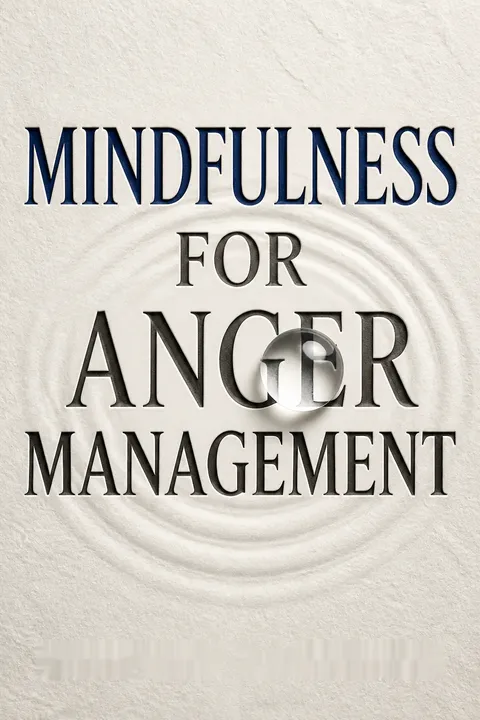
Mindfulness for Anger Management receives mostly positive reviews, with readers praising its practical approach, clear explanations, and helpful exercises. Many find it accessible and appreciate the author's personal experiences. Some readers highlight specific techniques like "the pause" and breathing exercises. Critics mention editing issues and similarity to other anger management books. A few readers express concerns about Buddhist references. Overall, reviewers find the book valuable for understanding and managing anger through mindfulness techniques.
People Also Read









Glossary
Mindfulness of Anger Scale
Personal anger check-inA 0-to-10 scale for noticing the intensity of anger in the present moment. The book treats the middle range as individual rather than universal, so the scale is most useful for recognizing one person’s patterns and changes over time. It is a self-observation tool, not a diagnostic instrument.
RAIN
Four-step emotion practiceA mindfulness practice consisting of Recognize, Allow, Investigate, and Nurture. A person names a difficult experience, permits it to be present without endorsing harmful action, examines it with curiosity, and offers appropriate care or compassion. The book presents RAIN as a way to relate differently to anger and other difficult feelings.
Wise mind
Emotion and reason togetherA state in which emotional and survival-related signals are considered alongside rational judgment. In the book, wise mind does not dismiss anger or instinct; it brings those signals into conversation with reflection, allowing a person to assess needs and choose actions more deliberately.
Downward arrow technique
Inquiry into core beliefsA cognitive behavioral technique for exploring the meaning attached to a troubling thought. The person asks what it would mean if the thought were true, then repeats the question to uncover a deeper belief. The book uses it to reveal assumptions that may intensify anger and to help the reader consider a more balanced belief.
Frustration tolerance
Capacity to endure distressThe ability to experience unpleasant emotions, sensations, or thoughts without immediately escaping them or acting impulsively. The book connects this capacity to anger management: noticing and tolerating frustration can create room to understand the emotion and choose a response rather than automatically reacting.
Download PDF
Download EPUB
.epub digital book format is ideal for reading ebooks on phones, tablets, and e-readers.








