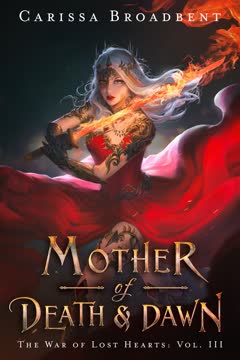
Plot Summary
Prologue: What Would You Do?
The story opens with a woman battered by loss, standing before an unbreakable prison. She has conquered cities and ended wars, but now she is reduced to a single, all-consuming purpose: to save the man she loves. Each failed attempt to breach the prison leaves her more scarred, but her determination only grows. The stormy night, the blood, the lightning—these are the crucible in which her love and fury are forged. The prologue sets the tone: this is a tale of sacrifice, obsession, and the impossible choices we make for those we cannot bear to lose.
Shattered Magic, Shattered Hearts
Tisaanah, disguised and infiltrating a Threllian estate, is a shadow of her former self. Her magic, once a force of nature, is now unreliable, and she survives by being exactly what others expect. The world is at war, alliances are shifting, and a mysterious artifact—the wayfinder—becomes bound to her. The illusion of safety shatters as her identity is exposed, and she is forced to flee, wounded and desperate. The chapter is a study in vulnerability: the cost of hiding, the pain of loss, and the flickering hope that something powerful might still be within reach.
Prisoners and Survivors
Max, imprisoned in Ilyzath, clings to sanity by drawing the same three shapes over and over. Haunted by visions—especially a burning girl—he is tormented by guilt and fragmented memories. The prison itself is alive, whispering that nightmares are real. Meanwhile, Tisaanah's escape is fraught with betrayal and violence, as she is forced to kill and leave others behind. Both are trapped: one by stone and magic, the other by the weight of her choices. Their stories echo with longing for connection and the agony of survival.
The Cost of Vengeance
Aefe, once Reshaye, is reborn in a body that feels both alien and empty. She is haunted by dreams of torture and abandonment, and her rage is barely contained. Caduan, the Fey king, tries to reach her, but she is consumed by the knowledge that she is wanted only as a weapon. The chapter explores the aftermath of violence: the scars it leaves, the cycles it perpetuates, and the desperate need to be more than what others have made you.
Rebellion's Fragile Hope
Tisaanah, now a leader of the rebellion, is torn between her duty to her people and her love for Max. The rebellion has won victories, but every gain is precarious. Attempts to rescue Max from Ilyzath have failed, costing lives and hope. The artifact she carries may be the key, but it is not the weapon she dreamed of. The chapter is a meditation on the burdens of leadership: the pain of letting others down, the anger at being forced to choose, and the stubborn refusal to give up.
The Weight of Leadership
Tisaanah's friends and allies, once united, now question her priorities. She is forced to accept that she cannot save everyone, and the cost of each failed rescue attempt grows heavier. The rebellion's leaders debate whether to risk more lives for Max, and Tisaanah is left feeling abandoned and furious. The chapter is suffused with the ache of loss and the bitterness of being seen as a liability, even by those you love.
The King's Bargain
Aefe, struggling to find purpose, is drawn into Caduan's world. He challenges her to create, not just destroy, and together they begin to unlock new magic. Meanwhile, the Threllians and Fey plot against each other, and the wayfinder's true nature is revealed: it is a key to the Lejaras, ancient sources of magic that can reshape reality. The chapter is a dance of trust and manipulation, as each character seeks to use the others for their own ends.
The Price of Power
Max, subjected to brutal experiments, is pushed to the edge of death in the hope of unlocking a weapon for Ara. Tisaanah, haunted by visions of Max's suffering, is forced to choose between her people and her heart. The artifact's magic is volatile, and the cost of wielding it is high. The chapter is a crucible: pain, hope, and the willingness to risk everything for a chance at salvation.
Reunion and Ruin
Max escapes Ilyzath with Brayan's help, but the world he returns to is in chaos. Tisaanah, captured and tortured, orchestrates her own rescue from within the Zorokov estate, setting the stage for a final confrontation. The rebellion's victory is hard-won and costly, and the lines between justice and vengeance blur. The chapter is a collision of past and present, as old wounds are reopened and new alliances are forged.
The Heart of Change
The wayfinder leads Tisaanah and Max to Niraja, where they confront the Lejara of change. Together, they wield its power, reshaping the world but at great personal cost. Aefe, torn between love and vengeance, must decide whether to perpetuate the cycle of destruction or break it. The chapter is a meditation on the possibility of change: for individuals, for nations, and for the world itself.
The Fall of Threll
The Threllian Lords are overthrown, and the Alliance of Seven Banners is born. The rebels must decide how to treat their former oppressors, and Tisaanah argues for unity and mercy. The cost of victory is high—loved ones are lost, and the future is uncertain. The chapter is a reckoning: with the past, with the desire for revenge, and with the hope for something better.
The Fey and the Queen
Nura, driven mad by her pursuit of power, unleashes an army of the dead upon Ara. The Fey, led by Caduan and Aefe, arrive to claim the Lejaras and settle old scores. The Orders are disbanded, and the world teeters on the brink of annihilation. The chapter is a storm: old enemies clash, new alliances are tested, and the fate of magic itself hangs in the balance.
The End of Orders
With the destruction of the Towers and the disbandment of the Orders, Ara must find a new way forward. Max and Tisaanah, now leaders in their own right, struggle to build something lasting from the ruins. The past cannot be erased, but it can be transformed. The chapter is a quiet revolution: the end of old institutions, the birth of new dreams, and the fragile hope that healing is possible.
The Last Lejara
Max and Tisaanah journey to Ilyzath, where the last Lejara—death—awaits. The Fey king, dying and desperate, seeks to use its power to secure his people's future, even at the cost of the world. Aefe, torn between love and rage, must decide whether to save Caduan or let go. The chapter is a crucible of sacrifice: the willingness to give everything for the chance to heal what has been broken.
The Collapse of Magic
The boundaries between magic and reality are torn asunder. The Lejaras threaten to consume the world, and only by wielding all three—life, change, death—can the wounds be closed. Aefe and Caduan, united in love and loss, give themselves to seal the breach. Max and Tisaanah, on the brink of death, lend their strength. The chapter is an ending and a beginning: the closing of one era, the birth of another.
Sacrifice and Salvation
The world is saved, but at great cost. Aefe and Caduan are gone, their sacrifice the price of survival. The Fey and humans, exhausted by war, agree to peace. Max and Tisaanah, battered but alive, must reckon with the losses they have endured and the future they must build. The chapter is a meditation on the meaning of sacrifice: what we give up, what we gain, and the hope that endures.
A New Dawn
The world begins to heal. The Orders are replaced by new institutions, the Alliance of Seven Banners takes root, and the Fey find new leadership. Max and Tisaanah, finally free, build a home and a family. The scars of the past remain, but they are no longer chains. The chapter is a celebration of resilience: the courage to hope, the strength to forgive, and the joy of living.
Epilogue: The Shape of Hope
Years pass. Max and Tisaanah's family grows, and the world they fought for becomes real. The past is never forgotten, but it is transformed by the choices they make every day. The story ends not with triumph or tragedy, but with the simple, profound act of living: a cup of tea at dawn, a garden in bloom, a promise kept. Hope, fragile and fierce, endures.
Characters
Tisaanah Vytezic
Tisaanah's journey is one of transformation: from enslaved dancer to revolutionary leader, from desperate lover to architect of a new world. Her magic, once a source of power and pride, becomes unreliable, forcing her to rely on wit, empathy, and sheer will. She is haunted by guilt—over those she cannot save, over the pain she inflicts, over the love she fears to claim. Her relationship with Max is the story's emotional core: a love forged in trauma, tested by separation, and ultimately redeemed by sacrifice. Tisaanah's greatest strength is her refusal to give up, even when hope seems impossible. She is a study in resilience: scarred, stubborn, and fiercely compassionate.
Maxantarius Farlione (Max)
Max is a man defined by loss: the destruction of his family, the horrors of war, the torment of Ilyzath. His magic is both a gift and a curse, and his mind is fractured by trauma and guilt. Imprisoned and experimented upon, he clings to sanity through ritual and memory. His relationship with Tisaanah is both a lifeline and a source of pain, as he struggles to believe he is worthy of happiness. Max's arc is one of healing: reclaiming his past, accepting his flaws, and choosing to build a future. He is a portrait of vulnerability: strong, yes, but never invulnerable, and his greatest victory is learning to hope again.
Aefe / Reshaye
Once a Fey princess, then a centuries-old weapon of mass destruction, Aefe is reborn in a body that feels both alien and empty. She is consumed by rage at those who used and abandoned her, and her journey is a search for identity beyond pain. Her relationship with Caduan is fraught: he wants to save her, but she fears being used again. Aefe's arc is a meditation on trauma: the struggle to be more than what others have made you, the longing for connection, and the possibility of redemption. Her final act—choosing creation over destruction—transforms her from a symbol of vengeance to one of hope.
Caduan Iero
The Fey king is a man driven by loss: the destruction of his house, the suffering of his people, the betrayal of friends. He is brilliant, calculating, and ruthless, but beneath his calm exterior burns a fury that threatens to consume him. His love for Aefe is both his salvation and his undoing, as he risks everything to bring her back. Caduan's arc is a study in the dangers of unchecked power: the temptation to remake the world, the cost of vengeance, and the courage to let go. His final sacrifice is an act of love, not hate—a choice to heal rather than destroy.
Nura Qan
Nura is a woman shaped by trauma and ambition. Once Max's closest friend, she becomes his greatest enemy, driven mad by her pursuit of power and her fear of weakness. Her magic is both her weapon and her curse, and her army of the dead is a testament to her willingness to do anything to survive. Nura's arc is a cautionary tale: the cost of sacrificing everything for victory, the loneliness of leadership, and the tragedy of a love that becomes poison. Her end is not triumphant, but pitiful—a warning of what happens when the desire for control eclipses all else.
Sammerin Imat
Sammerin is the story's moral compass: steady, compassionate, and unflinching in his loyalty. He is Max's oldest friend and Tisaanah's confidant, offering wisdom and comfort in the darkest moments. His magic is not flashy, but it is essential: the power to heal, to mend, to restore. Sammerin's arc is one of quiet heroism: he does not seek glory, but his presence is a constant reminder that survival is not enough—we must also care for each other.
Brayan Farlione
Brayan is Max's older brother, a man defined by duty and haunted by loss. His relationship with Max is fraught: love and resentment, admiration and anger, all tangled together. Brayan's arc is a study in the limits of forgiveness: the struggle to accept what cannot be changed, the pain of betrayal, and the hope that one day, wounds might heal. He is both a mirror and a foil to Max: where Max seeks redemption, Brayan seeks justice, and their reconciliation is hard-won and incomplete.
Meajqa Sai'Ess
Meajqa, son of Ishqa and nephew to Caduan, is a man marked by trauma: tortured by Nura, maimed, and left to rebuild. He is both cynical and hopeful, a bridge between worlds. His arc is one of reluctant leadership: he does not seek power, but he accepts it when it is thrust upon him. Meajqa's journey is a meditation on the cost of survival: the scars we carry, the anger we cannot let go, and the possibility of peace.
Ishqa Sai'Ess
Ishqa is a figure of regret: once a trusted advisor, now an outcast haunted by the consequences of his choices. He aids the rebellion, but his motives are complex—part guilt, part hope, part love for his estranged son. Ishqa's arc is a study in atonement: the struggle to make amends, the pain of being unable to undo the past, and the courage to keep trying anyway. His death is both a tragedy and a release.
Serel
Serel is Tisaanah's oldest friend, the one who first set her on the path to freedom. He is a survivor, a leader, and a source of unwavering support. His arc is one of loss and resilience: he endures heartbreak, but he never loses his capacity for love. Serel is a reminder that hope is not naive—it is necessary.
Plot Devices
The Lejaras (Life, Change, Death)
The Lejaras are the story's central plot device: three pools of deep magic—life, change, and death—that can be used to reshape reality itself. They are both a prize and a curse, sought by all sides for their power. The wayfinder, bound to Tisaanah, leads the rebels to them, but wielding their magic comes at a terrible cost. The Lejaras are a metaphor for the dangers of unchecked ambition: the temptation to remake the world, the risk of losing oneself, and the necessity of balance. Their use is foreshadowed throughout the narrative, and their ultimate sealing marks the end of an age.
Dual Narrative Structure
The story alternates between Tisaanah and Max (with Aefe and Caduan as key secondary voices), allowing the reader to experience both the personal and political stakes of the conflict. This structure deepens the emotional impact: we see the same events from different angles, understand the motivations behind betrayal and sacrifice, and feel the weight of choices that ripple across lives and nations. The narrative is cyclical: past traumas echo in present actions, and the possibility of change is always shadowed by the fear of repeating old mistakes.
Magic as Metaphor
Magic in this world is not just a tool—it is a reflection of the characters' inner lives. Tisaanah's unreliable magic mirrors her uncertainty; Max's broken connection to his power is a metaphor for his fractured mind. The Lejaras, with their promise of creation and destruction, embody the story's central question: can we change, or are we doomed to repeat the past? The collapse of magic is both literal and symbolic: the end of an era, the closing of old wounds, and the hope for something new.
Foreshadowing and Recurrence
The story is rich with foreshadowing: dreams of burning girls, visions of the future, the recurring motif of the three shapes. These elements create a sense of inevitability, but also of possibility: the past cannot be undone, but it can be transformed. The final chapters echo the beginning, as characters are forced to confront the choices that brought them here and decide what kind of world they want to leave behind.
Analysis
Mother of Death & Dawn is a sweeping epic that explores the cost of survival in a world defined by violence and loss. At its heart, it is a story about the scars we carry—on our bodies, in our hearts, and across the landscapes of nations. The characters are shaped by trauma, but they are not defined by it: their greatest acts are not those of destruction, but of creation, forgiveness, and hope. The Lejaras, as sources of ultimate power, are both a temptation and a warning: the desire to remake the world is understandable, but it is only by accepting our imperfections—and the imperfections of others—that true change is possible. The novel's modern resonance lies in its refusal to offer easy answers: justice is never simple, healing is never complete, and the future is always uncertain. But in the end, it is the act of living—of loving, of building, of hoping—that gives meaning to survival. The story's final image—a family in a garden, daring to look forward—is a quiet, radical act of faith in a broken world.
Last updated:
Review Summary
Mother of Death & Dawn concludes Carissa Broadbent's War of Lost Hearts trilogy, receiving overwhelmingly positive reviews. Readers praise the intricate world-building, complex characters, and emotional depth. Many found the ending satisfying, though bittersweet. The book explores themes of love, sacrifice, and redemption. Some criticism focused on pacing and length. Overall, fans were deeply moved by the characters' journeys and consider the series a standout in fantasy romance. The epilogue left many readers in tears, cementing the trilogy's impact.
Similar Books


About the Author
Download PDF
Download EPUB
.epub digital book format is ideal for reading ebooks on phones, tablets, and e-readers.





