
Plot Summary
Prologue: A Boy in Darkness
On a desolate island, a vampire boy survives on blood and cunning, haunted by his mother's warnings of royal blood's dangers. When a mysterious man arrives, offering a path to power and knowledge, the boy faces a choice: remain in obscurity or risk everything for a chance at freedom. The man's promise is not of comfort, but of illumination and the conquering of fear. The boy, desperate for more than survival, takes the man's hand, setting in motion a journey of sacrifice, ambition, and the slow, inevitable loss of innocence. This is the tale of how a fallen one ascends, not in glory, but through cascading decisions and the desperate hope for redemption.
Death's Door Opens
Mische, once a devout acolyte, dies with the blood of her god on her hands and awakens in the underworld, greeted by Vincent, the dead vampire king. The underworld is in chaos, cracks splitting the sky and monstrous souleaters devouring souls. Mische learns her actions—killing Atroxus and disrupting the resurrection spell—have destabilized the underworld, threatening all realms. Vincent, sent by mysterious divine forces, urges her to act. Haunted by guilt and the memory of her lover Asar's agony, Mische chooses to fight for the world she helped break, setting out with Vincent to find a way to repair the damage and reunite with Asar.
The Underworld in Ruin
Asar, now bearing a seed of divinity, is imprisoned by the gods in utter darkness, tormented by memories of Mische's death. The gods, fractured and desperate, attempt to use Asar's power to restore the sun and order, but their efforts fail, revealing their own divisions and fears. Asar's hatred for the goddess Shiket, who killed Mische, sharpens his resolve. He seizes a shard of the sun, orchestrates a violent escape, and is driven by a single purpose: to find Mische and defy the gods' manipulations. His journey is marked by cunning, violence, and the unyielding hope that Mische is not truly lost.
Chains of the Divine
Asar is drawn into the machinations of Acaeja, goddess of fate, who offers him a choice: sever his bond with Mische for power and stability, or risk everything to save her and the underworld. The path to divinity requires gathering Alarus's relics—mask, eye, and heart—each a deadly trial. Asar's decision is shaped by love and guilt, binding his fate to Mische's. Meanwhile, Mische, guided by Vincent, faces the horrors of the underworld and her own complicity. Both are forced to confront the cost of their choices, the manipulations of gods, and the thin line between sacrifice and self-destruction.
Bargains and Betrayals
Reunited in the mortal world, Asar and Mische navigate the treacherous politics of the House of Shadow. Asar forges an uneasy alliance with his sister Egrette, swearing fealty to secure Mische's safety and a chance to retrieve Alarus's mask during the Melume, a night when the past and present merge. Mische, now a wraith, struggles with her fading mortality and the burden of her actions. Together, they face betrayals, old wounds, and the relentless pursuit of divine and mortal enemies, all while racing against time to prevent the collapse of the underworld and the annihilation of countless souls.
The Melume's Blood Moon
During the Melume, as the House of Shadow is swept into a grand, ghost-haunted celebration, Asar and Mische attempt to steal Alarus's mask. The past overlays the present, and the boundaries between worlds blur. Allies and enemies collide—Raihn, Mische's old friend, arrives, torn between rescue and understanding. The heist spirals into chaos as the mask is claimed, but Mische is seized by a souleater and dragged back toward death. Asar, wielding forbidden power, shatters the veil to save her, but each act of salvation further destabilizes the world, and the cost of their love grows ever steeper.
The Mask and the Eye
To ascend, Asar and Mische must gather Alarus's relics. Their quest leads them to Ryvenhaal, Asar's childhood prison, where they confront Gideon, Asar's cruel mentor. Betrayal and violence ensue as Asar extracts the knowledge needed to claim the mask. In the deadlands, they face the Keeper, a lesser god, and the haunted ruins of a world destroyed by divine war. Mische's growing power, and her connection to the dead, become both weapon and curse. Each relic claimed brings them closer to divinity—and to the edge of losing themselves, as the voices of gods and the wounds of the past threaten to consume them.
Descent into the Deadlands
Guided by Bloodborn allies and a seer, Asar and Mische traverse the deadlands, a realm of godly ruin and forgotten horrors. They witness the aftermath of the gods' ancient betrayals, the devastation of Nyaxia's rage, and the lingering pain of souls denied peace. The execution site of Alarus becomes a battleground, as Srana, goddess of machinery, confronts them. Mische, wielding the eye of Alarus, ascends in power, while Asar teeters on the brink of losing his humanity. Their journey is a crucible, forging them into something new—neither mortal nor god, but something in between, shaped by love, loss, and the will to heal.
The Heart of Alarus
The final relic, Alarus's heart, is revealed to be in Nyaxia's possession. Asar bargains with the goddess, offering his own heart in exchange for the power to save the underworld and Mische. The ritual is brutal: Asar's mortality is sacrificed, and he is remade as the god of death, his soul fractured and distant. Mische, refusing to let him go, confronts him in a final, desperate battle. She chooses not to destroy him, but to love him, and in doing so, reclaims his mortal heart. Their union, forged in pain and hope, becomes the key to restoring balance and defying the gods' cruel games.
Ascension and Sacrifice
Asar, now the god of death, is hollowed by divinity, his memories and love for Mische nearly erased. Nyaxia commands him to raise an army of the dead, but the underworld resists. Mische, guided by the dead and her own indomitable will, journeys through the ruined underworld, gathering the pieces of Asar's lost self. In a final confrontation in Morthryn, their home, Mische refuses to become a god by destroying Asar. Instead, she offers him love and forgiveness, and together they share the burden of divinity, each holding a piece of Alarus's heart. Their reunion is both an ending and a beginning.
The God of Death
Asar's new existence as a god is marked by emptiness and the ache of what he has lost. Nyaxia, seeking to reclaim her husband through Asar, finds only disappointment. The gods' war looms, and Asar is commanded to raise the dead as an army. Yet the underworld, now partially restored by Mische's compassion, resists being weaponized. The voices of the mask, eye, and heart urge conquest, but a wound of memory lingers. Asar's divinity is incomplete without the mortal love he sacrificed, and the world teeters on the edge of annihilation or renewal, depending on whether he can remember what truly matters.
The Queen of the Dead
Mische, neither fully alive nor dead, becomes the queen of the underworld through her acts of mercy and courage. Guided by Vincent and the souls she has helped, she repairs the wounds of the Descent, confronts her sister Saescha's tormented soul, and claims her own power. She refuses the easy path of vengeance or godhood, choosing instead to heal, forgive, and love. Her journey is one of self-acceptance, as she learns that her scars and failures are as much a part of her strength as her victories. In the end, she is chosen by the dead, and her compassion becomes the foundation of a new kingdom.
War of Gods and Mortals
The gods' war erupts, with Nyaxia and Shiket unleashing their armies upon the world. The Houses of Shadow and Blood, manipulated by Nyaxia, become instruments of conquest, while the House of Night, protected by Acaeja, stands as a fragile bastion of hope. Asar and Mische, now king and queen of the House of Death, refuse to be pawns, using their power to shield the innocent and repair the underworld. The cost is immense—betrayals, sacrifices, and the ever-present threat of losing themselves to the divinity they wield. Yet, through love and alliance, they forge a path of resistance, determined to shape a future worth living for.
Home Among the Ruins
In the aftermath of war, Asar and Mische rebuild Morthryn and the House of Death, welcoming friends and former enemies alike. They mend the underworld, heal old wounds, and find peace with the ghosts of their pasts. Mische is reunited with her sister's soul, and Asar with the home he never thought he deserved. Together, they learn that true strength lies not in sacrifice, but in the refusal to abandon hope. Their love, tested by gods and fate, becomes a beacon for a world in need of healing. Amidst the ruins, they find joy, laughter, and the promise of a future.
The Wedding in Poppies
In a field of poppies, Asar and Mische wed in the ancient Vathysian tradition, binding body, breath, psyche, secrets, and soul. Their ceremony, both magical and deeply personal, is a celebration of survival, love, and the choice to embrace life despite pain and uncertainty. Surrounded by friends, the dead, and the living, they dance, laugh, and dream of a future together. Their union is not an end, but a vow to continue fighting for each other and for the world they hope to build—a world where even the most broken souls can find home.
The Price of Divinity
Asar and Mische, now rulers of the House of Death, bear the marks of their journey—scars, divine power, and the weight of memory. They face the challenges of leadership, the threat of renewed war, and the lingering wounds of betrayal. Yet, they are not alone. With allies at their side and the lessons of the past to guide them, they choose to build rather than destroy, to forgive rather than avenge. The price of divinity is high, but they pay it together, finding meaning in the imperfect, the mortal, and the love that endures beyond gods and fate.
The End and the Beginning
As the world recovers from cataclysm, the gods' war simmers, and new threats emerge. The House of Death stands as a testament to resilience and the possibility of change. Asar and Mische, scarred but unbroken, lead with compassion and strength, determined to protect the living and the dead. Their story is not one of easy victories, but of hard-won hope, the refusal to surrender to despair, and the belief that even in darkness, love can carve a path home. The end of one era is the beginning of another, and their journey—like the world they fight for—remains unfinished, full of possibility.
Characters
Asar Voldari
Asar is the illegitimate son of a vampire king, raised in darkness and forged into a weapon by a cruel mentor. Marked by scars—both physical and emotional—he is driven by a hunger for freedom and a desperate need to protect those he loves. His relationship with Mische transforms him, awakening compassion and hope, but also exposing his deepest fears of loss and failure. Asar's journey from exile to godhood is fraught with sacrifice: he bargains with gods, endures torture, and ultimately gives up his mortality to save the world and Mische. Yet, divinity brings emptiness, and only through Mische's love does he reclaim his heart and humanity. Asar's arc is one of self-forgiveness, learning that true strength lies not in destruction, but in the courage to build and love despite pain.
Mische Iliae
Mische begins as a faithful servant of Atroxus, shaped by religious trauma and the scars of betrayal. Her transformation into a vampire, and later a wraith, forces her to confront the lies she was taught and the cost of blind faith. Mische's compassion is both her greatest strength and her deepest vulnerability—she is haunted by guilt, yet refuses to abandon hope. Her love for Asar is fierce and self-sacrificing, but she learns to fight for her own life and happiness. Through acts of mercy and courage, she becomes the queen of the underworld, chosen by the dead for her empathy and resilience. Mische's journey is one of self-acceptance, the embrace of imperfection, and the refusal to let pain define her. Her arc is a testament to the power of forgiveness, both for others and herself.
Vincent
Vincent, the former king of the House of Night and Oraya's adoptive father, is a figure of immense power and deep regret. In death, he is tasked with guiding Mische through the underworld, a mission that forces him to confront his failures and the consequences of his ambition. Vincent's relationship with Oraya is marked by love and betrayal; he is tormented by the knowledge that his actions hurt those he cared for most. His guidance is often harsh, but beneath it lies a desperate hope for redemption. Vincent's arc is one of atonement—he cannot undo the past, but he chooses to help Mische and, by extension, Oraya, in the hope that some good can come from his mistakes. His story is a meditation on the limits of power and the enduring need for forgiveness.
Egrette
Egrette, Asar's half-sister and queen of the House of Shadow, is a study in ambition and insecurity. Raised in a brutal court, she is both a victim and perpetrator of its cruelty. Her relationship with Asar is fraught—rivalry, resentment, and a grudging respect. Egrette's rule is challenged by internal dissent and the machinations of gods, forcing her into uneasy alliances and acts of violence. She is pragmatic, willing to sacrifice others for her own survival, yet not without moments of vulnerability. Egrette's arc is one of adaptation; she is shaped by the shifting tides of power, always calculating, always wary. Her story explores the costs of leadership in a world where trust is a liability and mercy a weakness.
Raihn
Raihn, king of the House of Night and Mische's closest friend, is defined by loyalty, resilience, and the scars of past trauma. His relationship with Mische is a lifeline for both—two survivors who learned to trust and hope together. Raihn's rule is tested by divine war, betrayal, and the burden of protecting his people. He is pragmatic, often forced to make hard choices, but never loses his capacity for kindness. Raihn's arc is one of growth: from a man haunted by loss to a leader willing to fight for a better future. His friendship with Mische is a source of strength, and his willingness to forgive and adapt is key to the survival of his kingdom.
Oraya
Oraya, Vincent's adopted daughter and queen of the House of Night, is a figure of quiet strength and deep longing. Her journey is marked by the search for identity and acceptance, both as a human among vampires and as a ruler in a world shaped by gods. Oraya's relationship with Vincent is complex—love, betrayal, and the ache for closure. She is fiercely protective of her people and those she loves, willing to make sacrifices for their safety. Oraya's arc is one of self-assertion: she claims her place as queen, forges alliances, and learns to trust her own judgment. Her story is a meditation on the meaning of family, the pain of loss, and the courage to lead with compassion.
Gideon
Gideon, Asar's childhood mentor, is a master of manipulation and cruelty, shaping Asar into a weapon for the House of Shadow. His belief in the value of suffering and sacrifice leaves deep scars on Asar's psyche. Gideon's machinations extend beyond the grave, as he plants traps and betrayals that threaten to unravel everything Asar and Mische fight for. He is a symbol of the dangers of unchecked ambition and the legacy of abuse. Gideon's arc is one of hubris—his belief in his own superiority blinds him to the consequences of his actions, and in the end, he is undone by the very hunger for power he instilled in his pupil.
Nyaxia
Nyaxia, mother of vampires and widow of Alarus, is a being of immense power and loneliness. Her grief over Alarus's death shapes her every action, driving her to create a kingdom of blood and shadow. Nyaxia's relationship with Asar is fraught—she seeks to reclaim her husband through him, but is ultimately disappointed by his refusal to become what she desires. Her war with the White Pantheon is both personal and cosmic, a struggle for meaning in a world defined by loss. Nyaxia's arc is one of tragic ambition: her refusal to let go of the past blinds her to the possibility of healing, and her quest for vengeance perpetuates the cycle of suffering.
Shiket
Shiket, goddess of war and justice, is the embodiment of divine retribution. Her pursuit of order is ruthless, and she is willing to sacrifice anything—and anyone—for her vision of what is right. Shiket's actions set much of the conflict in motion, from the execution of Alarus to the slaughter of the House of Night. She is both judge and executioner, blind to the nuances of mercy or forgiveness. Shiket's arc is one of rigidity: her inability to adapt or empathize makes her a formidable enemy, but also a tragic figure, doomed to repeat the mistakes of the past.
Acaeja
Acaeja, goddess of fate and spellcasting, is a figure of enigmatic power and cold calculation. She intervenes at crucial moments, offering bargains and protection, but always with her own interests in mind. Acaeja's relationship with Asar and Mische is transactional—she sees their potential as tools in the coming war, but also recognizes the unique power of their bond. Her arc is one of manipulation: she shapes events from the shadows, always seeking the path that will preserve the world, even at great cost. Acaeja is a reminder that fate is not fixed, but forged through choice and sacrifice.
Plot Devices
Dual Protagonists and Interwoven Narratives
The novel alternates between Mische and Asar's perspectives, each with distinct voices and emotional arcs. Their stories begin apart—Mische in the underworld, Asar in divine captivity—and gradually converge as they fight to reunite and repair the world. This duality allows for deep exploration of trauma, love, and the cost of sacrifice, while also providing contrasting views on faith, power, and redemption. The interwoven narratives heighten tension, as each protagonist's choices ripple across the other's path, culminating in a shared destiny that neither could achieve alone.
Divine Relics and the Quest Structure
The quest for Alarus's mask, eye, and heart structures the plot, each relic representing a stage in the protagonists' transformation. The relics are not mere MacGuffins; they are imbued with history, power, and psychological weight. Claiming them requires confronting personal and collective trauma, facing betrayals, and making impossible choices. The relics also serve as conduits for the voices of gods, blurring the line between agency and manipulation. The quest structure provides momentum, while the relics' symbolism deepens the novel's exploration of identity, legacy, and the price of power.
The Collapse of the Underworld as Metaphor
The physical collapse of the underworld mirrors the psychological and moral unraveling of the characters. As cracks spread through the realms, so too do doubts, regrets, and the consequences of past actions. The underworld's decay is both a literal threat and a metaphor for the failure of old systems—religious, political, and personal. Healing the underworld requires not just magical feats, but acts of forgiveness, self-acceptance, and the forging of new bonds. This device ties the epic scale of the plot to the intimate struggles of the protagonists.
Foreshadowing and Cyclical Structure
The novel is rich in foreshadowing, from the prologue's warnings about the cost of freedom to the recurring motifs of sacrifice and the inevitability of loss. The structure is cyclical: the story begins and ends with choices made in darkness, with the protagonists returning to the places and wounds that shaped them. The use of interludes—glimpses into the past, the gods' perspectives, and the future—reinforces the sense that history repeats, but can also be rewritten. This cyclical approach underscores the themes of fate, agency, and the possibility of change.
The Power of Names and Memory
Names, memories, and the act of remembering are central plot devices. The loss and reclamation of identity—Asar's struggle to remember himself as a god, Mische's refusal to let go of her scars—are both sources of vulnerability and strength. The dead are guided by the memory of who they were; the living are haunted by the names they cannot forget. The act of naming, forgiving, and loving becomes an act of resistance against the erasure wrought by gods and trauma. This device ties the supernatural stakes to the deeply human need for connection and meaning.
Analysis
The Fallen & the Kiss of Dusk is a sweeping, emotionally charged epic that interrogates the nature of sacrifice, the cost of power, and the redemptive potential of love. At its core, the novel is a meditation on trauma—personal, collective, and cosmic—and the ways in which individuals and societies attempt to heal or perpetuate it. Through the intertwined journeys of Mische and Asar, the story explores the dangers of blind faith, the seduction and emptiness of divinity, and the necessity of embracing imperfection. The collapse of the underworld is both a literal apocalypse and a metaphor for the unraveling of old certainties, forcing characters to confront the lies they were taught and the wounds they carry. The novel rejects the easy heroism of martyrdom, instead celebrating the hard, ongoing work of building, forgiving, and loving in the aftermath of catastrophe. Its ultimate message is one of hope: that even in a world broken by gods and haunted by the past, it is possible to choose compassion, to forge new bonds, and to find home—not in the absence of pain, but in the courage to face it together.
Last updated:
FAQ
Synopsis & Basic Details
What is The Fallen & the Kiss of Dusk about?
- A World in Peril: The Fallen & the Kiss of Dusk plunges into a world reeling from the death of the sun god Atroxus, an event triggered by Mische Iliae. This act destabilizes the underworld, threatening to collapse all realms and unleash chaos upon mortals and vampires alike.
- A Quest for Divinity: The story follows Mische, now a wraith, and Asar Voldari, a vampire prince imbued with nascent divine power, as they embark on a perilous quest. Their mission is to gather the ancient relics of Alarus, the original god of death, to prevent total annihilation and for Asar to ascend to full godhood.
- Love Against the Odds: Amidst divine wars, political betrayals, and personal trauma, Mische and Asar's deepening love becomes the emotional core of their struggle. They navigate treacherous alliances, confront their pasts, and make unimaginable sacrifices, all while fighting to save each other and a world teetering on the brink.
Why should I read The Fallen & the Kiss of Dusk?
- Deep Emotional Resonance: This book offers a profound exploration of trauma, grief, and the redemptive power of love, making it a cathartic read. Readers will connect with Mische and Asar's journey to heal their inner wounds while battling external threats.
- Rich World-Building & Mythology: Dive into a complex fantasy world with intricate vampire kingdoms, a crumbling underworld, and a pantheon of manipulative gods. The lore of Obitraes and Vathysia is meticulously crafted, offering endless layers for exploration.
- Intense Character Arcs: Witness the transformation of two protagonists from broken individuals into powerful figures who defy fate. Their growth, sacrifices, and unwavering devotion to each other provide a compelling narrative that transcends typical fantasy tropes.
What is the background of The Fallen & the Kiss of Dusk?
- Ancient Divine History: The narrative is deeply rooted in a two-thousand-year-old conflict between the White Pantheon and Nyaxia, the Mother of Vampires. This history includes the murder of Alarus, the god of death, and Nyaxia's subsequent creation of vampires and Obitraes in a fit of vengeful grief.
- Fractured Realms: The story takes place across multiple interconnected planes: the mortal world (Obitraes with its three vampire Houses), the decaying Descent, the crumbling Underworld, and the Deadlands (Alarus's execution site). Each realm bears the scars of ancient divine conflicts and neglect.
- Political & Cultural Landscape: Obitraes is a land of three vampire kingdoms—the House of Night (warriors), House of Shadow (sorcerers/necromancers), and House of Blood (cursed survivors). Their complex alliances, rivalries, and unique magical traditions form the backdrop for the protagonists' quest, often mirroring the larger divine conflicts.
What are the most memorable quotes in The Fallen & the Kiss of Dusk?
- "Carve out your heart for it and it will give you the world in return.": This chilling line from Asar's mentor in the prologue foreshadows the central theme of sacrifice and the dangerous allure of power, highlighting the Faustian bargains made throughout the story. It encapsulates Asar's early motivations and the ultimate price of his ascension.
- "Mische Iliae, Dawndrinker or Shadowborn, living or dead, I will never let you go.": Asar's fervent declaration to Mische after their reunion in Morthryn is a powerful testament to his unwavering love and commitment, transcending the boundaries of life, death, and even his own burgeoning divinity. It defines their unbreakable bond.
- "I have never wanted anything so fiercely, Dawndrinker. Not ever.": Spoken by Asar to Mische during their intimate moments, this quote reveals the depth of his longing and devotion. It underscores how Mische, and the future they envision together, has become his ultimate desire, surpassing all ambitions for power or revenge.
What writing style, narrative choices, and literary techniques does Carissa Broadbent use?
- Dual POV & Intimate Narration: Broadbent employs alternating first-person perspectives for Mische and Asar, allowing readers deep access to their internal thoughts, emotional turmoil, and individual experiences. This technique fosters strong empathy and highlights their contrasting yet complementary worldviews.
- Rich Sensory Detail & Metaphor: The prose is highly descriptive, immersing readers in the visceral sensations of each realm and character's state. Metaphors, particularly those related to light, darkness, decay, and healing, are woven throughout, enriching the thematic depth and emotional impact.
- Symbolism & Foreshadowing: The narrative is laden with symbolism, from the decaying underworld mirroring inner turmoil to the relics representing aspects of identity and power. Subtle foreshadowing, often through dreams, visions, or seemingly casual remarks, builds suspense and reinforces the cyclical nature of fate and choice.
Hidden Details & Subtle Connections
What are some minor details that add significant meaning?
- The Asymmetry of Heir Marks: While both Asar and Egrette bear Heir Marks, the text notes Egrette's are "delicate, swirls and curves" while Asar's are "harsher, more organic, like roots or lightning" and include Alarus's eye. This subtle detail foreshadows their differing approaches to power and their true connection to Alarus's legacy, with Asar's being more primal and inherent to the god of death.
- Gideon's Bird and Asar's Shame: Gideon's constant, futile attempts to resurrect a dying bird, and his resentment of Asar's necromantic skill, is a poignant detail. It highlights Gideon's own unfulfilled desires and his projection of failure onto Asar, revealing the deep-seated psychological manipulation that shaped Asar's youth and his later guilt over Ophelia's death.
- Morthryn's Sentience and Loyalty: Morthryn, Asar's "prison" and later "home," is described as having a subtle sentience, "creaking in response" to Mische's touch and "protecting" Asar's room. This personification underscores Morthryn's role as a character in itself, deeply connected to Alarus's essence and loyal to its true heir, offering solace and guidance to Mische and Asar.
What are some subtle foreshadowing and callbacks?
- Vincent's "Little Serpent" Letter: Vincent's final, hurried gift to Mische for Oraya, an envelope addressed "Little Serpent," is a powerful callback to Oraya's childhood nickname and her hidden strength. It subtly foreshadows Oraya's own burgeoning power and her eventual role as a demigoddess, hinting at a deeper connection to her father's legacy than she initially realizes.
- The Keeper's Resignation to Death: The Keeper's final words, "Even the monsters have fled," and his choice to self-immolate rather than fight, subtly foreshadow the overwhelming nature of the coming divine war. It suggests that even ancient, powerful beings recognize the futility of resistance against the gods' ultimate conflict, hinting at the immense stakes Mische and Asar face.
- Mische's Phoenix Tattoo and Rebirth: Mische's phoenix tattoo, which disappears and reappears on her skin, is a recurring motif that subtly foreshadows her multiple deaths and rebirths. Its reappearance, now intertwined with her Heir Mark, symbolizes her complete transformation and her embrace of a new, powerful identity forged from fire and sacrifice.
What are some unexpected character connections?
- Sylina and Atrius's Romantic Partnership: The revelation that Sylina, the Arachessen seer, and Atrius, the Bloodborn general, are not just allies but lovers ("They're together together") is an unexpected connection. It humanizes the often-stoic Bloodborn and Arachessen, adding a layer of emotional depth to their pragmatic alliance with Mische and Asar, and hinting at the personal sacrifices they've made for their people.
- Gideon's Unacknowledged Paternity: Gideon's deep, almost obsessive interest in Asar's lineage and his "hunger," coupled with his intimate knowledge of Asar's mother, subtly hints at a paternal connection. While never explicitly stated, his actions and words suggest a more complex relationship than just mentor-student, implying he might be Asar's biological father or at least deeply invested in his genetic potential.
- Mische's Connection to Alarus's Power: The discovery that Mische, a "plain-blooded" mortal, can wield Alarus's relics and magic is unexpected. Vincent's revelation that she holds "a piece of Alarus's power" and the underworld "has chosen you" suggests a deeper, inherent connection to the god of death, making her not just Asar's partner but a co-heir to Vathysia's legacy.
Who are the most significant supporting characters?
- Esme, the Wraith of Morthryn: Esme, Asar's long-time companion and a wraith who refused to move on, is a significant supporting character. Her cynical wisdom and unwavering loyalty to Morthryn and Asar provide both comic relief and profound insight into the nature of the underworld and enduring purpose. She represents the resilience of the dead and the possibility of finding meaning even in eternal limbo.
- Luce, Asar's Resurrected Companion: Luce, Asar's resurrected dog, transcends the role of a mere pet. Her unwavering loyalty, protective instincts, and ability to navigate the realms of the dead make her a crucial ally. Her presence symbolizes Asar's capacity for love and healing, and her journey from a mangled corpse to a shadowy guardian mirrors the themes of rebirth and defiance against injustice.
- Sylina, the Arachessen Seer: Sylina, the blindfolded seer, is pivotal for her ability to read the "threads of fate" and her pragmatic approach to divine machinations. Her insights guide Mische and Asar through the deadlands, and her alliance with Atrius highlights the complex inter-House relationships. She represents the nuanced understanding of fate as something that can be influenced, not just observed.
Psychological, Emotional, & Relational Analysis
What are some unspoken motivations of the characters?
- Asar's Desire for Redemption Beyond Mische: While Asar's primary motivation is Mische's survival, his deep-seated need for redemption extends to the underworld itself. His tireless work in Morthryn and his empathy for lost souls reveal an unspoken desire to atone for his past destructive acts, not just for Mische, but for the inherent injustice he perceives in the world.
- Vincent's Atonement for Oraya: Vincent's motivation to help Mische, despite his disdain for her, is driven by an unspoken desire for atonement towards Oraya. His final words, "She knows, I hope. How much I love her," reveal his profound regret for his failures as a father and his hope that his actions in death might, however indirectly, protect his daughter.
- Saescha's Justice for Mische: Saescha's relentless pursuit of Mische as a Sentinel is initially perceived as vengeance for Atroxus or her own death. However, her anguished cry, "What have you done to my sister?" reveals an unspoken motivation: she believes Mische has been corrupted and seeks to "save" her from herself, highlighting a twisted form of sisterly love and a desperate need for justice on Mische's behalf.
What psychological complexities do the characters exhibit?
- Mische's Guilt and Self-Worth: Mische grapples with profound guilt over her actions, particularly the destruction of the sun and the suffering it caused. Her repeated self-deprecating remarks ("I'm nobody," "I'm just a—") and her struggle to accept happiness ("Sometimes I wonder if it's wrong to be happy") reveal a deep-seated belief that she is unworthy of redemption, a psychological complexity rooted in her religious trauma and past betrayals.
- Asar's Identity as a Weapon: Asar's lifelong conditioning by Gideon to be a "weapon" leaves him with a complex identity crisis. He struggles to reconcile his destructive capabilities with his burgeoning capacity for love and healing. His internal battle with the voices of the mask and eye, which urge conquest and indifference, reflects his psychological fight to retain his humanity and choose a path beyond mere destruction.
- Oraya's Lingering Parental Trauma: Oraya's quiet strength masks deep-seated trauma from Vincent's betrayal and death. Her inability to speak his name without tension, and her desperate desire for an apology she claims not to need, reveal the psychological complexity of a child grappling with a parent's profound failings. Her fierce protectiveness of Mische stems from this unresolved pain, projecting her own need for safety onto her friend.
What are the major emotional turning points?
- Asar's "Wife" Declaration: Asar's spontaneous declaration, "Get your hands off my wife," during the Melume ceremony is a major emotional turning point. It signifies his complete acceptance of Mische as his partner and his willingness to defy all political and divine expectations for her. This act of public commitment solidifies their bond and unleashes his full power, shifting the narrative from individual quests to a shared destiny.
- Mische's Choice to Save Saescha: Mische's decision to spare Saescha, despite her sister's attempts to kill her, is a pivotal emotional turning point. It demonstrates Mische's unwavering compassion and her refusal to perpetuate the cycle of vengeance, even against those who have wronged her. This act of forgiveness, rooted in her understanding of Saescha's pain, allows Mische to fully embrace her role as a healer and queen of the dead.
- Asar's Sacrifice of His Mortal Heart: Asar's decision to allow Nyaxia to cut out his mortal heart is a devastating emotional turning point. It represents the ultimate sacrifice of his humanity for Mische's survival and the world's stability. This act, though leading to his temporary emotional emptiness, underscores the depth of his love and his commitment to a greater good, even at the cost of his own self.
How do relationship dynamics evolve?
- Asar and Mische: From Allies to Soulmates: Their relationship evolves from reluctant allies on a shared mission to deeply intertwined soulmates. Initially bound by circumstance and a growing attraction, their journey through death and divinity forges an unbreakable bond. Their ability to communicate telepathically and share emotional burdens highlights their profound connection, culminating in a Vathysian wedding that binds their very souls.
- Mische and Raihn: From Best Friends to Distant Admirers: Mische and Raihn's relationship, once the bedrock of her mortal life, shifts dramatically. Raihn's initial anger and hurt over Mische's perceived betrayal and death evolve into a reluctant understanding and deep admiration for her strength. While their bond of friendship remains, the chasm of Mische's experiences and her new identity as a wraith/demigoddess creates a distance, transforming their dynamic into one of mutual respect tempered by the impossibility of fully returning to their past closeness.
- Asar and Gideon: From Mentor to Destroyer: The dynamic between Asar and his mentor Gideon transforms from a twisted master-student relationship into one of bitter adversaries. Asar's confrontation with Gideon in Ryvenhaal, where he forcibly extracts information, marks his definitive break from Gideon's destructive teachings. This evolution signifies Asar's rejection of his past as a weapon and his assertion of his own moral compass, even as he uses Gideon's own methods against him.
Interpretation & Debate
Which parts of the story remain ambiguous or open-ended?
- The Full Extent of Mische's Divinity: While Mische is clearly imbued with Alarus's power and becomes "queen of the dead," the exact nature and limits of her divinity remain somewhat ambiguous. The text suggests she holds "half the heart of Alarus" and is "neither fully alive nor dead," leaving room for interpretation about her long-term capabilities and the unique blend of her mortal and divine aspects.
- The Future of the God War: The ending clearly establishes that the war between Nyaxia and the White Pantheon is "upon us," with Acaeja carving out new territories and alliances. However, the ultimate outcome of this war, and the specific roles Mische and Asar will play, are left open-ended, setting the stage for future installments and inviting reader speculation on the fate of Obitraes.
- The Long-Term Effects of Asar's Sacrifice: Asar's decision to sacrifice his mortal heart for Alarus's, and then have Mische return his own, leaves his internal state complex. While he regains his emotions and love for Mische, the lingering "ache of divinity" and the voices of the mask and eye suggest that his transformation is not fully resolved, leaving ambiguity about his psychological stability and the potential for future internal conflict.
What are some debatable, controversial scenes or moments in The Fallen & the Kiss of Dusk?
- Mische's Use of Compulsion on Raihn: Mische's decision to use compulsion on Raihn to force him to leave the House of Shadow is a highly debatable moment. While motivated by a desire to protect him, it's a clear violation of his agency and trust, raising questions about whether the ends justify the means and the ethical implications of wielding such power against a loved one. This scene sparks debate on Mische's moral compromises.
- Asar's Torture of Gideon: Asar's brutal torture of Gideon to extract information, though framed as necessary and a reflection of Gideon's own cruelty, is a controversial scene. It forces readers to confront Asar's darker capabilities and the cycle of violence he was raised in. This moment challenges the perception of Asar as a purely redemptive figure, highlighting the moral ambiguity of his actions even when driven by love.
- Nyaxia's "Mercy" Towards the House of Night: Nyaxia's decision to spare the House of Night, as part of her bargain with Asar, is controversial. While presented as a form of "mercy," it's also a calculated strategic move, and her disdain for her "wayward children" is palpable. This raises questions about the true nature of divine compassion and whether any act by a god can be truly selfless, or if it's always a manipulation.
The Fallen & the Kiss of Dusk Ending Explained: How It Ends & What It Means
- Asar's Reclaimed Mortality & Shared Divinity: The ending sees Mische confront Asar, who, as the god of death, has lost his memories and emotions. She refuses to destroy him to claim his power, instead offering him love and forgiveness. In a pivotal moment, she returns his mortal heart, which she had carried, while retaining a piece of Alarus's heart herself. This means Asar is no longer a hollow god but a being with both mortal and divine aspects, his humanity restored by Mische's love. Mische, too, now holds a piece of Alarus's heart, making them co-heirs to Vathysia and sharing the burden and power of divinity.
- Mische's Ascension as Queen of the Dead: Guided by Vincent and the grateful souls of the underworld, Mische embraces her role as the "queen of the dead." She heals the underworld's wounds, reconciles with Saescha's soul, and wields a new, phoenix-emblazoned sword. Her Heir Mark, a twin to Asar's, signifies her rightful place as a ruler. This means Mische's journey is one of self-acceptance and compassion, proving that true power lies not in destruction but in healing and love, and that the dead have chosen her as their empathetic leader.
- A New Kingdom & Looming War: Asar and [Mische](#
Review Summary
The Fallen & the Kiss of Dusk receives mostly positive reviews, with readers praising its emotional depth, complex characters, and intense plot. Many consider it the best in the series, highlighting Mische and Asar's relationship development. Readers appreciate the expanded world-building, divine elements, and cameos from previous characters. Some found the middle sections slow, but most were captivated by the high stakes and satisfying conclusion. A few readers struggled to connect with the characters or found the plot overwhelming, but overall, the book is highly regarded.
Crowns of Nyaxia Series
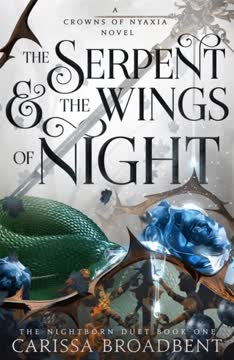
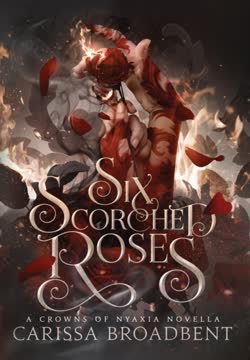
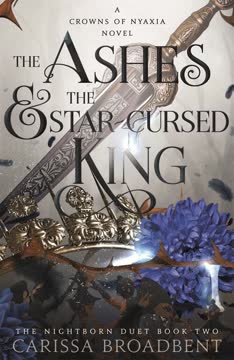

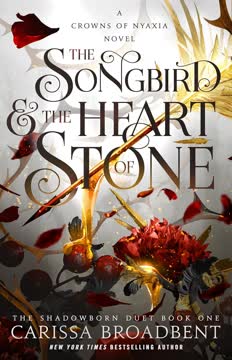
Similar Books



About the Author

Download PDF
Download EPUB
.epub digital book format is ideal for reading ebooks on phones, tablets, and e-readers.





