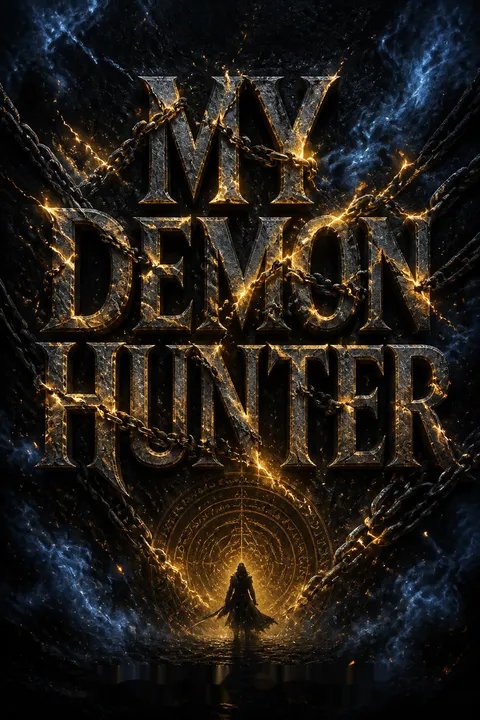


Plot Summary
Prologue
Two months before the main story, Mishetsumephtai, Hell’s feared Hunter, drags a fugitive demon before Paimon, Queen of Hell, and watches her sentence the prisoner to endless torment. Mist obeys, though memories of a demon living tenderly with a human woman trouble his practiced numbness.
Paimon then orders him to capture four powerful demons who have gone rogue on Earth: Asmodeus, Raum, Mephistopheles, and Belial. She wants them alive, and Mist is expected to return with them. He has already failed her once by concealing the fate of another fugitive, Eligos. Now, as he accepts the new assignment, the first cracks in his obedience are already there.
The prologue establishes the moral machinery Mist has mistaken for inevitability. He enforces Paimon’s rules because he has been trained to equate obedience with survival, yet his remembered glimpse of Eligos’s domestic happiness gives him evidence that another kind of life exists. His compassion is not absent; he buries it because feeling would make his assigned violence harder to perform. Paimon’s order therefore launches more than a hunt. It places a captive agent in contact with the possibility of choice, while the concealed survival of Eligos shows that Mist has already begun acting against the identity imposed on him.
Chocolate Therapy
Mist has already found the four rogues he was ordered to capture, but instead of reporting their location, he stays with them on Earth and accepts their help learning human habits. When Eva, his friend, asks for chocolate ice cream, Mist ventures into a Montreal convenience store in borrowed human form.
There he meets Lily Donovan, a lonely clothing designer who has spent years feeling that her body makes her undesirable. Mist asks her which carton contains more chocolate, then buys her one too. His blunt approval of her figure unsettles her usual self-criticism. When Lily accepts his offer to walk her home, a routine errand becomes the first step toward a connection neither expected.
The encounter makes intimacy begin with a practical act of care rather than polished courtship. Mist’s ignorance of human etiquette strips away the strategic performance Lily expects from men, while his unfiltered appreciation meets an insecurity she has learned to treat as fact. Yet the scene is not simply a fantasy of effortless acceptance: Mist still thinks in terms of hunting, ownership, and scent. Their attraction begins where his directness comforts her and his instincts unsettle her, establishing the central tension between being genuinely seen and being treated as prey.
The Number He Missed
At Lily’s apartment door, Mist tells her to enjoy the ice cream and leaves without understanding that her question about his phone was an invitation to exchange numbers. Eva explains the mistake, while Lily, back inside, tries to dismiss how much she liked him. Her twin sister Iris calls from a coven gathering, renewing an argument about Lily’s refusal to practice witchcraft since their parents died.
Iris also reveals that she has finally ended a bad relationship. Mist, meanwhile, cannot stop thinking about Lily. When his Hell brand begins burning, Belial learns that Paimon is summoning him and offers to help investigate the binding. Meph then gives Mist a simple way to contact Lily, setting up a second meeting.
Both characters mistake uncertainty for closure. Lily assumes Mist’s departure means he was not interested, while Mist treats her indirect social cue as a completed interaction because he lacks the cultural knowledge to read it. The missed number makes their different vulnerabilities visible: Lily expects rejection, and Mist has never been taught that desire can be expressed without command. Iris’s call places Lily’s romantic hesitation beside a deeper refusal to inherit her family’s magical life, suggesting that what she avoids is not merely witchcraft but the grief and responsibility attached to it.
A Brand Burns
Mist’s neck mark grows hot the morning after his first encounter with Lily, warning him that Paimon’s command is drawing him back to Hell. Belial explains that resisting the brand will become increasingly painful and eventually fatal, but promises to search for a way to break it. He also urges Mist to spend time on Earth while he still can.
At a club that night, Mist scans the crowd for a woman who might interest him and finds none. Meph tells him that the brand is forcing his return and suggests leaving Lily a note with his phone number. Mist agrees, and he delivers it to her mailbox. The small message reopens the possibility of a date.
The brand converts an abstract fear of servitude into a physical deadline. Mist has spent millennia treating his lack of choice as the natural order, but Belial’s offer makes escape imaginable without pretending it is easy. Meph’s note matters for the same reason: Mist is beginning to act on desire through a human form of invitation rather than capture. The scene places two kinds of agency side by side, one constrained by magical coercion and the other awkwardly learned. Every ordinary gesture now carries extra weight because Mist knows his borrowed freedom may expire.
The Red Door Ward
Before Mist’s note arrives, Lily wakes glowing with strange light and suppresses it by drinking whiskey. She has never told Iris about these episodes, and her parents’ deaths in a fire have left her unwilling to explore the witchcraft she inherited. The note persuades her to invite Mist for dinner. As he enters, Iris’s protective ward above the door turns red, signaling a supernatural presence.
Iris rushes in, traps Mist with a blood-activated prison ward, and demands to know what he is. Mist breaks through, reveals his gray skin, claws, wings, and glowing eyes, then leaves without attacking either sister. Lily is shaken by the revelation, but the hurt in his expression stays with her longer than the sight of his monstrous body.
The ward makes hidden reality visible, but it does not tell Lily how to interpret what she sees. Her inherited magic announces Mist as dangerous, while her experience of his considerate behavior resists the verdict. At the same time, her own light is a bodily sign of a power she has tried to suppress through alcohol and avoidance. The scene turns exposure into a mutual crisis: Mist loses the disguise that allowed him to approach her, and Lily confronts the fact that her supposedly ordinary life has never been as separate from the supernatural as she wanted.
The Summoning Seal
After Mist disappears, his tattooed friend Meph explains that Mist is enslaved to Paimon and had wanted a genuine date, not access to Lily’s witchcraft. Lily’s instincts tell her the demon needs help, so she searches the coven shop after hours and finds a grimoire entry for Mishetsumephtai, the Hunter, along with his intricate summoning seal.
Belial calls and offers to provide power if she comes to him, but his threats make her refuse. Lily attempts the ritual alone, despite its danger and her inexperience. The spell pulls Mist out of Paimon’s realm as he is being dragged toward a gorath’s mouth, though the force of his arrival ruptures the seal and leaves him furious and badly wounded.
Lily’s decision is a pivot from passive suspicion to chosen risk. She does not act because she has proven Mist harmless; she acts because her intuition gives her a reason to test the story rather than accept fear as sufficient evidence. That distinction keeps her courage psychologically credible. She remains frightened, uninformed, and capable of error, but she takes responsibility for the consequences of her judgment. The summoning also reverses the power relation between them: the Hunter accustomed to tracking and seizing others is suddenly dependent on a witch whose abilities she herself has denied.
The Pit Gives Him Back
Paimon had discovered Mist’s deception and tortured him for concealing the rogues, then thrown him into a Pit filled with flesh-eating goraths. Mist kills one monster, but five remain when Lily’s summoning tears him out of the arena. He wakes in her apartment covered in blood and gore, with his bite marks on her throat from the instant he mistook her for prey.
Lily cleans him and helps him shower despite his frightening size. Mist explains that the brands make him Paimon’s slave and bind his life to hers. He is astonished that Lily’s spell removed his manacles as well as extracting him. She does not want to own him, and her concern begins to soften his expectation of betrayal.
Rescue does not erase the violence that preceded it. Mist arrives with the physical evidence of Hell’s punishment, while Lily bears the mark of how close his instincts came to killing her. Their care for one another therefore has to include fear, injury, and imperfect control, not merely attraction. The brands clarify why Mist repeats the language of obedience: it is not just a belief but a system written onto his body. Lily’s refusal to treat his vulnerability as an opportunity to command him offers a radically different model of power, one he is not yet sure he can trust.
The Hunter Returns
Mist initially leaves after warning Lily that his demonic instincts could overwhelm him, but he cannot stay away. He returns when he finds her glowing in bed and stops her from choking down more whiskey to hide it. Lily tells him that the light reminds her of her dead parents and the witchcraft she abandoned. Mist listens without offering easy consolation, then shifts back into his demon form at her request.
Lily touches his claws and wings, making clear that her fear is not disgust. They kiss, and their attraction becomes mutual trust rather than a disguise Mist must maintain. Meanwhile, Belial asks Eva’s father, Dan, to identify Mist’s brands; Dan suspects ancient Shehanva magic and seeks help from an angelic contact.
The emotional work here is reciprocal recognition. Lily reveals the shame behind her magical suppression, while Mist lets her see the body he believed would repel her. Neither disclosure solves the past, but each refuses the other’s easiest defense: Lily does not numb herself, and Mist does not retreat into his role as an untouchable monster. His listening is important precisely because he does not turn her grief into a lesson. The tentative intimacy grows from attention and consent, while the search for the brands gives their private bond an external, time-sensitive problem.
The Fire Was No Accident
Paimon reaches Mist through a dream and tells him that the twins’ blood-born magic is tied to a prophecy about a King of Hell. She claims Duke Valefor caused the fire that killed Lily and Iris’s parents while hunting them, and that she now intends to capture the sisters. Mist tells Lily the revelation, and Iris confirms that their mother had warned her about the prophecy shortly before the fire.
Iris admits she has concealed the truth for nine years and maintained a cloaking spell with the coven to hide them. Lily is hurt by her sister’s silence, but learns their parents’ constant coven work was meant to protect the twins. The sisters’ shared grief now has a supernatural cause and a living pursuer.
The revelation reinterprets family memory without making the sisters’ pain disappear. Lily’s childhood resentment had a real basis, yet the hidden purpose of her parents’ work changes what that absence meant. Iris’s lie likewise began as protection and hardened into a burden she could no longer share. Paimon’s account is not automatically trustworthy, but its convergence with Iris’s knowledge makes denial untenable. The prophecy turns private bereavement into a political danger, forcing Lily to decide whether recovering the truth means reclaiming a magical identity she has spent years refusing.
Mist Chooses Hell
With Paimon intensifying the pull of his brands, Mist believes he has only days before he must return or die. He tells Belial that he plans to kill Paimon, knowing the brands may kill him if she dies. He asks Belial to protect Lily and Iris, and also reveals that he once hid the rogue Eligos rather than capture him.
Belial rejects the suicide plan but agrees to protect the sisters. While Lily and Iris confront the truth about their parents, Mist secretly activates a one-use hellgate and leaves for Paimon’s lair. Lily senses the magic too late. She and Iris follow its trace through the gate, choosing to pursue Mist rather than wait safely on Earth.
Mist’s sacrifice grows from a distorted but understandable equation: his own life seems expendable, while Lily’s safety feels absolute. His choice is loving in motive and controlling in method, because he decides for her what risks she should be allowed to take. The earlier history of Eligos shows this is not his first private rebellion, but now he has people he can hurt by leaving. Lily’s pursuit challenges his assumption that protection requires separation. The sisters’ decision to follow also marks the point where inherited danger becomes a shared, active choice.
Two Witches in Hell
Lily and Iris land in Mist’s cave, where Lily finds the dried flower he kept from their first meeting. The discovery helps the sisters admit how much each has hidden to protect the other; Iris explains that their mother sent her away from the burning coven under a binding vow, and Lily forgives her. They leave the cave to search for Mist but are captured by gargoyles serving Paimon.
Murmur, a demon called the Necromancer, kills the attackers and reveals that Belial bargained a favor for their rescue. He directs the sisters through a cramped tunnel formed by gorath larvae, leading toward the Pit. They crawl onward, following his instructions while the fighting elsewhere in Paimon’s lair buys them time.
The flower functions as evidence of attachment in a place where Mist owns almost nothing. For Lily, it answers a question she could not settle from his words alone: whether she mattered to him beyond the moment. The cave also gives the sisters a private space to repair trust before danger forces them into cooperation. Their reconciliation does not erase Iris’s deception; it lets Lily distinguish accountability from permanent estrangement. Murmur’s intervention then complicates the idea of reliable rescue, since the sisters must accept help from a demon whose motives remain opaque.
The Queen Falls
The sisters reach a dining chamber and find Mist suspended over the Pit on hooks through his wings and shoulders, his blood drawing the goraths below. They lower him and free the hooks, but Paimon arrives before they can escape. She controls Mist through his brands and orders her camel, Shaheen, to throw him into the Pit.
Mist uses his tail to pull Shaheen over the edge, then hauls himself up and drags Paimon down with him. Paimon grabs Lily, and the two fall. A gorath catches the Queen and swallows her, leaving her defeated but not fully destroyed. Mist’s manacles vanish, and he flies out of the Pit with Lily, badly injured but alive; Iris survives the fall and joins them.
The climax makes power bodily and relational at once. Paimon can stop Mist’s heart because her authority has been embedded in the brands, yet his escape depends on the same body she has disciplined: claws, wings, and tail become instruments of resistance. Lily’s refusal to abandon him and Iris’s intervention against Paimon’s attack transform rescue into collective action rather than a solitary romantic gesture. Paimon’s consumption is not a neat execution, since demons require more than defeat to be permanently destroyed. The victory is therefore immediate but unstable, carrying danger into the aftermath.
A Brand Rewritten
Back on Earth, the exhausted group returns to Belial’s apartment, where Mist recovers beside Lily. She discovers a new brand on her chest and learns that Paimon’s binding transferred when Lily helped defeat her. Lily is now Mist’s master, a role she never wanted. Mist, however, trusts her not to use the bond against him and chooses to accept it as freedom from Paimon’s control.
He admits that he had planned to die rather than endure another forced return, but Lily’s love has given him a reason to keep living. Their relationship settles into mutual commitment, and Mist decides to visit Eligos in Gaspé himself rather than leave the old fugitive’s fate to someone else.
The resolution refuses a simplistic equation between liberation and the disappearance of power. The brands remain, and their transfer gives Lily authority over Mist even though she rejects the role of owner. What changes is the meaning of the bond: Mist chooses trust where coercion once dictated obedience, and Lily accepts responsibility without claiming that consent can erase the binding’s history. His decision to live is not a cure for centuries of damage; it is a new commitment made in relationship. His plan to find Eligos extends that choice into action, turning a former secret into a chance to repair another life.
Epilogue
In the Mephilogue, Duke Valefor learns that Paimon has fallen and regrets misreading the prophecy that drew him toward her territory. Murmur, now claiming the captured lair, visits Valefor with a vial containing magic siphoned from the hellgate Lily and Iris used to return to Earth.
The vial can reveal the gate’s route without violating Murmur’s vow not to track the fugitives himself. Valefor wants the information because he is searching for Meph, whom he regards as a possession he lost. Murmur offers the vial in exchange for a future favor, beginning a new bargain whose purpose he keeps to himself.
The epilogue denies the comfort of a sealed happily-ever-after. Mist and Lily have escaped Paimon, but the route they used has left a trace, and Murmur has converted rescue into leverage. His carefully phrased vow proves technically honest while morally evasive: he does not personally follow the fugitives, yet he preserves the means for another demon to do so. Valefor’s fixation on Meph widens the consequences beyond the central couple and reframes Murmur’s aid as strategic positioning. The ending’s threat comes not from a new battle but from information traded as currency.
Analysis
The novel’s central conflict is not simply whether a demon can love a witch. It asks whether choice can become meaningful when a person’s body and history have been organized by coercion. Mist has been trained to experience obedience as reality itself; even after he reaches Earth, he initially describes freedom as a temporary indulgence that must end in punishment. Lily’s refusal to own him gives him a model of attachment without domination, but the transferred brands prevent the story from treating good intentions as a complete answer. Their bond remains unequal in structure, so trust has to be chosen and repeatedly demonstrated rather than assumed.
Lily’s arc similarly turns on the difference between safety and agency. Her parents’ magic could not prevent the fire, and Iris’s secrecy could not spare Lily grief. Yet neither fact makes magic or protection worthless. Lily’s growth comes as she stops treating vulnerability, body size, fear, and inexperience as evidence that she should stay passive. She acts while afraid, summons Mist, and enters Hell with Iris. The sisters’ reconciliation reframes their separate coping strategies as forms of love that have become harmful through silence.
The story is also sharply interested in how rules serve power. Paimon’s brands make her law personal and bodily, while the larger supernatural order restricts violence through rules that can protect humans without freeing demons from enslavement. Lily’s insistence on judging rules individually challenges both blind obedience and indiscriminate rebellion. Mist’s choice to live is consequently more than romance’s reward: it is a refusal to let past coercion dictate the future. The ending offers hope without claiming that every harm is undone. Paimon remains caught in a cycle rather than cleanly destroyed, the brands persist, and Murmur’s concealed vial carries danger beyond the apparent victory. Love changes the choices available to the characters, but it does not make power harmless.
Review Summary
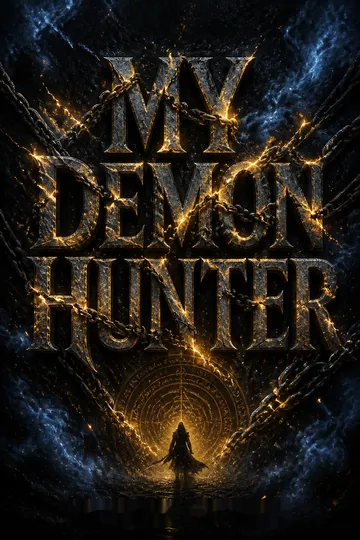
My Demon Hunter is a beloved paranormal romance featuring Mist, a demon hunter, and Lily, a witch. Readers praise the chemistry between the main characters, the humor, and the spicy scenes. Many find Mist endearing and appreciate Lily's relatable struggles with self-confidence. The book expands on the series' world-building and introduces new characters. Fans enjoy the found family dynamic among the demons and are excited for future installments. Overall, reviewers find it an entertaining, steamy, and emotionally satisfying read.
People Also Read

Characters
Mishetsumephtai, called Mist
The bound Hell hunterMist is an ancient demon whose skill at tracking fugitives has made him valuable to Paimon and dangerous to anyone she names as prey. His life is governed by magical brands that enforce obedience, so he has learned to suppress feeling and call submission inevitable. Beneath that discipline, he is observant, curious, and increasingly troubled by the suffering he inflicts. Human customs confuse him, but his bluntness also makes his attention unusually clear: he notices what others overlook and says what he means. His attraction to Lily unsettles his assumptions about ownership, safety, and freedom. His central psychological conflict is whether a self shaped by coercion can choose a different life without simply replacing one master with another.
Lily Donovan
The reluctant blood-bornLily is an introverted clothing designer who creates garments for plus-size women and struggles to extend the same acceptance to herself. She has avoided witchcraft since her parents died, partly because magic is inseparable from grief, family absence, and a life she never chose. Her instincts are stronger than her confidence, and she often recognizes what matters before she can explain why. Meeting Mist draws her into a supernatural world she had deliberately ignored, but she does not surrender her judgment or her right to choose. Lily’s warmth appears in practical care, such as cleaning Mist after his ordeal, while her courage emerges through action rather than fearlessness. She is motivated by a growing desire to stop hiding and to protect people she loves.
Iris Donovan
Lily's guarded twinIris is Lily’s twin, a committed witch, and the more outwardly forceful of the sisters. Blue-haired, blunt, and fiercely protective, she has tried to preserve their parents’ work and keep Lily safe by controlling what Lily knows. Her protective instincts are rooted in guilt and trauma, especially her belief that she should have been able to prevent the fire that killed their family and coven. Iris’s practical knowledge contrasts with Lily’s intuition, but neither sister can protect the other alone. She often uses anger to cover fear and affection to avoid vulnerability. Her relationship with Lily is shaped by love, rivalry, and years of unequal burdens, making honesty between them as important as magical skill.
Belial
The reluctant demon guardianBelial is a former King of Hell, one of the rogue demons living on Earth, and the broad-shouldered center of a volatile family. He hides affection behind threats, sarcasm, and a tightly controlled temper, yet he cooks for the others and takes responsibility when danger demands it. His history of rage has left him wary of his own impulses, so his attempts at restraint are effortful rather than serene. Belial helps Mist because he values him and because Mist’s friendships matter to people Belial loves, though he resists explaining himself. His dealings with angels and demons show a strategist accustomed to power, but his most difficult task is learning that care does not always mean taking command.
Paimon
The Queen of HellPaimon rules through surveillance, punishment, and the conviction that loyalty is owed to her personally. She keeps Mist bound by brands that can control his body and life, treating his exceptional hunting ability as a resource she owns. Her intelligence makes her more dangerous than a merely impulsive tyrant: she studies evidence, tests lies, and searches for political advantage. Violence is both her instrument and her entertainment, while uncertainty about her own position feeds suspicion of betrayal. Paimon’s relationship with Mist is structured as master and servant, leaving no room for mutuality. She embodies a system in which power protects itself by making obedience feel like the only possible form of survival.
Mephistopheles, called Meph
The reckless tricksterMeph is one of the rogue demons and Belial’s brother, recognizable by extensive tattoos, piercings, red eyes, and a quick, irreverent grin. He uses jokes and provocation to manage discomfort, often pushing into other people’s business while pretending not to care about the outcome. He helps Mist reconnect with Lily by translating social cues that Mist cannot read. Beneath the chaos, Meph is protective of his brothers and capable of recognizing when one of them is suffering. His impulsiveness can create trouble, but it also makes him willing to act when more cautious characters are still deciding what to do.
Raum
The watchful shapeshifterRaum is a quiet, gold-eyed demon who can take crow form and often watches more than he says. His scowl and dry observations make him a steady counterweight to Meph’s noise, though he has his own vulnerabilities and habits. Raum recognizes when Mist is retreating into hopelessness and challenges him to spend his remaining time with Lily rather than hiding. He is loyal without being sentimental and practical without being indifferent. His unobtrusive presence helps the group function, especially when their stronger personalities threaten to turn every disagreement into a fight.
Eva
The human-demon bridgeEva is a Nephilim and Asmodeus’s partner, with a warm, teasing manner and a talent for helping demons navigate ordinary human life. She befriends Mist, teaches him customs, and encourages him to practice holding human form. Her patience makes her a bridge between supernatural beings and the people they might otherwise treat as strangers or prey. Eva also advocates for those she cares about, persuading her father to help investigate Mist’s brands. Her humor does not make her naive; she understands the danger around her and chooses connection with open eyes.
Asmodeus, called Ash
The guarded musicianAsmodeus is one of the rogue demons and Eva’s partner. He is reserved and brooding, but music gives him a place where precision and feeling can coexist without explanation. His bond with Eva has helped create the domestic life Mist glimpses among the rogues, and his presence offers a model of intimacy that does not depend on human appearance. Asmodeus is protective of his brothers and wary of conflict with Eva’s father, yet he keeps showing up for the people he loves. His quietness should not be mistaken for passivity.
Dan
Eva's fallen angel fatherDan is Eva’s father and a Grigori, a fallen angel with access to knowledge and connections unavailable to the demons. His relationship with Eva is loving but strained by the secrets and distance that followed his fall. He is cautious around Belial and the other rogues, yet his concern for his daughter eventually makes cooperation possible. Dan’s expertise helps identify the likely origin of Mist’s brands and opens a path toward further research. He represents an uneasy alliance between beings who distrust one another but share people they want to protect.
Murmur
The calculating NecromancerMurmur is a powerful demon known as the Necromancer, accompanied by souls bound to his service. He is cool, disdainful, and difficult to read, and his assistance always carries the shadow of a private calculation. He can move through dangers that would stop others, but he treats kindness as a foreign custom and bargains for what he wants. Murmur’s strategic patience contrasts with Belial’s temper and Mist’s directness. Even when he makes a promise, the precise limits of that promise matter.
Valefor
The prophecy hunterValefor is a Duke of Hell who collects unusual supernatural beings and artifacts and has pursued the Donovan twins’ trail. He is ambitious, possessive, and convinced that power can be gathered through acquisition. His plans depend on interpreting old prophecies and controlling the beings they describe. Valefor is not present in the central action, but his pursuit connects the sisters’ family history to the politics of Hell and leaves their safety uncertain.
Shaheen
Paimon's fierce camelShaheen is Paimon’s red-eyed camel companion, present at her court and used to enforce her will. He is watchful, dangerous, and treated by the Queen as both favored beast and weapon. His physical presence makes Paimon’s authority tangible, especially when Mist is restrained.
Eligos
The hidden rogue demonEligos is a demon Mist was once ordered to capture, but whose fate Mist concealed from Paimon. He lives in hiding behind wards in the Gaspé region. His escape and the life he has built beyond Hell help awaken Mist’s longing for a future outside his assigned role.
Plot Devices
Paimon's brands
The leash on MistThe magical marks on Mist’s neck, chest, and wrists bind him to Paimon and give her control over his body, including his heartbeat and ability to escape as mist. Ignoring her summons causes escalating pain and eventually threatens his life. The brands turn servitude into a physical condition rather than a metaphor, explaining Mist’s learned obedience and the urgency of his attempts to escape. Their transfer after Paimon is defeated creates the story’s final moral complication: Mist is released from one master but remains bound to Lily, who must decide what responsibility and trust mean under an unequal magical bond.
The summoning seal
A bridge through HellA complex Sheolic sigil lets a witch summon a demon from another realm. Lily finds Mist’s seal in a grimoire and performs it without adequate training, relying on her instinct and the hope that he will recognize her. The ritual pulls him from the Pit at the moment he is about to be eaten, and its power also removes the manacles that restrict his magic. Later, the traces of gate magic allow Lily to follow him back into Hell. The seal therefore works as both rescue mechanism and dangerous threshold, repeatedly converting emotional attachment into physical passage between worlds.
The twins' cloaking
Protection that concealsLily and Iris’s mother created a blood-magic cloaking spell to hide the twins’ power from demons seeking the children foretold in prophecy. The spell obscures their supernatural presence, but it failed briefly when they came fully into their abilities on their eighteenth birthday. Iris and the coven have maintained it since, without Lily’s knowledge. The cloaking connects the parents’ absences, the fire, the sisters’ separation from witchcraft, and Valefor’s pursuit. It also shows how protection can preserve a life while imposing secrecy on the person being protected.
Iris's signal ward
A supernatural warningThe ward above Lily’s apartment door changes color when a supernatural being is present. Iris made it as part of her efforts to protect the sisters, and its shift from black to red exposes Mist during Lily’s first dinner date. Iris then uses a separate blood-activated prison ward to trap him. The signal is reliable, but its meaning is incomplete: it identifies a demon without distinguishing a predator from someone who has treated Lily with care. That gap between detection and judgment drives the sisters into conflict and forces Lily to weigh inherited rules against what she has experienced.
Murmur's siphon vial
A stolen trail of magicMurmur hides a vial beside the hellgate the sisters use to escape. A siphoning spell collects enough of the gate’s magic to reveal its route back to Earth. Murmur does not personally track Lily, Iris, and Mist, allowing him to claim that he kept his vow, but he gives Valefor the vial as leverage for a future bargain. The device turns the mechanics of escape into political intelligence and demonstrates how a technically fulfilled promise can still expose the people it was meant to protect.
FAQ
Synopsis & Basic Details
What is My Demon Hunter about?
- A Hunter's Quest for Freedom: My Demon Hunter follows Mishetsumephtai (Mist), known as Mist, a powerful demon hunter enslaved by Paimon, the Queen of Hell. Bound by ancient magical brands, Mist's existence is one of forced obedience and suppressed emotion, yet he secretly yearns for freedom and a taste of human life.
- A Witch's Journey of Self-Acceptance: On Earth, Lily Donovan, a self-conscious blood-born witch, has abandoned her magical heritage after a traumatic past. Her unexpected encounter with Mist, who is awkwardly navigating human customs, sparks an undeniable connection that challenges both their perceptions of themselves and their worlds.
- Fates Intertwined by Prophecy: As their bond deepens, they uncover a prophecy linking Lily's powerful bloodline to the downfall of a King of Hell, drawing them into a dangerous conflict with demonic forces, including Paimon and the elusive Valefor. Their journey becomes a fight for liberation, love, and the acceptance of their true, powerful selves.
Why should I read My Demon Hunter?
- Deep Psychological Exploration: Dive into the complex internal struggles of characters like Mist, who grapples with millennia of enslavement and suppressed emotions, and Lily, who battles deep-seated insecurities and trauma. The novel offers a nuanced look at healing and self-acceptance.
- Subversive Romance Tropes: Experience a unique paranormal romance that challenges traditional power dynamics. The relationship between Mist and Lily evolves from a hunter-prey dynamic to one of mutual trust and consent, redefining what it means to be "claimed" or "owned" in a truly empowering way.
- Rich World-Building & Found Family: Immerse yourself in a vividly imagined world where Hell and Earth intertwine, populated by a diverse cast of demons, witches, and angels. The story beautifully explores themes of found family, loyalty, and how chosen bonds can transcend species and past allegiances.
What is the background of My Demon Hunter?
- Mythological Inspirations: Author Aurora Ascher draws loosely from the Ars Goetia (part of the Lesser Key of Solomon) for many of her demon characters like Belial, Paimon, Asmodeus, and Raum, grounding the supernatural elements in established occult lore. Mephistopheles is inspired by the German legend of Faust, and Naiamah from Jewish scriptural texts, adding layers of intertextual depth.
- Subversion of Demon Archetypes: The novel takes these traditionally evil figures and explores their humanity, trauma, and capacity for change, challenging conventional notions of good and evil. This reinterpretation allows for complex character arcs where demons can seek redemption and form genuine connections.
- Montreal as a Character: The story is set in Montreal, with specific references to its "depanneurs" (corner stores) and architectural styles (spiral staircases), adding a distinct cultural flavor. This familiar, real-world setting provides a stark contrast to the dark, fantastical realms of Hell, emphasizing the characters' journey to find normalcy and belonging.
What are the most memorable quotes in My Demon Hunter?
- "This is what happens when the rules are broken. This is the consequence of insubordination.": This mantra, repeated by Mist throughout the prologue and early chapters, encapsulates his deeply ingrained obedience and the brutal conditioning he's endured under Paimon. It highlights his internal conflict and the immense psychological barrier he must overcome to seek freedom.
- "Human lives are short. It's better to leave your mark on the world by being full of contentment than full of longing.": Spoken by Mist to Lily, this quote reveals his nascent understanding of human values and his own yearning for a life beyond servitude. It foreshadows Lily's journey to embrace her true self and live without self-imposed limitations.
- "You are everything good in my world, Lily. You are my freedom. There is nothing I value more, and I no longer have the desire to hunt because I know I have already found the most precious treasure in existence.": This powerful declaration from Mist to Lily, near the novel's conclusion, signifies his complete transformation. It's his unique, deeply personal expression of love, trust, and the profound liberation he finds through their bond, transcending the conventional "I love you."
What writing style, narrative choices, and literary techniques does Aurora Ascher use?
- Dual Perspective & Deep POV: The narrative primarily alternates between Mist and Lily's perspectives, offering intimate access to their thoughts, emotions, and internal monologues. This deep point-of-view allows readers to fully understand their psychological complexities and the profound shifts in their self-perception.
- Sensory-Rich Descriptions: Ascher employs vivid sensory details, particularly focusing on scent (Mist's heightened sense of smell, Lily's "intoxicating" aroma) and touch (the feel of demon skin, the sting of claws). This enhances the immersive experience and underscores the primal, instinctual aspects of the characters' connection.
- Subversion of Tropes & Archetypes: The author skillfully takes established paranormal romance and fantasy tropes (e.g., the enslaved demon, the prophesied witch, the "chosen one") and subverts them. Mist's "enslavement" ultimately becomes a symbol of chosen connection, and Lily's "power" is rooted in self-acceptance rather than just magical ability, offering fresh takes on familiar narratives.
Hidden Details & Subtle Connections
What are some minor details that add significant meaning?
- Mist's "Ice" Metaphor: Early in the prologue, Mist describes himself as "encased in a metaphorical ice that was his only way to remain sane," working hard to "bury it where no one, not even he, could find it." This subtle detail foreshadows the immense emotional suppression he's endured and makes his eventual thawing through Lily's influence even more profound, highlighting his psychological analysis.
- Belial's Macarons and Cooking: Despite his gruff, intimidating exterior and former status as a King of Hell, Belial is frequently found cooking, even making delicate macarons. This seemingly incongruous detail subtly reveals his domestic side and his deep, unspoken care for his "found family," contrasting his fearsome reputation with a surprising tenderness.
- Lily's Glowing as a Shield: Initially, Lily's glowing is presented as a "shameful secret" and a "curse" she tries to suppress with whiskey. However, in the climax, her glowing body protects her from the fall into the Pit, and later, Mist identifies it as a "shield, then. Like a superpower." This transforms a symbol of her insecurity into a manifestation of her inherent strength and protection, tying into themes of self-acceptance.
What are some subtle foreshadowing and callbacks?
- Mist's Eligos Memory: In the prologue, Mist briefly recalls Eligos, a rogue demon he failed to apprehend, and an image of Eligos with a human female. This early memory subtly foreshadows Mist's own yearning for connection and freedom, hinting at his future rebellion and his desire for a similar bond with Lily, setting up his character motivations.
- The Red Signal Ward: Iris's protection ward above Lily's door turning red is a crucial, yet subtle, early indicator of Mist's true demonic nature. Lily initially dismisses it as her imagination, but it's a direct callback to Iris's deep knowledge of supernatural threats and foreshadows the inevitable revelation of Mist's identity and the danger they face.
- Lily's "Shape of Water" Thought: When Lily is washing Mist in the shower, she briefly thinks about enacting her favorite scene from The Shape of Water. This intertextual reference subtly foreshadows the unconventional, deeply intimate, and physically unique nature of their relationship, where physical differences become sources of desire and connection rather than repulsion.
What are some unexpected character connections?
- Meph's Artistic Pursuit with Jacqui: Mephistopheles, the chaotic trickster, has a secret passion for sculpture making, which he pursues with Eva's human mother, Jacqui. This unexpected connection reveals a hidden, vulnerable side to Meph, contrasting his outward persona and hinting at his deeper need for purpose and acceptance beyond his "fuckboy" facade.
- Belial's Celibacy Pact: Belial, the former Prince of Lust, reveals he's made a six-month celibacy pact with Eva's friend (implied to be Jacqui, though not explicitly stated as a romantic pact). This surprising detail adds a layer of self-discipline and internal struggle to his character, showing his efforts to control his infamous rage and perhaps atone for past actions, deepening his psychological complexity.
- Iris's Lost Instincts: Iris confesses that she "used to" feel the guiding instincts of a blood-born witch before her parents died, but lost them due to trauma. This explains her reliance on rigid rules and her overprotective nature, creating a parallel with Mist's own emotional suppression and highlighting the psychological toll of their pasts.
Who are the most significant supporting characters?
- Eva, the Humanity Guide: Beyond being Asmodeus's girlfriend, Eva serves as Mist's primary "How to Human" instructor. Her patient explanations of social cues, relationships, and mundane pleasures are crucial for Mist's adaptation and understanding of emotions, directly influencing his character development and capacity for connection.
- Belial, the Gruff Protector: While initially appearing as a reluctant ally, Belial's actions consistently demonstrate a deep, if gruff, loyalty to his chosen family and, eventually, to Mist and Lily. His willingness to consult an angel (Dan) and later Murmur, despite his disdain, underscores his commitment to protecting those he cares about, revealing his unspoken motivations.
- Murmur, the Master Manipulator: The Necromancer, Murmur, is far more than a simple ally. His calculated interventions, foreknowledge of events ("It was all foreseen"), and desire to claim Paimon's territory reveal him as a master strategist playing a long game. His actions, though seemingly helpful, are always self-serving, adding a layer of complex intrigue and potential future conflict.
Psychological, Emotional, & Relational Analysis
What are some unspoken motivations of the characters?
- Mist's Pursuit of "Normalcy": Beyond just freedom from Paimon, Mist's unspoken motivation for staying on Earth and interacting with humans is a deep yearning for a "normal" existence. He observes human relationships, tries to understand their customs, and even appreciates mundane comforts like a bed and a window, indicating a desire for belonging and a life beyond his brutal servitude.
- Lily's Need for Control: Lily's initial rejection of her magic and her focus on environmental engineering and clothing design are unspoken attempts to control her life and distance herself from the chaos and loss of her past. Her self-consciousness about her body also stems from a desire for control over how she is perceived, making her journey to embrace her power and body a profound act of self-liberation.
- Iris's Guilt-Driven Protection: Iris's overbearing and often aggressive protectiveness of Lily is deeply rooted in her unspoken guilt over their parents' deaths. She believes she "could have saved them" if she were stronger, driving her relentless study of magic and her fierce opposition to anything she perceives as a threat to Lily, even if it means lying to her sister.
What psychological complexities do the characters exhibit?
- Mist's Learned Helplessness & Self-Worth: Mist exhibits profound psychological complexities stemming from millennia of enslavement. His repeated mantra, "This is what happens when the rules are broken. This is the consequence of insubordination," reflects a learned helplessness. His belief that his "life was worthless" and that he was "nothing" reveals deep-seated self-worth issues, making his eventual acceptance of Lily's love and his fight for life a powerful journey of healing.
- Lily's Internalized Self-Doubt: Lily's "Negative Lily" voice, which constantly criticizes her body and her choices, is a manifestation of her internalized self-doubt and trauma. Her struggle to overcome this voice and embrace her "badass" self highlights the psychological battle against societal pressures and personal insecurities, making her transformation deeply relatable.
- Meph's Armor of Chaos: Meph's constant joking, impulsiveness, and "grin as armor" are complex coping mechanisms for deep-seated trauma. His "psychopathic, sociopathic alter-ego" and his nausea from physical contact reveal a profound internal struggle with his own dark nature and past actions, suggesting a hidden vulnerability beneath his chaotic exterior.
What are the major emotional turning points?
- Mist's First Act of Defiance: The moment Mist chooses to break Paimon's rules by not returning the rogue demons and instead making a deal with them marks his first major emotional turning point. It's a conscious step towards self-determination, driven by a nascent curiosity and yearning for freedom, setting him on a path of profound change.
- Lily's Acceptance of Her Glow: When Lily, in a moment of vulnerability, confesses to Mist that she hates her glowing because "It reminds me of what I am. And what I lost," and he responds with genuine empathy, it's a pivotal emotional turning point. This shared vulnerability allows her to begin accepting her power and her past, moving beyond shame.
- Iris's Confession and Reconciliation: Iris's tearful confession to Lily about lying about their parents' deaths and her belief that "we're what killed Mam and Dad!" is a major emotional climax for their relationship. This raw honesty, followed by Lily's immediate forgiveness, allows them to finally heal their fractured bond and move forward as a united front.
How do relationship dynamics evolve?
- Mist and Lily: From Hunter to Beloved: Their relationship begins with Mist's primal "hunting" instinct and Lily's initial fear, evolving into a deep, consensual bond. The transfer of the brands, initially a source of horror, transforms into a symbol of their chosen connection and mutual trust, subverting the master/slave dynamic into one of equal partnership and profound love.
- Lily and Iris: From Strained to Unbreakable: Their sisterly bond is initially strained by Iris's overprotectiveness and Lily's resentment over hidden truths. The shared ordeal in Hell and Iris's confession about their parents' deaths force them to confront their past, leading to a powerful reconciliation and an unbreakable bond forged in honesty and mutual support.
- Belial and Mist: From Reluctant Allies to Respectful Brotherhood: Their dynamic starts with Belial's gruff, pragmatic assistance to Mist, driven by a sense of obligation to his brothers. As Mist demonstrates his loyalty and self-sacrifice, Belial's respect grows, culminating in a moment of unspoken forgiveness and a deeper, more genuine bond of brotherhood, despite Belial's continued "tough love" approach.
Interpretation & Debate
Which parts of the story remain ambiguous or open-ended?
- Murmur's Ultimate Agenda: While Murmur aids the protagonists and claims Paimon's territory, his true long-term agenda remains ambiguous. He states, "Because I want it," regarding Paimon's lair, and later, "there is something I want—in addition to ample payment." His "multitudinous schemes" and the vial of siphoned magic suggest he is playing a much larger game, leaving his future role and potential threat open-ended.
- The Full Extent of the Prophecy: The prophecy of the blood-born twins causing the "downfall of a King of Hell" is fulfilled with Paimon's demise, but the full scope of Lily's "immortal" power and destiny is left somewhat open. Her glowing is identified as a "shield," but the implications of her "legendary" status and how she might wield her power in the broader supernatural world are yet to be fully explored.
- The Nature of "Freedom" with the Brands: While Mist is freed from Paimon's cruel control, the brands are transferred to Lily, binding him to her. The story frames this as a positive, consensual bond, but it raises questions about the true nature of his freedom. Is he truly free, or simply under a benevolent master? The narrative leans towards chosen servitude as a form of freedom, but the inherent power dynamic remains a point of subtle ambiguity.
What are some debatable, controversial scenes or moments in My Demon Hunter?
- Mist's Initial "Hunting" of Lily: The scene where Mist, in human form, "stalks" Lily in the depanneur and later admits his "instincts" are "to hunt," "to capture and subdue," can be controversial. While the narrative quickly shifts to mutual attraction and consent, this initial predatory framing, even if instinctual for a demon, might be debated regarding its implications for consent and power dynamics in romance.
- The Transfer of the Brands: The accidental transfer of Mist's enslavement brands to Lily, making her his "new mistress," is a highly debatable moment. While Lily immediately expresses remorse and vows never to control him, the act itself raises questions about agency and the ethics of such a magical bond, even if unintended. The story frames it as a positive outcome due to their trust, but the underlying power dynamic is inherently controversial.
- Belial's "Tough Love" and Meph's Provocation: Belial's deliberate attempt to "scare" Lily to "test her" and Meph's constant "pissing off" of Iris, even when she's clearly distressed, can be seen as controversial. While presented as a form of "tough love" or coping mechanisms, their methods are emotionally aggressive and might be debated as healthy or justifiable, even for demons.
My Demon Hunter Ending Explained: How It Ends & What It Means
- The Brands Transferred, Not Destroyed: The novel culminates with Paimon's defeat, not by Mist's direct hand, but by her own goraths. Crucially, the magical brands binding Mist are not destroyed but transferred to Lily. This happens because Lily was the one fighting Paimon when she fell into the Pit, and her powerful blood-born magic was strong enough to harness the brands' magic, making her Mist's new "mistress." This signifies a subversion of the traditional "breaking the chains" trope, as freedom is found not in the absence of bonds, but in the nature of the bond itself.
- Mist's True Freedom and Purpose: Mist, initially horrified by the transfer, quickly realizes he is truly free for the first time. He chooses to belong to Lily, transforming the brands from symbols of cruel enslavement into a consensual bond of love and protection. His purpose shifts from being Paimon's Hunter to Lily's protector and partner. His ability to cry (a single tear) symbolizes his emotional awakening and capacity for genuine feeling, marking his complete redemption and self-acceptance.
- Lily's Embrace of Power and Destiny: Lily fully embraces her identity as a powerful blood-born witch, no longer ashamed of her glowing or her abilities. Her journey from self-doubt to confidence is complete, and she vows to use her strength to protect Mist and others she loves. The ending sets up a future where she actively seeks a way to remove the brands entirely, but also accepts their current bond as a testament to their unique connection, ready
Hell Bent Series
Download PDF
Download EPUB
.epub digital book format is ideal for reading ebooks on phones, tablets, and e-readers.








