Plot Summary
Stormbound at Thorn Manor
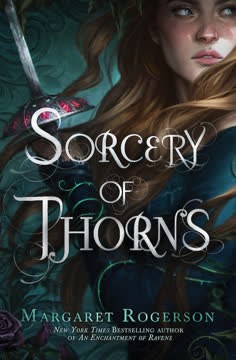
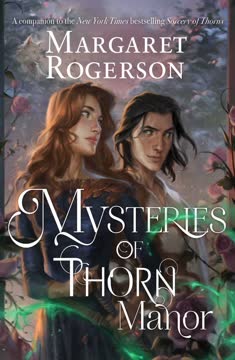
Elisabeth Scrivener and Nathaniel Thorn awaken to chaos: Thorn Manor is beset by a magical storm, its wards gone haywire, trapping them inside. Animated topiaries and aggressive vines besiege the house, while the outside world remains oblivious. Reporters gather, hungry for scandal, but the real threat is within. Elisabeth, Nathaniel, and their demon servant Silas must contend with the manor's unpredictable magic, which seems to be responding to changes in their relationship. The storm is not just weather—it's the house itself, reacting to something deep and old. The sense of isolation is both physical and emotional, forcing the trio to confront not only magical dangers but also the shifting dynamics of their found family.
The Wards' Wild Rebellion
As the storm intensifies, the manor's magical defenses become more aggressive, multiplying threats with every attempt to subdue them. Elisabeth's attempts at heroics only worsen the situation, while Nathaniel's magic is met with stubborn resistance. Silas, ever enigmatic, suggests the wards are reacting to a change in the household—perhaps to Elisabeth and Nathaniel's deepening bond. The trio is forced to work together, their trust and vulnerabilities exposed. The manor's rebellion is not random; it is a test, a demand for something unspoken. The emotional stakes rise as the house's magic becomes a mirror for the characters' inner turmoil and desires.
Secrets in the Muniment Room
Seeking answers, Elisabeth and Nathaniel discover the hidden muniment room, a magical archive of the manor's history. Inside, feral grimoires squabble, each containing records of past enchantments and family secrets. Blood magic and clever negotiation are required to tame the books and uncover the truth: the wards have been altered over centuries, most notably by the formidable Aunt Clothilde. The room is a microcosm of the manor's legacy—chaotic, dangerous, and full of forgotten pain. As they sift through the records, Elisabeth and Nathaniel confront the weight of family history and the cost of old magic, realizing that the solution to their predicament may lie in understanding the past.
Haunted Histories and Hidden Rooms
Elisabeth's search for answers leads her through Thorn Manor's many hidden rooms, each a relic of a bygone era. She discovers the ostrich room, a space suffused with the memory of a long-gone lady sorcerer, and glimpses Silas's private world—his art, his solitude, his centuries of service. The house is alive with history, its walls holding both comfort and sorrow. Elisabeth's empathy for Silas deepens as she learns of his complex morality and the loneliness of immortality. The exploration is both literal and metaphorical, as the characters navigate the labyrinth of the manor and their own tangled emotions.
Clothilde's Cursed Legacy
The key to appeasing the wards lies with Aunt Clothilde's cursed belongings, hidden behind a tapestry and fiercely protected by animated clothing. Elisabeth, Nathaniel, and Mercy must face a comical yet perilous onslaught of bewitched garments, culminating in a battle in the foyer. The episode is both farcical and poignant, highlighting the absurdity of old traditions and the lingering power of the past. Only by confronting and neutralizing Clothilde's magic can they hope to move forward. The struggle is a cathartic release, allowing the household to shed some of its inherited burdens.
The Lovers' Pact Revealed
Silas and the grimoires reveal that the manor's wards require a formal declaration of courtship, rooted in the old sorcerous tradition of the Lovers' Pact. To appease the house, Nathaniel must perform three impossible tasks for Elisabeth, echoing the fairy tales of their world. The revelation reframes the magical crisis as a test of love and commitment, blending whimsy with genuine emotional stakes. The challenge is daunting, but it offers hope: if they succeed, the house will accept their union and restore peace. The stage is set for a series of trials that will test not only magic, but the strength of their bond.
Three Impossible Tasks
Elisabeth sets Nathaniel the first impossible task: to break the curse on a suit of armor, a feat deemed unachievable for centuries. With ingenuity, determination, and Silas's subtle help, Nathaniel succeeds, gifting Elisabeth the armor as a symbol of his devotion. The tasks are both literal and symbolic, each reflecting the characters' fears, hopes, and desires. As they progress, the manor's hostility wanes, replaced by a sense of anticipation. The impossible becomes possible through love, trust, and teamwork, reinforcing the story's central theme: that true magic lies in the courage to love and be loved in return.
Nightmares and New Beginnings
Nathaniel's nightmares intensify, manifesting as haunting illusions that threaten the household's safety. Elisabeth and Silas support him through the darkness, their care and understanding helping him face the ghosts of his past. The manor, too, responds to their healing, revealing long-lost gardens and memories. The process is painful but necessary, a purging of old wounds that makes space for new beginnings. The characters' willingness to confront their fears and vulnerabilities is what ultimately allows them to move forward, both as individuals and as a family.
The Garden of Memory
The restored gardens become a place of reflection and renewal. Elisabeth and Nathaniel skate together on a magically frozen pond, sharing confessions and promises beneath the winter sky. The garden is a liminal space, suspended between past and future, where grief and joy coexist. Here, Nathaniel finally voices his love, and the ancient magic of the Lovers' Pact is fulfilled. The storm lifts, the wards are appeased, and the house is at peace. The garden scene is a culmination of the story's emotional arc, blending romance, nostalgia, and hope.
The Ball Approaches
With the magical crisis resolved, attention turns to the impending Midwinter Ball, a daunting social event that tests the household's resources and nerves. Elisabeth, Mercy, and even Silas are swept up in a whirlwind of preparations—gowns, etiquette, and the logistics of hosting Brassbridge's magical elite. The ball is both a reward and a final challenge, a chance to present their new family to the world. Amidst the bustle, the characters reflect on how far they've come, and the bonds that have been forged in adversity.
Fairy Tales and Family
The ball brings together a motley cast of sorcerers, relatives, and friends, each with their own quirks and histories. Elisabeth, once an outsider, finds herself at the heart of a new family, supported by Nathaniel, Silas, Mercy, and Katrien. The event is a celebration of survival, love, and the power of found family. Old wounds are acknowledged, but not allowed to define the future. The fairy tales that once seemed distant and impossible are now woven into the fabric of their lives, transformed by experience and choice.
The Midwinter Ball
The ball is a triumph, filled with laughter, dancing, and the subtle magic of acceptance. Elisabeth and Nathaniel's engagement is revealed in dramatic fashion, to the delight and shock of their guests. Mercy and Katrien find their own moments of joy, while Silas, in cat form, observes from the shadows. The night is a testament to the household's resilience and the transformative power of love. The manor, once a place of secrets and sorrow, is now alive with light and possibility.
Silas's Shadowed Devotion
Beneath the festivities, Silas grapples with his own nature and the burden of immortality. His devotion to Nathaniel and Elisabeth is unwavering, but he remains an outsider, haunted by memories and the knowledge that he will outlive them all. In a quiet epilogue, Silas disposes of Clothilde's cursed gown in the depths of the manor, confronting an ancient Devourer and reflecting on his place in the world. His actions are both protective and mournful, a reminder that love can take many forms, even for a demon.
Love's Impossible Triumph
The completion of the Lovers' Pact and the success of the ball mark a turning point for the household. The impossible has been achieved—not through grand gestures or magical feats alone, but through vulnerability, trust, and the willingness to embrace change. Elisabeth and Nathaniel's love is recognized and celebrated, not just by the manor, but by their community. The story affirms that love, in all its forms, is the greatest magic of all.
Dancing with Ghosts
The characters dance not only with each other, but with the ghosts of their histories—lost parents, old regrets, and the shadows of trauma. Through ritual, memory, and celebration, they find a way to honor what has been lost while looking forward with hope. The manor itself is transformed, its haunted halls now filled with music and laughter. The dance is both literal and symbolic, a movement from sorrow to joy.
The Demon's Choice
In the aftermath, Silas faces a choice: to remain in the shadows of the manor's dungeon, surrounded by memories of death, or to return to the light and life above. He chooses the latter, drawn by his love for Nathaniel and Elisabeth, and the promise of new beginnings. His decision is a quiet act of courage, a testament to the story's belief in redemption and the possibility of change, even for those who believe themselves beyond hope.
A Promise for Tomorrow
As the story closes, the household stands united, their bonds tested and strengthened by adversity. Elisabeth, Nathaniel, Silas, Mercy, and Katrien look to the future with hope, ready to face whatever challenges may come. The manor, once a place of secrets and sorrow, is now a home—a place where love, magic, and family intertwine. The promise of tomorrow is not without uncertainty, but it is brightened by the knowledge that they will face it together.
Characters
Elisabeth Scrivener
Elisabeth is the heart of the story—a former library warden, now caught between worlds as she navigates love, magic, and her own sense of purpose. Her relationship with Nathaniel is passionate and awkward, marked by mutual respect and vulnerability. Elisabeth's empathy extends to Silas and Mercy, and her resistance to magic makes her both a protector and an outsider. She is driven by a desire to do good, to protect both people and grimoires, and to forge a new path that reconciles her warden training with her love for magical books. Her journey is one of self-discovery, as she learns to trust herself, accept love, and embrace the complexities of family—chosen and otherwise.
Nathaniel Thorn
Nathaniel is a young sorcerer burdened by trauma, loss, and the legacy of his family. His humor is both a shield and a bridge, allowing him to connect with others while hiding his pain. His relationship with Elisabeth is transformative, challenging him to confront his fears and open his heart. Nathaniel's bond with Silas is deep and complicated, rooted in years of shared history and mutual dependence. He is both powerful and vulnerable, struggling with nightmares and the weight of expectation. Through the trials of the Lovers' Pact, Nathaniel learns to accept love, trust others, and redefine what it means to be a Thorn.
Silas
Silas is the demon servant of the Thorn family, bound by ancient magic but possessed of his own will and desires. He is both protector and outsider, his devotion to Nathaniel and Elisabeth tempered by the knowledge that he will outlive them all. Silas's morality is complex—he is capable of violence and ruthlessness, but also of tenderness and sacrifice. His relationship with Elisabeth is marked by mutual respect and a growing sense of equality. Silas's loneliness is palpable, and his moments of vulnerability are some of the story's most poignant. He is a symbol of the possibility of change, even for those who believe themselves beyond redemption.
Mercy
Mercy is the newest member of the household, a former servant who becomes a friend and ally. Her journey is one of self-assertion, as she moves from fear and uncertainty to confidence and belonging. Mercy's relationship with Silas is initially fraught with suspicion, but grows into a tentative trust. She is resourceful and courageous, unafraid to wield a broom or mop against magical threats. Mercy's longing for acceptance and her delight in small kindnesses make her a relatable and endearing character, embodying the story's theme of found family.
Katrien Quillworthy
Katrien is Elisabeth's best friend, a scholar and inventor with a sharp wit and a scientific approach to magic. She provides comic relief and practical support, helping to solve magical puzzles and offering unwavering friendship. Katrien's presence at the ball and her encouragement of Elisabeth's relationship with Nathaniel highlight the importance of friendship and intellectual curiosity. She is a reminder that love and loyalty come in many forms, and that chosen family can be as powerful as blood ties.
Aunt Clothilde
Though long dead, Aunt Clothilde's influence pervades the manor through her cursed belongings and magical alterations to the wards. She represents the weight of tradition and the dangers of unresolved grievances. Her legacy is both a source of conflict and a catalyst for change, forcing the characters to confront the past and forge their own path. Clothilde is a reminder that history is never truly gone, and that the choices of those who came before continue to shape the present.
The Manor
Thorn Manor is more than a setting—it is a character in its own right, alive with magic, memory, and will. Its wards respond to the emotional state of its inhabitants, demanding proof of love and commitment. The house is both a sanctuary and a prison, a place of secrets and revelations. Its transformation over the course of the story mirrors the characters' own journeys, moving from hostility and isolation to acceptance and joy. The manor embodies the story's central themes: the power of home, the importance of tradition, and the necessity of change.
The Grimoires
The magical books of Thorn Manor are both tools and characters, each with its own personality and history. They represent the legacy of the Thorn family, the dangers of unchecked magic, and the possibility of redemption. The grimoires' feral behavior and eventual taming mirror the characters' own struggles with the past. They are a source of both danger and delight, embodying the story's blend of whimsy and darkness.
The Great Devourer
The Great Devourer is an ancient entity summoned by Silas to dispose of Clothilde's cursed gown. Its brief appearance is both menacing and humorous, highlighting the absurdity of some magical traditions. The Devourer represents the lingering power of the past and the necessity of letting go. Its interaction with Silas is a reminder that even the most fearsome forces can be tamed—or at least negotiated with—by those who understand them.
The Guests
The sorcerers, relatives, and friends who attend the Midwinter Ball are a cross-section of magical society, each bringing their own expectations, prejudices, and desires. They serve as a backdrop for the main characters' growth, challenging them to assert their identities and values. The guests' reactions to Elisabeth, Nathaniel, and Silas highlight the importance of acceptance and the courage required to defy convention.
Plot Devices
The Lovers' Pact
The Lovers' Pact is the central plot device, an old sorcerous tradition requiring three impossible tasks to prove the worthiness of a union. It transforms the magical crisis into a personal and emotional journey, blending fairy tale motifs with real stakes. The tasks are both literal and symbolic, forcing the characters to confront their fears, desires, and histories. The Pact's fulfillment is both a resolution to the magical conflict and a celebration of love's transformative power.
Sentient Setting
Thorn Manor's sentience is a key narrative device, its wards and rooms responding to the emotional state of its inhabitants. The house's magic is both obstacle and guide, forcing the characters to confront their past and prove their commitment. The shifting architecture, hidden rooms, and animated objects create a sense of wonder and danger, making the setting an active participant in the story.
Magical Realism and Humor
The story uses magical realism to infuse everyday events with enchantment and absurdity—animated clothing, feral books, enchanted breakfasts. Humor is used to diffuse tension and deepen character relationships, making the fantastical elements feel grounded and relatable. The balance of whimsy and seriousness allows the story to explore trauma, love, and family without becoming heavy-handed.
Found Family
The narrative structure centers on the formation of a found family, with Elisabeth, Nathaniel, Silas, Mercy, and Katrien forging bonds of trust and love. The plot devices of magical trials, haunted histories, and social rituals serve to test and strengthen these relationships. The story affirms that family is not defined by blood, but by choice, loyalty, and shared experience.
Foreshadowing and Parallelism
The story uses foreshadowing and parallelism to connect the characters' journeys with the manor's history and the fairy tales they reference. The haunted rooms, cursed objects, and recurring motifs of loss and renewal create a sense of continuity and depth. The resolution of the magical crisis is mirrored by the characters' personal growth, reinforcing the story's themes.
Analysis
Margaret Rogerson's Mysteries of Thorn Manor is a luminous meditation on love, legacy, and the power of chosen family, wrapped in a tapestry of magical realism and sly humor. At its heart, the novella explores how the past—both personal and ancestral—shapes the present, and how healing requires not just confronting old wounds, but forging new traditions. The sentient manor, with its shifting rooms and demanding wards, is a brilliant metaphor for the ways in which home can both shelter and challenge us. Through the device of the Lovers' Pact, Rogerson reimagines the fairy tale quest as an emotional journey, where the true "impossible tasks" are vulnerability, trust, and the willingness to embrace change. The story's greatest strength lies in its characters: Elisabeth's fierce compassion, Nathaniel's wounded wit, Silas's lonely devotion, and the warmth of their found family. By blending whimsy with genuine emotional stakes, Rogerson crafts a narrative that is both enchanting and deeply human, reminding us that the greatest magic is the courage to love—and to be loved—in all our imperfection.
Last updated:
Review Summary
Mysteries of Thorn Manor receives overwhelmingly positive reviews (4.05/5, 28,444 reviews) as a cozy companion novella to Sorcery of Thorns. Readers appreciate this fluffy, romantic story focusing on Elisabeth, Nathaniel, and Silas's domestic life two months after the original novel. While not a full sequel, reviewers praise the character-focused plot, wholesome romance, humor, and low-stakes mystery. Many call it perfect comfort reading with found family dynamics. The author's note reveals it was written during COVID isolation. Some wished for more content, particularly regarding Silas's storyline, which the ending leaves open.