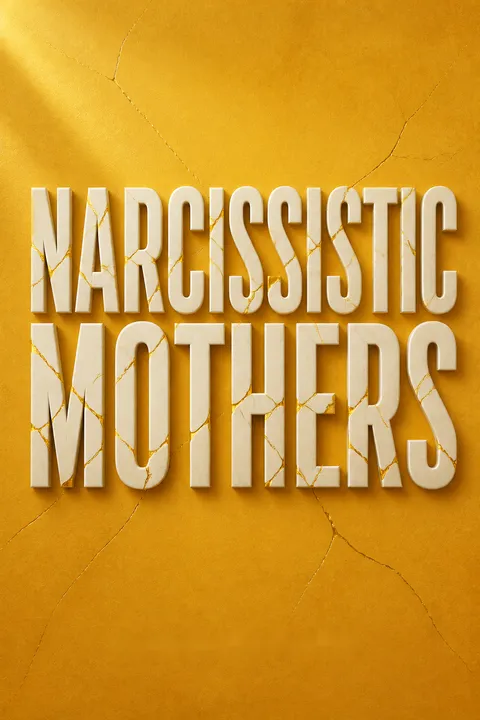


Key Takeaways
Stop protecting the family image when private patterns repeatedly harm you
The taboo hides harm. The book begins with a painful conflict: mothers are widely expected to be revered, so adult children may feel guilty or disloyal for describing a mother’s cruelty. That silence can protect the family’s public image while leaving the child alone with repeated, hard-to-name injuries. A household may look loving to outsiders even as a child is dismissed, shamed, or made responsible for a parent’s emotions.
Name what happened. The book treats recognition as a first step, not a verdict on every family member. Repeated experiences of being silenced or made to feel worthless deserve attention, even when no single event seems dramatic enough to explain the damage. Speaking with a trusted person or therapist can help turn private confusion into a clearer account.
What's striking is how social reverence for motherhood can make ordinary standards of evidence uneven: outsiders may accept a parent’s account more readily than an adult child’s. Naming this bias helps explain why family harm can stay hidden without assuming every disputed memory is automatically complete. A useful middle path is to take the person’s distress seriously while exploring specific events, patterns, and effects with a careful listener. This avoids both reflexive dismissal and premature certainty. The aim is not to win a public case against a parent, but to regain enough clarity to make safer choices.
Judge repeated patterns of control, not one selfish moment or an online label
Traits are not diagnoses. The book cautions that selfishness, attention-seeking, or occasional insensitivity does not by itself establish Narcissistic Personality Disorder, or NPD. It describes the DSM criteria as a persistent pattern involving grandiosity, a need for admiration, and difficulty recognizing other people’s needs. The book reports that a clinician looks for at least five of nine listed criteria, alongside meaningful problems in daily functioning.
Look at behavior. The author distinguishes overt narcissism, which is more openly boastful or domineering, from covert narcissism, which may appear more vulnerable or indirect. These descriptions can help readers notice patterns, but they are not a reliable way to diagnose a relative. Focus first on what the person does, how often it happens, and how it affects safety, autonomy, and relationships.
The distinction between a troubling behavior and a clinical disorder is essential. Personality-disorder criteria are tools for trained assessment, not a checklist for family members to apply from a distance. At the same time, a diagnosis is not required before someone can respond to repeated humiliation, intrusion, or coercion. This separates two questions that are often tangled together: what explains the parent’s behavior, and what protection does the adult child need? The book’s overt and covert categories can offer vocabulary, but they should remain hypotheses rather than fixed identities.
Treat family roles as temporary maps, not permanent identities
Roles serve the system. The book describes three recurring positions in a dysfunctional family. A golden child is praised as a parent’s favored reflection, a scapegoat is blamed for problems, and a lost child receives little attention. These positions describe how a parent may distribute approval, blame, and neglect. They are not measures of a child’s real worth or character.
Notice the cost. The favored child may feel pressure to stay dependent and preserve the parent’s ideal image. The scapegoat may internalize criticism and keep trying to prove their value. The overlooked child may learn to hide needs and avoid closeness. The author presents the labels as temporary tools for understanding what happened, not permanent roles to carry into adulthood. The book also describes enmeshment, when a parent intrudes on a child’s independence, and parentification, when a child is pushed into an adult caregiving role.
Family-systems thinking asks how a pattern is maintained across relationships, rather than locating every problem inside one child. These role labels can make confusing experiences legible, especially when siblings receive sharply different treatment. Their limitation is that a vivid label can become another box: siblings may occupy mixed or changing positions, and a role does not predict an adult’s future. The practical use is to identify learned expectations, such as earning approval or hiding needs, then test whether those expectations still fit relationships outside the family.
Notice manipulation by its effect on your reality, not by winning arguments
Confusion can be a tactic. The book describes gaslighting as manipulation that pressures a person to doubt their memory, perception, or judgment. It may involve denying past events, changing the story, blaming the target, or discrediting outside support. Other patterns include the silent treatment, public mockery, guilt appeals, and triangulation, in which a parent uses one family member against another. The book also describes a parent provoking an emotional reaction and then presenting the child’s distress as proof that the child is the problem.
Track the pattern. The goal is not to produce the perfect argument that finally wins recognition. It is to notice recurring behavior and its effects, seek a grounded perspective from someone trustworthy, and avoid sharing information that is repeatedly used to hurt or control you. When conflict becomes unsafe, ending the interaction may matter more than explaining yourself.
The useful question is often not whether a single exchange can be proved beyond dispute, but whether the relationship repeatedly leaves one person confused, isolated, or afraid to trust their own account. Notes about events and conversations can help restore continuity, provided record-keeping does not create new risks. Outside perspectives are valuable when they are independent and respectful, rather than simply recruited to take sides. This approach supports reality-testing without treating every disagreement as gaslighting. Ordinary conflict allows room for different memories; coercive patterns punish one person for having a different version.
Make boundaries concrete, with consequences you can safely carry out
A boundary describes your action. The book argues that repeated explanations rarely persuade a parent who dismisses your needs. A workable boundary states what contact or behavior you will accept and what you will do if it is crossed. That might mean ending a call, limiting personal disclosures, reducing visits, or taking a period of distance. The focus is on the adult child’s choices, not on forcing the parent to agree.
Choose the level of contact. The book discusses no contact as an option when ongoing abuse makes a relationship harmful, and mitigated contact as limited, cautious communication with clear limits. It also separates forgiveness from excusing abuse or restoring access. Forgiveness, if it matters to the person, need not mean reconciliation. Because dependence, safety, and family responsibilities differ, the book acknowledges that contact decisions are personal.
Boundaries become more credible when they are specific, proportionate, and within the person’s control. This resembles contingency planning: instead of trying to govern another person’s motives, the individual decides what response they can sustain. Distance can reduce exposure, but it may bring grief, guilt, or practical difficulties, particularly when finances or caregiving are involved. No contact is therefore neither a universal prescription nor a test of courage. The relevant measure is whether a contact arrangement protects well-being and can be maintained safely, with support where needed.
Build practical independence before announcing plans to leave
Freedom needs logistics. For a young person preparing to leave a controlling household, the book emphasizes material preparation alongside emotional resolve. Its suggestions include finding paid work, saving part of each paycheck, arranging housing, and replacing a phone or car that belongs to the parent. It also recommends planning for rental requirements and unexpected expenses rather than assuming family members will provide help.
Make a workable plan. The point is to reduce the parent’s ability to block essential steps at the last moment. A private budget, documents, transportation, and a safe place to go can matter as much as confidence. The book gives an example of saving about 10 percent of income and building an emergency fund. These are suggestions, not a universal formula; age, local laws, housing costs, and immediate safety affect what is realistic.
The practical focus is a strength because independence is partly an economic and logistical achievement, not just a psychological declaration. Small resources can widen a person’s options and lower the cost of leaving. However, planning should be adapted to the person’s age, legal situation, and risk of retaliation. A young person facing danger may need a trusted adult or local support service rather than a solo moving plan. The larger principle is to secure essentials quietly and safely, while treating self-reliance as supported agency, not a requirement to manage every obstacle alone.
A sudden emotional storm may be an old alarm, not present danger
The past can feel current. The book uses the term emotional flashback for an intense emotional reaction linked to earlier trauma, without a clear visual memory of the event. A small disagreement may bring disproportionate fear, rage, numbness, or despair because it resembles an earlier experience of rejection or threat. The emotion is real, but its intensity may reflect both the present trigger and unresolved past pain.
Orient to the present. The book suggests naming the reaction, reminding yourself that you are an adult now, slowing your breathing, seeking a safe place, and leaving a situation where someone is mistreating you. It also encourages identifying triggers and allowing grief rather than attacking yourself for having a response. The author says prolonged abuse can be associated with Complex Post-Traumatic Stress Disorder, or CPTSD, and emphasizes professional help for assessment and treatment.
Trauma-informed care distinguishes a nervous system’s learned alarm from a reliable reading of immediate danger. That distinction can create room to pause, check present facts, and choose a response rather than being swept into an old survival pattern. It should not be used to dismiss genuine current threat: sometimes alarm is informative. Nor does every strong reaction establish CPTSD. The book’s description is best treated as a possible framework for understanding distress, with assessment from a qualified clinician when symptoms persist or impair daily life.
Replace inherited self-attack with self-care, honest needs, and skilled support
Learn a kinder inner voice. The book describes toxic shame as feeling fundamentally bad or defective, rather than feeling regret about a particular action. It links this to self-abandonment: suppressing needs, saying yes out of fear, or tolerating poor treatment to preserve approval. A harsh inner critic may turn one mistake into a judgment about a person’s whole identity.
Practice noticing yourself. Suggested steps include writing down needs and emotions, journaling about the fears behind people-pleasing, keeping a daily record of personal strengths, and making time for ordinary care of the body and mind. The book calls for reparenting, meaning learning to offer yourself the validation, comfort, and structure that were missing in childhood. These practices can support recovery, but the author also recommends psychotherapy, especially when trauma symptoms are substantial.
Self-compassion is not the same as avoiding responsibility. It allows a person to evaluate an action without turning it into proof of inherent worthlessness, a distinction that can make learning and repair more possible. The book’s exercises create repeated opportunities to notice preferences that were once suppressed. Their effects are likely to vary, and self-help cannot substitute for individualized treatment when distress is severe. A therapist who respects the person’s account without dictating forgiveness can help connect daily practices to deeper work on shame, relationships, and trauma.
Care for an aging parent without measuring your worth by their approval
Care has limits. The book recognizes the particular strain of caring for an older parent who continues to criticize or make the adult child feel inadequate. It urges caregivers to separate the parent’s judgment from an honest assessment of their own efforts. One proposed practice is to note several concrete things done each day, such as arranging a need or offering support, rather than relying on the parent to confirm that the care was good enough.
Manage the interaction. The book recommends emotional distance from insults, brief neutral replies, and avoiding drawn-out arguments that become another source of distress. Caring for a parent does not require accepting abuse without limits. The adult child may need to set boundaries around time and contact, or seek help from other people. The underlying question is not whether the parent is satisfied, but what care is possible without destroying the caregiver’s health.
Caregiving brings ethical obligations, emotional history, and finite human capacity into the same room. A parent’s abusive behavior does not erase the caregiver’s need for rest, safety, or a fair division of labor. Conversely, characterizing a parent as narcissistic should not replace an assessment of medical needs or practical care options. The most sustainable plan may involve other relatives, professional services, or narrower responsibilities. Separating self-worth from the recipient’s approval is useful, but it does not mean that the caregiver must carry the burden alone.
Analysis
This book is best read as a survivor-oriented guide to recognizing family patterns and reclaiming choices, rather than as a clinical reference. Its central narrative moves from silence, through naming and protection, toward recovery. That arc is valuable because adults from controlling families often struggle not only with distress, but with the belief that they are not entitled to interpret their own experience. The sections on family roles, contact limits, practical independence, and self-criticism give readers concrete language for patterns that can otherwise feel diffuse.
The strongest distinction in the text is between understanding a parent and accepting harmful conduct. It also rightly cautions that only qualified professionals diagnose NPD. That caution matters because a child can be harmed by behavior whether or not a parent meets diagnostic criteria. Conversely, a presumed diagnosis cannot by itself establish the facts of a particular relationship. The book sometimes moves beyond that careful stance, making sweeping claims about narcissists’ motives, capacity for love, or the likelihood that their children develop CPTSD. Its narrative certainty may feel validating, but those claims are not demonstrated by evidence in the text and should not be treated as universal clinical conclusions.
The recovery guidance is most useful when framed as options rather than guarantees. Boundaries, reduced contact, journaling, self-compassion, and practical planning can support agency, but safety and resources determine what is feasible. Trauma treatment also calls for care: revisiting painful memories without professional support may overwhelm some people, and a strong reaction does not automatically identify its cause. The book’s durable contribution is less a diagnosis of the parent than a permission structure for the adult child: take patterns seriously, seek qualified support, and make decisions based on actual effects rather than inherited guilt.
Review Summary
Narcissistic Mothers by Caroline Foster receives mostly positive reviews, with an average rating of 4.20 out of 5. Readers find the book validating, eye-opening, and helpful in understanding their experiences with narcissistic parents. Many appreciate its simplicity, clarity, and practical advice. Some criticize the lack of academic references and repetitive content. The book is praised for its empathetic tone and ability to make readers feel understood. Several reviewers recommend it as a starting point for healing, though some suggest pairing it with professional therapy.
People Also Read




Glossary
Narcissistic supply
Attention that reinforces importanceThe book uses narcissistic supply for attention or emotional responses that, in its account, reinforce a narcissistic person's sense of importance or control. It describes admiration as positive supply and a target's distress as negative supply. The term explains the author's interpretation of provocative behavior, but it should not be treated as proof of another person's internal motive.
Golden child
Favored family roleA golden child is the child a parent idealizes and treats as a reflection of the parent's desired self-image. The child may receive praise and special attention, while also facing pressure to remain compliant, impressive, or emotionally close. The term describes a family position, not a child's character or a guarantee of how that child will develop.
Scapegoat
Child blamed for family problemsA scapegoat is a child whom a dysfunctional family repeatedly blames, criticizes, or treats as the source of its problems. The book describes this child as often outspoken or alert to contradictions, then portrayed as difficult or unreliable. The label can help explain a pattern of blame, but it is not a permanent identity.
Lost child
Overlooked family roleA lost child is a family role marked by neglect and low visibility. The child may avoid conflict and receive little attention, praise, or help. The book links this position with isolation and difficulty expressing needs as an adult. The label describes how the family treats the child, not an inherent lack of ability or value.
Gaslighting
Pressure to doubt your realityGaslighting is a form of psychological manipulation that attempts to make someone doubt their memory, perception, or judgment. The book describes tactics such as denying events, changing accounts, spreading misleading claims, and discrediting outside support. A disagreement or memory difference alone does not establish gaslighting; the term refers to a recurring pattern that undermines another person's confidence in their own reality.
Triangulation
Using one person against anotherTriangulation is a relational tactic in which a person manages conflict or control by drawing a third party into the relationship. In the book's family examples, a parent may tell different children conflicting stories, encourage rivalry, or recruit relatives to support one side. The result can be mistrust among family members and less attention to the original conflict.
Parentification
Child pushed into adult dutiesParentification occurs when a child is expected to take on responsibilities or emotional roles that belong to adults. The book uses it especially for a child made responsible for a parent's emotional needs or treated as a substitute partner. A child may become capable and attentive while losing space for age-appropriate independence and care.
Emotional flashbacks
Past-linked emotional surgesEmotional flashbacks are intense emotional reactions associated with earlier traumatic experiences, without necessarily bringing a clear visual memory of the past. The book describes sudden fear, anger, numbness, or despair that seems larger than the immediate situation. Recognizing the possibility can help someone orient to the present, though a clinician is needed to assess persistent symptoms.
Toxic shame
Feeling fundamentally defectiveToxic shame is a persistent belief that the self is bad or defective, rather than a sense of regret about a specific action. The book connects it with chronic self-criticism, low self-worth, people-pleasing, and fear of rejection. It differs from ordinary guilt, which concerns something a person did and may be addressed through responsibility or repair.
Self-abandonment
Suppressing your own needsSelf-abandonment is the pattern of disregarding one's feelings, preferences, or boundaries in order to gain approval, avoid rejection, or manage another person's emotions. The book's examples include agreeing when one wants to refuse, hiding one's views, tolerating mistreatment, and putting everyone else first. Recovery involves learning to notice and respond to one's own needs.
Mitigated contact
Limited, cautious communicationMitigated contact is the book's term for maintaining restricted communication with a harmful parent while carefully controlling its form and content. A person may limit what they disclose, how often they interact, or which topics they discuss. It is presented as an alternative when complete separation is not possible or not chosen, with boundaries adjusted to the individual's situation.
Complex Post-Traumatic Stress Disorder (CPTSD)
Trauma-related difficulties after prolonged abuseComplex Post-Traumatic Stress Disorder, or CPTSD, refers in the book to difficulties associated with prolonged or repeated traumatic experiences. The text discusses emotional flashbacks, toxic shame, self-abandonment, a harsh inner critic, and social anxiety as possible concerns. These experiences have multiple possible explanations; the book encourages professional assessment and treatment rather than self-diagnosis.
FAQ
What's "Narcissistic Mothers: How to Handle a Narcissistic Parent and Recover from CPTSD" about?
- Focus on Narcissistic Mothers: The book delves into the dynamics of having a narcissistic mother and the impact it has on children, both during childhood and into adulthood.
- CPTSD Recovery: It provides insights into recovering from Complex Post-Traumatic Stress Disorder (CPTSD) that often results from such toxic relationships.
- Practical Solutions: The author, Caroline Foster, offers practical advice and strategies for handling a narcissistic parent and reclaiming one's life.
- Educational Purpose: The book is intended for educational and entertainment purposes, aiming to make a positive difference in the lives of those affected by narcissistic abuse.
Why should I read "Narcissistic Mothers" by Caroline Foster?
- Understanding Narcissism: It provides a comprehensive understanding of narcissistic behavior, especially in the context of parenting.
- Personal Growth: The book offers tools and strategies for personal healing and growth, helping readers to overcome the effects of narcissistic abuse.
- Empowerment: Readers can learn how to protect themselves and regain control over their lives, moving away from toxic environments.
- Support and Validation: It validates the experiences of those who have suffered from narcissistic abuse, offering them a sense of community and support.
What are the key takeaways of "Narcissistic Mothers"?
- Recognizing Narcissism: Understanding the traits and behaviors of narcissistic parents and how they manipulate their children.
- Impact on Children: Insight into the roles children are forced into, such as the golden child, scapegoat, and lost child, and the long-term effects.
- Healing Strategies: Practical advice on setting boundaries, going no-contact, and self-healing techniques to recover from CPTSD.
- Emotional Freedom: Encouragement to reclaim personal power and develop a healthy self-image, free from the influence of a narcissistic parent.
What are the best quotes from "Narcissistic Mothers" and what do they mean?
- Mother Worship: "The 'taboo' of speaking badly about mothers makes it more difficult for people who have been affected by narcissistic mothers to seek healing." This highlights the societal challenge of addressing maternal narcissism.
- Invisible Wounds: "There are lots of invisible wounds, because when you grow up in a narcissistic family there are toxic dynamics that are not all that apparent." It emphasizes the hidden nature of emotional abuse.
- Self-Healing: "You can’t allow yourself to be defined by a narcissist." This quote encourages readers to redefine their self-worth independently of their narcissistic parent.
- Empowerment: "You can reclaim your right to a healthy and happy life." It inspires readers to take control of their healing journey and future.
How does Caroline Foster define Pathological Narcissism in "Narcissistic Mothers"?
- Mental Illness: Narcissism is described as a mental illness that requires professional diagnosis, characterized by grandiosity, need for admiration, and lack of empathy.
- Spectrum of Narcissism: It exists on a spectrum, with varying levels of severity and different types, such as overt and covert narcissism.
- Diagnostic Criteria: The book references the Diagnostic and Statistical Manual for Mental Disorders, which outlines criteria for diagnosing Narcissistic Personality Disorder (NPD).
- Misconceptions: Foster clarifies that narcissism is not simply selfishness or self-love, but a deeper psychological affliction.
What are the types of narcissistic mothers described in "Narcissistic Mothers"?
- Overt Narcissistic Mother: This type is self-absorbed, competitive with her children, and often seeks attention and admiration.
- Covert Narcissistic Mother: She may appear caring but is manipulative and uses guilt to control her children.
- Enmeshed Mother: This mother creates a co-dependent relationship, preventing her children from gaining independence.
- Neglectful Mother: She is indifferent to her children's needs, often leading to feelings of abandonment and low self-esteem in her children.
How does "Narcissistic Mothers" explain the roles children play in narcissistic families?
- Golden Child: This child is idolized and seen as an extension of the narcissistic parent, often leading to narcissistic traits in adulthood.
- Scapegoat: Blamed for family problems, this child often becomes the truth-teller and may struggle with low self-esteem.
- Lost Child: Neglected and overlooked, this child often feels invisible and may struggle with forming relationships and self-worth.
- Role Assignment: These roles are assigned to serve the narcissistic parent's needs, not the child's well-being.
What solutions does "Narcissistic Mothers" offer for dealing with a narcissistic mother?
- Setting Boundaries: Establishing clear boundaries to protect oneself from emotional manipulation and abuse.
- No Contact: In some cases, going no-contact is recommended to break free from the toxic relationship.
- Self-Healing: Engaging in self-care practices and seeking therapy to heal from the emotional wounds inflicted by the narcissistic parent.
- Building Support Networks: Finding support from friends, therapists, or support groups to reinforce one's healing journey.
How does "Narcissistic Mothers" address the concept of Complex Post-Traumatic Stress Disorder (CPTSD)?
- Definition: CPTSD is described as a result of prolonged exposure to repetitive abuse, common in children of narcissistic parents.
- Symptoms: Key symptoms include emotional flashbacks, toxic shame, self-abandonment, a vicious inner critic, and social anxiety.
- Healing Process: The book emphasizes the importance of professional therapy and self-awareness in overcoming CPTSD.
- Emotional Flashbacks: These are highlighted as a significant symptom, where past emotions are triggered without a visual memory.
What are the self-healing tips provided in "Narcissistic Mothers"?
- Understanding and Acceptance: Recognizing the narcissistic parent's limitations and accepting that their behavior is not a reflection of one's worth.
- Reparenting Yourself: Learning to provide oneself with the love, validation, and discipline that was lacking in childhood.
- Positive Self-Talk: Replacing negative thoughts with affirmations and focusing on self-compassion and self-care.
- Building a New Identity: Developing a strong sense of self that is independent of the narcissistic parent's influence.
How does "Narcissistic Mothers" suggest handling a narcissistic mother if you live with her?
- Avoid Negative Responses: Refrain from giving negative emotional responses to avoid feeding the narcissistic supply.
- Reframe Experiences: Change the meaning of interactions to maintain emotional control and reduce stress.
- Sudden Emergencies: Use valid excuses to exit situations that may lead to conflict or manipulation.
- Temporary Solutions: Employ these strategies as temporary measures until a more permanent solution, like moving out, is possible.
What role do enablers play in the dynamics of a narcissistic family, according to "Narcissistic Mothers"?
- Support and Defend: Enablers support and defend the narcissist, often without malicious intent, reinforcing the narcissist's behavior.
- Lack of Boundaries: They fail to set clear boundaries, allowing the narcissist to continue their abusive behavior unchecked.
- Fear and Dependency: Enablers may be motivated by fear of losing the narcissist's approval or the benefits of the relationship.
- Impact on Children: The enabler's behavior can exacerbate the toxic family dynamics, leaving children without protection or validation.
Download PDF
Download EPUB
.epub digital book format is ideal for reading ebooks on phones, tablets, and e-readers.








