

Key Takeaways
Treat menopause as a multi-year transition, not a birthday or diagnosis.
The calendar misleads. Menopause itself is one moment: 12 months without a period. The hormonal transition around it can begin years earlier, often around age 45, and symptoms may continue after periods stop. With the average age of menopause near 51 and women’s life expectancy around 81, a substantial share of life unfolds after menopause. This is not a brief detour from the rest of a woman’s life.
The shift from a single milestone to a long transition changes the practical question from “Have I reached menopause?” to “What is changing, and what support would help?” That framing can also make conversations with clinicians more useful: symptom patterns and menstrual history may reveal more than a one-time hormone test. The book’s cultural argument matters here too. If menopause is treated as a private failure rather than a common life stage, people lose both information and permission to ask for help.
Use symptoms to guide care, not as proof that decline is inevitable.
Hormones affect more than periods. Estrogen and progesterone help regulate muscle, bone, blood sugar, temperature, sleep, mood, and connective tissue. Their levels can swing unpredictably during perimenopause, so symptoms such as hot flashes, poor sleep, mood changes, joint pain, and altered body composition can arrive together or in different combinations. Tracking periods, sleep, symptoms, and training response can help reveal patterns and make medical visits more specific.
The useful distinction is between a real physiological change and an unavoidable surrender. Treating symptoms as information creates options: training adjustments, nutrition changes, symptom-specific medication, or further evaluation. It also discourages the common mistake of explaining every new problem as menopause. Symptoms can overlap with other health conditions, so tracking should support clinical assessment, not replace it.
Discuss hormone therapy as an individual risk decision, not a universal yes or no.
Context changes the calculation. The Women’s Health Initiative, often cited to warn against menopausal hormone therapy (MHT), studied women with an average age of 63, many years past menopause. The book argues that results from that population do not directly settle the question for younger women near the transition. It describes MHT as a possible option for disruptive symptoms, especially when started before age 60 or within 10 years of menopause, while noting risks that vary with formulation, delivery method, duration, and personal health history. Local vaginal treatments may address dryness and related discomfort.
This is a decision-making problem, not a referendum on hormones. A careful discussion weighs symptom burden against individual risks, and distinguishes systemic treatment from local treatment. The historical panic around the WHI illustrates how headlines can flatten population-specific evidence into a rule for everyone. At the same time, “earlier is safer” is not a personal prescription: treatment requires a clinician who can review medical history, explain uncertainties, and revisit the choice over time.
Trade gray-zone miles for brief, hard efforts and genuinely easy recovery.
Make intensity count. Sprint interval training (SIT) means very short, near-maximal efforts followed by easy recovery. The book recommends replacing some moderate, “comfortably hard” workouts with one or two SIT sessions a week, while keeping truly easy days and space to recover. One study of postmenopausal women used 20-minute cycling sessions, three times weekly for eight weeks, alternating eight seconds of sprinting with 12 seconds of easy pedaling. Participants improved aerobic fitness by 12 percent and lost fat while regaining lean mass.
The principle is not that every athlete should sprint more, but that training stress needs a clear purpose. Short intervals offer a potent stimulus when time is limited, while easy sessions let the body absorb that stimulus. The book’s practical warning is important: high intensity is strong medicine, not a daily default. The cited studies are encouraging, but they do not establish that one protocol suits every fitness level, joint history, or health condition.
Lift progressively heavy weights to replace a stimulus estrogen once supplied.
Strength needs a strong signal. As estrogen declines, building and maintaining muscle can become harder. The book argues that light weights for many repetitions may build endurance but are not enough to maximize strength. Its target for experienced lifters is heavy work in roughly the three-to-six-repetition range, especially for large compound movements such as squats, deadlifts, and presses. Beginners should build technique and a foundation before increasing the load. The recommendation is year-round resistance training, generally two to three sessions weekly, with rest between demanding sets.
Strength training is valuable beyond appearance or sport: it supports daily function, joint stability, and the capacity to keep doing demanding activities. The book’s emphasis on progressive loading is more useful than the vague instruction to “tone.” Heavy does not mean reckless, however. Load should rise with skill and recovery, and people with osteoporosis, injury, or significant pain need appropriate professional guidance. The goal is a challenging stimulus that can be repeated safely, not a dramatic lift at any cost.
Give bones multidirectional impact, not just miles or bike hours.
Bones respond to loading. Plyometrics are exercises involving deliberate, quick impacts, such as jumping, hopping, or bounding. The book argues that running and lifting alone may not provide enough varied impact to stimulate the skeleton, particularly for cyclists and swimmers. In one study, women who performed 10 to 20 jumps twice a day improved hip bone density over 16 weeks, while non-jumpers lost density. The suggested progression is gradual, starting with simple jumps and building only when strength, balance, and connective tissues are ready.
The underlying idea is specificity: tissues adapt to the kinds of forces they encounter, so a body trained mostly in one direction may benefit from new loading patterns. That insight applies beyond bone health to balance and athletic confidence. Still, jumping is not a universal starting point. A history of fractures, osteoporosis, pain, or balance problems changes the risk calculation. The book appropriately frames impact as something to build toward, rather than a dare to prove that aging has been defeated.
Fuel training instead of dieting your way into metabolic slowdown.
Underfueling can reverse the goal. Low energy availability (LEA) occurs when the energy left after exercise is insufficient to support the body’s basic functions. In sport, prolonged LEA can contribute to relative energy deficiency in sport (RED-S), affecting bone, thyroid function, immunity, mood, and performance. Menstrual disruption can signal the problem in younger athletes, but that warning becomes harder to read during menopause. Persistent fatigue, declining performance, recurring injuries, poor recovery, and unusual hunger or mood changes can also be clues. The book advises reducing training volume and eating around demanding sessions rather than simply cutting food.
This challenges a powerful but incomplete weight-loss story: more exercise plus less food does not guarantee better body composition, especially for an already active person. The useful question is whether training and recovery are adequately supported, not whether a calorie target looks impressively small. LEA is a clinical and performance concern, though its symptoms are not specific to it. Persistent changes merit professional assessment rather than self-diagnosis or a rigid meal plan.
Feed muscle and gut with protein, plants, and purposeful timing.
Composition and timing matter. The book recommends spreading protein across the day, often around 30 to 35 grams at meals, with a substantial serving after hard strength or interval training. Its broad daily target for active women is about 1.8 to 2.4 grams per kilogram of body weight, adjusted for training and individual needs. It also emphasizes varied plant foods, fiber, and fermented foods to support gut health. For exercise, the advice is to fuel with suitable carbohydrate and protein rather than routinely training fasted or relying on highly processed products.
This is a more useful nutrition model than treating food as a ledger of calories alone: it considers what supports training, recovery, and a diverse diet. The gut microbiome is a promising area of research, but simple stories about “good” and “bad” bacterial families can overstate what current science can tell an individual. Protein targets also vary with health, diet, and clinical circumstances. The durable principle is adequacy and variety, with precise targets treated as starting points rather than laws.
Hydrate with a plan when hormones make thirst unreliable.
Fluid needs are individual. The book explains that fluid absorption depends partly on sodium and glucose working together in the gut, and it favors relatively dilute sports drinks over very sugary ones during exercise. It also cautions against automatically replacing every ounce lost or taking salt tablets, since overdrinking can cause dangerously low blood sodium. Thirst can be an imperfect guide for some women during and after menopause, so the book suggests considering body size, heat, training duration, and prior heat illness when deciding whether to drink by thirst or on a schedule.
Hydration advice often swings between two oversimplifications: drink constantly, or trust thirst without exception. The book’s stronger contribution is to treat fluid intake as context-dependent, especially during prolonged exercise and heat. Its precise formulas and drink recommendations should not be mistaken for universal rules; sweat rate, health conditions, medications, and event conditions differ. For most readers, the safest takeaway is to avoid both forced overdrinking and casual neglect, and to seek individualized guidance for long, hot, or medically complicated exercise.
Measure strength, symptoms, and function, not only body weight.
Progress has several markers. The book recommends recording symptoms and menstrual changes, then monitoring practical measures such as strength, power, pace, sleep, and how training feels. A symptom score can help organize a discussion with a clinician. Body weight alone cannot show whether muscle has increased while fat has decreased, and body mass index can mislead active people with more muscle. The authors also argue that body image and motivation deserve attention: Selene Yeager’s account of losing strength and confidence, then returning to racing after changing her training, gives the book its personal arc.
Measurement is most useful when it expands agency rather than creating a new scoreboard for self-criticism. A broader set of indicators helps distinguish capability from appearance and makes small improvements visible. That is especially important in a culture that often equates women’s aging with decline. But tracking can become obsessive, particularly for people vulnerable to disordered eating or anxiety. The right measures are those that guide care and performance without making the body feel like a perpetual project.
Analysis
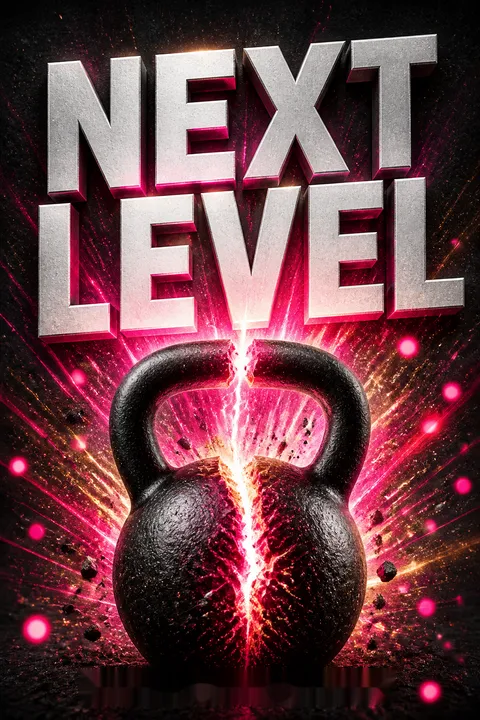
Next Level is a science-informed coaching guide with a personal story at its center. Selene Yeager describes an abrupt loss of strength, sleep, and confidence, then regains a sense of possibility by changing how she trains and fuels. That arc makes the book’s central argument concrete: menopause is not a command to stop, but a physiological transition that calls for different inputs. Its most valuable contribution is the integration of topics often siloed apart: symptoms, strength, bone loading, food, hydration, sleep, mood, and medical treatment are treated as interacting parts of performance and health.
The framework is strongest when it replaces generic advice with specific questions. Is training too often moderately hard? Is food arriving when recovery needs it? Is a new symptom hormonal, or does it need medical evaluation? This specificity gives readers agency without promising a return to a younger body. The book also confronts the cultural story that older women should become smaller, quieter, and less ambitious. Its reframing of progress around strength and function is both practical and humane.
Its evidence base needs careful reading. Menopause and exercise research has historically underrepresented active women, but individual studies and mechanistic explanations do not automatically prove that every recommendation works for every reader. Claims about adaptogens, microbiome balance, exact macronutrient targets, hydration formulas, and timing can sound more settled than the evidence warrants. The book’s prescriptions are best used as hypotheses to test, with medical and nutrition professionals involved when symptoms, illness, medications, or injury complicate the picture. The balanced lesson is neither blind faith in lifestyle optimization nor resignation to decline. It is informed experimentation, adequate support, and attention to individual response.
Review Summary
Next Level receives mostly positive reviews for its comprehensive guide to menopause for active women. Readers appreciate the science-based information on nutrition, exercise, and health factors. Many find it empowering and eye-opening, especially regarding protein intake and strength training. The book is praised for addressing symptoms and offering practical solutions. Some criticisms include its focus on elite athletes and occasional contradictory advice. Overall, reviewers found it helpful in understanding and managing menopausal changes, though a few felt it wasn't suited for their fitness level.
People Also Read






Glossary
Perimenopause
years of hormonal transitionThe period leading up to menopause, when ovarian hormone levels fluctuate and menstrual cycles become irregular. It can last several years and may bring symptoms such as hot flashes, sleep disruption, mood changes, and shifts in body composition. Menopause is identified retrospectively after 12 consecutive months without a period.
Menopausal hormone therapy (MHT)
prescribed hormone treatmentA medical treatment using estrogen, sometimes combined with progesterone or a similar hormone, to reduce menopausal symptoms or address particular health needs. The type, dose, and delivery method depend on factors such as symptoms, age, time since menopause, whether the uterus is present, and personal health risks. Treatment decisions belong in discussion with a qualified clinician.
Low energy availability (LEA)
too little energy after exerciseA state in which food intake does not leave enough energy, after exercise demands, to support normal bodily functions. In active people, prolonged LEA can affect performance, recovery, bone health, hormones, immunity, mood, and other systems. During menopause, irregular or absent periods make one familiar warning sign harder to interpret.
Relative energy deficiency in sport (RED-S)
health effects of underfuelingA syndrome that can develop when low energy availability persists and disrupts multiple bodily systems. The book connects RED-S with problems including impaired bone formation, fatigue, reduced training response, mood changes, and altered thyroid function. Because its signs overlap with other conditions, suspected RED-S calls for professional assessment rather than diagnosis from a checklist alone.
Sprint interval training (SIT)
brief maximal exercise intervalsA form of high-intensity interval training that alternates very short, near-maximal efforts with easy recovery periods. The book presents SIT as a way to provide a strong cardiovascular and metabolic training stimulus without relying solely on large volumes of moderate exercise. Sessions should be introduced gradually and balanced with adequate recovery.
Plyometrics
quick impact-based exercisesExercises involving rapid force production and landing, including jumping, hopping, and bounding. In the book, plyometrics are presented as a way to challenge muscles and bones with impact and varied directions of force. The recommended approach is progressive: build the strength and control needed before increasing the height, speed, or volume of jumps.
Adaptogens
stress-response plant compoundsPlants or plant extracts described in the book as supporting the body’s response to stress, with possible effects on symptoms such as fatigue, anxiety, sleep problems, and hot flashes. Examples discussed include ashwagandha, holy basil, rhodiola, and schisandra. Evidence and safety differ by product, and interactions with medications or health conditions should be reviewed with a clinician.
Gut microbiome
microbes living in the gutThe community of microorganisms living in the intestinal tract. The book describes its links with digestion, immune function, metabolism, mood, sleep, and exercise recovery. It recommends supporting a varied gut community through diverse plant foods and some fermented foods, while cautioning against relying on routine probiotic or prebiotic supplements.
Nutrient timing
when food supports trainingThe practice of arranging food intake around exercise to support performance, recovery, and adaptation. In this book, it includes eating before demanding workouts, fueling longer sessions when needed, and having protein and carbohydrate after hard training. The idea is that adequate daily intake matters, while the timing of that intake can also affect recovery and energy availability.
FAQ
What's Next Level: Your Guide to Kicking Ass, Feeling Great, and Crushing Goals Through Menopause and Beyond about?
- Focus on Menopause: The book is a comprehensive guide for women navigating menopause, addressing hormonal changes and offering strategies to maintain health, fitness, and performance.
- Two Main Parts: It is divided into "Menopause Explained," covering the science and symptoms, and "Menopause Performance," providing actionable advice for managing symptoms and optimizing physical performance.
- Empowerment Through Knowledge: The authors aim to empower women by normalizing discussions around menopause and providing evidence-based strategies to thrive during this phase of life.
Why should I read Next Level?
- Tailored for Active Women: It fills a gap by providing specific advice for active women to maintain performance and health during menopause.
- Science-Based Approach: Combines personal experiences with scientific research, ensuring practical advice grounded in evidence.
- Holistic Strategies: Covers various aspects of health, including nutrition, exercise, and mental well-being, offering a well-rounded approach to managing menopause.
What are the key takeaways of Next Level?
- Understanding Hormonal Changes: Emphasizes the importance of understanding hormonal fluctuations during perimenopause and menopause to manage symptoms proactively.
- Importance of Strength Training: Highlights the need for heavy strength training to combat muscle loss and maintain bone density.
- Nutrition Matters: Stresses the importance of proper nutrition, including adequate protein intake and a focus on gut health, for managing symptoms and supporting well-being.
What are the best quotes from Next Level and what do they mean?
- "Menopause doesn’t have to be the end of you kicking ass at the gym." Encourages women to adapt and thrive in fitness and health during menopause.
- "Your hormones are messengers that tell your body what it needs to do to stay healthy and strong." Highlights the role of hormones in regulating bodily functions and their impact during menopause.
- "You can work with your changing physiology to maximize your fitness and performance." Encourages embracing changing bodies and optimizing health and performance.
What is perimenopause, and how does it differ from menopause?
- Transition Phase: Perimenopause is the transitional phase leading up to menopause, often starting in a woman's 30s or 40s, with fluctuating hormone levels.
- Menopause Defined: Menopause is when a woman has not had a period for 12 consecutive months, marking the end of reproductive years, typically around age 51.
- Symptoms and Duration: Perimenopause symptoms can last several years, while menopause is a specific moment, but its effects can continue post-menopause.
How can I manage menopausal symptoms effectively according to Next Level?
- Exercise Regularly: Engage in regular physical activity, particularly strength training and HIIT, to alleviate symptoms and boost metabolism.
- Focus on Nutrition: Eat a balanced diet rich in whole foods, particularly fruits, vegetables, and lean proteins, to maintain muscle mass and support health.
- Consider Hormonal Therapy: Consult with a healthcare provider about menopausal hormone therapy (MHT) for managing severe symptoms.
What role do hormones play in menopause according to Next Level?
- Hormonal Fluctuations: Estrogen and progesterone levels decline, leading to various symptoms and affecting mood, metabolism, and bone health.
- Impact on Body Composition: Decline in estrogen can lead to increased fat storage and decreased muscle mass, necessitating proactive management.
- Hormones as Messengers: Hormones act as messengers, signaling what needs to be done for optimal health, empowering women to work with their changing physiology.
What is the importance of strength training during menopause as per Next Level?
- Combat Muscle Loss: Essential for preventing muscle loss that accelerates during menopause due to declining estrogen levels.
- Bone Health: Improves bone density, crucial for reducing osteoporosis risk post-menopause.
- Metabolic Benefits: Increases metabolic rate, counteracting weight gain and improving body composition.
How does nutrition affect menopause according to Next Level?
- Energy Availability: Proper nutrition is vital for maintaining energy availability, with adjustments in macronutrient intake, particularly protein.
- Gut Health Connection: A healthy gut microbiome plays a significant role in managing symptoms and overall health.
- Avoiding Diet Traps: Warns against restrictive diets, encouraging focus on whole, nutrient-dense foods.
What are adaptogens, and how can they help during menopause according to Next Level?
- Stress Resilience: Adaptogens help the body resist stressors, beneficial during menopause when cortisol levels may rise.
- Support for Symptoms: Certain adaptogens can alleviate symptoms like hot flashes and mood swings, improving well-being.
- Long-Term Use: Safe for extended use, complementing other treatments and lifestyle changes.
How does Next Level suggest managing hot flashes?
- Hydration and Cooling Techniques: Keep ice-cold hydration on hand and use cooling products to manage body temperature.
- Layering Clothing: Wear layers that can be easily adjusted to accommodate temperature changes.
- Exercise Considerations: Exercise can help manage the severity and frequency of hot flashes.
What are the mental health strategies discussed in Next Level?
- Positive Self-Talk: Develop a positive self-talk script to combat negative thoughts and boost confidence.
- Mindfulness and Meditation: Practice mindfulness to reduce anxiety and improve mental well-being.
- Community Support: Emphasizes the importance of social connections and support networks for emotional challenges.
About the Author

Download PDF
Download EPUB
.epub digital book format is ideal for reading ebooks on phones, tablets, and e-readers.








