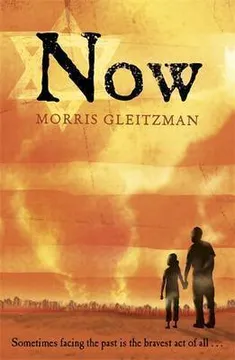


Plot Summary
The Missing Birthday Parcel
Eleven-year-old Zelda is hurrying home with a rare book for Felix, the grandfather caring for her while her doctor parents volunteer in Darfur. At school, she has described her family’s medical work and Felix’s skill as a surgeon; Tonya, an older student, twists this into a claim that Zelda is a liar.
In front of a growing crowd, Tonya mocks her and snatches the parcel meant for Felix’s eightieth birthday. Zelda could ask for help, but she fears losing the present and chases the girls to the river. Her need to prove herself has turned a schoolyard taunt into a danger she must face alone.
Zelda’s first mistake is not boasting so much as believing she must manage other people’s opinion of her without adult help. She treats the package as a responsibility and the challenge as a test of character, so she keeps pursuing Tonya after the safer choice has passed. Her anxious, comic imagination makes the danger vivid without diminishing it. The incident also places her between two inheritances: her parents’ public service and Felix’s reputation as a healer. She wants to embody both, but has not yet learned that courage can include asking someone else to stand beside her.
A Locket in the Mouse
At the river, Tonya demands that Zelda admit she lied, while her friends hold Zelda and seize the heart-shaped locket she secretly took from Felix’s bathroom drawer. The locket belonged to Felix’s childhood friend, also named Zelda, and is engraved with their initials. The girls force it into a dead bush mouse, then leave Zelda to retrieve it.
She cannot cut the animal open, despite believing a future doctor should be able to do so. Josh, a quiet boy from her class who wheezes with asthma, takes the scissors and frees the locket. Zelda cleans it, buries the mouse, and heads home ashamed that she has not become fearless. The bullies’ later text adds another wound: they claim her parents abandoned her.
The locket makes Zelda’s private insecurity tangible. She has borrowed it as if bravery might pass through an object, then interprets her distress at harming a small animal as evidence that she is unfit to help anyone. Josh’s intervention quietly revises that standard: he acts where she freezes, without making a performance of it. The scene also links present-day cruelty to Felix’s history without equating the two. Zelda understands bullying through the family’s stories, but still minimizes what happens to her. Her shame grows from the belief that she must be both invulnerable and self-sufficient.
Felix’s Missing Book
Felix surprises Zelda with a cake celebrating her first week at the new school. She gives him William’s Happy Days, the last volume missing from his collection of Richmal Crompton books, and watches his delight soften into puzzlement when they dance and the locket falls from her pocket. Zelda admits she found it in his drawer and took it because she hoped it would make her brave.
Felix forgives her and offers her the locket, recognizing how frightening it is to have her parents far away. Zelda accepts it briefly, then returns it, deciding she cannot outsource courage to a keepsake. That night, she wakes from a nightmare and notices Felix has hung the locket near her bed.
Felix responds to Zelda’s confession with care rather than punishment, but does not pretend taking the locket was harmless. The distinction matters: forgiveness repairs trust without erasing responsibility. Zelda’s decision to return it marks a small but meaningful separation from the idealized childhood friend whose name she shares. She cannot become brave by wearing proof of someone else’s bravery. Yet Felix’s willingness to lend the keepsake shows that remembrance can comfort without becoming a demand to imitate the dead.
Wilhelm Between Covers
After her nightmare, Zelda admits that Tonya and her friends have been bullying her. Felix recognizes the guarded way she has been watching the house and tells her she needs a trustworthy adult and a friend nearby; Zelda thinks of Josh. Later she finds an old Polish copy of William’s Happy Days on Felix’s bed, its cover worn and its pages scorched.
Inside, the name Wilhelm links the book to the false identity Felix used while hiding from the Nazis. Zelda wonders why he kept this copy apart from his collection. She also learns the locket had been inside the mouse, and Felix listens as she recounts the bullying. The mystery of the book now sits beside a truth she has finally shared.
Zelda’s disclosure changes the problem from a private test of endurance into something another person can help address. Felix does not promise that the bullying will vanish; he gives her a practical structure of protection, an adult and a peer. Meanwhile, the hidden book suggests that his cheerful relationship with reading has a buried history. Zelda’s instinct is to investigate because she has learned to watch Felix closely, but she is still guessing at what he carries. The parallel matters: both of them conceal pain to protect someone they love.
Boots From Barney
On Felix’s birthday, he prepares a soup from humble vegetables to remember people from his childhood. In town, he buys Zelda sturdy boots and explains that Barney, a dentist who helped him survive Nazi persecution, once gave him boots when he needed them. While they wait out Tonya and her friends, Felix also tells Zelda about Genia, a Polish farmer who hid him, and her husband Gabriek, who cared for him afterward.
These stories make the old names in Felix’s life concrete, though he avoids speaking about Zelda, his childhood friend. They then travel to a hotel where former patients have gathered to celebrate the surgeon who once treated them. Felix enters the crowded tribute already uneasy.
The boots turn memory into a practical gift. Felix does not ask Zelda to admire the people who protected him from a distance; he passes on something useful, much as Barney once did for him. His stories also complicate the idea that survival belongs to one exceptional hero. A dentist, a farmer, and her husband each contributed a different kind of shelter. Felix’s silence about his childhood friend creates a deliberate gap in this family history, a gap Zelda will keep trying to understand.
The Surgeon’s Shaking Hands
At the hotel, Felix’s former patients describe the operations that saved their lives, and their gratitude gradually eases his discomfort with the crowd. Then a man recalls how Felix once bent hospital rules to give a young patient a view of trees. The room applauds, but Zelda sees Felix clench his trembling hands and cry.
She suspects the old Polish William book hurts because Felix can no longer operate. On the ride home, Felix rejects the praise, saying he never deserved to be called a hero and hinting that he once failed someone. Zelda has already urged hospital leaders to spend money on painful legs and shaky hands rather than cosmetic treatment. She decides to find a better way to make him feel valued.
The applause gives Felix recognition, but recognition is not the same as relief. His hands expose the cost of retirement more sharply than the public stories of his surgical skill can repair. Zelda interprets his tears through the evidence she has, and her guess about the book is compassionate but incomplete. Felix’s refusal of the hero label introduces moral injury: he measures himself not only by the lives he saved, but by someone he could not protect. Zelda’s defense of medical funding shows her beginning to translate admiration into advocacy.
The Picnic Catches Fire
Wanting to cheer Felix, Zelda arranges his patients’ thank-you letters around a birthday picnic in the forest. Josh appears with a T-shirt from his family’s pest-removal business, explaining that he came to apologize for his sister Tonya’s behavior. Zelda suspects a trap and tells him to leave. As Josh presses the shirt into her hand, they stumble together and knock over a candle.
Zelda uses the picnic cloth and lemonade to extinguish the flames on the grass and trees, but the letters catch and rise into the hot air as burning scraps. She cannot save them. Believing she has destroyed the proof of Felix’s good work, she hides the accident and keeps checking the dark forest for fire.
The fire begins with a collision between good intentions and poor judgment. Zelda wants to display gratitude that Felix has tucked away, but her surprise requires candles in a dry forest on a dangerous summer day. Her mistrust of Josh is understandable after Tonya’s cruelty, yet it helps create the awkward fall that ignites the picnic. The burned letters deepen her belief that she must repair every harm alone. Rather than tell Felix, she protects his birthday from worry and makes her own fear more isolating.
Felix Loses His Temper
After the picnic, Zelda discovers that Felix’s Holocaust-survivor friends have come to visit and avoids disturbing their private gathering. Later she climbs onto the roof to look for signs of fire. Tonya and two friends arrive with cigarettes, challenge Zelda’s honesty, and ask whether Felix can really cure people.
Felix comes outside and, when Tonya insults Zelda, grabs her shoulders and nearly strikes her. Zelda calls him back to himself; he releases Tonya, shaken by his own anger. That night Felix wakes from a nightmare. He tells Zelda that his childhood friend Zelda was a Polish girl who helped him survive, and that he tried to protect her by leaving her. The Nazis captured and hanged her.
Felix’s outburst breaks the image of the gentle healer, revealing how an old threat can still command the body before the mind can restrain it. Tonya’s language echoes the dehumanizing cruelty he survived, and Zelda sees that defending her has opened a wound far older than their quarrel. His confession recasts the childhood friend as more than a cherished memory: Felix has carried guilt over a choice made under impossible conditions. Zelda’s name is no longer simply an inheritance. It is attached to a person whose bravery had a human cost.
The Fire Was Elsewhere
By morning, smoke hangs over the district. Zelda fears her burning letters have carried sparks far away, so she runs toward town to volunteer. There she sees firefighters rushing out and a badly burned man carried into an ambulance; Josh and Tonya are also helping their family prepare. Overwhelmed, Zelda hides by the river until Felix finds her.
She confesses that the picnic letters burned and insists she caused the disaster. Felix explains that the wildfire began two valleys away, probably from lightning. Zelda cannot accept reassurance, so he drives her to the local fire command center. The town is now preparing for a real emergency, while Zelda’s imagined responsibility has become tangled with danger she did not create.
Zelda’s guilt makes her confuse two fires: the small one she accidentally started and the much larger one threatening the region. The distinction is factual, but emotionally she has already made herself responsible for every visible consequence. Her attempt to volunteer is both reparative and self-punishing; she wants to help, but also believes she deserves the danger. Felix responds by seeking evidence rather than merely comforting her. His method gives the next turning point a practical purpose: establish what happened before deciding what she owes.
Paper Cannot Fly Fifty Kilometres
At the command center, Felix asks the fire chief how far the wildfire began from their house and whether a burning letter could travel that distance. When the exhausted chief brushes him off, Felix lights a scrap of paper and lets the hot fan breeze carry it across the room; it falls and goes out well short of the opposite wall.
The demonstration gives Zelda a reason to believe the wildfire was not hers. Before they can settle, a firefighter reports that the wind has swung toward the western exit road, which passes near Felix’s home. Felix and Zelda hurry back toward Jumble, who has been left at the house. The truth absolves Zelda of starting the district fire, but gives them little time to prepare for it.
Felix’s demonstration is both a simple experiment and an act of care: he replaces Zelda’s spiraling speculation with observable evidence. The scene also makes a sharp contrast between private guilt and public catastrophe. She did cause a small accident, but she did not create the lightning-struck wildfire; accepting that limit is essential to taking responsibility without claiming omnipotence. The wind shift immediately tests this new clarity. Understanding the cause cannot control the danger, so attention must move from self-accusation to what can still be protected.
The Hole Beneath the Fire
As townspeople evacuate, Felix tells Zelda to board the school bus while he returns to protect the house and Jumble. She refuses to leave the dog, remembering how the childhood Zelda stayed beside Felix when he was sent toward a Nazi death camp. Felix finally lets her remain. Firebrands sweep over the house, electricity fails, and their hoses stop.
Zelda finds Jumble beneath an overturned wheelbarrow, but burning debris smashes a window and sets the rooms alight. She and Felix fight the flames until the bookcase collapses and Felix pulls her clear. With the firestorm bearing down, they shelter together with Jumble in the dog’s deep hole. Felix shares water and oxygen, then tells them a survival story as the fire roars overhead.
Zelda’s refusal to board the bus is not a simple victory of courage over fear. She recognizes that her choice resembles the one made by Felix’s childhood friend, but insists that resemblance does not determine her fate. Felix must confront the difference between protecting someone and controlling them. Once they are inside the firestorm, bravery becomes practical and shared: find the dog, use the equipment, leave the burning house, and shelter. The hole carries both literal protection and the weight of Felix’s wartime memories, turning the family’s history into an immediate survival resource.
Ashes Where Home Stood
When Zelda wakes, the firestorm has passed, but Felix’s house, the forest, and nearly everything around them have burned away. Felix keeps her and Jumble on the remains of their blankets while the ground cools, refusing to risk the hidden hot ash. To keep them from staring at the wreckage, he makes a story tent from what remains of the bedding.
They trade memories, including how Gabriek helped Felix rebuild damaged houses after the war and brought him to Australia to study medicine. Zelda invents a story about a man who learns to offer protection again after failing someone he loved. Felix listens closely. Their exchange gives grief a shape without pretending the destroyed home can be restored.
The landscape makes loss undeniable: the house and the surrounding forest are not temporarily damaged but gone. Felix’s insistence on waiting can look like caution to Zelda, yet it is also knowledge earned through earlier survival. The story tent reverses the function of the hole. One sheltered them from immediate death; the other gives them a small, chosen interior after the danger. Their stories do not erase destruction. They let both characters name continuity through care, rebuilding, and memory.
Tonya Brings Josh
Once the ash cools enough for movement, Tonya arrives in a badly damaged ute with Josh unconscious on a mattress. Smoke has worsened his asthma, and a roof tile struck his chest. Felix examines him and realizes fluid is building inside his chest, making urgent surgery necessary. The town hospital is their only hope, so Tonya drives while Zelda watches Josh’s breathing.
On the blocked highway, they carry him by turns. Tonya apologizes for bullying Zelda and explains that she targeted the new girl to draw attention away from classmates mocking Josh. Zelda tells her that protecting him did not excuse the harm. When Tonya finds her parents’ burned fire truck and burns her hands, Felix steadies her, but the group keeps moving.
Tonya’s explanation makes her cruelty intelligible without making it acceptable. She tried to redirect ridicule from Josh, but treated Zelda as a tool and never asked what that would cost her. Zelda’s refusal to let the apology erase the injury is a new form of confidence: she can hear Tonya’s fear and still name the damage. The urgent journey forces them into cooperation before they have repaired their relationship. Felix’s medical assessment gives the group a shared task, while Tonya’s uncertainty about her parents adds another kind of fear to the walk.
The Hospital Is Gone
The highway is blocked by fallen trees, so Felix, Zelda, and Tonya carry Josh toward town. Tonya has burned her hands on the family fire truck, but Felix treats them and keeps her moving. The town is a field of ash and rubble; the hospital has burned down, and there is no emergency clinic nearby.
Zelda spots a surviving strip of green on the hillside and a house with an intact window. Felix is exhausted, his hands shake without his regular medication, and their medical supplies are sparse. Still, he follows her suggestion that he operate in the house. The group carries Josh inside, where they can lay him on a kitchen bench and improvise with whatever remains available.
The ruined town strips away the institutions that usually make medical care possible: hospital, electricity, water, and reliable transport. Zelda’s observation of one intact house becomes a small but decisive act of problem-solving. The scene also prepares the reversal at the center of the operation. Felix has the knowledge but not steady hands; Zelda has the willingness to act but not the training. Neither is sufficient alone, so survival depends on their capacity to share expertise under conditions no operating room would permit.
A Knife, Funnel, and Tube
Inside the surviving house, Felix explains that blood and fluid are compressing Josh’s lung and that a drain must be placed. They disinfect a fruit knife, a funnel nozzle, and a flexible tube found on a juicer. Felix’s hands tremble too badly to operate, so Zelda offers to do it while he directs her.
He tells her about assisting a partisan doctor during the war, who taught him to focus on the cut in front of him rather than past mistakes or future fears. Zelda follows his instructions, makes an incision in Josh’s chest, and holds steady as Felix guides the tube into place. Blood drains into a bucket. Then Josh gasps and begins breathing more fully. Felix tells Zelda he is proud of her.
This is the point where Zelda’s wish to become a doctor becomes action, but the book avoids presenting courage as a substitute for expertise. Felix supplies the procedure, observes the patient, and guides each movement; Zelda performs the task because his hands cannot. Their collaboration turns inherited stories into usable knowledge without pretending the conditions are safe or ideal. The instruction to concentrate on the present also answers Zelda’s earlier fixation on past mistakes. She cannot undo the picnic, but she can attend to Josh’s next breath.
A Name Shared, Not Borrowed
In an emergency medical tent, Josh recovers enough to be reunited with his parents, who feared he had been lost. Felix accepts their gratitude but redirects attention toward the exhausted survivors around them. He also reconciles with the fire chief after their tense meeting.
Weeks later, Zelda joins her parents, Felix, and members of his survivor group at a memorial for his childhood friend. Felix places the recovered locket in the earth, and Zelda thanks the girl for the courage she had mistaken for a standard she must meet.
Then Zelda tells her parents that their family has repeatedly left children behind, including when they went to Darfur. Her mother acknowledges the truth and embraces her. Zelda can now carry the name without trying to become its original bearer.
The memorial resolves the locket’s role by returning it to the person whose memory it represents, rather than using it as a charm or proof of inherited bravery. Zelda’s speech to the childhood friend is also a farewell to competition with an idealized past. Her challenge to her parents extends the story’s idea of protection into family life: love and noble purpose do not cancel the child’s experience of separation. The ending offers recognition rather than a neat guarantee. Zelda has spoken clearly, and her family has heard her.
Analysis
Now connects a child’s ordinary vulnerabilities to two forms of historical crisis: the Holocaust Felix survived and the catastrophic bushfire that threatens his home. It does not treat the events as equivalent. Instead, it shows how old trauma shapes reactions to present danger: Felix’s protective reflex, Zelda’s fear of abandonment, and the family’s habits of hiding painful truths all have histories behind them.
The book’s strongest psychological distinction is between responsibility and omnipotence. Zelda accidentally starts a small fire, then assumes the much larger wildfire is also her fault. Felix’s paper experiment corrects the factual error, but the more lasting lesson is that accountability has limits. Zelda can admit what she did, help when danger arrives, and learn from it without claiming control over every disaster. This allows her to become brave through attention and action rather than through self-punishment.
Felix’s memories also resist a simple hero narrative. He has saved many patients, yet measures himself against the friend he could not keep safe. His trembling hands make retirement a loss of identity, while his refusal of praise exposes how public gratitude cannot settle private guilt. Zelda’s care for him is reciprocal: she notices what others miss, challenges hospital priorities, and eventually helps him act when his body cannot.
The repeated acts of protection remain morally complicated. Tonya tries to shield Josh by directing cruelty toward Zelda; Felix once believed separation might protect his friend; Zelda’s parents leave for compassionate reasons but still leave their daughter lonely. The story asks not only whether people mean well, but whether they listen to the person bearing the cost. Its ending offers no perfect protection. It offers something more credible: people who speak honestly, share knowledge, and choose to remain present for one another.
Review Summary
Now is the third book in Morris Gleitzman's series about Felix, a Jewish boy who survived the Holocaust. Set in present-day Australia, it follows Felix's granddaughter Zelda as she navigates bullying and a devastating bushfire. Readers appreciate the continuation of Felix's story and the exploration of intergenerational trauma. While some found the time jump jarring, many praised the emotional depth and historical context. The book touches on themes of bravery, identity, and healing, offering a poignant conclusion to Felix's journey while connecting past and present.
Characters
Zelda
An anxious young observerEleven-year-old Zelda is curious, imaginative, and alert to other people’s moods, though her mind can turn uncertainty into elaborate fears. She lives with her grandfather Felix while her doctor parents work in Darfur. She wants to become a doctor and measures herself against both her parents’ service and Felix’s surgical reputation. Her unusual name connects her to Felix’s childhood friend, a connection that makes her feel she must inherit someone else’s courage. Zelda often tries to solve problems alone, partly from pride and partly from not wanting to worry the people she loves. Her humor, close observation, and growing willingness to speak plainly are central to how she navigates danger and family.
Felix
A retired surgeon and survivorFelix is Zelda’s eighty-year-old grandfather, a former surgeon whose tenderness is expressed through cakes, books, stories, and careful attention to her moods. He has lived through Nazi persecution, prolonged hiding, and the loss of people he loved. His damaged legs and trembling hands limit what he can do now, even though medicine remains central to his sense of purpose. Felix does not treat resilience as cheerfulness alone: he remembers painful events, but also makes deliberate room for reading, cooking, and dancing. He wants to protect Zelda, yet his own history can make that instinct overprotective. His affection is strongest when he listens, shares what he knows, and allows her to act.
Tonya
A feared older studentTonya is an older student who uses mockery and intimidation to control the social space around her. She is sharp enough to notice how a crowd responds, but initially treats that attention as a weapon rather than a responsibility. Her fierce attachment to her younger brother Josh shapes her behavior, though it does not excuse the way she targets Zelda. Tonya’s confidence is partly performance: when circumstances turn frightening, she has to confront the consequences of her choices and learn to accept help.
Josh
A wheezing, gentle classmateJosh is a friendly boy in Zelda’s class who has asthma and is sometimes teased for his breathing. He is more comfortable helping quietly than demanding attention, and he acts with practical kindness when Zelda cannot manage a frightening task. His relationship with Tonya is shaped by her wish to shield him, although he is not responsible for the way she treats others. Josh’s calm manner gives Zelda a possible friendship built on action rather than promises.
Jumble
The family’s loyal dogJumble is Felix and Zelda’s much-loved, cross-eyed dog, with awkward legs and an enthusiasm that outstrips his coordination. He is a source of comfort, companionship, and practical help, especially when Zelda feels alone. His attachment to both Felix and Zelda gives the household a small, steady center while the adults are absent and danger gathers around them.
Zelda’s parents
Doctors working far awayZelda’s mother and father are doctors who volunteer to treat wounded children in Darfur. Their humanitarian commitment is sincere, and they trust Felix to care for Zelda while they are away. Their absence is nevertheless painful for their daughter, who struggles to reconcile the good they do with the loneliness their departure creates. They are loving parents, but the story makes clear that good intentions do not erase a child’s need to be heard.
Zelda, Felix’s childhood friend
A remembered childhood companionFelix’s childhood friend is a Polish girl who shares Zelda’s name and becomes one of the most important people in his memory. She is remembered as funny, creative, brave, and deeply loyal. Her locket and a drawing preserved in Felix’s old book connect her to the present, while her story shapes the way Zelda thinks about courage, protection, and the burden of being named for someone.
Barney
A protective wartime dentistBarney is a dentist who helped Felix and other children during the Nazi occupation. Felix remembers him as a practical protector, including for the useful boots he gave a child in need. His example shows that courage can take the form of skilled work and concrete aid.
Genia
A farmer who offered shelterGenia is a Polish farmer who risked herself and her livelihood to hide Felix during the war. Her care is remembered through the shelter she provided and the decisive role she played in his survival. She represents protection rooted in daily labor and personal risk.
Gabriek
A devoted wartime caregiverGabriek is Genia’s husband and a lasting friend to Felix. He cared for Felix after the danger around Genia’s farm, later worked to repair war-damaged homes, and helped Felix find a path to medical study in Australia. His grief and loyalty make him a figure of both practical endurance and deep attachment.
Ms Canny
Zelda’s new teacherMs Canny is Zelda’s teacher at her new school. She provides the setting in which Zelda introduces her family to classmates, inadvertently giving Tonya material to distort. She is a small but important part of Zelda’s uncertain transition into a new community.
Mr Aitken
The helpful local chemistMr Aitken is the local chemist who sometimes delivers Felix’s prescriptions. He gives the family early information about the approaching fire and helps Felix prepare for danger around the house.
Plot Devices
The heart-shaped locket
A keepsake carrying a nameThe locket belonged to Felix’s childhood friend Zelda and bears the initials linking the two children. Zelda secretly takes it because she hopes an object associated with bravery can make her brave too. Its theft leads to the mouse incident, her confession to Felix, and a difficult distinction between honoring a person and trying to become her. The locket also gives Felix a concrete way to share memory, before he eventually returns it to the earth at a memorial.
William’s Happy Days
A book hiding Felix’s pastThe missing volume completes Felix’s collection of childhood favorites, making it a thoughtful birthday gift from Zelda. A second, battered Polish copy carries the false name Felix used during the war and a drawing connected to his friend Zelda. Its presence raises questions about why Felix has kept it separate from his collection and signals that reading can hold both comfort and painful memory.
The thank-you letters
Gratitude mistaken for guiltFelix’s former patients have sent hundreds of letters thanking him for their care. Zelda uses them as decorations for a birthday picnic because she wants him to recognize the value of his work. A candle accident sets the letters alight, and Zelda fears the burning scraps started the regional wildfire. Felix tests that belief at the command center, separating the accidental picnic fire from the distant blaze.
Jumble’s hole
A refuge beneath the yardJumble’s digging habit gives him a deep hole beneath the garden. It first appears as a comic hobby, but later offers shelter when the firestorm destroys the house. Felix’s own history of surviving in hiding makes the shelter more than a plot convenience: he knows how to wait, conserve supplies, and keep a frightened child focused.
The improvised drain
Medical skill made portableWith the hospital destroyed and Felix’s hands shaking, the group must treat Josh using what they can find in a kitchen. A fruit knife, a funnel nozzle, and tubing from a juicer become emergency tools. Felix’s knowledge directs the procedure, while Zelda carries it out. The device pays off the story’s repeated interest in medical courage by making expertise a collaboration rather than a solitary hero’s gift.
Download PDF
Download EPUB
.epub digital book format is ideal for reading ebooks on phones, tablets, and e-readers.








