


Key Takeaways
Treat feeling trapped as a narrowed view, not proof that life has no exits.
The narrow place. Salzberg opens with Passover, a ritual that moves from remembering oppression toward imagining freedom. As a child who had lost her mother, she found belonging and hope in the Seder even before she understood its symbolism. She later connects Egypt, or mitzrayim, with a Hebrew idea of narrow straits: the mental and emotional feeling that options have disappeared.
Freedom begins with room. Constriction is not the same as focus or discipline. It is tunnel vision that can arise through fear, grief, shame, or craving. The task is not to deny what hurts, but to notice when pain has become the only thing visible. The book’s central journey is repeated movement from that narrowed state toward greater openness, choice, and connection.
The Passover frame gives an inner struggle a social dimension: a person can feel confined by personal history, but also by the roles and expectations surrounding them. That matters because self-help can wrongly imply that every limit is an attitude problem. Some constraints are material or structural. The useful claim is narrower and stronger: even when circumstances cannot be changed immediately, attention and response may still have room to move. Openness is not an escape from reality; it is a way to perceive more of it.
Question the story your fear tells before letting it define what you can see.
Assumptions steer perception. Salzberg visited a gallery to see a sculptor friend’s work, searched every display, and nearly left disappointed. She had expected a freestanding sculpture, so she failed to notice the bas-relief mounted on a wall. The object was present; her expectation had narrowed what counted as seeing it.
Check the interpretation. A familiar Buddhist parable makes the same point: a shape mistaken for a snake in poor light turns out to be a rope when examined closely. This does not mean every fear is mistaken. Salzberg also recalls a real poisonous snake that looked like yarn. The practice is to distinguish the event from the story attached to it. Zainab Salbi’s retreat helped her see that shame about her achievements came partly from tying her worth to how much social change she could produce.
This is close to a core idea in cognitive science: perception is not a camera recording the world, but an active interpretation shaped by expectation and memory. That makes checking assumptions practical, not merely philosophical. It can prevent needless conflict and open alternatives. Still, the rope-and-snake distinction should not be used to dismiss trauma-informed threat detection. A person may need both curiosity and protection. The point is to test an interpretation when possible, rather than treating either fear or reassurance as automatically accurate.
Name the pull: grasping, resistance, or numbness each narrows your choices.
Three familiar traps. Buddhist psychology identifies grasping, aversion, and delusion as hindrances to living freely. Grasping insists that a desired person, object, or experience must provide lasting satisfaction. Aversion tries to reject what is happening, often through anger or fear. Delusion obscures experience through numbness, confusion, or rigid certainty. These reactions can begin as ways to cope, but repeated reliance can make them restrictive.
Notice the pattern. Psychiatrist Jud Brewer describes addiction as continuing a behavior despite harmful consequences. Salzberg also applies craving to less obvious habits, such as compulsive shopping or repeatedly checking social media. When an urge appears, a few breaths can create a pause before action. The question shifts from how to silence the urge immediately to what need may be underneath it, such as safety, relief, or validation.
The three-part map is useful because it separates different forms of distress that can otherwise blur together. Craving seeks a promised reward, aversion fights an unwanted experience, and numbness withdraws from experience altogether. These are not diagnoses or moral defects; they are patterns to notice. Addiction, in particular, is more complex than a momentary urge and often involves medical, social, and psychological factors. The book’s contribution is a compassionate point of entry, not a substitute for treatment or practical support.
Meet difficult feelings with attention, not a demand that they disappear.
Give feelings more space. Salzberg first mistook meditation for the cause of the anger and grief she began to notice. Her teacher reminded her that awareness had revealed feelings she had been avoiding. A practical approach is RAIN: recognize what is present, allow it without immediately fighting it, investigate its sensations and assumptions, and avoid making it the whole self. Some teachers use the final step to mean nurturing oneself with kindness.
Stay within capacity. The window of tolerance describes a range in which a person can experience emotion while remaining present enough to respond. Too much activation can bring panic or flooding; too little can bring numbness or disconnection. When distress rises beyond capacity, pause, breathe, seek support, or turn attention toward something stabilizing. One moment of restlessness, Salzberg reminds a student, is not the same as being trapped in it forever.
Naming an emotion can create distance without denying its reality. Psychological research on emotion labeling points in a similar direction: putting a clear name to an experience can help organize attention and response. The window model also makes an important distinction between willingness and overwhelm. Being present is not always the wisest immediate move, especially when trauma is involved. Regulation may require movement, rest, company, or professional help. Kind attention includes choosing the pace and support that a person can actually tolerate.
Practice love as attention, compassion, and care with honest boundaries.
Love is an activity. Salzberg treats love as more than romantic feeling. It can mean listening without distraction, noticing another person’s suffering, or appreciating the people whose work sustains daily life. She recalls a 1976 study by Ellen Langer and Judith Rodin: nursing-home residents asked to care for plants showed better health and engagement than residents whose plants were cared for by staff. Salzberg reads the finding as evidence for the enlivening force of agency and responsive connection.
Care is not control. Compassion does not require fixing another person or taking responsibility for every outcome. In lovingkindness practice, care begins with oneself and extends outward, rather than demanding self-erasure. The book warns that giving without limits can become martyrdom or exhaustion. A sustainable form of love combines attention and generosity with the recognition that another person’s choices and circumstances cannot be fully controlled.
The plant study connects emotional well-being with agency: being treated as someone capable of responding to needs can matter as much as receiving help. That is a valuable correction to models of care that equate kindness with taking over. The study is suggestive, not proof that plant care alone accounts for better health; choice, attention, and other differences may all contribute. The broader lesson is still compelling: care works best when it recognizes both people as agents, including the caregiver.
Hold pain honestly, and refuse both denial and permanent identification.
No automatic redemption. Salzberg distinguishes resilience from a simple return to the way things were. Hardship may change a person, but it does not guarantee growth. Calling suffering a gift too quickly can shame someone who is still hurting. A more honest stance is to acknowledge the pain and explore whether connection, meaning, or compassion can coexist with it.
Keep the whole person in view. Bonnie Pitman lived with a chronic illness that made breathing painful and eventually changed her work. She described accepting the illness while still seeking small new experiences, including unfamiliar ice-cream flavors. Her example does not make illness easy or worthwhile; it shows how identity can remain larger than a diagnosis. Caregivers, too, need restoration. Their capacity to help others depends partly on attention to their own needs, not endless sacrifice.
This account avoids two common errors: forced optimism and the assumption that suffering defines a life. Trauma research likewise distinguishes an event from how it is processed, while warning that growth is neither universal nor owed. The book’s emphasis on presence is strongest when paired with resources that address the conditions causing pain, including medical care and social support. An inner practice can change a person’s relationship to hardship, but it should not be mistaken for a remedy for the hardship itself.
Use gratitude and awe to widen attention without painting over pain.
Notice what expands. Awe can arise through nature, music, art, or witnessing another person’s courage. Salzberg describes seeing Hamilton during a period of discouragement: the performance reawakened her sense of possibility and sent her back to writing. Psychologist Barbara Fredrickson’s broaden-and-build theory proposes that positive emotions can widen attention and help people develop resources for future challenges.
Make room for both. Gratitude need not be a claim that everything is fine. Salzberg recommends noticing one good thing in an ordinary day, then allowing its emotional effect to register. Improv theater’s yes-and principle offers a useful model: acknowledge what is difficult while also making room for what is nourishing. A difficult family visit, for example, can be both painful and an opportunity to spend time with someone cherished.
Positive emotion can help attention escape a threat-focused loop, while gratitude can make overlooked sources of support more visible. The key is that these practices should add information, not censor it. People under real strain may experience gratitude prompts as pressure to perform wellness. The book’s yes-and approach guards against that by allowing contradictory truths to coexist. Awe is also not only a pleasant feeling: it can reduce self-preoccupation while strengthening a sense of participation in something larger.
Make connection something you offer, not merely something you wait to receive.
Loneliness is not solitude. Salzberg describes solitude as being alone with some ease, while loneliness includes feeling unseen or cut off, even among other people. Small encounters can help restore belonging: a conversation with a neighbor, a smile, or a few minutes of attentive listening. During the COVID crisis, Rev. Cathy Bristow organized a phone service where volunteers offered medical workers five minutes of listening, prayer, meditation, or silence.
Care can become infrastructure. A Minneapolis school food drive expected to assemble roughly 85 food kits, then distributed an estimated 30,000 as donations poured in. Shelly Tygielski’s Pandemic of Love matched people offering help with people requesting it; at the time described, the effort had facilitated more than two million matches and over $60 million in exchanges. These examples show connection as practical cooperation, not just a feeling.
The move from asking how to feel connected to asking whom one can help can restore agency, especially when fear makes other strategies feel inaccessible. Mutual aid also reveals that care can be organized rather than left to private goodwill. Still, service should not become the sole cure for loneliness or a new obligation imposed on depleted people. Healthy connection includes receiving help, building institutions that distribute care fairly, and respecting the limits of those who give.
Let change deepen care instead of becoming an excuse for despair.
Avoid both extremes. The Middle Way rejects two tempting conclusions: that something permanent can be secured by clinging, and that nothing matters because everything changes. Salzberg uses images such as a rainbow or an echo to suggest that experiences arise but cannot be held still. Their impermanence makes them fragile, not meaningless.
Let values shape behavior. The Buddha’s ethical teaching, as presented here, locates moral significance in intention and action rather than birth or social rank. The Eightfold Path links understanding, intention, speech, conduct, work, effort, mindfulness, and concentration. It is better pictured as a recurring cycle than a checklist completed once. Returning to honesty, non-harming, and attention after a mistake is part of practice, not evidence that the journey has failed.
This framework avoids a false choice between control and nihilism. Impermanence can make care more urgent because relationships and circumstances are not guaranteed, while moral action remains consequential within changing conditions. The cyclical image of practice is psychologically realistic: people revisit the same ethical and emotional challenges under new pressures. One nuance is that intention alone cannot measure impact. Good motives can still cause harm, so reflection must include listening to affected people and making amends.
Choose an aspiration that guides ordinary choices, not a perfect-life plan.
Find a north star. Salzberg distinguishes aspiration from a bucket list or a corrective goal. A goal might be learning a skill or overcoming a particular fear; aspiration is a broader direction that can guide life even when plans change. For Salzberg, that direction is goodness and kindness. During pandemic isolation, it showed up in small acts, such as rereading an email before sending it and thanking people whose help might otherwise go unnoticed.
Return to the path. The Passover phrase about reaching Jerusalem becomes, in her account, a symbol of freedom from constriction rather than a literal destination. Aspiration can help gather the scattered parts of a life around a value. It does not promise a smooth route or a perfect self. It offers a way to choose again after distraction, discouragement, or failure.
A broad value can guide choices when circumstances make specific goals obsolete. This resembles values-based approaches in psychology, where action is organized around chosen directions rather than waiting for ideal feelings or guaranteed outcomes. The risk is that an aspiration such as kindness can become another standard for self-punishment. Its usefulness depends on flexibility: kindness may sometimes mean speaking firmly, declining a request, or repairing harm. A guiding value should enlarge discernment, not replace it with a slogan.
Analysis
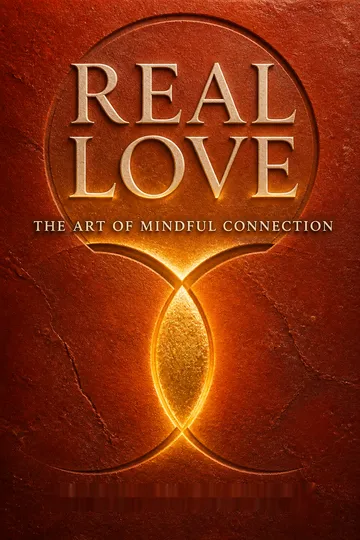
Real Life is a practice-centered book about recovering agency without pretending that people control their circumstances. Its structure follows a movement from constriction toward openness, then tests that movement against emotion, illness, caregiving, loneliness, and ethical action. The recurring stories make the argument memorable: a sculpture missed because of expectation, a caregiver who cannot fix a crisis, a small act of listening that makes connection tangible. These examples translate Buddhist psychology into situations recognizable beyond Buddhist communities.
The book’s most useful distinction is between feeling an emotion and becoming defined by it. That distinction creates a practical middle ground between suppression and impulsive reaction. Its account of aspiration also avoids the brittle promise that a person can optimize every difficulty away. A value such as kindness matters precisely because plans and conditions change.
The main limitation is that contemplative tools can sound more universally available than they are. Attention, breathing, and reflection may help, but trauma, illness, poverty, discrimination, and unsafe relationships can restrict the room available for inner choice. Salzberg repeatedly recognizes care, community, and material action, though the book’s center of gravity remains individual practice. The strongest reading therefore treats mindfulness as one resource among several, not as a substitute for treatment, protection, or structural change.
The book also presents neuroscience and positive psychology as supportive companions to spiritual practice. These connections are evocative, but they should not be mistaken for proof that a complex mental state has one neural signature or that positive emotion reliably solves distress. The practical case does not depend on such certainty. Its durable proposal is modest: notice what is happening, widen the space around it when possible, and choose actions aligned with care. Freedom here is less a permanent achievement than a repeatable capacity to begin again.
Review Summary
Real Life by Sharon Salzberg receives mostly positive reviews, with an average rating of 4.24 out of 5. Readers appreciate Salzberg's relatable perspective and practical advice on living expansively. Many find the book comforting and insightful, praising its focus on mindfulness, meditation, and Buddhist concepts. Some reviewers note similarities to Salzberg's previous works, while others find it repetitive. The book is described as easy to read, offering valuable tools for navigating life's challenges and fostering openness and freedom.
People Also Read






Glossary
Mitzrayim
Narrow inner straitsA Hebrew term conventionally translated as Egypt in the Passover story. Salzberg connects it with the idea of narrow straits, using it as a metaphor for states in which fear, conditioning, or suffering make a person feel trapped and unable to see alternatives. The movement out of mitzrayim symbolizes a journey from constriction toward freedom.
Grasping, aversion, and delusion
Three mental hindrancesA Buddhist psychology framework for patterns that interfere with living freely. Grasping clings to an object or experience as a source of lasting satisfaction. Aversion tries to reject unwanted experience, often through anger or fear. Delusion obscures experience through confusion, numbness, or rigid views. The framework helps identify reactions without treating them as fixed character traits.
RAIN
A mindful feeling practiceA practice for responding to difficult emotions. The letters refer to recognizing an emotion, allowing it to be present without immediate resistance, investigating its sensations and associated thoughts, and relating to it without making it the whole self. Some teachers use the final letter to mean nurturing oneself with kindness. The method aims to create room for a considered response.
Window of tolerance
Range for balanced arousalA model describing the range of emotional and bodily activation in which a person can remain present and responsive. Beyond that range, a person may experience hyperarousal, such as panic or flooding, or hypoarousal, such as numbness and disconnection. The model helps people notice dysregulation and choose practices or support that may restore balance.
Urge Surfing
Observe an urge without obeyingA mindfulness practice for meeting craving without automatically acting on it. The person notices how the urge feels in the body and mind, acknowledges its intensity, and stays with it long enough to see that it can shift. The practice also asks what underlying need is present, such as comfort, safety, or validation.
Eightfold Dot
A recurring path of practiceMeditation teacher Sylvia Boorstein’s image for the Buddhist Eightfold Path. Rather than viewing its eight elements as a ladder completed in a fixed order, the dot suggests returning repeatedly to understanding, intention, speech, conduct, livelihood, effort, mindfulness, and concentration. Each return can deepen the others.
Middle Way
Avoid clinging and nihilismA Buddhist approach that avoids treating changing experiences as permanent possessions and avoids concluding that change makes life meaningless. It recognizes that experiences are fleeting while actions and relationships still matter. In Salzberg’s account, this view supports both letting go and continued ethical care.
Broaden and build
Positive emotion expands resourcesPsychologist Barbara Fredrickson’s theory that positive emotions can broaden attention and the range of thoughts and actions available in a moment, while helping build resources that support future coping. Salzberg uses the theory to explain how awe, gratitude, interest, and love can expand perspective without requiring denial of painful experience.
Micro-connection
A small moment of belongingBarbara Fredrickson’s term for brief interactions that create a sense of connection, such as sharing a laugh, exchanging a friendly observation, or smiling at someone. Salzberg presents these moments as meaningful forms of social contact, especially when larger sources of community are limited.
Tejas
Inner brightness and vitalityA Pali term associated with heat, flame, light, radiance, and splendor. Salzberg uses it for an innate quality of energy and aliveness that is present regardless of achievement or status. Attention, love, and practice can help this quality become more visible, though it may remain obscured by fear or shame.
About the Author
Other books by Sharon Salzberg

Download PDF
Download EPUB
.epub digital book format is ideal for reading ebooks on phones, tablets, and e-readers.








