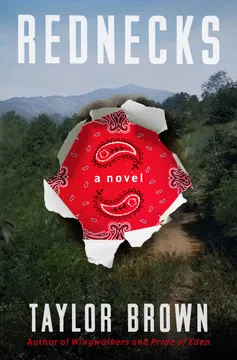


Plot Summary
Prologue
Deep underground, miners hew coal in cramped rooms while boys tend the mules that haul it out. Dust fills their lungs, and methane waits in the seams. An explosion tears through the mine, killing twenty-one men and boys.
Two survivors crawl from the drift mouth into a landscape coated with ash. One says a union mine would have had the ventilation shafts the workers had requested. The other warns him to keep quiet, because even speaking of the Union can bring the company’s violence down on them.
The opening makes the labor conflict bodily before it becomes political. Men and children breathe the danger that enriches distant owners, while the survivors’ first argument is whether they are permitted to name the cause of their deaths. The mine is not simply a workplace but a system that controls both material conditions and speech. The blast also establishes the book’s governing tension: preventable suffering is treated as ordinary until workers organize, and then their demand for safety is recast as disorder. The warning to stay silent foreshadows a story in which telling the truth can be as dangerous as carrying a rifle.
The Eviction Line
In May 1920, Doctor Domit Muhanna, known locally as Doc Moo, is visiting Miss Beulah when Baldwin-Felts agents arrive to evict families whose miners joined the United Mine Workers. The company owns their houses, but the agents have no court order. Doc Moo says he has secured an exception for the elderly woman, yet Albert Felts refuses to honor it and threatens the doctor at gunpoint.
Doc Moo leaves to seek permission from the mine superintendent. While he is gone, the agents lift Miss Beulah and her rocking chair from the porch and dump her in the mud. Her grandson, Big Frank Hugham, already lives at a union tent camp after losing his job. The eviction shows the miners that even age and illness offer no protection.
The eviction turns an abstract labor dispute into a household assault. The company’s power reaches past the mine gate and into the porch, where it can decide whether an old woman may remain in her chair. Doc Moo’s appeal to procedure fails because the agents wield force without needing legal authority. Miss Beulah’s defiance matters, but it cannot stop them from moving her body. This establishes why the conflict cannot be resolved by private decency alone: one doctor’s goodwill and one woman’s courage are no match for a system that controls wages, housing, and the men sent to enforce both.
Matewan Opens Fire
In Matewan, police chief Sid Hatfield faces Albert Felts and a dozen Baldwin-Felts agents who have come to arrest him on a dubious warrant. The agents have already thrown union families’ possessions into the street, and Sid has watched them evict Miss Beulah. When Felts reaches into his coat, Sid shoots him; hidden miners fire from windows, trees, and rooftops, and the street becomes a gun battle.
Seven agents die, along with two miners, including a fourteen-year-old boy. Mayor Cabell is shot in the abdomen. Doc Moo arrives and tries to save him, but the wound is fatal. The shootout makes Sid a hero to many miners and turns Matewan into the one company town where the hired gunmen fear to walk.
Sid’s choice fuses law enforcement with kinship. He wears a badge, but his understanding of duty comes from a valley where official authority has repeatedly served the coal companies. The shootout is therefore both a defense of the town and a grave escalation: Sid kills the man who embodied the private force behind the evictions, while the hidden miners make clear that he is not acting alone. The dead teenager and mayor prevent the violence from becoming a clean victory. Sid’s fame grows, but so does the cost of treating lethal resistance as the only language the agents understand.
The Strike Takes Shape
After the gunfight, Doc Moo stays in Matewan through the night, prepared for another Baldwin-Felts attack, while Sid and townspeople arm themselves. Days later, Doc Moo’s son Musa reports that miners plan to walk out, having overheard them near a hidden still.
The next day, crews leave the mines together. Big Frank travels to hear labor organizer Mother Jones address the strikers. She describes the company’s gunmen and dangerous working conditions, then frames union rights as part of American democracy.
Frank, still grieving his wife Evie, joins the miners’ song, moved by the possibility that their scattered grievances might become a shared demand. The strike brings workers of different backgrounds into one movement, but gunfire continues between strikers, guards, and replacement workers.
The strike gives the miners a collective action that is distinct from the spontaneous violence of Matewan. Mother Jones supplies a political vocabulary, while Musa’s accidental discovery shows how information moves through intimate, informal networks. Frank’s response is especially personal: the union offers him a way to act after Evie’s death, rather than remain trapped in grief and enforced idleness. Yet the movement’s solidarity is fragile. The same people who can sing together are divided by language, race, and company pressure, and the continuing skirmishes show that a peaceful work stoppage has already entered a landscape organized around armed coercion.
Frank Left for Dead
On the Fourth of July, sheriff’s deputies arrest Frank at the Welch station without explaining the charge. They lock him in a windowless cell, then take him into the woods, where Baldwin-Felts men beat him with pipes and clubs until they believe he is dead.
Frank survives by holding his breath, crawls toward the sound of a train, and is found at a coaling station by railroad workers. Brotherhood members hide him aboard their engine and carry him back to Matewan. Doc Moo treats his broken bones and fears internal injuries.
Seeing Frank’s wounds, Sid understands that the beating was meant to frighten the entire union camp. He decides the miners must answer the message. Frank’s survival gives the strikers a living witness to what company power does beyond the mine.
Frank’s survival is not a triumph of toughness alone. He is rescued because railroad workers choose to risk their jobs and safety for a stranger, making solidarity an actual transport system rather than a slogan. The beating also turns the body into evidence: the operators intend to discipline a movement by demonstrating what can happen to one worker in isolation. Frank’s choice to endure without surrendering his identity resists that lesson, but Sid interprets the violence as a challenge requiring retaliation. The difference between Frank’s survival and the response it provokes sets up the book’s recurring question: how can people resist without being drawn into the violence designed to contain them?
The Mountain Answers
Miners gather rifles and dynamite, climb above the Mohawk mine, and blow apart its tipple and headhouse, interrupting production that had continued through the strike. For a moment, the strikers feel they have leverage. Then the governor brings five hundred federal soldiers into the valley.
The troops guard mines and trains, protect replacement workers, and restrict rallies and picket lines. Families remain in cold, muddy tent colonies while the mines resume operating. Doc Moo presses state officials to inspect the camp’s dangerous sanitation, and inspectors confirm that women and children face epidemic conditions.
Meanwhile, Sid and the Matewan defendants endure a long murder trial. A jury finds them not guilty, and Sid returns home to a cheering crowd, watchful because he knows the companies have not abandoned their campaign.
The mine’s destruction briefly reverses the usual flow of power: workers who dig wealth from the mountain use its explosive force to stop the company’s machinery. Federal intervention restores production without addressing the reasons for the strike, showing how order can mean the resumption of commerce rather than the safety of people. Doc Moo’s health campaign exposes another cost of displacement, one that cannot be measured in lost wages alone. Sid’s acquittal offers a legal victory, but the armed occupation and the company’s continued influence make it provisional. Public approval cannot protect him from institutions willing to change the rules or wait for another opening.
The Tug Valley Burns
Nearly a year after the Matewan shootout, miners launch a broader uprising across the Tug Valley, trading rifle fire with guards, replacement workers, and state police. Captain Brockus asks Doc Moo to cross the river and negotiate; the doctor risks the sniper fire and secures a temporary truce.
Sid, now a constable, confronts mine superintendent P. J. Smith over a shipment of weapons and knocks him down. The governor then imposes martial law, bans gatherings and labor publications, and empowers armed vigilantes.
State police beat union organizer A. D. Lavinder in a hotel parlor. Frank, carrying union journals, escapes by charging two troopers and leaping onto a moving coal train. The struggle has moved from the mines and camps into a direct fight over who may assemble, speak, and carry arms.
The truce demonstrates Doc Moo’s faith that a shared human need can interrupt violence, but the state’s response makes clear that mediation has little force when political authority is aligned with one side. Martial law converts the miners’ existing vulnerability into formal restriction, while the vigilantes extend that coercion beyond police control. Frank’s escape with the journals gives the conflict a material symbol of suppressed speech: he risks his body to preserve information that the authorities want seized. Sid’s confrontation with Smith, meanwhile, shows how quickly his public role shifts from policing to personal force. The valley’s legal order is no longer neutral in appearance or practice.
The Bad Seven
After a first attempt to arrest him, Frank joins six veterans, including the Black Hellfighter twins Bonney and Lacey, to form the Bad Seven. They strike at the company’s power, and fires and explosions damage the Stone Mountain operation. When state troopers raid Lick Creek, Frank fires a pistol to drive them back while the hidden miners shoot from the ridges.
Later, vigilantes descend on the camp, slash tents, destroy food, kill livestock, and chain dozens of men for jail. Frank is shot in the buttock but reaches Doc Moo, who removes the bullet and treats him in secret. The raids leave Frank wanted and the camp ruined. He has become a fighter, though the older woman who raised him still fears what the guns are making of him.
Frank’s transformation is not presented as a simple conversion from victim to avenger. His armed resistance grows from repeated experiences of being denied legal protection, yet each act also deepens the danger to the camp and to Miss Beulah. The Bad Seven’s shared military experience gives them discipline, but the raid makes clear that disciplined resistance cannot protect everyone. Frank’s survival depends on Doc Moo’s clandestine care, linking combat to the work of repair. Miss Beulah’s fear is not a rejection of the cause; it is the knowledge that a person can become harder at the very place where he has been wounded.
Sid Falls at Court
Sid testifies before a Senate committee about the mine violence, then learns that McDowell County has indicted him for the Mohawk attack. He believes the charge is a trap designed to pull him into territory controlled by the coal companies. Despite the danger, he follows his lawyer’s advice and goes to the courthouse unarmed, with Jessie, his wife, and friends Ed and Sallie Chambers.
As they climb the steps, Baldwin-Felts gunmen open fire. Sid is shot in the chest; Ed is killed beside him. The agents plant a pistol in Sid’s hand to suggest he was armed. Jessie and Sallie are dragged away from the bodies. The killings occur in daylight, at the building meant to represent justice, and the killers leave without being arrested.
Sid’s murder collapses the distinction between legal intimidation and outright assassination. He follows the advice of a senator who still believes the courts can protect him, and that trust is answered with gunfire. The planted pistol attempts to rewrite the scene before the victims are even buried, turning propaganda into part of the killing. Jessie and Sallie’s forced separation from their husbands’ bodies makes the violence intimate as well as political. Sid’s death does not resolve the conflict; it removes a leader while giving the miners a new grievance powerful enough to gather people who might otherwise have remained apart.
Mother Jones’s False Promise
Thousands of miners begin gathering to march toward Mingo County, where union men remain imprisoned. They call themselves Rednecks, reclaiming a label used to mock them. Mother Jones travels to their camp carrying a telegram she claims is from President Harding, promising that the gunmen will be removed if the miners go home.
She has invented the promise because she fears the march will provoke a massacre. The miners demand to inspect the message, but she refuses, and they conclude she has lied to them.
Bill Blizzard, a union organizer, cannot persuade them to turn back. Sheriff Don Chafin prepares Logan County with trenches, machine guns, deputies, and vigilantes. The marchers move toward his defenses, carrying grief for Sid and hope that force may finally make their claims impossible to ignore.
Mother Jones’s deception comes from a maternal calculation: she believes the miners are walking into a trap and uses the authority they once granted her to stop them. But the lie exposes the limits of protective leadership. Because the miners have been repeatedly promised investigations and reforms that never arrive, an unverifiable pledge from the President sounds like another instrument of control. Their rejection of Jones is painful precisely because it is not casual; they have learned to distrust promises that cannot be inspected. The Redneck identity turns an insult into a shared name, while Chafin’s preparations show that the state is already treating their march as an invasion.
Blair Mountain Ignites
The marchers reach Blair Mountain, where Chafin’s forces hold trenches and machine-gun positions. A state-police column advances at night with arrested miners walking in front of it.
Gunfire erupts near a mine, and the handcuffed men are struck in the crossfire, deepening the marchers’ conviction that retreat would abandon their own. The next days bring charges, rifle fire, and pressure along the mountain’s ridges. Sheriff Chafin’s hired pilot drops a bomb on the miners, a first shock that turns a labor uprising into a battle fought from the air as well as the ground.
Doc Moo has already made the schoolhouse a field infirmary. When another bomb lands nearby, he finds Musa and sends him to take the family and Miss Beulah away from the fighting.
The human-shield episode strips away any claim that the conflict is simply a contest between armed sides. The arrested miners are made vulnerable by the very force that claims to uphold law, and their deaths make compromise harder to imagine. The bombing changes the scale of the danger: workers who once faced company guards now face weapons designed for war. Doc Moo’s decision to send Musa away reveals the personal cost of his own commitment to treat the wounded. He can remain at the infirmary only by trusting his young son with the family’s safety, a reversal of the ordinary parent-child relationship.
The Gatling Gun Falls Silent
Big Frank and the Bad Seven fight alongside other miners, while the Hellfighter twins and their comrades bring battlefield experience to the improvised army. Lacey is shot and dies despite Doc Moo’s attempt to relieve the pressure in his chest.
At Crooked Creek, Frank and the Marine veteran called Crockett carry a stolen Gatling gun into position and help break a defensive line. Crockett is later killed by a sharpshooter as he loads the weapon. Frank turns his grief into a song and writes a message on the back of a presidential leaflet, placing it with Crockett’s body.
Elsewhere, Musa agrees to carry an unexploded bomb away from the camp. He takes it across the river and hides it in an abandoned mine, preserving evidence as well as preventing another accidental blast.
The battle’s losses resist the romance of the miners’ songs. Lacey and Crockett are not anonymous casualties but companions whose deaths force Frank to decide what kind of meaning can survive them. His song is a practical act of morale, not a denial of grief; it keeps the dead within the group’s story. Musa’s bomb mission offers a different form of courage. He does not fight for victory on the ridge, but accepts responsibility for moving a dangerous object beyond the battle zone. Both actions turn memory into labor: Frank carries a comrade’s name, while Musa carries the means to expose what the opposing forces have done.
The Army Reaches Blair
As ammunition dwindles and fighting continues, the federal government sends the United States Army toward Blair Mountain. Mother Jones travels to Washington to plead against a larger assault, while Army officials arrive with the power to end the battle by force.
Bill Blizzard meets the soldiers and argues that the miners want rights, not war with the Army. He persuades most of the fighters to withdraw, but only after they hide their rifles in the hills rather than surrender them to local authorities who could use them against the workers later.
Frank refuses to come down with the others. After losing Evie, Lacey, and Crockett, he climbs back toward the fighting. Doc Moo treats the wounded and discovers Frank’s note on Crockett’s body, which confirms Musa is safe but leaves Frank’s fate uncertain.
Blizzard’s decision to withdraw is a strategic refusal to let the miners’ cause be erased by a defeat against federal troops. He asks the men to distinguish their demand for rights from a war against the country, even though the government’s arrival threatens to make that distinction meaningless. Hiding the rifles preserves a measure of self-defense after the soldiers leave, but it also shows how little trust remains in local law. Frank’s refusal to retreat is emotionally legible after his losses, yet it risks turning remembrance into a further sacrifice. Doc Moo, meanwhile, encounters war’s residue as a message carried on a dead man’s body.
Across the Tug
Musa returns to Lick Creek after carrying the bomb to the abandoned mine. He finds Miss Beulah dead in her rocking chair, with the stray dog she had named Moose beside her. Before leaving, he places Frank’s red bandanna over her and tells her the message Frank entrusted to him. Musa then reaches his mother and sisters, gathers them with Aidee O’Donovan’s family, and helps move them across the Tug into Kentucky.
Miss Beulah’s body travels with them. At a cemetery near Sid’s grave, Musa watches the storm gather over West Virginia and fears that the battle’s story will disappear beneath official accounts. Then Aidee calls him toward a figure in a raincoat. Doc Moo has made it across the valley, and father and son reunite.
The ending brings the struggle back to the scale of family without pretending that the larger conflict has been settled. Musa carries messages, people, and finally grief across the river, using the practical skills Miss Beulah’s bag was meant to support. Her death makes the tent colony’s cost personal, while the bandanna connects Frank’s absent struggle to the child who has been entrusted with his words. The storm and the graves place the family’s reunion beside unresolved public violence. Doc Moo’s return is not a victory over the system; it is the survival of a bond that the battle repeatedly threatened to sever.
Analysis
Rednecks follows a labor conflict as it crosses the boundary between work and war. The coal companies control wages and housing; private agents enforce that control; state authorities and federal troops repeatedly preserve production while describing repression as public order. The miners’ violence is real, but the book refuses to treat it as an origin point detached from evictions, dangerous mines, and the denial of legal remedies. Sid Hatfield’s killing at a courthouse makes that argument brutally concrete: the institution that should distinguish lawful power from private force becomes the setting for an assassination and its cover story.
The novel’s most important counterforce is not a single hero but a web of care. Doc Moo treats people across political lines, railroad workers rescue Frank, Miss Beulah sustains her grandson, and Musa carries families and messages through dangerous country. These acts do not end the violence, yet they preserve relationships and evidence that the companies’ version of events would erase. Mother Jones’s false telegram complicates this ethic. Her lie is motivated by love and fear, but the miners’ distrust is also rational, shaped by promises that have repeatedly failed them.
The narrative’s alternating viewpoints make political scale inseparable from private consequence. A mine explosion becomes an argument between survivors; a bomb becomes a boy’s burden; a retreat becomes the question of whether the dead will be remembered as martyrs or criminals. The final reunion offers emotional relief without inventing a political settlement. Doc Moo reaches Musa, but Frank remains on the mountain and the battle’s public meaning remains contested. The book suggests that solidarity is neither pure innocence nor guaranteed victory. It is the labor of keeping one another alive, preserving what happened, and refusing to let an official label become the only surviving account.
Review Summary
Rednecks receives widespread praise for illuminating the largely forgotten 1920–21 West Virginia Mine Wars and Battle of Blair Mountain, the largest labor uprising in American history. Readers consistently commend Taylor Brown's lyrical prose, meticulous research, and memorable characters, particularly the fictional Doc Moo, Frank Hugham, and historical figures like Mother Jones and Sid Hatfield. Most reviewers found it educational and emotionally gripping, though a few noted pacing issues or found the dense detail occasionally overwhelming. The novel's relevance to contemporary labor issues resonated strongly with the majority of readers.
People Also Read








Characters
Doc Moo
The valley’s healerDomit Muhanna is a Lebanese-born physician who has earned the trust of miners, company men, and families across the Tug Valley by treating patients regardless of race, religion, or employer. His medical calling demands that he enter danger without becoming a partisan, but neutrality grows harder as state violence reaches his patients and his own family. He is shaped by his father’s stories of war and by an immigrant’s determination to build a respected life in America. His careful habits, religious faith, and dry humor temper a fierce temper he struggles to control. His relationship with Buddeea gives him an equal partner in courage, while Musa challenges his instinct to protect by showing a younger person can understand responsibility.
Big Frank Hugham
The battered coal hewerFrank is a powerful miner whose strength comes from years of work underground, but his life is also marked by grief: his wife Evie died during the influenza epidemic, and his father disappeared when Frank was a boy. Miss Beulah raised him, teaching him faith and self-respect. He is slow to idle, uncomfortable with helplessness, and increasingly drawn toward direct action as company violence narrows his choices. His body bears the injuries of both mining and political struggle. Frank’s relationships with Miss Beulah, Doc Moo, and the veterans around him reveal different parts of his character: tenderness, trust, and the capacity to lead without claiming authority for himself.
Sid Hatfield
Matewan’s armed defenderSid is Matewan’s police chief, a son of the Tug Valley who understands both the danger of its feuds and the value of being respected by its people. His gold-capped smile is a deliberate posture, learned after years of hiding his damaged teeth and fighting too quickly. He is playful with friends, devoted to his town, and capable of swift violence when he believes the law has been abandoned. The badge gives him public responsibility, but he treats the whole community as kin. His closeness to Jessie and friendship with Mayor Cabell place private loyalty beside his political role, while his history in the mines makes him distrustful of authority that has never shared workers’ risks.
Mother Jones
The miners’ organizerMary Harris Jones is an elderly labor organizer whose black dress and blunt manner make her instantly recognizable in coal country. She has survived personal catastrophe and decades of labor conflict, converting grief into a lifelong commitment to workers and their children. Her speeches give miners a language for connecting local abuses to national ideals, and she knows how to command a crowd without pretending that courage makes people invulnerable. She regards the miners as family, but her protective instincts can conflict with their agency. Her age brings fatigue and physical pain, yet also a strategic patience earned through repeated defeats. Her influence rests not only on rhetoric but on the trust she has built by showing up in dangerous places.
Musa Muhanna
The young woodsmanMusa is Doc Moo and Buddeea’s youngest child, a quiet boy more at ease in the woods than in school or town. He reads the land through tracks, plants, water, and sound, and carries a possibles bag Miss Beulah made for him. His curiosity can bring him close to danger, but it is paired with a strong sense of responsibility and an ability to listen. He faces prejudice at school because of his darker complexion and Lebanese heritage, yet refuses to define himself by others’ insults. His bond with Aidee is tender and emerging, while his growing trust with his father lets him take on difficult tasks without ceasing to be a child.
Miss Beulah
Frank’s fierce grandmotherMiss Beulah is an elderly Black woman who has lived through enslavement, Reconstruction, coal-camp hardship, and the loss of much of her family. She speaks sharply, distrusts men who confuse authority with goodness, and uses humor to keep others from mistaking age for surrender. She raised Frank after his mother died and his father vanished, balancing her belief in faith with a clear-eyed understanding of violence. Her care is practical: she watches Frank eat, worries about his choices, and makes Musa a bag for surviving in the hills. She opposes the company’s cruelty without romanticizing armed retaliation, because she knows how often the young and vulnerable pay for other people’s courage.
Buddeea Muhanna
Doc Moo’s steadfast partnerBuddeea is Doc Moo’s wife, a former nurse and a woman of formidable will who eloped with him when she was seventeen. She understands the danger in his work without trying to make him smaller, and her affection is matched by clear judgment. She protects their children, challenges Doc Moo when he hides difficult news, and supports his choice to treat the wounded even when it risks the family. Her courage has a domestic form: preparing his supplies, keeping the household steady, and making clear that care does not mean passivity.
Jessie Hatfield
Sid’s loyal wifeJessie is the mayor’s widow and Sid’s wife, an observant woman who understands how public image shapes political survival. She urges the defendants to appear dignified in court because she knows the companies want to portray miners as lawless. Her relationship with Sid combines affection, humor, and an awareness of the danger surrounding them. She is not merely a figure in his private life; her presence makes the personal cost of his public role impossible to ignore.
Evie Hugham
Frank’s absent belovedEvie was Frank’s wife and the teacher at the coal camp’s colored school. She died during the 1918 influenza epidemic, leaving Frank with a grief he rarely speaks about. Her memory shapes his decisions, giving his endurance a private source of meaning beyond anger at the companies. She also admired Mother Jones, linking Frank’s personal loss to the movement he joins.
Bonney and Lacey
The Hellfighter twinsBonney and Lacey are Black coal shovelers and veterans of the 369th Infantry, known for their courage and skill under fire. Their shared military past gives them a disciplined approach to the violence of the mine wars, while their close bond makes the danger they face deeply personal. They respect Frank and help draw him into organized resistance. Their experience also challenges assumptions about who belongs at the center of the miners’ struggle.
Davy Crockett
The Devil Dog gunnerKnown as Crockett, this large, bearded Marine veteran brings battlefield experience and an irreverent humor to the miners’ ranks. His nickname and Gatling-gun skill make him a figure around whom others gather, but he is also a man whose anger can outrun caution. He and Frank develop a brotherly bond through shared danger, physical labor, and the hard jokes that let men keep moving when fear is close.
Bill Blizzard
The miners’ field organizerBlizzard is a compact, quick-moving United Mine Workers organizer with a reputation for courage and a talent for reaching men in the field. He can speak to officers and miners alike, but does not pretend he can command every person who has taken up a rifle. His greatest challenge is persuading the marchers that a tactical retreat may protect the cause better than a final stand. He carries the burden of leadership without the comfort of complete control.
Sheriff Don Chafin
Logan County’s CzarChafin is the powerful sheriff of Logan County, closely aligned with the coal operators and proud of the armed force he can assemble. He treats law as something to be enforced against labor rather than applied impartially. His deputies, private agents, and vigilantes give him reach beyond the courthouse, while his confidence in military hardware reveals how readily he answers political conflict with force. He is shrewd enough to understand that public perception matters, even as he prepares for violence.
Captain Brockus
The state’s hard commanderBrockus commands the state police during the later conflict. A veteran of overseas campaigns, he believes discipline and force can restore order, and he enlists men with military experience to strengthen his command. At times he seeks Doc Moo’s help in arranging a truce, but his authority operates within a system that restricts the miners’ rights and protects the companies’ interests. His sense of duty is real, yet it does not make his actions neutral.
Major Antoine Gaujot
The company-line gunnerKnown as Bad Tony, Gaujot is a decorated military veteran who has also served the forces defending the coal companies. His competence with machine guns and his familiarity with earlier mine conflicts make him a formidable opponent on Blair Mountain. He sees himself as a professional soldier and values tactical control, but his position puts him on the side of an order maintained through intimidation. His presence complicates any easy distinction between war heroism and the violence of domestic repression.
Adelaide O’Donovan
Musa’s woodland companionAidee is the daughter of neighboring farmers and a girl Musa meets in the woods. She is curious, self-possessed, and comfortable in her own company, often reading beside the creek. Her connection with Musa develops through shared time outdoors rather than social convention. She gives his journeys a personal pull, while her family’s vulnerability makes his sense of responsibility extend beyond his own household.
Albert Felts
The company’s hired enforcerFelts is a senior Baldwin-Felts agent who leads the eviction drive and confronts Sid in Matewan. He relies on the threat of armed force to carry out company orders and treats local resistance as something to be crushed. His role makes visible the hired agency through which coal operators exercise power without appearing in the street themselves.
Plot Devices
The company town
Control beyond the mineCompany housing, stores, and employment give the operators leverage over nearly every part of a miner’s life. Joining the Union can cost a worker both a job and a home, while company scrip limits what he can buy. Evictions make that control visible, turning a labor dispute into a crisis for wives, children, and elders. The system also explains why miners cannot simply leave: poverty, family ties, and the lack of alternative work bind them to the same valleys where the companies control the mines. It is the story’s central mechanism of coercion, more durable than any single gunman.
The possibles bag
A portable inheritanceMiss Beulah makes Musa a patched bag to carry the practical tools needed in the woods. Its contents and meaning change as the conflict grows: Doc Moo uses it to carry medical supplies, and Musa relies on it during dangerous journeys. It links the elder’s hard-won knowledge to the boy’s growing independence. The bag does not protect Musa from every risk, but it gives him a way to prepare, navigate, and act when adults cannot accompany him. Its importance comes from usefulness joined to affection, not from any single object inside.
Red bandannas
An insult becomes identityThe red kerchiefs worn by the marching miners become a visible sign of collective purpose. The label Redneck, often used to belittle the Appalachian workers as backward, is taken up by the miners themselves as they gather from different camps and backgrounds. The image lets the story show how political identity can be made from a word imposed from outside. The bandannas also make the marchers legible to their enemies, however, and so solidarity comes with exposure: a visible group is easier to portray as a mob and to target with weapons.
Rail lines and trains
The valley’s dangerous arteryRailways carry coal, replacement workers, armed agents, prisoners, news, and aid. They connect isolated camps to towns and distant power, allowing railroad union members to rescue Frank after his beating and helping labor organizers move information despite state restrictions. The same tracks deliver soldiers and reinforcements to the conflict. Trains therefore refuse a simple meaning: they can carry rescue or oppression, work or war. Their presence also makes the valley’s economy tangible, since every load of coal leaving the mountains represents the wealth extracted from the workers who remain behind.
The dud bomb
Evidence of state violenceAn unexploded bomb dropped during the Blair Mountain fighting becomes a physical record of what the attackers intended to do. Its improvised metal contents make the threat more than a rumor, while its unexploded state allows the miners to move it away from families and preserve it. The device shifts between several meanings: immediate danger, a task Musa can undertake, and potential proof against the official account of the battle. It also shows the widening gulf between the people on the mountain and those in power, since weapons used against the miners can be described as orderkeeping even when they are built to shred human bodies.
Download PDF
Download EPUB
.epub digital book format is ideal for reading ebooks on phones, tablets, and e-readers.








