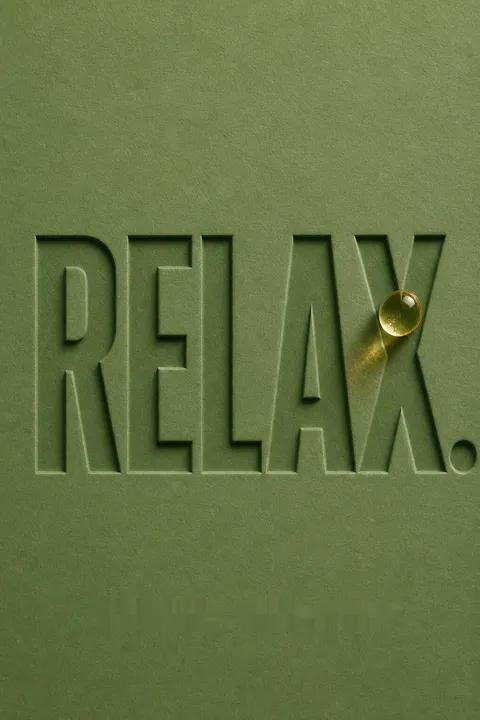


Key Takeaways
Stop treating every everyday choice as a high-stakes health test.
A day of decisions. Caulfield structures the book around an ordinary day, from waking up to bedtime, to show how routine choices become sources of worry. He argues that information overload, fear of risk, and pressure to perfect every part of life make decisions feel more consequential than they often are. He names these pressures the knowledge-era, less-risk, and perfection paradoxes: more information can produce more confusion, greater safety can coexist with greater fear, and self-improvement can undermine wellbeing.
Perspective is the point. His skydiving story sets the tone. He and his son jumped despite family alarm, after comparing the small risk of tandem skydiving with risks they already accepted in daily life. The claim is not that every scary activity is sensible, but that fear alone is a poor measure of danger.
The book’s daily itinerary is more than a device for organizing advice. It shows how anxiety accumulates through small decisions until ordinary life feels like a sequence of tests. That framing connects health choices to decision fatigue: repeated deliberation consumes attention that could be spent on consequential matters. The invitation to relax is therefore not a rejection of care, but a call to allocate it more wisely. Still, what counts as a low-stakes choice varies with health, income, and access to care. Perspective should reduce needless alarm, not dismiss genuine constraints.
Let evidence, not vividness, determine how large a risk feels.
Memorable is not common. The availability heuristic is the tendency to judge an event as more likely when examples come readily to mind. The affect heuristic is the tendency for emotional reactions to shape judgments of risk. A frightening image of a child abduction or skydiving accident is easier to picture than the gradual harms of inactivity or inadequate sleep, so dramatic dangers can dominate attention.
Compare before reacting. The book notes that experts estimated stranger abduction at roughly one in 14 million, yet media coverage and alerts can make it seem common. News stories about frightening events can grow more negative and exaggerated as they spread. Statistics cannot decide what risks a family should accept, but they can reveal when an emotionally vivid possibility is being mistaken for a frequent one.
Risk perception is not simply a reasoning error. Human attention gives priority to threats that are vivid, immediate, and emotionally charged, a useful response when danger is nearby but a poor guide to long-term choices. The distinction between probability and consequence also matters: an event can be rare and still deserve preparation if its impact is severe. The practical gain comes from using emotion as a signal to investigate, not as a substitute for estimating likelihood. Averages should also be checked against local conditions, since traffic, neighbourhood design, and individual vulnerability can change the calculation.
Treat one study as a clue, not a verdict.
Ask what the research shows. An observational study can find that two things occur together, but it usually cannot prove that one caused the other. People who eat breakfast, drink coffee, or floss may differ in many other ways from those who do not. Headlines often turn cautious findings such as an association into confident claims about cause and effect.
Look across studies. Breakfast research, for example, does not establish that eating breakfast causes weight loss, despite the familiar slogan that it is the most important meal. Coffee research often finds health associations, but does not prove coffee itself extends life. A stronger judgment considers methods, limitations, and the overall body of evidence rather than treating one new result as settled science.
This is a lesson in scientific literacy, but also in how knowledge develops. A single study can be valuable as a probe, especially when it suggests a question worth testing. Trouble begins when provisional evidence is presented as a finished answer. Randomized trials can strengthen causal claims, yet they are not always feasible, ethical, or representative of everyday life. Observational findings can still contribute when they accumulate across methods and populations. The useful habit is calibrated confidence: neither dismissing imperfect evidence nor demanding impossible certainty before acting.
Question health claims that make fear, purity, or identity part of the sale.
Marketing can manufacture a problem. Products often promise protection from toxins, dietary villains, or bodily imperfection, then sell relief. A health halo is the impression that a label or quality, such as natural or gluten-free, makes a product healthy regardless of its actual contents. Caulfield argues that gluten-free products offer no general health or weight-loss advantage for people without a diagnosed reason to avoid gluten, and can cost much more.
Natural is not automatically safer. Raw milk is promoted as a purer alternative, yet the book reports that in the United States it accounted for 96 percent of milk-related illnesses while only 1.6 percent of people drank it. Pasteurization reduces infection risk without meaningful nutritional loss. Ideals such as food freedom can make weak health claims more persuasive by tying them to personal identity.
The most persuasive wellness marketing often sells more than an object. It sells moral reassurance, belonging, and a sense of control. That helps explain why correcting a factual claim may not change a consumer’s mind: the claim is attached to an identity or community. Clear communication can acknowledge legitimate concerns about industry influence and animal welfare without treating those concerns as proof that a product is healthier. The counterpoint is that skepticism should apply to conventional products and institutions too. The standard should be evidence of benefits and harms, not whether a choice feels pure or rebellious.
Spend effort on proven health basics before chasing clever fixes.
Simple measures can matter most. The book repeatedly returns to practices with solid support: regular physical activity, a varied diet built around whole foods, adequate sleep, vaccination, and handwashing with ordinary soap. Fluoride provides a clear example. Community water fluoridation and fluoride toothpaste help prevent tooth decay, while many fashionable dental extras have weaker evidence.
Do not confuse novelty with value. The body regulates thirst, so most people do not need a fixed daily quota of water or expensive specialty water. Supplements are generally unnecessary without a clinically identified need, and exercise is more valuable than fine-tuning workout timing. These basics are not glamorous, but they are less likely to waste money or distract from meaningful health gains.
The preference for fundamentals reflects a central public-health insight: small effects applied broadly can matter more than sophisticated interventions used by a few. It also counters a market that rewards novelty and individual solutions. However, advice to exercise, eat well, or sleep enough can sound deceptively easy when safe streets, affordable food, time, and secure housing are unevenly distributed. The book recognizes that social conditions shape health, and that recognition should stay attached to personal advice. Individual action helps, but it cannot substitute for environments that make healthy choices practical.
Build sleep routines around your biology, not early-bird status.
Timing differs by person. Chronotype is an individual tendency toward earlier or later sleep and waking, shaped substantially by genetics. The book cites estimates that genetic factors explain up to half of this variation. A rigid early schedule is not proof of discipline, and forcing a night owl into an early routine may undermine sleep and performance.
Consistency beats imitation. Research discussed in the book links regular sleep and wake times with better sleep and wellbeing. Teenagers are especially poorly matched to very early school schedules; studies associate later starts with improved attendance and academic outcomes. When life allows, people can adjust their schedule to fit their own rhythm. When it does not, a stable routine and enough sleep matter more than copying a celebrity’s alarm time.
Sleep advice works best when it separates biology from status. A culture that rewards early rising can misread a chronotype difference as a character difference, converting a scheduling problem into a moral judgment. The same principle applies to institutions: changing school or work schedules may help more people than telling each person to exert more willpower. Individual routines still matter, but they operate within social timetables. Consistency should also remain a flexible aid, not a new perfection standard that makes an occasional late night feel like failure.
Give children independence and active travel when the setting permits.
Fear can reshape the street. Parents often drive children because they fear strangers, even though the book cites an estimated stranger-abduction risk of about one in 14 million. Driving is not automatically safer: car crashes pose real risks, and crowded school drop-offs can create hazards. Walking or cycling can add exercise, independence, social experience, and, in some studies, better concentration.
Safety is partly designed. Age, maturity, distance, and traffic conditions matter, so independent travel is not a universal prescription. But when feasible, walking can be a sensible default. More children on foot can also encourage safer crossings and more walkable streets. The book argues that constant supervision can deprive children of chances to learn their neighbourhood and practice managing everyday risks.
This argument shifts safety from a private parenting decision to a shared design problem. A parent cannot create a safe crossing alone, but collective demand can influence streets, school policies, and traffic behaviour. That makes independence and infrastructure complementary rather than competing goals. The evidence also challenges the assumption that removing every risk protects children best. Some manageable exposure can build judgment and confidence. Yet the recommendation must be conditional: a dangerous route is not made acceptable by a low abduction statistic, and families should not be blamed for hazards created by poor planning.
Protect attention by removing interruptions, not by perfecting your inbox.
Switching has a cost. The book reports that office workers may be interrupted about every three minutes, and that returning to a task can take more than 20 minutes. Multitasking usually means rapidly switching attention, not doing several demanding things at once. Phones, alerts, email, and unnecessary meetings keep that switching loop alive. During conversations with family or friends, putting the phone out of sight can help preserve attention.
Choose a workable boundary. No single email system suits every job. Turning off alerts and setting regular times to process messages can create focused work periods without letting the inbox become overwhelming. Meetings should have a clear purpose, and people can generate ideas individually before sharing them. The goal is not an immaculate inbox or a perfectly empty calendar, but enough uninterrupted time to do meaningful work.
Attention is both a personal resource and an organizational design choice. Advising workers to focus has limited force when workplaces reward immediate replies, constant availability, and meeting attendance. The strongest response combines individual boundaries with shared expectations about response times and after-hours contact. Removing a phone can also feel uncomfortable because it serves as a social safety net, not merely a distraction. That tension argues for deliberate, context-specific breaks from devices rather than blanket rules that ignore accessibility, caregiving, or the demands of a particular role.
Use health metrics as feedback, never as a verdict on your worth.
A number can be useful. Regular weighing may help many adults notice weight trends and maintain weight loss, and studies reviewed in the book generally do not find lasting psychological harm for adults. But weight fluctuates during the day, and a scale does not measure self-worth or health in full. Adolescents and people vulnerable to body-image distress may need more caution.
More tracking is not always better. The 10,000-step target began as a marketing idea, not a scientifically established threshold. Consumer activity and sleep trackers can be inaccurate, and constant measurement may make enjoyable movement feel like work. The book calls an anxious fixation on achieving ideal sleep scores orthosomnia. Tracking earns its place when it supports a useful decision, not when the score becomes another standard to fear.
Measurement can make invisible patterns visible, but it also changes what people attend to. In behavioral science, this is a familiar trade-off: a metric can guide action while narrowing attention to what is easiest to count. Weight, steps, and sleep scores each capture only part of a larger picture. The answer is not to reject measurement, but to ask what decision a metric informs and whether it improves that decision. For people with a history of disordered eating or compulsive tracking, even a technically useful measure may have a personal cost.
Ignore imaginary scorecards for parenting, sex, and busyness.
Comparison invents a deficit. Parents report guilt about not spending enough time with children, even though parental time has increased over recent decades. Research described in the book finds that more hours together do not automatically produce better outcomes; emotional connection and specific shared activities matter. Everyday meals, errands, and reading can create connection without staging perfect family moments.
Other people are poor benchmarks. Men in one survey estimated that others had sex about four times as often as they actually did, and greater frequency did not keep increasing wellbeing beyond roughly once a week for couples. Busyness can function as a status signal, encouraging people to exaggerate how overwhelmed they are. The useful question is whether a routine supports a person’s relationships and wellbeing, not whether it matches an imagined norm.
Social comparison turns private preferences into public competitions. Parenting, sex, and work schedules are especially vulnerable because the visible stories are curated while the constraints remain hidden. The book’s corrective is valuable: replace borrowed standards with questions about what actually supports a relationship or a life. Still, avoiding guilt should not become another performance demand to be effortlessly relaxed. Family meals, time with children, and sexual intimacy can be meaningful, but their value depends on circumstances and consent, not on a universal quota.
Analysis
Relax is a science-informed guide to ordinary choices, but its deeper subject is how people decide what deserves attention. The day-long structure turns an abstract argument about misinformation into a recognizable sequence: wake, check a phone, eat, work, parent, unwind, and sleep. Each decision becomes a small case study in the distance between what feels true and what the evidence can support. The book’s central achievement is not a universal rule for each choice. It is a method of proportion: distinguish a dramatic possibility from a common danger, a plausible claim from a proven effect, and a useful tool from an identity badge.
The author’s skepticism is strongest when it reveals how health claims travel. Anxiety creates demand, marketing supplies a solution, and media attention can amplify preliminary findings into settled advice. The examples range from raw milk and gluten-free products to trackers and standing desks. This makes the book useful beyond consumer health. It shows how commercial incentives and social identity shape what counts as convincing evidence.
There is a productive tension in the book’s reliance on studies. It warns against overreading observational research, yet many everyday recommendations also rest on bodies of observational evidence, especially around parenting, meals, and commuting. Caulfield generally acknowledges that uncertainty, but readers should carry the caveat forward: associations can guide sensible choices without proving causation. Evidence is not a machine that outputs one correct personal decision. It narrows the claims that can responsibly be made, while context, preference, and opportunity still matter.
The book’s best practical lesson is selective seriousness. Preserve attention for interventions with strong support, such as exercise, sleep, vaccination, and handwashing. Treat the rest with calibrated curiosity rather than either panic or contempt. Relaxation here means neither indifference nor blind trust. It means refusing to let every product, headline, or vivid story set the agenda for a day.
Review Summary
Relax, Dammit! receives mixed reviews, with an average rating of 3.72/5. Readers appreciate the humor, research, and Canadian perspective but find the content sometimes privileged or misleading. Many note it's not a typical anxiety self-help book, instead offering scientific insights on daily decisions. Some praise its debunking of health myths and encouragement to relax, while others criticize cherry-picking data and potentially increasing anxiety. The book's structure following a typical day is generally well-received, though the title is considered misleading by some.
People Also Read








Glossary
knowledge-era paradox
More information, more confusionThe contradiction between unprecedented access to scientific and other information and the growing influence of misinformation, conspiracy theories, and distorted reporting. More information does not automatically produce better decisions when people struggle to judge credibility, encounter confirmation bubbles, or face claims designed to provoke rather than inform.
less-risk paradox
Safer lives, greater fearThe contradiction between substantial improvements in safety and health and increasing public preoccupation with eliminating risk. Caulfield argues that fear-based messaging can magnify remote or imagined threats, while distracting attention from more common risks and from the benefits of ordinary activities.
perfection paradox
Self-improvement that harms wellbeingThe contradiction in which pressure to perfect appearance, work, relationships, parenting, and health fails to produce lasting happiness and can instead contribute to stress and other harms. The pursuit is often reinforced by social comparison and by products marketed as routes to an ideal that cannot realistically be reached.
availability heuristic
Vivid examples feel more likelyA mental shortcut in which people estimate how common or likely an event is by how easily examples come to mind. Highly publicized or emotionally striking events, such as abductions or accidents, can therefore seem more frequent than less vivid risks that occur gradually or receive little coverage.
affect heuristic
Emotion shapes risk judgmentA mental shortcut in which emotional reactions influence judgments about the risks and benefits of an activity. If an activity evokes dread, people may judge it as more dangerous; if it feels reassuring or appealing, they may underestimate its hazards. The shortcut can be useful, but it is not a substitute for evidence.
chronotype
Individual sleep and wake timingA person’s biological tendency toward earlier or later sleep and waking times. Chronotype varies across individuals and is substantially influenced by genetics. Caulfield uses the term to explain why a schedule that suits an early riser may not suit a night owl, and why social timetables can disadvantage some people.
health halo
A label implies overall healthA mistaken impression that a product is healthy because of one appealing characteristic or label, regardless of its full nutritional or health profile. Gluten-free, natural, and similar descriptions can create this effect, leading consumers to assume benefits that evidence does not support.
phubbing
Checking a phone mid-conversationThe act of diverting attention from someone present in order to look at or use a phone. Research discussed in the book links phubbing with poorer communication and feelings of social exclusion, particularly in close relationships. The term combines phone use with snubbing the person nearby.
orthosomnia
Anxiety about ideal sleepAn unhealthy preoccupation with achieving perfect or optimally measured sleep. Consumer sleep trackers and their scores may intensify this concern, especially when a person treats imperfect readings as evidence of failure. Caulfield presents it as an example of monitoring intended to help sleep that can instead increase sleep-related worry.
About the Author
Other books by Timothy Caulfield

Download PDF
Download EPUB
.epub digital book format is ideal for reading ebooks on phones, tablets, and e-readers.








