

Key Takeaways
Let real need redirect your life’s work
A birth changed everything. In 1973, Rosita Arvigo was living in a remote Nahuatl village in Mexico when a neighbor woke her to help deliver a baby. After the birth, the mother began bleeding heavily. Doña Rita sent Rosita into the night to gather roses, then prepared a tea that, in the account, stopped the bleeding within minutes. Rosita later learned that roses contain astringent tannins, and the episode left her wanting to understand how plants could help people.
A calling took shape. Her path led from advertising in Chicago to years of learning from village elders, then to Belize, where she hoped to practice natural healing. The story opens the book’s central question: what knowledge becomes visible when someone meets a need they cannot ignore?
The scene shows how practical crises can generate serious inquiry: a person encounters a problem, notices an effective response, and seeks an explanation. That is a valuable starting point for learning, especially when formal institutions are distant. Still, a compelling episode is not clinical proof that a remedy caused recovery. The memoir preserves the experience and the knowledge that followed, while a modern assessment would also ask about the patient’s condition, other care, and repeatable outcomes. Curiosity can begin with a story; reliable medical guidance requires more than one.
Earn a teacher’s trust by becoming useful before asking to be taught
First came skepticism. In Belize, Rosita met Don Elijio Panti, an elderly Maya healer known to some as a witch doctor and to others as a trusted practitioner. He noticed that imported herbs stored in glass jars were molding in the humid climate and explained how he dried and stored his own plants. His ordinary, practical advice gave Rosita an early glimpse of knowledge built through decades of work.
Trust grew through service. Panti initially refused to teach her because she was an American who might leave and take the knowledge away. Rosita kept visiting, helped chop and collect medicines, and eventually joined him in harvesting his corn. Only after she promised to care for his patients and continue the work did he accept her as an apprentice. The relationship depended on patience, labor, and responsibility, not curiosity alone.
The apprenticeship makes expertise concrete. Panti’s knowledge appears not as an abstract system but in judgments about storage, plant identification, patient care, and local conditions. That resembles apprenticeship in crafts and clinical practice, where tacit skill develops through observation and correction. The story also invites caution: one healer’s authority should not be treated as a full account of Maya medicine. Respectful documentation depends on distinguishing an individual’s teachings from a diverse culture’s knowledge, and on asking who controls, receives credit for, and benefits from what is shared.
Learn the forest through repetition, attention, and gratitude
Knowledge lived in the field. Panti taught Rosita to recognize plants by their leaves, flowers, roots, scent, and growing conditions. He called the daily collection of medicinal leaves Xiv, gathering at least nine kinds for herbal baths. The work was physically demanding: one outing could mean hauling heavy roots and vines, then searching for the day’s leaves on the walk home. Rosita often felt overwhelmed by how much she had to remember.
Practice made patterns legible. Panti also taught an ensalmo, a prayer of thanks said before taking a plant. He believed the plant’s spirit had to be honored for its medicine to work. For Rosita, repeated walks gradually changed the forest from a mass of unfamiliar greenery into a landscape of recognizable medicines. The apprenticeship joined memory, bodily practice, ecological attention, and spiritual meaning.
The fieldwork resembles modern ideas about embodied and situated learning: expertise develops through repeated contact with real materials in the conditions where they are used. It also makes plant knowledge more than a list of names. Season, habitat, preparation, and harvesting choices all matter. The prayer belongs to Panti’s spiritual understanding, not to a demonstrated pharmacological mechanism. Yet its ethical function is legible across traditions: it frames gathering as taking from a living environment, rather than treating plants as limitless stock.
Treat illness as embodied, social, and spiritual, not merely symptomatic
Treatment began with attention. Panti assessed patients through conversation, touch, pulse, and observation, then might combine plants, massage, prayer, bathing, or dietary instructions. His account of ciro, a Maya diagnosis for certain abdominal complaints, involved symptoms such as gas, pain, and constipation. He described different patterns and used abdominal massage alongside plant remedies. Rosita also watched him use humor to ease frightened patients and turn a crowded waiting room into a place of conversation.
The patient was part of a community. Families often traveled far, waited together, and shared news while Panti treated them. He sometimes housed patients who could not afford lodging. His work addressed bodies, relationships, fears, and material hardship at once. That does not establish the medical effectiveness of every treatment, but it shows why patients experienced healing as more than receiving a prescription.
The memoir captures a dimension of care that health systems can underweight: people need to feel heard, oriented, and accompanied, not only diagnosed. Humor, trusted relationships, and practical help can shape the experience of illness and the ability to follow care. These elements complement rather than replace competent diagnosis. A rich account of symptoms can also be interpreted incorrectly, so cultural understanding should broaden clinical attention without turning spiritual explanations into unquestioned medical conclusions.
Treat a sastun as a call to responsibility, not certainty
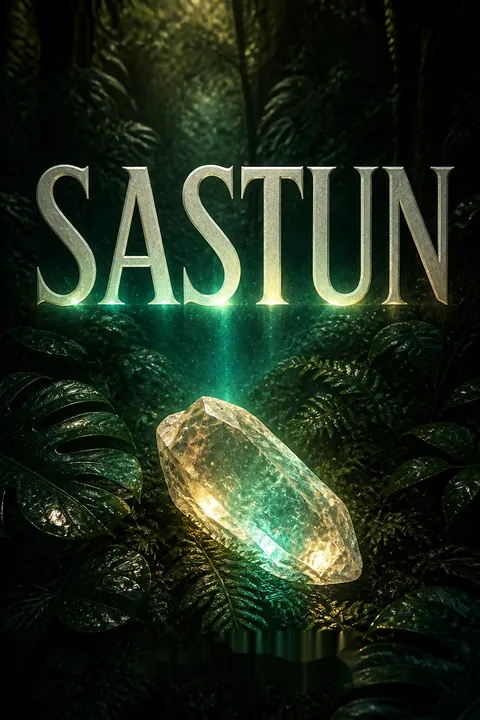
A stone marked the apprenticeship. A sastun is a divining stone that a Maya healer uses, in this tradition, to seek spiritual insight about illness and other questions. Panti’s was a small translucent marble. Rosita received a large crystal from a friend, and Panti understood it as a sign that the Maya Spirits had accepted her. He initiated her through a Primicia, a ceremony of offerings, prayer, and thanks to the Spirits.
The gift did not make her omniscient. Panti taught Rosita to care for her crystal and seek guidance in dreams, but she never learned to read its signs as he read his marble. She accepted that her strengths lay more in plants and hands-on healing. The book presents the sastun as part of a living spiritual worldview, while also showing that the healer’s path involved uncertainty and personal limits.
The sastun is both an object and a source of obligation. Within Panti’s tradition, it connects healing work to spiritual relationships and inherited responsibility. For readers outside that worldview, it can also be understood as a symbol that organizes commitment and identity. Those interpretations need not be confused: the memoir describes what the stone means to its practitioners, but cannot independently verify supernatural messages. Rosita’s difficulty reading it is instructive. Respect for a tradition need not require pretending that every practitioner has identical gifts.
Keep healing power accountable to consent, not just good intentions
Compassion had boundaries. When a patient’s sons demanded revenge against a woman they believed had harmed their mother through black magic, Panti refused to retaliate. He agreed to treat the patient, but would not use his skills to injure someone else. His stance gave Rosita a clear example of healing power directed toward care rather than vengeance.
The ethical picture was not simple. Panti also accepted requests from men to enchant women they wanted to marry or reclaim. He said the spell lasted for a limited period, giving the man a chance to prove himself, but Rosita worried that such a practice could override a woman’s wishes. Her discomfort matters: affection for a teacher did not require endorsing every custom. The memoir holds admiration and moral disagreement in the same relationship.
This tension sharpens the book’s account of ethical practice. A healer’s benevolent self-understanding does not settle whether an intervention respects another person’s agency. Contemporary ethics places informed consent and freedom from coercion at the center of care, especially when treatments affect relationships or reproduction. Panti’s refusal to enact revenge fits that principle; romantic enchantment sits uneasily beside it. The memoir’s strength is that it allows readers to value the healer’s compassion without treating cultural respect as a demand for moral silence.
Treat remedies as knowledge to test, not guarantees to repeat
Confidence is not proof. Panti believed the vine Ki Bix could prevent pregnancy, and he prescribed it to a woman seeking birth control. Rosita later learned of two women who became pregnant while relying on it, despite following what they understood to be the instructions. Panti suggested they might not have taken it correctly or might have wanted a pregnancy, but the cases challenged his certainty.
The book also flags danger. It identifies Chicoloro as a medicinal vine containing strychnine and warns that excessive amounts are toxic. These examples sit beside many stories of successful treatment, but they show why traditional use and personal testimony cannot establish safety or effectiveness by themselves. The plant knowledge is valuable; it should not be mistaken for a dependable contraceptive method or a substitute for medical advice.
The memoir is most useful when read as a record of practice, not as a treatment manual. Herbal remedies can contain potent substances, and their effects may vary with species, preparation, dose, health conditions, and other medicines. Modern evaluation adds systematic identification, safety monitoring, and comparison of outcomes. That process should not dismiss traditional knowledge: it can help generate research questions and preserve important observations. But claims involving pregnancy, poisoning, or serious illness need especially strong evidence before they become advice.
Protect the forest pharmacy before its remedies disappear
Deforestation threatened care directly. As fields and settlements expanded around San Antonio, Panti had to walk farther to find plants he once gathered near home. In 1989, uncontrolled fires destroyed more forest and medicinal plants. Panti grieved the loss of Wild Coffee, a central leaf in his bathing remedies, and feared that essential medicines would disappear with the forest.
Conservation became part of healing. Rosita began bringing him plants from her own land and worked with others to gather medicines before farmers burned their fields. She and colleagues also documented plant names, uses, and specimens. The foreword describes this broader effort as ethnobotany: studying how people and plants relate, including use, management, and sustainable harvest. The story makes conservation tangible: damage to habitat can remove not only species, but also the knowledge and care systems built around them.
The forest is not merely a storehouse of possible pharmaceuticals. It is habitat, livelihood, food source, and the setting in which local expertise develops. Treating biodiversity only as a catalogue of substances risks valuing plants only when they can be commercialized. The book’s emphasis on relationships and sustainable use is broader and more durable. At the same time, conservation projects should not assume that documenting knowledge gives outsiders ownership of it. Local authority and community benefit belong at the center.
Turn a healer’s private apprenticeship into a community inheritance
Oral knowledge needs successors. Panti learned from a teacher in the forest and carried much of his learning in memory. He worried that younger people were abandoning traditional healing, sometimes under pressure to regard it as backward or sinful. Rosita became his apprentice, but recording one person’s life could not by itself preserve a whole tradition.
The work widened beyond the clinic. The Belize Ethnobotany Project documented plants with healers, and conservation efforts included a rainforest reserve. After Panti’s death in 1996, Rosita helped establish a children’s bush medicine camp. More than 300 Belizean children attended, learning about medicinal plants through practical activities. The book’s closing message is not simply that one healer should be remembered. Knowledge survives when people can learn it, use it responsibly, and help one another.
Preservation is more than archiving. Oral traditions remain alive when there are learners, places to practice, and communities that see value in the knowledge. The camp turns remembrance into transmission, while botanical collections and conservation work give that transmission material support. There are real questions about how knowledge is recorded and shared: consent, attribution, and fair benefit matter, particularly when outsiders or institutions participate. The most respectful legacy is not a frozen portrait of a healer, but a living capacity for communities to teach and adapt.
Analysis
Sastun is a memoir of apprenticeship, but its deeper subject is how knowledge moves between people, landscapes, and institutions. The narrative begins with an emergency birth in Mexico and follows Rosita Arvigo to Belize, where Don Elijio Panti tests her patience, accepts her as a student, and teaches her through shared work. That structure matters. Plants are not presented as isolated remedies in a handbook; they appear within relationships, diagnoses, rituals, household economies, and forests under pressure.
The book’s strongest contribution is its attention to the conditions of expertise. Panti’s skill includes recognizing plants, reading bodies, remembering preparation, serving patients, and maintaining a social role in his village. Arvigo’s learning is likewise practical and relational. She earns trust, makes mistakes, experiences doubt, and eventually develops a practice of her own. The result challenges the idea that valuable knowledge exists only in written or institutional forms, while the collaboration with botanists and conservation organizations shows how documentation can extend its reach.
The memoir also benefits from being read critically. Its descriptions of successful treatments are compelling but are not controlled clinical evidence. In places, confidence in a remedy exceeds the evidence presented, and the account of Ki Bix contraception demonstrates the danger of treating tradition or anecdote as a guarantee. Spiritual explanations may give patients meaning and community support, but they should not prevent assessment for conditions requiring urgent medical care. This distinction does not diminish Panti’s contribution. It clarifies what the book can establish: a detailed account of a healer’s practice and worldview, not proof of every medical claim.
Finally, Sastun links cultural survival to ecological survival. When the forest is burned, medicines and the conditions for teaching them vanish together. Its most enduring argument is therefore practical: preserve habitats, respect knowledge holders, support new learners, and make room for careful exchange between traditions and science. The memoir asks readers to honor both what is known and what still needs testing.
Review Summary
Sastun receives high praise for its engaging storytelling and valuable insights into Mayan healing practices. Readers appreciate Rosita Arvigo's journey as an apprentice to Don Elijio Panti, a renowned Mayan healer. The book offers a fascinating glimpse into traditional medicine, the power of nature, and the importance of preserving ancient wisdom. While some critics note occasional cultural insensitivity, most reviewers find the book inspiring, informative, and difficult to put down. Many readers express a deep connection to the story and its characters, particularly Don Elijio.
People Also Read


Glossary
Sastun
Divining stone of a healerA translucent stone or crystal used by a Maya H’men as a spiritual instrument. In Panti’s practice, he handles it during prayers and consults its signs to seek insight about illness and other questions. The book presents the sastun as part of a spiritual tradition, not as a medically validated diagnostic device.
H’men
Maya healer-priestA Maya title meaning “one who knows,” used in the book for a healer with a broad role that can include treating physical complaints, offering prayers, and addressing spiritual concerns. Panti’s work combines plant knowledge, observation, touch, ritual, and community service. The term describes a traditional role, not a standardized medical credential.
Xiv
Medicinal leaves gathered dailyPanti’s term for medicinal leaves collected for use in remedies, especially herbal baths. He taught Rosita to gather at least nine kinds for a day’s mixture and to recognize them by features such as scent, shape, and habitat. The collection reflects practical plant knowledge and the spiritual practices accompanying his healing.
ensalmo
Prayer accompanying plant gatheringA prayer Panti recited while collecting medicinal plants. It gave thanks to the plant’s spirit and expressed faith that the medicine would help the sick. In his understanding, the prayer was part of effective healing. The book records it as a spiritual and ethical practice, rather than evidence of a measurable pharmacological effect.
Primicia
Offering ceremony to spiritsA Maya ceremony of prayer and offerings to the Nine Maya Spirits and God. Panti described Primicias as a way to give thanks, ask for help, and invite the Spirits into human life. In Rosita’s initiation ceremony, participants prepared corn atole, arranged offerings, used incense, and prayed together.
ciro
Maya diagnosis for abdominal disorderA term Panti used for a set of stomach and digestive complaints, including gas, pain, and constipation. He described different forms based on symptoms and treated them with methods such as abdominal massage, dietary instructions, and plant remedies. The memoir presents ciro as part of his diagnostic vocabulary, not as a direct equivalent of a single biomedical diagnosis.
maldad
Spiritually caused harmA term used in the book for harm believed to arise from hostile spiritual forces, envy, or black magic. Panti treated such cases with prayers, plants, incense, and, when appropriate, a sastun. The concept belongs to the healing worldview described in the memoir and should not be confused with a clinically established cause of illness.
FAQ
What's "Sastun: My Apprenticeship with a Maya Healer" about?
- Journey of Apprenticeship: The book chronicles Rosita Arvigo's journey as she apprentices with Don Elijio Panti, a renowned Maya healer in Belize. It explores her experiences learning traditional healing practices.
- Cultural Exploration: It delves into the rich cultural heritage of the Maya people, focusing on their spiritual beliefs, healing rituals, and the use of medicinal plants.
- Personal Transformation: Arvigo's narrative is also a personal story of transformation, as she navigates the challenges of living in the jungle and immerses herself in a new way of life.
- Preservation of Knowledge: The book highlights the importance of preserving traditional knowledge and the wisdom of indigenous healers in the face of modern challenges.
Why should I read "Sastun: My Apprenticeship with a Maya Healer"?
- Unique Perspective: The book offers a unique perspective on traditional Maya healing practices, providing insights into a world that is often hidden from outsiders.
- Cultural Appreciation: It fosters a deeper appreciation for the cultural and spiritual practices of the Maya people, emphasizing the value of indigenous knowledge.
- Inspiration and Empowerment: Arvigo's journey is inspiring, showcasing the power of determination, faith, and the pursuit of knowledge in overcoming personal and professional challenges.
- Environmental Awareness: The narrative raises awareness about the importance of rainforest conservation and the role of traditional medicine in sustainable living.
What are the key takeaways of "Sastun: My Apprenticeship with a Maya Healer"?
- Faith and Healing: The book emphasizes the role of faith in healing, both for the healer and the patient, as a crucial element in the effectiveness of traditional medicine.
- Interconnectedness of Life: It highlights the interconnectedness of all living things, a core belief in Maya spirituality, and the importance of respecting nature.
- Value of Traditional Knowledge: Arvigo underscores the significance of preserving traditional healing practices and the wisdom of indigenous cultures in modern times.
- Personal Growth: The narrative illustrates how embracing new experiences and challenges can lead to profound personal growth and transformation.
How does Rosita Arvigo describe her apprenticeship with Don Elijio Panti?
- Learning Experience: Arvigo describes her apprenticeship as a rigorous learning experience, involving the study of medicinal plants, healing rituals, and spiritual practices.
- Challenges and Rewards: She faces numerous challenges, including cultural barriers and the physical demands of jungle life, but finds the experience deeply rewarding.
- Mentorship and Guidance: Don Elijio Panti serves as a mentor, imparting his vast knowledge and wisdom, while also challenging Arvigo to develop her own healing abilities.
- Spiritual Connection: The apprenticeship fosters a deep spiritual connection with the Maya Spirits and the natural world, enriching Arvigo's understanding of healing.
What is a "sastun" and its significance in the book?
- Definition: A sastun is a divining stone used by Maya healers, believed to be a tool of spiritual power and communication with the Maya Spirits.
- Symbol of Acceptance: In the book, receiving a sastun signifies Arvigo's acceptance by the Maya Spirits and her readiness to embrace the responsibilities of a healer.
- Tool for Healing: The sastun is used to diagnose illnesses, determine their causes, and guide the healer in choosing the appropriate treatment.
- Cultural Importance: It represents the deep spiritual and cultural traditions of the Maya people, highlighting the integration of physical and spiritual healing.
How does "Sastun: My Apprenticeship with a Maya Healer" address the theme of cultural preservation?
- Documentation of Practices: The book documents traditional Maya healing practices, serving as a record of cultural knowledge that is at risk of being lost.
- Advocacy for Conservation: Arvigo advocates for the conservation of the rainforest and its medicinal plants, emphasizing their importance to cultural heritage and biodiversity.
- Respect for Indigenous Wisdom: The narrative respects and values the wisdom of indigenous healers, challenging readers to appreciate and learn from these ancient traditions.
- Call to Action: It calls for efforts to preserve and protect traditional knowledge, encouraging collaboration between modern science and indigenous practices.
What role do medicinal plants play in "Sastun: My Apprenticeship with a Maya Healer"?
- Foundation of Healing: Medicinal plants are the foundation of Maya healing practices, used to treat a wide range of physical and spiritual ailments.
- Diverse Applications: The book details various plants, their uses, and the specific ailments they address, showcasing the depth of traditional botanical knowledge.
- Connection to Nature: The use of plants emphasizes the Maya belief in the interconnectedness of all life and the importance of living in harmony with nature.
- Cultural Significance: Medicinal plants are not only healing tools but also hold cultural and spiritual significance, representing the wisdom of the ancestors.
How does Rosita Arvigo's personal transformation unfold in the book?
- Initial Challenges: Arvigo faces numerous challenges, including adapting to jungle life, overcoming cultural barriers, and learning complex healing practices.
- Growth and Resilience: Through perseverance and dedication, she grows more resilient, developing a deep understanding of Maya healing and spirituality.
- Spiritual Awakening: Her journey leads to a spiritual awakening, as she connects with the Maya Spirits and embraces the responsibilities of a healer.
- Empowerment and Purpose: By the end of her apprenticeship, Arvigo is empowered with a sense of purpose, committed to preserving and sharing the knowledge she has gained.
What are the best quotes from "Sastun: My Apprenticeship with a Maya Healer" and what do they mean?
- "With faith, everything is possible." This quote underscores the central theme of faith in healing, emphasizing its power to transform and heal both the healer and the patient.
- "The plants are living things, and they give up their lives to help us heal." It highlights the respect and gratitude that healers must have for the natural world and the sacrifices made by plants in the healing process.
- "The rainforest is one of the most beautiful places on the planet." This quote reflects the book's advocacy for rainforest conservation and the appreciation of its biodiversity and cultural significance.
- "There are no useless plants." It conveys the belief that every plant has a purpose and value, reinforcing the importance of preserving traditional botanical knowledge.
How does "Sastun: My Apprenticeship with a Maya Healer" explore the relationship between modern medicine and traditional healing?
- Complementary Approaches: The book suggests that modern medicine and traditional healing can complement each other, each offering unique insights and treatments.
- Critique of Modern Practices: Arvigo critiques certain aspects of modern medicine, such as its reliance on synthetic drugs, advocating for a more holistic approach.
- Integration of Knowledge: The narrative encourages the integration of traditional knowledge into modern healthcare, recognizing the value of indigenous practices.
- Respect for Tradition: It calls for respect and appreciation of traditional healers and their wisdom, challenging the perception of traditional medicine as outdated or inferior.
What challenges does Rosita Arvigo face during her apprenticeship in "Sastun: My Apprenticeship with a Maya Healer"?
- Cultural Barriers: Arvigo navigates cultural differences and language barriers, striving to earn the trust and respect of the Maya community.
- Physical Demands: The physical demands of jungle life, including long treks and exposure to the elements, test her endurance and resilience.
- Skepticism and Doubt: She encounters skepticism from both locals and outsiders, challenging her to maintain faith in her path and abilities.
- Balancing Roles: Arvigo balances her roles as a student, healer, and family member, managing the responsibilities and expectations of each.
How does "Sastun: My Apprenticeship with a Maya Healer" highlight the importance of mentorship?
- Guidance and Support: Don Elijio Panti provides guidance and support, sharing his knowledge and wisdom while challenging Arvigo to grow as a healer.
- Passing of Knowledge: The apprenticeship represents the passing of traditional knowledge from one generation to the next, ensuring its preservation.
- Mutual Respect: The relationship between mentor and apprentice is built on mutual respect and trust, fostering a deep bond and shared purpose.
- Legacy and Continuity: The mentorship highlights the importance of continuity in cultural practices, ensuring that the wisdom of the past is carried into the future.
Download PDF
Download EPUB
.epub digital book format is ideal for reading ebooks on phones, tablets, and e-readers.








