

Plot Summary
Prologue
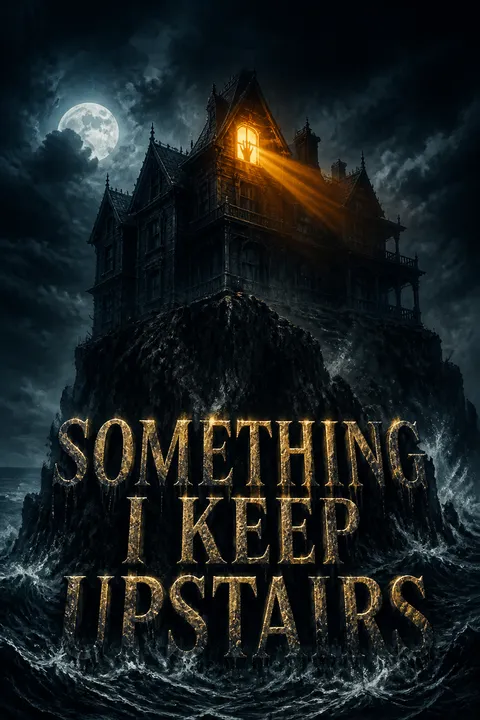
In 2021, Billy Hasler looks back on the summer when he was seventeen and his closest friend, David Spivey, inherited a house on a small island off New Castle. Billy has spent years refusing to satisfy the police, the press, and the neighbors who still want answers.
Even writing down the names of the friends who vanished feels like disloyalty. He begins because silence has not brought him peace, and because the story’s first terrible mistake was made long before he understood what the island wanted.
The frame makes confession feel less like closure than another risk. Billy is not telling his story from a secure distance: he still experiences memory as a loyalty test, and naming the missing becomes a fresh betrayal of the pact he made with them. His reluctance also establishes the book’s central problem of testimony. The facts are difficult to believe, but refusing to describe them has left him alone with them. The opening asks the reader to occupy the same uneasy position as the townspeople and investigators: listen closely, while recognizing that the account may exceed ordinary proof.
Geraldine Dies at Henry’s
On the last Tuesday of his junior year, Billy Hasler watches Chief Whaley remove his best friend, David Spivey, from algebra class. The chief has found an unidentified older woman dead at Henry’s Market, and a witness suspects she is Geraldine Rote, Spivey’s estranged maternal grandmother.
A photograph confirms her identity. Spivey barely remembers her, but the death leaves him with questions about a family secret he did not know existed. Before Billy can take him home, Billy’s father, real-estate investor Ted Hasler, summons him to Portsmouth.
Ted already knows about Geraldine and predicts that Spivey’s struggling parents will soon need money. He hands Billy his business card for Spivey, revealing an interest that sounds like help but carries the scent of a property deal.
The inciting event arrives as an administrative interruption, not a spectacle: a police officer appears in class and turns a teenager’s day into a family emergency. That ordinariness matters. Spivey’s grief is complicated by estrangement, while Billy’s first instinct is to protect his friend from adults who treat misfortune as an opportunity. Ted’s business card introduces the novel’s recurring confusion between care and control. A gesture can look generous while quietly arranging ownership, access, or leverage. The island begins not as a haunted setting but as an asset whose human consequences are already being calculated.
An Island in the Will
Three days later, Spivey reappears after meeting Lockwood Marston, the Boston lawyer who handled Geraldine’s estate. She has left him Wood Island, its house, and a substantial fund, but Marston controls the assets through a conservatorship.
Spivey cannot sell the property, his parents may never visit, and anyone under sixteen is barred. Breaking even one condition transfers the island and its remaining assets to Kittery, Maine. That night, Spivey takes Billy and Billy’s girlfriend, Kira Woodward, to Matty Fernandez for a boat ride.
They reach the island the next morning, where Izzie Fernandez and Chloe Kittle remain on the boat while the others explore. The immaculate house, stored Coast Guard quarters, strange instructions, and unreachable phone signal make the inheritance feel less like freedom than a carefully managed enclosure.
The inheritance gives Spivey financial security while withholding ordinary autonomy. Its legal structure mimics the island itself: a place that appears to belong to him, yet is governed by conditions he neither understands nor chose. His friends respond by translating danger into youthful improvisation. They treat the age restriction as overcautious paperwork and the island as a private clubhouse. This is psychologically credible, especially for a boy whose home life has made control feel like a daily injury. The house’s cleanliness and stocked rooms intensify the unease because neglect is absent where it should be expected. The place seems prepared for them before they arrive.
Portraits Behind the Stairs
At Geraldine’s funeral, Billy learns from Ralph Peck that she and her husband, Lester, lived in near-isolation on Wood Island. Peck says Lester drowned at sea and hints that Geraldine may have deliberately ended her life at Henry’s.
The chief has publicly offered a natural cause, but Billy now suspects the family history is stranger than Spivey knows. Inside the island house, the friends find photographs of Spivey at every age, many apparently taken without his knowledge, alongside preserved Coast Guard lockers and rooms left ready for a crew.
Marston’s warnings about the house’s rules haunt Billy as he studies the images. Meanwhile, Whaley finds an old restraining order that barred Spivey’s mother, Pam, his father, Keith, and Ted Hasler from approaching Geraldine, suggesting the conflict began around Spivey’s birth.
The house’s photographs transform absence into a form of surveillance. Geraldine’s separation from her daughter has not prevented her from tracking her grandson, which complicates any simple account of her as either loving or cruel. Whaley’s records add institutional memory to the family’s private silence: the restraining order preserves a wound without explaining it. Meanwhile, the carefully maintained rooms suggest that the island is not merely a home but an archive, keeping people and eras in suspension. The unsettling question is not only what Geraldine knew, but why she chose rules and observation over direct relationship.
A Night of Ghost Stories
For their first overnight gathering, the teens bring beer, music, and a game that quickly becomes a tour of local hauntings. Chloe, who has spent years collecting New England ghost lore, recounts legends from Portsmouth and New Castle; Kira shares her own frightening visit to a cemetery.
Spivey jokes about the island’s rules, but the group’s play brushes against genuine unease. Billy dreams of a shark pursuing him and Kira through dark water.
After drinking too much, he wakes before dawn, mistakes a glimpse of Kira and Matty together for betrayal, and staggers outside ready to attack Matty with a rock. Kira is alone. Billy vomits in the sand, shaken by how little he can trust his senses or his jealousy. The island has become a refuge, but not a reliably safe one.
The teenagers use ghost stories as a social technology: they dare one another to approach fear while keeping it safely inside the language of entertainment. Billy’s drunken misreading of Kira and Matty turns that game inward. His jealousy briefly makes him a threat to the people he wants to protect, revealing how quickly fear can disguise itself as certainty. The island’s appeal is equally personal. It offers privacy from parents and police, but its isolation removes ordinary safeguards. The episode does not yet prove that the supernatural is real; instead, it erodes Billy’s confidence in perception, preparing him to mistake intuition, dream, and evidence for one another.
Spivey Chooses the Island
Spivey’s father arrives at Billy’s house with a claim that his son is due for leukemia treatment and has missed his appointment. The family’s debt and the cost of care give Ted another reason to press for the island’s sale, while Spivey refuses both treatment and his parents’ intervention.
He tells Billy that the cancer has returned, but insists he only wants to postpone treatment long enough to have one ordinary summer. Marston, he says, has arranged a better medical option and the conservatorship will pay.
Spivey leaves home with a backpack, takes up residence on the island, and gives Billy an old Coast Guard rescue boat to borrow. Billy sees his friend’s refusal as dangerous, yet also understands why Spivey clings to the first place that has offered him both safety and a future.
Spivey’s decision is neither simple denial nor uncomplicated courage. He has spent his life being measured by illness, family instability, and other people’s decisions, so refusing treatment becomes a claim to authorship over his remaining time. The tragedy is that this autonomy is entangled with a place whose protection may itself be conditional. Billy recognizes the emotional logic but cannot accept its medical cost, leaving him divided between respecting his friend and intervening. Ted and Marston represent competing versions of adult authority: one sees property as a means to pay for care, the other controls care through the property. Spivey’s body becomes the ground on which these claims collide.
The Island Fills Up
Spivey turns the house into a summer gathering place, posting rules that govern drinking, guests, doors, music, and even the unseen Emerson he is told to feed. When fifteen-year-old Lily Dwyer disappears after a trip to Fox Run Mall, Kira, Izzie, Chloe, and Alesia Dubin tell Whaley she left to meet an older boy named Brian.
Their account is supported by a cheerful group photograph, and the police begin searching for a boy who may not exist. At the same time, the teens start Project Poltergeist.
They gather objects associated with haunted sites and cemetery soil, then bury them in the island’s basement. The parties promise Spivey the normal adolescence he has missed, but the growing guest list and Lily’s disappearance turn the refuge into a place where secrets are being actively manufactured.
The house rules convert a private inheritance into an improvised social order, with Spivey as a young caretaker trying to govern people who treat danger as part of the fun. The name Emerson first appears as an oddly domestic obligation, a request to feed someone unseen. Its casual placement among party rules makes the threat easier to ignore. Lily’s disappearance introduces a parallel problem: the group’s friendly photograph and shared account may be less evidence than performance. Project Poltergeist then turns folklore into practice. The teenagers no longer merely tell stories about the dead; they begin collecting and arranging the material conditions for a haunting.
The Basement Answers
Alesia leads the group in a ritual using blood, old objects, and water linked to a local curse. The friends feel a presence in the basement, and a fire burns in the bowl without scorching the house. Their shared emotional and physical intensity blurs the line between experiment and surrender.
In the days that follow, marbles roll in contradictory directions, the furnace pilot light keeps going out, and Billy hears Lily’s terrified voice through the house phone, asking for help from a moving car. He believes her call ends in a scream.
Later, he nearly falls from the widow’s walk while sleepwalking, and Kira wakes him before he goes over. Their ritual has not produced a controllable ghost. It has opened a channel through which the house can reach them, distort their senses, and make danger intimate.
The ritual works through participation rather than isolated belief. Blood, inherited objects, local history, and sexual tension gather the teenagers into a single charged event, making the haunting feel socially produced even as it exceeds their intentions. That ambiguity is crucial: the group’s actions matter, but no one can tell whether they have created the force or merely invited something older to respond. Billy’s phone experience and near fall turn the occult from spectacle into bodily risk. His memory becomes part of the danger, since he cannot reliably separate a message from a dream. The house has gained access to the group’s vulnerabilities, not simply their curiosity.
Bones Beneath the Headlines
Seeking answers, Billy enters Ted’s usually locked office and finds a file on Wood Island. Geraldine’s will confirms the strict stipulations and refers to minors as tokens, while old newspaper clippings report two skeletons found on the island in 1972.
Lester Rote disappeared at sea soon afterward, and his boat, Annabelle, was later associated with the island. Billy brings the documents to Spivey, who recognizes that the discovery may explain more than the family has admitted.
Chief Whaley, investigating the same history, discovers that Geraldine’s death was an aneurysm, not a poisoning, yet she had left instructions predicting where and when her body would be found. A scheduled call from Marston deepens the mystery. The evidence now links the inheritance, the dead, and a lawyer who seems to know events before they happen.
The historical documents shift the story from rumor toward an evidentiary mystery, but they do not restore ordinary causality. Instead, each fact makes the pattern more disturbing: bones were found, records vanished, and Geraldine’s death appears anticipated. Billy’s entry into Ted’s office is also a breach of family trust, one justified in his mind by loyalty to Spivey. Both boys are now inheriting secrets from adults who have concealed them for decades. The word token gives the legal document a second life, converting bureaucratic language into a possible supernatural category. The past is no longer background. It is an active claimant on the present.
A Hearing Without Spivey
At a court deposition, Spivey’s parents try to force him into treatment, arguing that he is a minor with advanced leukemia. Marston counters with newer blood work showing improvement and threatens to pursue emancipation.
Pam’s panic erupts when she begs the lawyer to take her instead, suggesting she knows what the island’s rules may cost. Ted Hasler appears caught between his friendship with Spivey and his financial interest in the property. Chief Whaley then reveals that a witness places Ted near Fox Run Mall when Lily vanished.
A pink hair found in Ted’s car supports the suspicion. The hearing does not settle Spivey’s medical future; it opens a second investigation, making Billy question his father while the police begin to suspect that the teenagers’ account of Lily’s disappearance is false.
The hearing stages a conflict between parental protection and a teenager’s right to refuse intervention, but the available evidence is compromised on every side. Spivey is absent, Marston speaks for him, and his parents use his illness to reclaim authority. Pam’s desperate plea hints that the medical dispute is only the visible surface of a deeper terror. Ted’s possible link to Lily further complicates Billy’s loyalty: the adult he distrusts for opportunism may also be involved in an act that resembles rescue or crime. The court can assess capacity and blood work, but cannot evaluate the island’s hidden economy. Legal procedure exposes the limits of what institutions can recognize.
The House Changes Shape
Billy takes Whaley to Wood Island, hoping the chief can inspect the property without forcing Spivey into another fight. They find an apparently abandoned generator, a decaying house, and no basement where Billy remembers one. The interior is older and more ruined than the polished home his friends explored.
A phone rings upstairs; afterward, Whaley hears a voice that sounds like Billy’s own and becomes visibly shaken. They leave with no explanation. At Jaffrey Point, police discover Rory Moir, Zack Kirkley, and Colin Booth dead beneath rocks piled onto Rory’s boat, an apparent supernatural echo of New Castle’s stone-throwing legend.
Billy recognizes that the ritual offerings may have been tied to the violence. The island has not simply frightened him. It has altered the physical world and left bodies where the authorities must confront them.
The vanished basement makes memory itself a contested space. Billy is not merely mistaken about a room; the house seems capable of presenting different architectures to different witnesses. Whaley’s skepticism cannot protect him once he hears the impossible voice, yet his investigative habits still demand observable cause. Rory’s death supplies a brutal material consequence to the folkloric pattern, collapsing the distance between ghost story and crime scene. The stones also suggest that the ritual’s symbolic offerings may have translated into real violence. By making the setting unstable and the consequences physical, the novel denies the reader a safe choice between supernatural explanation and ordinary evidence.
Kira Names Billy’s Father
At Jaffrey Point, Kira tells Billy that she saw Ted leave the mall with Lily, and explains that the story about Brian was a cover. Rory had been dealing a dangerous pink opioid, the likely source of the money he boasted about.
Before they can decide what to do, Matty confronts them with Spivey’s revolver and accuses Billy of informing Whaley about the ritual. Matty strikes Billy with the gun and knocks him unconscious. Billy wakes aboard Annabelle with a grotesquely injured Lester Rote at the helm, feeding human remains to sharks and displaying Kira’s watch.
The voyage becomes a nightmare that folds the past into the present. When Billy comes to again, he is back on Wood Island, injured, bound, and unable to tell which parts of his experience were warning, vision, or assault.
Kira’s confession reverses the apparent shape of the investigation: Ted may have taken Lily, but the girls may have helped arrange the encounter. Neither possibility fits neatly into the categories of victim and perpetrator. Matty’s violence marks a sharper break. The friend group has become a coercive unit that punishes questions rather than answering them. Billy’s vision of Lester and the sharks fuses the island’s history with his fear for Kira, giving him a private, emotionally legible nightmare without making it reliable evidence. The transition back to captivity shows how little control Billy has over his body or his account of events.
The Cabin Nine Offer
While Billy is missing, Whaley searches the historical society’s records and finds the captain’s log of the Reina, a ship quarantined near Wood Island during the 1898 yellow-fever outbreak. The log describes a passenger named Thybold Marston, who promised survival in exchange for a child under sixteen.
Children disappeared from a locked hold, and the captain’s notes deteriorated into delirious references to hunger and Emerson. Whaley realizes that the language matches Geraldine’s will. He also learns that Alesia had previously researched the same records.
The lawyer’s family has been connected to the island for generations, not simply since Spivey’s inheritance. Whaley’s investigation turns a local haunting into an inherited system of bargains, while the missing children in the log foreshadow what the teenagers may be preparing to do.
The Reina ledger gives historical depth to the island’s appetite while withholding a clean origin story. Thybold Marston’s bargain is recognizable as exploitation under crisis: the offer of survival divides people into those protected and those sacrificed. The language of tokens disguises that violence as exchange. Whaley’s discovery also links family history to institutional memory, suggesting that the Marstons have preserved a system ordinary records were made to erase. Alesia’s earlier research implies that the teenagers did not stumble blindly into every part of the ritual. Knowledge itself has become inherited power, and the question is who has been permitted to learn the rules, and for whose benefit.
Emerson’s Price
Bound in the bunkroom, Billy learns from Alesia that Spivey’s leukemia was already terminal before he inherited the island. Spivey admits that tests and symptoms improve while he stays in the house, then return when he leaves. The island is keeping him alive, but he has not told Billy the full cost.
Alesia also reveals that Lily is being held somewhere in the house, while Matty guards the captives with a gun. Above them, unexplained impacts and cries suggest someone is confined in the locked room.
Billy escapes briefly through a bathroom window, but Matty intercepts him in the storm and brings him back. As the house shifts between ruined and renewed states, Billy understands that the treatment Spivey received is not ordinary medicine. Emerson has offered survival, and the group is preparing to pay.
Spivey’s apparent recovery is the novel’s most seductive bargain because it answers a genuine, devastating need. The island does not tempt him with vanity; it offers reprieve from a disease that has governed his childhood. That makes his participation emotionally intelligible without making it safe. Alesia and Matty turn the offer into a group enterprise, yet their motives diverge: some seek health, others power and wealth. Billy’s brief escape through the window is a physical attempt to leave a reality he can no longer interpret. Matty’s recapture demonstrates that intimacy has become a weapon. Friends who know Billy’s habits can anticipate and restrain him.
Pam Tells Whaley
Whaley finds Pam at home after she has taken opioids, and she explains that Geraldine’s rules were warnings, not superstition. Children who set foot on the island become Emerson’s property. Their spirits return to it after death, while those born there are claimed from the start.
Pam says her own attempt to flee Wood Island nearly killed her, and she links the family’s misfortune to the island’s demands. Meanwhile, Laura Dubin sets fire to the police station, where Ted is being held; Ted dies inside, and Whaley recognizes that the old friends’ history has turned lethal.
Pam reveals that Laura had long pursued Emerson’s power through her daughter, Alesia. She also tells Whaley that Keith has taken Lily and intends to trade her for Spivey. Whaley must now reach the island before that exchange can happen.
Pam’s account reframes the family’s behavior as adaptation to coercion. Her mother’s isolation, her own failed escape, and Spivey’s illness are not separate misfortunes but different expressions of a system that claims people through childhood. Yet the explanation does not absolve the adults. Laura has pursued advantage by passing danger to her daughter, and Keith is willing to make a desperate exchange. The fire at the station destroys the ordinary institutional space where Whaley might have contained events. The chief is left with a choice between evidence that sounds impossible and a child whose life may depend on believing it. His investigation becomes an act of care without reliable authority.
Benny Comes Home
In a violent storm, Whaley reaches Wood Island with Keith, who has brought Geraldine’s body and a bag of dynamite. At the dock, Whaley sees Benny, his brother who died as a child, alive in the form of a teenage boy.
Keith explains that children claimed by Emerson return to the island after death, often changed by whatever life they might have lived. Whaley recognizes that Benny has been digging across the island for his own buried body. Inside the house, the dead gather, while Laura’s spirit appears within Alesia and welcomes Keith back to the island.
Keith intends to bury Geraldine properly and destroy the force that owns his family. Whaley, in pain and terrified by the promise of his brother’s return, must decide whether to help Keith or accept the bargain being offered to him.
Benny’s return makes the supernatural bargain intimate for Whaley. Until this point, he has investigated other families’ losses; now the island offers him the brother he has mourned for decades. The offer is cruel precisely because it answers a real grief rather than an abstract desire. Keith’s knowledge complicates the reunion: Benny is not simply restored, but caught in an unfinished condition, searching for the body that would let him rest. Laura’s presence inside Alesia shows how inheritance operates both biologically and spiritually. Whaley’s professional skepticism now competes with a private longing that the island can exploit. The danger is no longer disbelief, but wanting the impossible enough to surrender judgment.
The Pilot Light Dies
Alesia’s final ritual begins with Chloe and Izzie drinking poison, believing they will be reborn with endless life. Billy is forced to drink, but Kira extinguishes the furnace pilot light, breaking the rite before Emerson can claim him.
In the dark, she helps Billy escape his restraints, and together they uncover Alesia’s corpse beneath the basement dirt. The house cycles again, allowing Alesia and Matty to return as supernatural forces. Matty attacks Billy, but Kira helps him reach Annabelle, where the dead Spivey briefly steers them toward shore.
In the parallel basement, Keith and Whaley try to destroy the furnace with dynamite; Whaley’s brother helps him reach the controls. Billy and Kira end up in the storm-tossed water. Matty is pulled under by a shark, and Annabelle vanishes as the island changes state.
The climax forces the novel’s competing models of love into direct conflict. Alesia sells immortality as a shared future, while Kira’s decisive act is not a grand spell but the interruption of the machinery that makes the bargain possible. Chloe and Izzie’s deaths expose how hope can be shaped into consent when people are offered belonging and permanence. Keith and Whaley’s attempt to destroy the furnace parallels Billy and Kira’s escape, joining resistance across generations. Yet the intervention is incomplete: the storm, the island’s shifting reality, and Matty’s death carry the cost beyond the ritual room. Survival becomes an act of mutual dependence, not proof that the threat has ended.
Only Billy Returns
Two days later, Billy wakes in Portsmouth General with severe injuries to his pelvis, back, neck, and shoulder. He tells Deputy Mundie everything, but the police can find no basement, no bodies, and no missing friends on the island.
Then Mundie reveals that Kira’s body was found upstairs, and that she had died from the same poison as Chloe and Izzie before the storm. Marston confirms that the others offered themselves to Emerson and that Kira died before helping Billy escape.
The public explanation becomes a boating accident and a series of disappearances; Whaley, Keith, Spivey, and the other teenagers remain missing. Billy’s mother tells him that Ted is dead. The one person who can affirm his account is Marston, who offers reunion if Billy gives himself to Emerson.
The hospital reverses the emotional meaning of Billy’s escape without making Kira’s help unreal to him. She was dead, yet her care remained experientially present; the novel refuses to treat that contradiction as mere delusion. Official explanations provide a socially usable story, but at the cost of erasing the relationships that shaped the event. Marston’s offer exploits Billy’s grief with the same precision Emerson used on Spivey: it promises restoration where ordinary life can offer only absence. The resolution therefore remains ethically unsettled. Billy has survived physically, but survival does not equal release when the person who controls the island can make reunion sound like mercy.
Epilogue
Years later, Billy returns to Wood Island and finds the house abandoned and rotting. The photographs of his friends remain on the stairwell, and a new image shows Billy preparing to climb into the island’s hidden past. He digs down to the buried furnace and relights its pilot, accepting Marston’s promise that he may be reunited with Kira.
His account is dated 2021, though the act he describes happened in 2013, leaving the source of his testimony uncertain. The island’s last offer is not made to a frightened teenager this time. Billy returns knowing the cost, and choosing it anyway.
The ending turns the book’s frame into a final uncertainty. Billy’s return to the island could be read as suicide, supernatural passage, or a narrative spoken from a place outside ordinary time; the text does not reduce that ambiguity to a medical or legal explanation. What is clear is that grief has made Marston’s bargain durable. The promise of reunion has survived years of public stories, failed forgetting, and solitary visits. Billy’s choice resembles Spivey’s earlier refusal of treatment, but its motive has changed: he is no longer trying to reclaim an ordinary summer. He is choosing a reunion at the price of whatever life remains to him.
Analysis
The novel treats horror as an inheritance managed through both family and paperwork. Geraldine’s will appears to be a legal instrument, but its clauses encode a predatory system that predates the teenagers. The young characters initially experience the island as a gift: privacy for Billy and Kira, a home and medical reprieve for Spivey, and a laboratory for Alesia’s occult ambitions. The same place offers each person something emotionally specific, which makes its bargains more persuasive than a generic promise of power. Its danger comes from matching the offer to the wound.
The story also examines how care becomes difficult when every available form of authority is compromised. Ted’s financial interest does not erase his concern for Spivey; Keith’s failures do not erase his fear for his son; Whaley’s police work cannot protect him from his own grief. Even friendship becomes unstable when Billy’s loyalty turns into suspicion, or when Matty uses intimacy to control the people around him. The novel does not divide characters cleanly into believers and skeptics, victims and villains. People may act from love and still cause harm, while people seeking self-preservation may be drawn into violence.
The changing house gives this moral instability a physical form. Rooms disappear, bodies return, and memories cease to guarantee what has happened. Yet the consequences remain concrete: a missing teenager, a burned police station, dead friends, injuries, and a grieving witness. The characters cannot escape responsibility by claiming that the events were unreal, but neither can they make their account legible to institutions that require stable evidence. Billy’s final choice completes the book’s bleakest argument: grief can preserve love, but it can also make a dangerous promise feel like the only remaining path home.
Review Summary
People Also Read

Characters
Billy Hasler
Loyal witnessBilly is a seventeen-year-old football player and the first-person narrator. His closest relationship is with David Spivey, whom he has known since childhood; his girlfriend, Kira, is the person with whom he most readily shares his fears. Billy is protective, socially confident, and accustomed to stepping between Spivey and trouble, but his instinct to intervene can become possessive or reckless. His father’s real-estate ambitions make him question adult motives before he has enough evidence. Billy’s strength is attachment: he stays when frightened and tries to understand what others are hiding. The same loyalty also leaves him vulnerable to guilt, jealousy, and the belief that he alone should be able to keep his friends safe.
David Spivey
The inherited caretakerDavid, almost always called Spivey, is Billy’s childhood best friend. He is musically gifted, introspective, and used to enduring hardship without asking for special treatment. His leukemia, his mother’s addiction, and his father’s drinking have made him fiercely self-contained. He dislikes being pitied and values the private world he creates through music and solitude. The island’s inheritance offers him a home, money, and the possibility of a life not defined by illness, which helps explain why he resists outside control. His dry humor and sudden confidence can make him seem invulnerable, but they conceal a young man who has rarely been allowed to imagine a future on his own terms.
Kira Woodward
Billy’s first loveKira is Billy’s girlfriend and a championship-level swimmer whose confidence and warmth make her easy company. She is observant, socially skilled, and often able to ease tension before it becomes a fight. Her relationship with Billy is affectionate but not free of strain: she has her own friendships, private conversations, and loyalties, while Billy sometimes mistakes uncertainty for betrayal. Kira is drawn to stories of ghosts and the unknown, but she is not merely a follower of other people’s excitement. She can read a room, recognize when someone is frightened, and act decisively when a situation becomes dangerous. Her closeness to Billy gives his memories their deepest emotional stakes.
Chief Clifford Whaley
The island’s investigatorWhaley is New Castle’s long-serving police chief, a local man with a football past and a careful, practical manner. He knows the town’s families, habits, and old stories, and he understands that policing often means containing trouble rather than pretending it can be prevented. His loyalty to the community makes him attentive to people who are easy to dismiss, including teenagers and the struggling Spiveys. Whaley’s investigative instinct is to find the piece that makes a case fit, but his emotional life is shaped by an old family loss he rarely discusses. He is patient with witnesses and wary of easy explanations, even when those explanations would make his job simpler.
Alesia Dubin
The occult strategistAlesia is a high-school cheerleader with an intense interest in local witchcraft, haunted places, and family history. She is confident, charismatic, and comfortable directing a room, especially when others are uncertain. Her connection to the group runs through Matty, Chloe, and Izzie, but she does not share their motives equally. Alesia approaches supernatural lore as a system that can be researched and used, not simply as an entertaining mystery. Her poise can reassure the others even when she is leading them toward danger. The tension between her polished social identity and her occult ambition makes her compelling: she wants not only to belong to a powerful story, but to determine how that story ends.
Matthew Fernandez
The volatile loyalistMatty is Spivey’s classmate and the son of a family that owns several lobster boats. He is useful, quick-witted, and often treats favors as transactions. His confidence masks an appetite for status and attention, particularly around Kira and Alesia. Matty can be generous when friendship makes him feel included, but he is also competitive and easily recruited by people who promise access to something exceptional. His relationship with his younger sister, Izzie, mixes protectiveness with teasing and possessiveness. Matty’s belief that he can manage risk through force or bravado makes him especially dangerous when a plan begins to fail.
Chloe Kittle
The folklore collectorChloe is Izzie’s closest friend and a teenager fascinated by cemeteries, witchcraft, and New England ghost stories. She has spent years reading local records and collecting legends, and her knowledge helps turn the group’s curiosity into Project Poltergeist. Chloe can be socially awkward around people who dismiss her interests, but she is bold when discussing the supernatural. Her friendship with Izzie is intimate and affectionate, shaped by shared secrets and a desire to be understood. Chloe’s research gives the teenagers useful historical details, though it cannot guarantee that they understand the force they are approaching.
Izzie Fernandez
Matty’s younger sisterIzzie is Matty’s fifteen-year-old sister and Chloe’s best friend. She is outspoken, playful, and less intimidated by her older brother than he expects. Her closeness with Chloe carries a mixture of affection, private confidence, and adolescent uncertainty. Izzie wants to be included with the older teens and resents being treated as a child, which helps explain why she pushes past Spivey’s warning about the island. She brings levity to the group, but her willingness to join their games also reflects the pressure young people feel to prove they belong.
Lockwood Marston
The family attorneyMarston is the Boston lawyer who manages Geraldine’s estate and represents Spivey. He is precise, courteous, and difficult to read, preferring formal rules and carefully limited disclosures to ordinary reassurance. His law practice appears bound to the owners of Wood Island across generations, giving him a reach into both family affairs and property disputes. Marston presents himself as a fiduciary whose duty is to his client, yet his knowledge of the island’s history raises questions about what service means when the client may not understand the bargain. He uses procedure as both shield and instrument, making him unsettling even before his supernatural knowledge becomes clear.
Ted Hasler
Billy’s ambitious fatherTed is Billy’s father, a real-estate investor whose business depends on spotting value before others do. He is controlled, persuasive, and accustomed to treating financial problems as calculations that can be solved with the right leverage. His concern for the Spivey family is difficult for Billy to trust because Ted also wants the valuable land beneath their home. He can be affectionate and proud of his son, but he rarely explains the full purpose behind his actions. Ted’s relationship with Pam Spivey reaches back to their teenage years, and that buried history gives his involvement in the island more emotional weight than a simple business interest.
Keith Spivey
Spivey’s troubled fatherKeith is Spivey’s father, a fisherman whose drinking and financial mistakes have damaged his relationship with his son. He has spent years failing to provide the steadiness his family needs, and Spivey has learned not to depend on him. Keith is not without feeling, however; fear for his son’s health can pull him toward difficult acts of care. His connection to the island is older and more complicated than Billy initially understands. He carries guilt, resentment, and a deep suspicion of people who promise easy solutions, even when desperation makes him consider them.
Pam Spivey
The daughter who escapedPam is Spivey’s mother and Geraldine’s estranged daughter. Addiction and illness have left her physically fragile, while years of isolation have shaped her into someone who can be both loving and difficult to reach. As a teenager, she wanted to leave Wood Island and build an ordinary life, but her mother’s control and the island’s demands narrowed her choices. Her relationship with Keith reflects both escape and compromise. Pam understands more about her family’s history than she has been able to share with her son, and her fear is mixed with regret over the secrets she kept.
Geraldine Rote
The island’s last ownerGeraldine is Spivey’s grandmother, a reclusive woman who lives on Wood Island and keeps strict control over access to it. Her daughter remembers her as forbidding, while the house suggests a life of meticulous care and attention. Geraldine watches her grandson from afar and leaves him an inheritance surrounded by detailed conditions. She is difficult to understand through other people’s memories because affection, fear, and resentment all attach to her name. Her choices appear to come from an attempt to protect the family, but she communicates through rules rather than trust.
Lily Dwyer
The missing teenagerLily is a fifteen-year-old from Portsmouth whose disappearance triggers the police investigation that draws Billy and his friends into danger. She is only loosely connected to Kira, Izzie, Chloe, and Alesia, and the adults initially know her through a photograph and the friends’ uncertain account. Lily’s private life is difficult for her parents and investigators to reconstruct, in part because she has reasons to keep parts of it hidden. Her vulnerability is not the same as passivity: she has her own judgment about whom to trust and what risks she is unwilling to take.
Laura Dubin
Alesia’s occult-minded motherLaura is Alesia’s mother, a Costco manager with a deep, long-standing interest in local occult history. She has spent years researching Wood Island and the families connected to it. Laura’s knowledge gives her daughter access to a body of lore the other teenagers lack, while her role as a parent makes that knowledge ethically charged. She is protective of Alesia in her own way, but her approach to protection is shaped by a personal ambition to understand and use the island’s power. Her influence links the present group to the previous generation’s choices.
Lester Rote
Geraldine’s vanished husbandLester was Geraldine’s husband and Pam’s father, a fisherman who disappeared at sea. Ralph Peck remembers him as solitary and closely tied to Wood Island. Lester’s boat, Annabelle, remains connected to the family’s past and to the island’s dangerous waters. His disappearance leaves an empty space in the family history that later generations try to explain.
Bennett Whaley
The chief’s lost brotherBennett, called Benny, is Chief Whaley’s older brother, who died in childhood from cystic fibrosis. Whaley remembers him through family photographs, small domestic memories, and the sense of a life cut short. His presence is emotionally central to the chief even though the two brothers shared only a few years. Benny’s importance lies in the question his loss leaves behind: whether the dead can be encountered again without turning grief into a bargain.
Rory Moir
Spivey’s longtime tormentorRory is a Portsmouth High student who has bullied Spivey for years and often tests Billy’s willingness to intervene. He is shaped by a chaotic home life and a habit of treating cruelty as entertainment. Rory’s physical confidence and social dominance make him a threat at school and on the island. His connection to Alesia and the local fishing community draws him into conflicts that are larger than the old rivalry with Spivey.
Ralph Peck
The island’s old witnessRalph is a longtime New Castle resident who recognized Geraldine at Henry’s Market. He remembers her and Lester from their youth and has visited the island. His recollections reveal how isolation shaped the Rote family and how local history survives in partial, uneasy accounts. He is both a witness to the past and a source of rumors that may be incomplete.
Officer Mundie
Whaley’s junior officerMundie is a young New Castle officer who assists Whaley with searches, records, and the response to the teenagers’ disappearance. He is earnest and observant, though still learning how much a small town can conceal beneath its gossip. His practical questions often give Whaley a reason to explain what he has discovered.
Plot Devices
Wood Island
The inherited boundaryWood Island is a small Maine island once owned by Geraldine Rote and inherited by her grandson. Its isolated house, old Coast Guard buildings, dangerous surrounding rocks, and lack of reliable phone service make it attractive to teenagers seeking privacy. The island also operates under a strict will and a set of rules that seem at first to be legal eccentricities. As the story develops, its architecture and condition change, so that characters can remember different versions of the same house. It functions as refuge, estate, archive, and supernatural boundary, drawing the characters physically and emotionally away from the mainland.
The Conservatorship Rules
Law as supernatural warningGeraldine’s will places the island and its assets under Marston’s management and restricts sale, access, and ownership. The language includes specific conditions about minors, sunset, doors, the caretaker, and Emerson. The teenagers treat the conditions as eccentric legal boilerplate and gradually violate them. Later, the rules prove to be more than a means of managing property: they describe how the island claims people and governs movement between worlds. The device lets the novel hide supernatural exposition inside documents and household instructions, making ordinary compliance and disobedience carry consequences far beyond the law.
Tokens and Emerson
A bargain paid in peopleEmerson is the force associated with the island, and the term token describes people under sixteen who have entered it. The characters gradually discover that Emerson makes promises of health, wealth, power, or reunion in exchange for lives and souls. Its bargains are not straightforward trades: the offer can seem to solve an urgent need, while the price is concealed in rules and inherited obligations. The token idea ties together the teenagers, the Rote family, the Whidden children, and earlier generations. It makes childhood access to the island a lasting claim rather than a temporary visit.
Project Poltergeist
Folklore becomes ritualThe teenagers gather cemetery soil and objects associated with local haunted places, then bury them in the island basement. Alesia adds blood and water tied to the curse of Prudence Toliver, turning their experiment into a ritual intended to summon and channel the dead. The objects give the group a concrete method for acting on stories they once treated as entertainment. Their ritual brings apparent supernatural effects, but the group cannot control what answers or what it demands. Project Poltergeist therefore drives the plot from curiosity into complicity.
The Cycling House
Two worlds share one houseWood Island shifts between a renewed, inhabited house and a decayed, nearly empty one. Rooms, stairs, the basement, boats, and even power appear or disappear with the house’s changing state. Characters can encounter people who are dead in one reality but present in another, making memory and physical evidence unstable. The phone also carries calls that may come from another time or from a voice that merely imitates one the listener knows. This mechanism creates horror through contradiction: a scene can be emotionally real and causally important even when witnesses outside the island cannot verify it.
Download PDF
Download EPUB
.epub digital book format is ideal for reading ebooks on phones, tablets, and e-readers.








