Plot Summary
Exile and Return
After the devastating defeat at Kiri Valley, Princess Théra is emotionally shattered, haunted by the loss of her children and the collapse of her plans. Supported by Takval and the enigmatic Thoryo, she slowly emerges from her catatonia, learning to find meaning in survival and beauty in the world's renewal. As she and her band of survivors wander the harsh lands of Ukyu-Gondé, Théra's sense of purpose is rekindled. She must navigate the suspicion of the Agon, the trauma of loss, and her own guilt, ultimately accepting her role as a leader. Her journey is not just physical but spiritual, as she learns to balance the weight of her past with the hope for a new future, setting the stage for a revolution that will reshape the fate of two peoples.
City of Ghosts
The refugees find shelter at Taten-ryo-alvovo, the City of Ghosts, a landscape of burial mounds and ancient ruins. Here, Sataari recounts the mythic history of the Ages of Mankind, warning of the hubris that led to past destruction. The children, especially Tanto, are captivated by tales of lost weapons and forbidden power. The city's haunted silence and the lessons embedded in its barrows become a living metaphor for the dangers of pride and the cyclical nature of history. As the survivors struggle to adapt, the City of Ghosts becomes both a sanctuary and a crucible, challenging them to interpret the past and choose a different path for the future.
The Boneyard's Secret
In the Boneyard, Théra's band constructs monumental arucuro tocua—walking bone machines—by fusing Dara engineering with Agon tradition. The discovery of spirit portraits and ancient paintings reveals that the Agon and Lyucu share a common ancestry, both descended from a civilization that once farmed and built cities before succumbing to environmental collapse and internal strife. This revelation challenges the very foundation of their identities and enmities. The Boneyard becomes a place of transformation, where the survivors must decide whether to perpetuate cycles of vengeance or embrace adaptation and coexistence, guided by the voices of their ancestors.
The Divine Voice Unleashed
As Tovo's Lyucu army besieges the rebels, Théra's forces deploy the Divine Voice—a colossal arucuro tocua that amplifies the silent roar of a tusked tiger into a devastating sonic weapon. The Lyucu ground troops are incapacitated by the overwhelming sound, and the tide of battle turns. Yet, the victory is costly, and the rebels' bone beasts are vulnerable to garinafin assault. The battle becomes a test of ingenuity, sacrifice, and the limits of violence. The intervention of wild, free garinafins—summoned by the rebels' calls—shatters the Lyucu's remaining power, signaling the end of their dominance and the possibility of a new order.
The Last Lyucu
In the aftermath, the Lyucu are undone not by battle but by their own excesses. Jia's secret plot to breed and smuggle enhanced tolyusa (zomi berries) into Ukyu-taasa leads to mass addiction and societal collapse. As the Lyucu descend into madness and starvation, their leaders are consumed by paranoia, betrayal, and violence. The deaths of Tanvanaki, Cutanrovo, and Timu mark the end of Lyucu rule. The survivors, wracked by guilt and loss, must confront the consequences of their actions and the reality that their dream of supremacy has become a nightmare. The fall of Ukyu-taasa is both a tragedy and a liberation, opening the way for reconciliation and rebuilding.
The Price of Mercy
With the Lyucu defeated and desperate, Princess Dyana, Timu's daughter, leads a delegation to Pan, seeking an audience with the Dandelion Throne. The negotiations are fraught with pain: the Lyucu demand a cure for tolyusa-thirst, while Dara's people clamor for vengeance. Empress Fara, herself wracked by doubt, must choose between justice and mercy. The resulting peace is imperfect, granting amnesty to most Lyucu and collaborators, and integrating Ukyu-taasa as a province of Dara. The survivors on both sides must live with the knowledge that the past cannot be undone, and that healing requires empathy, humility, and the willingness to embrace an uncertain future.
The Machinery of Power
Empress Jia, haunted by the horrors of war and the threat of militarism, orchestrates a long, hidden campaign to destroy the Lyucu from within. She cultivates addiction, manipulates perceptions, and sacrifices her own reputation and loved ones to achieve her vision of peace. Yet, her reliance on secrecy and manipulation alienates her allies and sows seeds of future discord. The machinery of state she builds is both her triumph and her undoing, as it ultimately turns against her in a bloodless revolution. Jia's story is a meditation on the dangers of unchecked power, the necessity of systems over individuals, and the cost of doing what one believes is right.
The Bloodless Revolution
As the truth of Jia's actions comes to light through Lady Soto's book and the proliferation of book-mirrored copies, the people of Dara demand accountability. Prime Minister Cogo Yelu leads a peaceful coup, stripping Jia of power and installing Fara as empress. The revolution is remarkable for its lack of violence, achieved through the careful design of institutions and the willingness of individuals to step aside. Yet, the transition is not without pain, as Jia is left to reckon with her legacy and the people must confront the ambiguities of justice, truth, and forgiveness.
The Surrender of Ukyu-taasa
The final surrender of the Lyucu is marked by difficult negotiations, symbolic gestures, and the recognition that true peace requires more than the absence of war. Dyana becomes both Princess of Dara and Pékyu-Governor of Ukyu-taasa, tasked with guiding her people through the transition from conquerors to citizens. The province is integrated into Dara, but with allowances for cultural autonomy and the hope that, over generations, the wounds of the past will heal. The process is fraught with doubt, resistance, and the ever-present threat of renewed conflict, but also with the possibility of a new, shared identity.
The Guilt of Survival
As Dara and Ukyu-taasa rebuild, survivors on both sides grapple with the psychological scars of violence, loss, and complicity. Some, like Savo and Fara, seek solace in healing, art, and love; others, like Dyana, are haunted by the choices they made and the loved ones they lost. The question of how to remember, how to forgive, and how to move forward becomes central. The machinery of justice is found wanting, and the work of healing falls to individuals and communities, who must find their own paths through doubt, empathy, and the acceptance of imperfection.
The Gathering of Life
In the City of Ghosts, now renamed the Gathering of Life, Théra's descendants and followers create a society that honors both the past and the necessity of change. The arucuro tocua bone beasts, now peaceful, wander the land singing the voices of ancestors, inviting all to join in a new story. The settlement becomes a beacon for those seeking refuge from war and vengeance, a place where farming, herding, and wandering coexist. The lessons of Afir and Kikisavo—adaptation, humility, and the courage to re-remember—become the foundation for a new way of life.
The Reign of Enduring Spring
Under Empress Fara's reign, Dara and Ukyu-taasa experience a period of peace, economic growth, and cultural flourishing. Innovations in technology, education, and governance spread, and the scars of war begin to heal. Yet, the legacy of violence, the complexities of identity, and the challenges of integration remain. The machinery of state is robust but imperfect, and the work of justice and reconciliation is ongoing. The reign is marked by humility, empathy, and the recognition that doubt is not a weakness but a source of strength and renewal.
Speaking Bones
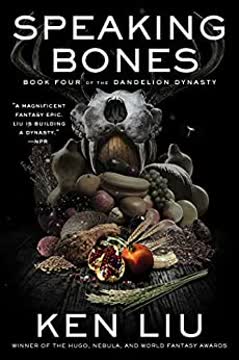
The invention of the bone-talker allows the voices of ancestors—Agon, Lyucu, Dara—to be heard anew. Spirit portraits and voice paintings become a means of bridging the gaps between peoples, generations, and histories. The act of listening, of retracing and reinterpreting the past, becomes central to the work of healing and adaptation. The speaking bones remind all that the past is never truly past, and that the future is always being re-remembered in the present.
The Weight of History
As new generations inherit the legacies of conquest, survival, and adaptation, the question of how to remember and judge the past becomes paramount. Debates over monuments, names, and reparations reflect the ongoing struggle to balance justice and mercy, pride and humility, tradition and change. The machinery of state, the work of artists and engineers, and the voices of ordinary people all contribute to the evolving story of Dara and Ukyu-taasa. The weight of history is both a burden and a source of strength, shaping the choices of the present.
Doubt and Empathy
The final lesson of the saga is that doubt is not a failing but a virtue. Empathy, humility, and the willingness to embrace uncertainty are the keys to survival, adaptation, and the creation of a just society. The stories of Théra, Jia, Fara, Dyana, and countless others are woven together by their struggles with doubt, their capacity for empathy, and their refusal to give up hope. The future remains unwritten, and the work of healing, justice, and love is never complete.
Homeland's Return
In the closing scenes, Théra returns to Dara, bringing with her the bones and voices of those who died in exile. The reunion of old friends and the passing of the crown to a new generation symbolize the possibility of renewal and the enduring power of love. The dandelion seed, drifting across the land, becomes a metaphor for the persistence of hope, the interconnectedness of all people, and the promise that, even after the darkest winters, spring will return.
Characters
Théra Garu Aragoz
Théra is the daughter of Empress Jia and the designated heir to the Dandelion Throne, but her journey takes her far from home, through loss, despair, and transformation. As the leader of the Agon-Dara alliance, she fuses the traditions of two peoples, invents new forms of warfare and storytelling, and ultimately becomes a symbol of adaptation and empathy. Her relationships—with Takval, Zomi, her children, and her followers—are marked by love, guilt, and the struggle to do what is right. Théra's arc is one of humility, doubt, and the courage to reimagine the future, making her both a tragic and hopeful figure.
Jia Matiza
Jia is a complex and controversial figure, driven by a vision of peace and the fear of militarism. She orchestrates a hidden campaign to destroy the Lyucu through addiction and manipulation, sacrificing her own reputation, loved ones, and even her conscience. Jia's relationships—with her children, her confidantes, and her enemies—are marked by both genuine love and ruthless calculation. Her legacy is ambiguous: she is both a savior and a villain, a builder of systems and a breaker of hearts. Jia embodies the dangers and necessities of power, the limits of control, and the cost of doing what one believes is right.
Fara Garu
Fara is the youngest child of Kuni Garu, overshadowed by her siblings and uninterested in power. Yet, when called upon, she becomes the empress who guides Dara through its most difficult transition. Fara's strength lies in her humility, empathy, and willingness to embrace doubt. She forges a new path for Dara and Ukyu-taasa, prioritizing healing, reconciliation, and the acceptance of imperfection. Her relationships—with Savo, her siblings, and her people—are marked by love, loss, and the search for meaning. Fara's reign is a testament to the power of ordinary virtues and the necessity of questioning even the most cherished ideals.
Dyana Roatan Garu
Dyana is the daughter of Timu and Tanvanaki, embodying both Lyucu and Dara heritage. Thrust into leadership after the collapse of Ukyu-taasa, she must navigate the expectations of her people, the demands of justice, and her own grief and guilt. Dyana's arc is one of transformation: from a defender of Lyucu pride to a champion of integration and adaptation. Her relationship with Fara is fraught but ultimately redemptive, as the two women forge a peace that is both fragile and hopeful. Dyana represents the possibility of a new identity, forged from the ashes of the past.
Takval Aragoz
Takval is a leader marked by compassion, vision, and the willingness to sacrifice. His relationship with Théra is central to both their arcs, as they support and challenge each other through loss and transformation. Takval's death is both a personal tragedy and a catalyst for revolution, as his spirit portrait becomes the key to Théra's legitimacy and the inspiration for a new way of life. Takval embodies the virtues of humility, empathy, and the courage to hope, even in the face of overwhelming odds.
Zomi Kidosu
Zomi is a brilliant engineer and scholar, driven by curiosity and a commitment to justice. Her relationship with Théra is one of deep love and mutual respect, though marked by separation and longing. Zomi's work—on spirit portraits, book-mirrors, and the machinery of state—shapes the course of history, but she is also haunted by the limits of knowledge and the ambiguities of power. Zomi's arc is one of growth, humility, and the recognition that doubt is the beginning of wisdom.
Cogo Yelu
Cogo is the architect of Dara's machinery of power, balancing the ambitions of sovereigns with the needs of the people. His relationship with Jia is one of partnership, rivalry, and mutual respect, though marked by secrets and betrayals. Cogo's arc is defined by his commitment to systems over individuals, his willingness to step aside, and his insistence that the truth must be faced, no matter the cost. He represents the virtues and dangers of institutional power.
Princess Aya Mazoti
Aya is raised to be a warrior and strategist, but ultimately rejects the life chosen for her. Her arc is one of self-discovery, as she learns to let go of the expectations of others and embrace her own desires. Aya's loyalty, courage, and humility make her a valuable ally, but her greatest strength is her willingness to admit doubt and change course.
Noda Mi
Noda is a collaborator who shifts allegiances to serve his own ends, betraying friends and foes alike. His cunning, adaptability, and lack of scruples make him both a dangerous enemy and a useful tool. Noda's arc is a cautionary tale about the dangers of cynicism, the corrosive effects of self-preservation, and the limits of manipulation.
Savo Ryoto (Kinri Rito)
Savo is the son of a Lyucu thane and a Dara scholar, torn between two identities. His journey is one of healing—of himself, his loved ones, and the world. Savo's relationship with Fara is marked by love, doubt, and the search for meaning. His work on the writing zither and book-mirror symbolizes the power of stories to heal and connect. Savo embodies the virtues of humility, empathy, and the courage to live with uncertainty.
Plot Devices
Duality and Synthesis
The narrative is structured around the interplay of dualities: Dara and Ukyu-Gondé, Agon and Lyucu, tradition and innovation, vengeance and mercy, power and humility. Characters are often forced to reconcile conflicting identities, desires, and duties. The synthesis of Dara engineering and Agon arucuro tocua, the integration of Lyucu and native populations, and the blending of oral and written traditions all serve as metaphors for the possibility of adaptation and coexistence. The plot repeatedly subverts expectations by refusing to allow any one side or ideology to triumph unambiguously, insisting on the necessity of doubt, empathy, and the willingness to change.
The Machinery of State
The story foregrounds the creation, maintenance, and limits of systems—bureaucratic, technological, and narrative. Jia's secret war against the Lyucu is paralleled by her construction of a self-correcting machinery of power, designed to outlast any individual. The bloodless revolution that ends her regency is only possible because of the robustness of these institutions. Yet, the machinery is also shown to be imperfect, vulnerable to manipulation, and in need of constant renewal. The plot uses the machinery of state as both a source of stability and a site of contestation, exploring the tension between individual agency and collective action.
Voice, Memory, and Storytelling
The invention of the bone-talker and the proliferation of book-mirrors symbolize the centrality of stories—oral, written, and recorded—in shaping identity, history, and the future. The plot is structured as a series of re-rememberings, with characters constantly revisiting, revising, and contesting the past. The speaking bones, spirit portraits, and the work of artists and engineers all serve as reminders that the past is never fixed, and that the act of listening is as important as the act of telling. The narrative uses foreshadowing, unreliable narration, and the layering of perspectives to highlight the ambiguities of truth and the necessity of empathy.
Foreshadowing and Cyclical History
The story is rich in foreshadowing, with myths, prophecies, and ancestral voices predicting and shaping the actions of the present. The cyclical nature of history—rise and fall, conquest and adaptation, vengeance and mercy—is both a warning and a source of hope. The plot repeatedly returns to the lessons of the past, insisting that while patterns may repeat, they can also be broken or transformed through choice, humility, and the courage to hope.
Analysis
Speaking Bones is a monumental meditation on the cycles of history, the nature of power, and the possibility of healing after atrocity. Ken Liu's narrative refuses easy answers, instead embracing the complexity, ambiguity, and doubt inherent in the human condition. The novel interrogates the costs of both vengeance and mercy, the dangers of unchecked power and the necessity of robust systems, and the limits of individual agency in the face of collective trauma. Through its richly drawn characters—each marked by love, guilt, and the struggle to do what is right—the story explores the tension between tradition and adaptation, the burden of memory, and the work of empathy. The invention of the bone-talker and the proliferation of book-mirrors symbolize the centrality of stories in shaping identity and history, while the machinery of state serves as both safeguard and threat. Ultimately, the novel argues that doubt is not a weakness but a source of strength, that empathy is the foundation of justice, and that the work of healing is never complete. The future remains unwritten, and the responsibility for re-remembering, for choosing hope over despair, falls to each new generation.
Last updated:
Review Summary
Speaking Bones receives overwhelming praise as a masterful conclusion to The Dandelion Dynasty series. Reviewers highlight Ken Liu's genius in crafting emotionally devastating yet hopeful narratives with complex themes including power, corruption, identity, culture, and humanity. The 1,280-page finale features spectacular battles, deep philosophical exploration, and nuanced characterizations. While some note the book could be shorter and technical engineering descriptions occasionally slow pacing, most consider it a flawless ending. Readers emphasize the series' unique silkpunk worldbuilding, beautiful prose, and unprecedented depth. Many call it their favorite series, praising Liu's ability to balance darkness with hope and create profoundly impactful, thought-provoking storytelling.