


Key Takeaways
Judge deception by intent, concealment, and the choices it takes from others
Intent matters. The book defines a lie as a deliberate falsehood or deceptive act meant to mislead. Getting something wrong is not the same as knowingly misleading someone. But a speaker can also distort the truth without stating a false sentence: leaving out a car’s known brake problem, for example, can prevent a buyer from making an informed decision.
Look beyond the label. The same broad category includes a parent softening painful news for a child, a friend inventing an excuse, and a fraudster fabricating wealth. Motives and stakes differ, but good intentions do not automatically erase the effect on the person being deceived. A useful test is whether the other person loses information they need to choose freely.
The most useful distinction here is between factual error and deliberate deception. It keeps ordinary misunderstanding from being treated as moral failure, while making room to recognize misleading omissions. The emphasis on choice also connects honesty to informed consent: people cannot make meaningful decisions when someone deliberately hides material facts. Yet intention is difficult to observe, and people often describe self-serving choices as protective. Motive can guide inquiry, but consequences and patterns are more dependable evidence than a person’s explanation of their own virtue.
When truth feels costly, state a boundary instead of inventing an excuse
Silence has options. The author treats silence as a possible alternative to a white lie. Someone who does not want to attend a party can decline without falsely claiming illness. Someone asked about a friend’s unflattering haircut can avoid a verdict rather than offer praise they do not mean. A direct boundary can be both truthful and private.
Omission has limits. Silence is not automatically honest. If a seller withholds a known defect, or a partner carefully leaves out information to create a false impression, the omission can mislead as surely as a spoken falsehood. The useful distinction is whether someone is protecting a legitimate boundary or steering another person toward a mistaken conclusion.
This approach escapes the false choice between brutal candor and fabrication. A person can decline to answer, say they need privacy, or offer a limited but accurate response. That is especially valuable in relationships where not every feeling needs to be disclosed on demand. The harder question is whether silence preserves privacy or quietly manipulates someone else’s decision. The distinction depends on context: withholding a personal opinion about a haircut is not equivalent to concealing a safety risk or financial fact.
Make difficult truths specific, respectful, and useful to act on
Candor needs care. The book argues that honesty builds trust and supports self-correction, but unfiltered truth can also hurt without helping. In one example, a wife says her husband no longer loves her when the underlying problem is that she feels neglected. Naming the actual experience gives him something concrete to respond to, unlike a sweeping accusation that invites denial and counterattack.
Explain, then request. The practical move is to describe what happened, how it affected the speaker, and what change would help. The author contrasts this with hiding behind reassurance or delivering criticism for its own sake. Tact does not mean disguising reality. It means giving the other person a fair chance to understand the issue and respond.
This is a useful bridge between ethical honesty and effective communication. Specific observations are easier to discuss than judgments about someone’s character, and a clear request turns disclosure into coordination rather than punishment. Research and practice in conflict resolution often make a similar distinction between describing behavior and assigning motives. Still, tact can become a polished way to avoid saying the central thing. A kind delivery should clarify the truth, not dilute it until the listener can no longer tell what needs to change.
Treat every convenient lie as a future bill for trust and memory
Small lies accumulate. A white lie can create obligations the speaker never intended. The author describes telling a helpful neighbor he did not know how to prune a shrub, although he did. The neighbor offered gardening advice, leaving the author unable to act on his original plan without exposing the false impression. A week later, he had forgotten the exchange and confused the neighbor further.
Trust is cumulative. A lie may bring quick relief, but maintaining it can require extra explanations and careful memory. If the truth emerges, people may reconsider not only that claim but the speaker’s reliability more broadly. The book also notes an important complication: repeated dishonesty may become less emotionally stressful with practice, so guilt is not a reliable safeguard.
The shrub anecdote makes an abstract cost visible: deception creates practical work. It can also alter relationships by forcing others to act on a false picture of events. This resembles coordination costs in organizations, where one inaccurate status report can trigger avoidable decisions and follow-up work. The metaphor of a bill should not imply that every small social fiction causes lasting damage. But a repeated habit of convenient excuses can make honest communication harder, especially when a consequential truth finally needs to be told.
Verify the method behind persuasive numbers, images, and online popularity
Evidence needs context. The book shows how statistics can mislead through selective samples, missing comparisons, or a distorted graph scale. An advertisement saying doctors preferred one cigarette brand did not establish that the brand was safe; the survey asked which brand doctors smoked, not which was healthiest. A graph with a shortened vertical axis can also magnify a small difference.
Digital signals can be staged. Bots can inflate likes and followers, while deepfakes can fabricate convincing audio or video. The author’s broader advice is to pause before sharing, check the source, ask how the information was gathered, and compare independent accounts. A confident presentation is not proof that the underlying claim is sound.
This is the book’s strongest move from interpersonal deception to public information: it asks readers to inspect how a claim was assembled, not merely whether it looks authoritative. Statistical literacy helps here. Samples, comparison groups, axes, and time windows determine what a chart can legitimately show. The same discipline applies to viral content and synthetic media. Skepticism should remain calibrated, however. Treating every source as equally suspect can collapse into cynicism, which leaves people more dependent on intuition and identity than on verifiable evidence.
Test a story against evidence, not a stranger’s eye contact
Cues are clues, not proof. The author describes signs such as pauses, changed vocal tone, or unusual gestures, but warns that one behavior alone cannot establish deception. Shyness, stress, and ordinary differences in communication can look suspicious when interpreted without context. A person’s usual manner matters more than a supposedly universal tell.
Ask questions that can be checked. The book recommends listening calmly, gathering relevant facts, and asking open questions before raising evidence. A follow-up about who was present or what happened next may reveal inconsistencies. It cites a report in which police officers trained in strategic use of evidence detected more lies than untrained officers, while also acknowledging that lie detection is uncertain. The goal is a clearer account, not a theatrical interrogation.
The evidence-first advice is more defensible than popular body-language folklore. Human observers are prone to confirmation bias: once suspicion takes hold, ordinary pauses can look like guilt and confident speech like proof of innocence. A calm sequence of questions can reduce that bias by focusing on claims that are independently testable. The book’s cited improvement after training is suggestive, not a universal accuracy guarantee. Reliable assessment depends on evidence, alternative explanations, and the stakes involved, rather than a checklist of gestures.
Use personality labels to adapt communication, never to diagnose dishonesty
Behavior is not motive. The author uses the DISC color model as a shorthand for observable tendencies: Red for assertive, task-focused behavior; Yellow for expressive, socially oriented behavior; Green for patient, relationship-oriented behavior; and Blue for analytical, detail-focused behavior. He presents these as behavioral profiles, not complete descriptions of personality or inner motivation.
Treat the colors as prompts. In the book’s account, a Yellow person may embellish for approval, a Green person may avoid conflict, a Red person may bend facts to pursue a goal, and a Blue person may hide mistakes to protect a reputation for accuracy. These are hypotheses to check against specific behavior, not rules for deciding who is lying.
The framework can help people notice that communication styles differ, and the author explicitly limits it to visible behavior. That caution matters. A compact typology is memorable, but its neat categories can encourage stereotyping if readers treat them as validated predictors of deceit. The same behavior can have many causes, and personality labels do not reveal intent. The safest use is conversational: adjust how questions are asked, then evaluate the actual claim and evidence rather than assigning suspicion by color.
When charm comes with repeated exploitation, trust the pattern over promises
Look at conduct. The book’s accounts of Anna Sorokin, who posed as a wealthy heiress, and Bernie Madoff, who ran a vast investment fraud, show how confidence and apparent status can help deception succeed. Sorokin persuaded people to cover expenses she could not pay. Madoff used fabricated investment records and a trusted public image to attract and retain investors.
Notice manipulation. The author describes tactics including gaslighting, which pressures someone to doubt their memory or perception; love bombing, overwhelming someone with affection to win trust; and playing the victim to obtain sympathy or advantage. These behaviors matter because repeated exploitation can cause emotional and financial harm. Focus on observable patterns, set boundaries, and seek support when the situation feels unsafe.
These cases make a vital point: credibility is often borrowed from status, familiarity, and other people’s trust. A polished persona is not a substitute for verifiable conduct. The practical emphasis on boundaries is sound, particularly when someone repeatedly denies evidence or shifts blame. At the same time, the book’s tendency to label public figures as psychopaths or narcissists goes beyond what anecdotes can establish. Readers are better served by identifying harmful behavior and protecting themselves than by attempting amateur diagnosis.
Ask what honesty risks, then practice telling small truths before crises
Start with your own motive. The author recommends asking what might happen if the truth is spoken, rather than focusing only on the immediate relief a lie promises. That question can expose whether someone is avoiding embarrassment, protecting a relationship, or seeking advantage. A private diary, therapy, or a candid conversation with someone trusted can help uncover the fear beneath a reflexive answer like saying everything is fine.
Build the habit gradually. The closing argument is not for confessing every thought without regard for others. It is for replacing unnecessary façades with truthful boundaries and manageable disclosures. The author recounts finally ending a damaging relationship by clearly stating that he no longer believed in it, then describes the relief that followed. Vulnerability can be a more durable alternative to constant performance.
This ending connects honesty with agency: naming a real limit can restore choices that fear and evasion have narrowed. The emphasis on small practice is psychologically plausible because difficult conversations become less mysterious when people rehearse direct, respectful language in lower-stakes settings. Vulnerability is not universally safe, however. In coercive or abusive situations, disclosure can increase danger, so privacy and external support may be wiser than candor. The principle is not to reveal everything, but to avoid deceiving oneself about the cost of silence.
Analysis
The book’s most durable contribution is not a foolproof method for spotting liars. It is a shift in the reader’s question: from whether a sentence is literally true to what the speaker intends, what the listener is led to believe, and what choices that belief affects. This wider view captures omissions, social niceties, commercial deception, and digitally manufactured credibility without pretending they are morally identical. Its best advice is practical and relational: notice the motive, consider consequences, seek verifiable facts, and make room for an honest account before escalating a confrontation.
The structure moves from ordinary white lies to public misinformation, then to detection, confrontation, and personal honesty. Case histories give the argument narrative momentum, while recurring self-implication prevents the book from placing all dishonesty in villains and politicians. The author’s willingness to admit his own evasions reinforces the central claim that truthfulness is a practice, not a badge of purity.
The book is less reliable when it treats behavioral categories or clinical labels as explanations. DISC colors may offer accessible language for discussing communication habits, but they cannot establish that someone lies for a particular reason. Nor can anecdotes support confident diagnoses of public figures. Research on deception generally finds that nonverbal cues are weak and that people are not naturally reliable lie detectors. The book’s strongest counterweight is its own insistence on checking evidence and looking for patterns rather than trusting isolated gestures.
There is also a useful tension in its advice: honesty builds trust, but tact, privacy, and safety sometimes justify withholding information. The most coherent resolution is not total disclosure. It is avoiding deliberate false impressions about matters that shape another person’s decisions, while communicating boundaries openly where possible. Readers should apply the book’s skepticism to its claims as well: when it invokes statistics, studies, or broad statements about human behavior, the method and evidence deserve the same scrutiny it asks readers to give media and data.
Review Summary
Surrounded by Liars received mixed reviews, with an average rating of 3.35/5. Some readers found it insightful and helpful for understanding human behavior and spotting deception. Others felt it was repetitive, oversimplified, and lacked depth. The book's use of the DISC personality model and real-life examples were appreciated by some, while others found the content outdated and lacking in practical advice. The audiobook narration by David John was well-received. Several reviewers noted that the appendix contained the most valuable information.
People Also Read





Glossary
DISC model
Behavioral style frameworkA framework for describing observable behavior along dimensions such as task or people orientation and extroversion or introversion. The book uses four color labels: Red for dominance, Yellow for influence, Green for stability, and Blue for conscientiousness. It is presented as a guide to behavioral tendencies, not a complete account of personality, motivation, or an individual’s honesty.
Altruistic deception
Deception intended to protectA lie or withholding of information intended to protect another person from distress or harm rather than to secure an obvious personal benefit. Examples in the book include reassuring someone to spare their feelings or delaying painful information. Benevolent motives do not settle whether the deception is justified, since the effects on trust and informed choice still matter.
Strategic use of evidence
Reveal evidence in stagesAn interviewing approach in which a questioner first gathers an account and relevant details, then introduces evidence at an appropriate point to test that account. Instead of immediately accusing someone or revealing everything known, the interviewer listens for claims that can be checked and asks for clarification. The book presents this as more useful than relying on hostile confrontation or body-language stereotypes.
False amplification
Artificially boost apparent popularityThe use of bots or other artificial activity to make a message, account, product, or opinion appear more popular than it is. Inflated likes, comments, shares, or follower counts can shape perceptions of what other people support. The book warns that such social signals may create a false impression of credibility, influence, or public consensus.
Gaslighting
Undermine trust in perceptionA manipulative pattern in which someone denies, distorts, or reframes events in ways that encourage another person to doubt their memory, judgment, or sense of reality. The book gives examples such as denying hurtful remarks or accusing someone of being too sensitive. A single disagreement about memory is not enough to establish gaslighting; the pattern and its effect matter.
Confirmation bias
Favor belief-confirming informationA tendency to notice, seek, or accept information that supports existing beliefs while discounting information that challenges them. The book connects this tendency to social media feeds that repeatedly show users familiar viewpoints, creating a narrower picture of public opinion. It can make false claims feel increasingly convincing when they circulate within groups that reinforce one another.
FAQ
What is Surrounded by Liars by Thomas Erikson about?
- Comprehensive look at deception: The book explores the nature of lies, half-truths, and gaslighting, aiming to help readers recognize and understand deception in both personal and professional settings.
- Behavioral insights: Erikson uses the DISC behavioral model to explain how different personality types approach lying and truth-telling.
- Real-world examples: The book features infamous liars and case studies to illustrate the impact of deception on individuals and society.
- Practical tools: Readers are given actionable advice for detecting, confronting, and navigating lies in everyday life.
Why should I read Surrounded by Liars by Thomas Erikson?
- Improve lie detection: The book equips readers with skills to spot lies and protect themselves from manipulation.
- Understand human behavior: By linking lying tendencies to personality types, it helps readers interpret motives and reactions, improving relationships.
- Navigate social complexity: Erikson addresses the ethical and emotional challenges of honesty, helping readers make informed decisions about confronting dishonesty.
- Stay current: The book covers modern issues like social media manipulation and deepfakes, making it relevant for today’s digital world.
What are the key takeaways from Surrounded by Liars by Thomas Erikson?
- Everyone lies: Lying is a universal human behavior, but motives and methods vary widely.
- Personality matters: The DISC model reveals how different types approach lying, both as liars and as targets.
- Consequences are far-reaching: Lies can damage trust, cause psychological stress, and have societal impacts.
- Practical strategies: The book offers concrete steps for detecting, exposing, and responding to lies with empathy and strategy.
How does Thomas Erikson define a lie in Surrounded by Liars?
- Intentional deception: A lie is an intentionally false statement or act meant to mislead or manipulate others.
- Key elements: Lies involve a motive to deceive, awareness of the falsehood, and often a mix of verbal and nonverbal cues.
- Distinguishing lies from untruths: Not all untruths are lies; intent and context are crucial in defining what constitutes a lie.
- White lies and omissions: The book differentiates between harmful lies, white lies, and withholding information, emphasizing the importance of motive.
What is the DISC model and how does Surrounded by Liars by Thomas Erikson use it?
- Behavioral profiling tool: DISC categorizes people into four types—Red (dominance), Yellow (inspiration), Green (stability), and Blue (conscientiousness).
- Understanding lying styles: Erikson explains how each type tends to lie and react to lies, offering insights into their motives and behaviors.
- Not a personality test: The model focuses on observable behaviors rather than deep-seated traits.
- Practical application: Readers can use DISC to anticipate and interpret deceptive behaviors in others.
What are the main reasons people lie according to Surrounded by Liars by Thomas Erikson?
- Self-protection: People lie to avoid punishment, embarrassment, or negative consequences.
- Personal gain: Lies can be used to gain advantage, power, or financial benefit.
- Maintaining harmony: White lies are often told to avoid conflict or protect others’ feelings.
- Habit and psychological factors: Some individuals lie out of habit, compulsion, or due to personality disorders like psychopathy or narcissism.
How does Surrounded by Liars by Thomas Erikson explain the construction of a believable lie?
- Start with motive: Every convincing lie begins with a clear reason, such as self-protection or gaining an advantage.
- Mix truth and fiction: Effective lies are rooted in truth, making them easier to remember and more believable.
- Consistency is key: Good liars maintain consistent stories with just enough detail to avoid suspicion.
- Prepare for scrutiny: Anticipating questions and having an exit strategy helps liars maintain their deception.
What are the key behavioral signals of lying in Surrounded by Liars by Thomas Erikson?
- Eye behavior: Changes like prolonged eye contact, quick blinking, or pupil dilation can indicate lying, but must be compared to normal behavior.
- Microexpressions and body language: Involuntary facial expressions and defensive gestures (e.g., crossed arms, touching the face) may signal discomfort.
- Vocal cues: Shifts in pitch, throat clearing, and awkward pauses can reveal anxiety linked to deception.
- Context matters: No single sign is definitive; patterns and inconsistencies are more telling.
How do the four DISC personality types lie and react to lies in Surrounded by Liars by Thomas Erikson?
- Reds (dominant): Lie strategically for power and control, often rationalizing their actions.
- Yellows (inspirational): Use white lies to maintain social standing or embellish stories, sometimes even deceiving themselves.
- Greens (stable): Lie to avoid conflict and maintain harmony, but value long-term trust in close relationships.
- Blues (conscientious): Lie mainly to uphold competence or avoid mistakes, but strong ethics and fear of consequences often restrain them.
What manipulation techniques do psychopaths and narcissists use according to Surrounded by Liars by Thomas Erikson?
- Gaslighting: Making others doubt their reality or memory to gain control.
- Victimhood and love bombing: Playing the victim or overwhelming targets with affection to build trust before exploiting them.
- Triangulation and playing dumb: Creating conflict between others and feigning ignorance to avoid responsibility.
- Lying for amusement: Psychopaths and narcissists may lie compulsively and without remorse, often for personal entertainment or manipulation.
Who are some infamous liars featured in Surrounded by Liars by Thomas Erikson and what lessons do their stories teach?
- Lance Armstrong: His doping scandal shows how lies can build a heroic image that eventually collapses, causing severe fallout.
- The Tinder Swindler (Simon Leviev): Demonstrates how emotional manipulation in online dating can lead to financial and emotional harm.
- Bill Clinton and Bernie Madoff: Their stories highlight the political, personal, and financial devastation caused by high-profile lies.
- Anna Anderson, Anna Delvey, Caroline Calloway: These cases illustrate the diverse motives and long-term consequences of deception.
How can readers effectively expose and confront liars using advice from Surrounded by Liars by Thomas Erikson?
- Build rapport: Approach liars with kindness and curiosity to encourage openness and reveal inconsistencies.
- Ask strategic questions: Use unexpected, verifiable questions that require specific details.
- Stay calm: Avoid emotional reactions and accusations; use “I” statements to foster dialogue.
- Consider motives and outcomes: Understand why the person lied and weigh the necessity and potential impact of confrontation.
- Prepare for denial: Some liars may never admit the truth, so patience and knowing when to disengage are important.
What does Surrounded by Liars by Thomas Erikson say about vulnerability, honesty, and the long-term benefits of truthfulness?
- Vulnerability builds trust: Embracing vulnerability fosters genuine connections and reduces the need for lies as social masks.
- Gradual openness: Start by sharing small truths with trusted people, expanding honesty as comfort grows.
- Courage over fear: Choosing honesty requires bravery, especially in cultures that value stoicism, but leads to greater peace of mind.
- Empathy in confrontation: Understanding the fears and motives behind lies allows for compassionate, effective responses.
- Simpler, fulfilling life: Each act of truthfulness reduces the complexity of maintaining lies, leading to a more secure and satisfying life.
About the Author
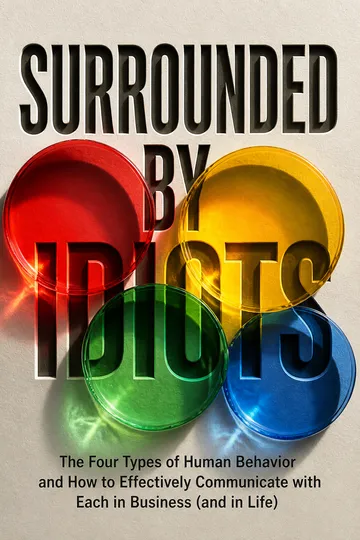
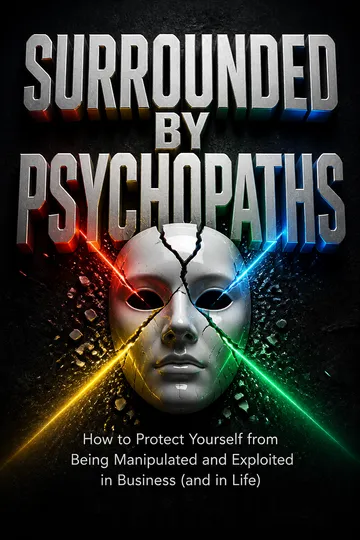
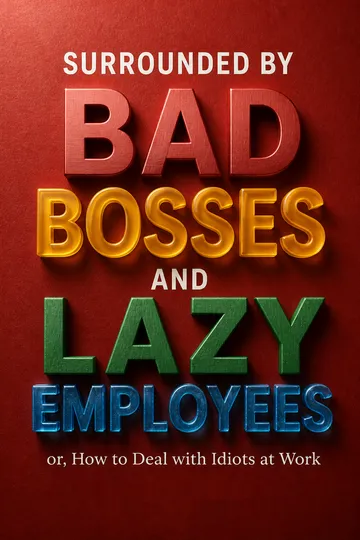
Other books by Thomas Erikson



Download PDF
Download EPUB
.epub digital book format is ideal for reading ebooks on phones, tablets, and e-readers.








