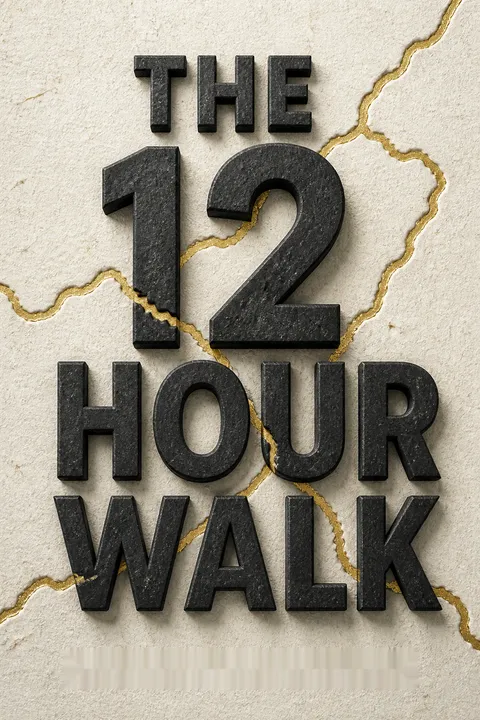


Key Takeaways
Name the life you want before success chooses one for you
Define your Everest. The book opens with a question O’Brady once put to a room of wealthy executives: What did they dream of as children? Most stayed silent. One older man remembered longing to row on a summer lake, and regretted spending his life pursuing what he thought he ought to want. O’Brady argues that a personal Everest is not necessarily a literal summit or a grand public achievement. It can be a relationship, a creative ambition, a career change, or a way of spending ordinary days.
Make the dream concrete. The author calls an empowering approach to pursuing meaningful aspirations a Possible Mindset. Naming the aspiration gives it shape, but a dream also needs a plan and action. The question is not only what sounds impressive, but what would make life feel more fully yours.
The opening story distinguishes achievement from fulfillment: a person can succeed by conventional measures and still feel estranged from the life being lived. That is a useful corrective to goals borrowed from family, status, or professional culture. A practical test is whether the desired future changes the texture of an ordinary Tuesday, not merely the optics of a milestone. Ambition can also change with age and circumstance. Revisiting the question is more useful than treating an early dream as a permanent contract.
Use twelve silent hours to hear what daily noise keeps burying
Turn reflection into an event. During the first COVID lockdown, remembering the long days he had spent pulling a sled across Antarctica, O’Brady walked alone on an Oregon beach for twelve hours. The quiet and lack of screens gave him room to examine what felt meaningful and what felt stuck. He developed the 12-Hour Walk as a day-long exercise in solitude and reflection, not a distance race. The essential commitment is twelve hours outside, walking as able, in silence.
Make the experience deliberate. Choose a date, record your intentions before leaving, switch your phone to airplane mode, and walk alone without music, podcasts, or messages. Take breaks and carry the phone for emergencies. At the end, record what you noticed, what beliefs shifted, and what you want to do next. The distance can be one mile or fifty.
The Walk functions like a temporary change in attention: removing feeds and conversation reduces the usual prompts to react, leaving room for thoughts that rarely finish a sentence in a busy day. Its strength is the combination of duration, solitude, and a clear reflective purpose. Silence is not automatically restorative for everyone, however, and twelve hours outdoors may be inaccessible or unsafe for some. The book itself allows rest and short distances. The principle is protected attention, not proving toughness or ignoring health needs.
Choose meaningful discomfort instead of settling for emotional numbness
Notice the middle. O’Brady describes emotional days on a scale from 1, the worst, to 10, the most fulfilling. He says many people remain in a 4-to-6 range he calls the zone of comfortable complacency: life is tolerable, but not deeply engaging. During his Drake Passage row, a storm forced six crew members into cramped, wet shelters for nearly a day. The misery made their eventual arrival in Antarctica feel extraordinary. The struggle did not make the achievement easy, but it changed how fully he experienced it.
Seek purposeful strain. The 1s and 10s model treats hardship and joy as connected parts of a life with real stakes. O’Brady recommends taking on challenges that matter enough to require effort, rather than arranging life to avoid every uncomfortable feeling.
This is a compelling account of contrast: effort can deepen satisfaction by making progress visible and costly. It also resembles the difference between immediate pleasure and meaning that can come from commitment to a difficult project. But pain is not proof that a pursuit is worthwhile, and severe suffering does not reliably produce a reward. The valuable distinction is between chosen, purposeful discomfort and preventable harm. A challenge should serve a goal or value, not become a test of whether someone can endure abuse, illness, or danger.
Treat your identity as a draft, not a verdict
Begin before you qualify. Before attempting to row across the Drake Passage, O’Brady had never rowed a boat. His first lesson ended with him capsizing into shallow water while his coach laughed. He got back in, learned to balance, and eventually managed to move forward. The author uses psychologist Carol Dweck’s distinction between fixed and growth mindsets: a fixed mindset treats current ability as permanent, while a growth mindset treats skills as learnable through practice and effort.
Claim the next role. Calling oneself a beginner does not require pretending to be an expert. It means refusing to turn inexperience into a final judgment. Someone who has never written a book, started a business, or played music can identify as a learner and take the first step. The rowing lesson is simple: early embarrassment is often evidence of practice beginning, not evidence that a person does not belong.
The story makes identity less like a label discovered through introspection and more like a capacity built through repeated action. That fits skill learning: a person cannot become proficient without first tolerating visible incompetence. Still, a growth mindset does not erase differences in access, time, instruction, or physical capacity. The strongest version of this idea is not that anyone can do anything, but that present ability alone cannot establish a person’s limits. Pair aspiration with feedback and training, rather than relying on a declaration to substitute for either.
Rebuild after a setback one achievable step at a time
Make the goal visible. After a fire-rope accident in Thailand left O’Brady with severe burns on his legs, a doctor told him he would never walk normally again. In the hospital, his mother asked him to picture a goal. He imagined finishing a triathlon. After he returned home, she set a wooden chair in front of his wheelchair and asked him to stand and step to it. He waited three hours before managing that first step. The next day, she moved the chair farther away.
Shrink the distance. O’Brady gradually progressed from walking to training, and eighteen months after first imagining the finish line, he won the Chicago Triathlon. The lesson is not that every injury can be overcome in the same way. It is that a large future goal becomes more workable when translated into a next step that can be attempted today.
The chair is a vivid example of scaffolding: a distant objective becomes actionable when the next task is small enough to attempt and meaningful enough to sustain effort. It also shows the value of another person who can help set pace and keep hope alive. The story should not be turned into a demand for optimism from people facing permanent disability, chronic illness, or limited recovery prospects. Agency can include adaptation, assistance, and redefining a goal, not simply returning to a former condition.
Consult critics for information, not permission
Separate care from conformity. After winning a triathlon, O’Brady considered leaving his finance job to pursue elite racing. His grandmother warned him against it, his friend urged him to keep his comfortable Chicago life, and his boss emphasized the low odds of making the Olympics. He quit anyway, knowing that staying would leave the question unresolved. His departure was immediate: the firm’s security guard escorted him out that morning.
Evaluate the source. The book does not say all criticism is useless. Close friends and relatives may offer valuable information, and constructive feedback deserves consideration. The task is to distinguish specific, informed concerns from someone else’s preference for a safer life. O’Brady’s advice is to hear people out, then make the decision according to one’s own priorities rather than treating approval as a prerequisite.
This distinction protects both autonomy and learning. Criticism can contain evidence about financial risk, skill gaps, or consequences that enthusiasm overlooks; it can also reflect another person’s fear or experience. A useful response is to ask what concrete information the critique adds and what assumptions it rests on. The story’s dramatic resignation makes commitment memorable, but not every meaningful choice requires an abrupt leap. Testing a plan, saving money, or seeking expert advice can be acts of courage too.
Treat setbacks as feedback, then decide whether to continue
Separate outcome from identity. O’Brady spent years pursuing an Olympic place, first as a swimmer and later as a professional triathlete. He did not qualify. In one race, he ran near the world champion before finishing forty-eighth; in another, he crashed and was injured. He later drew on years of athletic preparation during a solo Antarctic crossing. On the first day, he could barely move his 375-pound sled and believed the expedition was already failing. With smaller daily targets and persistence, he completed the crossing in 54 days.
Learn without surrendering. The book frames failure as an outcome that can provide lessons, relationships, or skills, rather than a permanent label. Its shorthand is failure plus perseverance equals success. That equation is a prompt to keep learning, not proof that every effort will produce the original prize.
The useful insight is that a failed attempt can leave behind assets that were not part of the original goal: expertise, resilience, or a clearer sense of direction. This challenges the tendency to interpret one poor result as a verdict on identity. Yet perseverance is not always wise. Continuing can compound losses when conditions change or the goal no longer matters. The more careful principle is iterative commitment: learn from the result, reassess the costs and purpose, and continue when the next attempt still makes sense.
Quiet the crowd before making a decision only you must live with
Listen beneath the pressure. On K2 in winter, O’Brady reached a high camp in extreme cold, with unreliable communications and climbers crowded into inadequate tents. Some climbers were preparing to attempt the summit. He wanted to continue, but after sitting quietly and imagining the possible outcomes, he kept returning to his wife, dog, and wish to get home. He chose to descend. Three climbers who continued, including friends, never returned.
Use intuition carefully. The author argues that people sometimes know what they want before endless pros-and-cons lists and outside opinions drown it out. His own choice was informed by extensive experience in dangerous environments. He presents intuition as an inner guide, especially when expectations, ambition, and fear make a decision hard to hear.
The episode gives intuition unusual weight because the decision involved immediate physical danger and competing social pressures. In ordinary life, a gut reaction can also reflect bias, panic, or a preference for what is familiar. Intuition is most useful when it draws on relevant experience and is checked against observable risks. The story also shows that listening inward need not mean deciding alone: O’Brady consulted trusted people, then recognized that they could not make the final call for him.
Choose companions who make hard goals socially normal
Find your kind of people. At a Vermont endurance event, participants climbed the same mountain repeatedly until they had gained 29,029 vertical feet, the height of Everest. O’Brady met Marc Skalla, who was discouraged by a career transition, and Daley Ervin, an experienced ocean rower. When Skalla’s friend cramped, Daley offered salt tablets and the group helped each other finish the lap. The shared effort turned strangers into friends, and some later trained together for other challenges.
Look for mutual support. O’Brady argues that community can shape what people consider possible. He calls a punishing challenge that feels miserable in the moment but satisfying in memory Type II fun. A good group helps members persist through that hard middle, while also celebrating effort and progress.
The story shows how social norms can change a task’s felt difficulty: when others treat effort as ordinary and offer practical help, continuing becomes easier to imagine. Community is more than motivation; it can provide resources, accountability, and belonging. But choosing supportive company need not mean dropping every friend who is skeptical or struggling. Relationships are complex, and one discouraging response is not a full diagnosis. The better test is whether support and respect flow both ways over time.
Audit your hours before declaring your dream impossible
Make time visible. During his 50-high-points project, O’Brady and a team climbed the highest point in every U.S. state in 21 days, relying on dense logistics, sleepless travel, and help from friends. The effort illustrates what concentrated attention can do, though it is not a model most people should copy. The author notes that a week contains 168 hours and urges readers to examine where their own time goes before concluding there is none for a goal.
Protect what restores you. He cites five to six daily hours of non-work screen use as a common pattern and suggests reclaiming even two hours a day for health, relationships, or a project. He also argues that self-care is not selfish: rest and exercise can help people show up better for work and family.
A time audit converts a vague complaint into a question about allocation, which is often the first step toward change. The book’s arithmetic is motivating: two hours a day adds up to hundreds of hours in a year. But not everyone has discretionary hours to reclaim. Caregiving, shift work, disability, and financial stress constrain schedules in ways that screen-time comparisons can obscure. The exercise is most useful without blame: identify controllable pockets, then choose a sustainable adjustment rather than treating exhaustion as a personal failure.
Give money a job before chasing more of it
Start with purpose and assets. As a teenager, O’Brady saw his mother and stepfather risk their savings to start a natural-foods grocery business. Years later, he and his wife had $10,000 and needed to raise $500,000 for an expedition and youth nonprofit. After months of failed pitches, he met Nike CEO Mark Parker at a spin class and found a sponsor. The author uses this story to argue that limited cash does not mean having no resources: experience, relationships, and persistence also matter.
Build a practical plan. His four steps are to set a specific financial goal, inventory available assets, clarify why the money matters, and take consistent action. He contrasts scarcity thinking, which fixates on constraints, with an abundance mindset that searches for opportunities and usable resources.
The framework improves on vague wishes for wealth by tying money to a defined purpose and a concrete plan. It also broadens the meaning of resources beyond a bank balance. Still, the Nike encounter is an unusually fortunate outcome, and persistence alone does not guarantee sponsorship, investment, or financial security. An abundance mindset is most credible as a method for noticing options and mobilizing assets, not as a promise that money is plentiful for everyone. Structural barriers and risk deserve honest accounting.
Start your Everest before conditions feel perfect
Take the next camp. Jenna had trained to climb Everest in 2020, but pandemic closures ended the plan. A year later, she joined O’Brady on the Nepal route without having resumed training and initially intended only to trek to Base Camp. After reaching Camp 2, she chose to attempt the summit. The couple obtained a late permit, endured storms and an avalanche, and reached the top together. Her route was not smooth or fully planned, but she advanced through successive decisions and stages.
Expect beliefs to arrive in clusters. Jenna faced doubts about skill, risk, timing, and judgment from others. Her story gathers the book’s themes: define a goal, build capacity incrementally, seek support, and reassess as conditions change. The 12-Hour Walk is presented as a modest training ground for that mental work, not a substitute for preparation or safety planning.
The summit story makes a strong case that a goal need not wait for perfect confidence or ideal timing. It also makes visible the support system, permits, equipment, guides, and expertise behind what might otherwise look like a triumph of mindset alone. That distinction matters: courage cannot replace training or make unacceptable risk safe. The transferable lesson is to begin with the next feasible step, while continuing to assess the real demands of the goal and the resources required to meet them.
Analysis
The 12-Hour Walk is a memoir-driven self-help book organized around ten familiar internal objections: discomfort, identity, injury, criticism, failure, uncertainty, social influence, time, money, and capability. Its central move is to turn mindset advice into a physical exercise. The reader is asked to commit a day to quiet, solitary walking, so reflection is not merely discussed but practiced. O’Brady’s expedition stories supply urgency and memorable images, while the Walk gives readers a smaller arena in which to test their assumptions.
The narrative’s strongest insight is that many limits are stories mistaken for facts. A beginner’s clumsy first attempt, a stalled project, or a critic’s prediction can be treated as evidence to interpret rather than a final ruling. The book also widens the idea of success beyond trophies: the meaningful goal may be a relationship, purpose, or a life with fewer regrets. Its best practical tools are specific: define the goal, identify the next incremental action, examine how time is spent, clarify why money matters, and seek relationships that support effort.
The approach has important limits. O’Brady’s life is unusually supported by physical ability, a spouse who handles logistics, expert partners, sponsorship, and access to extraordinary opportunities. Those resources do not invalidate his lessons, but they complicate claims that mindset alone can unlock any outcome. The book sometimes treats endurance as a general path to fulfillment, when some discomfort is a warning, and persistence can deepen a bad investment. Its own safety guidance and examples of incremental goals point toward a more balanced reading: ambition requires both commitment and revision.
The most useful way to apply the book is therefore not to believe that everything is possible, but to stop confusing present conditions with permanent identity. Use solitude to clarify what matters, choose a challenge proportionate to the goal, take the next step, and stay willing to change course when evidence or health demands it. The Walk is valuable less as a guaranteed life-changing event than as a deliberately protected day in which a person can listen, reflect, and make a plan.
Review Summary
The 12-Hour Walk receives mixed reviews. Some praise its inspirational message and the author's incredible achievements, while others criticize it for being privileged and disconnected from everyday realities. Readers appreciate the concept of a 12-hour walk for self-reflection but find the book lacking in practical advice. Many note that it's more of a memoir than a self-help guide. The author's adventures and endurance feats fascinate some readers, but others feel the focus on extreme challenges limits its relatability. Overall, opinions are divided on the book's effectiveness in motivating personal growth.
People Also Read








Glossary
Possible Mindset
Possibility-oriented thinkingO’Brady’s term for an empowered way of thinking that questions limiting beliefs and treats meaningful goals as potentially reachable. It combines aspiration with action: identify what matters, approach challenges as opportunities to learn, and take practical steps toward a desired life. The term is motivational, not a claim that every goal is attainable regardless of circumstance.
12-Hour Walk
A day of silent walkingA reflective exercise in which a person spends twelve hours outside, walking alone and without active distractions such as music, podcasts, messages, or conversation. The participant can rest and cover any distance. The purpose is mental reflection rather than athletic performance. The book recommends setting an intention beforehand, carrying a phone for safety, and reflecting on the experience afterward.
zone of comfortable complacency
Life’s emotionally lukewarm middleO’Brady’s label for a routine, relatively safe range of experience that he places between 4 and 6 on a personal scale from 1, a terrible day, to 10, a deeply fulfilling one. He argues that avoiding meaningful challenges can keep people in this middle range. The scale is a reflective metaphor, not a validated psychological measurement.
1s and 10s
A scale for emotional intensityA simple model in which a person rates days from 1, the worst possible experience, to 10, the most joyful or fulfilling. O’Brady uses the scale to illustrate how difficult experiences and rewarding accomplishments can feel connected. The model encourages reflection on meaningful challenge, but it does not imply that pain is always necessary or that every hardship leads to a high point.
Type II fun
Hard now, rewarding laterA term for an experience that is difficult, uncomfortable, or even miserable while it is happening, but becomes satisfying or memorable in retrospect. O’Brady uses it during the 29029 Everesting event, where participants repeatedly climbed a mountain and helped one another through fatigue. The concept explains why people may value a challenge despite not enjoying every moment of it.
FAQ
What's "The 12-Hour Walk" about?
- Concept Overview: "The 12-Hour Walk" by Colin O'Brady is about a transformative journey that encourages individuals to invest one day in walking alone for twelve hours to conquer their minds and unlock their best lives.
- Purpose: The book aims to help readers overcome limiting beliefs and develop a "Possible Mindset," which is an empowered way of thinking that unlocks limitless possibilities.
- Structure: The book is divided into parts that introduce the concept, explore common limiting beliefs, and provide a step-by-step guide to undertaking the 12-hour walk.
- Personal Stories: O'Brady shares personal anecdotes and experiences from his life and adventures to illustrate the power of mindset and perseverance.
Why should I read "The 12-Hour Walk"?
- Mindset Shift: The book offers practical advice on shifting from a fixed mindset to a growth mindset, which can help you achieve personal and professional goals.
- Overcoming Limiting Beliefs: It provides strategies to identify and overcome common limiting beliefs that hold people back from living their best lives.
- Inspiration and Motivation: Through O'Brady's personal stories and achievements, readers are inspired to push beyond their comfort zones and pursue their dreams.
- Actionable Challenge: The book culminates in a tangible challenge—the 12-hour walk—that readers can undertake to experience personal growth and transformation.
What are the key takeaways of "The 12-Hour Walk"?
- Possible Mindset: Developing a Possible Mindset is crucial for unlocking a life of limitless possibilities.
- Overcoming Limiting Beliefs: Identifying and overcoming limiting beliefs is essential for personal growth and achieving goals.
- Embrace Discomfort: Discomfort is a necessary part of growth, and embracing it can lead to fulfillment and success.
- Action-Oriented: The book emphasizes the importance of taking action, with the 12-hour walk serving as a practical exercise to apply the book's lessons.
What is a "Possible Mindset" according to Colin O'Brady?
- Definition: A Possible Mindset is an empowered way of thinking that unlocks a life of limitless possibilities.
- Empowerment: It involves believing in your ability to achieve anything and overcoming self-imposed limitations.
- Growth Focus: This mindset encourages continuous learning, growth, and adaptation to new challenges.
- Application: The book provides tools and strategies to develop this mindset, culminating in the 12-hour walk challenge.
How does Colin O'Brady suggest overcoming limiting beliefs?
- Identify Beliefs: The first step is to identify the limiting beliefs that are holding you back, such as fear of failure or lack of time.
- Challenge Beliefs: Once identified, challenge these beliefs by questioning their validity and considering alternative perspectives.
- Adopt a Growth Mindset: Shift from a fixed mindset to a growth mindset, focusing on learning and improvement rather than limitations.
- Take Action: Use the 12-hour walk as a practical exercise to confront and overcome these beliefs through action and reflection.
What is the significance of the 12-hour walk in the book?
- Transformative Experience: The 12-hour walk is designed to be a transformative experience that helps individuals conquer their minds and unlock their best lives.
- Solitude and Reflection: Walking alone for twelve hours provides an opportunity for deep reflection and self-discovery, free from distractions.
- Challenge and Growth: The walk challenges individuals to step out of their comfort zones, embrace discomfort, and develop resilience.
- Practical Application: It serves as a practical application of the book's lessons, allowing readers to experience the benefits of a Possible Mindset firsthand.
What are some of the best quotes from "The 12-Hour Walk" and what do they mean?
- "Pain is mandatory, suffering is optional." This quote emphasizes that while discomfort is a part of growth, how we respond to it is a choice.
- "The only failure is in not trying." It highlights the importance of taking action and viewing failures as learning opportunities rather than setbacks.
- "You are the story you tell yourself." This quote underscores the power of self-perception and the impact of internal narratives on personal success.
- "Embrace the 1s." It encourages readers to embrace challenging moments (1s) as they lead to moments of pure joy and fulfillment (10s).
How does Colin O'Brady use personal stories in "The 12-Hour Walk"?
- Illustrative Examples: O'Brady shares personal stories from his life and adventures to illustrate the power of mindset and perseverance.
- Relatable Lessons: These stories provide relatable lessons and insights that readers can apply to their own lives.
- Inspiration: His achievements and experiences serve as inspiration for readers to push beyond their comfort zones and pursue their dreams.
- Authenticity: The personal anecdotes add authenticity and credibility to the book's message, showing that the concepts are grounded in real-life experiences.
What are some common limiting beliefs discussed in "The 12-Hour Walk"?
- Fear of Failure: The belief that failure is something to be avoided rather than a learning opportunity.
- Lack of Time: The perception that there is not enough time to pursue personal goals and self-care.
- Fear of Criticism: The concern about what others will say or think, which can prevent individuals from taking action.
- Fixed Identity: The belief that one's abilities and identity are static and cannot change or grow.
How does "The 12-Hour Walk" address the concept of time management?
- Prioritization: The book emphasizes the importance of prioritizing time for self-care and personal growth.
- Time Audit: It encourages readers to conduct a time audit to identify and eliminate time-sucks, such as excessive screen time.
- Investment in Self: The 12-hour walk is presented as an investment in oneself, demonstrating that dedicating time to personal growth is essential.
- Quality Over Quantity: The focus is on the quality of time spent rather than the quantity, encouraging intentional and meaningful use of time.
How can "The 12-Hour Walk" help with personal and professional growth?
- Mindset Development: By developing a Possible Mindset, readers can unlock new possibilities for personal and professional growth.
- Goal Achievement: The book provides strategies to overcome limiting beliefs and take action toward achieving personal and professional goals.
- Resilience Building: The 12-hour walk helps build resilience and mental strength, which are crucial for navigating challenges in both personal and professional life.
- Empowerment: Readers are empowered to take control of their lives, make intentional choices, and pursue their best lives with confidence.
What is the role of community and support in "The 12-Hour Walk"?
- Positive Influence: The book highlights the importance of surrounding oneself with positive, supportive individuals who encourage growth and success.
- Community Building: O'Brady emphasizes the value of building a community of like-minded individuals who share similar values and goals.
- Support System: A strong support system can provide encouragement, accountability, and motivation to overcome challenges and pursue dreams.
- Global Movement: The 12-hour walk is presented as a global movement, with a community of participants supporting each other in their journeys toward personal growth.
Download PDF
Download EPUB
.epub digital book format is ideal for reading ebooks on phones, tablets, and e-readers.








