

Key Takeaways
Build identity from active powers, not from what you can claim to own
Two ways of living. Fromm contrasts the having mode, in which identity depends on possessions, status, ideas, or people one can claim, with the being mode, in which identity grows through active capacities. Love, reason, and creative work are not objects to store up. They strengthen through practice and use. A person can even turn virtues, memories, and expertise into possessions if their value depends on being admired or always being right.
A social, not just personal, choice. The point is not to reject every possession or embrace poverty. It is to ask whether what one has supports a fuller life or substitutes for one. Fromm also warns that individual self-work cannot by itself undo social arrangements that reward accumulation and reduce people to instruments.
What's powerful here is the shift from inventory to activity. A résumé, a relationship, or a conviction can become a badge that stands in for the capacity it supposedly represents. This resembles the distinction between a skill and a credential: the credential can indicate competence, but it cannot perform the work. The framework is most useful as a question about dependence, not as a moral ranking of people by how much they own. Material security matters, and possessions can enable agency. The concern is when ownership becomes the main proof of personhood.
Ask whether a desire enlarges your life before calling it happiness
Pleasure is not the whole test. Fromm questions the idea that any strongly felt desire becomes a legitimate need simply because satisfying it feels good. A craving for art or thought may cultivate a person; a craving to dominate or harm can diminish the person and injure others. He proposes judging desires by whether they support human development, including reason, love, and compassion.
A gardener's standard. A gardener helps a rosebush develop what is possible in its nature by supplying suitable conditions. Fromm asks why human well-being should be exempt from similar reasoning. His proposal is openly normative: well-being means developing human capacities, not merely getting whatever one happens to want. He connects inner freedom from greed and illusion with the ability to see clearly and act well.
This view refuses to confuse preference with welfare, a distinction that matters in ethics, medicine, and public policy. A person can sincerely want something that damages their longer-term ability to choose. Yet the gardener analogy also exposes a hard question: who decides what counts as healthy growth for a human being? Human lives vary, and ideals of maturity can become instruments of conformity. Fromm's strongest answer is that the standard should be tested through its effects on capacities such as clear judgment, care, and self-direction, rather than imposed as a fixed life plan.
Test spiritual promises against effort, evidence, and the seller's incentives
A good method can be badly sold. Fromm calls a pervasive confusion between genuine value and persuasive packaging the great sham. He points to advertising and celebrity-making, then to spiritual programs marketed as quick routes to deep personal change. His example is Transcendental Meditation as promoted in his era: he accepts reports that mantra practice can relax people, but objects to claims that a packaged technique delivers broad transformation without effort.
Separate relief from growth. Relaxation can be useful, but it is not automatically freedom from greed, dependence, or self-deception. Fromm's test is not whether a teacher is personally dishonest. A sincere seller can still offer exaggerated promises that meet a public appetite for easy answers. Judge a practice by what it actually cultivates, and inspect the incentives behind its claims.
The distinction between a useful technique and an inflated promise remains essential wherever well-being is sold. A practice can reduce tension without changing the patterns that generate a person's suffering, and the first benefit can make the larger claim feel credible. This is a problem of measurement as much as marketing: immediate relief is visible, while durable changes in character are harder to demonstrate. Fromm's skepticism is valuable, though blanket suspicion can make genuine teaching difficult to recognize. The practical safeguard is to ask what outcome is promised, how it is assessed, and what the method asks of its practitioner.
Choose conversations and company that make reality harder to evade
Talk can imitate contact. Fromm describes trivial talk as conversation that stays at the surface and avoids causes, values, or genuine feeling. People trade stories about themselves and take turns listening, creating the impression of dialogue while remaining largely alone. He links this habit to a modern paradox: people can be socially surrounded and still feel isolated.
Company leaves a trace. Encounters affect both people, even when no dramatic exchange occurs. Fromm urges readers to notice whether certain relationships leave them more alert and humane, or more drained and dishonest. His advice is not to explain every choice to people who demand approval. It is to remain truthful about what is happening, while avoiding needless harm and recognizing that a person's influence can accumulate over repeated contact.
Fromm treats attention as part of the ethics of conversation. Listening closely is not simply a communication technique; it makes another person harder to reduce to a role or an audience. At the same time, ordinary conversation is not worthless just because it includes weather, family, or daily events. Small talk can lower social risk and help strangers establish trust. The useful distinction is whether surface exchange becomes the whole relationship. A reader can preserve the warmth of casual talk while asking better questions and noticing when a conversation becomes a mutual performance.
Build freedom through commitments, not instant obedience to every whim
A choice needs direction. Fromm argues that sustained achievement requires a person to gather energy around a chosen aim. When important goals contradict one another, indecision drains effort. He calls a spontaneous desire a whim when it is followed mainly because there seems to be no reason not to do it. A considered act of will, by contrast, belongs to a person's larger purposes.
Effort can be chosen. Fromm challenges the expectation that learning and growth should be painless. Practicing an instrument or studying a difficult subject involves frustration, but that discomfort can serve a chosen end. He also warns that work organized as repetitive, powerless labor can make wholehearted effort nearly impossible. Freedom, in his account, requires both personal commitment and conditions that give people meaningful participation in their work.
This is a useful correction to the idea that freedom means maximizing immediate options. A commitment can narrow choices in the short term while expanding a person's ability to act with skill and coherence. Contemporary debates about autonomy often miss this developmental dimension: agency is not only permission to choose, but also the cultivated capacity to pursue a choice. Still, discipline can be imposed in the language of growth. Fromm's distinction holds only when the person can examine the aim, revise it, and distinguish chosen effort from obedience to an authority or system.
Train attention on ordinary reality before chasing altered consciousness
Awareness is more than information. Fromm distinguishes knowing that the body is breathing from attending directly to the felt movement of each breath. He makes a similar distinction with movement: raising an arm to reach a goal treats it as a tool, while moving slowly enough to notice the process makes the experience vivid. Such attention, rather than more concepts about experience, is his route toward being awake.
Practice without force. Fromm recommends stillness, concentration on a simple object, and mindful attention to ordinary activities. In the Buddhist approach he discusses, breathing is observed rather than controlled, and mindfulness extends into walking, eating, and thinking. He cautions that dramatic altered states can leave a person's everyday attention unchanged. The aim is not spectacle, but clearer contact with oneself and the world.
The distinction between attention and commentary is recognizable in many practices that train perception: a person can describe an experience accurately while barely inhabiting it. Slowing a familiar action makes this gap tangible without requiring special equipment or belief. Fromm's emphasis on everyday awareness also resists the assumption that intensity equals insight. A caveat is necessary: unusual states are not automatically escapes, and calm observation is not a substitute for treating serious distress. The durable question is whether an experience improves a person's contact with ordinary life, rather than merely feeling extraordinary while it lasts.
Treat recurring symptoms as clues to conflict, not as final explanations
Look for what a symptom protects. Fromm presents psychoanalysis as more than relief from distress: it can help uncover conflicts a person has hidden from awareness. He calls this wider aim trans-therapeutic analysis, meaning analysis directed toward self-knowledge and independence beyond a return to ordinary functioning. In one example, a man repeatedly checks whether his stove is off because he fears a fire. Fromm interprets the fire fear as a displaced form of anxiety about cancer returning after surgery.
Observe before theorizing. His self-analysis methods include following persistent moods, allowing associations to emerge, reviewing one's life history, and comparing stated aims with less conscious motives. He warns that analysis can become delay, dependence on an analyst, or intellectual explanation without emotional change. Insight may clarify a decision, but it does not remove the need to make it.
The useful move is to treat symptoms as meaningful without assuming that every symptom has one neat hidden cause. Modern clinical thinking can value a person's interpretation while also considering medical, social, and behavioral explanations. Fromm's example makes an evocative case, not a universal diagnostic rule. Self-reflection is most productive when it generates testable questions and supports action, rather than turning every feeling into a puzzle about the past. His warning against using analysis to postpone a painful choice is especially sharp: understanding can be a form of avoidance when it never changes conduct.
Judge possessions by what they enable, not by what they signal
Use is different from ownership. Fromm distinguishes functional property, which supports active life, from dead property, held mainly for control, security, or gain. Tools, clothing, and a home can be useful possessions. Property becomes spiritually inert when it encourages passive consumption or grants power over others without corresponding effort. He argues that the legal distinction between private and public ownership does not settle the deeper question: who controls the resource, and does it support productive human activity?
Machines can lend borrowed power. Fromm contrasts the skilled artisan, who shapes a whole object, with the factory worker whose small repetitive task may feel detached from the finished product. Modern technology can produce immense effects while leaving people with little sense of their own agency. His comparison of primitive and modern activity is deliberately symbolic, not a precise measurement.
This analysis anticipates a central question in debates about technology and work: does a tool extend human capacity, or does its organization make people serve the tool? The distinction is more revealing than treating all possessions or machines as either liberating or corrupting. A car can enable access and independence, while a production system can strip workers of control and understanding. Fromm's contrast with earlier societies is provocative but risks idealizing cultures with fewer material goods. The durable test is not whether technology is old or new, but whether people retain meaningful skill, choice, and influence over its use.
Loosen one possession-based habit and invest attention beyond yourself
Change requires practice. Fromm separates narcissism, in which the self feels like the only fully real center, from selfishness rooted in wanting to keep everything for oneself. The patterns can overlap, but each needs attention. He recommends noticing them, examining their roots in fear or insecurity, and then practicing small acts of letting go, sharing, and changing routine. The anxiety that follows is not proof that change is wrong; it can reveal how much identity depends on familiar props.
Turn outward. Growth also means becoming genuinely interested in other people, nature, art, and public life, rather than observing the world only for its effect on oneself. Fromm's editor emphasizes that private self-development cannot repair economic and social structures that reward possession and dependence. Personal practice and changes to work and civic life belong together.
This ending gives the book a practical scale: transformation need not begin with a dramatic renunciation, but with noticing where security and identity have fused with a possession, routine, or status. The outward turn matters because self-analysis can otherwise become a polished form of self-absorption. Yet personal generosity should not be used to excuse institutions that make people insecure or powerless. The strongest reading holds both levels together: cultivate the capacity to give and attend, while asking how workplaces and communities distribute control, time, and material security.
Analysis
The book is often mistaken for a meditation guide or a critique of consumerism. It is both, but its deeper argument is about how a person knows what is real and what kind of life that knowledge permits. Fromm connects attention to ethics: if people cannot perceive their own motives, the reality of others, or the social arrangements shaping their desires, freedom becomes mostly theatrical. Buying among similar products or acting on each passing impulse may feel like self-direction while leaving the underlying dependence untouched.
That linkage gives the practical chapters their distinctive force. Stillness, concentration, and self-analysis are not wellness accessories in this account. They are disciplines for detecting the distance between stated values and lived motives. The same critical attention is aimed outward, at commercial persuasion, workplace organization, and political language. Inner clarity and social critique are presented as mutually dependent rather than competing explanations of human trouble.
The argument also has limits. Fromm speaks confidently about a shared human nature and about the needs that foster its development. That confidence gives his ethics direction, but it can obscure differences in temperament, culture, disability, and circumstance. His contrast between earlier active life and modern passivity is illuminating as a warning, though it can flatten the hardships of earlier societies and understate the genuine capabilities technology creates. His account is strongest as a diagnostic lens, not as a complete historical or clinical theory.
The most durable contribution is a practical question: does a pursuit strengthen capacities for understanding, love, and meaningful action, or does it substitute an external support for them? The answer cannot be found through introspection alone. A person may practice awareness while remaining embedded in institutions that reward compliance and accumulation. Conversely, structural reform without people able to notice and challenge their own rationalizations can reproduce domination in new language. Fromm's art of living asks for both forms of change, personal and collective, and treats neither as a substitute for the other.
Review Summary
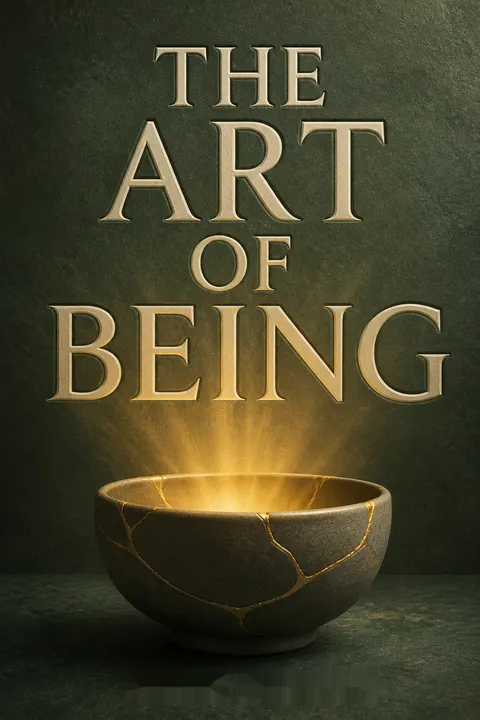
The Art of Being is praised for its insightful exploration of human existence, focusing on the contrast between "being" and "having" modes of living. Fromm's critique of materialism and consumerism resonates with readers, as does his emphasis on self-awareness and mindfulness. Some find the book's psychoanalytical approach dated, while others appreciate its philosophical depth. Many readers note the book's complexity but value its thought-provoking ideas on personal growth, authenticity, and the challenges of modern life.
People Also Read




Glossary
Having mode
Identity through possessionA way of experiencing self and world in which worth, security, and identity depend mainly on what one possesses or controls. The objects may be material goods, status, beliefs, knowledge, relationships, or memories. Fromm contrasts this orientation with active capacities such as loving, reasoning, and creating, which develop through practice rather than ownership.
Being mode
Identity through active lifeA way of living centered on the active exercise of human capacities rather than accumulation. In this orientation, love, reason, attention, and productive activity are practiced and shared, not treated as possessions. Fromm does not equate being with having nothing. The distinction concerns whether possessions serve active life or define a person's identity.
Great sham
Persuasive false valueFromm's term for the broad gap between a thing's actual value and the value suggested by salesmanship, fame, or persuasive social language. The deception need not be deliberate. A teacher, institution, or movement can sincerely offer exaggerated claims that meet the public's desire for quick relief while confusing temporary improvement with deep change.
Half-awake
Routine, limited awarenessFromm's description of ordinary consciousness when attention is narrow, mechanical, or focused only on immediate demands. A person can function competently yet remain inattentive to inner experience and the deeper reality of other people or events. Being fully awake means perceiving more than what is needed for routine survival or the pursuit of a particular goal.
Mindfulness
Steady present attentionA disciplined awareness of bodily sensations, feelings, thoughts, and the activity at hand. In the Buddhist practice Fromm describes, breathing is observed without deliberately controlling it, and awareness extends into ordinary activities such as walking and eating. Its purpose is clearer contact with experience, not merely relaxation or the achievement of an unusual state.
Trans-therapeutic analysis
Analysis beyond symptom reliefFromm's term for psychoanalysis aimed beyond reducing symptoms or restoring conventional adjustment. It seeks greater self-awareness, independence, and capacity for love and productive activity. It examines unconscious conflicts and defenses, but does not promise that insight will eliminate painful choices. The person remains responsible for acting on what becomes clear.
Functional property
Possessions used productivelyProperty held because it serves a person's practical or expressive activity. A home, tool, or instrument can be functional when it supports living, making, or creating. Fromm distinguishes this from ownership that mainly provides status, passive consumption, or power over others. The legal form of ownership alone does not determine whether property is functional.
Dead property
Possessions held for controlFromm's label for nonfunctional property whose value rests mainly in possession, accumulation, or the power it grants its owner, rather than in productive use. Such property can support income or command over others without requiring comparable personal effort. The term describes a relation to property, not simply an object's physical nature.
Secret plot
Unconscious life aimAn underlying motive or direction that shapes a person's conduct without matching the aims they openly profess. Fromm uses the idea to describe how a public self-explanation can conceal a different, often conflicting drive. Self-analysis compares these competing life narratives and investigates the anxiety or symptoms that may arise from the contradiction.
FAQ
What's "The Art of Being" about?
- Exploration of Existence: "The Art of Being" by Erich Fromm delves into the fundamental modes of existence: having and being. It explores how these orientations affect human well-being and character.
- Focus on Humanization: The book argues for a shift from a possession-centered to an activity-centered orientation, emphasizing solidarity and altruism over selfishness and egotism.
- Practical Guidance: Fromm provides practical suggestions for individuals to move towards a more humanized existence, focusing on self-awareness and personal growth.
- Philosophical and Psychological Insights: The book combines philosophical reflections with psychological insights, drawing on Fromm's background in psychoanalysis and sociology.
Why should I read "The Art of Being"?
- Self-Improvement: The book offers valuable insights into achieving personal growth and well-being by shifting focus from material possessions to personal development.
- Philosophical Depth: Fromm's work provides a deep philosophical exploration of human existence, making it a thought-provoking read for those interested in existential questions.
- Practical Advice: It includes practical steps and methods for self-awareness and self-analysis, making it useful for readers seeking actionable guidance.
- Cultural Critique: Fromm critiques modern industrial society's focus on having, offering a perspective that challenges conventional values and encourages a more meaningful way of living.
What are the key takeaways of "The Art of Being"?
- Two Modes of Existence: Fromm distinguishes between the having mode, focused on possession and control, and the being mode, centered on personal growth and experience.
- Importance of Self-Awareness: The book emphasizes the need for self-awareness and self-analysis as steps toward personal liberation and well-being.
- Critique of Materialism: Fromm critiques the materialistic orientation of modern society, advocating for a shift towards values that promote human development and fulfillment.
- Role of Psychoanalysis: The book highlights the role of psychoanalysis in achieving self-awareness and overcoming the limitations imposed by societal norms.
How does Erich Fromm define the "having" and "being" modes?
- Having Mode: This mode is characterized by a focus on possession, control, and accumulation of material goods. It is associated with a sense of security derived from ownership.
- Being Mode: In contrast, the being mode emphasizes personal growth, creativity, and the experience of life. It is about engaging with the world authentically and meaningfully.
- Impact on Well-being: Fromm argues that the having mode leads to alienation and dissatisfaction, while the being mode fosters genuine happiness and fulfillment.
- Cultural Implications: The book suggests that modern society's emphasis on having undermines human potential and well-being, advocating for a cultural shift towards being.
What practical steps does Fromm suggest for achieving the "being" mode?
- Self-Awareness Practices: Fromm recommends practices like meditation and self-analysis to enhance self-awareness and personal growth.
- Concentration and Mindfulness: He emphasizes the importance of concentration and mindfulness in daily activities to cultivate a deeper connection with oneself and the world.
- Letting Go of Possessions: Fromm advises reducing attachment to material possessions and focusing on experiences and relationships that enrich life.
- Engagement with Others: Building meaningful relationships and engaging with others authentically are crucial steps towards embracing the being mode.
How does Fromm view the role of psychoanalysis in personal growth?
- Tool for Self-Awareness: Fromm sees psychoanalysis as a valuable tool for increasing self-awareness and understanding unconscious conflicts that hinder personal growth.
- Beyond Therapy: He advocates for a trans-therapeutic approach, where psychoanalysis is not just about curing neuroses but also about achieving greater independence and well-being.
- Critical Thinking: Psychoanalysis encourages critical thinking and questioning of societal norms, helping individuals break free from limiting beliefs and behaviors.
- Self-Analysis: Fromm suggests that self-analysis can be a lifelong practice, aiding in continuous personal development and self-liberation.
What is the significance of "self-awareness" in "The Art of Being"?
- Foundation for Growth: Self-awareness is presented as the foundation for personal growth and transformation, enabling individuals to understand their true selves.
- Uncovering Illusions: It involves uncovering illusions and rationalizations that obscure reality, leading to a more authentic and fulfilling life.
- Practical Exercises: Fromm provides practical exercises for developing self-awareness, such as meditation, concentration, and self-analysis.
- Connection to Well-being: Self-awareness is linked to well-being, as it allows individuals to align their actions with their true values and desires.
How does Fromm critique modern society in "The Art of Being"?
- Materialism Critique: Fromm critiques the materialistic focus of modern society, arguing that it leads to alienation and a lack of genuine fulfillment.
- Impact on Human Potential: He suggests that the emphasis on having stifles human potential and creativity, preventing individuals from achieving true happiness.
- Cultural Shift Needed: The book calls for a cultural shift towards values that promote being, such as love, reason, and productive activity.
- Societal Structures: Fromm examines how societal structures and economic systems reinforce the having mode, advocating for changes that support human development.
What are the best quotes from "The Art of Being" and what do they mean?
- "To have or to be?" This quote encapsulates the central theme of the book, highlighting the choice between a life focused on possession and one centered on personal growth.
- "Love, reason, and productive activity grow and increase when they are shared and used." This quote emphasizes the idea that true fulfillment comes from engaging with others and the world, rather than accumulating possessions.
- "The person who is oriented toward having always makes use of crutches rather than his or her own two feet." Here, Fromm critiques the dependency on material possessions for identity and security, advocating for self-reliance and authenticity.
- "Only to the degree that the practice of life is freed from its contradictions and its irrationality can the map correspond to reality." This quote underscores the importance of aligning one's life with reality and truth for genuine well-being.
How does Fromm's background influence "The Art of Being"?
- Psychoanalytic Expertise: Fromm's background in psychoanalysis informs his exploration of self-awareness and the unconscious, providing a psychological foundation for his ideas.
- Sociological Insights: His work with the Frankfurt School and interest in sociology contribute to his critique of modern society and its impact on human well-being.
- Humanistic Philosophy: Fromm's humanistic philosophy emphasizes the potential for personal growth and fulfillment, shaping his advocacy for the being mode.
- Cultural Critique: His experiences in different cultural contexts, including Germany, the United States, and Mexico, enrich his understanding of societal influences on individual behavior.
What is the role of meditation in "The Art of Being"?
- Tool for Self-Awareness: Meditation is presented as a tool for enhancing self-awareness and mindfulness, helping individuals connect with their true selves.
- Practice of Stillness: Fromm emphasizes the importance of stillness and concentration in meditation, allowing individuals to quiet the mind and focus on the present moment.
- Path to Liberation: Meditation is seen as a path to liberation from the constraints of the having mode, fostering a deeper sense of being and fulfillment.
- Integration into Daily Life: Fromm suggests integrating meditation into daily life as a way to cultivate awareness and presence in all activities.
How does "The Art of Being" relate to Fromm's other works?
- Continuation of Themes: The book continues themes explored in Fromm's earlier works, such as "Escape from Freedom" and "To Have or To Be?", focusing on the tension between having and being.
- Expansion of Ideas: It expands on the ideas of personal growth and societal critique, offering practical guidance for individuals seeking transformation.
- Integration of Disciplines: Fromm integrates insights from psychoanalysis, sociology, and philosophy, providing a comprehensive approach to understanding human existence.
- Consistent Humanistic Vision: The book reflects Fromm's consistent humanistic vision, emphasizing the potential for love, reason, and productive activity to enhance well-being.
About the Author
Other books by Erich Fromm


Download PDF
Download EPUB
.epub digital book format is ideal for reading ebooks on phones, tablets, and e-readers.








