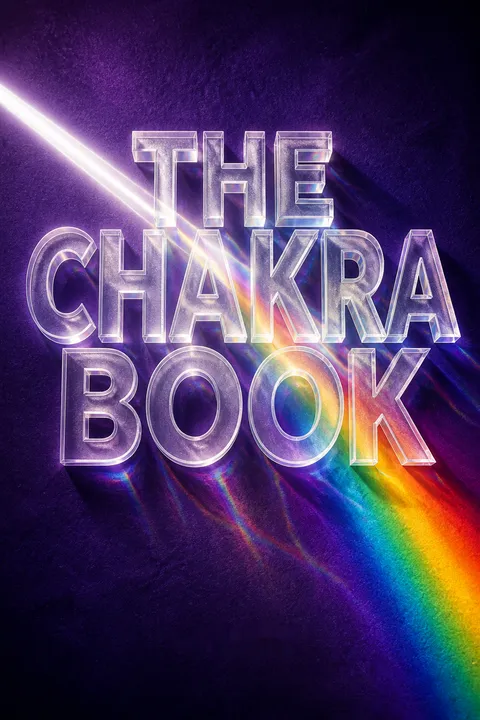


Key Takeaways
Use chakra maps as prompts for inquiry, not universal anatomy.
Maps vary by tradition. Osho points out that Hindu, Jain, and Buddhist accounts do not agree on how many chakras matter. He treats these differences less as proof that one school is wrong than as evidence that each map selects what its practitioners consider important. He also shifts between a focus on four prominent centers and a seven-center model of human development. The practical warning is clear: a borrowed map can make a person expect sensations in prescribed places and mistake difference for failure.
A map is not the territory. The book treats chakra language as a way to organize inner experience, not a fixed chart of bodily anatomy. Readers are asked to test the map against experience rather than force experience to match it.
What's valuable here is the refusal to confuse a useful framework with a universal measurement system. Maps can guide attention while still reflecting the traditions that made them. That distinction protects curiosity from turning into a checklist of supposed spiritual symptoms. The book's own shifting maps support this caution, though they also make it difficult to know when a claim is meant literally and when it is symbolic. Readers gain most by asking what a map helps them notice, not whether their body conforms to it.
Feel your own experience before naming it with someone else's map.
Expectation can shape sensation. Osho warns that reading about chakras or kundalini before meditation may lead people to imagine the experience they expect. In his account, kundalini is a subtle energy, and its movement differs from person to person. He suggests that pronounced sensations may reflect resistance in its path, while a clear flow might not be felt at all. Sensation, then, is not a simple score of spiritual progress.
Begin with attention. Rather than visualize a prescribed center, the reader is encouraged to notice what is actually felt during meditation and describe it afterward. This approach does not require accepting every inner sensation as supernatural. It leaves room to explore experience without letting a theory dictate what must be there.
The useful insight is psychological as much as spiritual: labels can direct attention and influence what a person notices. That makes disciplined curiosity more valuable than collecting elaborate descriptions. The book's distinction between experience and borrowed explanation is compelling, but its own accounts of subtle energy remain metaphysical claims rather than demonstrated anatomy. Keeping those categories separate allows a reader to benefit from focused introspection without treating vividness as proof.
Keep every layer of yourself in play instead of declaring war on desire.
The rainbow is a whole person. Osho describes human potential through seven centers, from bodily needs and sexuality to love, awareness, and spiritual realization. He groups the lower centers around survival, power, and sex, while the heart is a bridge toward more expansive forms of relating. The point is not to erase the lower levels. Food, desire, and anger are energies to understand and integrate, not evidence that a person has failed spiritually.
Integration beats rejection. Osho compares development to turning scattered notes into music: the elements remain, but their relationship changes. In this view, a person becomes more whole not by denying ordinary impulses but by becoming aware enough to use them differently.
This model resists a familiar spiritual trap: treating bodily life as an obstacle to be conquered. Its strongest contribution is the emphasis on integration, which makes development less like self-punishment and more like learning to coordinate competing needs. The rainbow image also makes room for complexity without requiring every impulse to be acted upon. The challenge is that calling some centers animal and others divine can quietly restore the hierarchy the model aims to soften.
Make love a bridge from appetite toward care, not another possession.
The heart changes the direction. In Osho's seven-center model, the first three centers concern basic needs, influence, and sexuality. The heart is the transition from self-focused appetite toward love, compassion, and sharing. It is not merely romantic attachment. Meditation and prayer are described as expressions of love that become less dependent on possessing or controlling another person.
Give as well as receive. Osho also links love with generosity: someone who only seeks attention or affection remains stuck in need, while the ability to give creates a fuller relationship. The book's image of the heart as a bridge makes love a developmental capacity, not simply a feeling that arrives when the right person appears.
The section connects emotional maturity to reciprocity rather than conquest. That is a useful corrective to relationships organized around keeping score: care is not just a resource to obtain, but a practice that changes how people meet. Still, generosity should not be confused with self-erasure. A healthy capacity to give depends on boundaries and mutuality, not on proving spiritual advancement by tolerating neglect.
Observe emotional tides without demanding one pole stay forever.
Experience moves in cycles. Osho uses breath as an accessible model for polarity: inhaling and exhaling belong to one living process. He extends that pattern to feelings and thoughts, arguing that attraction can give way to aversion, confidence to doubt, and life to death. The practice he emphasizes is witnessing these changes rather than clinging to one state or condemning its opposite.
Start with the breath. A reader can follow each inhale and exhale without trying to hold either one. Osho presents this basic attention as a way to notice that experience changes while awareness can observe the change. In his framework, that witnessing loosens identification with passing moods and reactions.
The breath is a strong teaching tool because its changing phases are immediate and hard to moralize. It makes room for feelings to shift without treating every shift as a crisis. The broader claim that love and hatred naturally alternate is less universal and should not be used to excuse harmful behavior. Recognizing ambivalence can deepen understanding; it does not require giving every feeling equal authority over action.
Start with attention and safe embodied practice, not dramatic energy chasing.
The body is a doorway. Osho argues that spiritual practice should enliven the senses rather than deaden them. He describes meditation as the central task, while kundalini experiences, if they occur, are secondary and not something to force. His two chakra meditations put this into practice: one uses comfortable breathing and movement, the other uses vocal sounds while attention travels through the centers. Both end with a period of quiet observation.
Follow a simple structure. Each practice lasts an hour: 45 minutes of guided movement through the chakras, then 15 minutes sitting or lying quietly as a witness. The instructions emphasize a comfortable rhythm, relaxed movement, and not pushing the breath.
These practices translate an abstract map into attention to breath, sound, movement, and stillness. That sequence can be meaningful even for someone who treats chakras as symbols rather than entities. The emphasis on comfort is important: intense sensations are not automatically signs of transformation. A practice is better judged by whether it supports steadiness and self-understanding than by how dramatic it feels.
Turn desire inward without pretending ordinary sex is enlightenment.
Tantra redirects attention. Osho presents Tantra as a path that can use sexual energy without condemning sex. In his model, an intimate moment can briefly quiet ordinary self-consciousness; meditation, he suggests, can turn that opening toward inward awareness rather than making the partner responsible for lasting fulfillment. He describes inner masculine and feminine energies meeting as a symbolic account of integration.
Watch for self-deception. The book warns that spiritual language can disguise ordinary desire instead of transforming it. Its proposal is to bring awareness to intimacy, not to assume that sex itself produces enlightenment. Osho's account is a spiritual interpretation, not a biological explanation of sexual experience.
The strongest idea here is that desire can be examined rather than either indulged automatically or condemned as impure. Attention can change the meaning people give to intimacy, and the warning against dressing motives in spiritual language is unusually direct. The limits matter too: a spiritual framework must not override consent, personal boundaries, or different experiences of sexuality. Inner transformation cannot be established by intensity alone.
Use life stages to ask what is ripening, not predict everyone’s timeline.
Life changes its questions. Osho sketches life in seven-year intervals. Childhood moves from self-focus toward curiosity about others; adolescence brings sexuality; adulthood turns toward ambition and security; later years, in his account, invite religious inquiry, withdrawal from social striving, and preparation for death. The model's value is its insistence that a life need not be organized around youth and achievement forever.
Treat the schedule as a prompt. Osho frames these stages as a natural pattern, but the ages and transitions are his generalizations, not a reliable timetable for every individual. His broader advice is to meet the present phase rather than force an earlier one to continue or rush toward a future identity.
A life-stage model can help people see that priorities change and that aging need not mean merely losing capacity. It also makes space for death as a subject for reflection rather than a failure to discuss. But the book's rigid age-linked claims, especially about sexuality and maturity, risk turning a reflective metaphor into a rule. Development varies across people and cultures, so the useful question is what a particular person needs now.
Let spiritual practice loosen identity instead of polishing a spiritual ego.
Awakening is recognition, not acquisition. In Osho's reading of the Heart Sutra, buddhahood is a potential already present, obscured by habitual identification. He also emphasizes emptiness: the familiar sense of a fixed, separate self is not a solid inner object but something that arises from changing elements of experience. Asking who one is can expose how quickly the mind answers with roles, status, or beliefs.
Let insight include compassion. The Buddhist ideal of the bodhisattva describes someone who has awakened but remains engaged with others out of compassion. The point is not to collect spiritual rank or escape ordinary life. Practice matters when it softens self-importance and helps a person respond more generously.
This pairing of no fixed self with compassion avoids making emptiness a license for indifference. It also challenges the spiritual marketplace, where identity can be rebuilt around being unusually advanced. The idea is most useful as a question about attachment, not as a claim that personal identity or responsibility is unreal. A person can hold the self lightly while still taking commitments, relationships, and consequences seriously.
Analysis
The book is a collage of talks rather than a single, tightly controlled argument. Its recurring move is to present chakra maps as provisional, individualized guides, then to speak with considerable certainty about subtle bodies, energy pathways, and spiritual development. That tension is central to reading it well. The maps may help direct attention toward bodily sensation, emotional habits, and changing motives, but the text does not establish chakras as anatomical structures or its energy explanations as scientific findings.
A contemporary reader can preserve the book's practical invitation while distinguishing it from its cosmology. Attention to breathing, movement, emotion, and sensory experience can be explored directly. A claim that such attention proves the existence of an etheric body requires a different kind of evidence. This distinction does not make contemplative practice worthless; it prevents metaphor and testimony from doing the work of measurement.
The strongest ethical thread is the rejection of repression as a route to wholeness. Osho repeatedly argues that bodily life and desire should be understood and integrated, not treated as pollutants. Yet his own prescriptions sometimes become sweeping, especially when he assigns developmental roles to specific ages or generalizes about sex, gender, and culture. Those claims deserve more skepticism than his basic appeal to awareness and non-repression.
The book's many maps can be read as different lenses rather than as one definitive chart. Its practical center is less the exact number of chakras than the movement from automatic reaction toward observation, from possessiveness toward care, and from borrowed authority toward firsthand inquiry. That is the most durable contribution: take experience seriously, but do not confuse intensity, tradition, or certainty with proof. Meditation becomes more useful when it increases both curiosity and responsibility, not when it supplies a new identity or excuses harm.
Review Summary
The Chakra Book receives mostly positive reviews, with readers praising its insightful exploration of chakras, energy fields, and spiritual concepts. Many find it enlightening and transformative, appreciating Osho's unique perspective on psychology, spirituality, and personal growth. Some readers note the book's depth, recommending multiple readings to fully grasp its content. However, a few critics express disagreement with certain ideas or find some passages controversial. Overall, the book is valued for its comprehensive approach to understanding chakras and their role in personal development.
People Also Read








Glossary
Chakra
Subtle energy centerA chakra is a dynamic center in the book's account of the subtle body. The term means wheel, emphasizing movement rather than a fixed anatomical point. Osho uses chakra maps to describe stages or dimensions of human experience, while stressing that traditions differ in how many centers they identify and where they place emphasis.
Kundalini
Subtle energy in motionKundalini is described as a vital energy associated with the subtle body, not as a structure visible through ordinary anatomical examination. In Osho's account, meditation may allow this energy to move through an individual's inner pathways. He cautions against trying to manufacture the experience through expectation or force.
Prana
Vital energyPrana is the life energy that, in the book's model, appears through different processes in different layers of being. In the physical body it is associated with the movement of breath, but it is not the air itself. Osho also uses the term for subtler processes involving thought, influence, and other forms of experience.
Subtle body
Nonphysical layer of experienceThe subtle body is a spiritual concept used to describe an inner vehicle or layer distinct from the gross, physical body. Osho associates it with thoughts, feelings, desires, and subtle energies. In his account, it can persist beyond physical death and is connected with further birth, while ultimate liberation involves its dissolution.
Samyama
Focused meditative inquirySamyama is a yogic practice of sustained concentration or meditative attention directed toward a particular feature of experience. In the book's discussion of Patanjali, it can be applied to the senses, their capacities, and their underlying qualities. Osho presents it as a way to understand and master the senses through meditation rather than suppression.
Annamay kosh
Food bodyAnnamay kosh is the first of the five sheaths or bodies described in Patanjali's map. It refers to the physical body, which is formed and sustained through food. The book treats attention to nourishment and bodily condition as relevant to awareness, while warning that fasting should not be undertaken carelessly.
Tantra
Path of unforced integrationOsho presents Tantra as a path that seeks freedom from imposed mental structures and uses ordinary life, including sexuality, as material for awareness. Rather than condemning desire, it proposes bringing meditation to experience so that energy can be understood and transformed. The book distinguishes this from using spiritual language to justify unexamined behavior.
Bodhisattva
Awakened helperA bodhisattva, in the Buddhist ideal discussed in the book, is an awakened being who remains involved in the world to help others. Osho describes this continued engagement as an expression of compassion, contrasting it with a purely individual pursuit of liberation. The concept joins meditation with responsibility toward others.
OSHO Chakra Breathing Meditation
Guided chakra breathing practiceThis one-hour meditation uses comfortable, deep breathing and optional body movement while attention moves through seven chakra areas, then returns downward. The first stage lasts 45 minutes and repeats the sequence three times. A final 15-minute period is spent sitting quietly and observing experience without judgment.
FAQ
What is "The Chakra Book: Energy and Healing Power of the Subtle Body" by Osho about?
- Exploration of Chakras and Energy: The book provides a comprehensive exploration of the chakra system, subtle bodies, and the flow of energy within the human being, drawing from Eastern spiritual traditions.
- Experiential Approach: Osho emphasizes the importance of direct experience over theoretical or borrowed knowledge regarding chakras, kundalini, and esoteric subjects.
- Integration of Meditation and Life: The book offers practical guidance on meditation, self-awareness, and living in harmony with the natural cycles of life, using the chakras as a map for personal transformation.
- Cultural and Individual Differences: Osho discusses how different cultures and individuals may experience chakras differently, and warns against rigidly following ancient scriptures without personal experience.
Why should I read "The Chakra Book" by Osho?
- Unique Perspective: Osho provides a fresh, non-dogmatic perspective on chakras, blending ancient wisdom with modern psychological insights.
- Practical Guidance: The book offers practical meditation techniques and advice for personal growth, healing, and self-realization.
- Holistic Understanding: Readers gain a holistic understanding of the human energy system, including the interplay between body, mind, and spirit.
- Emphasis on Experience: Osho encourages readers to trust their own experiences rather than rely solely on external authorities or traditions.
What are the key takeaways from "The Chakra Book" by Osho?
- Experience Over Knowledge: True understanding of chakras and energy comes from personal experience, not from intellectual study or memorization of ancient texts.
- Chakras as a Map: The chakras represent different levels of consciousness and stages of human development, from basic survival to spiritual enlightenment.
- Individual Variation: The number, location, and experience of chakras can vary between individuals and cultures; there is no single "correct" system.
- Integration and Wholeness: Spiritual growth involves integrating all aspects of oneself—body, mind, emotions, and spirit—rather than denying or suppressing any part.
How does Osho define and describe the chakras in "The Chakra Book"?
- Energy Centers: Chakras are described as whirling energy fields or wheels located along the spine, each associated with different aspects of life and consciousness.
- No Fixed Number: Osho notes that different traditions count different numbers of chakras (seven, nine, dozens), and that the important thing is personal experience, not dogma.
- Key Chakras Highlighted: He emphasizes four main chakras—sex center (life), hara (death), heart (love), and agna (forehead, transition to divinity)—with the crown chakra (sahasrar) as the ultimate, but rarely experienced in ordinary life.
- Cultural Context: The recognition and emphasis on certain chakras can differ by culture, as seen in the Japanese focus on the hara center.
What is Osho’s advice on learning about chakras and esoteric knowledge?
- Avoid Borrowed Knowledge: Osho warns against acquiring secondhand or theoretical knowledge about chakras, as it can create confusion and hinder genuine spiritual growth.
- Trust Direct Experience: He encourages readers to meditate and allow experiences of energy and chakras to arise naturally, without preconceived expectations.
- Individual Path: Each person’s experience of chakras may be unique, influenced by their body, culture, and life circumstances.
- Scriptures as Personal: Osho suggests that the only scripture truly relevant to you is the one written by your own experience.
How does "The Chakra Book" by Osho relate chakras to the stages of human life?
- Seven-Year Cycles: Osho describes human life as unfolding in seven-year cycles, each corresponding to different developmental stages and associated chakras.
- Natural Progression: He outlines how energy and focus shift from self-centeredness in childhood, to sexuality in adolescence, ambition in young adulthood, and eventually to spiritual inquiry and renunciation in later life.
- Integration with Aging: The book connects the awakening and transformation of chakras with the natural aging process, suggesting that spiritual growth is a lifelong journey.
- Cultural Conditioning: Osho discusses how societal attitudes toward sex, ambition, and aging can either support or hinder the natural unfolding of chakras.
What are the seven subtle bodies and their relationship to chakras in "The Chakra Book"?
- Seven Layers of Being: Osho describes seven subtle bodies (physical, etheric, astral, mental, spiritual, cosmic, nirvanic), each with its own energy dynamics and corresponding chakras.
- Polarity and Breath: Each body has its own form of incoming and outgoing energy, analogous to the breath in the physical body, and these polarities are essential for life and consciousness.
- Transcendence Through Witnessing: By becoming a witness to the processes in each body, one can transcend that layer and move to a higher level of consciousness.
- Ultimate Oneness: Beyond the seventh body lies bodilessness or pure being, where all dualities and polarities dissolve.
How does Osho compare different spiritual maps (Yoga, Tantra, Buddhism) for understanding chakras?
- Multiple Systems: The book compares Hindu, Buddhist, Jaina, and Sufi systems, each with their own chakra maps and emphases.
- No Absolute System: Osho stresses that these are all useful tools or maps, but none are absolute; they are shaped by cultural, historical, and individual factors.
- Integration of Approaches: He encourages readers to use whatever system resonates with them, but to remain open and flexible, integrating insights from various traditions.
- Focus on Experience: The ultimate test of any map is whether it helps you experience deeper awareness and transformation.
What practical meditation techniques does Osho offer in "The Chakra Book"?
- Chakra Breathing Meditation: A dynamic meditation using deep, rapid breathing and body movement to activate and bring awareness to each chakra.
- Chakra Sounds Meditation: A practice using vocal sounds and music to open and harmonize the chakras, either by making sounds or listening and feeling the vibrations.
- Emphasis on Active Meditations: Osho’s methods often involve movement, sound, and breath to help modern people release tension and access deeper states of stillness.
- Guidance for Practice: The book provides detailed instructions for these meditations, including the use of music, body posture, and visualization.
What is Osho’s view on the relationship between sex, energy, and spiritual transformation in "The Chakra Book"?
- Sex as Foundation: Osho sees the sex center as the root of life energy, and does not advocate repression but conscious transformation of sexual energy.
- From Sex to Samadhi: He describes a natural progression from sexual experience to higher forms of love, creativity, and ultimately spiritual awakening.
- Dangers of Suppression: Suppressing sex or misusing sexual energy can lead to neurosis, perversion, or stagnation in spiritual growth.
- Tantra and Integration: Osho draws on Tantra to show how sexual energy can be transmuted through meditation and awareness, leading to the flowering of higher chakras.
What are some of the best quotes from "The Chakra Book" by Osho and what do they mean?
- "Energy fields, chakras, and all the esoteric things should be experienced. And keep your mind clean of all knowledge so that you don’t have any expectation; wherever the experience happens, you are ready to accept it."
Meaning: Direct experience is more valuable than theoretical knowledge; openness and receptivity are essential for spiritual growth. - "A real man of religion lives the whole rainbow, from the rock to God – from no-mind on this end to the no-mind on the other end. He is the whole spectrum."
Meaning: True spirituality involves embracing and integrating all aspects of oneself, not denying or suppressing any part. - "The scripture that is for you can be written only by you, by your own experience."
Meaning: Personal experience is the ultimate authority on your spiritual path, not external texts or teachers. - "If you live in the moment totally, then there is no need to worry for the future. A rightly lived childhood brings you to a right, ripe youth – flowing, vital, alive, a wild ocean of energy."
Meaning: Living fully in each stage of life leads to natural, harmonious development and spiritual maturity.
How does "The Chakra Book" by Osho address common misconceptions and pitfalls about chakras and spiritual practice?
- Myth of Fixed Systems: Osho dispels the idea that there is a single, correct number or location of chakras, emphasizing individual variation and experience.
- Dangers of Imagination: He warns against creating imaginary chakras or experiences based on what one has read or been told, as this can lead to self-deception.
- Pitfalls of Repression: The book highlights the dangers of repressing natural energies (especially sexual energy) and the importance of conscious transformation.
- Avoiding Spiritual Ego: Osho cautions against becoming attached to spiritual experiences or powers (siddhis), as these can become obstacles to true realization.
What is the ultimate goal or vision of "The Chakra Book" by Osho?
- Self-Realization: The ultimate aim is to awaken to one’s true nature, beyond all chakras, bodies, and dualities, experiencing oneness with existence.
- Living in Awareness: Osho envisions a life lived in total awareness, integration, and celebration, where every aspect of being is embraced and transformed.
- Freedom from Conditioning: The book encourages liberation from societal, cultural, and psychological conditioning, allowing for authentic self
About the Author
Other books by Osho





Download PDF
Download EPUB
.epub digital book format is ideal for reading ebooks on phones, tablets, and e-readers.








