


Plot Summary
Prologue
Before Mark’s story begins, Teresa watches her closest friend, Thomas, undergo a procedure that will erase his memories before he is sent into the Maze. She and Thomas believe WICKED’s experiments may save humanity from the Flare, so she suppresses her grief and accepts that she, too, will lose her memories.
As Thomas is lowered into the Box, Teresa tells herself their sacrifice is necessary. The scene takes place years after the sun flares and the disease that followed, placing the children’s ordeal inside a much larger catastrophe.
The prologue makes sacrifice the book’s first moral problem. Teresa’s composure is not evidence that the loss is painless; it is a defense she has built so she can participate in a plan she believes will save millions. Her choice anticipates the novel’s recurring conflict between intimate loyalty and decisions justified as necessary for collective survival. The procedure also turns memory into a political resource: WICKED does not merely study children, it takes their personal histories in order to use them. The reader knows the children’s fate before learning how the catastrophe began, so the central question becomes what kind of world could make such a sacrifice seem reasonable.
The Berg Over Appalachia
A year after the sun flares, Mark shares a mountain settlement with Trina, his closest friend, and a small band of survivors led by former soldier Alec and nurse Lana. Their joking morning ends when an unmarked Berg descends over the village. Green-suited attackers fire darts into the crowd, and Darnell collapses with one lodged in his shoulder.
Mark, Trina, and Lana drag him through the settlement as the Berg follows and shoots fleeing residents. Alec appears with grappling gear and a pistol, so Mark runs into the open to help him. Their desperate counterattack turns a hopeful reunion with advanced technology into a struggle to survive an assault whose purpose they cannot yet understand.
The attack destroys the group’s fragile sense that survival has begun to become ordinary. The Berg arrives as a technological promise, prompting villagers to look upward for rescue, then converts that hope into exposure. Mark’s first response is paralysis, but Darnell’s fall forces him to act; responsibility, rather than confidence, gets him moving. The darts make violence feel strangely bureaucratic: the attackers do not simply shoot to kill, but deliver an unseen consequence. That uncertainty matters. The survivors are not only fighting armed people, they are entering a crisis where injury may be the beginning of a delayed threat.
A Rope to the Berg
Mark fires at the suited attackers while Alec launches a grappling hook onto the Berg’s hatch mechanism and climbs aboard. Mark follows, dragged through treetops before he manages to retract the line and squeeze through the closing hatch. Inside, the men find sealed containers labeled as virus darts, confirming that the projectiles carry a biological hazard.
They break through a locked door and pursue a crew member toward the cockpit. When Alec demands answers, the pilot abruptly drives the Berg into the ground. The crash leaves Mark unconscious and the ship wrecked in the forest. Before losing consciousness, he relives the darkness that began his life after the flares, revealing that the present attack has reopened old wounds.
The Berg changes from an instrument of attack into a risky source of evidence. Mark and Alec’s decision to board it is driven by outrage and the need to understand, not by a workable plan; their capture of the ship therefore produces information and danger at once. The virus label gives a name to the darts but not yet to their effects, widening the threat rather than resolving it. Mark’s memory intrusion also shows how the novel links bodily danger with unresolved trauma. The crash does not simply interrupt the chase; it sends Mark back to the catastrophe that shaped his ideas about family, loss, and what survival demands.
The World Went Dark
Mark’s crash-triggered memories return to the day the subtrans fails beneath New York. He and Trina, longtime friends who are only beginning to acknowledge their attraction, leave the train and discover burned, dying people in a station above them. In the tunnels they encounter Alec, a former soldier, and join his small group, including Lana, Darnell, Misty, the Toad, and young Baxter.
Alec leads them toward a skyscraper as the sun flares bring lethal heat and a tsunami floods the subway. When Baxter is swept away, Mark and Alec hold fast to a railing and pull him from the current. The survivors shelter in the Lincoln Building, then escape Manhattan by boat after a gunman kills Baxter and Alec’s group takes control of the vessel.
This memory establishes that Mark’s current loyalty to Alec and Trina was earned through repeated acts of mutual rescue. Mark begins as a frightened teenager who wants to protect Trina but has little idea how; catastrophe gives him reasons to act before he feels ready. Alec provides tactical steadiness, yet the group’s survival depends on contributions from younger people too, especially Mark’s refusal to abandon Baxter in the flood. The sequence also makes the apocalypse physical rather than abstract: heat, rising water, and desperate strangers shape every choice. The friendships that later sustain Mark are formed under pressure, but they do not erase the losses that pressure leaves behind.
Darnell Behind the Boards
After two nights in the woods, Mark and Alec reach their settlement and find bodies piled in the Leaner, while the remaining residents hide indoors. Trina emerges unharmed and leads them to a shack boarded from the outside, where Darnell is quarantined.
Through a narrow gap, Mark sees his friend convulsing and bleeding as the illness overwhelms him. Trina and Mark hold each other after Darnell’s final cries, despite the danger of contact.
Lana explains that people who helped the first victims also became sick, so the group prepares to leave and seek answers at the Berg’s base. During packing, Misty develops a severe headache, proving that apparent health cannot be trusted and forcing the survivors to reconsider how long infection can remain hidden.
Darnell’s quarantine turns caution into an intimate cruelty: keeping a friend alive long enough to witness his suffering is not the same as being able to help him. Mark’s contact with Trina is both comfort and a risk, showing how the disease intrudes into the ordinary gestures through which people endure grief. Lana’s clinical judgment helps the group act, but her precautions cannot predict who will fall ill next. Misty’s sudden symptoms undo the assumption that a short symptom-free interval means safety. The survivors’ departure is therefore propelled by grief and uncertainty together, with the search for the Berg’s origin becoming their only alternative to waiting.
Misty and the Toad
Misty’s condition worsens, and she urges the others to leave before the illness spreads. The Toad refuses to abandon her, while Mark, Trina, Alec, and Lana set out with their supplies. That night, the Toad finds their camp, confused and convinced something is inside his head.
Lana tries to question him, but his distress escalates until Alec takes him away to prevent him from harming the group. In the morning, Lana identifies a pattern: the illness changes as it passes between people, taking longer to appear and affecting the mind in different ways.
Mark and Trina secretly kiss during the journey, briefly reclaiming closeness from quarantine. Their fragile relief ends when they reach another settlement and find its dead, with a lone child left behind.
Misty and the Toad expose two incompatible forms of care. Misty protects her friends by sending them away; the Toad understands love as staying beside her, even when that choice may cost him his life. Alec’s intervention is protective but also morally burdened, since he acts without knowing whether containment is possible. Lana’s observations give the outbreak a developing pattern, yet no diagnosis offers control. Against this pressure, Mark and Trina’s secret kiss is not a cure for fear; it is a small act of choosing one another while they can. The scene prepares the group to meet a child whose survival will test their increasingly severe rules.
Deedee’s Scarred Arm
At the abandoned settlement, Trina approaches Deedee, a young girl whose parents were killed by darts from the sky. Deedee shows them a dart wound on her arm and explains that the people she lived with abandoned her because she did not become sick. Alec agrees to take her along, although Lana warns that symptoms might still appear.
Deedee identifies the former villagers as the people who ran into the forest, so the group continues toward the Berg base with Trina watching over her. Their new companion is silent during the trek, but she accepts food and care. For Mark, Deedee’s survival raises a possibility the adults cannot yet prove: the virus may have spared someone, and her wound may hold the reason.
Deedee’s scar transforms survival from a private stroke of luck into evidence with public consequences. The people who abandoned her treat uncertainty as proof of danger; Trina instead recognizes a child in need, while Alec’s consent shows that his hard pragmatism has limits. Their choice is not risk-free, since Lana cannot rule out delayed illness, but refusing Deedee would repeat the cruelty that left her alone. Mark’s attachment to her is shaped by memories of his lost sister, though the narrative also gives Deedee agency through her clear account of what happened. The scar becomes an ethical test: whether people will protect the vulnerable before they know what benefit that protection may bring.
Jed’s Fire Circle
Deedee recognizes the singing in the woods as the people who abandoned her and warns Mark and Alec about a scarred leader with no ears. The men investigate and are captured by the group, who believe the sun flares and the Berg attack were demonic punishments.
Their leader, Jed, says the first attack happened two months earlier and describes deaths arriving in increasingly delayed waves. His account confirms the virus is changing, but he collapses before explaining more.
A rival faction then attacks the fire circle, and Mark and Alec fight through the chaos with burning branches. A wildfire spreads through the dry forest, separating them from Trina, Lana, and Deedee. The friends escape the flames but return to camp to find the women missing.
The fire circle shows how an epidemic does not only damage bodies; it reshapes the stories people use to explain suffering. Jed’s followers turn a deliberate human attack into a cosmic narrative, a move that gives their pain meaning while directing their fear toward an innocent child. Their belief is not harmless: it leads them to imprison strangers and endanger Deedee. The revelation that their outbreak began months earlier gives Mark and Alec a crucial timeline, while Jed’s collapse prevents certainty from becoming easy. The wildfire then literalizes the consequences of social fragmentation. As the infected factions attack one another, the landscape itself becomes hostile, cutting the group apart.
Beneath the Landing Pad
Mark and Alec follow a trail into the hidden canyon where the Bergs return. A circular section of ground rotates open, revealing a concealed landing platform; they drop inside as another Berg arrives.
In the bunker, they find Anton, a distressed worker who explains that the Post-Flares Coalition wanted a fast-acting virus to kill people in crowded settlements and reduce pressure on dwindling resources. The disease did not behave as designed, but officials increased the dart dosage and released it anyway.
Deedee’s earlier survival came from the test settlement where Anton worked. He warns that his colleagues are preparing to revolt and may spread the infection farther while seeking a cure. Mark and Alec still do not know where their friends are, but now they understand the attack was intentional.
Anton’s account shifts the threat from an unknown assailant to a governing policy. The virus is not a natural consequence of disaster but a decision made by people who claim to be protecting humanity through population control. That rationale turns survival into a moral hierarchy, with the powerful reserving the right to decide who counts as expendable. Anton’s guilt matters because he participated in the experiment, yet his confession arrives in fragments from a man already losing trust in his own mind. Deedee’s wound links the personal and political plots: her survival is not just a mystery, but a result the authorities tried to interpret and use.
Bruce’s Revolt
Mark and Alec creep into an auditorium and overhear Bruce, a bunker organizer, announce that the workers have handed Trina, Lana, and Deedee to Jed’s followers in exchange for temporary peace. Bruce plans to march on Asheville and demand an antidote from the PFC, though his followers are already showing signs of illness.
When he orders the crowd to seize the hidden intruders, Mark and Alec flee through the bunker. They reach the landing chamber and force their way into another Berg, trapping its crew outside as they close the hatch.
One pilot fights Mark while the landing platform opens. Mark’s anger becomes frighteningly uncontrolled, and he shoves the pilot into the closing hatch, killing him. The act makes Mark recognize that he, too, may be infected with the Flare.
Bruce’s rebellion is a distorted mirror of the Coalition’s policy: he opposes being treated as expendable, yet accepts the same logic when he trades three captives for his group’s safety. His grievance is justified, but it does not prevent him from reproducing the violence he condemns. Mark’s killing of the pilot marks a different danger. His fury has a cause, but the pleasure and loss of control that accompany it make him distrust his own judgment. The Flare is therefore not only a plot threat that may kill him; it threatens his capacity to recognize when protection has turned into cruelty.
The Weapon in the Box
Alec pilots the stolen Berg away from the bunker, while Mark learns that his violent loss of control may be an early Flare symptom. In the ship’s weapons store, they find Transvices, devices that disassemble living targets into particles. Alec tests one on an infected man who charges them, confirming the weapon works. The two men fly toward the ruined neighborhood where Alec last saw their friends being held.
On foot, Mark uses a Transvice to stop a woman who attacks him from a rooftop. He feels no pity afterward, only the cold conviction that they cannot afford another delay. Alec notices Mark’s change but keeps the rescue moving. The weapon offers protection against the infected, yet its power makes every use an irreversible decision.
The Transvice gives the protagonists a tactical advantage by removing the need to physically overpower infected attackers, but its clean effect conceals the moral weight of killing. It makes lethal force feel almost frictionless: no blood remains, and the target disappears. Mark’s first independent use of it follows an attack, yet his lack of pity unsettles him more than the act itself. Alec’s watchfulness is protective, though he does not interrupt the mission. The weapon thus externalizes the novel’s central danger: when fear and urgency narrow a person’s choices, powerful tools can make irreversible violence seem like the only reasonable response.
Lana’s Last Rescue
The search leads Mark and Alec to Lana, battered and surrounded by attackers. Mark kills one man with a knife, and Alec uses his Transvice against the others. With Lana’s injuries beyond help, Alec ends her suffering. They enter the house where Trina and Deedee are held and find Trina confused, frightened, and unable to recognize Mark.
When the infected surge into the basement, Trina unexpectedly orders them to stop and they form a passage for the group. The spell breaks as they climb through the house, and the mob attacks again. Mark loses his Transvice while pulling Deedee away from captors. Alec and Mark break a window and escape with both girls, but a stolen Transvice leaves the infected armed with their own weapon.
The rescue gives Mark what he has been seeking, but not the reunion he imagined. Trina is physically present and psychologically unreachable, so his emotional relief arrives braided with grief. Lana’s death is an especially stark consequence of the infected district: Alec can stop her attackers, but he cannot restore the person they have injured. Trina’s sudden command over the mob suggests that illness has altered her mind in a way that can affect others, though the mechanism remains unknown. The escape is therefore not a victory over the outbreak. Mark saves the people he came for, but loses the weapon that might have protected them and must carry Trina’s fear without her recognition.
The Kill Order File
Back aboard the Berg, Mark searches a workpad and uncovers files hidden among its owner’s personal folders. Coalition correspondence shows that officials deliberately approved a controlled release of a brain-attacking virus, believing mass death would preserve resources for those they selected to survive.
The order confirms Anton’s account and makes the disaster an act of policy, not a failed rescue effort. Mark breaks the workpad in a surge of anger, then decides the group must reach Asheville, where the PFC and a possible treatment are located. Alec admits that he is becoming sick and asks Mark to learn how to fly the Berg. He still intends to take Deedee to safety, even as his own mind begins to fail.
The file turns rumor into evidence and gives Mark’s anger a precise object: a committee’s decision to sacrifice whole populations under the language of resource management. The revelation does not make the Coalition’s dilemma imaginary; shortages are real, but the policy converts uncertainty into permission to kill. Mark’s destruction of the workpad expresses how little room he has left to absorb another betrayal, while his plan to reach Asheville redirects rage into action. Alec’s illness makes that action urgent. His request that Mark learn to fly is both practical training and an act of trust, transferring responsibility before he knows how much time remains.
The Man in the Rafters
As Alec carries the Berg toward Asheville, Mark hears movement above the cabin and finds infected intruders attacking Trina and Deedee. He kills two with the Transvice, but a third drops from the ceiling and steals it. The intruder later points the weapon at Deedee, accusing her of causing the disease because she survived a dart wound.
Mark knocks the shot aside, overpowers the man, and drags him toward the broken window. During the struggle, both fall partly outside the moving Berg. Mark climbs down its hull and pushes the attacker into a blue thruster, then hauls himself back aboard. The ordeal leaves him more deeply consumed by rage, while Alec, visibly unwell, keeps the ship on course for Asheville.
The stowaway gives the disease a human voice, turning Deedee’s unexplained survival into a target for the infected man’s need to assign blame. His accusation echoes Jed’s cult, showing how fear repeatedly converts a child into a symbol of guilt or salvation. Mark protects Deedee, but his method grows increasingly brutal; once again, he recognizes the danger of his own anger only after it has driven his actions. Alec’s failing health compounds the crisis, since the rescue now depends on a pilot whose control may be temporary. The Berg’s exposed hull makes the conflict physical in an extreme way: Mark survives by using the machine’s power against the person trying to kill him.
Deedee Crosses the Flat Trans
Alec brings the Berg to the PFC building as Bruce and a mass of infected survivors approach Asheville. Mark and Trina enter with Deedee, but the remaining PFC personnel vanish through a Flat Trans before they can stop them. Mark writes a message identifying Deedee as immune and urging the people on the other side to use her to help others.
He gives her the note, and she steps through the shimmering transporter with Trina beside her. Alec returns in the Berg as the infected close in. Trina embraces Mark, finally recognizing him, and the ship crashes into the building. Their immediate plan succeeds: Deedee reaches the people who may be able to use her immunity. Mark and Trina remain in the building as impact overtakes the scene.
The ending makes Deedee’s immunity both a fragile hope and a renewed ethical danger. Mark sends her onward because she may help others, but his note reduces the child to what her body can provide, repeating the instrumental logic that began the catastrophe. His choice is still different from the Coalition’s: Deedee has agency, understands the urgency, and goes willingly. Trina’s recognition arrives at the instant their shared history may be ending, restoring personal connection after the disease has stripped it away. Alec’s final flight is an act of loyalty, though the impact leaves the outcome uncertain. The ending offers no cure, only a chance purchased through sacrifice.
Epilogue
Two years later, a masked team comes to collect a boy from his mother. She knows he is being taken for an experiment meant to help find a cure, and she tries to hide her fear until he leaves.
The boy hugs her before following the officials through the door. One of the men suggests naming him Thomas. His mother is left alone in the apartment, and only then lets herself grieve.
The epilogue closes the frame opened by Teresa and Thomas, showing that the experiments continue after Mark’s struggle and that another family must surrender a child to the promise of a cure. The mother’s restraint echoes Teresa’s earlier resolve, but the scene emphasizes the cost borne by those who do not control the institutions making the decisions. Naming the boy Thomas connects the two timelines without resolving the ethical question that links them. The book ends not with proof that the sacrifice works, but with the private grief that public claims of necessity tend to leave outside the official record.
Analysis
The novel’s deepest conflict is not simply whether people can survive catastrophe, but who gains the authority to decide what survival is worth. The Coalition calls mass infection a controlled solution to scarcity, then continues after the virus proves unpredictable. Its language of efficiency disguises a political choice: the powerful intend to preserve selected lives by making whole settlements expendable. Bruce and Jed oppose that order in different ways, yet both reveal how fear can reproduce the violence it claims to resist. One trades captives for temporary safety; the other turns an epidemic into a demonic story that makes an abandoned child appear guilty.
Mark’s arc brings the political conflict down to the scale of a single body. His loyalty to Trina, Alec, and Deedee is the source of his courage, but the Flare twists that same protective drive into rage. He does not become dangerous because he stops caring. He becomes dangerous when care is narrowed to immediate defense and leaves no room for judgment. The Transvice intensifies this problem: it gives him power while making violence appear clean and simple. Each use removes a person from the scene, but cannot remove the moral burden of having chosen to fire.
Deedee’s scar supplies the story’s most consequential possibility. Her survival may help others, but the adults repeatedly risk reducing her to evidence, a test subject, or a cure. Mark’s choice to send her onward is ethically complicated: he protects her and gives her agency, while also asking a child to carry a future larger than herself. The parallel with Teresa and Thomas sharpens the question. Both stories place children inside systems that promise salvation through sacrifice. The book offers no proof that such systems will succeed. It leaves instead a chain of personal choices, some compassionate and some catastrophic, and asks whether a future built by treating people as instruments can truly count as rescue.
Review Summary
The Kill Order received mixed reviews. Many fans were disappointed it didn't focus on familiar characters from The Maze Runner series. Some praised its fast-paced action and world-building, while others found it boring and unnecessary. The book explores the origins of the Flare virus and events before the main trilogy. Readers appreciated learning about the apocalyptic setting but felt disconnected from new characters. Some enjoyed the thrilling, horror-like elements, while others criticized the lack of emotional depth and coherent plot.
People Also Read





Characters
Mark
The stubborn survivorMark is a teenager trying to build a life with Trina after losing the ordinary world he once knew. He uses humor to keep despair at a distance, but memories of his family and the catastrophe often break through that defense. His instinct is to protect the people beside him, even when fear leaves him unsure what to do. Alec’s example teaches him practical courage, while Trina’s honesty challenges him to face emotion instead of retreating into tasks. Mark’s central tension is between the fierce loyalty that makes him brave and the anger that can make his choices frightening.
Trina
Mark’s fearless anchorTrina is Mark’s longtime friend and the person whose courage often draws him out of hesitation. She reads, thinks carefully, and responds to danger with a directness that can become leadership. Her tenderness is not passivity: she protects vulnerable people, makes hard choices, and refuses to pretend suffering is smaller than it is. Mark’s affection for her grows alongside their shared history of loss, creating a bond that comforts him but also exposes how much he fears losing her. Trina combines emotional openness with a strong practical instinct, especially when someone weaker needs her help.
Alec
The hard-edged protectorAlec is a former soldier whose experience makes him the group’s strategist, fighter, and pilot. He is gruff, impatient, and fond of teasing Mark, but his severity serves a purpose: he tries to keep panic from making decisions for them. Alec’s relationship with Lana carries years of shared work and trust, while his mentorship of Mark gradually gives the younger man more responsibility. He thinks in terms of survival and the greatest number he can protect, yet the people in his care keep complicating that calculation. His humor and occasional tenderness reveal how much feeling he keeps beneath his military habits.
Deedee
The scarred childDeedee is a young survivor separated from her family and abandoned by adults who fear the wound on her arm. She speaks little at first, but her observations are clear and important: she recognizes the people from her settlement and warns Mark and Alec about the danger ahead. Trina’s care gives her a measure of safety, while Mark’s memories of his younger sister make him especially protective of her. Deedee is not merely a symbol of hope; she is a frightened child who watches, chooses whom to trust, and shows a toughness that the adults around her often underestimate.
Lana
The practical nurseLana is an experienced nurse and a former colleague of Alec’s. She organizes quarantine, reads symptoms carefully, and insists that the group act on what they know rather than on wishful thinking. Her medical discipline offers a counterweight to Alec’s soldierly instincts, while their long partnership allows them to coordinate with little explanation. Lana is protective without being sentimental, though her care for the group is evident in the work she takes on when everyone else is exhausted.
Darnell
The restless jokerDarnell is a teenage member of the mountain settlement whose jokes and ridiculous antics help loosen the group’s fear. His friendship with Mark and the others gives their community a sense of ordinary companionship, even in a world short on comfort. Darnell treats humor as a way to keep people connected and to resist the grimness around him. His irreverence makes him memorable, but it also shows how much the survivors need moments of laughter to keep going.
Misty
The quiet redheadMisty is a young survivor with a dry wit and a quiet independence. She is close to the Toad, and their friendship is a source of loyalty within the settlement. When danger comes, she thinks about what her friends should do, not only what she wants for herself. Her composure can make her difficult to read, but it is paired with a sharp awareness of the risks facing the group.
The Toad
The loyal friendKnown by his nickname, the Toad is compact, muscular, and happy to be the center of attention. His rough laughter and willingness to join in the group’s teasing make him a lively presence. Beneath the comic bravado is a deeply loyal friend, especially to Misty. He understands closeness as staying beside someone in trouble, a conviction that shapes how he responds when the group’s survival rules demand distance.
Baxter
The youngest scoutBaxter is a tough, alert boy who insists on watching the group’s rear during their first flight through the tunnels. Though younger than the others, he wants to contribute rather than be treated as baggage. His confidence is mixed with the understandable vulnerability of a child suddenly asked to survive an adult-sized disaster.
Anton
The guilty insiderAnton is a bunker worker who has become disillusioned with the Coalition’s actions. He carries knowledge about the virus and the settlement experiments, but guilt and illness make his account difficult to deliver. His withdrawal from his colleagues reflects a belated refusal to participate, though he cannot undo the harm his work helped set in motion.
Jed
The scarred prophetJed leads a faction that interprets the disasters as attacks by demons and builds rituals around that belief. His disfigured face and intense certainty make him a commanding presence, but his followers’ reverence does not make his ideas reliable. Jed shows how a desperate community can mistake a story that organizes fear for an explanation that is true.
Bruce
The mutinous organizerBruce is a powerful speaker among the bunker workers, directing their resentment toward the officials who sent them to release the virus and then abandoned them. He understands their grievance and gives it a collective voice. Yet his tactics reveal the danger in his leadership: he is willing to trade other people’s safety for his group’s short-term advantage.
Teresa
The committed researcherTeresa is Thomas’s close friend and a participant in WICKED’s effort to study the Flare. She is thoughtful and emotionally perceptive, but she has trained herself to put a larger mission ahead of personal grief. Her certainty about the value of the work coexists with a deep attachment to the people affected by it.
Thomas
The chosen childThomas is a boy selected for WICKED’s research into the Flare. In the framing scenes, he is presented through his bond with Teresa and the adults’ belief that his participation may help humanity. His ordinary youth sits uneasily beside the extraordinary burden placed on him.
Plot Devices
The Flare virus
A mutating human weaponThe Flare is a brain-attacking virus delivered in darts by the Berg crews. It can cause hemorrhaging, severe pain, confusion, and escalating loss of control. Its effects change as it spreads, so victims may become ill at different times and in different ways. The Coalition intended it to kill quickly and limit the number of people competing for scarce resources, but the virus does not follow the plan. Deedee’s apparent immunity gives the survivors a possible lead toward treatment, while the changing symptoms make it difficult for them to distinguish safety from delayed infection.
Bergs and virus darts
The attack arrives from aboveBergs are large aircraft used by the Post-Flares Coalition to travel between its bunker and settlements. In the story, an unmarked Berg opens its hatch above Mark’s village and fires virus-filled darts into the population. A damaged ship later becomes a source of clues, a route to the hidden bunker, and eventually the survivors’ means of traveling toward Asheville. Its repeated changes in function mirror the survivors’ uncertain relationship with technology: advanced machines can bring help, but they can also carry the threat that destroys their refuge.
The workpad files
A map becomes evidenceThe portable workpad recovered from the crashed Berg first gives Mark and Alec a map of the ship’s flight routes, allowing them to locate the hidden base. Later, another workpad contains records of the Coalition’s population-control plan and the approved virus release. The device therefore moves the plot from pursuit to investigation: the map points the survivors toward the people responsible, and the files turn rumor into documented proof. Its fragile battery and hidden folders also make information costly to find and easy to lose.
The Transvice
A weapon erases its targetThe Transvice is an expensive weapon that breaks down a living target rather than killing through bullets or blades. Alec recognizes its purpose when Mark finds it in the Berg’s weapons store, and they test it on an infected attacker before taking it into the ruined neighborhood. Its efficiency helps them confront overwhelming numbers, but it also makes violence frighteningly easy to carry out. When an infected person steals one, the weapon’s danger reverses direction: the tool the survivors rely on can become a threat to everyone around them.
The Flat Trans
A one-way hope for DeedeeThe Flat Trans is a molecular transporter in the PFC building, a technology Mark has heard about but never seen operating. When the final Coalition personnel use it to leave Asheville, Mark recognizes that it may be Deedee’s only chance to reach people who can study her immunity. He gives her a note explaining why she matters and sends her through before the infected crowd can reach the device. The transporter provides no guarantee of a cure or of what waits on the other side; it creates a narrow opening through which hope can pass.
FAQ
Synopsis & Basic Details
What is The Kill Order about?
- Pre-Maze World Chaos: The Kill Order is a prequel to The Maze Runner series, depicting the world before WICKED, the Glade, and the Maze, focusing on the immediate aftermath of devastating sun flares and the emergence of a deadly virus.
- Survival and a New Threat: It follows Mark and Trina as they navigate a world ravaged by heat and disease, facing not only the environmental challenges but also the terrifying spread of a virus that drives people to madness.
- Search for Answers: The story centers on their desperate search for the origins of the virus and a way to stop it, leading them on a dangerous journey through a collapsing society.
Why should I read The Kill Order?
- Deeper Maze Runner Lore: It provides crucial backstory and context to the entire Maze Runner series, revealing the events that led to the creation of WICKED and the Maze trials.
- Intense Survival Story: The book offers a gripping survival narrative, filled with action, suspense, and emotional depth, as characters face both natural disasters and human-made threats.
- Exploration of Themes: It delves into complex themes of morality, sacrifice, and the consequences of unchecked power, making it a thought-provoking read beyond its action-packed plot.
What is the background of The Kill Order?
- Post-Solar Flare World: The story is set in a near-future world devastated by massive solar flares, which have caused widespread destruction, extreme heat, and the collapse of civilization.
- Emergence of a Virus: A mysterious and deadly virus, known as the Flare, emerges, causing rapid mental deterioration and violent behavior in those infected, adding another layer of chaos to the already ravaged world.
- Governmental Collapse: The narrative hints at the collapse of established governments and the rise of new, often ruthless, organizations, such as the Post-Flares Coalition (PFC), which plays a significant role in the story's events.
What are the most memorable quotes in The Kill Order?
- "We're doing the right thing, Thomas. See you on the other side.": This quote from Teresa in the prologue highlights the characters' belief in their mission and their willingness to sacrifice themselves for the greater good, even as they face memory erasure.
- "Today is going to be a perfect, perfect day.": Mark's optimistic declaration at the beginning of the story contrasts sharply with the horrors that follow, emphasizing the fragility of hope in their world.
- "We've been through hell and back, kid. I know it. But it's toughened us up, right? We can do what it takes to live through one more challenge.": Alec's words encapsulate the resilience and determination of the characters, highlighting their ability to endure despite the overwhelming odds.
What writing style, narrative choices, and literary techniques does James Dashner use?
- Fast-Paced Action: Dashner employs a fast-paced, action-oriented writing style, keeping the reader engaged with constant threats, narrow escapes, and intense fight sequences.
- Third-Person Limited Perspective: The narrative is primarily told from Mark's perspective, allowing readers to experience the events through his eyes, while also creating a sense of mystery and suspense as his knowledge is limited.
- Foreshadowing and Irony: Dashner uses subtle foreshadowing and dramatic irony to create tension and anticipation, often hinting at future events or revealing information that the characters are unaware of.
Hidden Details & Subtle Connections
What are some minor details that add significant meaning?
- The Elk Hide Blanket: Mark's pride in his elk hide blanket, made from an animal he killed himself, symbolizes his adaptation to the post-flare world and his desire for comfort in a harsh environment.
- Trina's Love for Books: Trina's passion for reading, especially the old-fashioned paper kind, highlights her connection to the past and her longing for a world before the devastation.
- The Unmarked Berg: The absence of markings on the Berg that attacks their settlement foreshadows the mysterious and potentially sinister nature of the organization behind the attack.
What are some subtle foreshadowing and callbacks?
- Teresa's Prologue: The prologue featuring Teresa and Thomas's memory erasure foreshadows the events of the main Maze Runner series and highlights the sacrifices made for WICKED's experiments.
- The Subtrans Tunnel: Mark's flashback to the subtrans tunnel incident foreshadows the themes of survival and the breakdown of society, mirroring the chaos they face in the post-flare world.
- The "See you tomorrow" Line: The repeated phrase "See you tomorrow" between Teresa and Thomas in the prologue, knowing they will not remember each other, creates a poignant sense of loss and foreshadows their future relationship in the Glade.
What are some unexpected character connections?
- Alec and Lana's Past: The revelation that Alec and Lana were colleagues in the defense department before the flares adds depth to their relationship and explains their military expertise.
- Darnell's Humor: Darnell's constant joking and lightheartedness, even in the face of danger, contrasts with the grim reality of their situation, highlighting his coping mechanism and the importance of humor in survival.
- The Toad's Loyalty: The Toad's unwavering loyalty to Misty, even when she is infected, reveals his deep emotional capacity and challenges the group's pragmatic approach to survival.
Who are the most significant supporting characters?
- Alec: As a former soldier, Alec provides leadership, combat skills, and a sense of stability to the group, acting as a mentor and father figure to Mark.
- Lana: As a former army nurse, Lana offers medical expertise, strategic thinking, and a strong moral compass, often challenging the group's more ruthless decisions.
- Deedee: Though a child, Deedee immunity to the virus makes her a symbol of hope and a catalyst for the group's actions, driving their quest for a cure.
Psychological, Emotional, & Relational Analysis
What are some unspoken motivations of the characters?
- Mark's Need to Protect: Mark's actions are often driven by an unspoken need to protect Trina, stemming from a deep-seated fear of losing her and a desire to make up for past inaction.
- Alec's Guilt: Alec's gruff exterior hides a deep sense of guilt and responsibility for the people he has failed to protect, driving his determination to save others.
- Trina's Fear of Loss: Trina's emotional detachment and focus on the mission stem from a fear of losing more loved ones, leading her to prioritize survival over emotional connection.
What psychological complexities do the characters exhibit?
- Mark's PTSD: Mark's recurring nightmares and flashbacks reveal the psychological trauma he has endured, highlighting the lasting impact of the sun flares and the subsequent violence.
- Alec's Internal Conflict: Alec's struggle with his own sanity and his desire to protect others creates a complex internal conflict, showcasing the toll that the post-flare world has taken on his mind.
- Trina's Emotional Detachment: Trina's emotional detachment and focus on the mission reveal a coping mechanism for dealing with the trauma and loss she has experienced, highlighting the psychological toll of their world.
What are the major emotional turning points?
- Darnell's Death: Darnell's death is a major emotional turning point, highlighting the brutality of their world and the fragility of life, forcing the characters to confront their own mortality.
- Misty's Infection: Misty's infection and subsequent decline force the group to make difficult decisions about survival and sacrifice, testing their loyalty and compassion.
- The Loss of Lana: Lana's death is a devastating blow to the group, highlighting the futility of their efforts and the overwhelming power of the virus, leaving Mark and Alec with a sense of despair.
How do relationship dynamics evolve?
- Mark and Trina's Bond: Mark and Trina's relationship evolves from a close friendship to a deep romantic bond, tested by the challenges they face and the emotional toll of their world.
- Mark and Alec's Mentorship: Mark and Alec's relationship develops into a mentorship, with Alec guiding Mark through the harsh realities of their world and Mark challenging Alec's more ruthless tendencies.
- The Group's Shared Trauma: The group's shared trauma and experiences create a strong bond between them, highlighting the importance of human connection in the face of adversity.
Interpretation & Debate
Which parts of the story remain ambiguous or open-ended?
- The Nature of the Flare: The exact nature of the Flare virus and its origins remain somewhat ambiguous, leaving room for interpretation and speculation about its true purpose.
- The PFC's Motives: The motivations of the Post-Flares Coalition (PFC) and their ultimate goals are not fully explained, leaving questions about their true intentions and the extent of their control.
- The Flat Trans's Destination: The destination of The Flat Trans and what awaits Deedee on the other side is left open-ended, creating a sense of uncertainty and hope for the future.
What are some debatable, controversial scenes or moments in The Kill Order?
- Leaving Misty Behind: The decision to leave Misty behind after she becomes infected is a controversial moment, highlighting the difficult choices the characters must make in order to survive.
- Alec's Euthanasia of the Toad: Alec's decision to kill the Toad after he becomes infected is a morally ambiguous moment, raising questions about the ethics of mercy killing and the value of human life.
- The Treatment of Deedee: The group's decision to use Deedee as a means to an end, despite her young age, raises questions about the morality of sacrificing one individual for the potential salvation of many.
The Kill Order Ending Explained: How It Ends & What It Means
- Deedee's Sacrifice: The ending sees Mark sending Deedee through The Flat Trans, entrusting her with a note about her immunity, symbolizing a last-ditch effort to find a cure and save humanity.
- Mark and Trina's Fate: Mark and Trina's decision to face their fate together, knowing they are likely infected, highlights the power of love and connection in the face of death.
- A Cycle of Hope and Despair: The ending leaves the reader with a sense of both hope and despair, as the possibility of a cure is juxtaposed with the tragic loss of so many lives, emphasizing the cyclical nature of hope and loss in the series.
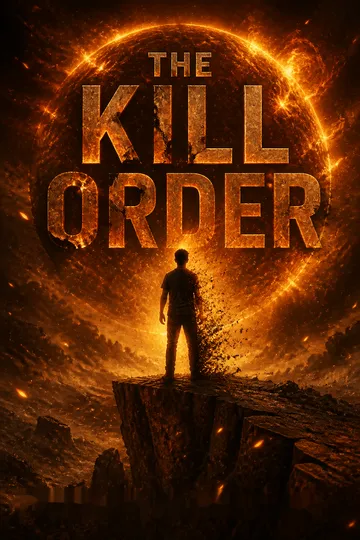
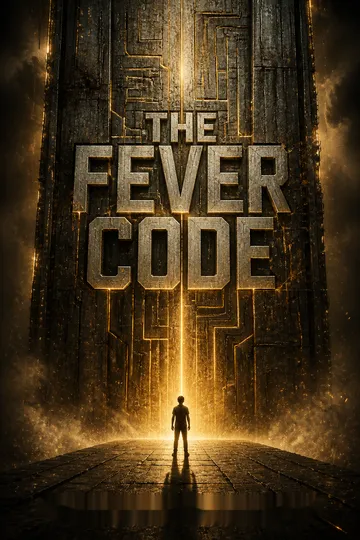
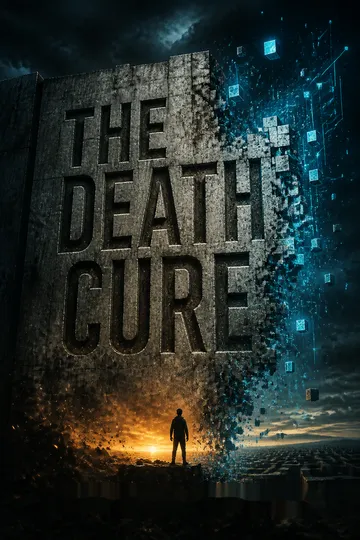
The Maze Runner Series



About the Author

Download PDF
Download EPUB
.epub digital book format is ideal for reading ebooks on phones, tablets, and e-readers.








