

Key Takeaways
Build a relationship to share love, not to outsource your happiness
Love begins within. Ruiz’s central claim is that a partner can share happiness, but cannot be made responsible for producing it. In one story, a man discovers a gentle, respectful love with a woman, then imagines his happiness as a star he can hand to her. When she cannot hold the burden of being its keeper, the star breaks. The mistake is not loving her, but making her the owner of his well-being.
Love becomes visible in action. Another story shows a man preparing a feast for a spiritual teacher. Hungry and thirsty visitors arrive instead, and he welcomes them. He learns that love is practiced through care, not merely admired as an idea. For Ruiz, relationship mastery means expressing love without demanding that another person complete you.
The distinction between intimacy and emotional outsourcing is useful: a partner can offer care, but cannot reliably regulate every insecurity or supply a permanent sense of worth. Attachment research similarly treats secure connection as a resource for exploration, not a substitute for personal agency. Still, the metaphor of the broken star can be misread as a warning against dependence itself. Humans do need one another, and asking for comfort is not the same as assigning someone total responsibility for happiness. The practical test is whether a relationship allows mutual support without turning affection into a debt.
Notice the wound beneath your reaction before passing its poison onward
Fear leaves a mark. Ruiz describes the emotional body as an inner landscape that can be hurt by rejection, punishment, or perceived injustice. A child punished for harmless play may learn that expressing joy is unsafe. The child’s later anger, withdrawal, or shame is not simply a personality flaw; it can be a learned defense against expected pain.
Pain can travel. The book pictures emotional poison as hurt that gets discharged onto others. In a couple’s argument, one person’s criticism provokes a defensive response, which then gives the first person more to resent. Each is reacting to an old or current wound, and the conflict escalates. Ruiz’s metaphor is not a clinical diagnosis. Its practical point is to notice the injury and the reaction before treating the reaction as a reason to retaliate.
This model resembles emotional contagion: people can amplify one another’s distress through tone, threat, and reciprocal defensiveness. Naming a reaction as learned protection can create enough distance to choose a different response. The metaphor also reduces shame, which can make self-examination easier. Its limit is important: calling harmful behavior a wound does not make its impact harmless or remove responsibility. Understanding why someone lashes out can support compassion, but boundaries and protection remain necessary, especially where intimidation or violence is present.
Stop treating another person’s affection as your only supply of love
Need invites control. Ruiz’s “magical kitchen” is an image of an inner capacity for love. A person with a kitchen full of food can decline a stranger’s offer of pizza in exchange for obedience. Someone starving may accept the same bargain. The parallel is emotional scarcity: when affection feels like the only source of worth, a person may trade freedom for attention and become possessive of whoever provides it.
Self-love changes the bargain. Ruiz argues that care for oneself makes partnership a choice rather than an emergency. This does not mean refusing closeness or pretending not to need anyone. It means being able to ask whether a relationship is respectful and wanted, rather than staying solely from fear of being alone. Generosity becomes easier when love is not treated as a ration that must be guarded.
The image neatly captures how scarcity changes bargaining power. In relationships, fear of abandonment can make short-term reassurance feel more valuable than autonomy, even when the arrangement is damaging. A sense of internal worth can widen the choices a person perceives. Yet emotional abundance is not a replacement for dependable relationships, nor does loneliness prove a lack of self-love. Social support, friendship, and practical security matter too. The metaphor works best as a prompt to distinguish healthy reliance from coercive dependence, not as an argument for self-sufficiency.
Own your half of the relationship, and leave the other person’s half theirs
Two people, two inner worlds. Ruiz treats every relationship as a shared creation between people who still have separate beliefs, feelings, and choices. Closeness does not grant access to another person’s mind, or the right to manage it. Each person is responsible for their own conduct and contribution, not for controlling the other’s half.
Cooperation beats control. The book compares partnership to a team playing a game: different styles can coexist when the aim is to participate together rather than defeat or direct one another. Respect means offering support without assuming the other person is incapable. It also means stating a boundary clearly. A partner can be unhappy without requiring the other person to become unhappy too, and anger does not obligate anyone else to join the argument.
This emphasis on distinct agency has a strong connection to boundary-setting and differentiation, the capacity to stay connected without merging identities. It can reduce mind-reading, rescuing, and attempts to control a partner’s feelings. The team analogy also shifts conflict away from a winner-loser frame. However, relationships are not perfectly divided into two sealed halves: shared decisions, caregiving, and power differences create mutual obligations. Personal responsibility should not become an excuse to ignore how one person’s choices affect the other. Respect includes negotiation, not just separation.
Choose compatibility instead of trying to remodel someone into your ideal
See the person present. Ruiz’s deliberately simple pet comparison makes a sharp point: people generally accept that a dog will behave like a dog, yet may expect a partner to become a different kind of person. The fantasy of changing someone can obscure what is already visible. Ruiz advises being honest about values, needs, and the traits that make daily life workable.
Acceptance is a choice. A suitable partner, in this account, is not flawless or identical, but someone whose direction and values fit well enough for mutual respect. If a relationship is chosen, acceptance means allowing the other person to remain themselves. If the match does not work, ending it can be more respectful than demanding a personality transplant. The book distinguishes ordinary hard times from patterns of humiliation, fear, and abuse, which call for more serious judgment.
The advice counters a common planning error: committing to a person’s imagined future rather than evaluating the relationship as it exists. Compatibility is not sameness; it is the ability to negotiate important differences without chronic contempt or coercion. Acceptance also does not require tolerating harm. The book’s animal comparison is memorable, but people are not pets, and they can change through choice, learning, and shared effort. The useful distinction is between supporting voluntary growth and making love conditional on someone becoming a custom-built version of themselves.
Use fear or love to diagnose the way you are relating
Two tracks, two patterns. Ruiz calls his contrast the “track of fear” and the “track of love.” Fear tends to bring obligations, expectations, control, conditional approval, and blame. Love is associated with choice, respect, kindness, generosity, and responsibility for one’s own actions. These are not fixed personality types. They are ways of relating that can shift from moment to moment.
Check the motive. If a person helps a partner while silently expecting obedience or repayment, resentment is likely to follow when the return does not arrive. If care is freely chosen, it is less likely to become a hidden contract. Ruiz also separates compassion from pity: compassion respects another person’s capacity, while pity can quietly assume they cannot manage their own life. The contrast gives readers a way to inspect behavior, not simply declare themselves loving.
The contrast turns abstract values into observable questions: Is a request actually a demand? Is help offered freely, or used to secure leverage? That is a practical form of ethical self-audit. Its binary language is also necessarily simplified. Good relationships include obligations, expectations, and agreements; childcare, promises, and shared finances cannot run on spontaneity alone. The important distinction is not whether expectations exist, but whether they are explicit, mutual, and open to renegotiation. Love without accountability can be as inadequate as control disguised as care.
Heal old pain with truth, forgiveness, and self-acceptance, not repeated punishment
Three routes to healing. Ruiz presents emotional repair as opening a wound, clearing it, and helping it recover. His three main practices are:
1. Truth: question inherited beliefs and look honestly at what is happening now.
2. Forgiveness: release the continuing grip of resentment for one’s own well-being.
3. Self-love: stop using perfection as the price of self-acceptance.
Forgiveness is not approval. Ruiz’s example of a divorced woman shows how anger can return even after an emotional outburst has brought temporary relief. He argues that forgiveness means remembering without being consumed by the injury, not declaring the wrong acceptable. The book also stresses that a painful past does not have to dictate every future choice. Its point is to loosen the punishment imposed on oneself, not deny that the harm occurred.
The sequence has an intuitive logic: accurate appraisal interrupts denial, forgiveness can reduce rumination, and self-compassion counters shame. Contemporary trauma-informed practice adds an essential safeguard: recovery is not always a matter of deciding to forgive, and painful memories may need time, support, and professional care. Forgiveness should not be demanded by an offender or confused with reconciliation, renewed trust, or access. Ruiz’s strongest contribution here is framing release as something done for the injured person’s freedom. The most careful reading preserves that choice rather than turning it into another moral test.
Treat bodily desire as natural without letting shame make every decision
Separate sensation from story. Ruiz argues that sexual desire is a normal feature of human embodiment, while shame and rigid beliefs can turn a passing attraction into prolonged inner conflict. His example follows a married person who feels attraction to someone else, then becomes increasingly preoccupied because the feeling is judged and repressed. The body’s response and the mind’s interpretation are related, but they are not identical.
Distinguish different needs. The book separates physical needs, such as food, rest, and sex, from mental cravings that may never feel satisfied, such as endless approval or possessions. That distinction can help a person ask what is actually being sought. Accepting a feeling does not require acting on it. Commitments, consent, safety, and consequences still matter; the book’s criticism is aimed at shame-driven self-condemnation, not thoughtful ethical choices.
Separating an impulse from an action is a valuable form of psychological distance. It allows desire to be noticed without treating it as a command or as proof of moral failure. The argument also resists body shame, which can distort intimacy and self-image. A necessary nuance is that social rules about sex are not all arbitrary repression. Agreements around consent, exclusivity, and safety protect people and shape trust. Freedom from shame works best alongside clear commitments and attention to the effects of one’s choices.
Catch old scripts in your attention before they become your next reaction
Awareness creates a pause. Ruiz calls the mind’s inherited stream of beliefs and judgments the “Dream of the Planet.” A person may hear an insult from a stranger and treat it as proof of personal inadequacy, or recognize it as an expression of the stranger’s own distress. The words have not changed, but the interpretation and response can.
Practice the alternative. Ruiz’s “Dream Master” is someone who notices habitual reactions and chooses whether to continue them. The book describes this as watching one’s own responses closely, changing one routine at a time. Awareness is not control over everything that happens. It is a chance to notice the story being added to an event, test whether it is useful, and choose a response that creates less suffering.
This is close to cognitive defusion, a therapeutic idea in which thoughts are experienced as mental events rather than unquestionable facts. That shift can interrupt automatic reactions without requiring a person to suppress emotion. The insult example makes the method concrete: distinguish what happened from the meaning assigned to it. Still, not every painful interpretation is mistaken, and vigilance should not become self-surveillance or a reason to dismiss real mistreatment. The goal is flexible attention, not forced positivity. A response can be loving and still firm.
Analysis
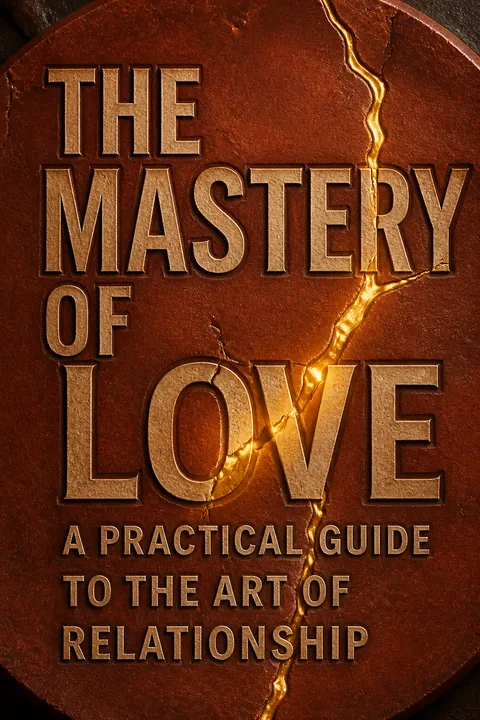
The Mastery of Love is a spiritual self-help book organized around one recurring claim: relational suffering grows when fear, inherited judgments, and self-rejection govern behavior, while love becomes possible through practice and personal responsibility. Its progression moves from diagnosis to relationship principles to emotional repair. Stories and metaphors do much of the argumentative work: wounded skin makes emotional injury imaginable, the magical kitchen dramatizes scarcity, and the star story warns against assigning a partner responsibility for one’s happiness. This makes abstract ideas memorable, though some metaphors can sound more literal than they are.
The book’s most durable practical insights are relational rather than metaphysical. It encourages readers to separate their own choices from a partner’s, to notice when care has become control, to evaluate compatibility honestly, and to avoid turning a feeling into a verdict about the self. These ideas connect naturally with boundary-setting, self-compassion, and approaches to emotional regulation that create distance between an event and an automatic interpretation.
Its limitations matter. Ruiz sometimes presents fear and love as cleaner opposites than real relationships allow. Commitments, mutual dependence, and negotiated expectations are not necessarily signs of fear. Likewise, describing the mind as wounded can reduce shame, but it must not excuse abuse or place the burden of repair on the harmed person. The book’s claims about spiritual identity and the mind’s nature are matters of belief, not established psychological findings. Some numerical assertions, such as the proportion of relationships supposedly governed by fear, are rhetorical rather than demonstrated evidence.
Read most usefully, the book is not a clinical account of trauma or a rule that every injury can be solved through forgiveness. It is a set of prompts: What am I expecting? What belongs to my responsibility? Am I responding to what is present, or to an old story? Those questions preserve the book’s humane emphasis on choice while leaving room for support, safety, and the genuine complexity of relationships.
Review Summary
The Mastery of Love receives mixed reviews, with many praising its simple yet profound messages about self-love and relationships. Readers appreciate the book's emphasis on personal responsibility and inner happiness. Critics find the writing repetitive and oversimplified, with some questioning the author's credibility. Many readers report finding the book life-changing, while others struggle with its spiritual concepts. Overall, the book's core message of self-acceptance and unconditional love resonates with many, despite its divisive reception.
People Also Read





Glossary
Dream of the Planet
Shared social belief systemRuiz’s name for the collective world of assumptions, rules, customs, religions, and social expectations that people inherit and learn to treat as reality. Individuals absorb this shared dream while forming their own personal beliefs and interpretations. The concept explains how patterns of fear and judgment can be passed across generations without being consciously chosen.
mitote
Crowded inner stream of voicesA Toltec term Ruiz uses for the mental noise created by many competing beliefs, judgments, and internal voices. This noise can make it difficult to distinguish direct experience from inherited interpretation. In the book’s framework, the mitote helps keep people identified with learned ideas about who they are and how they must behave.
emotional body
Inner field of emotional experienceRuiz’s term for the emotional dimension of a person, which he portrays as capable of being wounded by fear, rejection, and perceived injustice. Emotional wounds may shape later reactions, while accumulated emotional pain can be passed into relationships. The term is a spiritual metaphor in this book, not a medical or psychological diagnosis.
emotional poison
Painful emotion passed onwardThe book’s metaphor for anger, resentment, shame, jealousy, and other painful emotions that accumulate around emotional wounds. Ruiz describes people as releasing this poison by provoking others, often creating cycles of retaliation. Awareness, forgiveness, and self-acceptance are presented as ways to reduce its hold.
Parasite
Fear-based belief programRuiz’s name for the internalized beliefs and judgments that feed on fear and keep a person trapped in recurring suffering. It includes self-condemnation, blame, and learned ideas about being unworthy or imperfect. The Parasite is an explanatory metaphor for conditioned mental patterns, not a literal organism.
Judge and Victim
Self-judgment and self-punishmentTwo roles Ruiz identifies within the fear-driven mind. The Judge evaluates the self and others against learned standards, while the Victim absorbs those verdicts as evidence of inadequacy and deserves punishment. Together, they sustain guilt, self-rejection, and repeated emotional suffering.
track of love and track of fear
Contrasting relationship patternsRuiz’s paired model for examining how people relate. The track of fear is marked by control, hidden expectations, conditional acceptance, and blame. The track of love emphasizes respect, freely chosen care, kindness, and responsibility for one’s own actions. The tracks are patterns of behavior, not permanent categories of people.
Mastery of Transformation
Changing the personal dreamA Toltec practice Ruiz describes as breaking from a fear-based personal dream and creating a different way of living. It involves observing habitual reactions, recognizing inherited beliefs, and making new choices. The book associates this practice with Dreamers, who recognize the dream as an illusion, and Stalkers, who closely watch their own actions and reactions.
Dream Master
One who steers personal reactionsRuiz’s term for a person who becomes aware of habitual thoughts and reactions and can choose whether to continue them. A Dream Master does not control other people or every event. The practice is to recognize how choices shape a personal way of experiencing life and to revise choices that repeatedly produce unwanted consequences.
FAQ
What's "The Mastery of Love" about?
- Focus on Relationships: "The Mastery of Love" by Miguel Ruiz is a guide to understanding and improving relationships through love and awareness.
- Toltec Wisdom: The book draws on ancient Toltec wisdom, emphasizing the importance of self-love and personal freedom in creating harmonious relationships.
- Healing Emotional Wounds: It addresses how emotional wounds and fear-based beliefs can sabotage relationships and offers ways to heal and transform them.
- Practical Advice: Ruiz provides practical advice on how to cultivate love and respect in relationships, making them more fulfilling and joyful.
Why should I read "The Mastery of Love"?
- Improve Relationships: The book offers insights into how to create healthier and more loving relationships by understanding and healing emotional wounds.
- Self-Love and Awareness: It emphasizes the importance of self-love and awareness as foundational elements for any successful relationship.
- Toltec Teachings: Readers interested in spiritual growth will appreciate the Toltec teachings and their application to modern life.
- Practical Tools: Ruiz provides practical tools and exercises to help readers apply the concepts in their daily lives, leading to personal transformation.
What are the key takeaways of "The Mastery of Love"?
- Self-Love is Essential: Loving yourself is crucial for creating healthy relationships; without it, you cannot truly love others.
- Healing Emotional Wounds: Recognizing and healing emotional wounds is necessary to stop the cycle of fear and pain in relationships.
- Love vs. Fear: Understanding the difference between love-based and fear-based relationships can transform how you interact with others.
- Personal Responsibility: You are responsible for your own happiness and cannot rely on others to fulfill your emotional needs.
How does Miguel Ruiz define love in "The Mastery of Love"?
- Unconditional Love: Love is unconditional and does not come with expectations or demands; it is freely given and received.
- Self-Love: True love starts with loving yourself, which allows you to love others without fear or neediness.
- Respect and Freedom: Love respects the freedom of others and does not seek to control or possess them.
- Generosity and Kindness: Love is generous and kind, focusing on giving rather than taking or expecting.
What is the "Magical Kitchen" metaphor in "The Mastery of Love"?
- Abundance of Love: The "Magical Kitchen" metaphor illustrates that love is abundant within us, like a kitchen that can provide endless nourishment.
- Self-Sufficiency: When you realize you have all the love you need within, you are not dependent on others to fulfill your emotional needs.
- Rejecting Manipulation: With a "Magical Kitchen," you won't allow others to manipulate you with conditional love or approval.
- Sharing Love Freely: Understanding this metaphor encourages you to share love freely and generously, without fear of scarcity.
How does "The Mastery of Love" address fear in relationships?
- Fear-Based Relationships: Fear creates expectations, obligations, and control, leading to suffering and conflict in relationships.
- Healing Fear: The book suggests healing fear by practicing self-love, forgiveness, and truth, which transforms relationships.
- Awareness of Fear: Being aware of fear's role in your interactions helps you choose love over fear, leading to healthier dynamics.
- Replacing Fear with Love: By focusing on love and respect, you can replace fear-based patterns with loving, supportive behaviors.
What role does forgiveness play in "The Mastery of Love"?
- Healing Wounds: Forgiveness is essential for healing emotional wounds and releasing the poison of past hurts.
- Self-Compassion: Forgiving yourself is a crucial step in self-love and personal freedom, allowing you to move forward without guilt.
- Letting Go of Resentment: Forgiveness helps you let go of resentment and anger, freeing you from the burden of past injustices.
- Act of Self-Love: It is an act of self-love that benefits you more than the person you are forgiving, leading to inner peace.
What is the "Wounded Mind" concept in "The Mastery of Love"?
- Emotional Wounds: The "Wounded Mind" refers to the emotional wounds we carry, which are often infected with fear and poison.
- Impact on Relationships: These wounds affect how we perceive and interact with others, often leading to conflict and misunderstanding.
- Healing Process: Healing the "Wounded Mind" involves recognizing these wounds, practicing forgiveness, and embracing self-love.
- Awareness and Change: By becoming aware of your wounds, you can change your reactions and create healthier relationships.
How does "The Mastery of Love" suggest we handle jealousy and possessiveness?
- Rooted in Fear: Jealousy and possessiveness stem from fear and insecurity, not from love.
- Self-Love as a Solution: Cultivating self-love reduces the need for control and possessiveness, as you feel secure within yourself.
- Trust and Respect: Building trust and respect in relationships helps alleviate jealousy, as both partners feel valued and free.
- Open Communication: Honest and open communication about feelings can prevent misunderstandings and reduce jealousy.
What are the best quotes from "The Mastery of Love" and what do they mean?
- "Love has no obligations." This quote emphasizes that true love is given freely, without expectations or demands.
- "You are responsible for your half of the relationship." It highlights the importance of personal responsibility in maintaining healthy relationships.
- "The only way to master love is to practice love." This suggests that love is an action, not just a feeling, and requires ongoing effort and practice.
- "Your heart is a magical kitchen." This metaphor illustrates the abundance of love within you, encouraging self-sufficiency and generosity.
How does "The Mastery of Love" relate to Ruiz's other works?
- Toltec Wisdom Series: "The Mastery of Love" is part of Ruiz's Toltec Wisdom series, which includes "The Four Agreements" and "The Voice of Knowledge."
- Consistent Themes: All these works emphasize personal freedom, self-love, and the power of belief in shaping our reality.
- Practical Guidance: Each book offers practical guidance for transforming your life and relationships through awareness and intentional living.
- Complementary Teachings: The teachings in "The Mastery of Love" complement those in Ruiz's other books, providing a comprehensive approach to personal growth.
What practical exercises does "The Mastery of Love" offer for improving relationships?
- Self-Reflection: The book encourages self-reflection to identify and heal emotional wounds that affect your relationships.
- Forgiveness Practice: It suggests practicing forgiveness regularly to release past hurts and emotional poison.
- Daily Acts of Love: Engaging in daily acts of love and kindness towards yourself and others helps cultivate a loving environment.
- Open Communication: Practicing open and honest communication with your partner fosters trust and understanding, improving relationship dynamics.
About the Author
Other books by Miguel Ruiz







Download PDF
Download EPUB
.epub digital book format is ideal for reading ebooks on phones, tablets, and e-readers.








