

Key Takeaways
Question the story your mind adds before treating it as truth
Separate seeing from explaining. Ruiz describes each person as making a story from perception, memory, beliefs, and emotion. He calls this personal interpretation a dream; when shared across families and societies, it becomes the dream of the planet. The dream can encourage care, or spread fear through judgment, gossip, and blame. Those harmful words and beliefs create what he calls emotional poison, which people then pass to one another.
Practice awareness. Awareness means trying to see what is happening rather than what a preferred story says is happening. Words can communicate a point of view, Ruiz argues, but cannot capture truth completely. His practical invitation is to notice when an interpretation is being mistaken for an unquestionable fact, then respond with more care.
What's useful here is the distinction between an event and the meaning assigned to it. Cognitive psychology also examines how interpretation shapes emotion, making the pause before judgment practically valuable. But the claim that all suffering comes from believing false stories is too broad. Bereavement, illness, poverty, and injustice are not merely errors in perception. The strongest application is not to dismiss pain as imaginary, but to ask which part is the event, which part is the explanation, and whether the explanation is helping anyone act wisely.
Forgive to stop reliving an injury, not to declare it acceptable
Release the recurring grievance. Ruiz presents forgiveness as a way to loosen resentment and reconnect with people one loves. He invites readers to imagine a conversation with a parent, child, or other close person, even if that person is absent, and to offer forgiveness while also asking for it. The exercise is less about reconstructing every old dispute than about recognizing affection still present beneath it.
Choose what deserves your time. The chapter returns to life's brevity: pride can keep a family in conflict while years pass. It also applies forgiveness inward. A person can acknowledge a mistake, seek to avoid repeating it, and stop punishing themselves each time they remember it. In Ruiz's framing, forgiveness is not a claim that no harm occurred; it is a decision to stop carrying the injury as a daily burden.
The distinction between releasing resentment and approving harm matters. Research on rumination suggests that repeatedly rehearsing an offense can keep distress active, while forgiveness practices may help some people loosen that loop. Yet forgiveness should not be confused with reconciliation, restored trust, or abandoning protection. In relationships involving ongoing abuse, distance and accountability may be necessary. The chapter is most persuasive when forgiveness is treated as an inner choice about what to carry, rather than a demand placed on the injured person to make a relationship look healed.
Use self-respect to set boundaries without trying to control others
Start with your own integrity. Ruiz defines integrity as the whole of what a person is, rather than an image built from other people's opinions. Self-love, in this account, means treating oneself with respect and noticing when someone else crosses a boundary. A person can say that a way of speaking is unacceptable without dictating what another person must believe or choose.
Make respect mutual. Ruiz distinguishes self-love from selfishness: claiming love while demanding that others tolerate anger or mistreatment is not care. In a relationship, each person has room to make choices, while each also has the right to refuse disrespect. If respect has broken down, he recommends communication and new agreements; if it cannot be restored, love does not require staying in the relationship.
This is a valuable correction to the idea that kindness means endless accommodation. Boundaries describe what someone will accept or do, rather than functioning as tools to manage another adult's choices. That distinction supports autonomy on both sides. Still, boundary-setting is not equally easy for everyone: financial dependence, disability, caregiving duties, and threats can constrain choices. Advice about self-respect is strongest when paired with an honest view of those constraints, and with support that makes safer options possible.
Treat your body as a living companion, not a failed image
Replace contempt with care. Ruiz asks readers to view the body as a loyal companion that carries them through ordinary pleasures and difficulties. Even when it is aging, ill, or unlike an idealized image, it continues to support life. His own account shifts from disliking his reflection to feeling gratitude for what the body does.
Make care a ritual. Washing, eating, and moving through the day can become reminders to respect the body rather than occasions for shame. The accompanying prayer asks for a new agreement: stop rejecting or abusing the body, and give it what it needs. The point is not that the body must be perfect or constantly healthy. It is that care and appreciation can begin with the body one actually inhabits.
The chapter offers a counterweight to appearance-based self-worth: bodily value need not depend on youth, attractiveness, or performance. This resonates with body-neutral approaches, which focus less on loving every feature and more on treating the body with respect. That distinction can make the idea accessible to people who cannot simply change how they feel about their appearance. Acceptance also need not mean passivity. Medical care, rehabilitation, and efforts to change habits can coexist with refusing to treat the body as an enemy.
Show gratitude by fully receiving the ordinary gift of being alive
Let enjoyment say thank you. Ruiz argues that gratitude is not only verbal appreciation; it is also receiving life's gifts without guilt and making full use of them. He illustrates this with a meal: a cook feels appreciated when someone enjoys the food. He applies the same logic to life itself. Breathing, sharing time with loved ones, and expressing one's real feelings are ways of receiving that gift.
Do not spend life hiding. The chapter warns against wasting time in resentment, fear of self-expression, or conflict over how others should live. Gratitude becomes a repeated practice of noticing what is here and responding with generosity. In Ruiz's spiritual language, enjoying life honors its Creator. Even for a reader who does not share that belief, the practice redirects attention from automatic dissatisfaction toward what can be valued now.
Gratitude can work as an attentional practice: noticing a meal, a relationship, or a moment of ease makes those experiences less invisible amid routine. The chapter's emphasis on receiving is also a useful counter to the belief that worth must be earned through constant productivity. The necessary nuance is that gratitude should not become a test of character or a way to silence legitimate grief. Appreciation and dissatisfaction can coexist. A person can value what sustains them while still naming what needs to change.
Choose love as a way of relating, not a reward for perfection
Make love a commitment. Ruiz imagines a wedding not only between partners, but between a person and love itself. The vows in this metaphor are practical: stop judging, respect others' freedom, speak with care, and treat oneself kindly. Love is presented as a choice expressed through conduct, not a prize earned by becoming flawless.
A personal story gives the idea shape. As a teenager, Ruiz became preoccupied with finding a grand meaning for life and tried to excel, eventually choosing medical school over professional soccer. In his later spiritual story, death becomes a teacher that makes life vivid, and he imagines marrying God through unconditional love. He calls this a chosen story, not a fact everyone must accept. Its purpose is to replace a life organized around fear with one organized around affection and appreciation.
The wedding metaphor turns an abstract value into a commitment that can guide small decisions. Narrative psychology likewise treats identity as partly shaped by the stories people use to connect past choices with present aims. Ruiz's account shows how a story can make death a prompt to live attentively rather than merely a source of dread. The caution is that framing happiness as a choice can sound like blame when people face illness, trauma, or hardship. Love may orient a response, but it cannot guarantee control over circumstances or emotions.
Find the pause between thoughts where another response becomes possible
Notice the gap. Ruiz calls inner silence the space between thoughts, where a person can observe the mind generating images and interpretations. His guided practice begins by relaxing, attending to bodily sensations, and listening to sounds such as birds or rain. He then directs attention to breathing and invites the reader to imagine each breath as love moving through the body.
Use imagination as a lens. The meditation expands from breath to images of stars, light, and connection between the body and the cosmos. These images express Ruiz's spiritual view that life is a shared force. The practical center is simpler: attention can become less automatic, and thoughts can be noticed rather than immediately obeyed. The exercise is an invitation to explore experience, not a demonstration that its cosmic imagery is scientifically established.
The pause between a thought and a reaction is a useful contemplative model. Attention practices can help people notice sensations and mental events without immediately turning them into commands. Ruiz's imagery gives that practice emotional warmth, especially by connecting breath with love. Its metaphysical claims should remain distinct from its experiential value: feeling connected to the cosmos does not establish a literal universal life force. Nor should stillness require strain. Comfortable breathing and permission to move make the exercise more accessible and safer.
Let your message to humanity be compassion made visible in conduct
Treat life as a message. Ruiz uses angel in its sense of a messenger and imagines humanity as carrying a shared message of love and joy. He contrasts that ideal with messages of fear, selfishness, and hostility that people can pass through words and actions. In his spiritual picture, light and life connect human beings; the ethical point is that a person's way of living communicates something to others.
Extend care beyond the self. His prayer directs attention toward children who are abused or parentless, people who are sick, imprisoned, poor, or caught in war, and the natural world. The practice is to offer compassion without judgment or condescension. Readers can understand this as an imaginative exercise that widens concern, then ask how that concern might shape their actual treatment of people and the planet.
The image of a human life as a message links private intention with public consequences. Compassion is not only a feeling; it affects how people speak, distribute attention, and respond to vulnerability. The chapter's broad circle of concern is a strength because it includes people who are often treated as undeserving. Still, imagining goodwill does not itself relieve material suffering. The practice becomes more complete when inward compassion informs concrete care, whether through respectful contact, practical help, or support for institutions that reduce harm.
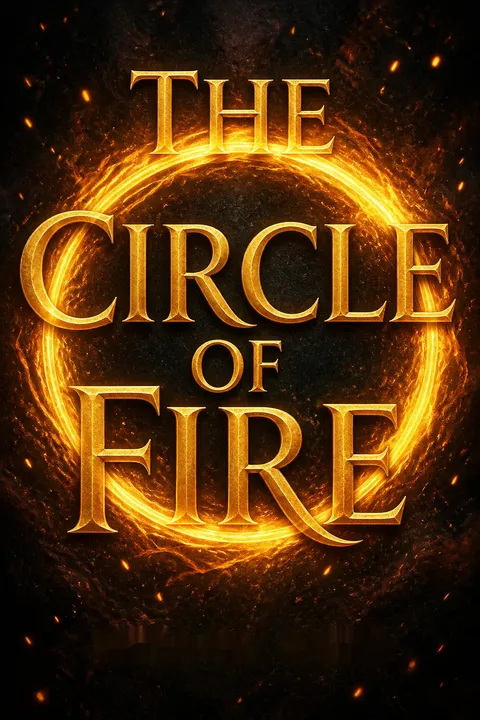
Turn the Circle of Fire into a daily agreement you can renew
Make the prayer actionable. The Circle of Fire is Ruiz's name for an agreement to live in communion with God, or with the source of life as he understands it. It commits the person to gratitude, love, loyalty, and justice, beginning with the self, extending to other people, and including respect for creation. It also asks for love without expectations, so care is not merely a bargain for a return.
Repeat, then embody it. Ruiz says the agreement is not fulfilled by reciting words; behavior must match the intent. He recommends saying it at the start and end of the day, and renewing it after a lapse. He recalls apprentices asking why a moment of spiritual clarity did not last. His answer was that old beliefs still held their faith. The remedy, in his terms, is to examine those beliefs and recommit through practice.
A repeated agreement can turn an aspiration into a daily reference point. Rituals often matter because they make an intention concrete and give people a predictable moment to review conduct. Ruiz's instruction to renew after a lapse also makes the practice less brittle than an all-or-nothing vow. The language of divine communion will resonate differently across beliefs, and the promise cannot substitute for repairing harm. Its practical test is whether the stated values shape choices, especially when no ritual is being recited.
Analysis
The book is a spiritual self-help work organized as a sequence of meditations rather than a conventional argument. Its movement is inward and outward: question inherited interpretations, release resentment, treat the self and body with respect, receive life with gratitude, then extend that posture to other people and creation. The recurring mechanism is agreement. A person invests belief in a story, and that story influences emotion and behavior; a new agreement is meant to redirect both.
The book's most effective ideas are also its most portable. Separating perception from interpretation can make conflict less automatic. Defining self-love through respect and boundaries avoids reducing it to self-praise. Treating gratitude as active enjoyment, rather than a list of blessings, gives it behavioral meaning. The Circle of Fire gathers these threads into a repeatable commitment and explicitly allows recommitment after failure.
The work is less persuasive when it turns a useful spiritual lens into a universal explanation. It presents suffering as rooted in false beliefs, and love as the only genuine choice. Those claims can inspire agency, but they risk minimizing external injustice, involuntary emotion, and constraints that cannot be dissolved by changing one's story. Its statements about light, life, and divinity function most safely as metaphysical imagery, not empirical conclusions.
The book's central invitation need not depend on accepting every cosmological claim. A reader can use its prayers as structured attention: pause, notice the story being told, choose a response consistent with respect, and renew the intention when conduct falls short. That preserves the text's spiritual ambition while making its promises more grounded. The result is not guaranteed bliss, but a clear ethic for meeting ordinary life with less self-contempt and more deliberate care.
Review Summary
The Circle of Fire receives mixed reviews, with an average rating of 4.11/5. Some readers find it inspiring and life-changing, appreciating its focus on self-love, spirituality, and personal growth. Others criticize its religious tone and lack of practical guidance. Many compare it to Ruiz's previous work, The Four Agreements, with some preferring the latter. The book's prayers and meditations are praised by some for their transformative power, while others find them too God-centric. Overall, readers value its message of love, forgiveness, and connection to the divine, despite varying opinions on its execution.
People Also Read





Glossary
dream of the planet
Shared human worldviewRuiz's term for the shared stories, beliefs, judgments, and rules formed across human minds and societies. Like an individual's personal dream, this collective worldview shapes how people interpret life. It can support connection, or normalize fear, blame, and conflict. The term describes a spiritual and psychological model, not a literal shared dream during sleep.
emotional poison
Harmful emotional messagesRuiz's phrase for the hurtful judgments, gossip, blame, and fear that people communicate and absorb. He argues that these messages circulate through relationships and become part of the collective human worldview. The metaphor emphasizes how language can damage emotional life and transmit hostility, rather than referring to a literal substance.
integrity
The whole authentic selfRuiz uses integrity to mean the totality of a person as they really are, distinct from a social image or a set of beliefs about the self. Living with integrity means not knowingly acting against oneself, being honest about one's responses, and respecting both personal boundaries and those of others.
inner silence
Space between thoughtsThe quiet interval between thoughts that Ruiz describes as a place to witness how mental images and interpretations arise. Through stillness, attention to breath, and sensory awareness, a person may notice thoughts without immediately following them. Ruiz gives the experience a spiritual meaning, connecting it to creativity, choice, and communion with divine spirit.
love communion
Shared spiritual connectionRuiz's term for an intimate experience of sharing love with the Creator, divine spirit, or the life within oneself. Prayer and meditation are presented as ways to enter this relationship by quieting inner commentary and directing attention toward love. The phrase also describes an expansive sense of connection with other people and creation.
The Circle of Fire
Daily spiritual agreementRuiz's name for a prayer and ceremony that symbolize a renewed commitment to live in communion with God. Its agreement centers on gratitude, love, loyalty, and justice, beginning with oneself, extending to other people, and including respect for creation. Ruiz emphasizes that the prayer must be practiced through conduct, and can be renewed after a lapse.
About the Author
Other books by Miguel Ruiz







Download PDF
Download EPUB
.epub digital book format is ideal for reading ebooks on phones, tablets, and e-readers.








