

Plot Summary
A Cricket Ball Detour
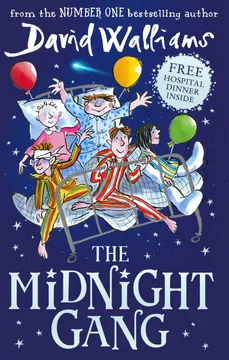
When a cricket ball strikes Tom Charper on the head, he wakes in Lord Funt Hospital unable to remember his name. His parents are abroad, as usual, and his school’s games teacher is the only adult who brought him in. Tom expects to be sent back to St Willet’s, where he is lonely and mocked for being neither posh nor athletic.
Instead, he meets George, Robin, Amber and Sally, four children with very different injuries and illnesses. Matron rules the ward with humiliation and threats, forcing Tom to sleep in a pink nightdress when he has no pyjamas. The other children offer small kindnesses, but their new companion can see how firmly fear and boredom govern the ward.
Tom’s injury briefly removes him from one institution without yet giving him a home in another. His parents’ distance and St Willet’s cruelty make belonging feel like something he has to earn, while Matron’s nightdress turns vulnerability into a public joke. The other patients are not simply a collection of ailments: each has a different constraint on movement, sight, strength or time. Their quiet presence establishes the contrast that will drive the story. Adults use rules to manage children; the children will use cooperation to make experiences possible. Tom’s first shift is small but decisive: the ward may be miserable, yet it contains people who notice one another.
The Ward's Midnight Secret
After lights-out, George’s stolen chocolates put Matron to sleep because he has hidden sedative pellets inside them. Amber and Robin sneak out with George, leaving Tom behind. He tries to follow, gets his foot stuck in a bedpan, then meets Sally, who asks to join them. Worried that she is too weak, Tom refuses, but promises to tell her what happens.
He catches up with the others in the basement and threatens to expose their secret unless they let him come along. Amber gives him a trial place in the Midnight Gang, a tradition passed from one generation of young patients to the next. Its purpose is to help a child make a dream come true, though Tom cannot name a dream of his own.
The gang’s secrecy is not merely a childish game. It gives the patients a pocket of agency in a place where adults schedule their days and define what their bodies can do. Tom enters through coercion, then discovers that the group’s real membership test is imaginative participation. His refusal to bring Sally exposes the protective logic that will trouble him later: he mistakes keeping someone safe for deciding on their behalf. His promise to report back creates an obligation before he understands the cost of keeping the gang’s confidence. The night’s first adventure therefore begins with two competing loyalties, secrecy among friends and care for the child left behind.
A North Pole in the Freezer
Amber’s ambition is to explore the poles, so the gang enters the hospital freezer and finds a miniature Arctic landscape made from ice, snowdrifts and an igloo. The children plant a Union Jack together, allowing Amber to claim the expedition despite her plastered limbs.
A figure in a homemade polar-bear suit turns out to be the hospital porter, who built the scene and has secretly helped generations of patients. He recounts earlier adventures, from wheelchair racing to an improvised orchestra, and explains that making patients feel better matters even when he cannot cure them.
On the return journey, the children bluff their way past Dilly, the suspicious cleaner. Tom earns full membership and takes the gang’s oath, then returns to find Sally waiting for the story he promised.
The freezer adventure makes the gang’s method visible: it does not erase injury but rearranges the world around it. Amber cannot plant the flag alone, so the others lend their hands; the achievement becomes shared without ceasing to be hers. The porter’s presence complicates the children’s belief that their secret is theirs alone. He is an adult who understands that care can include play, risk and make-believe, not only treatment. Tom’s induction gives him a family-like bond and a rule of loyalty, but Sally’s waiting face makes that rule ethically unstable. The oath gains weight precisely because he has already made a promise outside it.
Tom Fakes a Fever
Back in the ward, Tom denies promising Sally an account of the night, and his lie hurts her. Matron nearly catches the gang, but Sally protects them by claiming she was awake while the others slept. An X-ray shows Tom has no serious injury, so he secretly heats a thermometer and convinces Doctor Luppers that he has a dangerous fever. The trick keeps him in hospital, where he can stay with his new friends.
George then reveals his own dream: to fly without an aircraft. Tom proposes gathering helium balloons and letting George rise through the hospital stairwell. The gang accepts the plan, but they must collect hundreds of balloons without waking patients or attracting staff, while Matron and the hospital principal are already suspicious.
Tom’s lie to Sally is his first real failure as a friend, and his shame is sharpened by the fact that the lie serves his own wish to belong. His false fever reverses the usual hospital story: rather than longing to leave, he manipulates the system to remain. The decision is emotionally understandable, but it also shows how little experience he has of asking directly for what he needs. George’s flight wish gives Tom a chance to contribute something more generous than membership. The balloon plan is both comic engineering and a test of the gang’s promise to make impossible desires briefly tangible.
Balloons Lift the Wrong Passenger
At midnight, the gang splits up to gather balloons. George runs into his newsagent, Raj, who asks him to order an enormous Indian takeaway, while Tom and the porter collect balloons from the lower floors and the gift shop.
They also give a lonely, confused patient named Nelly a balloon, telling her it came from her father. At the stairwell, George waits beneath the growing cluster, but Nelly wanders in and grabs it. Her lighter body shoots upward, breaks through the skylight and sails over London. The gang races after her in an ambulance.
When her nightdress catches on Westminster Abbey and tree branches destroy some balloons, Nelly descends onto the ambulance roof, knocking Tom unconscious. The runaway flight leaves the gang exposed and their hospital rule-breaking unmistakable.
The balloon scheme makes desire physically visible, but its literalness also creates danger: the same force meant to lift George can carry Nelly beyond anyone’s control. Nelly’s confusion does not make her a mere obstacle. Her delight in the balloon reveals how badly the hospital has failed to give its oldest patient attention, and the porter and Tom respond by treating her imagined family with tenderness. The comic accident therefore grows from a serious act of inclusion. Yet the children’s improvised care has consequences beyond their control, and their rescue attempt turns a private midnight ritual into a public emergency.
The Gang Is Caught
The ambulance returns to Lord Funt Hospital at dawn, where Sir Quentin Strillers, Matron and Dilly are waiting. In the principal’s office, the children try to take responsibility, but the porter claims the blame to protect them. Sir Quentin sends the patients back to the ward and deals with the porter separately. Matron tells them he has been dismissed and declares the gang finished.
Tootsie confirms that he has nowhere obvious to go, while the children share their last chocolates and realize he is the one who has lost most. Tom gives his own wish to Sally, who has repeatedly been excluded from their adventures. Before Tom can explain what that means, Matron and headmaster Mr Thews arrive to discharge him and take him back to school.
The capture forces the gang to confront the cost of its freedom. Their adventures have depended on the porter’s labor and willingness to risk his job, so his dismissal exposes an imbalance the children had not fully seen. His choice to accept blame is protective, but it also leaves them powerless and ashamed. Tom’s decision to give Sally his wish marks a change from wanting a place in the group to considering what another person needs most. Yet the institutions close ranks: Matron wants control restored, and Thews arrives to reclaim Tom. The separation threatens to return him to the loneliness he had escaped.
A Home Beneath the Hospital
As Thews escorts him away, Tom breaks free and dives down the laundry chute into the basement. He finds the dismissed porter living in a hidden room, furnished with a mattress, a small cooker and discarded belongings.
While they hide from the search party, Tom hears Matron and Thews reveal that they have intercepted his parents’ calls and burned their weekly letters. After they leave, the porter explains that he was abandoned as a baby, grew up in the hospital and started the Midnight Gang as a lonely child.
His dream was to play a prince rescuing a patient named Rosie, who gave him a first kiss before dying from a weak heart. The memory taught him to value kindness while there is still time. Tom asks him to help make Sally’s dream come true.
The basement gives physical form to the lives the hospital keeps out of sight. The porter has served patients for decades while living among discarded objects, and Tom recognizes a kinship between that hidden home and his own sense of abandonment. The revelation about Thews and Matron reinterprets Tom’s apparent neglect: his parents have been trying to reach him, while authority figures have deliberately severed the connection. Rosie’s story explains why the porter turns play into a form of care, but it also prevents that care from becoming sentimental. He knows a beautiful night cannot defeat mortality; it can still make a person feel seen before time runs out.
Sally's Last Great Wish
Tom and the porter plan a sequence of scenes that will let Sally imagine a whole life in one night, from school achievements to marriage and children. To reach the ward unseen, Tom disguises himself as a doctor with two mismatched prosthetic left legs, while the porter lies beneath a sheet on a trolley.
They collect sleep serum from the pharmacy, where Mr Cod sees through the disguise only after Tom’s artificial legs fall off. Back upstairs, Professor Pigeon is meant to distract Matron, but the plan falters and Tom knocks Matron out with the serum.
Then the gang learns Sally has been moved to isolation after her condition worsens. Amber and the others fear the show is impossible, but Tom insists Sally should decide for herself whether she can take part.
This sequence tests whether Tom’s new loyalty can survive practical failure. His disguise collapses, the pigeon refuses to cooperate and Sally is no longer where the plan expects her to be. Unlike his earlier decision to exclude her for her own safety, Tom now recognizes that protection without consent can become another form of control. The others’ hesitation is not callousness; they fear harming a seriously ill friend. Tom does not dismiss that fear. He argues that Sally, not the gang, should decide whether the remaining time can be used for joy. The choice turns their adventure from escapism into a deliberate act of respect.
A Lifetime in the Operating Theatre
Tom reaches Sally in the isolation ward and finds her surrounded by monitoring equipment. She recognizes him and joins the plan. In the operating theatre, Robin cues scenes with projected titles while the others transform ordinary objects into milestones: a cereal-box cap for exam success, a plate as a sports-car wheel, a tissue veil for a wedding and a glove-wrapped pigeon as a baby.
Amber gives Sally a first kiss, George and Tom simulate a sunny holiday, and cardboard scenery turns her into a national leader. Sally laughs, cries and handles the baby pigeons as the gang moves through imagined decades. When the music ends, she stands and takes a bow. Tom notices Sir Quentin and a group of doctors and nurses watching through the glass.
The show gives Sally more than a list of conventional milestones. Its improvised materials make the future available without pretending that the children can guarantee it. A plate can become a steering wheel, yet Sally’s pleasure is not fake; the emotional reality comes from her friends’ attention and shared labor. The scene also makes disability neither a disqualification nor a spectacle. Robin directs what he cannot see, Amber participates with broken limbs, and Sally remains the center of her own imagined life. The gathered medical staff introduce a new audience: private play is about to be judged by the institution that usually defines what counts as care.
Letters Finally Reach Tom
Instead of punishing the children, Sir Quentin and the staff applaud the performance. He restores the porter’s place, gives him responsibility for the children’s ward and names his role Doctor of Fun. The porter, now called Thomas Senior, accepts Tootsie’s offer of a sofa.
Sir Quentin allows Sally to return to the ward for the night. By morning, Matron has been removed from the children’s ward and assigned to clean toilets. Sally has found Tom’s parents’ number among Matron’s papers and called them; they arrive, explain that Thews burned their letters and promise Tom will not return to St Willet’s.
Tootsie finds Thews shivering after he was shut in the freezer while searching for Tom. Tom says goodbye to his friends and leaves with his parents, carrying a new sense of family.
The resolution does not make the hospital suddenly innocent; it shows that its authority can change when staff witness what its rules have excluded. Sir Quentin responds to Sally’s visible happiness by broadening care and recognizing the porter’s work, while Matron faces a consequence connected to the indignity she imposed on others. Tom’s family reunion repairs the opening wound of presumed abandonment, but only after he learns that adults obstructed the truth. Sally’s call makes her an agent in Tom’s return, not merely its beneficiary. The children part with sadness, yet Tom leaves with both a family restored and the experience of belonging built through chosen acts of care.
Epilogue
Just as Tom leaves, Raj storms into the ward to complain that George never delivered the huge takeaway he ordered. George tries to explain, but Raj begins listing the dishes again. The gang’s grand night of flight, escape and reconciliation closes on a missing curry and an order that seems unlikely to end soon.
Raj’s complaint brings the story back to its comic scale after the emotional weight of Tom’s departure. The unresolved takeaway is deliberately small beside the night’s crises, but it also preserves the gang’s ordinary texture: George’s appetite, Raj’s fussiness and the friends’ ability to turn a mistake into another shared joke. The final beat refuses a solemn farewell as the only possible ending. Tom may leave the ward, but the bonds formed there remain vivid enough to survive in memory as laughter, teasing and a meal that never arrived.
Analysis
The Midnight Gang treats imagination as a form of practical care. Its adventures do not remove illness, disability or institutional neglect; they change what can happen inside those limits. Amber cannot plant a flag alone, Robin cannot see his orchestra, and George cannot simply rise into the air, so the gang redesigns each experience around collaboration. That makes the wish fulfillment more than escape. The children gain agency by arranging the conditions under which a desire can be felt.
The story also distinguishes protection from respect. Amber excludes Sally because she fears the girl will be harmed, while Tom initially refuses her for the same reason. Their motives are caring, but both decisions deny Sally the right to judge her own strength. Tom's eventual insistence that she choose whether to join marks his movement from wanting acceptance to practicing responsibility. Sally, meanwhile, is not only the recipient of kindness. She protects the gang, calls Tom's parents and makes decisions about her own participation.
Adults are judged by what their authority enables. Matron and Thews use rules, blocked calls and withheld letters to isolate children. The porter, despite having little status, uses his knowledge of the hospital to create connection. Sir Quentin's change begins when he sees the performance and recognizes that medical competence has not been enough to make Sally smile. The contrast is institutional as well as personal: care depends on whether a system can notice needs that do not fit its forms. The humor keeps this argument from becoming solemn. Bedpans, cold tea, mismatched prosthetic legs and Raj's undelivered takeaway make the children's ingenuity tactile and imperfect. Their victories are temporary, but not therefore trivial. A night of imagined adulthood cannot promise Sally a future; it can give her a real experience of being loved, consulted and celebrated in the present.
Review Summary
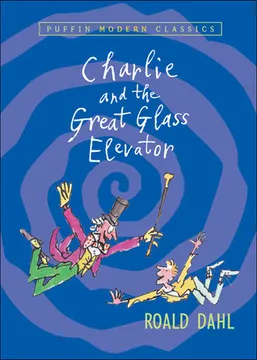
The Midnight Gang is a beloved children's novel by David Walliams, set in a hospital. Readers praise its humor, heart, and valuable life lessons. The story follows a group of young patients who form a secret club to fulfill each other's dreams at night. Many compare Walliams' writing style to Roald Dahl's. Reviewers appreciate the well-developed characters, engaging plot, and touching themes of friendship and kindness. The book's illustrations and varied text formatting enhance the reading experience, making it enjoyable for both children and adults.
People Also Read



Characters
Tom Charper
The lonely new patientTom is a twelve-year-old boy sent to an expensive boarding school while his parents travel abroad for work. He is bookish, unathletic and accustomed to being overlooked, so the hospital ward initially feels less like refuge than another place where adults make choices for him. His instinct is to avoid embarrassment and stay safe, but friendship draws him into risks he would once have refused. Tom notices when people are excluded, even when he first contributes to that exclusion himself. His growth comes through learning that loyalty is not just keeping a secret or belonging to a group; it also means listening, admitting fault and putting another person's wish ahead of his own.
Sally
The overlooked dreamerSally is the youngest child in the ward and is seriously ill, often sleeping after treatment. Her bald head and fragile appearance lead the other children to treat her as someone who must be protected, but her humour and clear intelligence resist that narrow role. She wants the ordinary freedoms illness has interrupted: school, play, affection and the possibility of a full adult life. Sally understands when people underestimate her, and she does not confuse being gentle with being passive. Her presence forces the gang to ask whether care means keeping someone from danger or making room for that person to choose.
Amber
The stubborn expedition leaderAmber is a twelve-year-old patient whose arms and legs are in plaster and whose wheelchair has to be pushed by others. She compensates for physical dependence with forceful leadership, quick judgment and an appetite for grand plans. Her ambition to explore the poles is both sincere and comic, especially when her accident proves less heroic than she first suggests. Amber wants to be taken seriously, so she often claims credit and resists help, even when the gang’s best moments depend on cooperation. Her confidence makes her a natural organizer, but Sally’s exclusion reveals how easily protectiveness and authority can become the same thing.
Robin
The sharp-witted musicianRobin is a young musician recovering from an operation to save his eyesight. Bandages prevent him from seeing during the story, but his musical training and dry wit make him one of the gang’s most perceptive members. He is exacting about ideas and enjoys puncturing Amber’s grand claims, yet his sarcasm often covers a thoughtful, caring nature. His dream of conducting an orchestra shows how strongly he identifies with music as a way to reach beyond physical limitation. Robin contributes not only jokes and plans but also a willingness to help others imagine what he cannot currently see.
George
The generous chocolate loverGeorge is an eleven-year-old London boy recovering from having his tonsils removed. He is round, fond of chocolates and proud of his East End speech, with a cheerful appetite for food and mischief. His father is in prison, a fact Matron uses to shame him, but George is not defined by that family history. He values friendship, shares his treats and accepts the gang’s improbable plans with enthusiasm. His wish to fly grows from discomfort with his own heaviness, giving the comic balloon scheme a vulnerable center. George’s limited patience and loose relationship with facts make him funny without making his longing any less sincere.
The Porter
The dream-making porterThe unnamed porter moves patients and equipment through Lord Funt Hospital, speaking with a slur and walking with a limp. His misshapen face makes Tom fear him before Tom knows anything about him, and the porter has learned to live with other people's assumptions. Beneath his shabby clothes is a patient, inventive person who understands how loneliness feels and how a small act of imagination can change a night. He is protective without demanding praise, and he sees happiness as part of care rather than a distraction from it. The children trust him because he takes their wishes seriously and helps them work together.
Matron
The ward's cruel authorityMatron runs the children's ward through strict rules, public mockery and threats of punishment. Her immaculate appearance and sugary manner mask contempt for the children she is meant to care for. She treats obedience as proof of good conduct and uses small humiliations, such as forcing Tom to wear a frilly nightdress, to establish control. Matron is especially suspicious of the patients' independence and regards their secrets as a personal challenge. Her presence gives the children a concrete adult obstacle, while her cruelty demonstrates how authority can become harmful when it values order more than the people in its care.
Sir Quentin Strillers
The hospital principalSir Quentin is the richly dressed principal in charge of Lord Funt Hospital. He values procedure, institutional reputation and discipline, and initially sees the Midnight Gang through its list of offenses. Unlike Matron, he is capable of reconsidering his judgment when presented with evidence he cannot reduce to rule-breaking. His attention to the children’s performance reveals a gap in the hospital's priorities: medical work may be diligent while emotional care is neglected. He represents authority with the capacity to change, though that change requires him to witness what the children and porter have already understood.
Mr Thews
Tom's boarding-school headmasterMr Thews is the old-fashioned headmaster of St Willet’s, a school that prizes tradition, sport and unquestioned discipline. He addresses Tom by surname and expects him to endure discomfort without complaint. His stern manners hide a deliberate willingness to isolate pupils from their families, making him a sharper threat than his dusty, comic appearance first suggests. Thews sees control as the purpose of education and interprets Tom’s friendships as misconduct. Through him, the story shows how an adult can maintain power not only through punishment but by controlling which messages a child is allowed to receive.
Tootsie
The cheerful dinner ladyTootsie brings meals to the patients with an affectionate manner and a bright, musical way of speaking. The hospital's food budget is so poor that her promises of an abundant breakfast are mostly a kindness designed to let children imagine better choices. She notices the patients as people, brings Sally a treat and is willing to challenge Matron when the porter is treated unfairly. Her warmth is practical rather than grand: she offers food, information and eventually a place to sleep. Tootsie shows how small, repeated gestures can make a neglected institution more humane.
Doctor Luppers
The anxious new doctorDoctor Luppers has only recently qualified and is nervous about making mistakes or displeasing the hospital principal. His paperwork and repeated requests for reassurance make him easy for Tom to manipulate, but he is not malicious. He tries to be friendly and wants to do his job well, even when routine tasks overwhelm him. His contrast with Matron matters: both are adults in the hospital, but his uncertainty leaves room for a child to influence events, while her certainty often closes that room down.
Nelly
The balloon-loving elderNelly is a ninety-nine-year-old patient whose memory sometimes carries her back to childhood. With few visitors or belongings near her bed, she responds warmly when Tom and the porter bring her a balloon and play along with her belief that her father sent it. Her delight is not a trick or a joke to the children; it is a real moment of connection in a lonely ward. Nelly's presence reminds the gang that their attention can matter to patients beyond their own age group, even when they do not fully understand what someone needs.
Dilly
The suspicious cleanerDilly is a hospital cleaner who smokes while working and leaves trails of ash behind her. She is observant enough to challenge the children when she finds them out of bed, and later notices their balloon collecting. The gang repeatedly has to talk its way past her, using confidence and improvisation rather than force. Dilly represents the everyday surveillance of the hospital: a worker who is not in charge of the children but can still expose their plans.
Raj
George's favorite newsagentRaj runs the local newsagent and sends George tins of chocolates while the boy is recovering in hospital. He values George as a customer and worries about the shop's lost takings during his absence. Raj is generous but also enthusiastically focused on food, which leads him to burden George with an elaborate takeaway order at the worst possible time. His comic persistence gives George a connection to the neighborhood outside the ward.
Mr Cod
The night pharmacistMr Cod works nights in the hospital pharmacy. He has thick glasses and a hearing aid, but his suspicion is sharper than Tom expects when the boy arrives in a doctor's disguise. His brief encounter with Tom turns the false identity into a practical obstacle and sends the plan into disarray.
Professor Pigeon
The porter's one-winged petProfessor Pigeon is the porter's one-winged pet, a bird he rescued and cares for in his basement room. She is not a trained helper and refuses to behave on cue, but her presence becomes part of the porter’s improvised world. Her vulnerability mirrors the way the porter recognizes lives others dismiss, and her nest gives the children a small, concrete glimpse of care continuing beyond their adventure.
Tom's parents
The distant traveling parentsTom's parents live abroad because his father works in the oil industry, and their wealth has not translated into much time with their son. Tom believes they have forgotten him, partly because he sees them infrequently and receives no messages at school. They are important to his sense of home even while absent from most of his daily life. Their relationship with Tom is filtered through distance, missed contact and the institutions responsible for passing messages between them.
Plot Devices
The Midnight Gang
A secret for shared agencyThe gang is a tradition among young patients at Lord Funt Hospital. Its members meet after midnight, keep their activities hidden from adults and work together to make one child's wish real. The secrecy creates suspense, but the shared labor is the deeper mechanism: a child with limited mobility, sight or strength can still take part because the others adapt the task. The gang gives the children a way to act rather than wait, and its oath makes their responsibilities to one another explicit.
The dream adventures
Wishes made briefly tangibleEach adventure translates a child's wish into a hospital-sized experience. The porter and patients turn a freezer into a polar landscape, wheelchairs into racing cars and medical equipment into instruments. The dreams are not presented as cures or predictions. Their function is to let the child experience the feeling at the center of a desire, while making cooperation part of the achievement. The final imagined lifetime extends this method from one thrilling activity to the future Sally fears she may miss.
Helium balloons
A literal route into dangerThe balloons give George's wish to fly a physical mechanism. The gang gathers helium balloons from patients and the gift shop, then plans to balance their lift in the hospital stairwell. Because the plan operates through weight and buoyancy, it can go wrong when Nelly takes the cluster. The balloons turn a child's dream into a spectacular accident, forcing the gang to leave the hospital and making its secret activities impossible to conceal.
The hospital's hidden spaces
A playground beneath authorityThe basement, freezer, laundry chute, stairwell, pharmacy and operating theatre are functional parts of the hospital that the children repurpose for their adventures. These locations connect the gang's imaginative plans to the building's real systems: laundry drops Tom into the basement, a stairwell gives the balloons height, and the operating theatre becomes a stage. The spaces also reveal what the institution hides, including the porter's private room. Lord Funt is both a place of confinement and a map of unexpected possibilities.
Discarded materials
Ordinary objects become a futureThe gang uses hospital supplies and scraps as costumes, scenery and props. Cardboard becomes a graduation cap or government doorway, a plate becomes a steering wheel, tissues become a veil and a medical glove becomes a bonnet. This resourcefulness makes the final performance possible without money or elaborate equipment. More importantly, the visible artifice does not weaken the emotional experience: Sally can inhabit each imagined milestone because her friends have made the scene together and treat it as worthy of care.
About the Author



Download PDF
Download EPUB
.epub digital book format is ideal for reading ebooks on phones, tablets, and e-readers.








