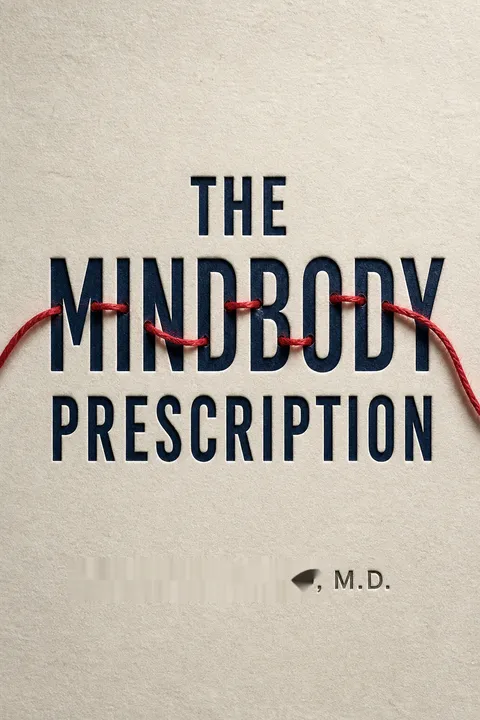


Key Takeaways
Treat pain as real while questioning the story attached to it
Pain is not imaginary. Sarno’s central claim is that some persistent pain is produced by emotional processes in the brain, not by an injury or structural defect. He calls his proposed syndrome Tension Myositis Syndrome, or TMS. He suggests that the autonomic nervous system reduces blood flow to muscles, nerves, or tendons, causing real pain and other sensations. He presents this as a theory based on his clinical observations, not as a universally accepted medical explanation.
Start with safety. The book explicitly warns readers not to assume their symptoms are psychological before a physician has assessed them for serious disease. Its useful challenge is to question fear-driven explanations without dismissing pain or skipping medical evaluation.
The book’s most valuable distinction is between symptoms being real and their cause being purely structural. Contemporary pain science also recognizes that attention, expectation, emotion, and nervous-system activity can influence pain. That makes a mindbody perspective plausible without proving Sarno’s specific account of unconscious rage or restricted blood flow. The distinction matters: taking psychology seriously need not mean telling patients that nothing physical is happening. A careful explanation can validate suffering while keeping diagnosis open, which is safer and more intellectually honest than choosing between a damaged body and an imagined symptom.
Ask whether symptoms are diverting attention from feelings you avoid
A proposed avoidance strategy. Sarno argues that pain can serve as a distraction from frightening or unacceptable emotions, especially repressed rage. In this account, the symptom draws attention toward the body and away from inner conflict. The emotion need not be consciously felt, and the person is not deliberately producing symptoms.
Helen’s story. A patient named Helen developed severe back pain after joining a group for people who had survived childhood sexual abuse. As she spoke about her buried grief, fear, and anger with her husband’s support, she began to cry intensely, and her pain eased. Sarno presents this as an unusually dramatic illustration of his theory. It is a personal account, however, not proof that emotional disclosure reliably ends pain.
The avoidance model offers a compassionate alternative to blaming patients for symptoms: the body’s response is framed as involuntary, not manipulative. It also gives people a reason to notice emotions they habitually suppress. Yet a vivid personal story cannot establish that hidden feelings caused a particular physical condition. Emotional exploration can be useful, but trauma should not be forced into a single explanation or excavated without appropriate support. The strongest practical lesson is curiosity about emotional context, not certainty that every symptom conceals rage.
Notice when perfectionism and people-pleasing leave you feeling trapped
Pressure can hide inside virtue. Sarno describes many patients as conscientious, ambitious, self-critical, or driven to please others. He calls the compulsive need to be helpful and liked goodism. In his model, these traits can create resentment because the person’s demands on themselves conflict with more immediate needs for rest, care, or freedom.
He portrays the mind as containing a demanding parent, a practical adult, and an impulsive, dependent child. This is a teaching model, not a clinical test. Sarno also identifies recurring needs to excel, be liked, receive care, find comfort, feel physically invulnerable, and avoid mortality. He suggests that everyday changes, including marriage, parenting, retirement, or caring for an ill relative, can add pressure even when they are welcome.
This account is effective because it makes room for mixed feelings: love for a child or parent can coexist with fatigue and resentment. That insight fits broader psychological work on ambivalence and emotional labor, where socially approved roles can carry hidden costs. Still, perfectionism or generosity does not diagnose a pain syndrome, and anger is not the only possible response to pressure. The framework is most useful as a prompt to examine where a person’s responsibilities exceed their capacity, rather than as a formula for interpreting every personality trait.
Treat scan findings as clues, not automatic explanations for pain
Images need interpretation. Sarno argues that common changes in discs, joints, and tendons are often blamed for pain without enough evidence that they caused it. He cites a study of 98 people with no history of back pain: 52 percent had at least one bulging disc, and 27 percent had a protrusion. Such findings show why an image alone cannot establish the source of symptoms.
Sarno also reports that pain can appear in patterns that do not neatly match a structural diagnosis, and that patients may improve while an imaging abnormality remains. He interprets this as evidence for TMS. The more cautious conclusion is that test results must be assessed alongside symptoms, examination, and medical history. A scan can matter, but it is not a diagnosis by itself.
The warning against treating images instead of people remains important: visible abnormalities can be incidental, and alarming language can amplify fear. But the reverse error is equally serious. Some structural findings do cause pain or require treatment, and symptom patterns do not always reveal a cause on their own. Sarno’s claim that the brain may deliberately place pain near an abnormality is much more speculative than the basic point about incidental findings. Good clinical reasoning asks whether the whole picture fits, rather than automatically accepting or dismissing a scan.
Recognize learned pain patterns, then rebuild confidence in safe movement
Pain can become associated with context. Sarno uses the term programming for learned links between pain and particular activities, postures, places, or times. He compares this to Pavlov’s dogs, which learned to associate a sound with food. A patient might fear sitting, while another feels pain after standing, even though the positions differ.
Writer Russell Baker described back pain after long hours at a typewriter, especially when writing felt difficult. During a day of enjoyable furniture moving, he barely noticed his back. Sarno treats this contrast as evidence that context and expectation can shape symptoms. His program encourages patients to resume ordinary activity without fear once they accept the diagnosis. In practice, activity should be medically appropriate and increased at a pace suited to the individual.
The idea of learned associations helps explain why pain can persist after an initial trigger and why fear may narrow a person’s life. Exposure-based approaches in psychology similarly use gradual, supported contact with feared situations to weaken avoidance. That connection supports careful experimentation, not a blanket instruction to push through pain. Medical conditions differ, and movement plans should account for diagnosis, ability, and warning signs. The useful shift is from assuming a movement is inherently dangerous to asking what evidence supports that fear.
Use mindbody explanations as possibilities, not universal diagnoses
Sarno widens the model. He argues that TMS shares an underlying emotional process with other symptoms, including headaches, gastrointestinal problems, skin conditions, allergies, frequent urination, anxiety, depression, and obsessive-compulsive symptoms. He calls these conditions equivalents because, in his theory, they can serve the same distracting function as pain.
He also discusses autoimmune disease, cardiovascular illness, and cancer, but says the evidence for emotional involvement in these more serious conditions is suggestive rather than clear. That distinction matters. A symptom that changes with stress may still have a medical cause, and a psychological influence does not rule out infection, inflammation, or another disease. The book itself advises readers to consult physicians and rule out serious conditions.
The broad view usefully resists the old split between mental and physical health. Stress can affect bodily experience, and emotional care can complement medical treatment. The danger comes when a broad hypothesis becomes a universal explanation. Allergies, infections, autoimmune disorders, and cancer have distinct causes and treatments; labeling them emotional can delay care or make people feel responsible for illness. A sound mindbody approach treats psychological factors as one possible part of a full clinical picture, not as a reason to disregard biological evidence.
Let education reduce fear, but do not mistake recovery reports for proof
Knowledge is Sarno’s main treatment. He taught patients about his TMS theory, asked them to consider emotional pressures, and reduced reliance on body-focused treatments. He reports that lectures alone helped many patients, while some needed group meetings or psychotherapy. In a follow-up survey of 109 patients with CT-confirmed herniated discs, he says 96, or 88 percent, were pain-free or functioning normally one to three years after treatment.
These results are striking, particularly because the patients had previously been told their discs caused their pain. But the survey was not a controlled clinical trial, and Sarno later screened prospective patients for willingness to accept his diagnosis. His figures therefore describe outcomes among a selected group, not proof that TMS explains most back pain or that the program works for everyone.
Education can change expectations, reduce fear, and give patients a sense of agency. Those effects can matter even when the full causal theory is uncertain. The reported recoveries deserve attention, but selection, patient expectations, natural recovery, and the lack of a comparison group limit what can be concluded. A rigorous test would compare the program with credible alternatives and measure outcomes independently. The balanced takeaway is neither to dismiss patient improvement nor to treat an impressive case series as conclusive evidence.
Pair emotional reflection with medical care, not blame or self-diagnosis
A safer version of the program. Sarno recommends listing current pressures and childhood difficulties, setting aside quiet time to reflect, and noticing emotional context when symptoms appear. He also suggests speaking firmly to oneself about the brain’s role and returning to activity. When symptoms persist, he says insight-oriented psychotherapy may help explore conflicts that are difficult to identify alone.
His warnings about frightening medical explanations and repeated body-focused treatment introduce the idea of a nocebo, where expectations of harm can worsen distress. That possibility does not justify abandoning prescribed care or assuming a symptom is benign. Use reflection as an addition to an appropriate medical assessment, and seek professional help for new, severe, or concerning symptoms. Emotional influence is not evidence of personal fault.
This is the book’s most practical contribution when translated cautiously: people can examine stress, reduce catastrophic interpretations, and seek psychological support without surrendering medical care. Clear, non-alarming communication can protect patients from avoidable fear, while honest uncertainty prevents false reassurance. The book sometimes treats physical treatments as counterproductive and emotional causes as primary, claims that should not be applied indiscriminately. A collaborative approach is stronger: clinicians evaluate the body, patients describe their lived context, and treatment adapts to both.
Analysis
The book’s narrative begins with a clinician dissatisfied by conventional explanations for persistent back and limb pain. Sarno observes patients whose symptoms do not consistently match imaging findings, notices frequent histories of other bodily complaints, and reports that some improve after learning an emotional explanation. From these observations he builds a coherent model: hidden rage and other intolerable feelings prompt the brain to create physical symptoms that hold attention on the body. The model’s coherence is part of its appeal. It gives unexplained pain a purpose, reduces shame, and offers a route from fear toward activity and self-understanding.
Its evidentiary reach is narrower than its claims. The book combines clinical observation, case histories, older studies, and follow-up surveys, but these do not establish that unconscious rage causes most back pain or the broad range of conditions Sarno groups as TMS equivalents. His proposed reduction in blood flow is a hypothesis, and his claim that the brain selects symptoms to distract from emotion is difficult to test. The reported recovery rates are encouraging, but the absence of randomized comparisons and the later screening of patients limit generalization. His dismissals of structural findings and physical treatments also risk turning a potentially helpful psychological lens into an unsafe rule.
The most durable insight is therefore not that pain is secretly emotional, but that pain is real and may be shaped by interacting bodily, psychological, and social factors. Fear, expectation, attention, and learned avoidance can influence a person’s experience and behavior without proving a single underlying cause. Sarno’s emphasis on emotional reflection and restored confidence can complement careful clinical assessment. It should not replace it. The book is best read as a forceful invitation to broaden the questions asked about pain, not as a diagnostic manual or permission to disregard medical evaluation.
Review Summary
The Mindbody Prescription receives mostly positive reviews for its groundbreaking approach to chronic pain. Many readers report significant pain relief after applying Sarno's theory that unconscious emotions cause physical symptoms. Some find the writing repetitive but praise the book's life-changing potential. Critics note outdated information and circular reasoning. The book is highly recommended for those suffering from chronic pain, although skeptics may struggle with its premise. Overall, readers appreciate Sarno's mind-body connection insights, even if the delivery could be improved.
People Also Read



Glossary
Tension Myositis Syndrome (TMS)
Sarno’s proposed pain syndromeSarno’s name for a syndrome involving pain or other symptoms in muscles, nerves, and tendons, often in the back, neck, shoulders, limbs, or feet. He argues that unconscious emotional conflict triggers an autonomic change in blood flow that produces symptoms. This is Sarno’s clinical theory, not an explanation accepted for all such pain.
mindbody disorder
Body symptoms linked to emotionSarno uses this term for a real physical symptom or bodily change that he believes is initiated or influenced by psychological processes. He rejects the idea that such symptoms are imaginary. In his account, emotions act through brain and body systems, including autonomic and immune functions, to produce physical effects.
goodist
Compulsive people-pleaserSarno’s label for a person driven to be helpful, agreeable, and liked, sometimes at the expense of personal needs. He argues that this pattern can create hidden resentment because the person feels compelled to meet others’ expectations. In his theory, goodism can contribute to emotional pressure associated with TMS.
programming
Learned symptom associationsSarno’s term for learned links between pain and particular activities, positions, settings, or times of day. A person may come to expect symptoms in a situation that was once associated with pain, even when that situation is not causing physical damage. Sarno compares the process to conditioning and argues that these links can be unlearned.
equivalents of TMS
Other proposed emotional distractionsSarno’s category for physical or psychological symptoms he believes can serve the same function as TMS by drawing attention away from unconscious feelings. He includes conditions such as headaches, gastrointestinal symptoms, skin problems, anxiety, depression, and obsessive-compulsive symptoms. The category reflects his theory and does not establish that these conditions share one cause.
rage/soothe ratio
Stress balanced by comfortSarno’s proposed idea that symptoms may depend not only on accumulated anger or pressure, but also on the amount of comfort and reassurance in a person’s life. In this model, soothing experiences can counterbalance emotional strain, while insufficient support may make symptoms more likely. He presents the concept as a way to think about symptom timing, not as a measured clinical formula.
FAQ
What's "Mindbody Prescription" about?
- Overview: "Mindbody Prescription" by John E. Sarno explores the connection between emotions and physical pain, particularly focusing on how repressed emotions can manifest as physical symptoms.
- TMS Focus: The book introduces Tension Myositis Syndrome (TMS), a condition where emotional stress causes physical pain, often in the back, neck, and limbs.
- Psychosomatic Approach: Sarno argues that many common pain syndromes are psychosomatic, meaning they originate in the mind rather than from structural abnormalities.
- Treatment Philosophy: The book emphasizes the power of knowledge and awareness in treating these conditions, suggesting that understanding the emotional roots of pain can lead to recovery.
Why should I read "Mindbody Prescription"?
- Alternative Perspective: It offers a unique perspective on chronic pain, challenging conventional medical diagnoses and treatments.
- Empowerment Through Knowledge: The book empowers readers by suggesting that understanding the emotional causes of pain can lead to self-healing.
- Broad Application: Sarno's theories apply to a wide range of conditions, making it relevant for anyone experiencing unexplained chronic pain.
- Proven Success: Many readers have reported significant improvements in their symptoms after applying the book's principles.
What are the key takeaways of "Mindbody Prescription"?
- Mind-Body Connection: Emotions, particularly repressed rage, can cause physical symptoms.
- TMS Diagnosis: Many chronic pain conditions are manifestations of TMS, not structural issues.
- Role of Knowledge: Understanding the psychological basis of pain is crucial for recovery.
- Psychological Awareness: Identifying and acknowledging repressed emotions can alleviate physical symptoms.
How does John E. Sarno define Tension Myositis Syndrome (TMS)?
- Definition: TMS is a condition where emotional stress leads to physical pain, often in the back, neck, and limbs.
- Symptoms: It includes pain, numbness, tingling, and weakness, which are caused by mild oxygen deprivation in muscles, nerves, or tendons.
- Psychological Roots: The syndrome is initiated by repressed emotions, particularly rage, which the brain uses as a distraction from these feelings.
- Diagnosis and Treatment: TMS is diagnosed through patient history and physical examination, and treated by educating patients about the emotional causes of their pain.
What is the treatment approach in "Mindbody Prescription"?
- Educational Focus: The treatment involves educating patients about the psychological causes of their pain.
- Repudiation of Structural Diagnosis: Patients are encouraged to reject structural explanations for their pain.
- Psychological Acknowledgment: Recognizing and accepting the emotional basis of pain is crucial.
- Active Engagement: Patients are advised to resume normal physical activities once they understand the psychological nature of their symptoms.
How does "Mindbody Prescription" explain the role of emotions in physical pain?
- Repressed Emotions: The book suggests that repressed emotions, particularly rage, are the primary cause of many chronic pain conditions.
- Unconscious Mind: The unconscious mind uses physical pain as a distraction from these threatening emotions.
- Psychological Pressure: Internal and external pressures contribute to the accumulation of unconscious rage.
- Avoidance Strategy: Physical symptoms serve as a defense mechanism to prevent the conscious awareness of repressed emotions.
What are some common misconceptions about chronic pain addressed in "Mindbody Prescription"?
- Structural Abnormalities: The book challenges the belief that structural abnormalities like herniated discs are the primary cause of chronic pain.
- Physical Treatments: It questions the effectiveness of conventional treatments like surgery and physical therapy for pain syndromes.
- Placebo Effect: Sarno highlights the temporary relief provided by treatments that do not address the emotional root of the pain.
- Fear and Misinformation: The book emphasizes that fear and misinformation about pain can perpetuate symptoms.
How does "Mindbody Prescription" suggest overcoming fear related to chronic pain?
- Knowledge as Power: Understanding the true cause of pain reduces fear and anxiety.
- Resuming Activities: Patients are encouraged to gradually resume normal activities to overcome fear of pain.
- Reprogramming the Mind: The book suggests that changing one's mindset about pain can help reprogram the brain's response.
- Focus on Emotions: Shifting focus from physical symptoms to emotional causes helps alleviate fear.
What role does psychotherapy play in the treatment of TMS according to "Mindbody Prescription"?
- Insight-Oriented Therapy: Psychotherapy can help patients explore and understand repressed emotions.
- Supplementary Treatment: It is recommended for patients who do not respond to educational treatment alone.
- Uncovering Deep-Seated Issues: Therapy can help address complex emotional issues that contribute to chronic pain.
- Long-Term Process: Psychotherapy is a gradual process that can lead to significant improvements in symptoms.
What are the best quotes from "Mindbody Prescription" and what do they mean?
- "Knowledge is the penicillin in the treatment of TMS." This emphasizes the book's core message that understanding the emotional causes of pain is crucial for healing.
- "The unconscious is terrified by the rage and reacts accordingly." This highlights the book's explanation of how repressed emotions lead to physical symptoms.
- "We are much stronger than we know." This encourages readers to believe in their ability to overcome chronic pain through self-awareness and understanding.
- "Fear is better than pain as a distractor." This underscores the importance of addressing fear to prevent the recurrence of pain.
How does "Mindbody Prescription" address the concept of psychosomatic disorders?
- Definition: Psychosomatic disorders are physical symptoms caused by emotional factors.
- Universality: The book suggests that psychosomatic symptoms are common and normal in Western society.
- Mind-Body Interaction: It emphasizes the constant interaction between the mind and body in producing symptoms.
- Treatment Focus: Understanding and addressing the emotional causes of these disorders is key to treatment.
What is the significance of the "black box" in "Mindbody Prescription"?
- Unexplained Brain Function: The "black box" refers to the mysterious processes in the brain that lead to physical symptoms.
- Current Limitations: Medical science has not yet unraveled how the brain produces these symptoms.
- Focus on Observation: The book relies on clinical observations and patient experiences to understand these processes.
- Future Research: It suggests that new research methods may be needed to fully understand the mindbody connection.
About the Author
Other books by John E. Sarno

Download PDF
Download EPUB
.epub digital book format is ideal for reading ebooks on phones, tablets, and e-readers.








