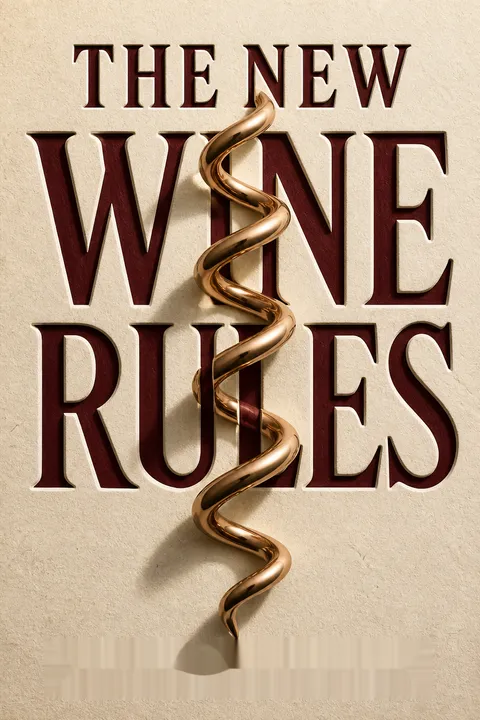


Key Takeaways
Replace wine anxiety with curiosity, and expertise will grow through drinking.
Confidence comes gradually. Jon Bonné argues that enjoying wine does not require a course, a credential, or a performance of expertise. His own understanding grew through years of tasting, but it also included embarrassing mistakes. Early in his career, he rejected Barbera with pizza for being too tannic, although Barbera is known for relatively low tannin. Pretending to know more than he did made him less perceptive, not more expert.
Taste is the point. Wine knowledge is useful when it helps people notice what they enjoy and make choices with more confidence. Curiosity can deepen that pleasure, but memorizing every grape and region is not a prerequisite. The book’s practical invitation is to drink without fear of looking uninformed.
What's valuable here is the distinction between knowledge and status. A useful expert helps someone pay closer attention, while a status performance makes attention feel like a test. The Barbera mistake captures how jargon can harden into false certainty: a label for a wine characteristic does not guarantee that the characteristic is present. This does not make learning irrelevant. It makes learning serve perception and enjoyment, rather than turning wine into an exam with a narrow set of approved answers.
Make variety a habit, because grapes can become many different wines.
Wine has more than two colors. The familiar red-or-white choice misses rosé, orange wines made by fermenting white grapes on their skins, and many styles of sparkling and oxidative wine. Even one grape can yield very different results depending on where and how it is made. Riesling, for example, ranges from bone dry to very sweet.
Explore without abandoning favorites. Bonné’s image of wine as a spectrum is an invitation to keep dependable bottles while making room for unfamiliar grapes, places, and techniques. A light red, a skin-fermented white, or a sparkling wine made outside Champagne can expand a drinker’s sense of what wine can be. The point is not novelty for its own sake, but a wider set of choices.
Variety is more than collecting unfamiliar names. It gives the drinker comparisons: a familiar grape from another region, or a familiar region made in a different style, can reveal which qualities actually matter to personal taste. That is a practical way to learn without turning wine into a memorization project. There is a limit, though: novelty can become its own form of status-seeking. Exploration works best when it remains connected to pleasure, not an obligation to choose the strangest bottle.
Pay for interesting wine, not prestige or a supposed ranking.
Price is a poor quality map. Wine prices reflect more than what is in the bottle: land costs and regional reputation can matter as much as drinking pleasure. Bonné argues that a thoughtfully chosen bottle can be more rewarding than a famous, expensive one. He estimates that distinctive wines are hard to find below £10, especially below £6, but readily available below £15. Bottles above £75 deserve research rather than automatic admiration.
Make discovery social. A good independent wine shop can learn a customer’s preferences and suggest bottles from smaller producers. Describe what you like in ordinary language, then ask for a mixed case or a themed selection. Buying a dozen bottles need not mean buying twelve copies of the same wine.
The strongest consumer insight is to replace prestige signals with a feedback loop: explain what was enjoyable, try a thoughtful alternative, and refine the preference. A trusted shop can make a sprawling market navigable without pretending to remove personal taste from the decision. The specific price thresholds are useful as orientation, not timeless laws. Prices vary by market and change over time, so the more durable lesson is to question whether reputation is adding pleasure or simply adding cost.
Judge wine by sweetness, acidity, texture, and balance, not fruit alone.
Fruit is not sugar. A dry wine has little or no residual sugar, meaning sugar left after fermentation, but it can still taste fruity. Conversely, a wine can have some sweetness and also taste savoury. Riesling shows how one grape can span dry, off-dry, and sweet styles. Acidity adds freshness and makes the mouth water; texture describes how the wine feels, from creamy to sharply drying. Tannin is the bitter, mouth-drying sensation found in some wines, including certain whites.
Describe what you notice. Instead of listing every fruit you think you smell, consider whether the fruit is bright or dark, then notice acidity, texture, sweetness, and tannin. Terms such as mineral or herbal can be evocative, but not every wine description has a single, objective meaning.
This sensory vocabulary shifts attention from naming aromas to noticing relationships. A wine’s fruit character matters, but acidity can make that fruit seem vivid, and texture can determine whether a sip feels refreshing or heavy. That is a more useful mental model than treating each tasting note as a fact to verify. At the same time, tasting remains partly subjective: people differ in sensitivity and associations. Descriptions are most helpful when they communicate experience, not when they claim scientific precision.
Read the place and rules behind a label, not its prestige.
Place names carry different information. An appellation is a regulated wine-growing area whose name can appear on a bottle only when the grapes meet its rules. In many European regions, those rules may also specify grapes, farming practices, yields, or winemaking. American Viticultural Areas, by contrast, define geography but not those production requirements. That is why a place name can tell a buyer more than a grape name in one region, and less in another.
Treat rankings cautiously. Grand Cru can identify a top vineyard in Burgundy, but in Bordeaux the classification concerns wineries, and in Champagne it applies to villages. A broad label such as California or Central Coast may cover grapes from many locations. Estate bottled is not a reliable guarantee of quality or of where the grapes grew.
A label is best read as a map of rules and claims, not as a simple grade. This makes comparison possible: a precise vineyard designation and a broad regional name do not promise the same degree of specificity. The book’s examples also show why prestige terms can mislead when they travel between regions. Still, geographic precision is not a guarantee of deliciousness. Place helps explain what a wine represents; it cannot decide whether a particular drinker will enjoy it.
Treat production claims and bottle flaws as questions, not verdicts.
Labels have limits. Organic certification can refer to grape farming, while certification for organic wine can also govern cellar practices. Biodynamic standards are more specific. Natural wine has no single regulated definition; producers generally aim to reduce additions or processing, but their methods differ. Sulphites occur naturally in wine and are also added as a preservative. Bonné cautions that most wine headaches are unlikely to be caused by sulphite sensitivity, which is uncommon.
Inspect without panicking. A cloudy wine or harmless crystals of tartaric acid at the bottom of a bottle do not necessarily signal a defect. Cork taint, heat damage, excess oxygen, and other faults can make wine unpleasant. If a restaurant bottle seems faulty, raise the concern promptly and politely, before drinking most of it.
This is a useful correction to marketing that treats a production label as a complete account of a wine. A process claim can narrow expectations, but terms without common standards invite different interpretations. The same caution applies to visible signs: cloudiness can reflect minimal filtration, while an attractive label cannot rule out a fault. The practical approach is neither suspicion nor blind trust. Ask what a claim means, then judge the bottle by its actual condition and the experience of drinking it.
Serve wine cool enough to reveal it, in glassware that lets it breathe.
Temperature changes perception. Wine served too cold can lose aroma and texture; wine served too warm can taste unfocused. Bonné suggests serving fresh whites around 8 to 12°C and most reds around 15 to 19°C, cooler than many people serve them. Chilling all bottles a little, then letting them warm as needed, is a workable household method. A red that gets too warm can go back in the fridge.
Give the wine room. Pour only about one-third to just under half a glass, leaving space to swirl and release aromas. A clear, tapered glass with a thin rim is useful for both smelling and tasting. Stems reduce heat from the hand. A decanter can also help a wine open up, and it need not be expensive or elaborate.
These small adjustments make wine service less about ceremony and more about controlling the conditions of perception. Temperature, glass shape, and pour size influence what reaches the senses, so a wine can seem different without the wine itself changing. The advice is practical rather than purist: an ice cube or an ordinary clean jug is preferable to letting anxiety spoil the occasion. The caveat is that ideal serving temperatures are guides. Personal preference and the room’s conditions still matter.
Store carefully, but drink ordinary bottles young and special ones intentionally.
Heat and oxygen shorten a wine’s life. Keep bottles in a dark, cool, temperature-stable place, ideally around 7 to 14°C. A warm kitchen rack, car boot, or sunny counter can damage wine; if there is no cellar or wine fridge, a regular refrigerator is a safer place for short-term storage. Open bottles keep longer in the fridge, including reds. A half-full bottle can be transferred to a smaller container to reduce its exposure to air.
Most wine is for now. Only a minority of bottles improve with extended ageing. Quality wines from regions such as Burgundy, Bordeaux, Piedmont, and Germany may reward years in good storage, while everyday bottles are generally made to drink young. For an older purchase, ask about its storage history and inspect the fill level. Age alone does not prove quality.
The useful distinction is between a wine with ageing potential and a wine that has actually been aged well. Time cannot compensate for heat damage or poor storage, and most bottles offer their intended pleasure without waiting. This reframes collecting as a choice rather than a duty. Saving a special bottle can be meaningful, but postponement has a cost too: the wine may not improve, and the occasion may never feel sufficiently special. Deliberate enjoyment is a sounder reason to open it.
Pair by weight, acidity, sauce, and texture instead of food taboos.
The dish is more than its main ingredient. Consider acidity, salt and spice, texture, weight, and sweetness in both the food and wine. A sauce or seasoning may matter more than whether the plate contains chicken, fish, or vegetables. Slightly sweet Riesling can work with spicy Thai food because sweetness softens heat. Champagne’s acidity and bubbles can cut through the richness of pizza. A light red can suit some fish dishes.
Old prohibitions are not laws. Red wine with fish and wine with asparagus are not automatically wrong. Some pairings are harder: strong oak can overwhelm subtle food, and tannin can clash with the texture of oysters. When a meal combines several styles or ingredients, sparkling wine is often a flexible choice. The best pairing is one that makes the meal more enjoyable.
This approach treats pairing as a problem of balance rather than a matching game. It also travels better across cuisines than rules built around a narrow set of European dishes, since sauces, spice, and preparation shape flavor in many food traditions. The model is not a guarantee: two balanced elements can still taste awkward together, and a diner’s preferences matter. But it gives people a few dimensions to investigate instead of leaving them dependent on supposedly universal pairings.
Make wine decisions a shared conversation, whether ordering, gifting, or hosting.
Ask clearly at restaurants. Tell the sommelier what styles you enjoy and what you want to spend. Asking for two or three suggestions tied to the meal is more useful than asking for a single favorite. A 750 ml bottle provides six 125 ml pours, so compare a glass price with the bottle price; an unusually large pour can also make the cost harder to judge. Check that a bottle arrives closed, taste it, and report a suspected fault promptly.
Plan for actual guests. A useful party estimate is one bottle for every two guests, plus an extra bottle, with a mix of styles unless the meal calls for something specific. A thoughtful, distinctive gift need not be expensive. Hosts can offer choices, but guests should not assume their bottle will be opened.
The shared-conversation principle restores the social purpose of wine service. A sommelier has information about the list; the diner has information about taste, budget, and appetite. Both sides make better choices when that information is exchanged plainly. The arithmetic also turns vague suspicion about restaurant prices into a checkable comparison, while leaving room for restaurants to charge for storage and service. Hospitality follows the same logic: a good bottle matters, but attention to other people matters more.
Analysis
The book is a practical guide disguised as a collection of rules, but its deeper project is to redistribute authority. Wine expertise is usually presented as a body of facts that separates insiders from everyone else. Bonné instead makes expertise a tool for reducing friction: it should help a drinker choose, describe, serve, and enjoy wine without needing to imitate a professional. His own error with Barbera gives this argument a human scale. Even an experienced critic can mistake confident language for accurate judgment.
The book does not replace expertise with the claim that all wines are equally good or that technical knowledge is useless. It keeps distinctions that matter, such as residual sugar, acidity, tannin, provenance, and temperature, while challenging distinctions that often function as status signals. This is its most valuable balance. Wine is not merely subjective preference, because production methods and geography shape what is in the glass. But those facts cannot dictate whether a person should like it, or whether a prestigious bottle is worth its price.
Its practical method is to move from broad reassurance to usable decisions. Try more styles. Learn a few sensory dimensions. Ask a shop employee or sommelier for help without surrendering personal preference. Store bottles sensibly, but do not make ageing an unquestioned virtue. Pair food through structure and preparation, not inherited taboos. The individual rules matter less than the habit of asking what information is useful in a particular moment.
Some advice is tied to the British market and the book’s 2017 context, especially price thresholds and retail practices. Those figures should be treated as historical reference points rather than permanent benchmarks. The broader argument survives those changes: wine is a shifting market, and consumers benefit from curiosity, clear communication, and skepticism toward prestige. The book focuses on enjoyment and consumer judgment, not the health consequences of alcohol, so its invitation to drink joyfully should not be mistaken for a general claim about drinking being risk-free.
Review Summary
Readers find The New Wine Rules to be an excellent introduction to wine, praising its approachability and humor. Many appreciate the book's focus on enjoyment rather than expertise, finding it refreshing compared to other wine guides. While some experienced wine drinkers found it basic, most agree it's perfect for beginners or those looking to build confidence in their wine choices. The book's design and illustrations also receive positive mentions.
People Also Read
Glossary
Drink the rainbow
Explore wine's varietyBonné’s guiding idea that wine should be explored across many grapes, regions, colors, and production styles rather than limited to familiar choices such as red or white. The phrase encourages discovery without requiring drinkers to abandon favorite wines or learn every technical detail.
terroir
A wine's sense of placeA term for the distinctive character associated with a wine’s place of origin. Bonné describes it as the way wines from particular places can taste specific, while emphasizing that the term is complicated and can be used loosely. It should not be confused with simply detecting earthy flavors.
appellation
Regulated wine-growing areaA defined wine-growing area whose name is regulated for use on labels. In many European regions, appellation rules can specify not only geographic boundaries but also permitted grapes and production methods. American Viticultural Areas chiefly define geography, so the information carried by an appellation varies by place.
residual sugar
Sugar left after fermentationThe sugar remaining in wine after fermentation has converted grape sugar into alcohol. A wine with little or no residual sugar is technically dry, but it may still taste fruity. Acidity can also balance sweetness, which helps explain why perceived sweetness does not always map neatly onto a wine’s technical category.
malolactic fermentation
Malic acid becomes lactic acidA conversion in which malic acid, associated with tart green-apple flavors, becomes lactic acid through bacteria. It occurs naturally in most red wines and many whites, and winemakers can also manage it. It is sometimes associated with creamier texture or buttery aromas, but it does not determine a wine’s taste by itself.
natural wine
Wine made with fewer interventionsA loose category for wines made with an effort to minimize additions and processing. There is no single regulated definition, and producers differ in what they avoid or permit. The term therefore describes an intention or set of practices more than a consistent technical standard, and it does not by itself guarantee quality.
Grand Cru
Region-specific quality designationA term meaning great growth, intended to identify important vineyards or wines, but its meaning depends on the region. In Burgundy it designates top vineyards; in Bordeaux it can classify wineries; in Champagne it applies to villages. The term should be interpreted within its local system rather than assumed to have one universal definition.
provenance
A bottle's ownership and storage historyThe history of a wine bottle before it reaches its current buyer, including who owned it, how it was stored, and how it was transported. Provenance is especially important for older wines, because poor storage can damage a bottle regardless of its age or reputation.
FAQ
What's "The New Wine Rules" about?
- Practical Wine Guide: "The New Wine Rules" by Jon Bonné is a practical guide that simplifies the world of wine for everyday enjoyment.
- Focus on Enjoyment: It emphasizes enjoying wine without the intimidation of traditional wine expertise and connoisseurship.
- Modern Wine Culture: The book addresses the evolving wine culture, encouraging readers to explore diverse wine styles and regions.
- Accessible Knowledge: It provides straightforward advice on choosing, serving, and enjoying wine, making it accessible to both novices and enthusiasts.
Why should I read "The New Wine Rules"?
- Demystifies Wine: The book demystifies wine, making it approachable and enjoyable for everyone, regardless of their level of expertise.
- Practical Tips: It offers practical tips for incorporating wine into everyday life, from selecting a bottle to pairing it with food.
- Encourages Exploration: Jon Bonné encourages readers to explore the diverse world of wine, moving beyond familiar choices.
- Focus on Enjoyment: The emphasis is on enjoying wine with joy and curiosity, free from the constraints of traditional wine snobbery.
What are the key takeaways of "The New Wine Rules"?
- Drink the Rainbow: Explore the diverse styles and regions of wine, moving beyond familiar choices like Chardonnay or Pinot Grigio.
- Forget "the Best": Focus on drinking good wines rather than chasing after the most expensive or "best" wines.
- Wine Shop Relationships: Build a relationship with a good wine shop employee to discover wines that match your taste.
- Wine Jargon: Don't be intimidated by wine jargon; use language that feels comfortable to you.
How does Jon Bonné suggest choosing wine in "The New Wine Rules"?
- Explore Diversity: Bonné suggests exploring a wide range of wine styles and regions, rather than sticking to familiar choices.
- Good Wine Shop: Find a good local wine shop with knowledgeable staff who can guide you based on your preferences.
- Forget "the Best": Focus on finding good wines that you enjoy, rather than seeking out the most prestigious labels.
- Trust Your Taste: Ultimately, the best wine is one that you enjoy, so trust your own taste preferences.
What are the best quotes from "The New Wine Rules" and what do they mean?
- "Drink the rainbow." This quote encourages exploring the diverse world of wine, trying different styles and regions.
- "Forget 'the best' wines. Drink good wines." It emphasizes focusing on wines you enjoy rather than chasing after expensive or prestigious labels.
- "Wine is too great a thing to be limited by fear." This quote highlights the importance of enjoying wine without intimidation or fear of judgment.
- "Wine is something that becomes a part of your life in gradual, almost invisible, steps." It suggests that wine appreciation is a journey that unfolds naturally over time.
How does "The New Wine Rules" address wine jargon?
- Use Comfortable Language: Bonné advises using language that feels comfortable to you when discussing wine.
- Avoid Pretentious Terms: He suggests avoiding pretentious or clichéd terms that don't add meaningful insight.
- Focus on Key Terms: The book highlights a few key wine terms that are useful to know, such as "tannic" or "mineral."
- Expressive Descriptions: While some wine terms are technical, others are subjective and expressive, allowing for personal interpretation.
What does Jon Bonné mean by "Drink the rainbow" in "The New Wine Rules"?
- Explore Wine Diversity: "Drink the rainbow" encourages exploring the wide variety of wine styles and colors available today.
- Move Beyond Familiar: It suggests moving beyond familiar choices like Chardonnay or Pinot Grigio to discover new flavors.
- Embrace New Styles: The phrase invites readers to embrace new and diverse wine styles, such as orange wine or skin-fermented whites.
- Enjoy the Experience: Ultimately, it's about enjoying the experience of discovering new wines and expanding your palate.
How does "The New Wine Rules" suggest storing wine?
- Temperature Matters: Store wine between 7°–14°C (45°–58°F) to maintain its quality, avoiding temperatures above 21°C (70°F).
- Avoid Kitchen Storage: Avoid storing wine in the kitchen, as it tends to be too warm and can degrade the wine's flavor.
- Use a Wine Fridge: If possible, use a wine fridge or a cool, dark place to store your wine.
- Keep Bottles Flat: Store bottles on their sides to keep corks moist and prevent premature aging.
What does "The New Wine Rules" say about wine and food pairing?
- No Perfect Pairing: The book emphasizes that there is no single perfect pairing; enjoy what you like with your food.
- Focus on Factors: Consider factors like acidity, texture, and sweetness rather than trying to match specific flavors.
- Break Old Rules: Traditional pairing rules, like red wine with meat, can be broken; focus on what works for you.
- Versatile Wines: Sparkling wines and off-dry Rieslings are highlighted as versatile options for a range of dishes.
How does "The New Wine Rules" address wine pricing?
- Price vs. Quality: Wine price rarely reflects its quality; many factors influence pricing beyond what's in the bottle.
- Value Wines: Look for wines that overdeliver in quality, often from lesser-known regions or out-of-fashion styles.
- Avoid Overpriced Wines: Be cautious of wines priced over £75 unless you've done your homework on their value.
- Explore Lesser-Known Regions: Regions that have fallen out of fashion often offer great value and quality.
What does "The New Wine Rules" say about wine faults?
- Common Faults: The book explains common wine faults like cork taint, oxidation, and reduction, and how to identify them.
- Not Harmful: Most wine faults are not harmful to health but can affect the wine's taste and aroma.
- Speak Up: If you encounter a faulty wine, it's okay to speak up and ask for a replacement.
- Learn to Identify: Learning to identify faults can enhance your wine appreciation and help you make informed choices.
How does "The New Wine Rules" suggest serving wine?
- Proper Temperature: Serve wines at the correct temperature to enhance their flavors and aromas.
- Decanting Benefits: Decanting can improve the taste of both red and white wines by allowing them to breathe.
- Glassware Matters: Use appropriate glassware to fully enjoy the wine's aromas and flavors.
- Pouring Tips: Pour wine to about one-third to one-half of the glass to allow for swirling and aroma release.
Download PDF
Download EPUB
.epub digital book format is ideal for reading ebooks on phones, tablets, and e-readers.








