

Key Takeaways
Treat ancestral eating as a hypothesis about modern mismatch, not a time machine.
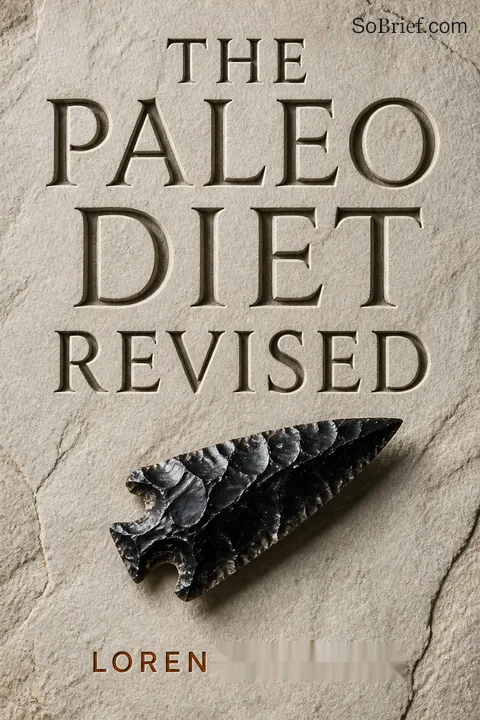
The evolutionary argument. Cordain’s central claim is that human biology changed more slowly than our food supply. Agriculture began about 10,000 years ago, after roughly 2.5 million years in which people hunted, fished, and gathered food. He argues that the shift toward grain staples, dairy, salt, and processed foods helped bring chronic disease. Archaeological evidence cited in the book includes shorter average stature and more dental and bone problems among some early farming populations.
Not one ancient menu. The book draws on fossils, contemporary hunter-gatherer diets, chimpanzee diets, and analyses of wild foods. It also describes substantial variation: some groups ate mostly animal foods, while others relied heavily on plants. The proposed modern diet is therefore an approximation, not a recovered universal recipe.
The evolutionary lens is useful because it asks why a food environment might outpace biological adaptation, a question shared with evolutionary medicine. It also makes the book’s historical story memorable: agriculture solved the problem of feeding larger populations while changing what people ate. But ancient longevity and health are difficult to infer from archaeological remains, and surviving hunter-gatherer societies are not unchanged replicas of the past. Evolution explains constraints, not a single optimal menu. The most defensible takeaway is to examine how modern food patterns affect health, rather than assume that whatever is old is automatically best.
Build meals around lean protein and produce, not grain-based staples.
The everyday pattern. The book’s practical prescription centers on lean meat, fish, and seafood, alongside fruits and nonstarchy vegetables. It excludes grains, legumes, dairy, and most processed foods. Nuts, seeds, and selected oils are included in moderation. The goal is not simply to eat fewer carbohydrates: Cordain favors carbohydrates from fruit and vegetables over refined sugars, flour, and starchy staples.
A seven-part compass. Cordain’s “Seven Keys of the Paleo Diet” gathers the pattern’s recurring aims: emphasize protein and plant foods, favor fiber and micronutrients, choose fats carefully, and limit sodium while increasing potassium-rich foods. These principles are meant to replace calorie counting with food selection. The book estimates that animal foods could supply a little more than half of calories, but it does not require readers to calculate that number.
A food-pattern rule can be easier to apply than tracking every calorie: it shifts attention from isolated nutrients to the plate and the shopping cart. The emphasis on vegetables, fruit, and minimally processed food also overlaps with many conventional nutrition recommendations. The sharper, more debatable move is treating entire categories such as legumes, dairy, and whole grains as generally unsuitable. Those foods vary, and individual tolerance differs. The framework works best as a structured experiment with clear priorities, not as proof that every excluded food harms every person.
Let protein make weight loss less hungry, not effortless.
Two proposed advantages. Cordain argues that protein takes more energy to digest than fat or carbohydrate, a process called dietary-induced thermogenesis. He also draws on studies in which high-protein meals reduced hunger or later food intake. In one study described in the book, women given a meat-based lunch ate 12 percent fewer calories at dinner than women given a carbohydrate-heavy vegetarian lunch.
A human example. Dean, a man who had struggled with repeated diets, lost about 70 pounds in six months after adopting the plan, and reported that he did not feel constantly hungry. The book presents his experience as an illustration, not a controlled trial. Protein may make a calorie deficit easier to sustain, but weight loss still depends on overall energy balance and varies by person.
Satiety is a practical advantage because hunger can undermine even a well-designed eating plan. Protein-rich meals may help people feel full, and the book usefully links that experience to the energy cost of digestion. Still, thermogenesis is not a loophole that makes calories irrelevant, and a dramatic individual result cannot predict what another person will lose. The most useful interpretation is modest: protein can be one tool for managing appetite and preserving a satisfying meal structure. Its role should be assessed alongside total intake, food preferences, and health needs.
Choose fruit and vegetables over refined starch, not all carbohydrates.
Carbohydrate quality matters. The book does not advocate eliminating carbohydrates altogether. It favors fruit and nonstarchy vegetables, which provide fiber and other nutrients, while rejecting refined grains, added sugars, and starchy staples. Cordain uses the glycemic index to distinguish foods by how quickly they raise blood glucose. Glycemic load also considers how much carbohydrate a serving contains, so it better reflects the combined effect of a food’s quality and quantity.
What this changes. A restrictive low-carbohydrate plan might rule out fruit because it contains carbohydrate. Cordain argues that this misses the difference between fruit and refined starch. His approach encourages produce at meals while limiting foods such as bread, pastries, and sugary drinks, which he associates with larger blood-sugar and insulin swings.
The distinction between carbohydrate sources is more useful than treating the macronutrient as a single category. It directs attention to fiber, processing, and how foods are eaten, rather than merely counting grams. However, the book’s rejection of all grains and legumes goes further than its argument about refined starch. Whole grains and legumes can provide fiber and nutrients, and their effects depend on the person and the broader diet. The book is strongest when it warns against letting refined foods crowd out produce, not when it treats every grain-based food as nutritionally equivalent.
Judge fats by source and context, not by the word saturated.
Fat is not one thing. Cordain distinguishes monounsaturated fats, omega-3 and omega-6 polyunsaturated fats, trans fats, and different saturated fats. He favors fish, olive oil, and other sources he considers richer in beneficial fats, while warning against processed meats and heavily grain-fed livestock. The book compares 100-gram portions of T-bone steak and bison roast, reporting about 9.1 grams versus 0.9 grams of saturated fat, respectively.
A qualified position. Cordain says certain saturated fats can raise blood cholesterol, but argues that inflammation also matters to cardiovascular disease. He therefore advises choosing lean, unprocessed meat and avoiding synthetic processed meats, rather than treating all meat or all fats alike. His revised discussion softens the book’s earlier blanket condemnation of saturated fat.
The source-of-fat distinction is a valuable correction to simplistic food labels. The comparison between feedlot meat and leaner game makes the point concrete: the same broad food category can have different fat profiles. Yet the book’s appeal to inflammation should not be read as cancelling concern about LDL cholesterol. Atherosclerosis has multiple contributing processes, but that does not make LDL irrelevant. The practical lesson is to evaluate the whole food and the replacement: swapping processed meat for fish or vegetables differs from replacing it with refined starch.
Put produce beside protein to make the Paleo pattern nutritionally complete.
Not a meat-only plan. Cordain repeatedly pairs animal foods with abundant fruit and nonstarchy vegetables. He argues that produce supplies fiber, vitamins, minerals, and plant compounds, and that plant foods help balance the diet’s animal-protein emphasis. His discussion of bone health stresses that calcium intake is only part of the picture: he also emphasizes calcium loss, potassium, and the amount of produce eaten.
Salt and balance. The book urges readers to reduce added salt and highly salted processed foods, and to favor potassium-rich foods such as vegetables and fruit. It describes an “acid-base” model in which some foods create a dietary acid load and produce helps counter it. This is part of Cordain’s rationale for pairing meat with plants, not a reason to eliminate vegetables or chase a particular blood-pH number.
The strongest practical point here is straightforward: a protein-centered diet still needs plenty of plants. Produce adds fiber and micronutrients, and reducing heavily salted packaged foods is a reasonable way to improve overall food quality. The acid-base explanation deserves more caution. Kidneys and lungs tightly regulate blood pH, so eating particular foods does not meaningfully alkalize the blood in a healthy person. Dietary patterns can affect urine chemistry, but that does not establish all the wider disease claims made in the book.
Make minimally processed food your default to blunt engineered appetite.
Concentration changes eating. Cordain argues that foods combining refined starch, sugar, fat, and salt are unusually easy to overeat. He contrasts these mixtures with intact foods such as fruit, vegetables, and lean meat, which contain more bulk, fiber, or protein. His example is the difference between continuing to eat rich desserts after a meal and finding it difficult to keep eating plain vegetables or lean chicken.
A practical response. The book asks readers to reduce foods that combine several concentrated ingredients, including pastries, chips, and many packaged snacks. Its explanation includes blood-sugar and hormone changes, but the usable principle is broader: make simple, less processed foods the routine choice, so eating well does not depend on resisting a constant stream of highly palatable options.
This argument connects personal appetite to the design of the food environment. When convenience foods are engineered to be rewarding, relying on willpower alone is a poor strategy; changing what is readily available can change what gets eaten. The contrast between “real” and “fake” food is rhetorically effective but too neat if taken literally. Processing includes everything from freezing vegetables to making packaged snacks. A useful distinction is not natural versus artificial, but how a food’s processing, composition, and portioning affect its nutritional value and ease of overconsumption.
Use Paleo eating as a risk-reduction experiment, not a cure.
The book’s health claims. Cordain links the diet to improved insulin sensitivity and discusses possible benefits for metabolic syndrome, cardiovascular disease, digestive disorders, inflammation, and some autoimmune conditions. He offers personal accounts to make the claims tangible. Jack, a health journalist, reports losing 20 pounds in three months while his fasting glucose fell from 111 to 85 mg/dL. Sally reports major improvement in Crohn’s symptoms after changing her diet, but her story cannot establish what caused the change or whether others will respond similarly.
Evidence has levels. The book cites studies and mechanisms, but its broad disease claims vary in evidential strength. A dietary change may complement medical care; it should not be treated as a guaranteed cure or a reason to stop prescribed treatment.
The book is right to make diet part of the conversation about chronic illness, where daily choices can affect risk and symptoms. Its case histories also show why people seek approaches that give them a sense of agency. But anecdotes cannot separate dietary effects from medication, disease course, or other changes. Mechanisms that sound plausible do not prove clinical benefit. This distinction matters especially for autoimmune and digestive disease: dietary experimentation should be monitored with a qualified clinician, particularly when a person is considering major restrictions or changes to treatment.
Build adherence with planned flexibility instead of all-or-nothing rules.
Three levels of commitment. Cordain offers plans with different numbers of “Open Meals,” meaning meals when a person may choose foods outside the diet. Level I allows three per week, Level II allows two, and Level III allows one. The levels let readers begin gradually or follow a stricter pattern, rather than treating one deviation as failure.
Make the pattern practical. The book recommends keeping fruit and vegetables available, cooking extra food for leftovers, and choosing simple meat, seafood, and produce when dining out. It also suggests telling family and friends about the change and asking for support. These tactics address ordinary obstacles: time, travel, social meals, and the difficulty of replacing familiar staples all at once.
A tiered plan recognizes that adherence is a behavior shaped by routines, access, and social life, not just information. Planned flexibility can help prevent a single exception from becoming a reason to abandon the whole effort. The risk is that rigid food rules may make meals stressful or socially isolating for some people. A sustainable approach should preserve the book’s practical strengths, planning, leftovers, and support, while allowing enough choice to fit culture, budget, and individual nutritional needs.
Exercise for insulin sensitivity, strength, and weight maintenance, not quick loss.
Movement has benefits beyond the scale. Cordain describes hunter-gatherer activity as a mix of walking, lifting, carrying, brief hard efforts, and rest. He argues that modern routines remove much of this everyday movement. The book cites research suggesting exercise can improve insulin sensitivity, blood pressure, triglycerides, and fitness, even when it does not produce rapid weight loss on its own.
Start where you are. Its recommendations include regular moderate aerobic activity and strength training, with easier days after harder efforts. It also encourages adding movement to daily life, such as walking during a commute or choosing stairs. Joe Friel, an endurance coach, describes improved training and recovery after changing his diet, but this is one athlete’s experience, not a universal performance guarantee.
The distinction between exercise for weight loss and exercise for health is important. Physical activity may have modest effects on body weight while still improving fitness, metabolic function, and the ability to maintain weight loss. The ancestral comparison makes daily movement feel less like a punishment and more like a normal part of life. Still, the goal should not be to imitate a reconstructed hunter-gatherer schedule exactly. Enjoyment, accessibility, disability, age, and safety all shape what activity is realistic and beneficial.
Analysis
The book’s most durable contribution is its shift in scale. Instead of asking whether one nutrient is good or bad, it asks how a whole food environment interacts with human biology. That framing helps explain why its advice combines lean protein, abundant produce, reduced reliance on packaged foods, and more movement. Its historical narrative also makes nutrition feel consequential: agriculture expanded food supply and supported civilization, while changing the foods that dominated daily life.
The evolutionary argument is suggestive, not decisive. Hunter-gatherer diets varied widely, and archaeological evidence cannot provide a clean trial of ancestral eating against modern eating. Nor does the fact that a food is recent prove that it is harmful. Evolutionary mismatch is a useful source of hypotheses, but randomized trials and long-term health outcomes are needed to test them. This is especially relevant to the book’s broad exclusions of grains, legumes, and dairy, and to claims that the diet treats numerous chronic diseases.
The book also dates from a period when nutrition debates often framed food choices as competing camps: low-fat versus low-carb, meat versus plants, or modern advice versus ancestral wisdom. Its most actionable insights survive those binaries. Build meals from satisfying protein and fiber-rich produce, limit highly processed foods, and use physical activity for health beyond weight loss. Its claims about dietary acid and alkaline balance, and some disease-specific benefits, need more skepticism than its general advice about food quality.
Readers can treat the plan as a structured way to test whether a less processed, produce-rich pattern suits them, rather than as a universal prescription. The book itself emphasizes individual differences and offers flexible adherence levels. Major restrictions may require attention to nutrient adequacy, cost, culture, and medical circumstances. For chronic illness, dietary changes can complement care but should not replace professional diagnosis or treatment. The valuable question is not whether the Stone Age was perfect, but which parts of this food pattern improve a person’s health in a measurable and sustainable way.
Review Summary
The Paleo Diet Revised receives mixed reviews. Some praise its focus on whole foods and evolutionary logic, while others criticize its restrictions and outdated nutritional claims. Supporters report weight loss and health improvements, but critics argue it's too restrictive and lacks scientific evidence. The book's writing style and tone are criticized as preachy and oversimplified. Readers appreciate the general concept of eating unprocessed foods but question specific recommendations like avoiding grains and dairy. Overall, opinions are divided on the diet's long-term effectiveness and scientific validity.
People Also Read








Glossary
Paleo Diet
An ancestral-style food patternCordain’s eating plan modeled on foods he argues were common before agriculture: lean meats, fish, seafood, fruits, and nonstarchy vegetables. It excludes grains, legumes, dairy, and most processed foods, while allowing selected nuts, seeds, and oils. The book presents this pattern as a modern approximation, not a literal recreation of every ancestral diet.
Seven Keys of the Paleo Diet
Seven nutrition prioritiesCordain’s named summary of the dietary characteristics he believes recur in hunter-gatherer diets and support health. The priorities include more animal protein than in typical modern diets, carbohydrates mainly from fruit and vegetables, abundant fiber and plant nutrients, selected fats, and a favorable sodium-potassium and acid-base balance. It organizes the rationale for the program rather than prescribing precise daily calculations.
Open Meals
Planned meals outside the planMeals in Cordain’s three-level program when a person may eat foods that are otherwise excluded. The entry level allows three Open Meals per week, the maintenance level allows two, and the maximal-weight-loss level allows one. They are intended as limited flexibility for social occasions and transition, not as an invitation to compensate with unusually large portions.
dietary-induced thermogenesis (DIT)
Energy used to process foodThe energy the body expends digesting, absorbing, and metabolizing food. Cordain argues that protein produces a larger thermic effect than fat or carbohydrate, so a higher-protein diet may increase energy expenditure. DIT is one proposed contributor to protein’s weight-management effects, alongside its potential to increase fullness; it does not mean energy intake is irrelevant.
glycemic load
A food’s blood-sugar impactA measure that combines a food’s glycemic index, which describes how quickly its carbohydrate raises blood glucose, with the amount of carbohydrate in a serving. Cordain uses the concept to distinguish carbohydrate sources and portions. In the book, fruit and nonstarchy vegetables are favored over refined starches and sugars because they are presented as lower-impact sources of carbohydrate.
metabolic syndrome
A cluster of metabolic risk factorsThe book uses this term for a group of conditions associated with insulin resistance, including type 2 diabetes, high blood pressure, obesity, and unhealthy blood lipid patterns. Cordain argues that food choices that stabilize blood sugar and insulin may improve these risks. The term describes a cluster, not one disease with a single cause or treatment.
protein toxicity
Illness from excessive lean proteinCordain’s term for the illness that can occur when a person relies on very large quantities of extremely lean meat without enough fat or carbohydrate. The body has limits on processing the nitrogen produced during protein metabolism. The book also calls this condition “rabbit starvation,” drawing on reports of explorers who ate only lean game.
Lyon Diet Heart Study
A post-heart-attack diet trialA dietary intervention study cited by Cordain that compared a reduced-fat American Heart Association diet with a Mediterranean-style diet among people who had survived a heart attack. The Mediterranean pattern emphasized fruits and vegetables and fats including omega-3 and monounsaturated fats. Cordain highlights its reported cardiovascular benefit as evidence for the value of overall dietary patterns rather than simply reducing total fat.
FAQ
What's The Paleo Diet Revised about?
- Ancestral Eating Focus: The Paleo Diet Revised by Loren Cordain emphasizes consuming foods similar to those eaten by our hunter-gatherer ancestors, such as lean meats, fish, fruits, and vegetables.
- Modern Diet Critique: It argues that modern diets, rich in processed foods, grains, and dairy, are not aligned with our genetic makeup and contribute to health issues.
- Health Benefits: The book outlines how adopting a Paleo diet can prevent and heal diseases like obesity, type 2 diabetes, and heart disease.
- Practical Implementation: Cordain provides meal plans, recipes, and tips for dining out to help readers transition to the Paleo diet.
Why should I read The Paleo Diet Revised?
- Scientific Backing: The book is grounded in extensive research and scientific studies supporting the health benefits of the Paleo diet.
- Personal Success Stories: It includes testimonials from individuals who have improved their health and lost weight by following the Paleo diet.
- Comprehensive Approach: The book covers dietary guidelines, exercise, and lifestyle changes, offering a holistic approach to health improvement.
What are the key takeaways of The Paleo Diet Revised?
- Eat Like Ancestors: Focus on consuming foods available to Paleolithic ancestors, such as lean meats, fish, fruits, and vegetables, while avoiding grains, dairy, and processed foods.
- Health Improvement: Adopting the Paleo diet can lead to weight loss, better metabolic health, and reduced risk of chronic diseases.
- Sustainable Lifestyle: The Paleo diet is presented as a sustainable lifestyle choice with long-term health benefits, not just a temporary diet.
What are the best quotes from The Paleo Diet Revised and what do they mean?
- “We are Stone Agers living in the Space Age.”: Highlights the mismatch between our genetic makeup and modern diets filled with processed foods.
- “The Paleo Diet is the one and only diet that ideally fits our genetic makeup.”: Emphasizes that the Paleo diet is rooted in our biological needs, not just a fad.
- “Eating the way our hunter-gatherer ancestors ate—the diet that nature intended.”: Advocates for a return to natural, unprocessed foods for optimal health.
What are the main principles of the Paleo diet as outlined in The Paleo Diet Revised?
- Lean Meats and Seafood: Encourages consumption of lean meats, fish, and seafood as primary protein sources, aligning with ancestral dietary habits.
- Fruits and Vegetables: A significant portion of the diet should come from non-starchy fruits and vegetables for essential nutrients and fiber.
- Avoid Processed Foods: Excludes grains, legumes, dairy, and processed foods, which are believed to cause health issues and are not part of ancestral diets.
How does the Paleo diet help with weight loss according to The Paleo Diet Revised?
- High Protein Intake: Emphasizes lean protein, which increases metabolism and reduces appetite, aiding weight loss.
- Balanced Blood Sugar: Avoids high-glycemic foods, stabilizing blood sugar levels and reducing cravings.
- Natural Food Choices: Focuses on whole, unprocessed foods, leading to a more satisfying diet and sustainable weight loss.
What are the health benefits of the Paleo diet mentioned in The Paleo Diet Revised?
- Reduced Risk of Chronic Diseases: Can lower the risk of diseases like type 2 diabetes, heart disease, and metabolic syndrome.
- Improved Metabolic Health: Enhances insulin sensitivity and normalizes blood sugar levels, preventing metabolic disorders.
- Enhanced Digestive Health: High fiber content from fruits and vegetables promotes healthy digestion and reduces digestive disorders.
What foods should I avoid on the Paleo diet as per The Paleo Diet Revised?
- Grains and Legumes: Excludes all forms of grains and legumes due to potential inflammation and digestive issues.
- Dairy Products: Avoids dairy, as it was not part of the Paleolithic diet and can cause health problems.
- Processed Foods and Sugars: Prohibits processed foods, refined sugars, and unhealthy fats, which are linked to health issues.
How can I transition to the Paleo diet according to The Paleo Diet Revised?
- Gradual Changes: Suggests making gradual dietary changes, starting with eliminating processed foods and adding more lean meats, fruits, and vegetables.
- Meal Planning: Planning meals ahead helps ensure availability of Paleo-friendly foods and reduces temptation to revert to old habits.
- Flexibility in Adherence: Introduces three levels of adherence to the diet, allowing occasional indulgences for long-term sustainability.
What role does exercise play in the Paleo lifestyle as discussed in The Paleo Diet Revised?
- Natural Movement: Emphasizes exercise as a natural part of life, similar to ancestral movement patterns like walking and lifting.
- Complementing the Diet: Exercise enhances the benefits of the Paleo diet by improving health, increasing metabolism, and aiding weight loss.
- Variety of Activities: Encourages activities that mimic ancestral movements, making exercise enjoyable and sustainable.
How does The Paleo Diet address food allergies and intolerances?
- Elimination of Common Allergens: Naturally excludes common allergens like gluten and lactose, benefiting those with sensitivities.
- Focus on Whole Foods: Emphasizes whole, unprocessed foods, reducing the likelihood of allergic reactions.
- Personalized Approach: Encourages listening to the body and adjusting the diet to avoid foods that cause discomfort.
What are some practical tips for shopping on the Paleo Diet?
- Choose Fresh and Local: Prioritize fresh, seasonal produce and local meats for nutrient-dense, preservative-free options.
- Read Labels Carefully: Be vigilant about avoiding hidden sugars, grains, and unhealthy fats in food labels.
- Avoid Processed Foods: Focus on whole foods that align with Paleo principles, steering clear of processed items.
Download PDF
Download EPUB
.epub digital book format is ideal for reading ebooks on phones, tablets, and e-readers.








