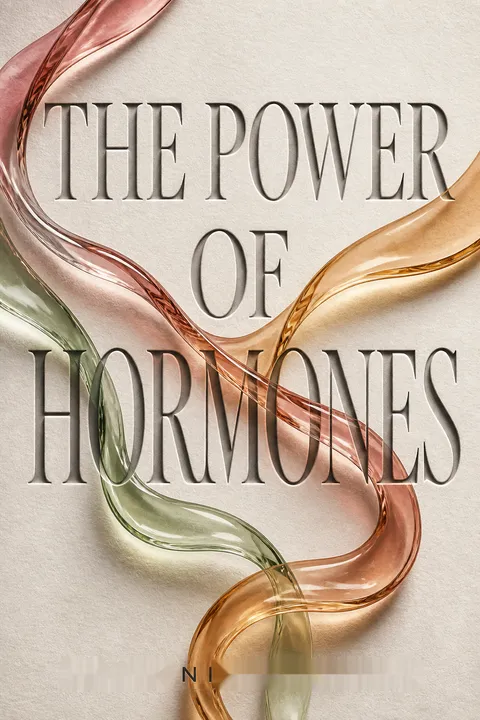


Key Takeaways
Treat hormones as a communicating system, not isolated chemical switches
Signals coordinate the body. Hormones are chemical messengers that travel through blood and other fluids to cells with the right receptors. They can start, slow, or stop processes, and they interact with one another. The hypothalamus and pituitary gland help coordinate this traffic, linking the brain with hormone-producing organs throughout the body.
A small signal can matter. In South Africa, the author treated Muna, a child whose thyroid had failed to develop. Without thyroid hormone in early life, she suffered lasting developmental harm. Newborn heel-prick screening in the Netherlands, introduced in 1974, now detects congenital conditions including hypothyroidism, allowing treatment before damage occurs. The history of hormones also shows why they are not magic: an 1889 experimenter credited animal testicle injections with renewed vigor, though a placebo effect was a plausible explanation.
What's valuable is the shift from thinking of hormones as isolated substances to seeing them as a communication network. That resembles systems biology, which studies how many interacting parts produce outcomes that no single part can explain. Muna's case also gives the idea practical force: the timing of a signal can matter as much as its presence. Yet a network metaphor can make every symptom seem hormonal. Good diagnosis still depends on testing, context, and considering non-hormonal causes rather than treating a blood result as a complete explanation.
Protect early development from disruption, when small hormonal shifts can leave long shadows
Early signals shape development. The book describes mini-puberty, a normal surge of sex hormones from shortly after birth to roughly age two. It is mostly invisible, but it coincides with rapid development of the brain and reproductive system. A separate condition, precocious puberty, means puberty begins unusually early and can shorten adult height and create social strain.
Exposure deserves care. Hormone-like substances in some foods, cosmetics, plastics, and pesticides may affect developing bodies. The author describes breast growth linked to heavy use of lavender products or fennel tea, and concerns about phthalates in plastics. These examples do not mean ordinary exposure inevitably causes illness. The broader concern is that early exposure, especially in pregnancy and infancy, may matter more because organs and hormone systems are still developing.
Developmental timing is a powerful lens: the same exposure can plausibly have different effects in a fetus, an infant, and an adult. This connects endocrine science with developmental biology, where early conditions can alter later vulnerability without changing the DNA sequence itself. The caution is that striking case reports are not proof of a common danger. Dose, route, and duration matter, and the book acknowledges that long delays and individual differences make these effects difficult to establish. Precaution is most useful when it targets well-supported risks, not when it turns everyday life into a hunt for invisible toxins.
Read fertility as a whole-body signal, not merely a reproductive problem
Reproduction starts centrally. The hypothalamus releases GnRH, which prompts the pituitary gland to release FSH and LH. These signals coordinate the ovaries or testes, helping mature eggs or sperm and regulating ovulation. Women are born with a finite supply of eggs, while men produce sperm continually, though sperm quality can decline with age and environmental exposures.
The surrounding conditions count. Anna, a patient struggling to conceive, worked long hours, slept little, exercised intensely, and had stopped menstruating. The author suspected stress and energy shortage could be involved, while emphasizing that infertility is complex. Research on people conceived during the Dutch famine of 1944-45 found later differences in fertility and metabolic health. Treatments such as IVF can help, but hormone stimulation carries risks, including the rare ovarian hyperstimulation syndrome.
The whole-body framing helps explain why fertility problems cannot always be solved by focusing on the ovaries or sperm alone. Energy availability, stress, sleep, and underlying disease can all be relevant to reproductive function. The same framing must not turn into blame: infertility is multifactorial, and an individual's work habits or weight cannot be assumed to be its cause. A sound clinical approach distinguishes plausible contributing conditions from proven explanations, then offers investigation and treatment without implying that relaxation alone is a cure.
Let hormones inform behavior without turning biology into destiny
Hormones influence, not dictate. Puberty brings rising sex hormones while the brain systems involved in emotion and reward mature on a different timetable from those involved in planning. That imbalance can help explain impulsive choices, but it does not erase personal responsibility or the effects of family and culture. The book also describes research associating early hormone levels with some later play preferences, while noting that social experience matters too.
Identity is not a hormone test. The author presents transgender and intersex experiences as part of human variation, not as unnatural exceptions. Studies of brain structures and hormone exposure may offer clues about gender identity and sexual orientation, but the evidence does not reduce either to one biological cause. Supportive care and acceptance matter; the book describes puberty suppression and other medical options as decisions made through specialist assessment.
This section is strongest when it treats biology as one contributor among several, rather than as a verdict about character or identity. Developmental neuroscience similarly distinguishes predispositions from fixed outcomes: context can shape how biological tendencies are expressed. Brain averages, however, cannot diagnose an individual's identity, and animal behavior cannot settle human social questions. The distinction between influence and destiny protects both scientific accuracy and human dignity. It also leaves room for responsibility without pretending that every person begins with the same biological or social conditions.
Treat obesity as a defended biological state, not a character flaw
Hunger has deep roots. Ghrelin rises when the stomach is empty and encourages eating; leptin, produced by fat tissue, helps signal that energy stores are sufficient. Other gut hormones also contribute to satiety. The brain integrates these signals with food cues and reward. Sleep disruption can tilt the balance toward hunger and high-calorie foods, adding another pressure to an already complicated system.
Weight can resist change. The author uses set-point weight for the body's tendency to defend a familiar weight, helping explain why weight often returns after dieting. Maria, a patient whose weight rose after pregnancy, faced pain, exhaustion, financial strain, and constant hunger. After a gastric bypass, she lost about six stone and kept it off at the time described. Surgery can be effective, but it is a serious intervention, not a shortcut or a population-wide solution.
The biological account corrects the assumption that body weight is simply a test of discipline. Appetite, sleep, metabolism, food access, and stress interact, while social disadvantage can make healthy options harder to obtain. Behavioral economics adds another useful point: people make choices within environments designed to steer attention and consumption. Still, set-point weight is best treated as a model of resistance, not a literal thermostat with one unchangeable setting. Individual responses vary, and respectful care includes both medical options and attention to the conditions shaping a person's choices.
Treat gut microbes as hormone partners, while separating promise from proof
The gut sends signals. The microbiome is the community of microorganisms living in and on the body, especially in the gut. These organisms help break down food, interact with immune cells, and influence hormone-related processes involving digestion, metabolism, and the brain. Their composition can vary with diet, medicines, birth, and other features of a person's environment.
A clinical story shows potential. The author recounts treating an older woman with severe Clostridium difficile infection after antibiotics. A transplant of stool from her healthy son changed the bacterial community and her chronic diarrhea improved. This approach became useful for recurrent C. difficile infection. Research into effects on insulin sensitivity, mood, or weight is more preliminary. The book's central point is not that microbes explain everything, but that they are part of the body's regulatory system.
The microbiome is compelling because it adds an ecological layer to human physiology: health can depend partly on the relationships among organisms, not just on the host's cells. The transplant story shows that microbial communities can be clinically altered in at least one well-defined illness. But a treatment's success for one infection does not establish it as a cure for obesity, depression, or hormonal disease. The field needs evidence that separates cause from correlation and identifies which patients benefit. That standard helps preserve genuine promise without rewarding commercial hype.
Use hormone therapy for diagnosed needs, not as a shortcut to youth or performance
Replacement is not replication. Medicines can supply a missing hormone, but they cannot perfectly reproduce the body's timed, responsive pattern of release. Treatment therefore depends on a clear diagnosis and careful adjustment. The book's history includes growth hormone taken from human cadavers, which transmitted fatal Creutzfeldt-Jakob disease, and DES, a synthetic estrogen given during pregnancy that was later linked to serious harms among offspring.
More is not automatically better. Anabolic steroids can increase muscle mass while suppressing the body's own testosterone production and causing health problems. Hormone treatments can also have benefits: thyroid medication protects children with congenital hypothyroidism, and selected patients may use hormone therapy for severe symptoms. The author also warns that women's symptoms and treatment needs have often been studied less carefully than men's, contributing to missed or delayed diagnoses.
Hormones are potent precisely because they participate in many processes at once. A medicine aimed at one outcome can alter fertility, mood, metabolism, or cardiovascular risk, making the balance of benefits and harms central rather than incidental. This is a classic problem in pharmacology: the body is not a collection of independent switches. The history also supports skepticism toward claims that natural or synthetic hormones can restore youth. Skepticism should not become therapeutic nihilism, though. Well-diagnosed deficiencies and severe symptoms can justify treatment when monitoring and shared decisions are part of care.
Treat midlife hormone changes individually, rather than assuming every symptom needs replacement
The transitions differ. Menopause follows the depletion of a woman's remaining eggs and a major fall in estrogen, often around age fifty. Symptoms can include hot flushes, sleep disruption, mood changes, and vaginal dryness, but some women have few problems while others struggle significantly. Men experience a slower decline in testosterone, not the same abrupt transition. The book calls clinically significant low androgen in older men ADAM, for androgen deficiency in the ageing male.
Match treatment to symptoms. A patient named Iris had severe hot flushes that disrupted her public work and sleep; estrogen therapy relieved them. Hormone therapy can help some people, but studies have also found risks, including small increases in certain cancers and cardiovascular disease with some regimens. Most men who suspect low testosterone do not actually have a deficiency. Lifestyle, other illnesses, and personal risk all belong in the decision.
Individual variation matters because the same biological transition can be barely noticeable for one person and disabling for another. This is a useful corrective to both extremes: treating menopause as a disease by default, or dismissing severe symptoms as an inevitable inconvenience. Cultural expectations can also shape how people interpret bodily changes and whether they seek help. The evidence supports individualized assessment, not a universal hormone prescription. A symptom's impact on daily life, a person's medical history, and the specific treatment regimen all affect whether the likely benefit justifies the risk.
Build sleep, strength, and metabolic health before ageing reduces your reserves
Age changes the settings. Homeostasis is the body's effort to maintain internal balance as conditions change. In older age, hormone levels and their daily rhythms shift, and a value that signals disease in a younger adult may not mean the same thing in an older person. The hypothalamus helps coordinate these systems. Research on stem cells and ageing offers intriguing possibilities, but much of the evidence discussed is from animals, not proven anti-ageing treatment for people.
Daily habits still count. Ludo, a 94-year-old patient, remained active, swam, walked, and ate modestly. The book also describes Okinawan practice of stopping a meal before feeling completely full. Such habits are not a guarantee of longevity, but sleep, movement, and nutrition support muscle, bone, and metabolic health. The author cautions against using supplements such as testosterone or DHEA as if they could reverse ageing.
The distinction between calendar age and functional health is valuable because it directs attention toward capacities people can maintain, such as strength, mobility, and restorative sleep. Those measures are more actionable than chasing a youthful hormone number. The hypothalamus and stem-cell findings are scientifically intriguing, but animal results do not establish a human longevity treatment. Aging also reflects social conditions, disease, and chance, not only personal habits. A humane version of prevention improves health and independence without implying that people who become ill simply failed to optimize themselves.
Analysis
The book's central contribution is a change in scale. Hormones are not presented merely as substances to measure or replace, but as signals connecting brain, organs, gut microbes, environment, and behavior across a lifespan. The narrative follows that movement from Muna, whose untreated thyroid deficiency shaped her development, through fertility, appetite, identity, midlife transitions, and old age. Patient stories make an invisible regulatory system legible, while historical episodes show that the urge to manipulate hormones has repeatedly outrun the evidence.
Its strongest practical lesson is disciplined humility. Hormones can explain why a body behaves in ways that seem puzzling, but they rarely explain a person completely. A laboratory result is a snapshot of a dynamic system; a hormone can have different effects depending on timing, dose, receptors, age, and interacting signals. The author's insistence that biology influences behavior without excusing it is especially important. It resists both simplistic blame and biological fatalism.
The book also reveals a tension in popular science writing. Vivid examples, from fertility myths to the possible hormonal history of public figures, help readers remember the material, yet some of these claims remain speculative. The same caution applies to proposed links among hormones, brain differences, pheromones, and complex identities. The most reliable sections distinguish established clinical practice from emerging research; readers should apply that evidence hierarchy throughout.
The broadest implication is that endocrine health cannot be reduced to pills, willpower, or a single lifestyle prescription. Prevention and treatment depend on systems: screening that catches rare but damaging deficiencies, environments that do not impose avoidable risks, respectful care for weight and reproductive concerns, and therapies tailored to an individual's actual need. The book's optimism is therefore strongest when it points toward better measurement and more precise care, not a hormonal elixir. It leaves readers with a useful model: the body's signals are powerful, interconnected, and consequential, but understanding them requires context as much as chemistry.
Review Summary
The Power of Hormones receives mixed reviews. Readers appreciate its accessible explanation of hormones' impact on human life, praising the engaging writing and comprehensive coverage. However, many criticize the book for oversimplification, outdated views, and insensitive language regarding gender and weight issues. Some find the writing style disorganized and repetitive. Despite these drawbacks, many readers still find value in the book's informative content about the endocrine system and its effects on various aspects of health and development throughout life stages.
People Also Read




Glossary
Endocrine system
Hormone signaling networkThe body's system of hormone-producing glands, tissues, and target cells. Hormones travel through blood and other fluids, carrying signals that regulate functions such as growth, metabolism, reproduction, stress responses, and sleep. The system is coordinated in part by the hypothalamus and pituitary gland, and its signals interact rather than operating independently.
Mini-puberty
Early-life sex hormone surgeA normal period of increased sex hormone activity that begins shortly after birth and lasts roughly through the first two years of life. Hormone levels can briefly resemble those seen at puberty, although most babies show few outward changes. The period may offer a window into reproductive development and the effects of hormones on the growing brain.
Endocrine disruptors
Hormone-interfering substancesChemicals or plant-derived substances that can interfere with hormone signaling. They may imitate a hormone, block its action, or alter how the body produces or processes it. The book discusses possible sources including some plastics, pesticides, cosmetics, and foods. Potential effects depend on factors such as dose, timing, and exposure, and some suspected harms remain uncertain.
Epigenetic change
Altered gene activityA change in how genes are regulated or expressed without changing the underlying DNA sequence. The book uses the term to describe how conditions such as stress or undernutrition during early development may influence the body's later functioning. Such changes can affect vulnerability to disease, but they do not mean that a person's genetic code has been rewritten.
Set-point weight
Defended body-weight tendencyThe idea that the brain and body can resist changes in weight and tend to defend a familiar range. After weight loss, appetite and energy regulation may shift in ways that encourage regain, helping explain the common yo-yo pattern. The term is a model of biological resistance, not a claim that every person has one fixed, unchangeable weight.
Microbiome
Community of resident microbesThe collective microorganisms living in and on the body, including bacteria, fungi, viruses, and yeasts. The book focuses especially on the gut community, which helps process food, interacts with the immune system, and can influence hormone-related signaling. Its composition varies among people and can be affected by factors such as diet, medication, and birth.
Bikini medicine
Male-centered medical blind spotA term used for the assumption that women's bodies differ from men's mainly in reproductive anatomy, leaving other sex-specific differences underexamined. The book applies it to gaps in medical research and practice, including differences in symptoms, disease progression, and medication effects. Correcting the blind spot requires studying and treating women as more than a variation on a male norm.
ADAM
Age-related androgen deficiencyAn abbreviation for androgen deficiency in the ageing male, used for clinically meaningful low levels of male sex hormones in older men. Possible symptoms include reduced libido, lower muscle mass, weaker bones, and changes in mood. The book distinguishes the diagnosis from the normal gradual decline in testosterone with age and cautions that symptoms alone do not establish a hormone deficiency.
FAQ
What’s [The Power of Hormones] by Max Nieuwdorp about?
- Comprehensive exploration of hormones: The book examines how hormones shape every aspect of our lives, from development in the womb to old age, influencing health, personality, and behavior.
- Endocrine system focus: Nieuwdorp presents the endocrine system as the body’s conductor, orchestrating physical, mental, and social health through hormonal balance.
- Scientific, historical, and personal stories: The narrative blends modern research, historical milestones, and patient case studies to make complex endocrinology accessible and engaging.
Why should I read [The Power of Hormones] by Max Nieuwdorp?
- Understand hormone impact: The book reveals how hormonal imbalances contribute to common and complex health issues, empowering readers to recognize symptoms and appreciate hormonal health.
- Bridges science and daily life: Nieuwdorp connects cutting-edge endocrinology with practical advice, using real-life stories and historical context to make the science relevant.
- Challenges myths and pseudoscience: The author debunks misconceptions about hormones, advocating for evidence-based understanding and responsible medical intervention.
What are the key takeaways from [The Power of Hormones] by Max Nieuwdorp?
- Hormones are central: Hormones influence development, behavior, disease, and well-being throughout life, requiring a delicate balance affected by genetics, environment, and lifestyle.
- Respect for complexity: Nieuwdorp urges caution in medical interventions, emphasizing the need for ongoing research and a nuanced approach to hormone therapies.
- Lifestyle matters: Diet, exercise, stress management, and gut health play crucial roles in maintaining hormonal balance and overall health.
What are the best quotes from [The Power of Hormones] by Max Nieuwdorp and what do they mean?
- Hilary Mantel’s Foreword: “The hormonal profile of an individual determines much of the manifest personality… When endocrine patterns change, it alters the way you think and feel.” This highlights how deeply hormones shape our identity and mental state.
- Nieuwdorp’s caution: “As doctors, we shouldn’t mess with it too much, but we shouldn’t become complacent either.” This underscores the importance of both respecting and actively researching the endocrine system.
- On hormone balance: The book repeatedly stresses the delicate interplay between hormones, environment, and lifestyle, warning against simplistic solutions or interventions.
How does [The Power of Hormones] by Max Nieuwdorp explain the role of hormones in human development and personality?
- Hormonal profile shapes self: Hormones influence personality, behavior, and mental health, with changes in endocrine patterns altering how we think and feel.
- Critical early development: Hormones like thyroid hormone are vital from the womb, affecting growth and brain development; deficiencies can cause lifelong disabilities.
- Behavioral effects: Hormonal imbalances can dramatically change personality and behavior, as illustrated by patient stories of thyroid disorders and other endocrine conditions.
What is the history and significance of hormone research according to [The Power of Hormones] by Max Nieuwdorp?
- Origins of endocrinology: The term ‘hormone’ was coined in 1902, with early experiments like Berthold’s rooster study revealing hormones’ power before their formal discovery.
- Medical breakthroughs: The book covers milestones such as the discovery of insulin, corticosteroids, and the contraceptive pill, which transformed medicine and society.
- Double-edged impact: Hormone discoveries have led to both major advances and cautionary tales, highlighting the need for careful application and ongoing research.
How does [The Power of Hormones] by Max Nieuwdorp describe the regulation of reproduction and fertility?
- Brain-gonad connection: The hypothalamus and pituitary gland control reproductive hormones, enabling egg and sperm development and ovulation.
- Male vs. female fertility: Men produce sperm continuously, while women have a finite number of eggs, explaining differences in fertility and age-related decline.
- Environmental and stress effects: Factors like stress, nutrition, and environmental toxins can impact fertility, contributing to issues like ‘unexplained infertility’ and declining sperm quality.
What is “mini-puberty” and how does it affect toddlers according to [The Power of Hormones] by Max Nieuwdorp?
- Early hormone surge: Mini-puberty is a period from one week to two years after birth when babies experience a surge in sex hormones, similar to puberty.
- Physical and behavioral effects: This surge can cause temporary breast swelling, spotting in girls, and may influence early behavior and brain development.
- Long-term implications: Excessive mini-puberty or exposure to endocrine disruptors can lead to early puberty or hormonal imbalances, affecting growth and psychosocial development.
How do endocrine disruptors and environmental factors impact hormone balance in children as explained in [The Power of Hormones] by Max Nieuwdorp?
- Sources of disruptors: Chemicals in plastics, pesticides, and certain plant-based substances can mimic or interfere with hormones, affecting children’s development.
- Effects on puberty and fertility: Exposure can cause early breast development, precocious puberty, and fertility issues, with rising cases linked to environmental toxins.
- Epigenetic risks: Disruptors may alter gene expression, affecting not only the exposed child but potentially future generations, emphasizing the need for vigilance.
What role do gut bacteria play in hormone balance and health according to [The Power of Hormones] by Max Nieuwdorp?
- Gut as hormone producer: The gut microbiome produces and influences hormones like serotonin and dopamine, affecting mood, metabolism, and immune function.
- Microbiome and disease: Imbalances in gut bacteria are linked to conditions such as depression, obesity, diabetes, and autoimmune diseases.
- Therapeutic potential: Fecal transplantation and dietary changes can restore healthy gut flora, improving hormonal health and overall well-being.
How does [The Power of Hormones] by Max Nieuwdorp address hormonal changes in menopause and male ageing (andropause)?
- Menopause in women: Declining egg cells and oestrogen lead to menopause, causing symptoms like hot flushes and mood changes; hormone therapy can help but carries risks.
- Andropause in men: Men experience a gradual decline in testosterone, leading to symptoms like reduced libido and muscle mass; true deficiency is rare, and treatment is complex.
- Evolutionary and social context: The book discusses how hormonal changes in old age may have adaptive benefits, such as reduced risky behavior and improved social cognition.
What does [The Power of Hormones] by Max Nieuwdorp say about the use and risks of anabolic steroids?
- Historical development: The book traces the discovery and medical use of testosterone and anabolic steroids, and their adoption in sports and bodybuilding.
- Health risks: Steroid misuse can cause heart disease, infertility, mood swings, and ‘roid rage’; excessive testosterone can paradoxically reduce masculinity.
- Societal concerns: Steroid use extends beyond athletes to youth and livestock, raising public health and regulatory challenges.
What practical advice does [The Power of Hormones] by Max Nieuwdorp offer for managing stress and supporting hormonal health?
- Stress hormone effects: Chronic stress increases cortisol, impacting metabolism, immune function, and brain health, and can lead to conditions like Cushing’s syndrome.
- Stress reduction techniques: Practices like yoga, breathing exercises, and meditation are shown to lower cortisol and improve well-being.
- Balanced approach: Nieuwdorp advocates for retaining the positive aspects of stress while avoiding chronic overload, emphasizing lifestyle adjustments and mindful practices.
Download PDF
Download EPUB
.epub digital book format is ideal for reading ebooks on phones, tablets, and e-readers.








