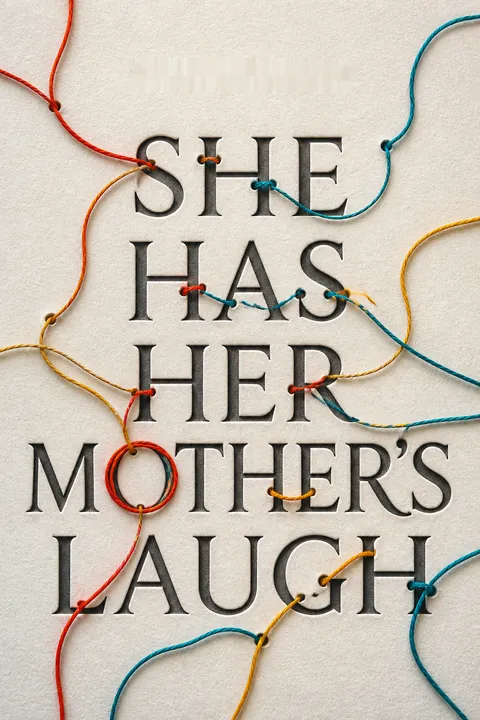


Key Takeaways
Heredity is bigger than the DNA parents pass to children
A wider inheritance. Carl Zimmer opens with a genetic counseling appointment during his wife’s pregnancy. He can write about genes, yet cannot answer basic questions about his own family history. The moment exposes a gap between heredity as a familiar word and heredity as a complicated biological process. Genes are one channel, but the book also follows inheritance inside the body, through microbes, and across generations through learned knowledge and human-shaped environments.
An old meaning returns. The word once referred chiefly to legal succession: heirs receiving property, titles, and power. Modern genetics narrowed its meaning to biological transmission. Zimmer’s larger claim is not that genes matter less, but that heredity has always been broader than a single molecule or family tree.
What's striking is how the opening turns a technical subject into a question of responsibility: what does a parent pass on, and what can no parent fully know? The broader definition connects biology with anthropology and history, where food, language, institutions, and land also travel across generations. The expansion needs one guardrail: influence is not always inheritance in the strict biological sense. Keeping transmission distinct from shaping conditions makes the larger idea more useful, not less expansive.
Treat Mendel's ratios as a powerful rule, not heredity's whole law
A limited but useful rule. Gregor Mendel crossed pea plants with contrasting traits. Some traits disappeared in one generation and returned in the next; counting thousands of plants revealed recurring ratios. His model explained how separate inherited factors could pass between generations without blending together. Later scientists connected those patterns to genes and chromosome behavior during meiosis, the cell division that makes eggs and sperm.
Life has other routes. Mendel’s patterns apply most clearly to organisms with paired chromosomes and sexual reproduction. Bacteria can copy themselves, exchange DNA with unrelated microbes, or acquire genetic material carried by viruses. Even among plants and animals, some genes distort the usual odds of transmission. Mendel gave biology a powerful map of one inheritance system, not a universal rule for every living thing.
The distinction between a powerful model and a universal law is a useful lesson in scientific reasoning. Models earn their value by stating where they work, not by explaining everything. Mendelian inheritance remains indispensable for predicting some diseases and breeding outcomes, while microbial gene exchange and biased inheritance reveal its boundary conditions. That combination is a strength of the book: complexity does not erase simple rules, but it prevents simple rules from becoming slogans.
Demand better evidence before turning family trees into public policy
A pedigree became a weapon. At the Vineland Training School, psychologist Henry Goddard labeled Emma Wolverton a moron and presented her family as proof that intellectual disability, crime, and poverty passed together through heredity. His book, The Kallikak Family, helped popularize intelligence testing and eugenic policies, including institutionalization and sterilization.
The evidence was rotten. Goddard’s researcher misidentified two men with the same surname as father and son. Emma’s relatives included teachers, workers, and other ordinary people, while deprivation and abuse shaped many family members’ lives. The supposed genetic experiment was no experiment at all. Yet its claims traveled into law, immigration policy, and Nazi propaganda. The history shows how a confident pedigree can conceal weak measurement, biased assumptions, and social conditions mistaken for biology.
This case is a study in how measurement can acquire authority before its meaning is secure. An intelligence score can help identify a child who needs support, but it cannot by itself diagnose an inherited essence or justify restricting someone’s rights. The same caution applies whenever family histories are used to explain social outcomes. Good causal reasoning asks what else differs between the groups being compared, especially access to food, safety, schooling, and medical care.
A genetic diagnosis can open a door that fatalism shuts
A name changed the outlook. In 1934, Norwegian physician Asbjørn Følling investigated the unusual odor and developmental difficulties affecting two siblings. Their urine produced a striking chemical reaction. He traced it to phenylketonuria, or PKU, a recessive disorder in which the body cannot properly break down phenylalanine. A child inherits the condition only when both parents pass along a faulty copy of the relevant gene.
Treatment required timing. A diet low in phenylalanine could prevent much of the brain damage, but only if begun early and followed consistently. Pearl Buck’s daughter Carol was not diagnosed until adulthood, after years in an institution. Later newborn screening made earlier intervention possible. PKU is not simply cured by discovering a gene: its outcome depends on diagnosis, access to care, and the demanding daily diet.
PKU clarifies a crucial distinction: a condition can be strongly genetic without being an unchangeable fate. The mutation explains the biochemical vulnerability; food and medical care help determine whether that vulnerability becomes disabling. This is a powerful case for precision medicine, but also a reminder that treatment is not just a technical breakthrough. Screening has value only when families can obtain diagnosis, specialized foods, and sustained support.
Measure genes and conditions together when explaining human traits
Complex traits have many causes. Height looks simple because it can be measured with a tape, yet hundreds of genetic variants influence it, most with tiny effects. Studies estimate that height is highly heritable in some populations, but that does not mean a person’s height is genetically fixed. Europeans grew dramatically taller over the past century as nutrition, sanitation, and health improved. South Koreans also grew taller while North Koreans, facing very different conditions, did not share the same gains.
Intelligence is no exception. Twin studies suggest that genetic differences help explain variation in test scores, but schooling, iodine, lead exposure, poverty, and other experiences matter too. Heritability describes differences within a particular population and environment. It does not tell how much of an individual trait comes from genes, or why two groups differ.
The book’s treatment of heritability helps prevent a common statistical mistake: turning a population estimate into a personal forecast. A high heritability estimate can coexist with large environmental change, as the height record demonstrates. The same logic challenges claims about group differences. If groups have unequal conditions, observed gaps cannot be assigned to genes merely because a trait is heritable within each group. Context is part of the explanation, not background noise.
Read race as history and power, not biological destiny
Categories were built, not discovered. European ideas about race grew alongside colonialism and slavery. Laws and authorities used ancestry to assign status, justify enslavement, and police who could marry or hold office. Those categories changed from place to place, revealing their political purpose. They did not describe clean, separate biological groups.
Genetic variation is shared. A study of human proteins by Richard Lewontin found that only 6.3 percent of measured genetic diversity lay between the racial groups used in the analysis; most variation was within populations. Later DNA studies have reinforced the broad point: human ancestry is real and geographically patterned, but human populations have repeatedly migrated and mixed. Race remains socially consequential because laws and institutions have made it so. Its social force does not make it a precise map of genetic difference.
The distinction between race and ancestry is essential for both science and public life. Ancestry can help explain particular inherited risks, while broad racial labels often blur variation and invite false biological stories. At the same time, calling race socially constructed must not imply that its consequences are imaginary. Social categories can shape housing, health care, stress, and wealth for generations. The book’s strongest move is to reject biological hierarchy without denying lived inequality.
Your body contains several cellular histories, not one perfect genome
Cells inherit from cells. The body begins with a fertilized egg, then grows through trillions of divisions. Each cell descends from earlier cells, creating internal lineages as well as family lineages. Mutations can arise during development and spread through only some tissues. This variation within one body is called mosaicism. It can be harmless, cause disease, or, in rare cases, repair a faulty gene.
Some bodies contain more than one person's cells. Fraternal twin calves can exchange cells through linked placentas. Human twins and mothers and fetuses can also exchange cells, sometimes leaving lasting populations of genetically distinct cells. Such a body is called a chimera. These cases complicate genetic tests: a blood sample may not represent the genes in a person’s heart, skin, or reproductive cells.
This cellular perspective unsettles the idea that a person is one genome wrapped in one body. It also has practical consequences: a test based on one tissue can miss a mutation confined elsewhere, and genetic evidence of kinship may not match ordinary family categories. The point is not that identity becomes unknowable. Rather, biological identity is layered, and the best account depends on which tissue, lineage, or relationship is being examined.
Keep epigenetic inheritance plausible, but separate evidence from hype
Genes can be regulated without being rewritten. The epigenome is a set of molecular marks and controls that influence which genes are active without changing the DNA sequence. During development, these controls help cells become skin, muscle, or nerve, then pass aspects of that state to their descendants. In female mammals, cells silence one of their two X chromosomes; that choice is copied as those cells divide.
Inheritance across generations is a harder claim. The toadflax plant Peloria can pass down a distinctive methylation pattern that silences a flower-shaping gene, producing unusual blossoms. Some animal studies suggest that stress or exposure may influence descendants, but the mechanisms and durability remain debated. Animal germ cells undergo extensive epigenetic resetting, making it difficult to show that an acquired mark survives into later generations.
Epigenetics is most compelling when it explains how the same DNA supports different cell identities and responses. The temptation is to jump from that well-established role to dramatic stories of inherited trauma or memory. Those claims require stronger evidence because family members also share environments, behavior, and social conditions. The book’s measured stance is valuable: keep investigating non-genetic transmission, while distinguishing cellular memory within one body from inheritance across generations.
Count microbes, culture, and landscapes among life's inheritances
Life is not biologically solitary. The one-fin flashlight fish does not make its own light; bacteria living in a specialized organ do the work. Other animals inherit essential microbial partners, and humans acquire microbes from mothers, families, food, and surroundings. These communities can affect digestion, immunity, and health, while human genes also influence which microbes thrive.
People inherit knowledge and altered worlds. Yandruwandha people knew how to prepare nardoo safely; European explorers who copied the food without the learned method became ill. That knowledge accumulated through social teaching. Human traditions also reshape land. Farming, fire, and industry leave descendants not only tools and customs but changed ecosystems, wealth systems, and climate. Such cultural and ecological inheritances are not DNA, but they alter the conditions in which future generations live.
This broader account connects heredity to cultural evolution and ecological systems. Knowledge can accumulate far faster than genetic change, while landscapes retain the consequences of past choices. The contrast between the Yandruwandha and the explorers shows that intelligence alone cannot replace inherited expertise. Still, these channels differ: a learned practice can be revised within a lifetime, while a genetic variant follows different rules. A useful theory of inheritance should include both without pretending they are interchangeable.
Edit heredity cautiously, especially when changes can escape one family
Precision changes the stakes. CRISPR, adapted from a bacterial defense system, can guide molecular tools to a chosen DNA sequence. It has accelerated crop research and could help treat genetic disease. Editing ordinary body cells affects one patient; editing embryos could pass changes to descendants. The distinction matters because future people cannot consent, and early experiments also produced embryos containing a mixture of edited and unedited cells.
Gene drives reach beyond individuals. A gene drive biases inheritance so a genetic change spreads through a population more often than ordinary inheritance predicts. Researchers have proposed using one to reduce malaria transmission, but a drive released into the wild could be difficult to recall and might affect ecosystems in unforeseen ways. The history of introduced cane toads in Australia is a warning: a planned fix can become an inherited environmental problem.
The ethical question is not simply whether editing is natural or artificial. People already reshape heredity through breeding, medicine, and reproductive choices. The sharper questions concern reversibility, consent, distribution of benefits, and who bears ecological risk. Gene drives deserve especially cautious governance because the affected community includes future generations and nonhuman species. Scientific possibility is not a mandate to proceed; public deliberation must help define the problem before a powerful tool is released.
Analysis
Zimmer’s central achievement is to turn heredity from a narrow molecular story into a layered account of continuity. The narrative moves from the author’s anxiety in a genetics counselor’s office through royal dynasties, breeding experiments, eugenic abuses, molecular genetics, cellular development, microbial partnerships, cultural learning, and genome editing. This movement matters because each new scale revises the intuitive picture without making genes disappear. A gene can be decisive in PKU, yet insufficient to explain height, intelligence, or social advantage. A body can inherit DNA from parents and also contain cellular descendants, microbial partners, and developmental histories.
The historical thread is not decorative. It demonstrates that people bring political assumptions to heredity before the science can settle them. The Habsburgs treated blood as a guarantee of legitimate power; eugenicists used early genetics to turn class and racial prejudice into policy. Later corrections did not make heredity innocent. They made its claims more precise and its consequences more consequential.
The book’s most useful conceptual move is to distinguish genetic transmission from the many processes that shape what gets transmitted, expressed, or experienced. That breadth is also its main analytical risk. If every durable influence is called heredity, the word may lose explanatory precision. Cultural teaching, ecological change, epigenetic marks, and DNA all persist differently and need distinct causal models. The strongest reading therefore treats broader heredity as a research agenda, not a license to collapse unlike mechanisms into one category.
The closing ethical argument follows from that distinction. Editing a gene is not equivalent to determining a person’s future, and a genetic change does not automatically sweep through a species. Yet interventions can reshape family options, public expectations, and ecosystems. The practical lesson is disciplined humility: understand the mechanism, identify the scale of consequence, and ask who inherits the result. Heredity is not a verdict handed down intact. It is a set of interacting pathways through which the past keeps affecting the present and the future.
Review Summary
She Has Her Mother's Laugh is a comprehensive exploration of heredity, from ancient concepts to modern genetic science. Zimmer weaves historical anecdotes with scientific discoveries, covering topics like eugenics, epigenetics, and CRISPR. Readers praise the book's accessibility, engaging storytelling, and thorough research. While some found it overly long, most appreciated its depth and breadth. The book challenges simplistic notions of inheritance, revealing the complex interplay of genes, environment, and culture in shaping who we are.
People Also Read

Glossary
Mendel's Law
Rules for gene transmissionA set of inheritance patterns identified by Gregor Mendel through experiments crossing pea plants. In simple cases, paired hereditary factors separate when reproductive cells form, producing predictable ratios in offspring. The book emphasizes that these patterns explain an important form of inheritance, especially in sexually reproducing organisms, but do not govern every biological system.
Germ line
Lineage producing reproductive cellsThe cellular lineage that gives rise to eggs or sperm and can transmit genetic material to the next generation. August Weismann distinguished germ cells from somatic cells, which make up the rest of the body. The distinction helps explain why many changes acquired by ordinary body cells are not directly inherited by children.
Pangenesis
Darwin's proposed heredity theoryCharles Darwin's hypothetical explanation for heredity. He proposed that cells throughout the body released tiny particles, called gemmules, which traveled to reproductive cells and contributed to offspring development. The theory attempted to explain family resemblance and the inheritance of acquired traits, but its proposed mechanism was not supported by later experiments.
Heritability
Genetic share of population variationA statistical estimate of how much variation in a trait, within a particular population and set of conditions, is associated with genetic variation. It does not state what percentage of an individual's trait comes from genes, nor does it show that a trait cannot change. Estimates can differ when populations or environments differ.
Genetic essentialism
Genes treated as fixed essenceA way of thinking that treats genes as the hidden essence of a person or group, and assumes that inherited traits are fixed, defining, and difficult to change. Zimmer describes how this intuition can make genetic explanations feel more certain than the evidence warrants, especially when people interpret social differences as biological destiny.
Mosaicism
Genetic variation within one bodyThe presence of genetically distinct cell lineages within a single organism. Mosaicism can arise when a mutation or chromosome error occurs after fertilization and is passed to only some descendant cells. Its effects depend on when the change occurs and which tissues inherit it. It can be harmless, harmful, or occasionally restorative.
Chimerism
Cells from distinct genetic originsA condition in which one organism contains cell populations originating from more than one fertilized egg or individual. It can occur when twins exchange cells during development or when two early embryos fuse. Because different tissues may contain different genetic lineages, a genetic sample from one part of the body may not represent the whole person.
Microchimerism
Small foreign cell populationsThe persistence of a small number of cells from one individual within another individual. During pregnancy, cells can cross the placenta in either direction and remain in the mother or child for years. These cells may be found in multiple tissues. Research investigates whether they influence health, but their effects are not fully settled.
Epigenome
Controls on gene activityThe collection of molecular marks and regulatory processes that influence which genes are active in a cell without changing the underlying DNA sequence. Epigenetic controls help cells develop and maintain distinct identities, such as muscle or skin. Some marks persist when cells divide, though transmission of acquired marks across animal generations is more contested.
Gene drive
Biased inheritance that spreads genesA genetic system that causes a particular genetic element to pass to offspring more often than standard inheritance would predict. Natural gene drives occur in several organisms. Researchers have proposed engineered drives to spread traits through populations, including disease resistance, but such changes could be difficult to contain or reverse.
Microbiome
Microbes living in a hostThe community of microorganisms living in and on an organism. Human microbiomes include many bacterial species that can affect digestion, immune development, and other processes. People acquire microbes from family members and their surroundings, while host genes and behavior influence which microbes persist. The microbiome is diverse and differs substantially between individuals.
Cumulative culture
Knowledge built across generationsA form of cultural change in which people learn practices from others, preserve them, and add improvements that later generations can adopt. The process supports skills too complex for individuals to reinvent alone, from food preparation to toolmaking. Teaching, imitation, cooperation, and reliable transmission help cultural knowledge accumulate.
CRISPR
Guide-based DNA editing systemA bacterial defense system that stores fragments of viral DNA and uses RNA guides with Cas proteins to recognize and cut matching sequences. Researchers adapted this mechanism to target chosen DNA sequences in other organisms. CRISPR can enable precise genetic changes, though accuracy, unintended effects, and the consequences of heritable edits remain important concerns.
FAQ
What's She Has Her Mother's Laugh about?
- Exploration of heredity: The book delves into the science of heredity, tracing its history from ancient beliefs to modern genetics. It examines how traits are passed down through generations and the implications of these processes on society.
- Intertwined stories: Carl Zimmer weaves personal narratives with scientific discoveries, illustrating the human impact of genetic research. The book includes stories of individuals affected by genetic conditions and the societal consequences of eugenics.
- Science and pseudoscience: Zimmer contrasts legitimate scientific advancements in genetics with the harmful pseudosciences that have misused heredity, such as eugenics and racial ideologies. This duality highlights the potential for both progress and peril in understanding heredity.
Why should I read She Has Her Mother's Laugh?
- Engaging storytelling: Zimmer is known for his ability to make complex scientific topics accessible and engaging. His narrative style combines personal anecdotes with scientific explanations, making the book both informative and enjoyable.
- Timely relevance: The book addresses contemporary issues surrounding genetics, such as genetic testing and the ethical implications of genetic engineering. Understanding these topics is increasingly important in today's society.
- Broad appeal: Whether you are a science enthusiast or someone interested in personal stories, the book offers something for everyone. It invites readers to reflect on their own family histories and the science behind them.
What are the key takeaways of She Has Her Mother's Laugh?
- Heredity is complex: The book emphasizes that heredity is not just about genes; it encompasses a wide range of biological and environmental factors. Zimmer encourages readers to rethink simplistic notions of inheritance.
- Impact of genetics on society: Zimmer discusses how genetic research has shaped societal views on race, intelligence, and disability. He warns against the misuse of genetic information for discriminatory practices.
- Personal connection to science: The author illustrates how genetics affects individual lives, making the science personal and relatable. This connection fosters a deeper understanding of the implications of heredity.
What are the best quotes from She Has Her Mother's Laugh and what do they mean?
- “The whole subject of inheritance is wonderful.” This quote reflects the awe and complexity of heredity, suggesting that understanding it can lead to profound insights about life and identity.
- “Heredity continues within us, as a single cell gives rise to a pedigree of trillions of cells.” This highlights the idea that heredity is not just about familial connections but also about the biological processes that shape our very being.
- “We should try to redefine the word heredity, to create a more generous definition that’s closer to nature than to our demands and fears.” Zimmer advocates for a broader understanding of heredity that includes environmental influences and the interconnectedness of life.
How does She Has Her Mother's Laugh address the history of genetics?
- Historical context: Zimmer traces the evolution of genetic science from early theories of inheritance to the modern understanding of DNA. He discusses key figures and milestones that shaped the field.
- Pseudoscience and eugenics: The book critically examines how genetics has been misused in the past, particularly through eugenics and racial theories. Zimmer highlights the dangers of applying genetic concepts without ethical considerations.
- Lessons learned: By reflecting on the history of genetics, Zimmer encourages readers to be cautious about how genetic information is used in society today. He emphasizes the importance of ethical responsibility in scientific research.
What role do personal stories play in She Has Her Mother's Laugh?
- Humanizing science: Zimmer uses personal narratives to illustrate the real-world implications of genetic research. These stories make the science relatable and emphasize its impact on individuals and families.
- Diverse perspectives: The book includes a variety of voices, from scientists to individuals affected by genetic conditions. This diversity enriches the narrative and provides a comprehensive view of heredity.
- Emotional resonance: Personal stories evoke empathy and understanding, allowing readers to connect emotionally with the scientific concepts discussed. This connection enhances the overall impact of the book.
How does She Has Her Mother's Laugh explain the concept of heredity?
- Definition of heredity: Zimmer defines heredity as the process by which traits are passed from parents to offspring, encompassing both genetic and environmental factors. He emphasizes that it is a complex interplay rather than a straightforward transmission.
- Mechanisms of inheritance: The book discusses various mechanisms of inheritance, including Mendelian genetics and modern understandings of DNA. Zimmer explains how these mechanisms influence traits and behaviors.
- Broader implications: Zimmer argues that heredity extends beyond genes to include cultural and environmental influences. He encourages readers to consider how these factors shape identity and society.
What are the dangers of misunderstanding heredity as discussed in She Has Her Mother's Laugh?
- Eugenics and discrimination: Zimmer warns that misinterpretations of heredity can lead to harmful ideologies, such as eugenics, which promote discrimination based on perceived genetic superiority. This has historically resulted in significant social injustices.
- Oversimplification of traits: The book cautions against oversimplifying complex traits, such as intelligence or behavior, as purely genetic. Such views can lead to fatalistic attitudes and neglect of environmental influences.
- Ethical concerns: Zimmer highlights the ethical dilemmas posed by genetic testing and manipulation. He urges readers to consider the moral implications of using genetic information in ways that could harm individuals or communities.
How does She Has Her Mother's Laugh relate to contemporary genetic issues?
- Genetic testing: The book discusses the rise of genetic testing and its implications for individuals and families. Zimmer explores how this technology can empower people but also raise ethical concerns.
- CRISPR and gene editing: Zimmer addresses the advancements in gene editing technologies, such as CRISPR, and their potential to reshape heredity. He emphasizes the need for careful consideration of the consequences of such powerful tools.
- Social implications: The author reflects on how contemporary genetic issues intersect with societal values, including race, disability, and identity. He encourages readers to engage critically with these topics as they evolve.
What scientific concepts are central to She Has Her Mother's Laugh?
- Mendelian genetics: The book explains Mendel’s principles of inheritance, including dominant and recessive traits. Zimmer illustrates how these concepts laid the groundwork for modern genetics.
- DNA and genes: Zimmer discusses the structure and function of DNA, emphasizing its role in heredity. He explains how genes encode traits and how mutations can lead to genetic disorders.
- Epigenetics: The book touches on the emerging field of epigenetics, which studies how environmental factors can influence gene expression. Zimmer highlights the complexity of heredity beyond simple genetic inheritance.
How does She Has Her Mother's Laugh encourage readers to rethink heredity?
- Complexity of inheritance: Zimmer challenges readers to move beyond simplistic views of heredity as solely genetic. He emphasizes the importance of considering environmental and cultural influences on traits.
- Interconnectedness of life: The book promotes a view of heredity that recognizes the interconnectedness of all living beings. Zimmer encourages readers to appreciate the shared history and biology that bind us together.
- Ethical responsibility: Zimmer calls for a more ethical approach to genetic research and its applications. He urges readers to consider the implications of their understanding of heredity on society and future generations.
About the Author
Download PDF
Download EPUB
.epub digital book format is ideal for reading ebooks on phones, tablets, and e-readers.








