

Key Takeaways
Build around who you are becoming, not what you are collecting
A purpose beyond status. Kelly’s central claim is that life’s deeper work is becoming the “best version of yourself,” meaning a more fully developed person who uses their abilities well and grows in body, relationships, mind, and spirit. What a person owns or achieves matters less than who they become through pursuing it. The book challenges a culture that treats job titles, income, and possessions as measures of a life well lived.
A life made coherent. Kelly contrasts a life with a guiding purpose against one made of disconnected episodes, busy but without a meaningful thread. His Picasso story illustrates the distinction: the artist’s craft grew from a lifetime of practice, while the book describes his personal relationships as repeatedly broken off. Skill in one area, Kelly argues, is not a substitute for bringing purpose into the whole of life.
The distinction between achievement and development gives ambition a more durable target: a person can miss a promotion yet still become more capable, generous, or wise. This resembles approaches to motivation that emphasize mastery over status, because progress remains possible even when outcomes depend on other people. The phrase “best version” is useful as a direction, not a fixed ideal. Taken literally, it can turn self-improvement into endless self-surveillance. Its humane reading is less about perfecting a person than about asking whether a pursuit helps them live with greater integrity.
Write down what you want before other people choose your priorities
Make desire visible. When Kelly asks eighty-four graduating seniors what they want from life, most answers fade after a handful of students speak. Some name money, a career, love, travel, or happiness, but few can explain how they would pursue those aims. He sees the silence as a sign that many people have not seriously clarified what matters to them.
Use a living list. Kelly recommends writing down hopes without editing them, dating the list, and returning to it after a year. His dream-book, a journal of ambitions and ideas, showed him that some old goals had become small as he grew, while other aims no longer mattered. The exercise is not a binding contract. It is a way to notice what has changed and whether daily choices serve a considered direction.
Writing converts a vague wish into something that can be inspected, revised, and compared with actual behavior. That simple step counters a familiar planning error: people often spend more time reacting to immediate demands than deciding which demands deserve attention. A dated list also creates a record of change, not just a target. The caution is that goals can become borrowed status symbols, especially when prestige is mistaken for desire. Revisiting the list matters as much as making it, because honest priorities can change with age, relationships, and circumstance.
Treat happiness as evidence of alignment, not a trophy at the finish
Happiness follows a direction. Kelly argues that success, pleasure, and entertainment can contribute to happiness, but none guarantees it. A promotion may feel good briefly, and pleasure can lose its appeal when pursued without limits. Lasting fulfillment, in his account, grows from activities that help a person develop and live according to a meaningful purpose.
Four dimensions matter. Exercise, sleep, and nourishing food can support physical well-being. Investing in relationships deepens emotional life. Reading can enlarge understanding, while quiet reflection or prayer can strengthen spiritual direction. The puzzle, Kelly says, is that people often know these practices help, yet claim they are too busy. They may be busy pursuing happiness while neglecting the habits that make a satisfying life possible.
This view treats happiness less as a mood to chase and more as feedback about how a life is organized. That connects with the distinction between immediate pleasure and longer-term well-being: rewarding sensations matter, but they are not the only measure of a good life. The four-part account also resists reducing health to productivity or physical fitness alone. Its limit is that distress is not always evidence of poor priorities. Illness, grief, and economic insecurity can persist despite thoughtful living, so purpose should support people through difficulty, not become a reason to blame them for it.
Feed body, bonds, mind, and spirit before the tank runs empty
Survival is not thriving. Kelly calls basic requirements such as food and water primary needs, while needs that sustain fuller well-being are secondary. Regular movement, restorative sleep, healthy relationships, learning, and time for spiritual reflection belong to this second group. They may not feel urgent, but neglecting them can leave a person functioning without much vitality.
Relationships need room. During a break in Austria, Kelly realized that travel and work had left him isolated from friends. A weekend in Geneva with an old college friend offered companionship without pressure and reminded him that connection was a real need, not a luxury. He also argues that relationships rarely deepen when squeezed into a few exhausted minutes. Unhurried time makes space for people to share more than schedules and errands.
The distinction between surviving and thriving is a practical antidote to the tyranny of whatever is loudest on a to-do list. It also resembles a systems view of health: bodily energy, social connection, learning, and meaning affect one another rather than operating as sealed compartments. The friendship story makes the emotional dimension tangible. Still, needs differ across people and stages of life, and some cannot meet them through individual effort alone. Work conditions, caregiving, disability, and poverty shape how much time and choice a person actually has.
Find your work where talent, desire, and genuine human need overlap
Look for the overlap. Kelly’s Three Circles is a way to picture a life shaped by three elements: personal talents, legitimate needs, and the desires that give effort meaning. The aim is not to make every hour feel effortless. It is to build a life in which abilities are used, essential needs are respected, and work or service feels connected to something worth doing.
Genius is not fame. Kelly’s mother is his example. She was not a celebrity or wealthy professional, yet she could comfort one child and celebrate another without making either feel lost in a large family. He calls this a form of genius because it was a distinctive ability put to meaningful use. A person’s talent may be parenting, teaching, creating, or helping another person succeed, not necessarily public achievement.
This model usefully joins vocational fit with human contribution. Work is more sustainable when it draws on ability and matters to the worker, but talent alone is not a complete guide: a highly skilled pursuit can still neglect relationships or health. The circle of need adds a grounding test, while the example of Kelly’s mother broadens the definition of excellence beyond prestige. The idea also invites a practical question: what evidence shows that a talent is genuinely useful? Feedback from people served can keep a cherished self-image connected to real value.
Let a clear purpose decide which good opportunities deserve a yes
Choose with a compass. Kelly describes Point A as the person one is now, with strengths, weaknesses, and unrealized potential. Point B represents the person one hopes to become. The path between them gives daily decisions a test: does this choice help or hinder that growth? A life principle, a concise statement of purpose, can make that test easier to remember and apply.
Good can still cost too much. In 1997, Kelly was speaking and traveling constantly, and his schedule looked like success. Severe exhaustion forced him to stop. During recovery, he saw that worthwhile invitations had crowded out sleep, relationships, exercise, and reflection. The lesson was not to reject meaningful work, but to recognize that even an opportunity to do good can be wrong for a person at a particular time.
Purpose works here as a decision filter, not merely inspiration. It makes trade-offs visible before a calendar fills itself, and it gives a person grounds to decline an attractive opportunity without treating every refusal as failure. The burnout story also complicates a simplistic equation between service and virtue: good intentions do not erase the costs of overextension. Purpose can become too rigid, however, if a guiding statement is treated as an unchangeable rule. A useful compass must orient decisions while leaving room for new information and changing responsibilities.
Practice freedom by saying no to what has started commanding you
Choice needs self-command. Kelly defines freedom not as having unlimited options, but as being able to choose what one judges to be right. He uses “minimalism” in a specialized sense: the habit of asking for the least effort that will still secure an acceptable result. That outlook can spread from school or work into relationships, health, and personal character.
Test what rules you. In Austria, Kelly’s roommate asked whether he was free from chocolate. Kelly tried to abstain, failed several times, and eventually went without it for more than three months. He took the experiment as evidence that a routine pleasure had begun to control him. He also argues that unwanted habits are more effectively displaced by healthier patterns than simply left as an empty space.
The freedom test shifts attention from whether a behavior is socially acceptable to whether a person can choose it deliberately. That distinction is valuable for everyday habits, especially when repeated behavior narrows attention and crowds out other commitments. Replacing a behavior also makes sense as a practical strategy because it supplies an alternative routine, not merely a prohibition. The chocolate example should not be treated as a diagnostic test for addiction. Serious substance use or compulsive behavior can require professional care, social support, and treatment beyond willpower or a short abstinence challenge.
Protect daily sleep, quiet, and weekly rest as infrastructure, not rewards
Restore a livable rhythm. Kelly names three instruments for building a steadier life: regular sleep, a daily period of prayer and reflection called the sacred hour, and a weekly day for rest and renewal. Together, they create structure at the daily and weekly levels. The sacred hour can include silence, reading, prayer, walking, or reflection; it is not limited to repeating formal prayers.
Recovery changed the pace. After his doctor insisted he take three months away from speaking and travel, Kelly began eating, sleeping, exercising, studying, and praying more regularly. He describes the return of energy and enjoyment as a result of rebuilding neglected roots. He also recommends making one day each week less dominated by work, with room for family, leisure, learning, worship, or simple rest.
The strongest feature of this rhythm is that it treats recovery as part of a functioning life, not a prize granted after all work is done. Regular sleep and protected breaks also counter the common tendency to interpret exhaustion as proof of commitment. The spiritual practice is offered in a distinctly religious frame, yet its practical functions include reflection, attention, and reorientation. A fixed hour or full day off may be inaccessible to some people, so the principle is more adaptable than the prescription: create repeatable, protected intervals of restoration within real constraints.
Build excellence through repeated preparation, not wishful talent
Turn a dream into practice. Kelly’s account of excellence joins self-knowledge to a defined aim, a plan, repeated effort, and perseverance. It also emphasizes attention to one’s thoughts, commitment to the work, belief in the goal, relationships, and clear communication. These are not guarantees of fame; they are habits that make sustained effort more likely.
Preparation makes performance possible. Kelly describes violinist Itzhak Perlman practicing for about nine hours on a typical day, with prayer and visualization before a concert. The point is not that talent is irrelevant, but that extraordinary performance is built long before the audience arrives. Kelly also recounts childhood spelling tests: small improvements, encouraged by his mother, helped him believe that a task he had found impossible could be learned.
The examples connect high performance with deliberate preparation and manageable progress, rather than with a sudden gift or lucky break. Small wins can strengthen confidence because they provide concrete evidence of growing capacity. Visualization is most useful when paired with rehearsal and feedback, as the Perlman example implies; imagining success alone does not substitute for practice. The book’s emphasis on perseverance deserves a boundary: persistence is not always wise when a goal is harmful or circumstances change. Excellence includes knowing when to revise the aim, not only how to endure difficulty.
Make your ambition matter by improving someone else's actual day
Achievement can become service. Kelly distinguishes public recognition from greatness of character. A meaningful life uses a person’s abilities to help others, whether through public leadership or ordinary acts of attention and care. He urges readers to notice the person whose day they could improve and choose a concrete gesture, such as writing to an old friend or making time to listen.
Small acts still count. In the starfish story, a boy returns stranded starfish to the sea one at a time. An older man points out that he cannot rescue them all. The boy continues because each rescued animal matters individually. The story captures Kelly’s argument that contribution is measured not only by scale, but by the real difference made to someone within reach. He also warns against postponing family and relationships until after the next achievement.
The move from personal fulfillment to service prevents self-development from collapsing into self-absorption. The starfish story makes the scale of impact concrete: limited reach does not make a specific act meaningless. This resonates with the idea that prosocial behavior can strengthen connection and a sense of purpose, while attention itself is a scarce gift. Yet private kindness cannot replace collective action when problems are structural. The strongest reading holds both levels together: help the person nearby, and remain attentive to the systems that keep producing preventable need.
Analysis
The book’s organizing idea is not simply that people should dream bigger. It is that a life becomes coherent when purpose, personal needs, talents, and daily rhythms reinforce one another. Kelly’s own collapse supplies the narrative proof: a schedule full of apparently valuable work still became destructive when it ignored sleep, friendship, physical health, and spiritual reflection. The proposed remedy is unusually concrete for a spiritual self-help book. It joins a purpose-based decision filter to recurring practices, then connects individual growth with service to others.
Its most compelling contribution is the insistence that rest and relationships are not rewards for finishing productive work. They are conditions that make sustained work and attention possible. The weekly Sabbath, daily reflection, and regular sleep offer a counter-rhythm to a culture that treats busyness as proof of worth. The book also makes an important ethical turn: a person’s gifts matter not only because they create fulfillment, but because they can ease another person’s burden.
The argument is less convincing when it treats choice as nearly universal power. Kelly sometimes suggests people choose their circumstances or can overcome addiction through discipline, claims that understate poverty, trauma, illness, disability, and the social conditions that constrain agency. Responsibility is empowering when it identifies a next possible action; it becomes blame when it denies limits. Likewise, the book’s Catholic theology gives its account of purpose and prayer a coherent foundation, but readers outside that tradition may need to translate its spiritual claims into their own worldview.
The text also includes sweeping social statistics and predictions about civilizational decline. These are not necessary to its strongest case, and the older figures should not be read as current evidence. The durable insight is more modest and more useful: examine the life one is actually building, protect the conditions that keep a person whole, and let ambition answer to both character and care.
Review Summary
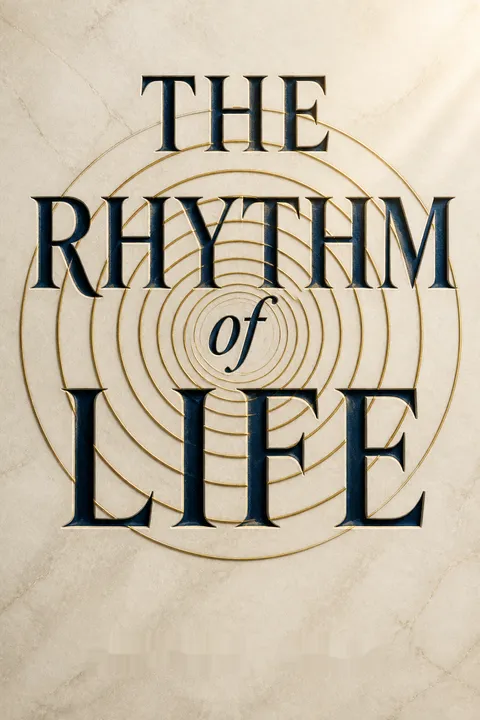
The Rhythm of Life receives mixed reviews, with an average rating of 4.23/5. Many readers find it inspiring and life-changing, praising Kelly's insights on personal growth and becoming one's best self. Some appreciate the Christian themes, while others find them off-putting. Critics note repetitive content, clichés, and a lack of diversity in examples. The book is commended for its motivational message, encouraging readers to make positive choices, set goals, and live with purpose. Some readers feel the book lacks originality or depth in certain areas.
People Also Read





Glossary
The Rhythm of Life
Balanced pattern for livingKelly’s name for a way of life that coordinates rest, activity, and pace while attending to physical, emotional, intellectual, and spiritual needs. Its practical supports include regular sleep, a daily period of reflection or prayer, and a weekly day for renewal. The aim is a sustainable pattern that supports growth, effective work, and relationships.
the-best-version-of-yourself
Your fullest developing selfKelly’s phrase for the person one is capable of becoming through continued growth, the responsible use of personal talents, and care for legitimate needs. It is presented as a life purpose and a guide for choices, rather than a fixed state of perfection or a promise of fame, wealth, or ease.
legitimate needs
Needs that support thrivingKelly’s term for requirements that sustain survival or fuller well-being. Primary needs, such as food, water, and sleep, support basic survival. Secondary needs, such as exercise, healthy relationships, learning, and spiritual reflection, support thriving. He considers needs across four dimensions: physical, emotional, intellectual, and spiritual.
deepest desires
Meaningful wants linked to growthKelly distinguishes deepest desires from shallow wants by asking whether a desire has meaning and supports a person’s legitimate needs and development. Immediate pleasure may express a surface want, while a deeper desire may point toward health, intimacy, wisdom, or peace. Learning to recognize the distinction helps guide choices beyond instant gratification.
the Three Circles
Map of personal fitA model for considering the overlap among a person’s unique talents, legitimate needs, and meaningful desires or passion. Kelly presents their alignment as a guide to a life that feels more purposeful and whole. The model is not a formula for a particular career; it can include family life, service, creative work, or other forms of contribution.
the sacred hour
Daily prayer and reflectionKelly’s name for a daily period, ideally about an hour, set aside for spiritual nourishment and self-reflection. It may involve prayer, silence, religious reading, walking, meditation, or visualization. Its purpose is to create space away from noise and demands so a person can clarify priorities, examine their life, and reconnect with God or inner purpose.
life principle
Personal purpose in one ideaA concise statement that summarizes a person’s central purpose and guides choices. Kelly recommends using it as a reference point when assessing opportunities, habits, and demands on time. A useful life principle should support growth and fit the person’s values, rather than merely repeating a slogan or pursuing status.
The Ten Principles of Excellence
Practices for sustained achievementKelly’s framework for pursuing meaningful goals through self-knowledge, clear aspirations, planning, focused thought, dedication, belief, supportive relationships, communication, and perseverance. The principles are meant to apply across fields, from family life and creative work to sport and leadership. They describe disciplined practices, not a guarantee of fame or success.
minimalism
Mind-set of minimum effortKelly uses minimalism not to mean simple living, but a habit of asking how little effort is needed to get by. He argues that this approach can spread across work, health, relationships, and moral choices, encouraging mediocrity and disengagement. Its alternative is purposeful effort guided by what a situation and a person’s values genuinely require.
FAQ
What's The Rhythm of Life about?
- Life as Choices: The book emphasizes that every aspect of life is a choice, empowering readers to shape their future through decisions.
- Pursuit of Happiness: It explores the quest for happiness, highlighting the paradox of knowing what makes us happy but often not pursuing it.
- Finding Your Genius: Encourages discovering unique talents and passions, asserting that everyone has a genius within them.
- Focus on Balance: Advocates for a balanced lifestyle that integrates physical, emotional, intellectual, and spiritual needs.
Why should I read The Rhythm of Life?
- Personal Growth: Offers guidance for improving life and becoming the best version of oneself with practical advice.
- Self-Reflection: Prompts critical self-questioning, leading to greater clarity and purpose.
- Holistic Approach: Addresses all aspects of well-being, encouraging a balanced life for overall fulfillment.
- Transformative Insights: Provides profound insights and practical tools for living a more meaningful and passionate life.
What are the key takeaways of The Rhythm of Life?
- Everything is a Choice: Recognizing that choices shape our lives empowers us to control our destinies.
- Understanding Needs and Desires: Distinguishing between legitimate needs and superficial wants guides better decision-making.
- Pursuing Your Genius: Identifying and cultivating unique talents leads to a more fulfilling life.
- Importance of Rhythm: Finding personal rhythm between rest and activity enhances peace and effectiveness.
What are the best quotes from The Rhythm of Life and what do they mean?
- "Everything is a choice.": Highlights personal responsibility and empowerment in shaping one's life.
- "The human heart is on a quest for happiness.": Emphasizes the universal desire for happiness and aligning actions with genuine desires.
- "You were born to become the-best-version-of-yourself.": Encourages striving for personal growth and embracing one's unique journey.
- “Life is not a hundred-meter dash; it’s a marathon.”: Suggests pacing oneself with endurance and a long-term perspective.
How does The Rhythm of Life define happiness?
- Happiness as a Journey: Describes happiness as a by-product of becoming the best version of oneself.
- Connection to Needs: True happiness arises from fulfilling legitimate physical, emotional, intellectual, and spiritual needs.
- Avoiding Minimalism: Warns against minimalism, advocating for effort and commitment to achieve true happiness.
What is the rhythm of life according to Matthew Kelly?
- Integration of Needs: Harmonizes physical, emotional, intellectual, and spiritual needs for overall well-being.
- Antidote for Chaos: Provides clarity and peace amidst modern life's busyness through personal rhythm.
- Active Creation Required: Requires intentional choices and actions to establish a personal rhythm.
How can I create my own rhythm of life?
- Assess Your Needs: Identify legitimate needs in all life areas to create a balanced lifestyle.
- Set Priorities: Allocate time and energy according to what is most important to you.
- Practice Reflection: Regular reflection helps stay aligned with your rhythm and make necessary adjustments.
How does The Rhythm of Life suggest we find our genius?
- Self-Discovery: Encourages exploring passions and talents to understand oneself better.
- Listening to the Inner Voice: Emphasizes tuning into the inner voice that guides toward true calling.
- Patience and Preparation: Advises patience and seeking opportunities that align with talents.
What role does self-discipline play in The Rhythm of Life?
- Foundation of Freedom: Self-discipline allows choices that align with values and goals, leading to fulfillment.
- Overcoming Addictions: Essential for breaking free from patterns that hinder growth and happiness.
- Commitment to Excellence: Fosters a commitment to excellence, empowering the pursuit of dreams.
How does The Rhythm of Life address the concept of priorities?
- Reassessing Priorities: Emphasizes identifying and prioritizing legitimate needs for a fulfilling lifestyle.
- Avoiding Busy-ness: Warns against equating busyness with success, focusing on meaningful activities.
- Living with Intention: Clear priorities lead to intentional living and a more satisfying life.
What are the three instruments for creating the rhythm of life?
- Regular Sleep: Ensures adequate and consistent sleep for physical and mental well-being.
- Regular Prayer and Reflection: Dedicates time to connect with inner self and understand purpose.
- The Seventh Day: Honors a day of rest and renewal each week for reflection and relaxation.
How can I make a difference in others' lives according to The Rhythm of Life?
- Daily Intentions: Start each day with the intention to improve someone else's day.
- Small Acts of Kindness: Engage in small gestures like compliments or letters to brighten others' days.
- Be Present: Fully engage in interactions to create deeper connections and show appreciation.
About the Author
Other books by Matthew Kelly





Download PDF
Download EPUB
.epub digital book format is ideal for reading ebooks on phones, tablets, and e-readers.








