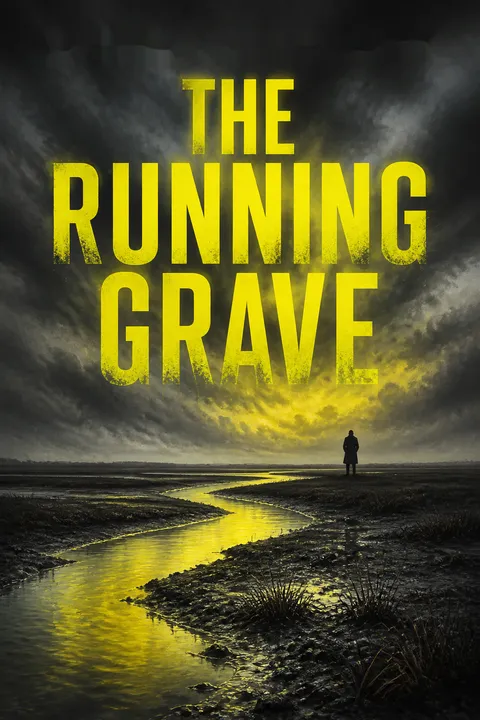


Plot Summary
Prologue
From 2012 onward, Colin and Sally Edensor try to reach their son Will after he abandons university and joins the Universal Humanitarian Church. His letters grow increasingly distant and repeat the church’s language, while his parents are blocked from visiting him or learning whether he is safe.
Colin seeks help from ex-member Kevin Pirbright, whose public accusations are forced into silence by the church’s lawyers. Sally dies without seeing Will again. These documents establish the case’s central wound: a family’s fear that its adult son has been isolated, and a church skilled at making coercion look like choice.
The letters make estrangement visible as a process rather than a single rupture. Will’s parents keep adjusting their approach, first pleading, then apologising, then promising not to interfere, while the church controls the channels through which he can answer. His increasingly polished replies offer evidence of contact but little reassurance. The legal correspondence adds another kind of enclosure: threats of litigation narrow what outsiders can say. Sally’s death gives the investigation an urgent human cost before Strike and Robin enter the story, while leaving open the question of whether Will’s decisions are truly his own.
The Edensor Case
At a christening, private detective Cormoran Strike is trapped holding a crying baby while guests quiz him about old cases. His partner, Robin Ellacott, arrives with her new boyfriend, police officer Ryan Murphy, and Strike conceals his jealousy behind dry humour.
Soon after, Sir Colin Edensor asks the agency to investigate the Universal Humanitarian Church and his missing son, Will. Colin describes Will’s sudden conversion, years without proper family contact, and the trust money he has given the church.
His wife Sally has just died after repeatedly begging to see Will. The legal route has failed, and an earlier detective’s surveillance only strengthened the church’s suspicion of the family. Robin agrees to take the case, opening a new investigation and an uneasy chapter in her partnership with Strike.
The case begins where private grief meets public power. Colin is not asking the detectives to settle a theological argument; he wants proof that his son is alive, safe, and reachable. Yet the family’s wealth and Will’s legal adulthood complicate rescue, while the failed surveillance shows how easily a clumsy intervention can reinforce a controlling group’s story. At the same time, the christening exposes the emotional asymmetry between Strike and Robin: he watches her build a life with Murphy while trying to treat the case as ordinary work.
The Farm in Strike's Past
While reading Kevin Pirbright’s account of the UHC, Strike learns that its Norfolk headquarters occupies the same land as the Aylmerton commune where he lived as a child with his mother, Leda, and sister, Lucy. The discovery connects the present case to a place he has tried not to remember, once controlled by the abusive Crowther brothers.
Strike warns Lucy that the old site may draw press attention. She breaks down and reveals that Mazu Wace led her to a doctor who sexually assaulted her while Strike was away. Lucy has carried guilt for staying silent about what happened to her and other girls. Strike admits their mother’s careless choices caused real harm, even though he still believes Leda loved them.
The investigation becomes personal without making Strike’s past a simple key to the case. His habit of compartmentalising helped him survive childhood instability, but it also left Lucy alone with a memory she had never shared. Their conversation revises the sibling bond: Lucy is not merely the sister who wants Strike to settle down, and Strike is not the only one shaped by their mother’s failures. The farm’s return forces him to accept that good intentions, especially Leda’s, did not keep children safe.
A Temple Door Opens
Strike and Robin study the UHC’s public image, its charitable campaigns, its celebrity supporters, and its success at silencing critics. Robin volunteers to go undercover because the church is more likely to recruit a wealthy young woman than one of Strike’s male subcontractors.
She invents Rowena Ellis, a recently jilted, privately educated seeker, changes her hair, and borrows designer clothes from Strike’s half-sister Prudence. At the Rupert Court temple, Robin sees a polished service built from pop music, humanitarian films, and Jonathan Wace’s story of divine possibility.
His son Taio and the recruiter Becca Pirbright notice her moneyed appearance and apparent loneliness. After returning for another service, Robin accepts their invitation to a week at Chapman Farm.
Recruitment begins by offering Rowena a flattering identity before demanding any sacrifice. The church reads her appearance and personal history as data, then reflects back purpose, openness, and special potential. Robin’s disguise works because the UHC is not recruiting through spectacle alone; it presents itself as a reasonable home for people who already want to do good. Her own professional skill lets her recognise the salesmanship, but recognition is not the same as immunity from it.
The Farm Takes Hold
At Chapman Farm, recruits surrender their phones, money, clothes, and ordinary markers of identity before receiving identical tracksuits and journals. The workday combines hard farm labour with lectures, chanting, restricted meals, and constant questioning about family and personal history.
Robin meets Louise Pirbright, her son Kevin’s mother, and sees Will serving among the depleted workers. Jonathan and Mazu Wace stage an apparent manifestation of Daiyu, making a ghostly child appear during a closed-room service.
Exhausted and surrounded by cheering members, Robin steps into the temple pool and joins the church. The recruits celebrate with a richer meal, while the handful who refuse membership vanish from the group. Robin’s cover now depends on staying long enough to learn what the farm conceals.
The induction joins physical deprivation to emotional reward. Hunger and fatigue narrow attention; chanting offers immediate relief, while public approval makes joining feel like a personal triumph. The apparent ghost supplies what the church’s social message cannot: a dramatic claim that its hidden world is objectively real. Robin recognises the pressures, yet her own baptism shows how participation can outpace belief. The institution’s power lies partly in making each step seem voluntary while controlling the conditions under which the next choice is made.
Survivors Name the Damage
Away from the farm, Strike and Robin interview people who can anchor Kevin’s allegations in lived experience. Sheila Kennett recalls the old commune, the Crowthers, and punishments under the UHC; she says her husband Brian died after the church denied his worsening illness and forced him to keep working.
Niamh Doherty describes her father taking three children away while her mother and youngest sister remained behind. She recalls deprivation, frightening discipline, and the children’s fear of the Drowned Prophet.
Henry Worthington-Fields recounts a recruitment retreat where hunger, isolation, and group pressure made leaving difficult. These accounts show how recruits can be drawn in through idealism, then separated from ordinary family ties and made dependent on the institution.
The witnesses do not produce one clean, courtroom-ready story. Their memories differ, their credibility can be attacked, and some have spent years trying not to revisit what happened. Yet their separate details converge on a system: information is restricted, family bonds are renamed as possession, and illness or dissent is translated into moral failure. The interviews also resist a simplistic account of gullibility. People entered for different reasons, and their vulnerability often began with needs the church knew how to exploit.
Inheritance Beneath the Prophets
Sir Colin’s documents and new interviews lead Strike to the family of Alexander Graves, a troubled young man who died after his relatives forcibly removed him from Chapman Farm. His parents say Mazu and Jonathan Wace had resisted their efforts to see Alexander and his daughter, Daiyu.
They reveal that Alexander’s will left Daiyu valuable shares and a claim to the family estate. Abigail Glover, Wace’s estranged elder daughter, tells Strike that Daiyu may have been Alexander’s child, not Jonathan’s, and that the Waces allegedly claimed her as their own to control the inheritance.
Abigail also describes abuse, humiliating punishments, and the way Mazu kept power over the farm. Daiyu’s disappearance now carries a financial motive as well as a religious myth.
The inheritance does not prove murder, but it changes the shape of the mystery. A child transformed into a prophet may also have been a legal claimant whose survival threatened the people controlling her. Abigail’s testimony is useful but complicated: she resents Mazu, rejects her father’s later choices, and carries her own injuries from the farm. Strike must treat her as both a witness and a person with motives, rather than accepting every accusation simply because it supports his suspicions.
The Farm's Hidden Machinery
As weeks pass, Robin sees how the UHC sorts recruits by usefulness, rewards obedience, and isolates anyone who resists. Revelation sessions make members confess private shame while others shout abuse; a gay recruit is punished for continuing to feel shame, and another woman is ostracised for defending ordinary parental love.
Robin observes the children’s sparse education and their anxious dependence on adults. She also finds a hidden stash of old belongings and six Polaroids showing young people in pig masks, naked and being sexually abused.
At the same time, she notices Will’s covert tenderness toward Qing and hears him trying to protect Lin from forced sex. The farm’s benevolent language cannot hide its system of labour, surveillance, and sexual coercion.
The UHC’s vocabulary is not merely decorative; it alters what members can perceive and say. A family becomes possession, refusal becomes selfishness, and humiliation becomes therapy. Robin’s discipline is to keep translating those euphemisms back into ordinary language, but the work itself exhausts her and weakens her certainty. The children are the sharpest measure of the institution’s costs: their hunger for affection persists even when affection is condemned as a threat to spiritual freedom.
The Prophets’ Price
Strike interviews Jordan Reaney in prison and learns that Mazu forced him to whip himself after he struck Alexander Graves. Reaney denies seeing guns or killing anyone, but becomes visibly frightened when Strike asks about the farm’s punishments and pigs.
Strike also traces the elusive Cherie Gittins through later aliases and criminal records, then interviews her as Carrie Curtis Woods, now a mother in Thornbury. Carrie insists Daiyu’s drowning was accidental and denies giving the children drugged drinks, but her account of the night before the trip is evasive.
Soon after the interview, Carrie hangs herself. Her death deepens Strike’s suspicion that the UHC can silence former members without directly threatening them, while leaving him without her testimony in court.
The investigation confronts a recurring ethical trap: pursuing truth can expose witnesses to harm, while silence protects the people who caused that harm. Carrie’s collapse cannot be treated as proof of guilt, yet it makes the cost of the church’s coercive aftermath impossible to ignore. Reaney’s fear is similarly revealing without being conclusive. Strike must separate signs of trauma from evidence of a specific crime, even as every frightened witness makes the institution’s reach feel more tangible.
Charlotte’s Last Call
While Robin remains undercover, Strike falls back into a brief, ill-advised affair with Bijou Watkins, a loud barrister who is also involved with married QC Andrew Honbold. Their connection becomes public, damaging Strike’s privacy and exposing him to professional risk.
Charlotte Campbell, his volatile former fiancée, tells him she has cancer and later threatens to reveal damaging claims about him to the press. Strike refuses to resume their relationship or become her sole source of support.
Soon afterward, Charlotte dies by suicide, and Strike reads that her family believes press harassment contributed to her final crisis. He visits a small church near Chapman Farm, where he accepts that his past with Charlotte cannot be repaired by returning to it.
Charlotte’s death forces Strike to distinguish compassion from responsibility for another adult’s choices. He knows he enabled a destructive pattern by returning to her repeatedly, but that does not make him capable of saving her by surrendering his own life. His visit to the church does not resolve grief so much as loosen its claim on the future. The episode also sharpens the novel’s contrast between rescue and control: love cannot be made into a private cure for someone else’s suffering.
A Prophet in the Pool
At Chapman Farm, Robin learns that Wan has given birth after a dangerous labour and that her baby has been taken into Mazu’s care. Robin also sees the church’s annual Manifestation, in which a straw figure of the Stolen Prophet appears to speak and is hanged before the congregation. Taio increasingly pressures Robin toward spirit bonding, and Jonathan Wace later tests her with unwanted touching.
She refuses, but Mazu and the other leaders already suspect her of insubordination. After Robin helps Lin during a miscarriage, Wace questions her, extracts an admission that she has lied, and orders her shut inside a cramped wooden box for eight hours. Robin emerges exhausted, bruised, and more closely watched.
The rituals at Chapman Farm turn violence into a test of belonging. Wace’s staged spectacle links death with obedience, while the box punishes Robin’s actual acts of compassion by forcing her into silence and immobility. Her refusal of sexual coercion is psychologically distinct from her earlier undercover performance: she is no longer merely managing a cover, but defending a boundary under threat. The church’s language calls the punishment proportionate; its purpose is to make fear feel deserved.
Escape Through the Wire
After the Manifestation of the Drowned Prophet, Robin is forced into the baptismal pool and nearly drowns when something restrains her underwater. The church locks her in the box afterward, then assigns her to care for Jacob, an emaciated, gravely ill child hidden in the farmhouse attic. Robin realises the leaders are making her complicit in his neglect.
Meanwhile, Will has learned from her that his mother Sally died and begins to question the church’s version of events. He escapes Chapman Farm with his daughter Qing, using Robin’s hidden dead-drop route. Robin later flees through the same perimeter gap when Taio tries to force her into another sexual encounter. Strike is waiting outside and drives her to safety.
The escape is not a clean triumph: Robin leaves exhausted, injured, and carrying knowledge of a child still in danger. Will’s departure is also driven by more than belief or disbelief; he wants to find Lin and protect Qing, while guilt makes him expect punishment. Their different routes out expose the limits of the church’s claim that members leave freely. Freedom begins as a physical breach in the fence, but each person must still confront the mental rules the church planted inside them.
Carrie’s Story Breaks
Outside the farm, Strike and Robin compare the evidence around Daiyu’s disappearance: a missing body, a costly inheritance, a suspiciously early swim, and witnesses who saw Carrie run from the water. Carrie’s statement that she could have stopped what happened suggests more than simple grief, but she dies before they can question her again.
Robin’s meeting with Emily in Norwich reveals that Emily saw Carrie help Daiyu out of the dormitory window after a night when the children were given drinks. Emily says Daiyu planned to leave with Carrie and may have survived. Strike’s review of the Polaroids, the hidden axe, and Kevin’s wall notes strengthens his suspicion that the drowning was staged and that someone was silencing witnesses.
The case’s central uncertainty shifts from how Daiyu drowned to whether she drowned at all. Each clue carries a double edge: a missing body can support an accident or concealment, while Emily’s memory may be both vital and damaged by years of indoctrination. The investigators cannot treat the supernatural story as evidence, but neither can they dismiss the human facts that accumulated around it. Carrie’s death removes a witness and intensifies the need to find someone who can still speak.
Wace’s Public Face
At the UHC’s Super Service in Olympia, Strike watches Jonathan Wace turn thousands of attendees toward his charitable mission and spiritual claims. After the event, Strike confronts him with questions about Daiyu, the former residents, and the deaths surrounding Chapman Farm.
Wace denies wrongdoing and recasts each accusation as hostile misunderstanding. Strike warns him that the agency has evidence of sexual abuse, illegal burials, and suspicious deaths, and that a public investigation could follow.
Soon afterward, a masked gunman attacks Strike and Robin’s car, but Robin drives through the pursuit and gets them away. The shooting confirms that the danger is no longer merely reputational, and the pair begin treating the case as an active threat.
Wace’s public performance and private menace are two faces of the same authority. Onstage, he invites scepticism while defining every possible answer in advance; in private, he relies on legal pressure and intimidation. Strike’s confrontation punctures the image of harmless philanthropy, but it also raises the stakes for witnesses. The gun attack does not prove who ordered it, yet it changes the investigators’ risk calculation: their evidence may now threaten someone powerful enough to use violence.
The Daughter in the Plot
Strike brings his accumulated clues to Abigail Wace, now a firefighter living under the name Abigail Glover. He argues that she was the dark-haired girl in the pig-mask photographs and that she, Carrie, Reaney, and Draper helped fake Daiyu’s drowning.
In his reconstruction, Abigail exploited her status as Wace’s daughter, used the farm’s children and animals to stage the disappearance, and later helped maintain the Prophet myth. He links the missing body, the hidden axe, Kevin’s references to a plot and retribution, and the surveillance of former members.
Abigail denies the theory, but Strike’s accusation gives the scattered clues a coherent shape. He does not claim to have secured a conviction; the truth still needs corroboration from witnesses and physical evidence.
The reveal is presented as an inference under pressure, not a courtroom verdict. Strike’s reconstruction gives motive and mechanism to clues that had seemed unrelated, but his certainty risks reproducing the very danger of the book’s false prophets: a compelling story can outrun proof. The distinction matters. Investigative skill means building a testable account, not mistaking coherence for certainty. Abigail’s refusal to confirm the theory leaves the case open to evidence, while forcing the reader to reconsider how loyalty, jealousy, and childhood power can harden into complicity.
The Farm Is Searched
With testimony from Robin, Will, Flora, and other former members, police raid Chapman Farm and the UHC’s wider operations. Investigators find illegally buried bodies, including infants, and evidence supporting claims that the church concealed deaths and trafficked babies through its Birmingham centre.
Jonathan Wace is arrested while trying to flee toward Mexico; Mazu, Taio, Jiang, and Joe Jackson are also taken into custody. Will reunites with Lin and their daughter, who stays with the Edensor family while the parents recover from the farm’s control.
Becca remains publicly defiant, presenting the allegations as attacks on the church. The investigation has broken the institution’s shield of charity and celebrity, though not every witness or crime is resolved.
The raid converts private testimony into material evidence: graves, records, and living survivors can challenge the UHC’s polished public story in ways no single allegation could. Yet exposure does not instantly repair damage. Will, Lin, and their daughter need safety and care, while former members face the difficult work of rebuilding lives outside a system that controlled their language and relationships. Becca’s continued defence shows that institutional collapse and psychological release are not the same event.
Epilogue
The church’s leaders face arrest and investigation, while the Edensors take in Will, Lin, and their daughter as the family begins to mend. Strike visits Amelia Crichton, Charlotte’s sister, after learning that Charlotte left a suicide note. Amelia has burned it, sparing him its final accusations.
Strike accepts that Charlotte’s unhappiness was never his to cure, though he grieves the life lost and the choices he cannot undo. Back at the agency, Robin leaves with Murphy for a short trip. Strike watches them go, still unwilling to name what he feels for her, but newly aware that the familiar wreckage of his past is not the only future available.
The ending refuses a neat emotional reward. The UHC’s machinery is exposed, but survivors do not emerge untouched, and Becca’s continued loyalty shows that belief can outlast the institution that shaped it. Strike’s meeting with Amelia gives him a form of closure without access to Charlotte’s last words; he must relinquish the fantasy that knowing everything would make the past repairable. Robin’s departure with Murphy leaves her romantic future uncertain, while Strike’s final hesitation marks a change: he is beginning to want a life unlike the destructive patterns he once mistook for passion.
Analysis
The novel’s central contest is over who gets to define reality. The UHC does not rely only on force; it gives violence a vocabulary that makes it sound therapeutic, sexual coercion a doctrine of freedom, and bereavement a miracle. Members are isolated from calendars, family ties, and outside information, then taught to distrust their own interpretations. Robin’s detective work is therefore also a struggle to preserve ordinary language: a child is hungry, a woman is being coerced, a corpse is missing. The book complicates the easy assumption that intelligence protects people from manipulation. Will is brilliant but drawn to certainty; Flora is perceptive but traumatised; Colin’s legal caution and Robin’s empathy each have limits. Strike’s strongest work comes when he learns that a coherent theory still needs corroboration, while his impatience risks turning inference into certainty. The parallel Charlotte story sharpens the distinction between care and rescue: Strike cannot make another person choose life, just as Robin cannot force former members to testify. Yet actions still matter. She gets Will out, he protects his child, and their evidence helps bring police to the farm. The conclusion offers no instant restoration. The UHC’s leaders face justice, but survivors must rebuild trust, family, and selfhood after a system that made obedience feel like belief.
Review Summary
The Running Grave receives mostly positive reviews, praised for its complex plot, character development, and suspenseful narrative. Many readers consider it the best in the series, appreciating its exploration of cults and the tension-filled undercover work. Some criticize its length and pacing, feeling it could benefit from editing. The book's ending garners excitement, particularly regarding the relationship between Strike and Robin. Despite its dark themes, fans find it engrossing and eagerly anticipate the next installment.
People Also Read





Characters
Cormoran Strike
The stubborn private detectiveA former military policeman turned private investigator, Strike is practical, observant, and difficult to intimidate. His damaged leg, childhood instability, and preference for evidence have shaped a man who trusts action more readily than emotional disclosure. He cares deeply for Robin, but fears risking their partnership by naming what he feels. His investigation of the UHC draws him back toward the commune where he and his sister once lived, forcing him to examine how he learned to survive by compartmentalising. Strike’s loyalty to clients is real, though his stubbornness can harden into overconfidence when a theory feels morally urgent.
Robin Ellacott
The undercover investigatorStrike’s partner is an intelligent, resourceful detective who studied psychology before her education and early adulthood were disrupted by sexual violence. She is skilled at observation and building rapport, but her courage can become self-endangerment when she believes a case needs her. Robin’s undercover work tests the difference between understanding manipulation and being immune to it. She is also trying to build a life beyond her former marriage and manage a relationship with Ryan Murphy, while her feelings for Strike remain difficult to contain. Her compassion, especially toward children and frightened witnesses, repeatedly guides her choices.
Will Edensor
The isolated heirThe youngest son of Sir Colin and Sally Edensor, Will is highly intelligent, earnest, and drawn to systems that promise certainty and moral purpose. As a young man, he struggles to distinguish genuine affection from manipulation, a vulnerability the UHC exploits through belonging, doctrine, and rigid rules. His family sees arrogance and self-absorption; Robin sees a person whose sincere wish to help has been redirected by a controlling institution. His relationship with Lin and his longing to care for a child reveal a more tender, conflicted side than his rote recitation of church teaching suggests.
Sir Colin Edensor
The grieving fatherA retired civil servant and charity patron, Colin is measured, intelligent, and accustomed to solving problems through research and procedure. His son’s disappearance has turned those strengths into a prolonged vigil, and his wife’s illness and death deepen his urgency. Colin wants to protect Will without violating his legal rights, a tension that leaves him vulnerable to false hope and frustrated by institutional obstacles. He trusts Strike and Robin because they are willing to say when a case is hopeless, yet he must learn to accept that rescuing his son will not erase the family’s losses.
Jonathan Wace
The charismatic founderFounder of the Universal Humanitarian Church, Wace is a polished speaker who combines spiritual language, social concern, and theatrical skill. He presents himself as humble while controlling the room through carefully managed emotion and certainty. Followers experience him as a source of approval, paternal warmth, and access to a larger mission. Wace’s public charm makes critics appear narrow or hostile, and his ability to tailor doctrine to the needs of different people helps the church recruit idealists, celebrities, and wealthy donors. His authority is personal as much as institutional.
Mazu Wace
The farm's enforcerWace’s wife grew up on the land that became Chapman Farm and exerts a more immediate, frightening authority there than her husband. She controls punishments, the children’s daily lives, and the farm’s rituals, while presenting cruelty as spiritual discipline. Her grief and history are complicated by the church’s mythology around her daughter, but her power is not merely symbolic: members learn to read her silence and gestures as commands. Mazu’s polished ceremonies and private severity reveal how a system can make domination look like sacred responsibility.
Becca Pirbright
The polished loyalistKevin and Emily’s older sister, Becca is one of the church’s most persuasive public faces. Neat, confident, and skilled at speaking to recruits, she can make the UHC’s teachings sound progressive and humane. Her early rise in the organisation gives her status denied to most farm residents, but she remains tightly bound to its hierarchy and to Jonathan Wace’s approval. Becca’s relationships with her siblings are strained, especially where loyalty to the church conflicts with family ties. She understands how to guide a group’s emotions and when to let it punish dissenters.
Abigail Glover
Wace's estranged daughterAn experienced firefighter and the daughter of Wace’s first marriage, Abigail escaped the UHC as a teenager and built an independent life. She is blunt, physically capable, and impatient with people who treat her past as public property. Her rough humour and active lifestyle conceal wounds she would rather not expose, especially to investigators who might turn her history into a sensational story. Abigail’s account of the farm is valuable because she knows its early years, but her anger toward Mazu and her father makes every detail something Strike must test rather than simply accept.
Carrie Curtis Woods
The former caretakerKnown at Chapman Farm as Cherie Gittins, Carrie is remembered by former children as a warm young woman who cared for them. Years later, she lives in Thornbury as a wife and mother, having changed names and built a quieter life. Her memories of the farm are bound to guilt, fear, and a desire to protect the family she has made. She is not a mastermind by temperament, but her capacity to adapt and to hide parts of her past makes her a crucial, uncertain witness in Strike’s investigation.
Kevin Pirbright
The ex-member chroniclerRaised at Chapman Farm from early childhood, Kevin grows up without ordinary schooling or family language, yet develops a sharp eye for the church’s contradictions. His memories of punishment, sexual coercion, and supernatural performances become a fragile record of what the UHC keeps hidden. Kevin is intelligent and determined to expose the institution, but trauma and isolation make his account difficult for outsiders to assess. His attempts to reconstruct his past show how leaving a closed community does not automatically restore confidence in one’s own memories.
Emily Pirbright
The doubting sisterKevin’s younger sister has spent most of her life inside the UHC and carries anger toward the church, her sister Becca, and her mother Louise. Shaven-headed and prickly, Emily often uses hostility to keep others at a distance. Beneath it, she is frightened of what might happen if she speaks openly about the past. Her memories of Daiyu and her conflict with Becca make her a potentially important witness, but years of coercion have taught her to distrust both authority and apparent kindness.
Lin Doherty
The silenced young motherDeirdre Doherty’s daughter is a young woman with a severe stammer who has grown up under the UHC’s supervision. The church treats her speech as a spiritual failing and limits her choices, while Lin clings fiercely to her bond with Will and their child. She is cautious, frightened, and often unable to express herself quickly enough to defend herself. Her presence exposes how the church’s language of universal love coexists with the denial of private attachment and control over women’s bodies.
Taio Wace
The coercive heirJonathan and Mazu’s son, Taio is a forceful speaker and enforcer who uses the church’s doctrine to demand obedience, labour, and sexual compliance. His authority is built less on his father’s charm than on intimidation and proximity to power. He singles out recruits who resist the church’s expectations and frames their boundaries as spiritual defects. Taio’s confidence depends on a hierarchy that protects him from consequences, while his vanity and entitlement make him an obvious source of danger to people with less status.
Jiang Wace
The overlooked brotherA younger Wace family member assigned to driving and farm labour, Jiang is often treated as less important than Taio and Becca. He resents his place in the hierarchy and watches other members closely, taking pride in memory and observation. His blustering manner can turn threatening, but he also responds to recognition and praise. Jiang’s complicated position makes him an unreliable but revealing source: he notices details that higher-ranking figures overlook, while his need for status distorts how he interprets them.
Dr Andy Zhou
The spiritual physicianA respected public figure and senior church member, Zhou blends medical authority with alternative therapies and the UHC’s spiritual doctrines. His polished manner lends credibility to the church’s claims about healing, while his assessments of recruits give him access to intimate physical and personal information. He presents himself as eclectic and open-minded, but the farm’s medical practices are controlled by the same hierarchy that governs its beliefs. Zhou represents the institution’s ability to borrow the language of professional expertise while rejecting outside oversight.
Pat Chauncey
The agency's anchorStrike and Robin’s office manager is a chain-smoking, sharp-tongued woman who keeps the detective agency running. She is observant, practical, and more loyal than her abrasive manner suggests. Pat has lived through enough to distrust polished stories and prefers direct action to sentiment. Her private life is carefully guarded, and her fierce independence shapes how she reacts when others underestimate her. When the case brings a vulnerable child and a shaken young father into her home, her blunt kindness becomes a form of shelter.
Ryan Murphy
Robin's sober partnerA CID officer and Robin’s boyfriend, Murphy is handsome, sociable, and trying to build a stable life after an earlier marriage and alcoholism. He understands police work but struggles with the particular risks Robin accepts as a detective. His concern can become pressure when he believes she is endangering herself, especially when Strike is involved. Murphy wants closeness and a future with Robin, but his need for reassurance sometimes collides with her insistence on professional independence.
Charlotte Campbell
Strike's turbulent exBeautiful, witty, and deeply unhappy, Charlotte has a long, volatile history with Strike. Her glamour conceals a life marked by instability, addiction, and repeated attempts to make love function as rescue. She is capable of warmth and insight, but also of manipulation and cruelty when frightened or rejected. Strike knows her better than most people do, which makes his refusal to return to their relationship emotionally complicated. Charlotte’s presence in his thoughts represents both a genuine attachment and the pull of a familiar, damaging pattern.
Prudence Donleavy
The therapist sisterStrike’s half-sister is a successful psychotherapist whose work with cult survivors gives her insight into the UHC’s methods. Warm and perceptive, Prudence is eager to know Strike and values Robin’s importance in his life. Her professional confidentiality limits what she can reveal, even when that information might help the investigation. She understands that intellectual confidence is no shield against coercive control, and urges Robin to prepare for hunger, isolation, and manipulation. Prudence’s family connection to Strike offers him an alternative model of kinship.
Lucy Strike
Strike's protective sisterStrike’s younger sister is a mother who has worked hard to build a stable home after their chaotic childhood. She remembers the Aylmerton commune differently from Strike and has carried pain he did not know about. Lucy values routine, family, and practical care, sometimes pressing Strike to make commitments before he is ready. Her strength lies partly in her refusal to let the past become the whole of her life, though she still longs for her brother to acknowledge the harm their mother’s choices caused.
Flora Brewster
The traumatised survivorA wealthy young woman who joined the UHC as a teenager, Flora is intelligent, creative, and still living with the consequences of her years at Chapman Farm. She has tried to communicate what she saw through disturbing drawings, while struggling with trauma, depression, and substance use. Flora’s reluctance to speak is not simple evasiveness; she fears the church, doubts her own memories, and has been repeatedly dismissed as unstable. Her tentative willingness to meet Will gives her a chance to test whether another survivor can understand what she cannot yet say alone.
Niamh Doherty
The escaped eldest childDeirdre Doherty’s eldest child escaped Chapman Farm with her father and siblings while still young. She is now an accountant and mother, outwardly settled but marked by separation from the mother and sister left behind. Niamh remembers enough of the farm to describe its routines and fears, though she has little certainty about what happened after her family fled. She wants information about her mother without reopening the entire history, a tension intensified by the life she has built beyond the church.
Rosie Fernsby
The missing witnessWalter Fernsby’s daughter spent a brief period at Chapman Farm as a teenager alongside her twin brother. She was drawn to Jonathan Wace and became emotionally invested in the church before her family removed her. Her brother remembers her as especially affected by the family’s departure, and investigators discover that her later identity and whereabouts are uncertain. Rosie’s experience shows how quickly a young person can become entangled in the UHC’s hierarchy, and why the past remains difficult for families to discuss.
Jordan Reaney
The frightened ex-conA former Chapman Farm resident with a criminal record, Reaney is broad-shouldered, heavily tattooed, and guarded. He joined the church as a teenager after homelessness and briefly found a place among its workers. His account of punishment is reluctant and inconsistent, shaped by fear of both the UHC and the prison world outside it. Reaney’s nightmares and defensiveness suggest that his time at the farm left deep marks, though he is not an easy witness to trust or approach.
Tasha Mayo
The stalked actressA successful actress who hires Strike and Robin after a persistent fan’s behaviour becomes threatening, Tasha is accustomed to public attention but not to feeling unsafe at home. She is independent and initially reluctant to disrupt her routines, even when the detectives warn her that the danger may be escalating. Her willingness to help the agency later reflects both courage and trust in Midge, whose informal support makes the surveillance feel less like a case file and more like protection.
Plot Devices
Rowena Ellis
Undercover accessRobin constructs a wealthy, recently jilted identity to enter the UHC’s London temple and earn an invitation to Chapman Farm. The cover gives her a plausible reason to seek purpose, while borrowed designer clothes make her attractive to recruiters who value money and influence. It also creates risk: she must maintain a detailed false history under sleep deprivation, avoid references to her real life, and hide mistakes such as answering to her own name. The persona lets Robin observe the church from within, but it cannot fully separate her own vulnerabilities from the role she performs.
The plastic rock
A hidden lifelineStrike’s team plants a hollow imitation rock in a camera blind spot beside Chapman Farm. Robin uses it to exchange notes with the agency, recording observations about punishments, members, and the church’s routines. Strike leaves replies and occasional chocolate, turning the dead drop into both an intelligence channel and a small reminder that Robin still has a life outside the compound. The device depends on timing, concealment, and trust; when the rock disappears, Strike fears Robin has been discovered and drives to Norfolk himself.
The Five Prophets
Authority through spectacleThe UHC’s five prophets give its teachings memorable symbols and a supposed history of miracles, death, and return. Daiyu, the Drowned Prophet, is the most powerful figure in the church’s mythology. Services use music, darkness, stagecraft, and carefully managed crowd reactions to make manifestations appear supernatural. Members are encouraged to interpret doubt as weakness and obedience as spiritual growth. The spectacle lends emotional force to Wace’s authority, while the question of what is truly happening to Daiyu becomes central to Strike’s investigation.
Church jargon and journals
Control of interpretationThe UHC renames ordinary emotions and relationships as spiritual obstacles: family becomes possession, dissent becomes the false self, and compliance becomes purification. New members write daily journals that leaders read, while letters to relatives are screened and sometimes withheld. This vocabulary makes coercion harder to identify because abuse can be reframed as therapy, punishment as growth, and isolation as freedom from materialism. Robin’s effort to translate the jargon back into ordinary terms becomes one of her main protections against indoctrination.
The pig-mask photographs
Evidence of hidden abuseRobin finds six old Polaroids concealed in a biscuit tin among belongings left behind by people who may have fled Chapman Farm. The images show naked young people in pig masks, including figures later connected to Carrie Woods, Paul Draper, Jordan Reaney, and Abigail Wace. Their existence points to sexual abuse disguised as punishment and gives Strike a trail that links former residents to the farm’s hidden history. The photographs also become dangerous: the person who fears their exposure is willing to threaten witnesses and attack the detectives.
FAQ
Synopsis & Basic Details
What is The Running Grave about?
- A Family's Desperate Search: The novel centers on the Edensor family's desperate attempt to rescue their son, Will, from the clutches of the Universal Humanitarian Church (UHC), a secretive organization with a dark past.
- Undercover Investigation: Private detectives Cormoran Strike and Robin Ellacott delve into the UHC, with Robin going undercover to expose the church's manipulative practices and uncover the truth about Will's involvement.
- Unraveling a Complex Web: The story explores themes of control, manipulation, and the search for truth, as Strike and Robin navigate a dangerous world of secrets, lies, and hidden agendas.
Why should I read The Running Grave?
- Intricate Plot and Twists: The novel offers a complex and engaging plot with numerous twists and turns, keeping readers guessing until the very end.
- Compelling Characters: The characters, particularly Strike and Robin, are well-developed and relatable, with their own personal struggles and motivations that add depth to the story.
- Exploration of Dark Themes: The book delves into the dark and disturbing world of cults, exploring themes of manipulation, control, and the abuse of power, while also highlighting the resilience of the human spirit.
What is the background of The Running Grave?
- Historical Roots: The UHC has its origins in the Aylmerton Community, a commune with a history of abuse and manipulation, which provides a historical context for the church's present-day practices.
- Cultural Context: The novel explores the cultural phenomenon of cults and their appeal to vulnerable individuals, as well as the challenges of escaping their influence.
- Psychological Themes: The story delves into the psychological complexities of cult membership, including mind control, indoctrination, and the manipulation of emotions.
What are the most memorable quotes in The Running Grave?
- "When, like a running grave, time tracks you down…": This epigraph from Dylan Thomas sets a tone of inevitability and impending doom, foreshadowing the challenges the characters will face.
- "The Drowned Prophet Will Bless All Who Worship Her.": This recurring phrase, used by UHC members, highlights the cult's obsession with a deceased child and the power of their belief system.
- "I admit the possibility!": This phrase, used by Jonathan Wace to recruit new members, encapsulates the UHC's manipulative tactics, which encourage followers to suspend disbelief and embrace the church's teachings.
What writing style, narrative choices, and literary techniques does Robert Galbraith use?
- Detailed and Immersive Prose: Galbraith employs a detailed and immersive writing style, bringing the settings and characters to life with vivid descriptions and rich language.
- Multiple Perspectives: The narrative shifts between the perspectives of Strike and Robin, providing a comprehensive view of the investigation and the characters' inner thoughts and feelings.
- Foreshadowing and Symbolism: The novel uses subtle foreshadowing and recurring symbols to create a sense of unease and to hint at future events, adding layers of meaning to the story.
Hidden Details & Subtle Connections
What are some minor details that add significant meaning?
- The I Ching: The recurring references to the I Ching, both in the epigraphs and in the UHC's practices, highlight the cult's use of ancient wisdom to manipulate its followers.
- The Color Orange: The color orange, used in the UHC's tracksuits and robes, symbolizes the church's supposed spiritual enlightenment, but also serves as a visual marker of their control and conformity.
- The Missing Shoe: The detail of a single shoe left behind by a former member of the Aylmerton Community, mentioned in passing, foreshadows the later discovery of the Polaroids and the dark secrets of the past.
What are some subtle foreshadowing and callbacks?
- The Drowned Prophet: The recurring references to the Drowned Prophet foreshadow the tragic fate of Daiyu Wace and the cult's exploitation of her death.
- The Aylmerton Community: The mention of the Aylmerton Community in the early letters foreshadows Strike's personal connection to the UHC's origins and the dark secrets of Chapman Farm.
- The Missing Laptop: The detail of Kevin Pirbright's missing laptop foreshadows the possibility that his death was not drug-related, but rather a targeted killing to silence him.
What are some unexpected character connections?
- Strike and Mazu Wace: Strike's childhood connection to the Aylmerton Community and his mother's involvement with the Crowther brothers creates an unexpected link to Mazu Wace, the wife of the UHC's leader.
- Prudence and Robin: Strike's half-sister, Prudence, is revealed to be a therapist treating an ex-UHC member, creating a connection between Strike's personal life and the case.
- Wardle and Murphy: The revelation that Ryan Murphy had made a pass at Wardle's wife, April, creates an unexpected link between Strike's friend and Robin's boyfriend, adding tension to the narrative.
Who are the most significant supporting characters?
- Kevin Pirbright: As a former UHC member, his blog and emails provide crucial information about the church's inner workings, and his murder highlights the dangers of challenging the UHC.
- Sir Colin Edensor: As the client, his desperation to find his son drives the plot, and his personal history with the UHC adds emotional depth to the story.
- Pat: As the agency's office manager, her sharp observations and unexpected insights provide a counterpoint to the main characters' perspectives, and her loyalty to Strike is a constant source of support.
Psychological, Emotional, & Relational Analysis
What are some unspoken motivations of the characters?
- Strike's Unacknowledged Feelings: Strike's unspoken feelings for Robin are a driving force in his actions, leading him to be overly protective of her and to resent her relationship with Ryan Murphy.
- Robin's Desire for Independence: Robin's desire to prove herself and her commitment to the job, even at great personal risk, stems from her need to establish her independence and to escape the shadow of her failed marriage.
- Mazu's Need for Control: Mazu's need for control over her followers and her family stems from her own traumatic experiences at the Aylmerton Community and her desire to maintain her position of power within the UHC.
What psychological complexities do the characters exhibit?
- Will's Vulnerability: Will's autism and his difficulty in recognizing duplicity make him susceptible to manipulation by the UHC, highlighting the psychological complexities of cult recruitment.
- Charlotte's Self-Destructive Tendencies: Charlotte's history of self-destructive behavior and her inability to form healthy relationships reveal her deep-seated psychological issues and her inability to find peace.
- Strike's Emotional Repression: Strike's emotional repression and his tendency to avoid intimacy stem from his difficult childhood and his past relationship with Charlotte, making it difficult for him to acknowledge his feelings for Robin.
What are the major emotional turning points?
- Strike's Realization of Love: Strike's realization that he's in love with Robin, triggered by her relationship with Ryan Murphy, forces him to confront his own feelings and the potential loss of his most important friendship.
- Robin's Encounter with the Drowned Prophet: Robin's experience of the Drowned Prophet's manifestation in the temple forces her to confront the cult's power and the psychological manipulation it employs.
- Will's Escape from the UHC: Will's escape from the UHC, driven by his love for his daughter and his growing doubts about the church, marks a turning point in his character arc and his journey towards self-discovery.
How do relationship dynamics evolve?
- Strike and Robin's Partnership: The relationship between Strike and Robin evolves from a professional partnership to a deep friendship, with unspoken romantic feelings that add tension and complexity to their dynamic.
- Will and His Family: Will's relationship with his family is strained by his involvement with the UHC, highlighting the destructive impact of cults on family bonds.
- Strike and Prudence: Strike's relationship with his half-sister, Prudence, develops from a tentative first meeting to a genuine friendship, offering him a new perspective on his family history and his own identity.
Symbol & Motif Tracking
Track: Recurring objects/items
- The I Ching: The I Ching, a book of divination, is a recurring object that symbolizes the UHC's use of ancient wisdom to manipulate its followers and justify its actions.
- The Plastic Rock: The plastic rock, used to exchange messages between Strike and Robin, symbolizes their connection and their determination to uncover the truth, even when separated by distance and danger.
- The Pig Masks: The pig masks, featured in the Polaroids, symbolize the UHC's use of humiliation and degradation to control its members, and the dark secrets hidden beneath the surface of the church.
Track: Weather patterns
- Rain: The recurring rain symbolizes the oppressive atmosphere of Chapman Farm and the emotional turmoil experienced by the characters.
- Sunlight: The occasional glimpses of sunlight symbolize hope and the possibility of escape from the darkness of the UHC.
- Darkness: The darkness, particularly during the Manifestation of the Drowned Prophet, symbolizes the cult's manipulation and the fear it instills in its members.
Track: Color symbolism
- Orange: The color orange, used in the UHC's tracksuits and robes, symbolizes the church's supposed spiritual enlightenment, but also serves as a visual marker of their control and conformity.
- Red: The color red, used in the temple and in the clothing of some of the church leaders, symbolizes the UHC's power and the violence that underlies its teachings.
- White: The color white, used in the Drowned Prophet's robes and in the tracksuits of new recruits, symbolizes the UHC's supposed purity and innocence, but also serves as a visual marker of their vulnerability and susceptibility to manipulation.
Track: Time references
- The Seven-Day Retreat: The UHC's seven-day retreats symbolize the cult's attempt to control and indoctrinate its members within a limited timeframe.
- The Manifestation of the Drowned Prophet: The annual Manifestation of the Drowned Prophet, which occurs on the anniversary of her death, symbolizes the cult's obsession with the past and its exploitation of tragedy for its own purposes.
- The Immediacy of the Present: The emphasis on the present moment, and the need to live in the here and now, is a recurring theme in the UHC's teachings, which is used to distract members from their past and to prevent them from thinking about the future.
Track: Location significance
- Chapman Farm: Chapman Farm, the UHC's headquarters, symbolizes the cult's dark history and its control over its members' lives.
- The Rupert Court Temple: The Rupert Court Temple, located in the heart of London, symbolizes the UHC's public face and its attempt to legitimize its activities.
- The Retreat Rooms: The Retreat Rooms, where spirit bonding takes place, symbolize the UHC's exploitation of its members' vulnerabilities and its use of sex as a means of control.
Track: Repeated phrases/words
- "Materialist Possession": This phrase, used by UHC members, highlights the cult's rejection of worldly possessions and its emphasis on spiritual purity.
- "Pure Spirit": This phrase, used to describe the ideal state of UHC members, symbolizes the cult's promise of spiritual enlightenment and its manipulation of its followers' desires for transcendence.
- "The Drowned Prophet": This recurring phrase, used by UHC members, highlights the cult's obsession with a deceased child and the power of their belief system.
Track: Musical/artistic references
- David Bowie's "Heroes": The use of David Bowie's "Heroes" at the UHC's services symbolizes the cult's attempt to create a sense of unity and purpose among its members, while also highlighting the manipulative nature of its teachings.
- The I Ching: The I Ching, a book of divination, is a recurring object that symbolizes the UHC's use of ancient wisdom to manipulate its followers and justify its actions.
- The Art in the Temple: The art in the temple, including the hand-painted figures and the ceiling mural of the prophets, symbolizes the UHC's attempt to create a sense of beauty and spirituality, while also highlighting the cult's manipulation of religious imagery.
Literary Device Detection
Identify: Subtle foreshadowing
- The Missing Laptop: The detail of Kevin Pirbright's missing laptop foreshadows the possibility that his death was not drug-related, but rather a targeted killing to silence him.
- The Drowned Prophet: The recurring references to the Drowned Prophet foreshadow the tragic fate of Daiyu Wace and the cult's exploitation of her death.
- The Aylmerton Community: The mention of the Aylmerton Community in the early letters foreshadows Strike's personal connection to the UHC's origins and the dark secrets of Chapman Farm.
Identify: Thematic echoes
- Control and Manipulation: The theme of control and manipulation is echoed in the UHC's practices, the Edensor family's attempts to control Will, and even in Strike's own attempts to control his feelings for Robin.
- Truth and Deception: The theme of truth and deception is echoed in the UHC's manipulative teachings, the characters' attempts to uncover the truth about the church, and even in the lies and half-truths that the characters tell each other.
- Past and Present: The theme of the past and its influence on the present is echoed in Strike's childhood memories, the history of the Aylmerton Community, and the characters' attempts to reconcile their past experiences with their present lives.
Identify: Structural patterns
- Alternating Perspectives: The novel alternates between the perspectives of Strike and Robin, creating a sense of balance and allowing readers to see the investigation from multiple angles.
- Recurring Rituals: The recurring rituals at Chapman Farm, such as the chanting and the Manifestations, create a sense of unease and highlight the cult's manipulative practices.
- The Use of Letters and Documents: The use of letters, emails, and police reports as narrative devices creates a sense of realism and provides insight into the characters' thoughts and motivations.
Identify: Point of view shifts
- Limited Third-Person: The novel primarily uses a limited third-person point of view, focusing on the thoughts and feelings of Strike and Robin, which allows readers to connect with the characters on a deeper level.
- Occasional Shifts to Other Characters: The occasional shifts to other characters' perspectives, such as the Edensors and Kevin Pirbright, provide a broader view of the story and highlight the impact of the UHC on different individuals.
- Use of Internal Monologue: The use of internal monologue allows readers to understand the characters' unspoken thoughts and motivations, adding depth and complexity to their personalities.
Identify: Narrative misdirection
- The Focus on Will Edensor: The initial focus on Will Edensor's disappearance leads readers to believe that he is the central victim of the UHC, but the story expands to reveal the cult's wider impact on other individuals.
- The Red Herrings: The inclusion of seemingly important details, such as the mention of a jogger on the beach, serves as red herrings, distracting readers from the true nature of the conspiracy.
- The Emphasis on the Supernatural: The emphasis on the supernatural elements of the UHC, such as the Drowned Prophet, serves as a misdirection, obscuring the more mundane and human forms of manipulation and control.
Identify: Metaphorical language
- The Running Grave: The title, "The Running Grave," is a metaphor for the relentless passage of time and the inevitability of death, which is a recurring theme in the novel.
- The Bubble World: The term "bubble world," used by the UHC to describe the materialist world, is a metaphor for the cult's rejection of reality and its creation of a self-contained and distorted worldview.
- The Drowned Prophet: The Drowned Prophet is a metaphor for the UHC's exploitation of tragedy and its manipulation of religious imagery to control its followers.
Identify: Time manipulation techniques
- Flashbacks: The use of flashbacks to Strike's childhood at the Aylmerton Community provides a historical context for the UHC and highlights the cyclical nature of abuse and manipulation.
- Slow-Motion Descriptions: The use of slow-motion descriptions during key moments, such as the Manifestation of the Drowned Prophet, creates a sense of unease and highlights the psychological impact of the cult's practices.
- Time Jumps: The use of time jumps, particularly in the early chapters, creates a sense of urgency and highlights the Edensors' desperation to find their son.
Cultural & Intertextual References
Search for: Literary allusions
- Dylan Thomas: The epigraph from Dylan Thomas's poem, "When, Like a Running Grave," sets a tone of inevitability and impending doom, foreshadowing the challenges the characters will face.
- The I Ching: The recurring references to the I Ching, both in the epigraphs and in the UHC's practices, highlight the cult's use of ancient wisdom to manipulate its followers and justify its actions.
- Orwell: Strike's reference to Orwell's quote, "Some ideas are so stupid, only intellectuals believe them," highlights his skepticism of intellectualism and his distrust of those who blindly follow ideologies.
Search for: Historical references
- The Aylmerton Community: The Aylmerton Community, a real-life commune with a history of abuse, provides a historical context for the UHC's origins and its manipulative practices.
- The Vietnam War: The mention of the Vietnam War and the character of Rusty Andersen highlights the psychological impact of war and the vulnerability of veterans to cult recruitment.
- The News International Phone Hacking Scandal: The mention of the News International phone hacking scandal provides a contemporary context for the UHC's attempts to control information and silence dissent.
Search for: Mythological parallels
- The Drowned Prophet: The Drowned Prophet, Daiyu Wace, is a mythological figure within the UHC, whose death is used to justify the cult's beliefs and practices.
- The Five Prophets: The five prophets of the UHC, including the Drowned Prophet, the Wounded Prophet, the Stolen Prophet, the Healer Prophet, and the Golden Prophet, are presented as figures of spiritual authority, but their stories are often manipulated to serve the church's agenda.
- Shiva: The image of Shiva, a Hindu god, is used by Jonathan Wace to illustrate the concept of a divine being that contains many contradictions and ambiguities, highlighting the UHC's syncretic approach to religion.
Search for: Genre conventions/subversions
- Private Detective Fiction: The novel adheres to many conventions of the private detective genre, including a complex mystery, a flawed but brilliant detective, and a dangerous investigation, but it also subverts these conventions by exploring the psychological complexities of cults and the emotional toll of undercover work.
- Thriller Elements: The novel incorporates elements of the thriller genre, such as suspense, danger, and high stakes, to create a sense of urgency and keep readers engaged.
- Social Commentary: The novel also functions as a form of social commentary, exploring the dangers of cults and the importance of critical thinking, while also highlighting the vulnerabilities of those who are drawn to such groups.
Search for: Cultural context clues
- The UHC's Syncretism: The UHC's syncretic approach to religion, drawing from various faiths and philosophies, reflects the contemporary trend of spiritual eclecticism and the search for meaning in a secular world.
- The Celebrity Culture: The UHC's use of celebrity endorsements and its appeal to wealthy and influential individuals highlights the role of celebrity culture in shaping public opinion and the dangers of blindly following charismatic leaders.
- The Rise of Conspiracy Theories: The UHC's reliance on conspiracy theories and its depiction of the materialist world as a source of evil reflects the contemporary trend of distrust in institutions and the rise of alternative belief systems.
Search for: Author's personal history connections
- Rowling's Experience with Fame: Rowling's personal experience with fame and public scrutiny is reflected in the novel's exploration of celebrity culture and the dangers of public life.
- Rowling's Interest in Psychology: Rowling's interest in psychology is evident in the novel's exploration of mind control, manipulation, and the psychological impact of cult membership.
- Rowling's Exploration of Morality: Rowling's exploration of morality and the nature of good and evil is a recurring theme in her work, and is particularly evident in the novel's depiction of the UHC and its manipulative practices.
Search for: Contemporary influences
- The Rise of Cults: The novel reflects the contemporary concern about the rise of cults and their ability to manipulate and control vulnerable individuals.
- The Spread of Misinformation: The novel explores the dangers of misinformation and the importance of critical thinking in a world where conspiracy theories and false narratives are easily spread.
- The Search for Meaning: The novel reflects the contemporary search for meaning and purpose in a secular world, and the dangers of seeking answers in extreme ideologies.
Pattern Recognition
Look for patterns in: Chapter structures
- Alternating Focus: The chapters often alternate between Strike and Robin's perspectives, creating a sense of balance and allowing readers to see the investigation from multiple angles.
- Thematic Introductions: Many chapters begin with a quote from the I Ching, which foreshadows the themes and events that will be explored in the chapter.
- Shifting Pacing: The pacing of the chapters shifts throughout the novel, with some chapters focusing on action and suspense, while others delve into character development and psychological analysis.
Look for patterns in: Scene transitions
- Sudden Shifts: The novel often uses sudden shifts in scene to create a sense of unease and to highlight the unpredictable nature of the investigation.
- Parallel Scenes: The novel sometimes uses parallel scenes to highlight the similarities and differences between the characters' experiences, and to emphasize the themes of control and manipulation.
- Recurring Locations: The recurring locations, such as the Rupert Court Temple and Chapman Farm, serve as focal points for the investigation and highlight the UHC's influence on the characters' lives.
Look for patterns in: Character appearances/disappearances
- The Absence of Jonathan Wace: The absence of Jonathan Wace from the narrative for long stretches of time creates a sense of mystery and highlights his manipulative power, which is felt even when he is not present.
- The Recurring Presence of Mazu Wace: The recurring presence of Mazu Wace, often in the background, creates a sense of unease and highlights her role as a powerful and dangerous figure within the UHC.
- The Disappearance of Lin: The disappearance of Lin after her encounter with Robin highlights the UHC's control over its members and the dangers of challenging its authority.
Look for patterns in: Emotional beats
- Alternating Hope and Despair: The novel alternates between moments of hope and despair, reflecting the characters' emotional journey and the challenges they face in their investigation.
- The Use of Tension and Release: The novel uses tension and release to create a sense of suspense and to keep readers engaged, with moments of intense action followed by periods of quiet reflection.
- The Exploration of Grief and Loss: The novel explores the themes of grief and loss through the characters' personal experiences, highlighting the emotional toll of the investigation and the impact of the UHC on their lives.
Look for patterns in: Power dynamics
- The UHC's Control Over Its Members: The novel explores the power dynamics within the UHC, highlighting the cult's control over its members' thoughts, emotions, and actions.
- The Power of Charisma: The novel explores the power of charisma, particularly in the character of Jonathan Wace, and its ability to manipulate and control others.
- The Struggle for Autonomy: The novel explores the characters' struggle for autonomy and their attempts to resist the UHC's influence, highlighting the importance of individual agency and free will.
Look for patterns in: Decision points
- Robin's Decision to Go Undercover: Robin's decision to go undercover at the UHC is a key turning point in the narrative, setting her on a dangerous path that will test her courage and her resolve.
- Will's Decision to Leave the UHC: Will's decision to leave the UHC, driven by his love for his daughter and his growing doubts about the church, marks a turning point in his character arc and his journey towards self-discovery.
- Strike's Decision to Confront Wace: Strike's decision to confront Jonathan Wace at Olympia is a key turning point in the narrative, highlighting his determination to expose the truth and bring the cult's leaders to justice.
Look for patterns in: Environmental changes
- The Shift from City to Country: The shift from the urban setting of London to the rural setting of Chapman Farm symbolizes the UHC's attempt to create a self-contained and isolated world, cut off from the outside world.
- The Change in Weather: The changes in weather, from the rain and fog of London to the bright sunshine of the countryside, reflect the characters' emotional states and the shifting tone of the narrative.
Cormoran Strike Series


About the Author
Other books by Robert Galbraith
Download PDF
Download EPUB
.epub digital book format is ideal for reading ebooks on phones, tablets, and e-readers.








