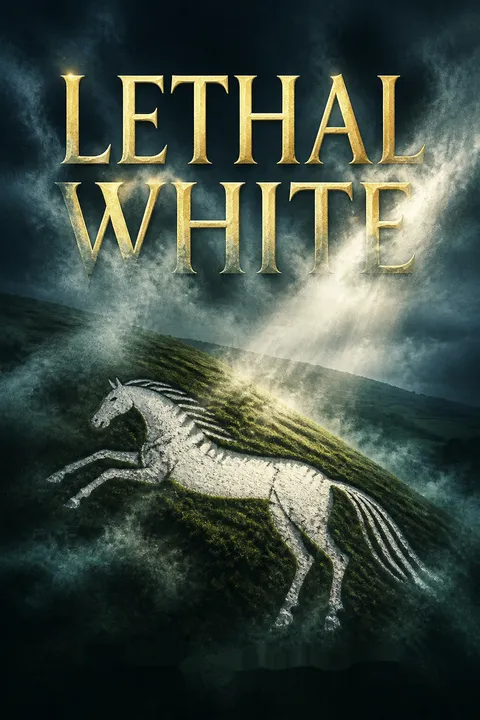


Plot Summary
Prologue
At Robin Ellacott’s wedding to Matthew Cunliffe, her former boss, Cormoran Strike, arrives bruised from catching a serial killer and asks her to return to work. Robin learns that Matthew deleted Strike’s calls and voicemail so she would never hear the offer.
During the reception she confronts Matthew, removes her wedding ring, then returns to the dance floor rather than wreck the day her parents paid for. When Strike leaves, she follows him and agrees to come back, on the condition that she gets a proper contract. They embrace, but Robin returns to her husband, choosing the marriage she has promised to try.
The wedding makes a public ceremony carry a private truth: Robin is already divided between the life Matthew wants her to lead and the work that gives her purpose. Matthew’s deletion of Strike’s messages is not simply jealousy; it is an attempt to manage Robin’s choices by controlling what she can know. Her return to the reception shows how responsibility and family pressure keep her in place even after she recognizes the breach. The embrace with Strike offers no easy escape, only a glimpse of a different intimacy. The prologue plants the emotional question that shadows the investigation: how long can loyalty survive when it requires self-erasure?
Billy Finds Strike
A year after the wedding, Strike is struggling to manage a suddenly famous agency, a thinning bank balance, a bad leg, and the risk of losing his office. His partner, Robin, has returned to work but keeps their relationship formal. Then a disheveled, mentally ill young man named Billy Knight barges into the office and insists that he once saw a child strangled near a horse and buried by his father’s house.
Billy flees before Strike can get his address, but the detective recovers a street name from the paper Billy wrote on. Robin, fresh from ending therapy she found unhelpful, listens as Strike recounts the visit. She recognizes that he cannot dismiss the possibility simply because Billy is ill.
Billy’s account gives the case its first moral pressure point: the possibility that a vulnerable witness may be disbelieved precisely because he is unreliable in other parts of life. Strike’s attention is not proof that Billy is right; it is an ethical refusal to confuse diagnosis with evidence. Robin’s listening matters too. Their old investigative partnership reappears through shared attention to a difficult question, even though both remain guarded about their private lives. The story begins by making uncertainty itself actionable. Strike cannot know whether Billy witnessed a crime, but he can choose not to discard him before checking.
A Minister's Bargain
The address leads Strike to Billy’s older brother, Jimmy Knight, a charismatic anti-Olympics organizer whose girlfriend, Flick Purdue, reacts as if a private detective must have been sent by Culture Minister Jasper Chiswell. Chiswell soon hires Strike, explaining that Jimmy wants money over a secret from six years earlier, while Della Winn’s husband, Geraint, wants to force him out of office.
Chiswell refuses to explain his own conduct, saying only that it was legal at the time. He urges Strike to find leverage against both men. The minister’s mention of a dead son, Freddie, and Strike’s memory of investigating Freddie’s military death add a second, uneasy connection to the case.
Chiswell’s offer turns investigation into a morally compromised service: Strike is being paid to find leverage, not necessarily justice. His client’s political status gives the job scale, but his evasions make the bargain unstable from its first meeting. Jimmy’s apparent link to Billy complicates the question of whether the brothers are exploiting a delusion or protecting a real memory. The dead son, Freddie, also places family loyalty beside public reputation. Each character seems to be guarding a different version of the past, and the detective’s challenge is to tell concealment from shame, strategy, and grief.
Venetia Enters Westminster
Robin enters Parliament under the false identity Venetia Hall, wearing colored contact lenses and carrying listening devices hidden in ordinary belongings. Chiswell’s daughter, Izzy, introduces her to the cluttered office she shares with Geraint Winn’s assistant, Aamir Mallik.
Robin finds Geraint lecherous and careless with confidential matters, then exploits his desire to impress her to place a recorder beneath his desk. It captures him pressing Aamir to obtain photographs from the Foreign Office, while Jimmy demands proof against Chiswell.
Robin also learns that Geraint’s charity, the Level Playing Field, has missing funds and has promised visits from famous athletes it cannot provide. The recording gives Strike a first concrete lead against Winn.
Robin’s disguise lets her enter a world that would be difficult for Strike to approach, but it also requires her to turn unwanted male attention into professional access. Her skill lies not in becoming someone else completely, but in using what she has learned about office hierarchies and entitlement. Geraint mistakes performance for consent and charm for control; Robin recognizes the weakness in that misreading. The listening device makes the political plot tangible, while the charity’s failures complicate the simple image of Della as a public servant and Geraint as merely her husband. Robin’s work restores her confidence, even as its risks intensify.
The March Breaks Strike
When Strike’s contractors cannot cover an anti-missile march attended by Jimmy, Robin declines the assignment because she and Matthew have an anniversary trip booked. Strike follows Jimmy in disguise, but his prosthetic leg fails under the strain; he falls hard and tears a hamstring. Robin spends the weekend with Matthew, where forced intimacy and their old resentments confirm that she no longer loves him.
Hearing that Strike is alone in hospital while his nephew Jack fights a serious infection, she abandons her own plans and sits beside him until his sister can return. They share a brief, accidental kiss outside the ward. Robin then returns to Matthew, but their marriage has become harder to pretend is whole.
This turning point exposes the cost of divided allegiance. Robin’s choice to honor the anniversary is consistent with her promise to give the marriage a chance, yet the weekend makes that promise feel less like hope than obligation. Her hospital visit reverses the arrangement: she chooses care for Strike without being asked, while he admits how little he has been present for his nephew. Their kiss is brief and unintended, but it clarifies their emotional closeness without resolving its meaning. The novel resists a simple romantic escape. Robin still returns to Matthew, carrying a sharper knowledge of what she is choosing and what it costs.
The Minister Found Dead
At a reception for Paralympians, Jimmy’s protest turns into a brawl when Strike tries to stop him displaying a placard that depicts Chiswell among dead children. Police seize both men, and Chiswell uses his influence to pull the injured Strike into the event.
The next morning Robin arrives at Chiswell’s London house for a meeting and finds him dead in a chair, a plastic bag sealed over his head and a helium tube attached. A farewell note appears to be from Kinvara, who says she is leaving him. Robin photographs the room before calling police. Strike searches the house, finds no one else, and notices a mark on Chiswell’s hand and a bent sword in the corner.
The body transforms a blackmail inquiry into a murder investigation, but the apparent suicide note offers an immediate, convenient explanation. The scene is constructed from ordinary objects made sinister by placement: a household room, a bag, tubing, a glass, and a sword. Robin’s instinct to photograph everything gives her a form of agency against shock, a practical action that will later matter more than her first impressions. Strike’s attention to small physical anomalies reflects his distrust of explanations that arrive too neatly. The reception brawl also leaves Chiswell publicly exposed, while the death ensures that every political secret now has a new possible motive.
A Family of Suspects
Police question Strike and Robin, while the press circulates stories about Chiswell’s scandals but cannot report that he hired detectives because Della Winn obtains a super-injunction. Strike moves in with friends as reporters begin watching both investigators.
Izzy hires him to examine her father’s death, though she wants him to prove Kinvara killed him. Robin learns that Kinvara had once attacked Chiswell with a hammer after he put down her beloved horse, Lady.
Forensic information shows that Chiswell swallowed a dangerous dose of amitriptyline before helium suffocated him; his face bears abrasions, the front door was left open, and a carton of juice in the bin contains no drugs. The evidence raises doubts without yet identifying a killer.
The family’s grief does not produce a shared account; it produces competing narratives shaped by inheritance, resentment, and loyalty. Izzy wants a culprit she already understands, while the police must test whether the apparent suicide was staged. The super-injunction adds a political layer to the silence, showing how legal tools can protect public reputations while obstructing ordinary scrutiny. Forensic details are powerful here because they do not solve the case outright. Instead, they create friction between the official story and the physical record. The absent drug traces, unexplained abrasions, and open door turn uncertainty into a disciplined investigative problem.
Bobbi Finds the Note
Robin disguises herself as Bobbi Cunliffe and takes a trial shift at a Camden occult jewelry shop where Flick works. She gains Flick’s confidence by presenting herself as an unemployed worker with a dead miner father, then searches Flick’s bag while Flick argues with Jimmy. At a crowded party, Robin notices a slit sanitary towel concealing a note in Chiswell’s handwriting.
It lists an address, a Suzuki, a hotel phrase, and the word Bill, with a line of Latin beneath. The clue confirms Flick had access to Chiswell’s house, but its meaning remains unclear. At home, Robin finds Sarah Shadlock’s diamond earring in her marital bed, confronts Matthew, and leaves after he admits the affair.
Robin’s undercover work succeeds because she understands how shared vulnerability creates trust, but the same tactic blurs the line between empathy and manipulation. The note is a material trace of Chiswell trying to assemble his own theory, yet its fragments do not explain themselves. Meanwhile, the earring makes Robin’s private life impossible to keep suspended outside the case. She leaves Matthew not because a single betrayal erases their history, but because years of unequal regard have made the betrayal legible. The two discoveries echo one another: concealed evidence can expose a crime, but it can also reveal how much of a relationship has already been hidden.
Secrets Behind the Blackmail
Strike confronts Aamir Mallik, who denies helping Geraint obtain Foreign Office photographs and erupts when Strike probes his estrangement from his family. A carved white horse on Aamir’s bathroom door links him to Billy’s story, but its purpose is unclear.
Della explains that Aamir was driven from a promising civil-service career after resisting sexual harassment by senior official Christopher Barrowclough-Burns; she gave him work and a home, though her closeness to him became controlling.
She also reveals that Kinvara once believed Chiswell was having an affair. Robin questions Raphael, who first describes a trip to Oxfordshire to protect Kinvara, then admits his father sent him to prevent her taking a valuable family necklace. His evasions leave Strike unconvinced.
The investigation refuses to reduce every secret to guilt. Aamir’s guardedness grows from institutional betrayal and family rejection, while Della’s protection of him carries both generosity and possessiveness. Their relationship is emotionally intimate without being the affair outsiders assume, showing how dependency can be mistaken for romance. Raphael’s revised account is more plausible than his first, but his resentment toward his father makes truth difficult to separate from self-justification. The section also changes the meaning of Chiswell’s private life: the marriage contains an alleged affair, the family history includes cruelty, and each person’s account is shaped by what they fear will be exposed.
Billy Remembers the Hill
Strike visits Billy in a psychiatric hospital, where doctors confirm that his psychosis has eased but cannot certify his memories. Billy repeats that he saw a child strangled near the White Horse of Uffington, then describes being drugged and taken there with older youths. He remembers a dark-haired child, a choking, and a body carried to the dell in a pink blanket.
He also recalls that his father worked for the Chiswells and blurts out that the child was buried for them, though he cannot explain why. When Strike asks about a carved horse, Billy confirms he once made wooden souvenirs. The interview strengthens the possibility of a real event, even as its details remain distorted.
Billy’s testimony demonstrates both the value and the limits of recovered memory. He supplies concrete sensory fragments, yet his illness and childhood perspective make sequence, identity, and interpretation uncertain. Strike treats the account neither as proven fact nor as meaningless symptom. That disciplined middle ground is essential: the wrong conclusion could either abandon a possible victim or turn delusion into accusation. Billy’s repeated appeal to be believed is emotionally powerful, but the investigators must still test it against land, objects, and witnesses. The scene also makes care and truth inseparable. Billy needs treatment, but treatment alone cannot answer what happened.
Gallows and a Grave
At Newbury Racecourse, stable worker Tegan Butcher confirms that Suki Lewis ran away to find her father and now lives safely as Susanna McNeil. She also verifies Kinvara’s alibi: Kinvara returned to Chiswell House the night before the death and was there the next morning.
Tegan then reveals that Billy and Jimmy’s father, Jack o’Kent, built gallows on the estate for export, a trade Chiswell helped arrange. One shipment went missing, while another was used in an execution abroad. That night, Strike, Robin, and Sam Barclay clear nettles from the dell where Billy remembered a burial. They uncover a pink blanket, but inside lies a shot horse’s skull, not a child.
The discoveries split Billy’s memory into error and truth without dismissing either. Suki’s survival disproves one tempting identification, while the horse in the blanket confirms that someone really was buried in the dell. Tegan’s account exposes the economic and political secret underneath the blackmail: the Chiswells’ respectable estate supported a trade in execution equipment. The horse’s grave also makes cruelty visible without offering the clean satisfaction of a human victim. Billy saw a burial and a child in danger, but his mind joined separate acts. The investigators must preserve his credibility by correcting the account, not by forcing it into a simpler shape.
The Missing Mare Painting
Back at Chiswell House, Robin hears footsteps upstairs while Strike and Kinvara search the grounds for supposed intruders. She finds the painting Mare Mourning hidden on a spare-room bed, removed from its place over the drawing-room mantel.
Strike recognizes its importance: Raphael had recently carried his father’s paintings to Henry Drummond for valuation and had quietly substituted a cheaper work. The apparently modest image may be a lost George Stubbs, worth a fortune.
Kinvara admits she and Raphael were lovers and that his father had discovered their affair. The new evidence gives the murder a financial motive, while the prior gallows blackmail, the staged suicide details, and the unexplained handoff of the house key point to a planned two-person killing.
The painting changes the case from a cluster of plausible resentments into a crime with an extraordinary material incentive. Raphael’s grievance against his father is real, but it is not the motive that best explains the timing and preparation. The artwork’s concealment mirrors the family’s larger habit of hiding value in plain sight, whether money, violence, or shame. Kinvara’s confession also recasts her apparent vulnerability: she is not merely a neglected wife, but a participant whose longing for Raphael may have made her useful to his plan. Yet the investigators still need to distinguish what she believes from what she knowingly did.
The Barge Trap
After Raphael feeds a gossip column a story linking Robin to Strike, Matthew uses the press attention to demand a meeting. The supposed meeting place is a trap: Raphael seizes Robin, drags her onto a canal barge, and points a revolver at her while asking what the police know.
Robin keeps him talking, connecting Kinvara’s affair, the hidden Stubbs, Flick’s access to the house, the poisoned juice, the stolen key, and his false alibi. Raphael gradually confirms the murder plan and describes suffocating his father after Chiswell woke during the staging. Strike traces the fake messages to a burner phone, reaches the barge with Wardle, and confronts Raphael. The revolver is empty, and police arrest him.
The climax turns Robin’s investigative strengths into survival tools. She does not overpower Raphael; she regulates fear, studies his need to boast, and uses precise facts to keep him speaking. His confession emerges from vanity and desperation, the same traits that drove him to plan a perfect escape and repeatedly underestimate others. Strike’s arrival matters, but Robin has already done the hardest work: making time without surrendering her judgment. The empty gun reveals how close she came to death, yet the danger is not neutralized by luck alone. Her attention, training, and restraint help hold the situation open until help arrives.
The Child Was Raphael
A month later, Izzy meets Strike and Robin with Billy and explains the childhood event that Billy could never place. Freddie Chiswell and his university friends took a very young Raphael to the White Horse while drunk and high.
Freddie became furious when the child cried and squeezed his throat until Raphael passed out and wet himself. The group panicked, then buried the already dead miniature horse Spotty, whom Freddie had shot, in the dell. Billy, drugged and frightened, witnessed both cruelties and fused them into one memory of a strangled child wrapped in pink.
He had not invented the horror; he had misidentified its victim. His account is finally understood, while Raphael faces prosecution and the Chiswell family confronts what its privilege concealed.
The final explanation avoids a false choice between believing Billy and correcting him. His memory held a genuine sequence of violence, but trauma and childhood confusion fused two victims into one. The truth is more disturbing than a simple hallucination: a child was nearly strangled, and an animal was deliberately shot, while the adults around them protected family reputation. The revelation also reframes Freddie, whom his father idealized, as a source of cruelty that helped shape Raphael’s damaged life without excusing his later murder. The book’s resolution depends on a careful distinction between explanation and absolution.
Epilogue
With Raphael arrested and Kinvara admitting her part in the murder, Billy is able to live with a more accurate account of what he witnessed. The family can no longer preserve Freddie as an uncomplicated hero or treat Raphael’s childhood as a license for his crimes.
Robin has left Matthew and is preparing to move into a modest shared flat; she is also continuing the treatment and exercises that help her manage panic. Strike and Robin remain partners, their friendship warmer but still unfinished in its emotional meaning. They leave lunch with Izzy and Billy and return to work, carrying the hard-won answer rather than the old, impossible mystery.
The epilogue resolves the investigative question without pretending that explanation repairs every injury. Billy receives confirmation that his perception came from real events, even though his memory fused them. The Chiswells must face the difference between loving a family member and idealizing him, while Raphael’s early suffering remains context rather than pardon. Robin’s new housing and ongoing treatment mark a less dramatic but more consequential change: she is building a life outside the marriage instead of waiting for it to become safe. Strike and Robin return to work together, not as a solved romance, but as two people whose trust has survived greater honesty.
Analysis
Lethal White builds its mystery around the difference between what is hidden and what is merely misremembered. Billy’s story is neither wholly delusion nor a reliable transcript: he witnesses real violence, but trauma and childhood confusion combine the near-strangling of Raphael with the burial of Spotty the horse. The investigation earns its resolution by preserving the truth inside a distorted account rather than forcing the account into a neat shape.
The book also connects private cruelty to public respectability. Chiswell’s legal trade in gallows sits beside his public defense of traditional values; the law protects him from one kind of accusation while failing to settle the moral question. Geraint’s charity and Aamir’s workplace mistreatment show how institutions can conceal exploitation beneath benevolent appearances. At home, the Chiswells protect Freddie’s image and misread Raphael’s resentment, while the workers around the estate are treated as peripheral until their knowledge becomes essential.
Robin’s arc is not a simple escape from a bad marriage into a romantic alternative. She has to recognize that Matthew’s concern repeatedly becomes control, then leave without waiting for certainty or permission. Her investigative competence survives trauma, but the story insists that competence is not the same as invulnerability. Strike’s care for Robin becomes clearest when he stops treating her panic as a private inconvenience and acknowledges the risks of the job.
The novel’s recurring objects make concealed histories legible: the hidden painting, the misplaced key, the lachesis pills, the gallows mark, and the pink blanket. Each object first seems to support one explanation, then changes meaning when placed beside another. The final answer is not that every injury has one cause, but that accountability requires separating explanation from excuse. Raphael’s childhood suffering matters, yet it does not absolve his calculated murder; Billy’s illness complicates his testimony, yet does not erase what he saw.
Review Summary
Lethal White received mixed reviews. Many praised the complex plot, character development, and Strike-Robin relationship, though some found it overly long at 650+ pages. Readers enjoyed the intricate mystery and political intrigue, but some felt the pacing was slow. The book explores dysfunctional relationships and continues the will-they-won't-they dynamic between the protagonists. While some considered it the best in the series, others found it less engaging than previous installments. Overall, fans of the series appreciated the depth and complexity of the story.
People Also Read



Characters
Cormoran Strike
Stubborn private detectiveA former military policeman and founder of a London detective agency, Strike is observant, physically imposing, and more compassionate than his blunt manner suggests. He has lost part of his right leg and carries the lasting effects of war, but refuses to let pain dictate the work he chooses. His investigative instinct is strongest when evidence is incomplete and other people have already decided what to believe. Strike values competence and loyalty, yet keeps emotional distance through work, alcohol, and carefully limited relationships. With Robin, he shares a rare intellectual ease that he cannot comfortably name. His challenge is not simply solving crimes, but learning when self-reliance becomes avoidance.
Robin Ellacott
Fearless investigative partnerRobin is Strike’s gifted partner, skilled at surveillance, disguise, interviewing, and noticing how people behave when they think they are in control. She is intelligent, practical, and deeply considerate, but politeness can lead her to endure too much before she asserts herself. Past violence has left her with panic attacks and a strong need to reclaim command of her own body and choices. Her marriage to Matthew reflects both genuine history and the comfort of familiar safety. Robin’s courage is not an absence of fear; it is the capacity to keep observing and acting while fear is present. She wants a life built around meaningful work and self-determination.
Matthew Cunliffe
Robin's controlling husbandMatthew is Robin’s childhood sweetheart and husband, a polished accountant who values stability, social respectability, and a carefully managed future. He is capable of affection, but his concern for Robin’s safety often shades into a wish to control her work and choices. Their shared past gives him emotional leverage, while his discomfort with her independence exposes how little he understands the ambitions she once kept private. Matthew wants the marriage to remain intact, but often treats its appearance as more important than honest communication.
Billy Knight
Haunted eyewitnessBilly is Jimmy’s younger brother, a vulnerable man living with a serious mental illness. He struggles to distinguish memory, delusion, and fear, and his account of a child’s death is dismissed by people who find him inconvenient. Beneath his confused speech is a persistent moral need to have witnessed suffering acknowledged. He does not seek money or status; he wants the awful image that has shaped his life to make sense. His bond with Strike begins because the detective listens without promising that every detail is true. Billy’s story tests whether others can respect a witness without surrendering judgment.
Jasper Chiswell
Cornered cabinet ministerChiswell is a veteran Conservative politician, father, and former soldier whose abrasive authority conceals financial strain and fear of public disgrace. He believes in hierarchy and tradition, and expects others to accommodate his moods and decisions. His public certainty coexists with private evasiveness: he asks Strike for help while withholding the central facts that would explain his predicament. Chiswell’s affection for his dead eldest son shapes the way he treats the rest of his family. He represents the danger of a powerful person assuming that legal compliance is enough to make an action morally harmless.
Jimmy Knight
Charismatic radical organizerJimmy is Billy’s older brother, a fluent political activist whose energy and anger can draw people into his orbit. He presents himself as an advocate for ordinary workers while remaining skilled at using other people’s loyalty for his own purposes. His history of petty litigation, unstable work, and hostility toward authority suggest a mixture of real grievance and opportunism. Jimmy is protective of Billy in some moments, but also tries to control what his brother says and remembers. His bond with Flick is turbulent, built on attraction, arguments, and shared secrets.
Flick Purdue
Activist with divided loyaltiesFlick is Jimmy’s politically committed girlfriend and a member of his activist circle. She is quick-witted, angry at class privilege, and adept at presenting herself as more working-class than her background suggests. Her relationship with Jimmy is nonexclusive by their stated agreement, but jealousy and mutual distrust complicate it. Flick is capable of bold action, yet she is also susceptible to Jimmy’s attention and approval. Her work in a small occult shop gives Robin a chance to approach her without the usual investigative barriers.
Kinvara Chiswell
Restless horsewomanKinvara is Chiswell’s much younger wife, an intense and insecure woman whose emotional life is closely tied to her horses and her marriage. She can be self-absorbed and volatile, but her distress is not simply theatrical. A stillbirth, conflict with her stepchildren, and her husband’s coldness have left her clinging to substitutes for family and affection. Kinvara is often underestimated because she performs helplessness, yet she is capable of fierce anger and deliberate choices. Her difficult relationship with the Chiswell family exposes how wealth and marriage can offer security while also making a person dependent.
Raphael Chiswell
Estranged younger sonRaphael is Chiswell’s illegitimate younger son, handsome, socially polished, and accustomed to being treated as an outsider by his father’s family. A fatal drug-driving crash and a prison sentence have made him both culpable and resentful. He is intelligent enough to understand how people see him and can use charm or vulnerability to draw them closer. His longing for acceptance coexists with a strong appetite for freedom, money, and admiration. Raphael’s central tension is the difference between wanting to be forgiven and wanting to escape consequences.
Della Winn
Blind sports ministerDella is a respected Minister for Sport, human-rights advocate, and founder of a charity supporting young athletes. Blind since birth, she has built a public life through discipline and political skill, while resisting the tendency of others to define her by disability. Her marriage to Geraint is bound up with love, ambition, and old patterns of care. Della can be generous toward vulnerable people, particularly Aamir, but her protectiveness may become controlling. Her public image as an ethical figure makes the private failures around her especially difficult to confront.
Geraint Winn
Disgraced political fixerGeraint is Della’s husband and political aide, a small, self-important man who enjoys proximity to power and the attention of younger women. His public language of fairness contrasts with his carelessness toward charity money and his treatment of staff. He is driven by resentment, status anxiety, and a need to blame others for his disappointments. Geraint’s marriage to Della gives him access to political influence, but also leaves him feeling overshadowed by her reputation. He underestimates people who appear to be serving him.
Aamir Mallik
Brilliant displaced aideAamir is a highly capable young man whose first-class education and civil-service prospects are disrupted by workplace harassment and the social consequences of resisting it. He is reserved, watchful, and careful with trust, especially after his family rejects him. Della offers him a home and a role, but the closeness between them brings its own pressures. Aamir’s behavior can look secretive because he is protecting his dignity and privacy, not necessarily because he is hiding a crime. His story exposes how institutions often protect senior reputations before junior employees.
Isabella Chiswell
Loyal minister's daughterIzzy, Chiswell’s daughter, has spent years managing her father’s Parliamentary office and hoping to earn his appreciation. She is warm, socially confident, and loyal to the family, but that loyalty can make her protective of its reputation at the expense of uncomfortable truths. Her grief is tangled with anger at her father’s treatment of her and concern for her half-brother Raphael. Izzy wants a coherent explanation for the death, though she initially prefers one that confirms her existing suspicions.
Sophia D'Amery
Chiswell's elder daughterKnown within the family as Fizzy, Sophia is Izzy’s elder sister and Torquil’s wife. She has a lively, talkative manner and an instinct to protect family traditions, especially the image of her brother Freddie. Sophia is both affectionate and socially complacent, quick to defend the family while resisting facts that might damage its preferred story. Her concern for her father’s legacy reflects genuine grief, but also the privileges she has inherited and the assumptions built around them.
Sam Barclay
Resourceful army investigatorBarclay is a former soldier Strike once helped, now working as a freelance investigator for the agency. He is observant, adaptable, and willing to enter Jimmy’s activist circle by allowing its members to underestimate him. His informality and dry humor conceal a serious investigative instinct. Family responsibilities sometimes limit his availability, but he is dependable when the work matters. Barclay’s background makes him a natural bridge between Strike’s military past and the agency’s present investigations.
Tegan Butcher
Stable hand with local memoryTegan is a young stable worker from a family that has long done practical work for the Chiswells. She is modest, wary of family gossip, and more perceptive than her cautious manner initially suggests. Her affection for horses shapes her judgment of Kinvara, and her memories of the estate supply details that wealthier family members overlook. Tegan is not an investigator, but her local knowledge connects the private household to the workmen and families living nearby.
Henry Drummond
Chiswell family art dealerDrummond is an established art dealer and longtime friend of Chiswell’s who employs Raphael after prison. He is formal, socially connected, and inclined to protect the family’s reputation, yet his affection for Chiswell makes him a useful witness. His knowledge of paintings and valuations helps expose the difference between what the family thinks an artwork is worth and what it may actually be. Drummond’s reserve reflects a conflict between loyalty to an old friend and the obligation to tell the truth.
Charlotte Ross
Strike's brilliant former loverCharlotte is Strike’s former fiancée, a striking and socially privileged woman whose charm coexists with a deep appetite for conflict and disruption. She is perceptive about Strike’s vulnerabilities and knows how to draw him into emotional arguments. Their long history contains genuine love as well as repeated injury, making separation difficult even when both understand the damage of returning to it. Charlotte’s presence tests Strike’s belief that he has escaped the past.
Lorelei Bevan
Strike's candid girlfriendLorelei runs a vintage clothing shop and enjoys dressing theatrically. She is funny, sexually confident, and initially accepts Strike’s insistence that their relationship remain casual. Over time, she wants more emotional commitment than he is willing to offer. Her directness forces Strike to confront the cost of using intimacy as a temporary shelter from old heartbreak.
Vanessa Ekwensi
Robin's steadfast police friendVanessa is a Metropolitan Police officer and Robin’s close friend. Self-possessed and socially confident, she offers Robin support without treating her as fragile. Her relationship with a forensic worker helps Strike obtain information about the Chiswell investigation, but her loyalty is personal as well as professional. Vanessa values honesty and independence, qualities Robin admires as she struggles to rebuild her life outside her marriage.
Freddie Chiswell
Golden son and officerFreddie is Chiswell’s eldest son, a cavalry officer killed in Iraq and the child his father most openly idealizes. He is remembered through family photographs, military service, and the expectations he leaves behind. His privileged upbringing shields him from the scrutiny faced by others, while his relationships with the Winn and Chiswell families tie together several old grievances. Freddie’s influence persists through what people believe about him and what they choose not to discuss.
Jack o'Kent
Estate carpenter and gallows makerJack o’Kent is Billy and Jimmy’s father, a local handyman and carpenter who works for the Chiswell estate. He is an alcoholic and violent parent, feared by his sons and treated by the gentry as part of the landscape rather than a person deserving scrutiny. His craft links an isolated cottage to a profitable political business, while his treatment of Billy helps explain the boy’s lifelong fear and instability.
Plot Devices
Billy's fragmented memory
Unreliable witness, real harmBilly’s account of a child strangled near the White Horse of Uffington first appears to be inseparable from his psychosis. Strike treats it as a lead rather than a fact, checking the missing-child records, interviewing Billy in hospital, and eventually digging in the dell. The recovered evidence shows that Billy remembered genuine cruelty but fused two events: Freddie nearly strangling young Raphael and Freddie shooting the miniature horse Spotty, which was then buried. The device forces the investigation to distinguish memory from interpretation without dismissing a mentally ill witness. It also ties the emotional mystery of Billy’s life to the Chiswell family’s buried history.
The Uffington white horse
Local mark, hidden tradeThe chalk figure gives Billy’s story a precise location and later links the Knight family’s craft to Chiswell’s political secret. Jack o’Kent made gallows on the estate, and the horse was carved into them as a recognizable mark. One shipment disappeared and was used in an execution abroad, while photographs at the Foreign Office threatened to connect the product to Chiswell. The same image is carved into Aamir’s bathroom door, appears in the gallows evidence, and guides Strike toward the story behind the blackmail. It turns a familiar landscape symbol into a traceable signature.
Chiswell's handwritten list
Fragments reveal the schemeChiswell’s stolen note contains disconnected clues, including a hotel suite, a Suzuki, and a reference to Bill. Flick hides it inside a sanitary towel after taking it from Chiswell’s house while working as his cleaner. The note establishes her access and shows that Chiswell was investigating his wife’s movements, but its meaning becomes clear only when combined with the hotel records, the horse painting, and the restricted house key. Robin’s discovery both advances the murder inquiry and confirms that someone was concealing more than political blackmail.
The Stubbs painting
Hidden value, lethal motiveMare Mourning hangs in a spare room at Chiswell House, apparently a sentimental picture of a mare beside a dead foal. Raphael recognizes that it may be a lost work by George Stubbs, potentially worth tens of millions, and quietly substitutes a cheaper painting when the family’s pictures are assessed. Its value supplies a concrete motive for killing his father and gives Kinvara a reason to participate in the plan. The painting’s absence from the drawing-room wall alerts Robin that someone has hidden it. It turns a family heirloom into the prize at the center of the murder.
Undercover identities
Access through performanceRobin uses two disguises to reach people who would otherwise keep her at a distance. As Venetia Hall, Chiswell’s supposed goddaughter, she enters Parliament and records Geraint Winn’s conversations. As Bobbi Cunliffe, a working-class shop applicant, she befriends Flick and discovers the stolen note. The identities exploit assumptions about class, gender, and trust, but they also expose Robin to harassment and danger. Her skill is not simply passing as someone else; it is reading what each setting expects and using those expectations to gain information.
FAQ
Synopsis & Basic Details
What is Lethal White about?
- A Complex Web Unravels: The novel follows private investigator Cormoran Strike and his partner Robin Ellacott as they delve into a complex case involving blackmail, political intrigue, and a possible murder.
- Personal and Professional Lives Intertwined: The story explores the challenges of their professional lives while also delving into their personal struggles and relationships, particularly Robin's troubled marriage and Strike's complicated past.
- A Journey Through Deception: The narrative takes readers through a journey of deception, where characters' true motives are hidden beneath layers of lies and manipulation, leading to a shocking climax.
Why should I read Lethal White?
- Intricate Plot and Twists: The novel offers a complex and engaging plot with numerous twists and turns, keeping readers guessing until the very end.
- Compelling Characters: The characters are well-developed and multi-faceted, with their own personal struggles and motivations, making them relatable and intriguing.
- Exploration of Dark Themes: The book delves into dark themes such as blackmail, murder, and psychological manipulation, providing a thought-provoking and suspenseful reading experience.
What is the background of Lethal White?
- Political and Social Commentary: The novel is set against the backdrop of British politics and society, with references to the upcoming Olympics and the class system, adding depth and relevance to the story.
- London Setting: The story is set in London, with detailed descriptions of various locations, from the corridors of power to the city's underbelly, creating a vivid and immersive atmosphere.
- Post-Trauma Exploration: The novel explores the psychological impact of trauma on its characters, particularly Robin, who is still dealing with the aftermath of a previous attack, adding a layer of emotional depth to the narrative.
What are the most memorable quotes in Lethal White?
- "I was shocked to see him, that's all,": This quote from Matthew highlights his insecurity and jealousy regarding Robin's relationship with Strike, foreshadowing the tensions in their marriage.
- "You didn't have to be so dramatic. Bursting into church. You could have just called.": Robin's words to Strike reveal her complex feelings towards him, a mixture of exasperation and affection, and her desire for a more straightforward relationship.
- "I'm not going to let myself be beaten to the ground by the dread of what may happen.": This quote from Robin encapsulates her resilience and determination to overcome her past trauma and move forward, despite the challenges she faces.
What writing style, narrative choices, and literary techniques does Robert Galbraith use?
- Detailed and Immersive Prose: Galbraith employs a detailed and immersive writing style, bringing the settings and characters to life with vivid descriptions and rich language.
- Multiple Perspectives: The narrative shifts between the perspectives of Strike and Robin, allowing readers to gain a deeper understanding of their thoughts, feelings, and motivations.
- Foreshadowing and Red Herrings: The author uses subtle foreshadowing and red herrings to create suspense and keep readers guessing, while also adding layers of complexity to the plot.
Hidden Details & Subtle Connections
What are some minor details that add significant meaning?
- The White Horse Symbolism: The recurring motif of the white horse, from the pub name to the chalk figure, foreshadows the connection between the Knight family and the Chiswell family, and the tragic events that unfold.
- The Missing Money Clip: The detail of Freddie Chiswell's money clip, which is later found on Jasper's body, highlights the complex relationships and hidden connections within the Chiswell family, and the lengths to which they will go to protect their secrets.
- The "Lethal White" Reference: The title itself, "Lethal White," alludes to a genetic condition in horses, foreshadowing the themes of hidden flaws and the destructive nature of secrets, and the way that the past can come back to haunt the present.
What are some subtle foreshadowing and callbacks?
- Robin's Scar: The scar on Robin's arm, a constant reminder of her past attack, foreshadows the dangers she faces in her work and the emotional toll it takes on her. It also serves as a callback to previous books in the series, highlighting her resilience.
- The "Cormy" Nickname: The mention of the nickname "Cormy" by a woman on the phone in the Maldives foreshadows Strike's later relationship with Lorelei, and Robin's jealousy and insecurity about it.
- The "Our Song": The choice of "Wherever You Will Go" as Robin and Matthew's "our song" is a subtle foreshadowing of their impending separation, as the lyrics speak of a love that is not meant to last.
What are some unexpected character connections?
- The Shared History of the Ellacotts and Chiswells: The revelation that the Knight family worked for the Chiswells and that Billy and Jimmy grew up on their land adds a layer of complexity to the case, highlighting the interconnectedness of the characters' lives.
- The Connection Between Charlotte and Izzy: The fact that Charlotte and Izzy were old school friends adds a layer of personal connection to the case, and highlights the small, interconnected world of the upper classes.
- The Link Between Aamir and Sir Christopher: The revelation that Aamir was mentored by Sir Christopher Barrowclough-Burns, a man with a history of inappropriate behavior, adds a layer of complexity to the case, and highlights the hidden connections between the characters.
Who are the most significant supporting characters?
- Tegan Butcher: Tegan, the stable girl, provides crucial information about Kinvara's movements and the events leading up to Chiswell's death, highlighting the importance of seemingly minor characters in solving the mystery.
- Aamir Mallik: Aamir's complex relationship with Della Winn and his past with Sir Christopher Barrowclough-Burns adds layers to the investigation, and his actions are crucial to understanding the motivations of the characters.
- Henry Drummond: Henry Drummond, the art dealer, provides insight into Chiswell's financial situation and his relationship with his son, Raphael, and his testimony is crucial to understanding the events leading up to the murder.
Psychological, Emotional, & Relational Analysis
What are some unspoken motivations of the characters?
- Matthew's Insecurity: Matthew's unspoken motivation is his deep-seated insecurity about Robin's relationship with Strike, which leads him to delete Strike's messages and try to control her career.
- Kinvara's Desperation: Kinvara's unspoken motivation is her desperation to hold onto her status and wealth, which leads her to participate in the murder plot and try to frame others.
- Raphael's Resentment: Raphael's unspoken motivation is his deep-seated resentment towards his father and his family, which fuels his desire for revenge and financial gain.
What psychological complexities do the characters exhibit?
- Robin's Trauma and Resilience: Robin exhibits the psychological complexities of a woman dealing with past trauma, struggling with anxiety and self-doubt, while also displaying remarkable resilience and determination.
- Strike's Emotional Detachment: Strike exhibits the psychological complexities of a man who has experienced significant loss and trauma, struggling with emotional detachment and a tendency to prioritize his work over his personal life.
- Billy's Mental Instability: Billy's mental illness and fragmented memories highlight the psychological complexities of a man struggling with psychosis and the blurred lines between reality and delusion.
What are the major emotional turning points?
- Robin's Realization of Matthew's Betrayal: Robin's discovery that Matthew deleted Strike's messages is a major emotional turning point, leading her to question her marriage and her choices.
- Strike's Recognition of His Feelings for Robin: Strike's realization that he had hoped Robin would not marry is a major emotional turning point, forcing him to confront his feelings for her.
- Robin's Decision to Leave Matthew: Robin's decision to leave Matthew is a major emotional turning point, marking a significant shift in her personal life and her determination to prioritize her own happiness.
How do relationship dynamics evolve?
- Robin and Matthew's Marriage: The relationship between Robin and Matthew deteriorates throughout the novel, as their unresolved conflicts and unspoken resentments come to the surface, leading to their eventual separation.
- Strike and Robin's Partnership: The partnership between Strike and Robin evolves from a professional relationship to a deeper friendship, marked by mutual respect and unspoken feelings, but also by a growing emotional distance.
- The Chiswell Family Dynamics: The relationships within the Chiswell family are complex and dysfunctional, marked by jealousy, resentment, and a struggle for power and control, which ultimately leads to tragedy.
Interpretation & Debate
Which parts of the story remain ambiguous or open-ended?
- The Full Extent of Aamir's Involvement: The true nature of Aamir's relationship with Della Winn and his involvement in the blackmail plot remains somewhat ambiguous, leaving readers to question his motives and loyalties.
- The True Nature of Freddie Chiswell: The true nature of Freddie Chiswell, and the extent of his cruelty towards Rhiannon Winn, remains open to interpretation, leaving readers to wonder about the impact of his actions on the other characters.
- The Future of Robin and Strike's Relationship: The future of Robin and Strike's relationship remains open-ended, leaving readers to speculate about the possibility of a romantic connection and the challenges they will face in their personal and professional lives.
What are some debatable, controversial scenes or moments in Lethal White?
- The Portrayal of Mental Illness: The portrayal of Billy Knight's mental illness and his fragmented memories may be seen as controversial, raising questions about the author's approach to mental health and the potential for stigmatization.
- The Depiction of Sexual Harassment: The depiction of Geraint Winn's lecherous behavior towards Robin may be seen as controversial, raising questions about the author's approach to sexual harassment and the power dynamics in the workplace.
- The Justification of Violence: The use of violence by both Strike and Raphael may be seen as controversial, raising questions about the author's approach to violence and the justification of using it to achieve one's goals.
Lethal White Ending Explained: How It Ends & What It Means
- Raphael's Downfall: The ending sees Raphael's carefully constructed plan unravel, as his lies and manipulations are exposed, leading to his arrest and imprisonment. This highlights the theme of justice and the consequences of greed and ambition.
- Kinvara's Exposure: Kinvara's role in the murder plot is revealed, as her attempts to cover up her involvement are ultimately unsuccessful. This underscores the theme of deception and the destructive power of secrets.
- A New Beginning for Robin and Strike: The ending leaves Robin and Strike at a crossroads, with their personal lives in flux, but their professional partnership stronger than ever. This sets the stage for future challenges and adventures, while also leaving open the possibility of a deeper connection between them.
Cormoran Strike Series

About the Author
Other books by Robert Galbraith
Download PDF
Download EPUB
.epub digital book format is ideal for reading ebooks on phones, tablets, and e-readers.








