


Plot Summary
Wings in the Back Lot
Twenty-three-year-old Lucy Dennings returns to her cramped Hell’s Kitchen studio after another dispiriting day at Ocean Alliance, where coworkers overlook her and she privately longs for her colleague Guy Baker. In the trash-strewn lot beneath her stairs, she finds a naked, winged man with black eyes. His gaze knocks her unconscious, and a vision of torture and a murdered woman follows.
When Lucy wakes, the stranger has become a scarred, amber-eyed man named Casziel. He says he crossed into the human world and has eleven days to seek redemption, but needs her help learning how to return to the light. Lucy tries to refuse until Casziel relays a private memory from her dead father. She gives Casziel her father’s coat and agrees to help.
The Voices Beneath Her
In Lucy’s kitchen, Casziel eats after decades without food and explains that demons feed on human impulses rather than control people outright. Two demons, Deber and Keeb, have been whispering at Lucy for years, feeding her shame and fear whenever she considers speaking up or reaching for a fuller life.
Casziel describes himself as a demon of wrath, once a Sumerian warrior, and tells Lucy that her father remains near her in a way she cannot understand. His account of her childhood memories convinces her that the connection is real. Lucy recognizes how grief and self-doubt have narrowed her world, but she also sees how casually Casziel dismisses humanity. She chooses to trust him anyway, and the strange bond between them begins to deepen.
Eleven Days of Blood
While Lucy sleeps, Casziel visits Idle Hands, a hidden tavern where demons gather, and kneels before Ashtaroth, his brutal commanding lord. Ashtaroth knows Casziel has returned to the human world for Lucy, the woman he has sought across lifetimes, and mocks his hope that she might help him change.
Their pact grants Casziel eleven days on Earth, but each night Ashtaroth cuts and burns him as payment. Casziel accepts the punishment without flinching, hiding a more final intention: he plans to provoke Ashtaroth into sending him to Oblivion, permanent nonexistence.
He believes his disappearance will free Lucy from the pain and danger tied to him. The bargain gives the story a deadline, while Casziel’s secrecy makes clear that his idea of protecting Lucy may deny her any choice.
A City, Newly Seen
Casziel returns as a raven, then appears in Lucy’s studio wearing clothes taken from a man he possessed. Lucy rebukes him for the theft and admits that vivid dreams have shown her as a woman saved by a samurai in Japan and a soldier in wartime Russia.
Casziel refuses to explain the familiarity she feels. He takes her out into Manhattan, where Lucy begins sharing her ideas, including shoes made from recovered ocean plastic, and discovers she can speak without shrinking from judgment.
At a pub, she learns that Casziel lost his family and wife when Babylon conquered his Sumerian home, and that grief turned into the wrath Ashtaroth cultivated. Lucy proposes pretending to be Casziel’s girlfriend so Guy will notice her. Casziel agrees, though he believes her happiness matters more than his own redemption.
The Rose at Work
Casziel appears at Ocean Alliance and introduces himself to Lucy’s coworkers as her companion, presenting her with a single red rose and kissing her hand. Guy, who has barely noticed Lucy before, watches the exchange with new curiosity.
Abby Taylor, the office’s sharp-tongued marketer, arranges dinner for herself, Lucy, Guy, and Casziel. At Guy’s apartment, Casziel turns a homemade Ouija board into a convincing performance, making the glass spell out answers and eventually shatter against the wall.
Guy grabs Lucy protectively, giving their plan its first visible result. Casziel bristles at the attention Guy shows her, while Lucy finds herself more affected by Casziel’s touch than by Guy’s interest. The rose becomes both a prop in their scheme and a sign of an intimacy neither is willing to name.
Flies in the Bathroom
Abby gives Lucy a bold makeover for Ocean Alliance’s karaoke night, but Casziel’s disapproval stings until Lucy asserts that she can dress as she chooses. At the bar, Guy sings a romantic song to Lucy, then flirts with her and asks her to dance at his wedding.
His attention should fulfill her old fantasy, yet Lucy keeps watching Casziel, who is jealous despite their arrangement. In the restroom, Deber and Keeb appear in monstrous forms, taunting Lucy to ask Casziel who she really is.
Casziel confronts the twins outside and threatens them, but they insist Lucy belongs to them too. Frightened and confused, Lucy presses Casziel for the truth. Rather than answer, he uses a spell to erase the night from her memory. She wakes at home believing the encounter was only a drunken blur.
The Memory in His Scars
As Lucy grows closer to coworker Jana Gill and volunteers to present her recycled-shoe proposal, Casziel returns bearing a fresh brand from Ashtaroth. Lucy treats his burns, and the care between them gives way to their first kiss. Their familiarity feels unmistakable; Lucy calls Casziel her beloved in Sumerian, a name she cannot explain.
He panics, insists nothing remains between them, and wipes her memory again. At Kimberly’s wedding the next day, Casziel’s blessing in his ancient language unlocks the truth: Lucy remembers being his Sumerian wife, Li’ili, and understands that her dreams of the samurai and Russian soldier were also Casziel protecting her in later lives.
The memories reveal that she has carried a longing for him without knowing its source. Casziel finally acknowledges their bond, but the revelation comes just as Ashtaroth approaches.
A Demon’s Cruel Goodbye
Ashtaroth freezes the wedding guests and tells Lucy that Casziel’s redemption is a lie: he is a powerful demon whose sins cannot be erased by romance. He offers a soul-for-a-soul bargain, hinting that Lucy could take Casziel’s place. When Casziel senses the meeting, he turns cold and cruel, mocking Lucy’s trust and denying that she is his wife.
He places her hand in Guy’s and walks away, hoping to make her choose a safer life rather than risk herself for him. Guy, drunk and newly attentive, asks Lucy to join his cleanup team in Sri Lanka. She accepts, though she feels nothing for him. The staged rejection devastates her, while Ashtaroth’s threat makes clear that Casziel’s attempt to protect her has become another form of control.
The Rose Keeps One Petal
After the wedding, Lucy’s memories of Casziel vanish again, and the rain settles over New York. At work, Guy cannot remember asking her to Sri Lanka or singing to her; Abby’s video of Lucy’s old crush has instead become office gossip.
Ready to quit, Lucy notices the rose Casziel gave her, now wilted except for one bright petal. She stays and presents her plan for shoes made from ocean plastic. Kimberly backs the proposal, and Jana secures interest from tennis star Kai Solomon as a potential sponsor.
Abby admits she helped engineer Lucy’s makeover to pursue Casziel, then posted the humiliating video out of spite, and apologizes. As Lucy walks home in the storm, Ashtaroth’s influence leaves her isolated and despairing. A truck bears down on her, but Casziel tackles her clear, taking the impact himself.
One Night Remembered
Casziel carries Lucy back to her apartment and admits that Ashtaroth manipulated events, including Guy’s sudden invitation, to drive her toward a fatal bargain. Lucy refuses to let Casziel decide her future for her. She tells him she loves him and wants him, even though his demonic form frightens her.
They spend the remaining night together, and Casziel finally lets her experience their love rather than protecting her from it. The next day, he tends to her and answers questions about their marriage in Larsa.
When Lucy asks for the rest of their story, he lets her sleep into the past. She remembers their wedding, their first night, and the massacre that killed her and their unborn child. Casziel leaves her a letter explaining that he intends to enter Oblivion, believing his disappearance will free her.
The Summoning in the Rain
Lucy finds Casziel’s letter and learns he has gone to confront Ashtaroth, hoping to be destroyed in his human form. His second-in-command, Ambri, arrives and explains that she can summon Ashtaroth by drawing his mark and using a black candle.
In the rain-soaked lot, Lucy recreates the brand burned into Casziel’s back and calls the demon lord. When Ashtaroth offers to release Casziel if Lucy will surrender herself, Casziel returns and attacks. Deber and Keeb join the fight, but Lucy takes Casziel’s sword, beheads Keeb, and impales Deber.
Casziel drives Ashtaroth back, then shifts into his human body and is stabbed through the chest. As he dies in Lucy’s arms, her father’s white light destroys Ashtaroth and the snakes around him. Lucy is left grieving, while her father’s presence guides her home.
The Body Returns
Lucy returns to work and tries to function through grief, keeping Casziel’s black feather beneath her pillow until it crumbles to ash. Three days after the battle, she finds another seemingly dead body in the lot. This time Casziel is alive, confused, and human, with nearly all his scars gone.
He remembers loving Lucy and fighting Ashtaroth, but not the Other Side or how he came back. In the white light, he understood that his self-hatred, not his love for Lucy, had bound him to darkness.
He mourns his family at last, including his sister Aria, and Lucy tells him that his past death was never his fault. They reunite in the rain, no longer facing an eleven-day clock. Their future remains unknown, but they choose to spend it together and let love exist alongside grief rather than erase it.
Epilogue
A year later, Casziel teaches Sumerian civilization at NYU, and Lucy’s sustainable-shoe project has grown into a company. They move to a larger apartment, and Casziel proposes with a lapis ring, apologizing for the ways he once hurt her. Two years later, while Lucy is pregnant again after a miscarriage, Casziel prepares to travel to Cairo.
A sudden call about bleeding sends him back to her; the couple learns she is carrying twins, whom they name Garrett and Aria. One hundred and fifty-one years later, Lucy is reborn as Lilith, a divorced architect with a teenage daughter, and Casziel as Cyrus, a divorced father. They meet over an old poetry book, recognize an inexplicable familiarity, and agree to dinner.
The epilogue turns the novel’s promise of second chances into lived time rather than a single miraculous rescue. Lucy’s work gives her love for the ocean a public consequence, while Casziel’s teaching transforms his ancient life into knowledge he can share instead of violence he can perpetuate. Their proposal does not erase the past; it gives apology and commitment a place inside ordinary domestic life. The miscarriage and subsequent twin pregnancy extend that emotional logic, refusing to make love a guarantee against loss. In the far-future meeting, reincarnation begins again without the old certainty or memory. Lilith and Cyrus must choose one another in the present, suggesting that fate may bring souls together, but intimacy still depends on attention, curiosity, and consent.
Analysis
The novel makes its supernatural system serve a psychological problem: how can someone change when guilt has hardened into identity? Casziel begins by assuming that his crimes can only be answered with punishment or disappearance. Ashtaroth reinforces this belief, using physical pain and authority to keep Casziel’s grief useful to Hell. Lucy’s response is not to deny the violence Casziel has committed or declare him innocent. She insists that remorse must lead to a different choice, not endless self-erasure.
Lucy’s own change runs alongside his. The demons who feed on her shame give supernatural form to the private logic of avoidance: if she never risks speaking, she cannot be embarrassed. Yet the story distinguishes introversion from fear. Lucy does not need to become a different personality; she needs to stop treating other people’s attention as proof of her worth. Her presentation at work matters for this reason. The ocean-shoe proposal is concrete evidence that her life contains ambition and value outside romantic approval.
The romance initially borrows the machinery of Lucy’s favorite books, especially the staged courtship and the handsome, protective hero. The plot then tests the danger in that fantasy. Casziel’s attempts to protect Lucy through deception reproduce the very denial of agency that threatens her. His love becomes ethically meaningful only when he stops deciding what she can bear. Lucy, in turn, refuses to let love mean surrendering her judgment or accepting his self-destruction as inevitable.
Reincarnation expands the relationship across time, but it does not make fate a substitute for action. Memory returns in fragments, trust is repeatedly strained, and both characters must choose what to do with the truth they recover. The ending’s second chance depends on accountability, grief, and the possibility of self-forgiveness. The book’s deepest claim is not that love erases harm, but that love can make a future imaginable where shame once permitted only repetition.
Review Summary
The Sinner received mostly positive reviews, with readers praising its unique paranormal romance storyline, emotional depth, and beautiful writing. Many found the characters compelling and the love story timeless and touching. Some reviewers noted it was different from Emma Scott's usual style but still enjoyed it. A few readers felt the romance lacked development or found the plot convoluted. Overall, the book was praised for its exploration of themes like eternal love, grief, and redemption.
Characters
Lucy Dennings
The hidden ocean advocateLucy is a young logistics worker at Ocean Alliance, a nonprofit devoted to protecting the oceans. Shy and solitary, she has a habit of making herself small, retreating into romance novels and private fantasies rather than risking rejection. Her father’s death has deepened her loneliness, while her unspoken ideas about recycling ocean plastic show that her ambition has not disappeared. Lucy is generous to a fault, but her kindness is not weakness: it becomes a deliberate form of courage when she speaks up at work and challenges others’ assumptions. She wants to be loved, yet she also wants her life to matter beyond romance. Her central tension is learning to care for others without surrendering her own agency.
Casziel
The scarred Sumerian demonCasziel is an ancient warrior from Sumer who became a powerful demon of wrath after violence and loss shattered his human life. He is commanding, sarcastic, and accustomed to being feared, yet his centuries of power have not made him invulnerable to grief. He seeks redemption but understands it through punishment and self-erasure, which makes his protectiveness toward Lucy both tender and controlling. His devotion is expressed through watchfulness and sacrifice, though he often withholds truths he believes would hurt her. Lucy’s compassion unsettles his certainty that he is beyond love. Casziel’s struggle is not simply to become less cruel; it is to accept responsibility without treating permanent suffering as the only possible form of atonement.
Ashtaroth
The infernal commanderAshtaroth is Casziel’s commanding lord, a high-ranking demon who sustains authority through fear, pain, and the promise of punishment. He regards Casziel’s attachment to Lucy as a weakness that threatens his command, and he is skilled at turning grief into leverage. His power is theatrical as well as physical: he manipulates appearances, freezes a room, and makes bargains seem like the only available choices. Ashtaroth’s worldview treats souls as possessions and relationships as vulnerabilities to exploit. He functions as the external embodiment of Casziel’s self-condemnation, insisting that a person’s worst history must define every future possibility.
Ambri
The irreverent second-in-commandAmbri is Casziel’s second-in-command, a demon whose appetite for pleasure and mischief contrasts with his superior’s grim discipline. He is observant enough to notice Casziel’s change of focus and bold enough to question the logic of self-destruction. Ambri does not present himself as altruistic, and his loyalty is never simple, but he has a capacity for fondness that complicates the demonic code he claims to follow. His blunt perspective helps expose the difference between protecting someone and making every choice for them.
Guy Baker
The overlooked office crushGuy is Ocean Alliance’s charismatic executive vice president and a leader of international cleanup teams. Lucy has admired his environmental commitment and easy confidence from a distance, imagining that their shared work might become a romance. He is friendly and generally conscientious, though his popularity has helped keep him from noticing Lucy’s quieter presence. His role forces Lucy to distinguish a real person from the idealized figure she has built around him. Guy also represents the life she once assumed she wanted: visible, socially approved, and apparently full of possibility.
Cole Matheson
Lucy’s faraway confidantCole is Lucy’s closest friend from NYU, an art student in London and a gifted portraitist. His drawings track the emotional changes Lucy struggles to describe, while his concern gives her a source of steady affection outside romance. Cole is perceptive without being intrusive; he notices when Lucy’s face brightens and gently questions what that means. His friendship models the kind of intimacy that supports rather than claims a person. He wants Lucy to share her life with someone, but his first loyalty is to her well-being.
Jana Gill
The generous work allyJana heads Ocean Alliance’s accounting department and is a new mother. Warm and observant, she keeps inviting Lucy into ordinary social life without treating introversion as a defect. She listens when Lucy explains the isolation beneath her quietness, then helps her connect the recycled-shoe proposal with a possible athlete endorsement. Jana’s encouragement is practical: she offers a rehearsal, contacts, and companionship, while insisting the idea belongs to Lucy. She represents support that strengthens another person’s agency rather than taking over.
Abby Taylor
The sharp-edged marketerAbby is Ocean Alliance’s stylish, socially confident chief marketer. Her teasing often cuts into Lucy’s insecurities, and she is quick to treat attraction as a game that can be managed through clothes, attention, and public performance. Beneath that confidence, Abby is driven by appetite and impulsiveness; she wants Casziel and resents the attention he gives Lucy. Her behavior shows how ordinary cruelty can grow from insecurity without becoming harmless. Abby’s workplace position also gives her access to the camera and social platforms that turn Lucy’s private crush into public spectacle.
Lucy’s father
The guiding parentLucy’s father raised her in Milford after her mother died and gave her a secure childhood built from small acts of care, including helping with homework while he made dinner. His death leaves Lucy grieving and uncertain, but his influence persists through memories, the trench coat she gives Casziel, and the practical encouragement he planted in her. He stands for a form of love that does not demand performance or repayment. Lucy’s attachment to him makes her receptive to the possibility that connection can continue beyond death.
Deber
The demon of pestilenceDeber is one of the demons attached to Lucy, feeding on shame and discouragement. She appears as a grotesque woman accompanied by flies, turning Lucy’s familiar self-criticism into a visible threat. Deber works by making inaction feel like good judgment and ambition feel embarrassing. Her influence is strongest when Lucy is isolated, but her presence also helps Lucy recognize that repeated thoughts are not necessarily truths.
Keeb
The demon of fearKeeb is the other demon attached to Lucy, a fearful and taunting presence who reinforces Deber’s attacks. She helps turn Lucy’s hesitation into panic and appears alongside swarms of flies. Keeb’s role makes anxiety tangible without removing human choice: the demons can press on Lucy, but she can still decide whether to heed them.
Kimberly Paul
The ocean alliance directorKimberly leads Ocean Alliance with practical energy and genuine affection for her staff. As she prepares to marry Nylah, she encourages employees to bring forward ambitious ideas and supports Lucy’s proposal even while planning her honeymoon. Kimberly’s leadership creates a workplace where environmental action can become a shared project rather than a private wish.
Nylah
Kimberly’s joyful fiancéeNylah is Kimberly’s fiancée, a warm presence at the company’s wedding celebrations. Her relationship with Kimberly provides Lucy with a living example of mutual commitment and shared happiness. She is part of the supportive community Lucy is gradually learning to enter.
Eistibus
The tavern’s bound hostEistibus is a djinn bound to Idle Hands, the hidden tavern where demons gather. He serves Casziel wine and warns him when Ashtaroth is waiting. His cautious hospitality offers a glimpse of social rules among demons, where even friendship must be measured against power.
Aria
Casziel’s younger sisterAria is Casziel’s sister from his human life in Sumer. Her memory is part of the family history he has kept buried beneath centuries of anger. Her name matters to Casziel because it represents a life and a family beyond the identity he formed as a demon.
Plot Devices
The Veil and Forgetting
The cycle between livesThe Veil separates life on Earth from the realm souls enter after death. Humans forget previous lifetimes so they can live without the burden of old memories, while those memories return after death. The system explains Lucy’s dreams, Casziel’s repeated presence across her lives, and the imbalance between what each remembers. It also gives the story a way to make emotional recognition arrive before factual knowledge. The device is central to the final revelation and the far-future epilogue.
True Names and Bonding
Names bind the supernaturalA demon’s true name can summon or bind it, and Lucy’s use of Casziel’s name establishes a supernatural bond between them. That bond permits his presence to seep into her dreams and gives him a way to reach her, but it also makes their connection difficult to distinguish from her own intuition. The rule adds risk to seemingly simple speech and helps explain why Lucy’s memories surface in fragments rather than as a clean revelation.
The Eleven-Day Bargain
A deadline measured in woundsCasziel is allowed eleven days on Earth under an agreement with Ashtaroth, and nightly injuries mark the time remaining. The visible cuts make the supernatural deadline concrete, while the deeper brand on Casziel’s back reveals how completely Ashtaroth claims him. The bargain pushes Lucy and Casziel toward a plan quickly, then turns their romance into a race against an approaching return to servitude or worse.
The Inner Demons
Self-doubt made visibleDeber and Keeb are literal demons who exploit common human impulses, particularly Lucy’s shame and fear. Their whispers resemble familiar inner criticism, so the story does not treat supernatural influence as a substitute for personal choice. Lucy must learn to notice the voices without accepting their verdicts. Their attacks culminate in physical confrontations, making the metaphor tangible while keeping agency central to her development.
Past-Life Dreams
Memory before recognitionLucy dreams of a samurai, a Russian soldier, and a Sumerian bride and warrior before understanding that Casziel appears in each memory. The dreams let the reader experience emotional familiarity before Lucy has an explanation for it. They also show the cost of repeated forgetting: a relationship can persist as longing even when its history is inaccessible. When Lucy finally remembers, the earlier dreams become evidence of a long bond rather than isolated romantic fantasies.
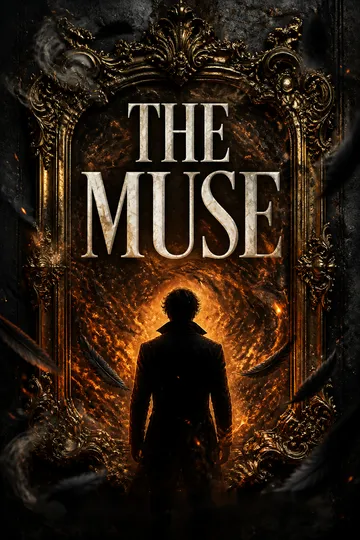
Angels and Demons Series Series

About the Author









Download PDF
Download EPUB
.epub digital book format is ideal for reading ebooks on phones, tablets, and e-readers.








