


Key Takeaways
Change the response you control, even when you did not choose the event.
The response equation. The book expresses its central model as E + R = O: an event plus a response produces an outcome. Events are not always fair or within a person’s control, but choices about what to do next can still matter. A baseball player facing suspension blamed inconsistent rule enforcement. When he admitted repeatedly arriving late despite knowing the rule, he could address the habit instead of arguing about fairness. He moved his alarm across the room and arranged a consequence with his mother. He stayed on the team and later earned a college scholarship.
Responsibility means agency. The point is not to claim that people cause every hardship. It is to look honestly at the actions still available, rather than letting blame and excuses replace them.
The model is useful because it separates what happened from what can be done next. That distinction can turn a setback into a practical question: What response might improve the next outcome? Its limit matters, especially for young readers. Taking responsibility should not mean accepting blame for abuse, discrimination, illness, or circumstances outside one’s power. Agency is most helpful when it identifies real choices without pretending every person has equal options.
Train your expectations toward possibility, then look for evidence and opportunity.
Belief directs attention. The authors argue that beliefs and expectations affect which actions people attempt and which opportunities they notice. Stephen J. Cannell struggled academically and concluded he lacked intelligence. Football gave him evidence that practice could produce improvement. He later wrote hundreds of television scripts and bestselling novels. The book also describes W. Clement Stone’s habit of treating setbacks as possible openings, rather than proof that the world was against him.
Optimism is a search strategy. If a student expects to fail in math, a mistake can seem to confirm that expectation. A more constructive expectation can make trying again feel possible. The book’s point is to look for useful possibilities, not to assume that positive thoughts alone guarantee success.
This section’s strongest insight is that expectations can shape attention and behavior: a person who anticipates failure may avoid practice, while a person who expects improvement may seek help. That makes optimism useful as a prompt to act. It is less convincing when framed as though the mind can ensure a desired result. A hopeful outlook can reveal options, but it cannot replace skill, support, or favorable circumstances.
Name a destination that belongs to you before other people choose it.
Start with your own aims. The book compares clear desires to entering a destination into an internal GPS. Its Big 101 exercise asks readers to list 101 things they want to do, become, or experience. The long list is meant to make half-formed interests visible, not to lock anyone into a fixed plan.
Purpose can change. A purpose statement is a brief description of what someone wants their life to contribute. Julie Laipply followed a path toward veterinary medicine because others expected it of her. Time away from those expectations helped her recognize a stronger interest in leadership and communication. She changed her studies and built work around that interest. The book recommends revising a purpose as a person learns more about what fits.
The distinction between advice and borrowed ambition is particularly valuable for teenagers, who often receive confident career predictions from adults. A written purpose can help clarify choices without becoming a permanent identity label. The book’s approach is strongest when the statement is treated as a working draft. Interests often emerge through experience, so reflection matters, but so does trying things that a list alone cannot resolve.
Turn vague wishes into measurable goals with deadlines and first steps.
Make progress observable. The authors distinguish a goal from a wish by asking for a specific result and a completion date. Wanting better grades becomes clearer when the student names the classes, target grades, and date. A goal should stretch a person without becoming so daunting that it prevents starting.
Expect friction. The book calls the common obstacles the Triple Threat: considerations, or doubts about the cost; fears, or anticipated discomfort; and roadblocks, or external barriers. These are part of pursuing a challenging aim, not automatic evidence that it is impossible. A useful goal includes an action that can begin now, even when the whole route is uncertain. Reviewing the goal regularly can reconnect daily effort to the outcome.
Specific targets make it easier to tell whether a strategy is working, and deadlines can prompt action that vague intentions rarely produce. The emphasis on stretching is also important: a goal can be valuable because of the skills it develops, not only because of the prize. Still, targets should be revised when new information arrives. A measurable goal is a tool for learning, not a verdict on a person’s worth.
Rehearse the future, then act like its first draft.
Make the desired outcome vivid. Visualization means mentally picturing a goal as if it has been achieved, including the setting and the feelings involved. An affirmation is a concise statement that describes a goal in its completed form. The authors recommend making such statements specific, positive, and action-oriented.
Practice the role. Act As If means beginning to behave in ways that fit the person one hopes to become, without pretending to have already earned every result. Fred Couples and Jim Nantz used to rehearse the Masters interview scene they imagined. Years later, Couples won the tournament and Nantz interviewed him. The story illustrates how rehearsal can make a future feel imaginable. It does not show that imagining alone caused the achievement.
Mental rehearsal can give an intimidating task a familiar shape, while acting like a future self can translate an aspiration into concrete behavior. The useful question is not only what success looks like, but what preparation it requires. The book sometimes makes large claims about visualization producing results. A grounded reading treats it as one support for attention and confidence, paired with practice, rather than a substitute for either.
Move toward fear in manageable steps instead of waiting for courage.
Name the imagined danger. The book expands FEAR as Fantasized Experiences Appearing Real. It asks readers to separate a task from the frightening outcome they picture, such as imagining classmates laughing during a presentation. That distinction can reveal when worry is based on a prediction rather than a known fact.
Reduce the first step. If a large goal feels paralyzing, take a smaller step that builds skill and confidence. A young tennis player who feared humiliation in a regional tournament first learned individual skills, then played smaller competitions. The book’s message is not to erase fear before acting. It is to notice what the fear predicts, assess the risk, and take a reasonable step when the possible benefit is worth it.
Breaking a frightening task into smaller experiments can replace vague dread with information: what feels difficult, what skills are missing, and what support helps. That is a practical way to expand a person’s range without demanding fearlessness. The book’s suggestion that most fear is self-created needs care. Fear can also signal genuine danger, so courage includes judging the situation, not simply overriding an alarm.
Pay the real cost of mastery, but check that the prize is worth it.
Skill takes repetition. Basketball player Bill Bradley practiced for hours and required himself to make a long sequence of shots from several court positions. The example shows the less visible labor behind public success. The book also stresses the awkward stage of learning: early mistakes are a normal cost of gaining a new skill, not proof that someone should quit.
Count the tradeoffs. Before committing, investigate the time, money, health, and relationship costs. One teenager bought a car but took on extra work and gave up much of his high-school social life to keep it. The authors argue that persistence matters, but so does choosing a goal whose price is acceptable. If repeated effort produces no progress, adjust the method rather than blindly repeating it.
The focus on preparation counters the seductive myth of effortless talent. It also makes ambition more concrete: goals consume finite time and energy, so choosing one means choosing among alternatives. The car story usefully complicates the message that sacrifice is always virtuous. Persistence is valuable when it serves a considered aim, not when it turns sunk costs into a reason to keep paying.
Ask clearly, hear no without collapse, and keep finding the right door.
Make a specific request. Asking works best when the person has the authority or resources to help and the request states exactly what is needed. Chad Pegracke wanted to clean riverbanks. He approached businesses for support, learning to explain the project and ask for concrete resources. The book credits his efforts with raising more than $2.5 million and recruiting over 40,000 volunteers.
Treat a no as information. The phrase SW-SW-SW-SW means some will, some won’t, so what, someone’s waiting. It is a reminder that rejection from one person does not settle the value of an idea. Persistence may mean asking someone else or changing the request. It should not mean pressuring a person who has clearly declined.
The chapter turns asking from a vague social skill into a sequence: identify the right person, make a clear request, and tolerate an answer that may be no. That is especially useful because people often reject themselves before making the request. The numbers in the river project show what coordinated support can enable, though they do not imply every ambitious project will attract funding. A respectful no remains a boundary.
Treat outcomes and criticism as data, not verdicts on your worth.
Use feedback to adjust. The book compares progress to steering toward a target: a person may move off course, receive information, and correct direction. Feedback includes praise and good results, as well as criticism and disappointing outcomes. None is automatically a definition of character.
Ask what would improve it. Restaurant owner Robert MacLellan invited customers to rate their meals and asked what would make a lower rating better. The approach gave the restaurant actionable suggestions instead of vague approval. The book recommends asking trusted people similar questions about schoolwork, friendships, or performance. Consider who is giving the feedback and whether a pattern appears across several sources before changing course.
Feedback becomes more useful when it is specific enough to guide a next attempt. The restaurant example turns dissatisfaction into an actionable question rather than a defensive exchange. At the same time, not every critic is accurate or well-informed. The book’s advice to look for repeated patterns is a sensible safeguard: listen openly, test suggestions against evidence, and keep the parts that help.
Choose peers and mentors who make serious effort feel normal.
Social circles set a climate. The book argues that friends influence habits, attitudes, and expectations. John Assaraf, then a teenager getting into trouble, found work at a health club. He began listening to successful adults talk about their mistakes and decisions. Their example helped him see a different path and gave him informal guidance he had not found among his peers.
Seek people who know the route. A mentor can offer practical experience, encouragement, and feedback. The authors advise approaching teachers, coaches, community leaders, or business owners with a brief, specific request for advice. They do not recommend treating relationships as disposable; the point is to make room for supportive people and groups that encourage growth.
A supportive peer group can make effort feel socially acceptable rather than embarrassing, while a mentor can reveal options that are hard to see from one’s current position. The idea is powerful because ambition is rarely sustained in isolation. Yet social influence is not destiny. People can maintain meaningful ties across differences, and changing a circle may require time, safety, or practical support.
Record your wins so evidence can challenge your inner critic.
Make progress visible. The authors recommend keeping a written record of achievements, large and small. One student who focused almost entirely on mistakes was asked to list daily successes. At first the list was short; soon it included improved test scores, healthy choices, and small acts of reliability. The practice helped her notice strengths that had been present but overlooked.
Build an evidence file. The book challenges readers to list 100 past successes, then review the record when facing a new challenge. A basketball player’s father also tracked positive contributions during games, giving the player a clearer picture of improvement. The aim is not to deny weaknesses. It is to balance self-assessment so that errors do not erase evidence of competence.
A record of past effort can make confidence less dependent on a single grade, competition, or compliment. It gives a person concrete reminders of skills already built. The practice is strongest when it includes honest learning from mistakes as well as wins. Otherwise, positive tracking can become selective self-praise rather than a useful account of what is improving and what still needs work.
Let visible action, not good intentions, prove what you value.
Begin before everything is settled. The book opens this principle with a puzzle: deciding to jump from a log is not the same as jumping. A college student had spent eight years refining a business plan without taking a first step. Starting would have exposed the plan to real feedback and made improvement possible.
Make ordinary work matter. Johnny, a grocery bagger with Down syndrome, began giving customers a short thought for the day. Customers sought out his checkout lane, and his small act changed how coworkers viewed their roles. The authors call for commitments that are followed through, and for doing more than the bare minimum when the work affects others. A promise gains value when it becomes dependable action.
The book’s ending returns to its most practical test: does an intention change what someone does today? Action produces experience, feedback, and chances to revise, while endless preparation can protect a person from both failure and learning. Johnny’s story also gives effort a social dimension: small acts can improve another person’s day. Strong commitment is useful, provided it remains compatible with health, safety, and changing circumstances.
Analysis
The book is organized as twenty principles, but its deeper structure is a feedback loop. Decide what matters, choose a concrete aim, act, read the results, adjust, and continue. Belief and visualization help make action feel possible; goals give action direction; mentors and peers supply support; tracking successes helps sustain effort. The repetition across chapters is not merely redundancy. For a young reader, it reinforces the same practical cycle through different settings, from school and sport to work and relationships.
Its central contribution is the shift from wishing for a better life to practicing behaviors that make progress more likely. The stories make abstract advice tangible, especially when they show someone finding a next step after a setback. The book is most persuasive when it recommends observable actions: write a goal, ask for specific help, practice a skill, or seek feedback.
Some claims need more qualification. The equation linking events, responses, and outcomes can clarify personal agency, but it risks implying that people control outcomes shaped by poverty, disability, discrimination, illness, or other people’s decisions. Likewise, the book’s Law of Attraction language can be interpreted as a claim that thoughts cause external events. A more defensible reading is that attention influences what people notice and attempt, not that optimism guarantees results. Its account of the Marshmallow Tests also treats delayed gratification as a strong predictor of later success, though research interpretations of such findings are more complex and depend on a child’s environment and trust in adults.
The best adaptation of the book’s message keeps its energy while rejecting self-blame: act where action is possible, seek help when it is not, and revise goals when evidence changes. Success is presented as something practiced, not a reward owed to the most optimistic person. That distinction preserves the book’s encouragement while making it more humane and realistic.
Review Summary
The Success Principles for Teens receives mixed reviews, with an average rating of 4.10 out of 5. Many readers find it inspiring and helpful, praising its accessible language and motivational content. Some appreciate the step-by-step approach and relatable examples. However, others criticize it for being dated, repetitive, or stating obvious advice. Parents generally recommend it, while some teens find it less engaging. Overall, the book is seen as a good starting point for young people seeking guidance on goal-setting and personal development.
People Also Read










Glossary
E + R = O
Links choices to outcomesA model in which an event and a person’s response combine to produce an outcome. The book uses it to direct attention toward choices that may still be available after an event. It does not mean that people cause every hardship or control every result.
The Big 101
A wide-ranging life listAn exercise asking a reader to write 101 things they want to do, become, or experience. The list is intended to uncover interests and possibilities that may remain vague when someone has not spent time imagining a future. It is a source of direction, not a fixed contract.
Triple Threat
Three common goal obstaclesThe book’s label for considerations, fears, and roadblocks that can arise while pursuing a goal. Considerations are doubts about costs or consequences, fears are anticipated discomforts, and roadblocks are external barriers. The framework treats these as challenges to handle rather than automatic reasons to stop.
comfort zone
A familiar area of safetyThe book uses this term for the range of situations in which a person feels secure and avoids uncertainty, fear, or failure. Remaining within that range may feel comfortable in the short term, but can also prevent practice, growth, and attempts at challenging goals.
affirmation
A completed-goal statementA short statement describing a goal as though it has already been achieved. The book recommends using present-tense, positive, specific language, with an action or feeling included. Repeating an affirmation is presented as a way to focus attention and support confidence, not as a guarantee that the outcome will occur.
Act As If
Practice the future roleA technique of behaving in ways that fit the person one hopes to become. The book suggests adopting relevant habits, ways of carrying oneself, and willingness to act before achieving the final goal. It is not meant to encourage arrogance or pretending to possess qualifications one does not have.
Lean into it
Start despite uncertaintyThe book’s phrase for taking an initial step toward an opportunity without knowing exactly how the whole path will unfold. Action creates momentum and exposes a person to information that can guide the next move. The technique encourages exploration while leaving room to change direction.
Fantasized Experiences Appearing Real
Imagined outcomes that frightenThe phrase behind the acronym FEAR in the book. It describes anxiety that grows when someone vividly imagines a negative future outcome, such as humiliation during a speech. The exercise is to identify the feared image, distinguish it from known facts, and choose a reasonable response.
SW-SW-SW-SW
A reminder about rejectionAn acronym for some will, some won’t, so what, someone’s waiting. The book uses it to help people keep asking for assistance or opportunities after a refusal. Its practical point is that one person’s no does not determine whether another person may be willing to help.
90/10 Rule
Prioritize solutions over problemsA guideline proposing that a person spend a small share of attention identifying a problem and most of it developing and implementing a response. The book expresses this as 10 percent on the problem and 90 percent on solutions. It is a focus aid, not a measured law that fits every situation.
No-Exceptions Rule
Honor a chosen commitmentA commitment made in advance to follow through on a specific practice or promise without renegotiating it whenever motivation drops. The book presents this as a way to reduce repeated internal debate. It should not be read as a demand to ignore health, safety, or important new information.
Marshmallow Tests
A delayed-reward studyThe book’s name for studies in which young children could take a small immediate reward or wait for a larger one. It reports later differences in academic and social outcomes between children who waited and those who did not. The account uses the study to illustrate self-control and delayed gratification.
structural tension
A perceived goal gapThe book’s term for the gap between a person’s current situation and a clearly imagined goal. It argues that awareness of this gap can prompt the brain to search for ways to close it. In practice, the concept describes how a visible destination can focus attention on possible next steps.
vision board
A visual collection of goalsA board or collage of pictures, words, and reminders representing goals or desired experiences. The book presents it as a visible prompt that keeps aspirations salient and can renew motivation. It may help clarify priorities, but the images themselves do not guarantee that the pictured outcomes will happen.
FAQ
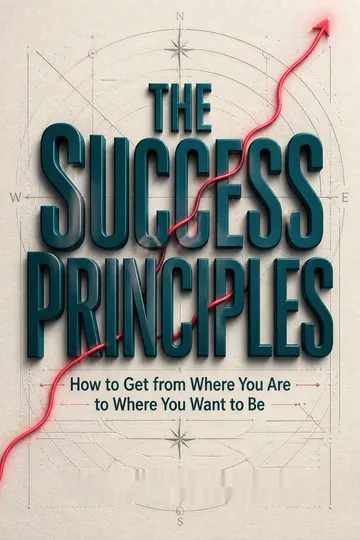
1. What is The Success Principles for Teens by Jack Canfield about?
- Comprehensive success guide: The book provides a step-by-step roadmap for teenagers to move from where they are to where they want to be, focusing on personal growth, mindset, and achievement.
- Practical life skills: It teaches essential skills like goal-setting, taking responsibility, overcoming fear, and building confidence, all tailored for the unique challenges teens face.
- Inspirational stories and exercises: Real-life examples and actionable exercises help teens internalize the principles and see how others have applied them to achieve success.
- Focus on mindset and action: The book emphasizes the importance of positive thinking, taking consistent action, and developing habits that lead to long-term achievement.
2. Why should I read The Success Principles for Teens by Jack Canfield?
- Empowers personal responsibility: The book stresses taking 100% responsibility for your life, a foundational mindset for success and self-improvement.
- Builds confidence and resilience: It helps teens develop self-belief, overcome fear, and persist through challenges, preparing them for real-world obstacles.
- Actionable and relatable: Each principle comes with practical advice, exercises, and relatable stories, making it easy for teens to apply the concepts immediately.
- Addresses teen-specific challenges: The book offers tools for navigating school, relationships, self-esteem, and the pressures unique to adolescence.
3. What are the key takeaways from The Success Principles for Teens by Jack Canfield?
- Take 100% responsibility: Success starts with owning your actions, choices, and outcomes, without blaming others or making excuses.
- Clarity and goal-setting: Knowing exactly what you want and setting specific, measurable goals is crucial for achievement.
- Overcome fear and take action: Breaking down fears, shrinking risks, and acting despite discomfort are essential for growth.
- Persistence and resilience: Success requires discipline, practice, and the willingness to learn from failure and rejection.
4. What are the most important principles in The Success Principles for Teens by Jack Canfield?
- Take 100% responsibility: Own your life and outcomes, and stop making excuses or blaming others.
- Believe it’s possible: Cultivate a strong belief in your ability to succeed, as belief precedes action and achievement.
- Decide what you want: Clarity about your goals acts like an inner GPS, guiding your actions and decisions.
- Act As If: Behave and think like the successful person you want to become to build confidence and momentum.
- Persistence and action: Consistent effort, even in the face of setbacks, is key to long-term success.
5. How does The Success Principles for Teens by Jack Canfield define and teach taking 100% responsibility?
- Complete ownership: Taking responsibility means accepting control over your achievements, relationships, emotions, and health.
- No excuses or blaming: The book highlights that excuses and blaming others only slow progress and prevent success.
- E + R = O formula: Event + Response = Outcome; your response to events determines your results.
- Real-life examples: Stories like Nathan’s illustrate how taking responsibility leads to positive change.
6. What does The Success Principles for Teens by Jack Canfield say about belief and its role in success?
- Belief is a choice: Confidence and belief in oneself are attitudes developed over time, not innate talents.
- Expectations shape reality: The brain often creates outcomes based on what it expects, so positive expectations lead to better results.
- Support systems: Believing in yourself attracts support from others, which further boosts confidence and success.
- Inspiring examples: Stories like Tim Ferris’s rapid success in kickboxing show how belief accelerates achievement.
7. How does The Success Principles for Teens by Jack Canfield recommend teens discover what they really want in life?
- Clarity is crucial: Knowing exactly what you want is the #1 reason people don’t get what they want.
- Inner GPS analogy: Your mind works like a GPS that needs a clear destination to guide your actions.
- Goal-writing exercises: The book recommends writing down detailed goals in various life areas—emotional, material, educational, and more.
- Big 101 challenge: Creating a list of 101 things you want to do, be, or have helps spark passion and motivation.
8. What is the importance of goal-setting in The Success Principles for Teens by Jack Canfield?
- Specific and measurable goals: Goals must be clear, measurable, and time-bound to engage your brain effectively.
- Stretch beyond comfort zone: Goals should challenge you to grow, not just be easy wins.
- Daily review and visualization: Reading and visualizing your goals daily keeps motivation high and activates your subconscious to find solutions.
- Prepare for obstacles: The book explains how to anticipate and overcome the "Triple Threat" of considerations, fears, and roadblocks.
9. How does The Success Principles for Teens by Jack Canfield address overcoming fear and stepping out of your comfort zone?
- Comfort zone limits growth: Staying safe feels good short-term but restricts long-term success and fulfillment.
- Break down fears: The book suggests breaking overwhelming goals into smaller, manageable steps to reduce fear.
- Affirmations and visualization: Positive statements and mental imagery help reprogram your subconscious and build confidence.
- Just go for it: Taking action despite fear leads to growth and unexpected opportunities.
10. What does The Success Principles for Teens by Jack Canfield teach about dealing with rejection and failure?
- Rejection is a myth: The book explains that rejection is often a mental construct and only becomes painful if taken personally.
- SW-SW-SW-SW principle: “Some will, some won’t, so what?—someone’s waiting.” This mindset helps teens persist despite rejection.
- Fail forward: Failure is part of learning and growth; mistakes are opportunities to improve, not reasons to quit.
- Constructive response: Use feedback and setbacks as fuel for improvement rather than discouragement.
11. How does The Success Principles for Teens by Jack Canfield emphasize the importance of taking action and persistence?
- Action is essential: Deciding to do something and actually doing it are two different things; the book urges readers to start moving toward their goals.
- Ready, fire, aim: Don’t wait for perfect plans; take action, learn from mistakes, adjust, and keep going.
- Persistence is key: The longer you persist, the more likely you are to achieve your goals; persistence is like a muscle that gets stronger with use.
- Overcome obstacles: Use the 90/10 rule—spend 10% of your time on the problem and 90% on solutions.
12. What are the best methods and exercises from The Success Principles for Teens by Jack Canfield for building confidence and success?
- Visualization techniques: Create vivid mental images of your goals as already achieved, using all senses and emotions to make the experience real.
- Vision boards: Use pictures, quotes, and symbols to create a physical reminder of your goals and keep your focus sharp.
- Act As If: Think, talk, dress, and act as if you have already achieved your goals to build confidence and attract opportunities.
- Daily practice: Spend 5-10 minutes each day visualizing your success and using affirmations to engage your subconscious mind and spark creativity.
About the Author
Other books by Jack Canfield







Download PDF
Download EPUB
.epub digital book format is ideal for reading ebooks on phones, tablets, and e-readers.








