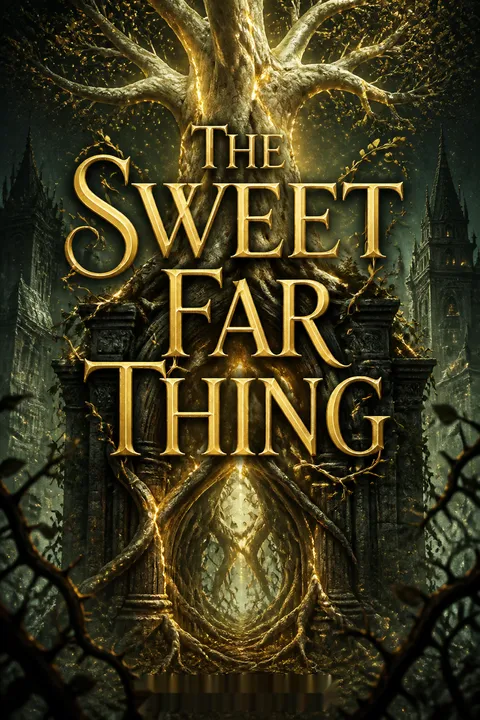


Plot Summary
Prologue
In 1893, Thames scavengers pull a drowned woman in a lavender dress from the river. They take her coins and an odd eye-shaped necklace, then find a scrap of paper in her clenched hand. One man can read its warning about a living Tree of All Souls.
The rivermen discard the message and return the body to the water, unaware that the dead woman is Wilhelmina Wyatt, whose warning will reach Gemma Doyle years later through visions. The prologue makes the river a place where evidence, memory, and the dead can surface, though the living may choose not to see them.
The opening turns poverty into a mechanism of erasure. The rivermen are not villains so much as men trained by deprivation to value coins over a stranger's last message. Their casual disposal of the body parallels the larger pattern of the novel: institutions suppress knowledge when acknowledging it would threaten their routines or authority. The message survives not because anyone protects it, but because Gemma later learns to read the fragments others dismiss. The Thames begins as a grave and becomes a boundary between the unnoticed dead and those still capable of choosing what to remember.
Gemma Loses the Door
In March 1896, nearly seventeen-year-old Gemma Doyle endures debutante lessons at Spence Academy, where she is expected to curtsy flawlessly and fit a rigid social mold. Her closest allies are bold Felicity Worthington and Ann Bradshaw, a scholarship student destined to become a governess.
Ann returns from her cousins' house bruised by their children's cruelty and humiliated by the other girls' mockery. Gemma cannot offer her a new future because, since binding the realms' magic to herself and defeating Circe, she has been unable to reopen the way into that world.
She also fears that her father, confined to a sanitarium after addiction, is slipping further away. Her friends need the magic, but each failed attempt leaves Gemma more convinced she has lost it.
Gemma's paralysis is both magical and social. The vanished portal removes the one place where she could act outside rules designed by others, while Ann's approaching governess post gives that loss a visible human cost. Gemma's guilt over Circe's death and her longing for Kartik make her hesitate to claim the power she once wielded. The opening therefore frames power not as simple competence, but as a responsibility that can outlive the moment when someone feels ready for it. Spence's training and the failed magic both ask Gemma to perform certainty; neither provides it.
The East Wing Opens
The restoration crew uncovers an ancient stone beneath the East Wing, and Gemma feels it answer the crescent-eye amulet she inherited from her mother. That night, she touches the stone and makes a hidden passage appear.
Ann and Felicity follow her through its twisting corridor into the realms, where spring flowers and familiar gardens greet them. Gemma discovers that the Temple's magic still answers her: she turns a leaf into a ruby, a stone into a frog, and then shares power with her friends.
Felicity becomes an armored warrior; Ann creates a princess's gown. Their joy is interrupted when Gorgon warns that Gemma holds all the Temple's power, upsetting the balance among the realms. Gemma promises to share it, but delays making the alliance.
The hidden entrance gives Gemma access before it gives her understanding. Her first response is to restore possibility for her friends, but the immediate delight of making them powerful also exposes the danger of control concentrated in one person. Gorgon's warning complicates the apparent victory: Gemma's protection of the magic may reproduce the very monopoly that made the tribes resent the Order. Her promise to share is sincere, yet she postpones the political work because she wants time to enjoy what she has recovered. That delay becomes the seed of later mistrust.
Pippa Is Still Here
Felicity leads Gemma and Ann into the Borderlands to search for Pippa Cross, their missing friend. They find her in a ruined castle with girls who died in a factory fire, including blunt Bessie Timmons and blind Wendy.
Pippa had turned away from the Winterlands creatures and rescued the girls from being led to soul-stealing trackers. She has made a home for them, though the castle is being swallowed by vines and she now bears the pallor and sharp features of the realms.
Pippa privately asks Gemma to help her cross the river. Gemma tries, but the boat will not carry Pippa onward because she ate the realms' berries and belongs there now. Unable to bear Pippa's despair, Gemma gives her magic, restoring her beauty and letting her feel alive again.
Pippa's survival initially looks like a reunion, but it is also a change of status: she has become responsible for girls whom society and history abandoned. Her request to cross exposes the cost of her earlier choice to eat the berries, while Gemma's gift offers comfort without undoing that choice. Gemma acts from compassion, but the gift also places her in the role of provider and Pippa in the role of dependent recipient. This emotional imbalance matters later, because both girls want freedom, yet Gemma can distribute power while Pippa must ask for it.
A Message from the River
After nightmares of a lavender-clad woman, Gemma experiences her first waking vision in months. The dead woman writes warnings about betrayal, a living tree, and a key that contains the truth. Gemma recognizes the setting of a music hall and the illusionist Dr. Van Ripple, but cannot interpret the message.
At Spence, the Gypsy workers return without Kartik, and Gemma learns no one has seen him for months. When he finally appears during a bicycle lesson, he has changed and says he will leave for a life at sea rather than join Gemma's proposed alliance.
Their reunion leaves Gemma hurt and uncertain. Meanwhile, Mother Elena warns that the East Wing is dangerous, and the workmen's discovery of the buried stone makes Gemma suspect that its restoration has awakened more than an old building.
The vision does not deliver a neat prophecy. It gives Gemma images and phrases whose meanings depend on her capacity to connect them, making interpretation another form of responsibility. Kartik's refusal compounds the uncertainty: the person who once shared her danger now withholds both his reasons and his trust. The physical discoveries at Spence make that uncertainty materially urgent. The stone and the ruined East Wing suggest that history is not safely past, while Mother Elena's fear offers a countervoice to the school's confidence in restoration. Gemma is learning that information can arrive as warning without arriving as explanation.
Borrowed Faces, Borrowed Power
Gemma and Felicity help Ann attend Macbeth by transforming her into Nan Washbrad, a fashionable older cousin. At the theater, Ann meets the celebrated actress Lily Trimble and admits she wants to perform.
Lily arranges an audition, but Ann later doubts that anyone would hire the real Ann Bradshaw and leaves Spence for her cousins' house. In London, Gemma also alters family tensions: she gives her father relief from grief, makes Grandmama cheerful, and briefly steers social encounters in Felicity's favor.
These acts feel like kindness, yet they replace other people's choices with Gemma's wishes. Ann eventually returns after using magic to frighten her cruel young charge, and she auditions under her own name. Her talent wins her a place in Charlie Smalls's musical company.
The borrowed identity offers Ann a rehearsal of the life she wants, but not yet the confidence to inhabit it openly. Her eventual audition succeeds when she risks being seen as herself, making the performance more consequential than the glamour that first opened doors. Gemma's magic, by contrast, increasingly edits other people's feelings and decisions. She calls these interventions helpful, but their emotional ease can disguise coercion. The contrast is important: Ann's genuine talent requires exposure and risk, while Gemma's power can manufacture acceptance. The section asks whether opportunity remains liberating when someone else controls how it appears.
The Tribes Demand Their Share
The forest folk summon Gemma to account for the alliance she promised. Their leader, Philon, and the centaur Creostus want equal access to magic, but they distrust Gemma's delays and suspect the Order is conspiring with the Untouchables.
Gemma offers only a temporary gift, afraid of surrendering too much, and Neela, a shape-shifter, turns the gathering against her. Gorgon later explains that the Order once united the tribes, then restricted their powers; in rebellion, Gorgon killed her own people and was imprisoned aboard her ship.
Gemma sees that every faction has both grievances and capacity for harm. The Untouchables decline the alliance because Asha fears that change will destroy their fragile security, leaving Gemma without the broad agreement she needs.
The political conflict refuses a clean division between oppressors and innocents. The Order's control has injured other tribes, but resentment has not made those tribes trustworthy; Gorgon's confession shows that liberation can become violence when leaders equate surrender with dishonor. Asha's refusal reveals another cost of power: people who have survived by accepting a narrow place may fear the uncertainty of gaining choices. Gemma is caught between the desire to protect everyone and the temptation to decide what protection should mean. Her hesitation is understandable, but the tribes experience it as another form of unilateral rule.
The Tree Names Their Wants
Gemma leads her friends and the factory girls through the Winterlands' bone-built gate, where each traveler must disclose a deepest fear and desire before passing. Beyond it, they cross a dangerous river and a forest hung with dead bodies, then reach the Tree of All Souls. The tree shows each girl a private wish: Ann onstage, Wendy among roses, Bessie avenging the factory, Felicity with Pippa in Paris, and Gemma reunited with her family and desired by Kartik.
Gemma nearly abandons herself to the tree's seductive promise of belonging. Eugenia Spence appears within its power and explains that the tree was created by the blood of sacrificed priestesses. She needs Gemma to find a jeweled dagger that can free her and prevent a new rebellion.
The tree's visions are not neutral gifts. They identify each girl's wound with unnerving precision, then make fulfillment seem possible through surrender. Gemma's wish to be loved and to recover her family is especially potent because it turns loneliness into leverage. Eugenia's revelation links present temptation to institutional history: the tree's magic was born in violence, and the Order's secrecy has allowed its origin to pass into myth. The dagger becomes more than a tool. It represents the possibility of interrupting a system that repeatedly converts vulnerable people into fuel for someone else's power.
Ann Chooses the Stage
After Ann leaves Spence for her cousins, Gemma and Felicity help her escape their children's cruelty by making a temporary illness appear real. Back at school, Ann receives Lily Trimble's invitation to audition for Charlie Smalls's musical.
She first doubts she can sustain the Nan Washbrad identity, but later goes to the Gaiety as herself. When the formal audition window has closed, Ann follows Charlie into the street and sings for him there. Her unadorned voice wins him over, and he offers her a place in the company.
Ann's success gives her a career beyond governess work, while also exposing how easily public judgments confuse beauty with worth. She accepts the opportunity without magic disguising her, though Gemma helps create the conditions for her to reach it.
Ann's arc turns on a distinction between imagining a self and risking a public claim to one. Nan gives her access to admiration, but the illusion's fragility makes Ann retreat once the consequences become real. Her second attempt is stronger because she acts before confidence arrives; she sings while afraid, and the evidence of her skill speaks for itself. The success is not a simple triumph over appearance, since the theater still values beauty, but Ann no longer lets that standard define the limits of her talent. Her choice models a form of agency that Gemma's magic cannot provide on another person's behalf.
Kartik's Debt Comes Due
The Rakshana's agent, Mr. Fowlson, threatens Gemma in London and recruits her brother Tom into the secret order, exploiting Tom's hunger for professional respect. Gemma discovers Tom wearing its insignia and fears he will be used against her. With Kartik's help, she pays a Thames mudlark for intelligence, then faces Fowlson and his men in a sewer.
Gemma uses magic to immobilize them, but when she enters Fowlson's mind, she sees the childhood abuse beneath his cruelty and stops before destroying him. She later gives rubies to the starving mudlarks. Kartik admits that fear of a vision about Amar and Gemma's death has kept him away. They reconnect, but his loyalty remains tangled with his desire to save his brother.
The confrontation tests whether Gemma can use power without becoming the kind of authority she opposes. She has the means to punish Fowlson completely, yet the glimpse of his frightened childhood makes her distinguish accountability from vengeance. That restraint does not excuse his actions; it prevents her from treating another person's pain as permission to dominate him. Kartik's distance has a parallel logic: he mistakes avoidance for protection, just as Gemma sometimes mistakes intervention for care. Their renewed intimacy begins when they acknowledge fear, but neither has yet solved the political danger surrounding them.
The Dagger Hides in Plain Sight
At the Egyptian Hall, Gemma finds Dr. Van Ripple, who tells her that his former assistant Wilhelmina Wyatt was a mute medium from Spence. Wilhelmina feared a trusted school friend, wrote warnings about betrayal, and vanished after trying to expose a dangerous plan. Brigid later reveals that Wilhelmina was Eugenia's niece and drew the gargoyles at Spence.
Gemma suspects Miss McCleethy and Mrs. Nightwing know more than they admit, especially after she overhears McCleethy with Fowlson. In the copy of Wilhelmina's book, Gemma recognizes the room shown in an illustration and realizes the slate she bought from Van Ripple has a hidden compartment. Inside is the jeweled dagger Eugenia needs, concealed beneath the board's wooden base.
The mystery resolves through the convergence of several kinds of evidence: a dead medium's coded drawings, Brigid's household memory, and Gemma's own visions. No single authority provides the truth, partly because the people with institutional power have reasons to control it. The slate's hidden compartment literalizes the novel's concern with appearances: an object dismissed as useless has carried the means to challenge a history of secrecy. Yet finding the dagger does not settle whom to trust. Knowledge gives Gemma a responsibility, not certainty, and the date attached to the danger still has to be understood.
May Day Unmasks the Plot
At Spence's masked ball, Gemma exposes Lord Denby as a Rakshana leader and learns he has engineered Simon's courtship while using Fowlson to recruit Tom. Enraged, she uses magic to make Simon publicly pursue her, humiliating the Denbys and discovering how intoxicating control can feel. Before the ball, Gemma has hidden the dagger in the slate, but Circe has already escaped the well after drawing power from Gemma's gifts.
She takes the dagger and leaves Gemma overwhelmed by unstable visions. In the following night, Ithal's revenant lures Gemma toward a grave, but the gargoyles rescue her and return Ithal's drowned body to the living world. The attack proves that the Winterlands are crossing into Spence, not merely threatening the realms.
The ball makes Gemma's private power public in a way she cannot fully control. Her revenge on Lord Denby feels like a victory, but it relies on manipulating Simon's desire and turning spectators into witnesses. The pleasure of command reveals how easily resistance can imitate domination. Circe's escape makes that danger literal: Gemma's generosity has helped free an enemy, and the missing dagger removes her apparent advantage. The gargoyles' rescue briefly confirms that Spence's old guardians are real, but their intervention cannot restore safety. The threshold between worlds is now porous, and Gemma's choices have consequences on both sides.
The Key Reveals Eugenia
After Fowlson's associates seize Tom, Gemma and Kartik rescue him from an underground Rakshana initiation, using a magical illusion to escape before the group can force her to surrender power. A new vision carries Gemma into the East London room depicted in Wilhelmina's book.
The writing on its walls reveals that Eugenia was not guiding the Order from safety: the Winterlands creatures trapped her inside the Tree of All Souls and twisted her power. Wilhelmina tried to warn the Order, but her addiction and unstable behavior made her easy to dismiss.
Gemma now understands why the restoration of the East Wing serves the creatures' plan. Tom has seen enough magic to begin believing his sister, but Gemma's family remains fragile and her enemies have the dagger.
The revelation reverses the moral map that has guided Gemma. Eugenia's authority once seemed the safest alternative to Circe's ambition, but the evidence shows that a revered founder can be corrupted and that loyalty to tradition can become a blindness. Wilhelmina's failure to persuade anyone is not simply personal tragedy; the Order's dismissal of an addicted, mute woman demonstrates how credibility is distributed by status. Tom's rescue also shifts his relationship with Gemma: he cannot yet grasp everything, but he has witnessed the cost of refusing to hear her. The truth arrives through someone society had already decided not to trust.
Spence Falls Under Siege
On May sixth, the creatures come to Spence. The gargoyles animate to defend the school, while the revived Ithal tries to lead Gemma toward an open grave. She escapes when the gargoyles seize him and later recover his drowned body from the lake. In the chaos, Gemma's father suffers a serious collapse, and she finally understands that magic cannot cure his addiction or grief.
Meanwhile, Circe has taken the dagger and set out for the Winterlands. Gemma returns to Spence as the creatures attack again, and she, Kartik, Ann, Felicity, Fowlson, and McCleethy flee through the hidden door. Their escape leaves the school and its younger girls behind with Mrs. Nightwing, who must hold the chapel against the invasion.
The siege strips away the comfort of treating danger as a problem confined to the realms. The revenant Ithal makes the cost visible in Spence's own landscape, while the gargoyles' defense shows that protection can come from sources the school never understood. Gemma's father's collapse forces a painful limit on her power: love cannot reverse another person's choices or illness. That recognition is not surrender, but it changes the task ahead. Gemma leaves the school knowing that saving everyone is impossible; she must choose where her limited strength can matter most.
The Temple Burns
Gemma's small party reaches the realms and finds the Temple burning. The forest folk have retaliated for Creostus's murder by attacking the Untouchables, despite Asha's insistence that her people had no part in it. Gemma helps evacuate survivors and confronts Philon, who refuses to trust her after she concealed her visits to Circe.
Neela's deception is exposed: she murdered Creostus and planted a poppy to frame the Hajin, hoping to force a war that would give her tribe power. The revelation comes too late to save the Temple or the forest folk's home. With the former allies divided and displaced, Gemma cannot assemble the broad alliance she had hoped would stop the Winterlands.
Neela's confession shows how a fabricated grievance can turn real historical injuries into a weapon. Her people have genuinely been denied power, but she uses that truth to justify murder and retaliation, producing exactly the dispossession she claims to resist. The Temple's destruction also removes the physical center around which Gemma expected to negotiate a settlement. Asha's challenge to Gemma's earlier paternalism and Philon's distrust both remain unresolved. The crisis is no longer whether the tribes can agree in principle; it is whether cooperation can survive fear, loss, and leaders who exploit both.
Pippa Crowns Herself Queen
Gemma finds Pippa ruling the factory girls from the decaying castle. Pippa has gained power by sacrificing Wendy's pet rabbit to the Winterlands creatures, and she treats the gift as proof that she is destined to lead. She calls Wendy a burden, forces the girls to obey, and offers berries as a pledge of loyalty.
When Gemma refuses to join her, Pippa imprisons Felicity and brings Miss McCleethy to the altar as a sacrifice. Bessie and the others beat McCleethy, then Pippa orders her beheading. The castle collapses as its vines and stones consume Pippa and the girl Mercy. Felicity escapes with Gemma and Ann, but her grief over Pippa and the revelation of her love for her remain raw.
Pippa's transformation is not a sudden change from goodness to evil. Her earlier need to be admired and her dependence on Gemma's gifts have hardened into a political theology that makes obedience feel sacred. The rabbit's death is the first explicit price she accepts for power; Wendy's exclusion shows how quickly a leader can call a vulnerable person expendable. Felicity's love for Pippa complicates her refusal to follow, while Gemma's rescue cannot erase the harm Pippa has done. The castle's collapse ends the regime but not the grief, especially for the girls who wanted a place to belong.
The Tree Takes Kartik
Gemma, Kartik, Felicity, Ann, Fowlson, Philon, the Hajin, and the remaining forest folk confront the Winterlands army. Gemma disguises their group as copies of herself, confusing the trackers long enough for them to advance. She reaches the Tree of All Souls and sees Eugenia and Circe trapped within it. Rejecting the tree's offer of endless belonging, Gemma retrieves the dagger and cuts its hold over the dead.
Amar wounds her, but she drives the dagger into the tree and releases the captured souls. The tree transfers its power to Kartik. He chooses to take its place, allowing Gemma to survive and fulfill her promise to return the Temple magic to the land. She shares that magic among all the realms rather than keeping it for herself.
The climax turns on a refusal of both seductive perfection and solitary control. The tree offers Gemma immunity from loneliness by making her its permanent possession; she rejects the bargain by naming her flaws without treating them as grounds for shame. The dagger releases the dead, but it cannot prevent every loss. Kartik's choice repeats the structure of sacrifice that has shaped the story, yet it is his own decision, made from a sense of purpose rather than coercion. Gemma's final act changes the political logic of magic: instead of transferring it to another ruler, she returns it to the land for shared use.
A Life Beyond Spence
After the battle, Gemma helps the dead cross the river and says goodbye to Mother Elena and Carolina. She leaves the younger girls with softened memories of the siege but preserves a small doubt that may lead them to question their world.
Ann prepares to join Charlie Smalls's company, while Felicity plans to go to Paris and live independently. Gemma returns to London, where her father is dying of consumption, and tells Tom the truth about the magic and the Rakshana. He finally hears her, though he cannot save their father.
At her debut, Gemma rejects Lord Denby's offer to control the power and tells her father she will not continue the season. He grants her freedom to study in America. In New York, she begins an uncertain life, carrying her grief without surrendering her future.
The resolution does not reward Gemma with a restored family or a permanent romantic union. Instead, it gives her something harder: the right to shape a life whose outcomes remain unknown. Her father's illness is not healed, and Kartik's sacrifice leaves a wound no new city can close. Yet Gemma rejects the assumption that security must come from obedience, wealth, or magical control. Her friends also choose distinct futures rather than a single shared ending. The conclusion treats hope as a practice of moving forward with grief intact, not as a promise that loss can be reversed.
Analysis
The novel treats power as a relationship, not a possession. Gemma's magic can open doors, alter appearances, and impose desire on others, but its apparent freedom often conceals dependence: Ann must risk being judged as herself, Felicity must face the future others arrange for her, and Pippa mistakes adoration for belonging. The realms' political history repeats that pattern at scale. The Order's monopoly provokes rebellion, while the forest folk and Pippa show how justified grievance can be turned into coercion. Neither inherited authority nor rebellion guarantees justice.
Gemma's central psychological conflict is her fear that she is lovable only when useful. That fear makes her hold the magic close, manipulate people toward what she calls their happiness, and long for a perfect family or a perfect romance. The Tree of All Souls weaponizes those wishes by promising that loneliness can end if she gives herself up. Her refusal is not a discovery that she no longer needs other people. It is a willingness to remain imperfect and connected without demanding that connection erase uncertainty.
The book also examines who gets believed. Wilhelmina's warnings are discounted because addiction, muteness, and social isolation make her easy to dismiss. Ann's talent is first recognized through a borrowed identity, while the Hajin are urged to accept exclusion as safety. Against these structures, Gemma's final act redistributes magic rather than installing a kinder single ruler. The choice does not heal every loss: Kartik, Pippa, McCleethy, Mother Elena, and Gemma's father remain bound to different forms of grief. The ending's hope is therefore practical rather than sentimental. Gemma enters a new life with pain intact, trusting that a future can be made without pretending the past has been repaired.
Review Summary
The Sweet Far Thing receives mixed reviews. Many praise its emotional depth, character development, and ambitious scope, while others criticize its length and pacing. Readers appreciate the feminist themes and magical elements but are divided on the ending. Some found the book captivating and a fitting conclusion to the trilogy, while others felt disappointed and frustrated. The complex relationships and plot twists are noted as strengths, but some readers found certain character arcs and plot points problematic or underdeveloped. Overall, the book elicits strong reactions, both positive and negative.
People Also Read
Characters
Gemma Doyle
Reluctant keeper of magicGemma is a sharp, grieving young woman expected to become a conventional debutante, yet she has inherited a power that connects her to the realms. Her mother's death, her father's addiction, and her own isolation make her hungry for affection and wary of dependence. She often mistakes control for care, especially when magic lets her alter other people's feelings, but she also shows a strong instinct to protect those excluded by rank or circumstance. Her central struggle is not simply mastering power; it is learning to act without claiming ownership of everyone she wants to save. Her wit and stubbornness conceal a serious fear of being ordinary, unwanted, or left alone.
Kartik
Guard turned uneasy allyKartik is a young Indian man raised within the Rakshana, the brotherhood assigned to watch the realms and its priestesses. He is disciplined, observant, and capable of tenderness, but his loyalty to his brother Amar makes him vulnerable to fear and divided duty. Kartik believes that avoiding danger can protect Gemma, even when that avoidance leaves her without a partner in the decisions they share. His bond with Gemma grows through mutual honesty and the difficult recognition that neither can control the other's fate. He is shaped by the conflict between inherited duty and the personal conscience that keeps challenging it.
Felicity Worthington
Defiant heiress and friendFelicity is Gemma's boldest friend, a socially adept young woman who uses wit and provocation to resist a family that would control her future. Her inheritance is conditional on her debut, making her apparent privilege precarious. She is protective of Pippa and deeply attached to the people she chooses, but her confidence can become contempt for those she sees as timid or vulgar. Felicity's wish for freedom is not abstract; she wants the means to live independently and refuse an arranged future. Her courage is real, though she must confront how pride, secrecy, and fear of exposure limit the intimacy she wants.
Ann Bradshaw
Aspiring actress and survivorAnn is a scholarship student at Spence who has spent years being treated as useful rather than important. She is romantic, observant, fascinated by the theater, and more resilient than her shyness suggests. Her poverty and social position make independence difficult, while her love of acting gives her a possible life beyond domestic service. Ann's imagined persona offers temporary confidence, but her lasting strength emerges when she risks auditioning as herself. She understands humiliation from the inside and notices the cost of exclusion, even when she struggles to defend herself. Her friendship with Gemma and Felicity gives her support, but her choices remain her own.
Pippa Cross
Lost friend and queenPippa is a charming, romantic girl whose upbringing taught her to seek approval and rely on others to interpret the world for her. Her friendship with Felicity is especially intimate, while Gemma's kindness can make Pippa feel both loved and dependent. After being stranded in the realms, she cares for girls whom the mortal world discarded, revealing a capacity for compassion that her earlier self rarely exercised. She also longs for beauty, recognition, and the life she expected to have. Pippa's vulnerability is easy to mistake for harmlessness, but her need to feel chosen can make her susceptible to promises that flatter her deepest insecurities.
Circe, formerly Miss Moore
Teacher with a hidden pastCirce once served as Gemma's trusted teacher, Miss Moore, and her knowledge of the Order and the realms makes her both an invaluable source and a dangerous influence. She is intelligent, disciplined, and skilled at identifying the fears other people conceal. Her history with Gemma's mother and with the Order is marked by betrayal and ambition, though she can show flashes of genuine understanding. Circe rarely offers help without expecting payment, and she treats power as something to be won through strategy. Her relationship with Gemma unsettles simple categories of mentor, enemy, and ally because each role is sometimes true.
Eugenia Spence
Founder and lost priestessEugenia founded Spence Academy and was once the most powerful priestess of the Order. Her discipline, authority, and commitment to protecting the realms shaped generations of girls and the institution built in her name. She believed that rules preserved stability, a conviction that could make her protective but also rigid. Gemma inherits both Eugenia's legacy and the consequences of choices made before she was born. To those who remember her, Eugenia is a beloved mentor; to those excluded from her order, she represents a system that guarded power too closely. Her history remains central to the question of whether good intentions can survive power.
Claire McCleethy
Order loyalist and teacherMcCleethy is a severe teacher and member of the Order who values discipline, secrecy, and institutional continuity. She believes the Order's training is essential to protecting the realms, and she has little patience for Gemma's improvisation. Beneath her rigid manner is grief for Eugenia and a complicated attachment to the life she has spent serving. Her assumptions make her vulnerable to official stories, but she is not merely cold: she can act protectively when she believes her pupils are in danger. McCleethy embodies the tension between loyalty to an institution and responsiveness to evidence.
Mrs. Nightwing
Headmistress guarding SpenceNightwing runs Spence with austere precision and insists that its girls master the manners expected of them. She is committed to preserving the school, its reputation, and the opportunities it offers, even when that means enforcing restrictive conventions. Her loyalty to the Order is more complicated than Gemma first assumes, and she must reconcile institutional duty with responsibility for the girls in her care. Nightwing's control is partly a defense against vulnerability; moments of humor and grief show the person beneath the starch. She is capable of reconsidering, though change asks more of her than simply admitting she was wrong.
Tom Doyle
Ambitious brother and physicianTom is Gemma's older brother, a gifted medical worker who craves recognition from elite institutions and his father. His ambition makes him easy to recruit into the Rakshana, whose prestige seems to promise the respect he has long lacked. He often masks hurt with sarcasm and treats family duty as a substitute for emotional closeness. Tom's love for Gemma is genuine but constrained by his belief that he must manage her choices. He and Gemma clash over reputation, authority, and what a respectable life should look like, while sharing an unspoken fear of becoming a disappointment.
John Doyle
Grieving, unwell fatherJohn Doyle is Gemma and Tom's father, a charming storyteller whose warmth once made him the emotional center of the family. His grief after his wife's death and his dependence on opium and laudanum have damaged his health and strained his relationships with both children. He prefers a comforting version of the past to painful truths, not because he lacks affection but because he cannot bear what honesty might require of him. Gemma remembers his tenderness and longs to restore it, while Tom sees more clearly how self-destructive his father can be. His decline forces both siblings to face the limits of love.
Gorgon
Imprisoned warrior guideGorgon is a giant, snake-haired warrior bound to a ship after a rebellion in the realms. She possesses ancient knowledge, a severe sense of honor, and a frightening capacity for violence. Her imprisonment has made her cautious about freedom, even when Gemma urges her to claim it. Gorgon is one of Gemma's most dependable guides, but her history prevents Gemma from confusing loyalty with innocence. She can be tender toward the snakes that live in her hair and merciless toward threats. Her presence exposes the cost of a political order that punishes dissent without addressing the injuries that produced it.
Philon
Forest folk's wary leaderPhilon leads the forest folk, a tribe that has long resented the Order's monopoly on magic. Calm, politically skilled, and difficult to read, Philon expects Gemma to honor her promise of shared power. The creature can restrain more aggressive followers, but its patience is not unlimited. Philon wants self-government and security for its people, not merely a temporary gift from a new priestess. Its choices are shaped by a history of exclusion, yet it must also decide whether fear and revenge will reproduce the same coercion it opposes.
Asha
Untouchables' cautious leaderAsha leads the Hajin, known by others as the Untouchables, who have endured persecution and forced isolation. She is thoughtful and protective, but she often equates stability with remaining in the place assigned to her people. Gemma's offer of shared magic challenges Asha's belief that accepting their inherited condition is safer than risking change. Her care for the community is sincere, yet it can shade into control when she decides what others should be allowed to know. Asha's choices illuminate how survival strategies can preserve people while also narrowing their imaginable futures.
Mother Elena
Grieving Gypsy seerMother Elena is a Gypsy elder who lost her daughter Carolina in the tragedy that began the present conflict. Grief has left her mind fragile, but her warnings about the East Wing and the dead contain knowledge others dismiss as madness. She uses charms and old beliefs to protect her community, and she recognizes that history does not simply disappear because the living prefer not to discuss it. Her relationship with Gemma is shaped by shared proximity to the old fire and its victims. She offers a warning voice from outside Spence's institutions.
Mr. Fowlson
Rakshana enforcer with doubtsFowlson is a scarred Rakshana operative who uses threats and violence to enforce the brotherhood's interests. His manner is cruel, but Gemma's glimpse into his childhood reveals a history of abuse that complicates, without excusing, his choices. He wants advancement and recognition from the powerful men he serves. His relationship with Kartik is shaped by their shared former membership and by Fowlson's betrayal of the brotherhood's stated ideals. Beneath his bluster, he fears being left outside the rooms where real decisions are made.
Wilhelmina Wyatt
Mute medium and hidden messengerWilhelmina was a mute student at Spence, known for communicating through drawings and written messages. As a medium and assistant to Dr. Van Ripple, she could record visions that others could not interpret. Her loneliness and attraction to forbidden knowledge brought her close to people with very different ideas about the realms. Addiction and fear further isolated her, allowing others to dismiss her warnings as unreliable. Wilhelmina's story centers on the difference between being discredited and being wrong. Her drawings and coded messages leave Gemma a trail that the powerful have overlooked.
Ithal
Gypsy ally and wandererIthal is a Gypsy carpenter who once drew Felicity's attention and later returns with his people to seek work at Spence. He is proud, wary of English prejudice, and protective of Mother Elena and the other Gypsies. His presence connects Gemma's personal concerns about Kartik to the broader conflicts between the newcomers, the workers, and the school. Ithal is not easily intimidated by people who consider his community inferior, and he offers a counterpoint to the social rules governing the girls at Spence.
Neela
Shape-shifter seeking powerNeela is a shape-shifter among the forest folk, able to take on another person's appearance. She is persuasive, proud, and impatient with leaders who accept a subordinate place for their people. Her grievance against the Order is rooted in real history, but she is willing to manipulate events to force the change she wants. Neela's ease with disguise reflects a political skill as much as a magical one: she can make an accusation look like evidence. She is driven by resentment at powerlessness and the conviction that a just outcome can excuse ruthless means.
Bessie Timmons
Factory girl turned guardBessie is a broad-shouldered factory worker who died in a workplace fire and now lives in the realms with Pippa's rescued girls. Direct, tough, and suspicious of social niceties, she protects the others with the tools she has. Bessie wants dignity after a life in which hunger and labor left little room for choice. She can be loyal and generous, but her admiration for a commanding leader makes her vulnerable to mistaking certainty for wisdom. Her rough humor keeps the girls' hardship visible even when magic dresses them in borrowed finery.
Wendy
Blind girl seeking safetyWendy is a young girl blinded by a factory fire and sheltered by Pippa in the Borderlands. She fears abandonment and finds comfort in touch, scent, and the companionship of a rabbit named Mr. Darcy. Her caution around magic comes from understanding that a brief taste of power can make an ordinary life harder to bear. Wendy's vulnerability is not passivity; she names what frightens her and chooses small sources of beauty, such as the smell of roses. She reminds the others that a person should not be judged by the help she requires.
Simon Middleton
Charming social suitorSimon is a wealthy, witty young man whose courtship of Gemma once seemed to promise romance and a secure place in society. He is capable of charm and real affection, but he is also embedded in his family's ambitions and the social expectations surrounding him. His ease with conversation contrasts with Gemma's discomfort in the marriage market. Simon represents a tempting life that might suit someone else better than Gemma. His relationship with her forces her to distinguish attraction from compatibility and admiration from the freedom she actually wants.
Lord Denby
Rakshana power brokerLord Denby is an influential Rakshana member who regards magic as a resource that should serve the empire and its established leaders. He speaks in the language of duty and order while using threats and social leverage to secure compliance. His interest in Tom's ambition gives him a route to pressure Gemma through her family. Denby is not simply a public villain; he believes his hierarchy is practical and beneficial. That conviction makes him dangerous, because he sees exclusion as a natural price of stability rather than an injustice requiring repair.
Lily Trimble
Actress and candid mentorLily Trimble is a successful actress who gives Ann a glimpse of a life beyond the roles society assigns her. Direct, worldly, and unapologetic, she knows the costs of theatrical work as well as its rewards. She refuses to romanticize the stage, warning that applause does not guarantee security, yet she recognizes Ann's potential and helps her pursue an audition. Lily's willingness to speak plainly about her own identity challenges the girls' assumptions about respectability and who gets to choose a public name.
Dr. Theodore Van Ripple
Disgraced magician and witnessVan Ripple is an aging illusionist, thief, and former employer of Wilhelmina Wyatt. His showmanship makes him difficult to trust, but his memories help Gemma identify Wilhelmina and understand the messages she left behind. He knows how to create wonder by directing an audience's attention, a skill that mirrors the larger struggle over what people are willing to believe. His career has diminished, yet he retains a sharp eye for deception and a sentimental attachment to his former assistant's slate.
Plot Devices
The East Wing Door
A portal through historyThe doorway concealed beneath Spence's East Wing connects the mortal school to the realms. Gemma opens it with the inherited crescent-eye amulet and the power awakened in her, though later others can also make it appear. The unfinished turret and buried stone make the portal physically vulnerable to the school's restoration project. It gives the characters a route between worlds, but it also becomes a strategic breach that the Winterlands creatures can exploit. The door links private family history, institutional memory, and immediate danger in one threshold.
The Temple Magic
Power that changes handsThe Temple's magic allows Gemma to transform objects, create illusions, influence thoughts, and share power with others. Its effects depend on the holder's desires and self-understanding, so the same gift can comfort, empower, manipulate, or overwhelm. Gemma's ability to distribute magic makes her a political center, while her fear of losing it tempts her to delay sharing. The novel repeatedly tests whether power can be held without becoming possession. Ultimately, Gemma returns it to the land so no single order or ruler can monopolize it.
The Realms' Berries
A choice with lasting costThe berries of the realms offer pleasure, beauty, and a sense of belonging, but eating them binds a person to the realm and prevents an ordinary crossing out. Pippa's choice to eat them leaves her unable to return to the mortal world, while her later use of them signals her dependence on the power they promise. Their sweetness disguises an irreversible cost, making them a physical version of the novel's larger bargains. The berries test whether a desired escape is freedom or another kind of captivity.
Wilhelmina's Slate
A coded trail to truthWilhelmina's slate appears to be an ordinary writing board, but its concealed base holds the jeweled dagger she stole. Her book's illustrations, her visions, and the phrases she left on walls point Gemma toward the slate and the room where the story can be understood. The device rewards close reading and practical inference rather than trust in official accounts. It also reflects Wilhelmina's life: her voice was easily ignored, yet the objects she left behind preserve a warning that institutions tried to dismiss.
The Tree of All Souls
A lure built from longingThe tree is a second source of magic in the Winterlands, created through the sacrifice of priestesses and strengthened by souls offered to it. It reveals each visitor's deepest desires, then uses those desires to invite surrender and obedience. Eugenia's power has become bound to the tree, while the trackers use its growth to build an army and threaten both worlds. The tree's destruction requires more than an attack on its bark: Gemma must resist its offer of permanent belonging, use Wilhelmina's dagger, and free the souls trapped within it.
FAQ
0. Synopsis & Basic Details
What is The Sweet Far Thing about?
- Gemma's Dual World Struggle: The Sweet Far Thing follows Gemma Doyle as she navigates the rigid expectations of Victorian society at Spence Academy, preparing for her London debut, while simultaneously grappling with her inherited magical powers and responsibilities in the enchanted realms. The narrative explores her internal conflict between conformity and her extraordinary destiny.
- Unraveling Ancient Betrayals: The story delves into the complex history of the realms, revealing a deep-seated power struggle between ancient magical factions—the Order, the Rakshana, and the malevolent Winterlands creatures—all vying for control of the magic. Gemma must uncover hidden truths about her mother's past and the origins of the realms' power to prevent a catastrophic war.
- Quest for Balance and Self-Acceptance: As Gemma's magic grows, she faces profound moral dilemmas, questioning who to trust and how to wield her power responsibly. Her journey is one of self-discovery, challenging her to accept her unique identity and forge a new path for the realms, ultimately leading to a confrontation that will determine the fate of both worlds.
Why should I read The Sweet Far Thing?
- Richly Woven Victorian Gothic: Readers are immersed in a meticulously researched 19th-century setting, blending historical detail with dark fantasy and gothic romance. The novel offers a captivating escape into a world of strict social codes, hidden desires, and burgeoning female empowerment, making it a unique entry in the YA fantasy genre.
- Deeply Explores Power and Choice: Beyond the magical battles, the book is a profound exploration of power's corrupting influence and the weight of personal choice. Gemma's struggle to use her abilities for good, the tragic fates of characters consumed by ambition, and the ethical dilemmas of intervention resonate deeply, offering a thought-provoking narrative.
- Complex Female Friendships: At its heart, the story celebrates and dissects the intricate bonds between young women. The evolving dynamics between Gemma, Felicity, Ann, and Pippa—marked by loyalty, jealousy, and betrayal—provide a realistic and emotionally charged portrayal of friendship under extraordinary pressure, offering a nuanced look at sisterhood.
What is the background of The Sweet Far Thing?
- Victorian Social Constraints: The novel is set in 1896, a period defined by rigid social expectations for women, particularly debutantes like Gemma. Spence Academy, with its focus on "comportment" and preparing girls for marriage, serves as a microcosm of these societal pressures, highlighting the stark contrast between the girls' constrained lives and the boundless freedom of the magical realms.
- Colonialism and Cultural Exchange: Gemma's Indian heritage and her father's work in India introduce themes of British colonialism and cultural identity. Kartik, a member of the Rakshana, further explores the complexities of Indian mysticism and its interaction with Western perceptions, adding layers of intertextual reference and challenging ethnocentric viewpoints.
- Spiritualism and Occult Fascination: The era's burgeoning interest in spiritualism, séances, and magic lanterns provides a real-world backdrop for the supernatural elements. Dr. Van Ripple's illusions and the public's desire to believe in "spirits" mirror the hidden magic of the realms, blurring the lines between entertainment, deception, and genuine supernatural phenomena.
What are the most memorable quotes in The Sweet Far Thing?
- "Peace is not only better than war, but infinitely more arduous.": This epigraph, attributed to George Bernard Shaw, encapsulates the novel's central theme of the difficulty and constant effort required to maintain peace, both within oneself and in the world. It foreshadows Gemma's arduous journey to bring balance to the realms.
- "Power changes everything till it is difficult to say who are the heroes and who the villains.": Spoken by Gorgon (Chapter 31), this quote highlights the moral ambiguity inherent in wielding great power. It reflects Gemma's struggle to discern true intentions among the various factions and her own internal battle with the intoxicating nature of magic, a core
themes in The Sweet Far Thinginsight. - "There is never any turning back, Gemma. You have to go forward. Make the future yours.": Kartik's poignant last words to Gemma (Chapter 69) serve as a powerful message of resilience and agency. It underscores the novel's ultimate theme of embracing the unknown, accepting the consequences of past choices, and actively shaping one's destiny, a key aspect of
[Gemma Doyle](#gemma-doyle) motivations.
What writing style, narrative choices, and literary techniques does Libba Bray use?
- Lyrical and Evocative Prose: Libba Bray employs a rich, descriptive writing style that immerses the reader in both the opulent Victorian setting and the fantastical realms. Her language is often poetic, using vivid imagery and sensory details to create a lush and atmospheric reading experience, enhancing the
The Sweet Far Thing analysis. - Gothic and Social Commentary: The narrative seamlessly blends gothic elements—dark secrets, decaying mansions, psychological torment, and the supernatural—with sharp social commentary on class, gender, and colonialism. Bray uses the restrictive Victorian backdrop to highlight themes of female agency and rebellion against societal norms.
- First-Person Introspection and Symbolism: Told from Gemma's first-person perspective, the story offers deep insight into her internal struggles, doubts, and growth. Bray frequently uses symbolism, such as the changing weather, the East Wing's reconstruction, and the various creatures of the realms, to reflect Gemma's emotional state and the broader
The Sweet Far Thing symbolismof the narrative.
1. Hidden Details & Subtle Connections
What are some minor details that add significant meaning?
- Mrs. Nightwing's Haste for East Wing: Mrs. Nightwing's unusual urgency to complete the East Wing's reconstruction, despite its decades of ruin, is initially presented as a matter of school pride or funding (Chapter 2). This seemingly minor detail later reveals her unwitting participation in Eugenia Spence's deceptive plan to reopen the realms, connecting to the broader theme of manipulation and hidden agendas.
- Brigid's Superstitious Protections: Brigid's consistent use of folk remedies and protective charms—like leaving milk for pixies, affixing crucifixes, and using rowan leaves (Chapter 8)—highlights a deep-seated, ancient fear of the supernatural. Her actions, initially dismissed as quaint superstitions, foreshadow the very real dangers that eventually breach Spence's walls, underscoring the thin veil between the mundane and the magical.
- Wilhelmina Wyatt's Book Illustrations: The illustrations in A History of Secret Societies, particularly "The Hidden Object" and "Guardians of the Night" (Chapter 28), are more than mere decorations. They serve as a visual code left by Wilhelmina, guiding Gemma to the dagger and revealing the true nature of the gargoyles as protectors. This subtle detail is crucial for
[Wilhelmina](#wilhelmina-wyatt) Wyatt secretsand the plot's resolution.
What are some subtle foreshadowing and callbacks?
- Kartik's Recurring Dream of Amar: Kartik's unsettling dreams of Amar as a "horrible cursed creature" leading an army of lost souls (Chapter 17) subtly foreshadow Amar's corrupted state and his role in the Winterlands army. This recurring motif builds tension and hints at the tragic fate awaiting Amar, deepening
[Kartik](#kartik) sacrifice meaninglater in the story. - Mother Elena's "Two Ways" Prophecy: Mother Elena's cryptic warning, "Two ways! The seal is broken. Why would Eugenia allow it?" (Chapter 15), initially seems like the ramblings of a madwoman. It subtly foreshadows Eugenia Spence's dual nature and her ultimate betrayal, revealing that the "two ways" refer to the two sources of magic (Temple and Tree of All Souls) and the two paths for the realms.
- The Gargoyles' Shifting Nature: Gemma's early, unsettling hallucination of a gargoyle coming to life and later seeing them "gone" from the roof (Chapter 21, 49) subtly prepares the reader for their true nature as sentient guardians. This foreshadows their active role in defending Spence against the Winterlands creatures, transforming them from mere architectural details into vital supporting characters.
Who are the most significant supporting characters?
- Mother Elena, the Seer of Truth: Beyond her perceived madness, Mother Elena serves as a crucial prophetic figure, her fragmented warnings ("The mark has to be made in blood," "Two ways," "The dead come") consistently foreshadowing major plot developments and the true nature of the threats. Her deep connection to the land and ancient Romani wisdom provides an alternative, often more accurate, perspective than the Order's rigid dogma, offering vital
The Sweet Far Thing analysisclues. - Dr. Theodore Van Ripple, the Illusionist: Initially appearing as a charming rogue and con artist, Dr. Van Ripple is instrumental in revealing
[Wilhelmina](#wilhelmina-wyatt) Wyatt secretsand the nature of illusion versus truth. His insights into Wilhelmina's past and the power of belief ("First, the people must want to believe in it") are key to Gemma's understanding of both magic and manipulation, highlighting the[illusions](#illusions-and-reality) and realitytheme. - Brigid, the Grounded Protector: Brigid, the housekeeper, provides a maternal, grounding presence amidst the chaos. Her practical superstitions, unwavering loyalty to Spence, and genuine affection for the girls offer a stark contrast to the magical conflicts. Her simple wisdom and steadfastness underscore the importance of human connection and everyday courage, even as she unknowingly participates in the magical defense of the school.
2. Psychological, Emotional, & Relational Analysis
What are some unspoken motivations of the characters?
- Gemma's Quest for Belonging: Beneath her desire to save the realms,
[Gemma](#gemma-doyle) Doyle motivationsare deeply rooted in a longing for belonging and acceptance, stemming from her mother's death and her feeling of being an outsider. Her initial reluctance to fully embrace her power, and her subsequent fierce protection of it, reflect a fear of isolation and a yearning to find her "place" in the world, as explored in her internal monologues (e.g., "I am always in a state of wishing and rarely in a state of contentment" - Chapter 9). - Felicity's Fear of Powerlessness: Felicity's rebellious nature and fierce independence are driven by a profound fear of being trapped and controlled, particularly by her father and societal expectations (Chapter 7). Her desire for magic and her initial eagerness to join Pippa are motivated by a yearning for absolute freedom and agency, a stark contrast to the constrained life of a Victorian lady.
- Mrs. Nightwing's Preservation of Legacy: Mrs. Nightwing's seemingly rigid adherence to rules and her relentless drive to restore the East Wing are motivated by a deep-seated desire to preserve Spence Academy's legacy and her own sense of purpose (Chapter 38). Her unspoken fear of the school's decline and her personal connection to Eugenia Spence fuel her actions, even when they inadvertently serve a darker purpose.
What psychological complexities do the characters exhibit?
- Pippa's Descent into Delusion:
[Pippa](#pippa-cross) Cross fateis marked by a tragic psychological descent, where her initial longing for belonging and happiness transforms into a self-serving delusion of being "chosen" and a "queen" (Chapter 56). Her inability to accept her limitations and her desperate need for power lead her to rationalize cruel acts, showcasing how isolation and unchecked ambition can warp one's moral compass. - Fowlson's Trauma-Driven Loyalty: Fowlson's ruthless exterior and loyalty to the Rakshana are revealed to be a coping mechanism for deep-seated childhood trauma, particularly abuse from his mother (Chapter 61). His desire for power and respect ("I don't wanna be their strong arm forever. I want to sit a' the table proper wif power o' my own") stems from a need to overcome his past vulnerability, adding a complex layer to his
[Fowlson](#fowlson)character analysis. - Eugenia Spence's Corrupted Pride: Eugenia Spence, initially revered as a selfless hero, is revealed to be psychologically complex, her pride and inability to accept her own "dark corners" leading to her corruption within the Tree of All Souls (Chapter 68). Her transformation from protector to manipulator highlights how even noble intentions can be twisted by fear and a refusal of self-reflection, a key aspect of
[Eugenia](#eugenia-spence) Spence betrayal.
What are the major emotional turning points?
- Gemma's Confrontation with Her Father's Addiction: The emotional turning point for Gemma regarding her father occurs when she realizes her magic cannot "fix" his addiction or his denial of reality (Chapter 40). This moment forces her to confront the limits of her power and the painful truth that people must choose their own paths, leading to her acceptance of his flaws and her own inability to control others' happiness.
- Felicity's Heartbreak over Pippa's Betrayal: Felicity experiences a profound emotional turning point when Pippa's true nature and her willingness to sacrifice others for power are revealed (Chapter 56). The kiss, initially a moment of intimacy, becomes a symbol of Pippa's manipulative hold, shattering Felicity's idealized view of their friendship and forcing her to confront the painful reality of loss and betrayal.
- Ann's Embrace of Her True Self: Ann's decision to sing on the street for Charlie Smalls, shedding the illusion of "Nan Washbrad" (Chapter 49), marks a significant emotional turning point. This act of courage, driven by her passion for performance and a newfound self-acceptance, allows her to claim her destiny on her own terms, rather than through borrowed beauty or a fabricated identity, showcasing her
[Ann](#ann-bradshaw) Bradshaw motivations.
How do relationship dynamics evolve?
- Gemma and Kartik's Deepening Trust: The relationship between Gemma and Kartik evolves from initial suspicion and duty-bound surveillance to a profound bond of trust and love, culminating in their shared dream and kiss in the Caves of Sighs (Chapter 52). Despite Kartik's past betrayals and his Rakshana ties, their shared vulnerability and mutual respect for each other's power forge an unbreakable connection, central to
[Kartik](#kartik) sacrifice meaning. - The Fracturing of the Girls' Friendship: The once-unbreakable bond between Gemma, Felicity, Ann, and Pippa undergoes severe strain due to the corrupting influence of the realms' magic and Pippa's descent. Pippa's betrayal and sacrifice of McCleethy, and her subsequent attempts to manipulate Felicity, fracture the group, forcing Gemma and Felicity to confront the dark side of their loyalty and the painful reality of
[Pippa](#pippa-cross) Cross fate. - Gemma's Redefined Family Ties: Gemma's relationships with her family transform from one of denial and unspoken truths to a more honest, albeit painful, acceptance. Her confrontation with her father about his addiction and her brother about his ambition (Chapter 58) leads to a re-evaluation of their bonds, culminating in her decision to forge her own path, free from their expectations, a key aspect of
[Gemma](#gemma-doyle) Doyle motivations.
3. Interpretation & Debate
Which parts of the story remain ambiguous or open-ended?
- The Long-Term Impact of Shared Magic: While Gemma returns the magic to the land to be shared, the exact long-term implications for the realms' governance and the tribes' ability to coexist remain open-ended (Chapter 73). The narrative suggests a new beginning, but the inherent conflicts and power struggles among the diverse factions imply that "peace is not an ideal... but a necessity" that will require continuous effort.
- Gemma's Future in America: Gemma's decision to go to New York for university and pursue her own career leaves her personal future largely open (Chapter 73). While she embraces independence and self-discovery, the specific challenges and triumphs she will face in this new world, and how her magic will integrate into her mortal life, are left to the reader's imagination, contributing to the
The Sweet Far Thing ending explaineddiscussion. - The Nature of the Realms' Creatures: The story often blurs the lines between good and evil, particularly with creatures like the water nymphs, fairies, and even the Winterlands creatures. Their motivations are complex, driven by survival, desire, or ancient grievances. The ambiguity of their moral alignment, and whether they can truly change, remains a point of interpretation, reflecting the
[illusions](#illusions-and-reality) and realitytheme.
What are some debatable, controversial scenes or moments in The Sweet Far Thing?
- Gemma's Use of Magic on Her Family: Gemma's repeated use of magic to manipulate her family's emotions and memories—making her grandmother "jolly," her father "forget his pain," and her brother "heroic" (Chapters 22, 40)—is highly debatable. While motivated by a desire for their happiness and peace, it raises ethical questions about consent, free will, and the morality of altering reality, a key point for
The Sweet Far Thing analysis. - Pippa's Sacrifice of Miss McCleethy: Pippa's brutal murder of Miss McCleethy (Chapter 57), driven by her delusion of being "chosen" and her desire for power, is a shocking and controversial moment. It forces readers to confront the depths of Pippa's corruption and the tragic consequences of her choices, sparking debate about whether she was a villain or a victim of the realms' influence, central to
[Pippa](#pippa-cross) Cross fate. - The Order's Justification for Control: The Order's long-standing belief that magic "must be governed carefully by those who know best" and their persecution of other tribes (Chapter 29) is a controversial aspect. While they claim to maintain "order" and "safety," their methods often involve suppression and denial of freedom, prompting readers to question the nature of authority and whether their actions were truly for the "greater good."
The Sweet Far Thing Ending Explained: How It Ends & What It Means
- Kartik's Ultimate Sacrifice and the Magic's Release: The climax sees Kartik sacrificing himself to the Tree of All Souls, absorbing its dark magic and allowing Gemma to sever its connection to the realms (Chapter 69). This act, fulfilling his destiny to protect Gemma and the realms, enables Gemma to return all magic to the land, making it accessible to all tribes. This is the core of
The Sweet Far Thing ending explained, emphasizing selflessness and shared power. - Gemma's Acceptance and New Beginning: Gemma, having faced her deepest fears and accepted her flaws, chooses to leave the realms' direct governance to the newly formed alliance and embarks on a new life in New York (Chapter 73). Her journey culminates in self-acceptance and a commitment to shaping her own future, free from external expectations. This signifies her personal growth and the novel's theme of individual agency.
- Hope for a Balanced Future: The ending offers a hopeful, albeit realistic, vision for the realms, where magic is shared, and diverse tribes begin to rebuild and negotiate their future together. The image of tiny green shoots in the Winterlands and the continued presence of the Three Fates suggest that while conflicts may persist, the potential for peace and growth exists, reflecting the enduring
themes in The Sweet Far Thingof change and possibility.
Gemma Doyle Series
Download PDF
Download EPUB
.epub digital book format is ideal for reading ebooks on phones, tablets, and e-readers.








